
Our relationship with salt has many aspects. Its existence may predate us by billions of years, yet we have such a strong relationship with it. Beyond seasoning our food, we can taste a single grain in a bottle of water, we smell it by the sea, and we feel its grainy texture when we handle it. It was once used as a form of payment, and it’s still used as a preservative.
It’s all these aspects and the fact that it will outlive humanity that inspired curator Ruoru Wang to construct an exhibition around this theme, titled ‘From Salt to Salt’. Bringing together works by 16 Japanese artists, this exhibition asked them to reflect on our relationship to salt, from food to tears and sweat.
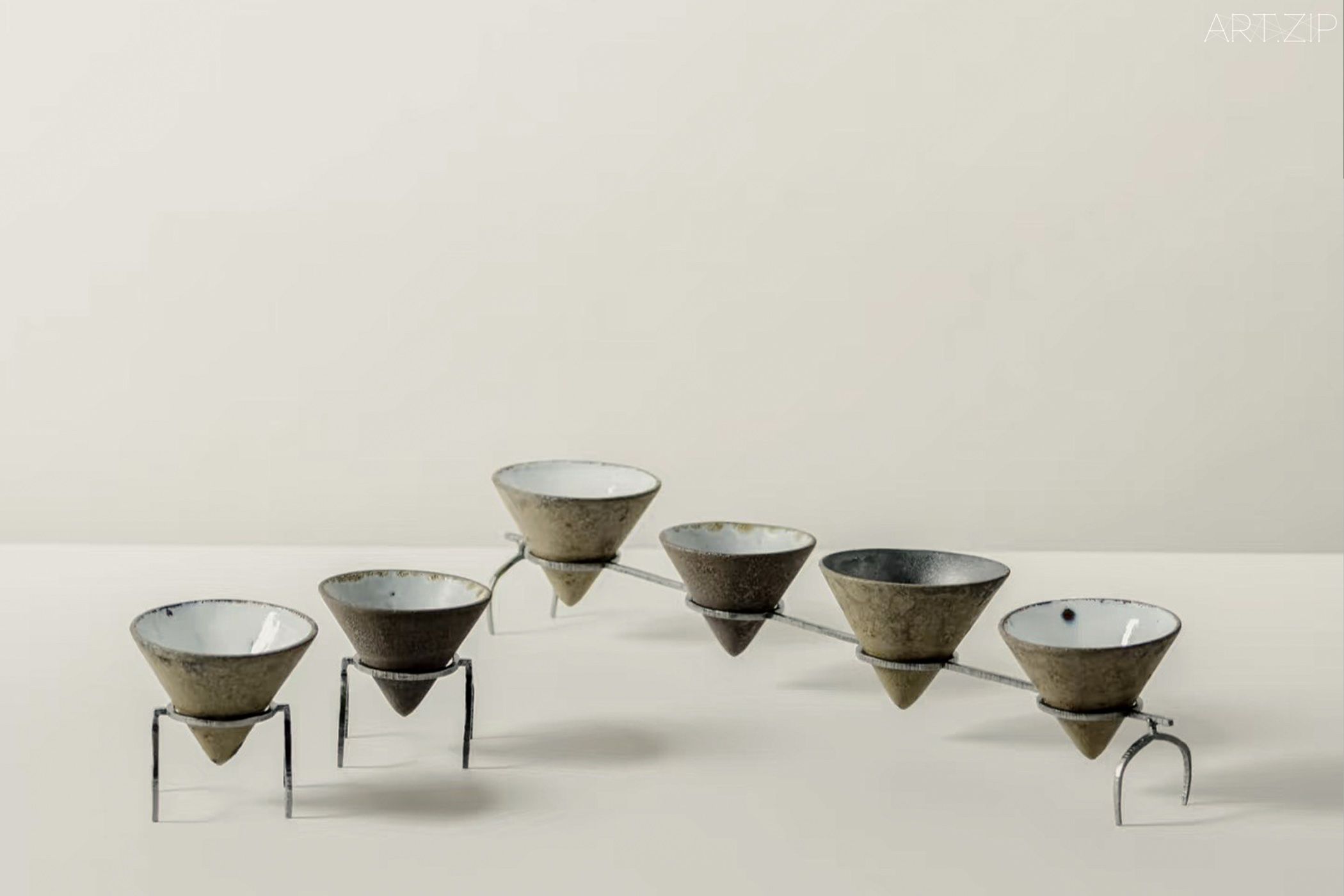
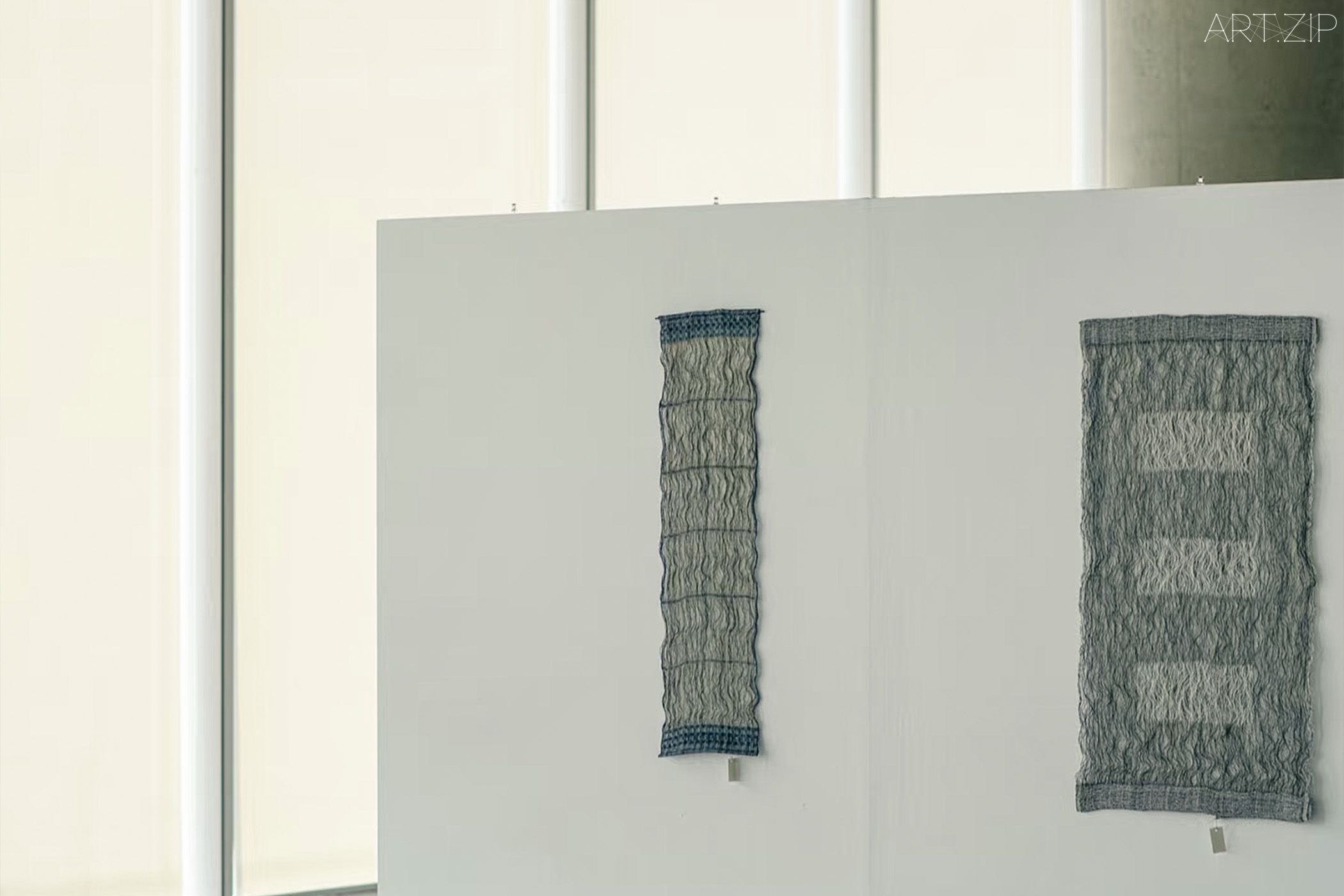
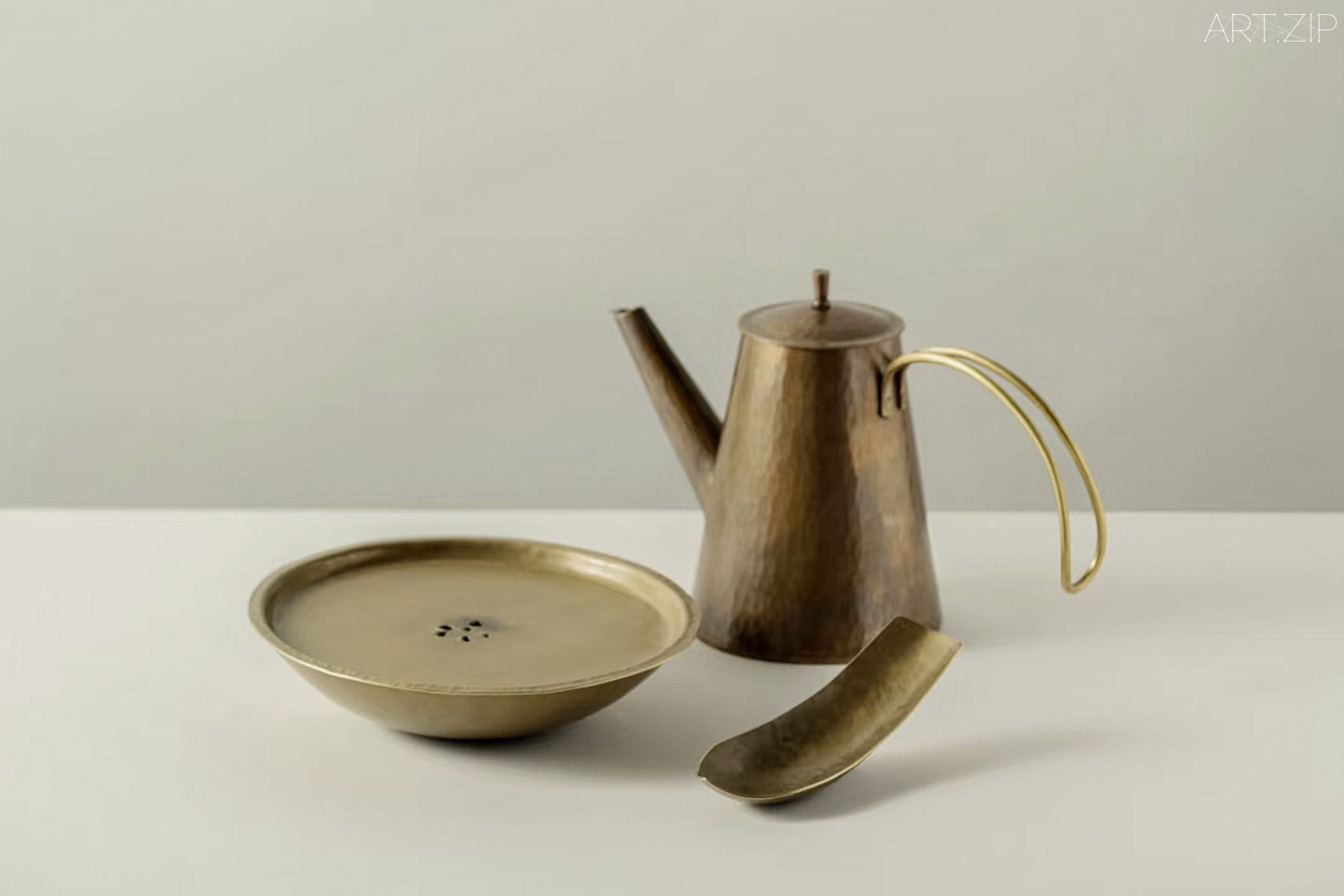
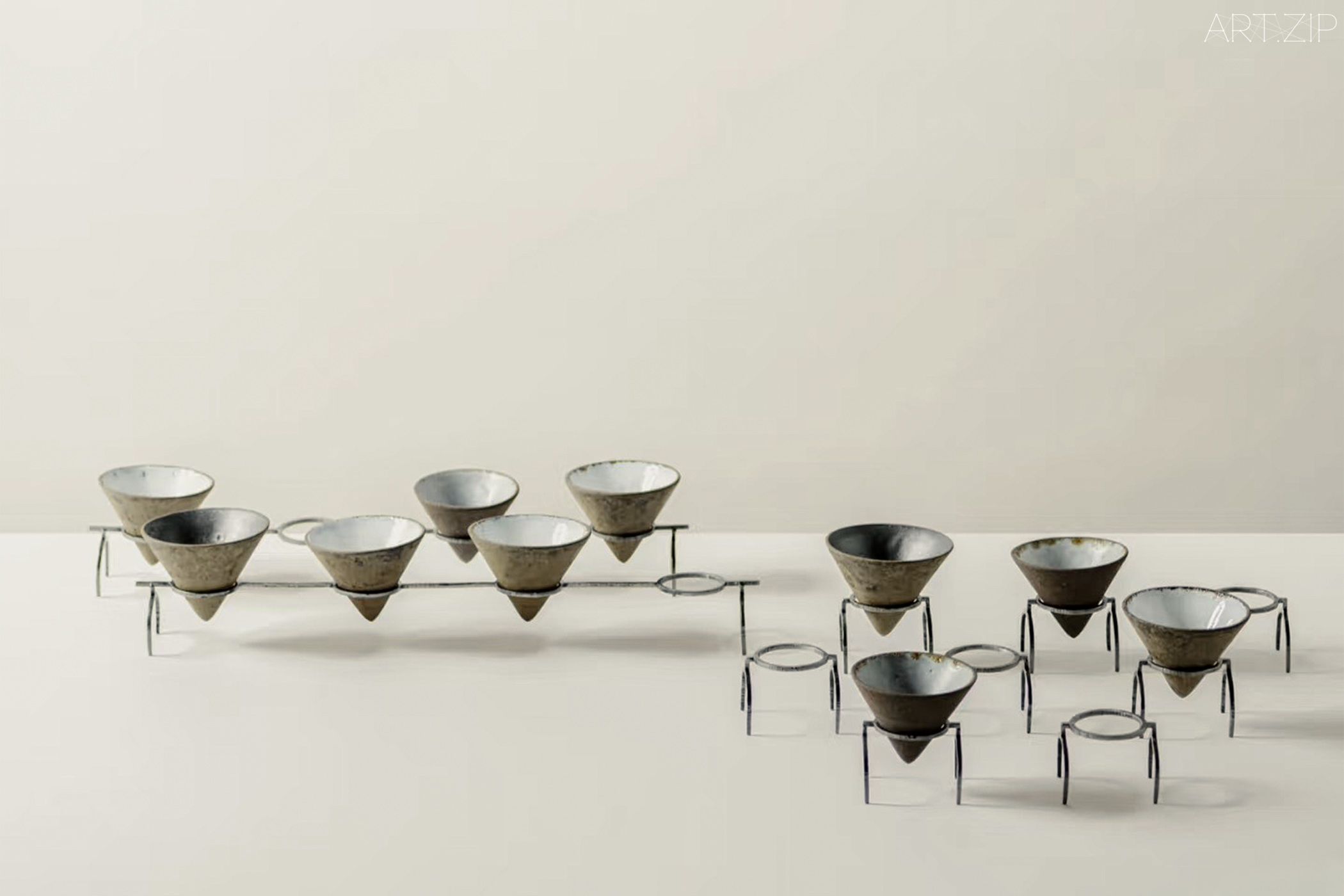
It was a contemplative exhibition featuring vessels made from ceramic, wood, metal, glass, or textiles. The concept was to ask participants to slow down, examine the surface of each artwork, and consider what it could contain. It was a meditative experience, and the vessels reminded me of tea ceremonies, where taking our time and living entirely in the moment are essential elements of the practice.
It also reflects on the idea of deep time, the timescale of the natural world, in which the Anthropocene era (the age of humanity) is a mere blink of the eye. Salt is the product of natural cycles that operate on timescales; our short lives cannot be comprehend.
My reading of the works suggests they reflect on both the Eastern traditions, in which crafting vessels is a process that can take years to master, and the Western artists inspired by these traditions, such as Edmund de Waal.
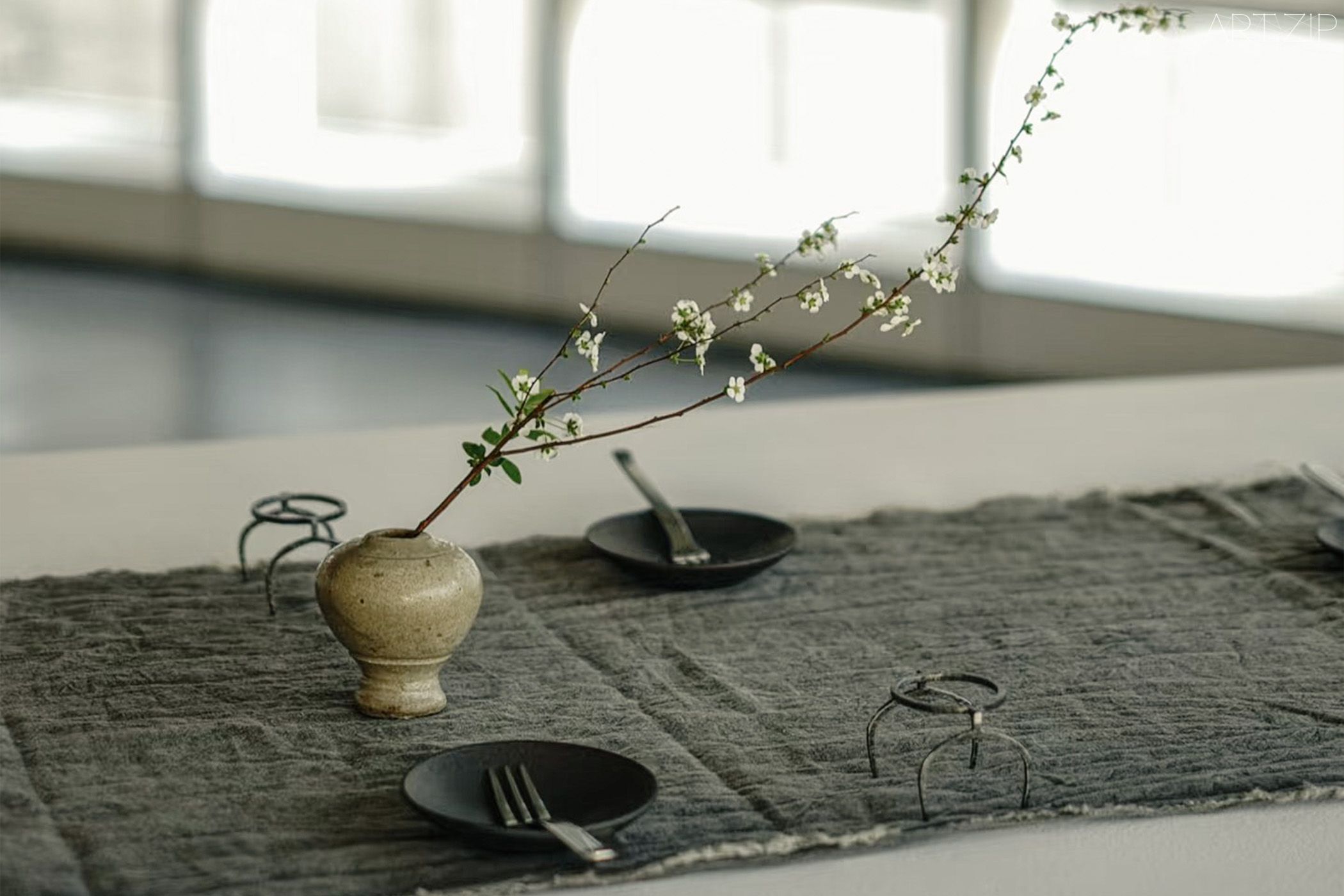
The Installation view of ‘FROM SALT TO SALT’, Tian Mu Li, 2025. Courtesy of the curator.
While the above exhibition was in China, Ruoru Wang brought her contemplative curation to Paris as well, in her exhibition ‘Walking between norms and memories’. This exhibition focused on the act of walking as a balance between conforming to the environment, as our paths are shaped by architecture and nature, but also breaking those conventions and creating our own paths.
It brings to mind the work of land artists such as Richard Long, who would photograph the line he created as he walked through a field, and the work of Igshaan Adams, who focuses on desire lines – the paths humans and animals create across a landscape that aren’t the paths that we’ve been set, yet are most convenient to us. We also think of performance artists such as Marina Abramovic, who famously walked a significant length of the Great Wall of China to end her relationship with her romantic and creative partner at the time.
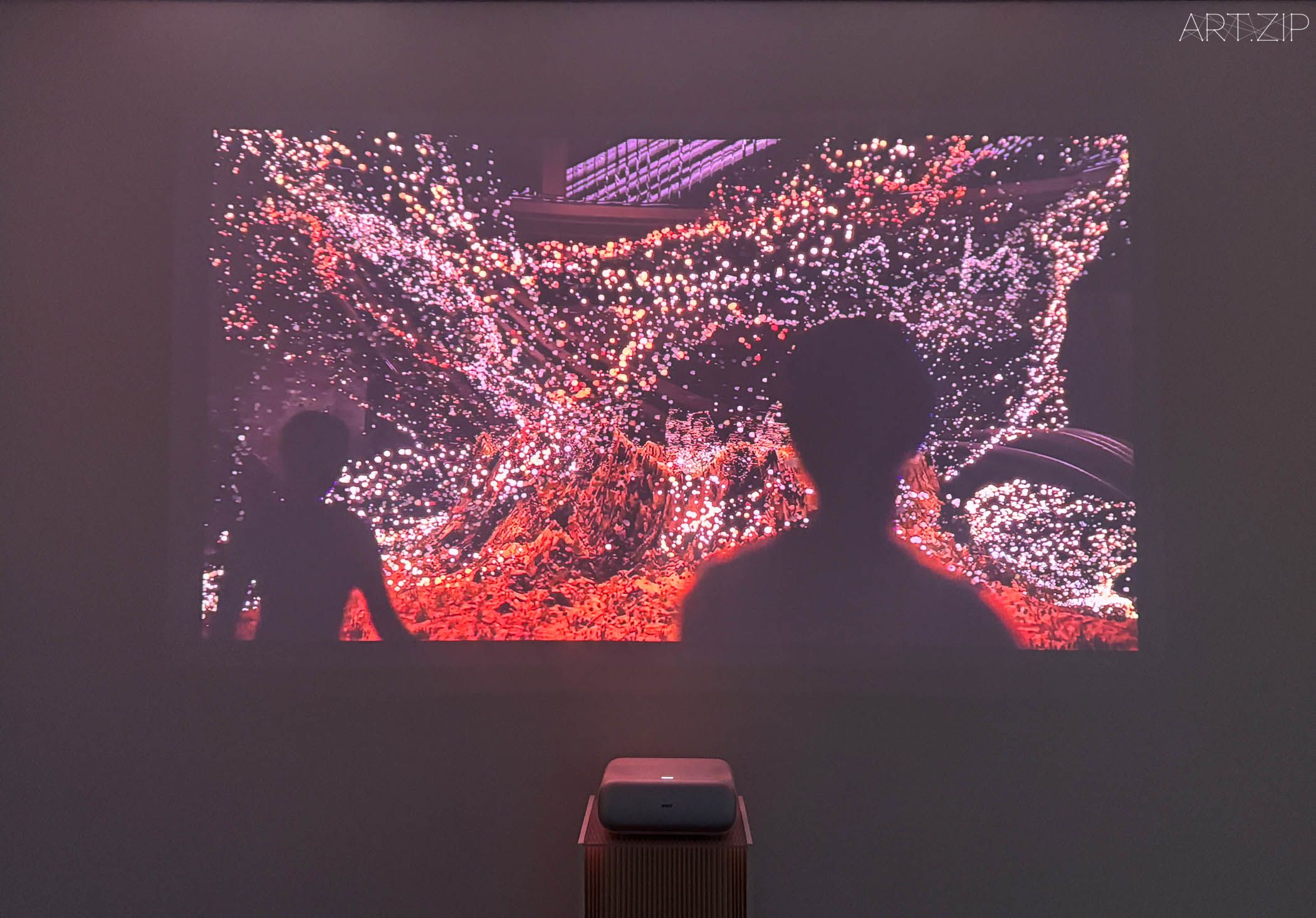
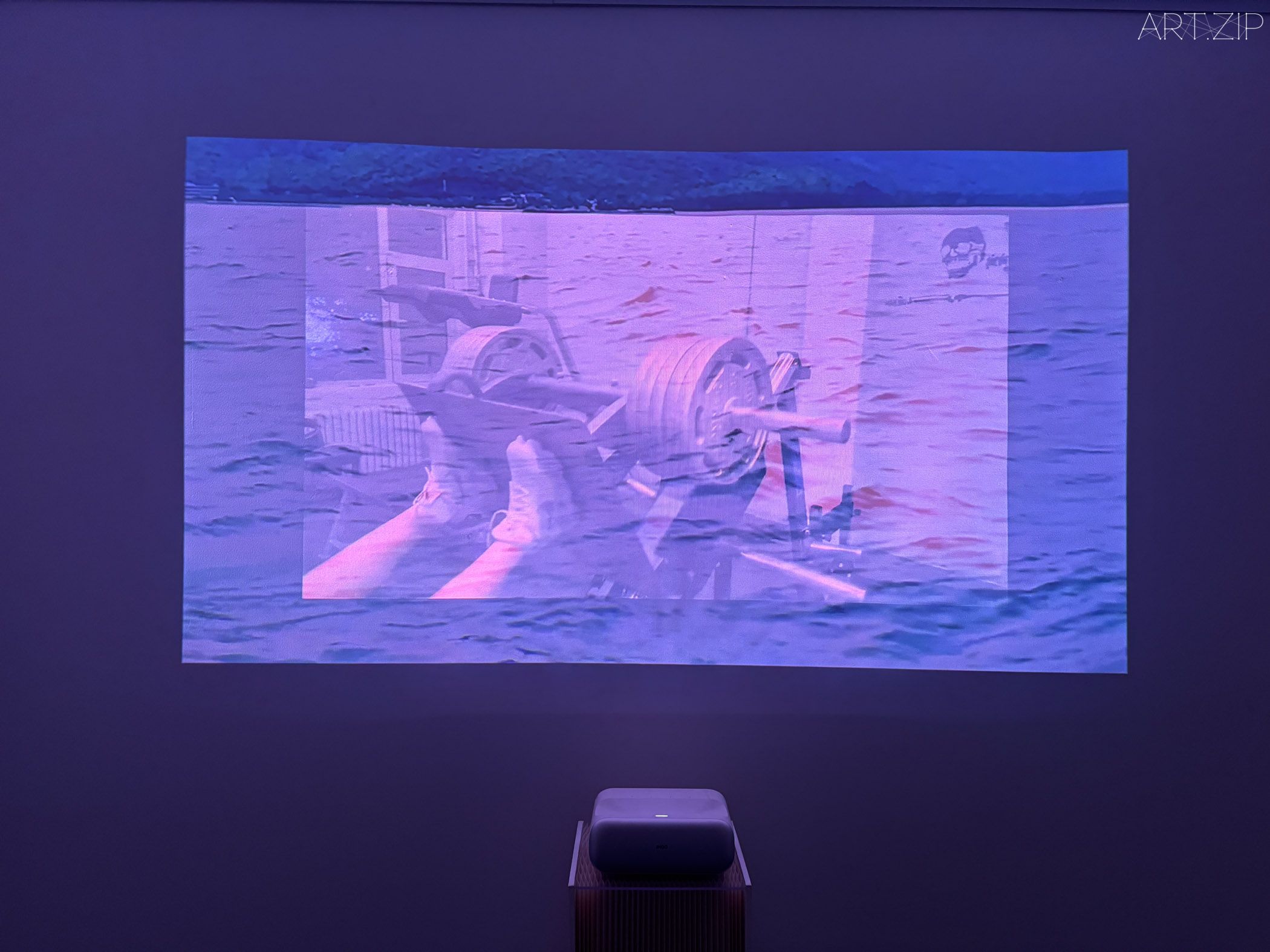
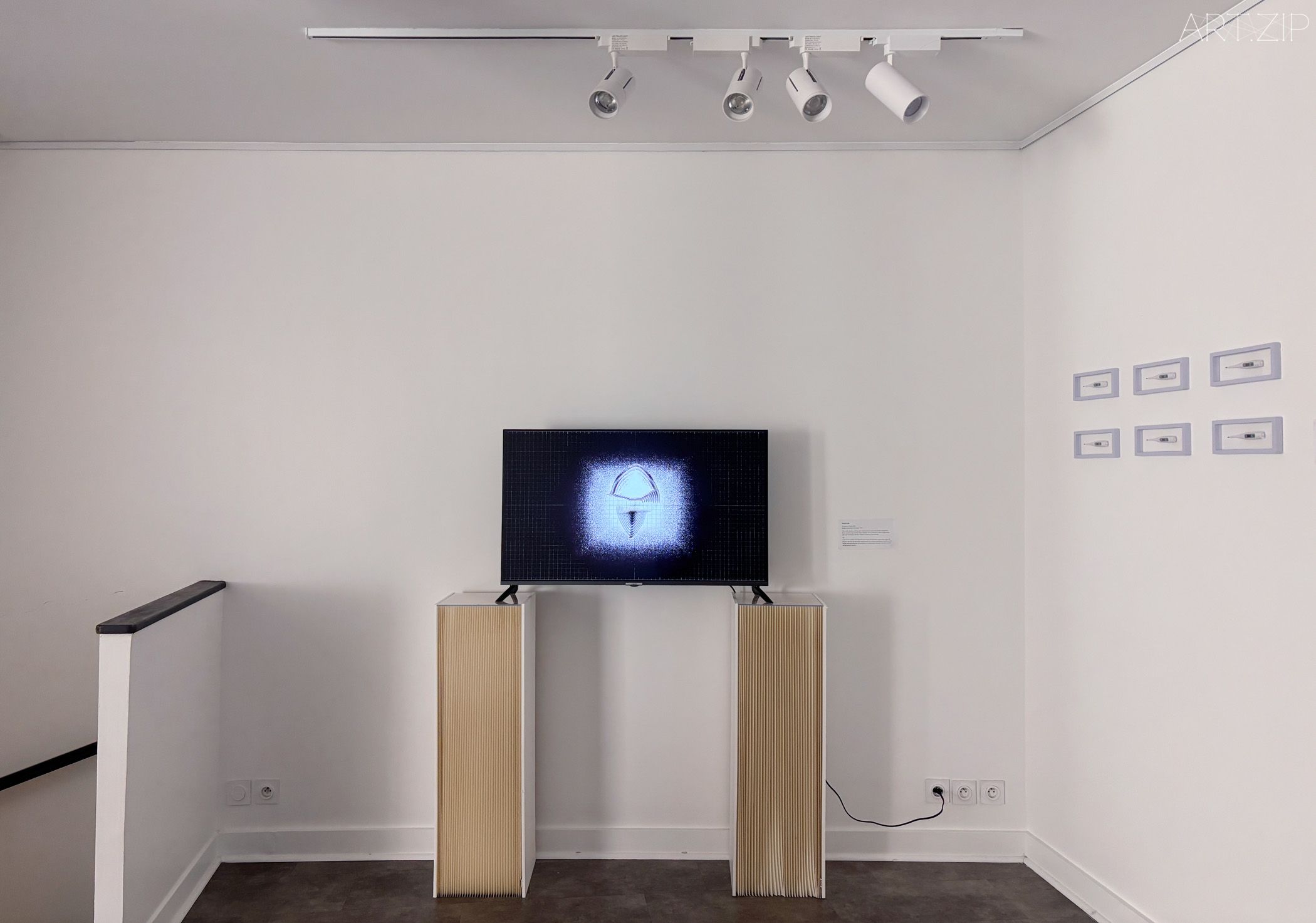
In the films within ‘Walking between norms and memories’, we see figures and trees surrounded by moving particles that take the natural world and abstract it, in the way we see the collective Marshmallow Laser Feast transform data on the natural world into visualizations. The more abstract pieces remind me of Ryoji Ikeda’s work, which uses data to create complex installations. The collection of these works asks us to expand our knowledge of the visual world to include unseen elements.
Ruoru Wang has curated exhibitions across London, Japan and China. Working across architecture, performance, and visual art, she understands the need to create spaces for contemplation so that the viewer can truly appreciate the full weight of the artwork.
我們與鹽的關係,遠比想像中複雜而悠久。它的存在或許比人類早數十億年,然而我們與它之間卻有著如此深刻的聯結。除了為食物調味,我們能在一瓶水中嚐出一粒鹽的存在,能在海邊聞到它的氣息,能在觸碰時感受其顆粒分明的質地。歷史上,鹽曾被用作支付手段,至今仍是重要的防腐媒介。
正是這些多重面向,以及“鹽將在人類之後繼續存在”這一事實,啟發了策展人汪若如以此為主題策劃了展覽《From Salt to Salt》。展覽匯集了16位日本藝術家的作品,邀請他們從食物到淚水到汗水等不同維度,反思人類與鹽之間的關係。
這是一場充滿沉思的展覽。作品多以「器皿」為核心形式,材質涵蓋陶瓷、木、金屬、玻璃與紡織品。展覽的核心概念是邀請觀者慢下來,端詳每件作品的表面,思考其可能承載的內容。整個觀展過程如同一次冥想體驗,讓人不由聯想到茶道,一種強調節奏、專注與當下意識的儀式性實踐。
展覽亦叩問「深時(deep time)」這一概念,即自然世界的時間尺度。在此尺度下,「人類世(Anthropocene)」不過是短暫的一瞬。鹽是自然循環的產物,其生成與存在的時間跨度遠非我們短暫的生命所能完全領會。
在我看來,這些作品既回應了東方傳統中對器物製作的理解,一種往往需要多年練習與沉澱的技藝,也讓人聯想到深受東方美學影響的西方藝術家,例如埃德蒙·德瓦爾(Edmund de Waal)。在他們的創作中,器物不只是功能性的存在,更是時間、身體與精神的容器。
在上述展覽於中國展出期間,汪若如也將她一貫具有沉思式的策展實踐帶到了巴黎,呈現了展覽《Walking between Norms and Memories》。這一展覽聚焦「行走」這一行為,將其視為一種在順應與偏離之間不斷調整的行為。一方面,我們的行動路徑受到建築結構與自然環境的塑造;另一方面,人類又始終試圖打破既定規範,走出屬於自己的道路。
這一主題不免讓人聯想到大地藝術家理查德·朗(Richard Long)的實踐:他通過行走在田野中踏出一條線,並將其記錄為作品;同時也令人想起伊格尚·亞當斯(Igshann Adams)對「慾望路徑(desire lines)」的關注,那些並非規劃之路,卻因人類與動物反覆通行而在地景中自然形成的痕跡,它們往往才是最符合身體直覺的路徑。此外,行為藝術家瑪麗娜·阿布拉莫維奇(Marina Abromović)的創作也同樣浮現腦海:她曾沿著中國長城行走數千公里,以這一極具象徵性的身體行動結束了一段既是情感也是創作上的關係。
在《Walking between Norms and Memories》的影像作品中,我們看到人物與樹木被流動的粒子所環繞,自然世界被轉譯、被抽象化,呈現出一種介於真實與數據可視化之間的狀態。這種處理方式令人想到藝術團體 Marshmallow Laser Feast 將自然數據轉化為視覺體驗的方式,而那些更為抽象的作品則令人想起池田亮司(Ryoji Ikeda)以數據為基礎、構建複雜感知空間的裝置。這些作品共同促使我們將對視覺世界的認知拓展至那些不可見的元素。
汪若如的策展實踐橫跨倫敦、日本與中國,橫跨建築、行為與視覺藝術等多個領域。正因如此,她深刻理解「空間」在觀看中的重要性,唯有為觀者創造出沉靜、可停留、可思考的環境,藝術作品所承載的重量與層次才能真正被感知和理解。
Text by 撰文 x Tabish Khan
Published on 20th February 2026