

This summer, Kew Gardens welcomes a remarkable group of visitors. In Henry Moore: Monumental Nature, thirty monumental sculptures are placed throughout the world-renowned botanical landscape, forming the largest outdoor presentation of Henry Moore’s work ever staged.
As one of Britain’s most important twentieth-century sculptors, Moore drew continual inspiration from natural forms. Set against Kew’s iconic scenery and internationally celebrated plant collections, the exhibition brings art and nature together on an extraordinary scale, blurring the boundary between sculpture and living forms. For Moore, nature itself contained the language of sculpture; sculpture, in turn, could grow, expand and interact with its environment as if animate.

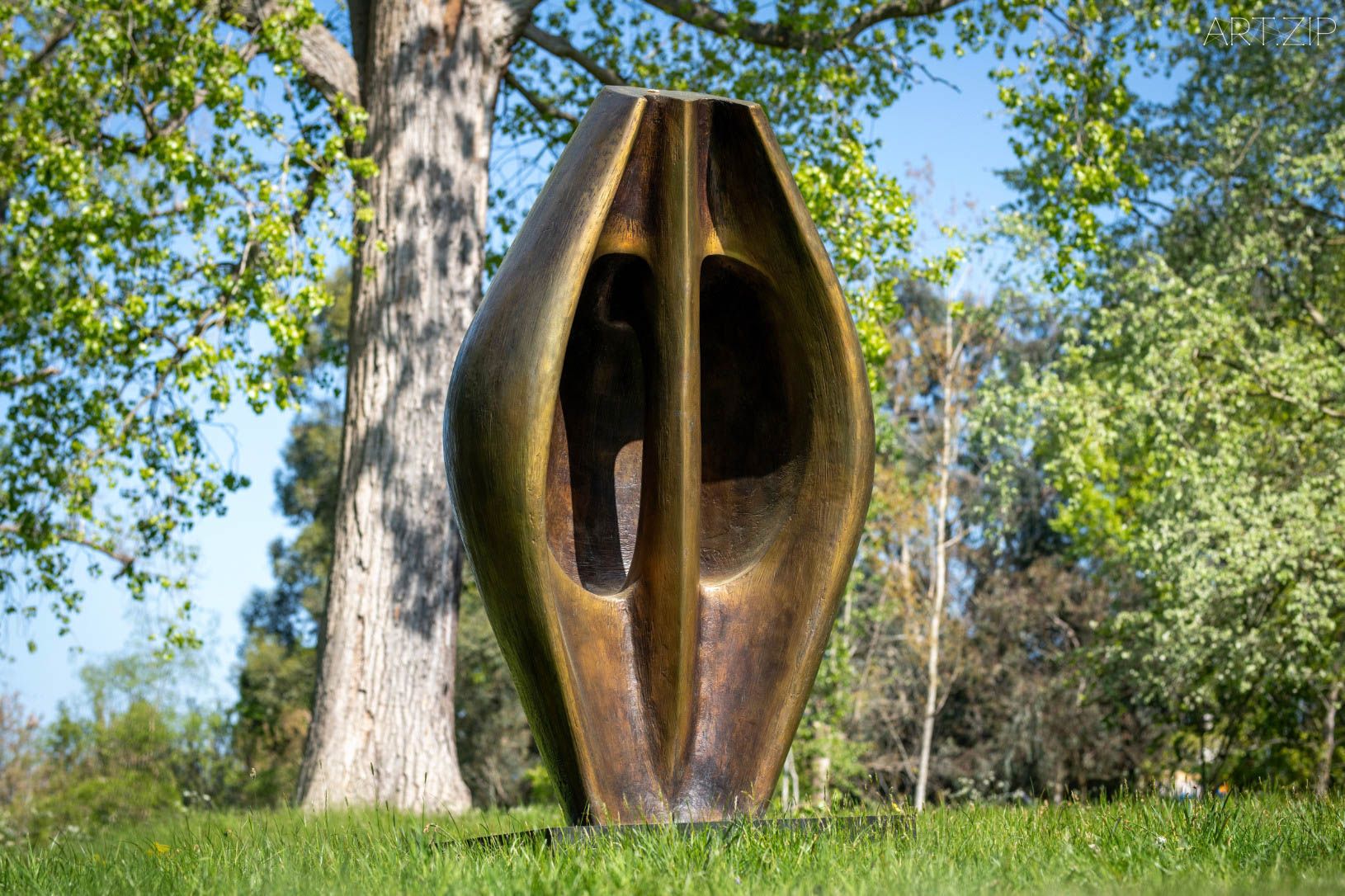
Three Piece Sculpture Vertebrae (1968-69) Credit: Ines Stuart-Davidson
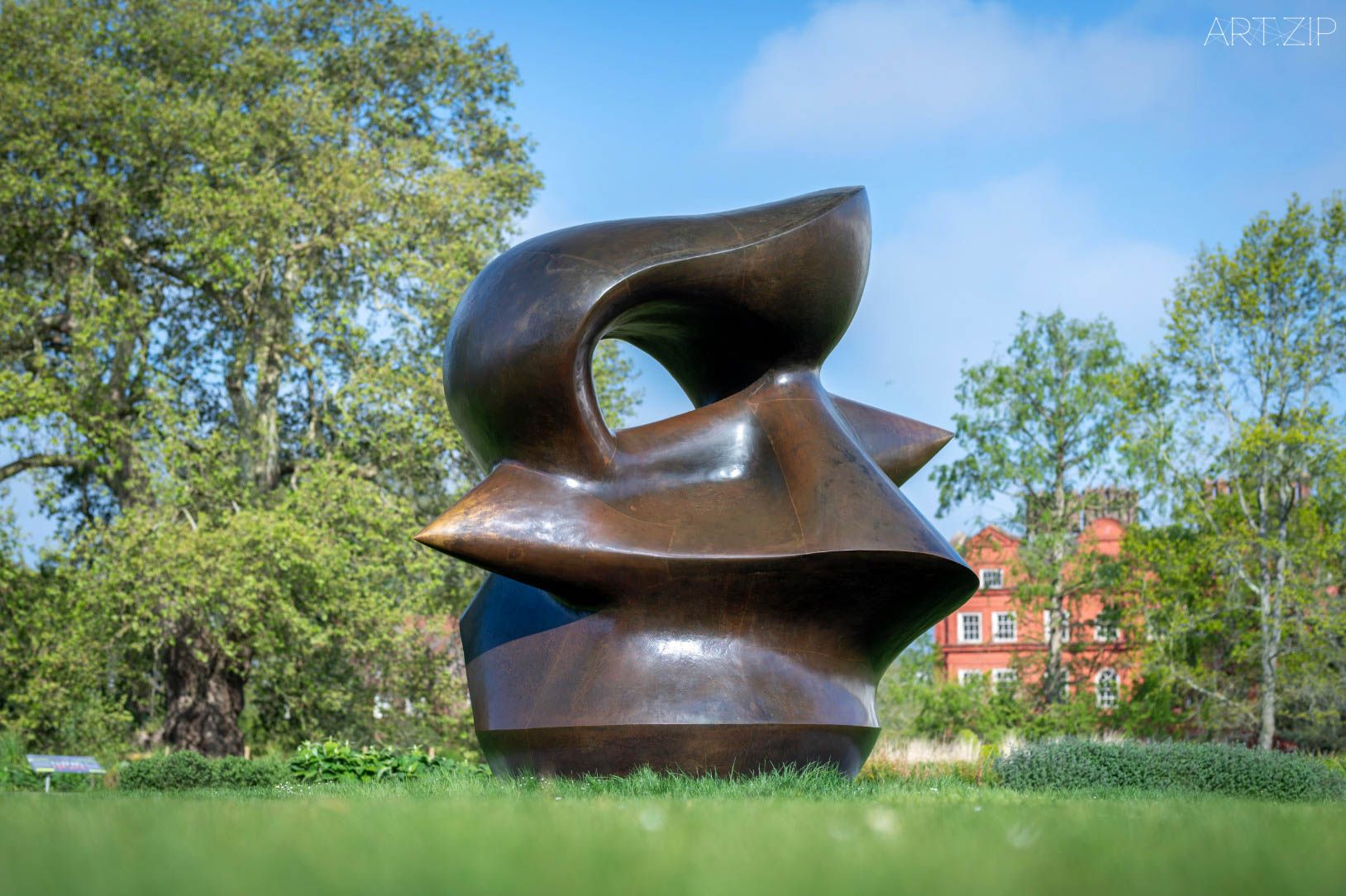
Spanning almost seventy years of artistic production, the exhibition demonstrates the diversity of form and scale within Moore’s practice. The sculptures have been carefully positioned to enter into dialogue with Kew’s trees, landscapes and historic vistas, revealing how sculpture can both respond to and reshape the spaces it inhabits. As visitors move through the gardens, the works enter into new relationships with trees, sky and vegetation, encouraging a renewed consideration of the relationship between art and nature. Among the works on display are some of Moore’s most celebrated sculptures, including Large Two Forms, Sheep Piece, Large Reclining Figure, Oval with Points, Reclining Woman: Elbow, Locking Piece and Three-Piece Sculpture: Vertebrae.
Alongside the outdoor display, the Shirley Sherwood Gallery of Botanic Art presents more than 90 rarely exhibited works, including bronzes, stone and wood carvings, prints and drawings. Together, the monumental sculptures and smaller works offer an immersive journey through Moore’s lifelong fascination with growth, inner and outer forms, animal and botanical life, and the expressive power of the natural world.
Within the summer landscape of Kew, sculpture becomes more than an object to be viewed. It becomes part of the landscape itself—growing alongside plants and changing with the seasons.
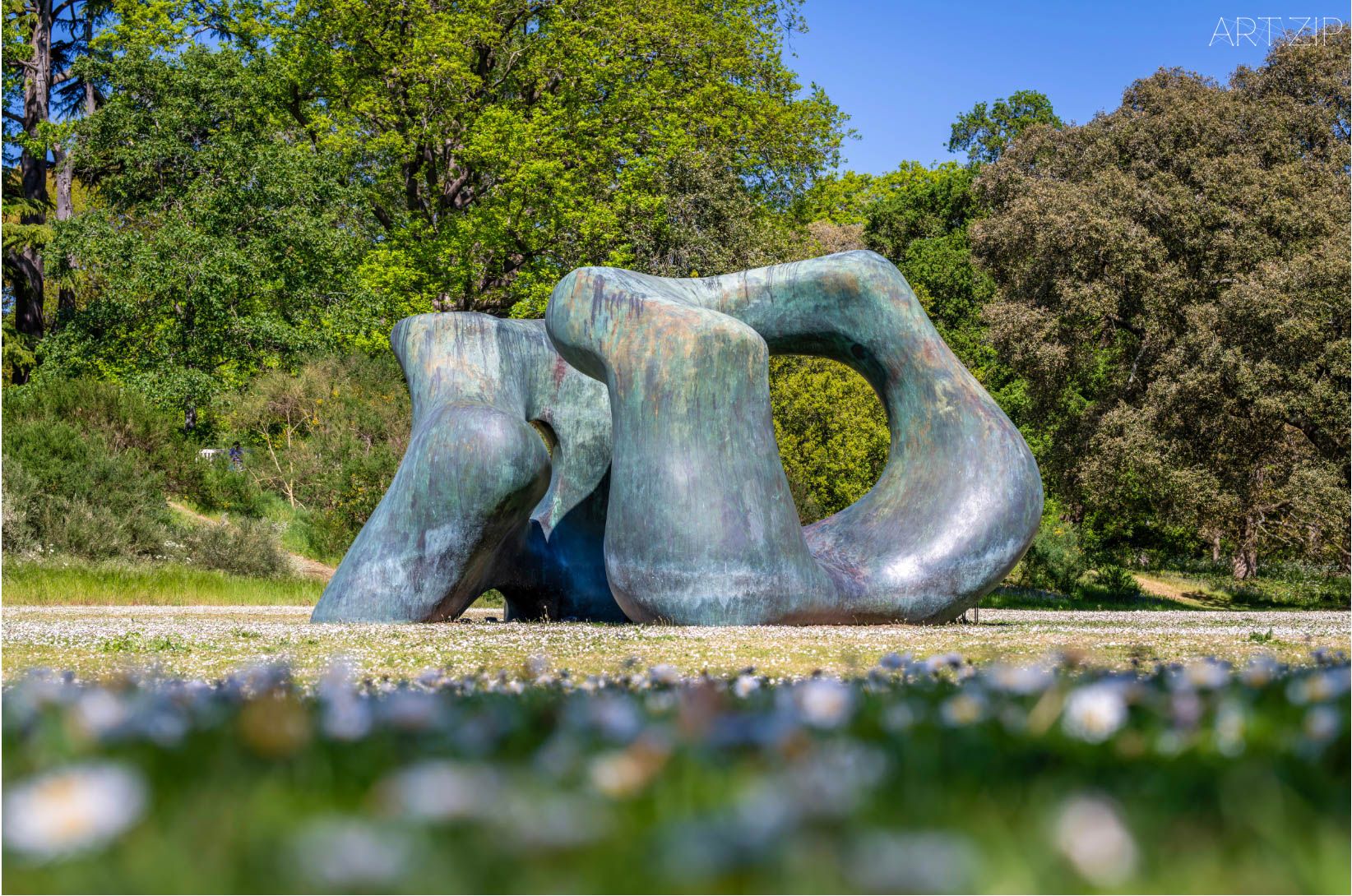
Henry Moore, Large Two Forms, 1966–69, installation view, Henry Moore: Monumental Nature, Kew Gardens, London. Photo: © Ines Stuart Davidson
這個夏天,邱園(Kew Gardens)迎來了一批特殊的「訪客」。在《亨利·摩爾:自然之巨》(Henry Moore: Monumental Nature)展覽中,三十座大型雕塑被安置於這片世界聞名的植物園之中,構成了迄今為止規模最大的亨利·摩爾戶外作品展。
作為英國二十世紀最重要的雕塑家之一,摩爾的創作長期受到自然形態的啓發。展覽以邱園標誌性的景觀和世界聞名的植物收藏為背景,將藝術與自然以非凡的規模結合在一起,模糊了雕塑與生命形態之間的界限。在摩爾看來,自然本身便蘊藏著雕塑的語言,而雕塑也能夠像植物一樣,在空間中生長、延展,並與周圍環境相互呼應。
本次展覽橫跨摩爾近七十年的創作生涯,展現了他作品形態與規模的多樣性。這些雕塑經過精心佈置,旨在與邱園的樹木和歷史景觀展開對話,揭示了雕塑如何既能回應、又能重塑它所處的空間。隨著觀眾在園中漫步,作品不斷與樹木、天空和植物產生新的關係,也讓人重新思考自然與藝術之間的關係。此次展出的作品涵蓋摩爾最具代表性的雕塑,包括《大型兩件式》(Large Two Forms)、《羊群》(Sheep Piece)、《大型臥像》(Large Reclining Figure)、《帶尖橢圓》(Oval with Points)、《女臥像:肘》(Reclining Woman: Elbow)《咬合》(Locking Piece)及《三件式雕塑:椎骨》(Three-Piece Sculpture: Vertebrae)。

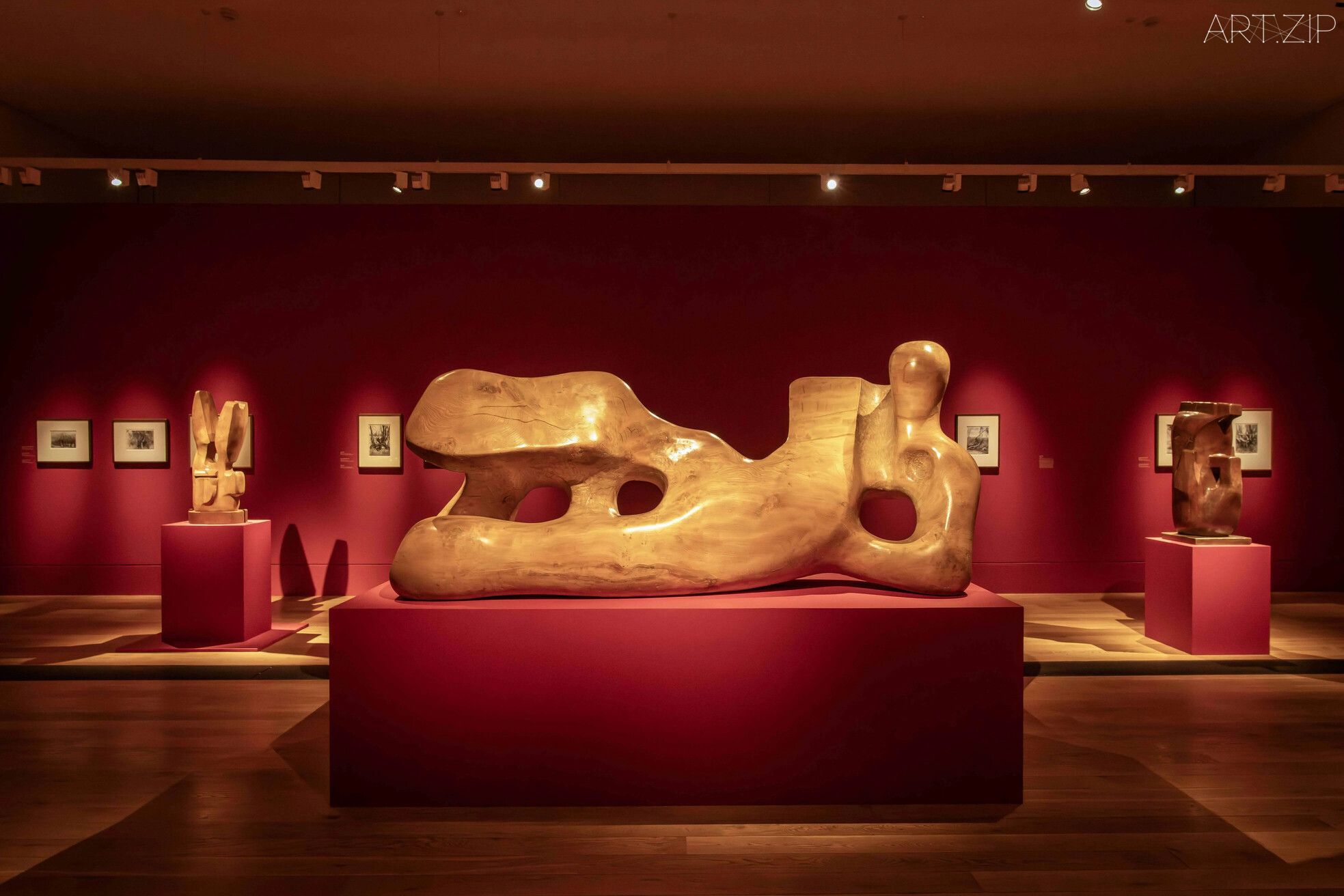
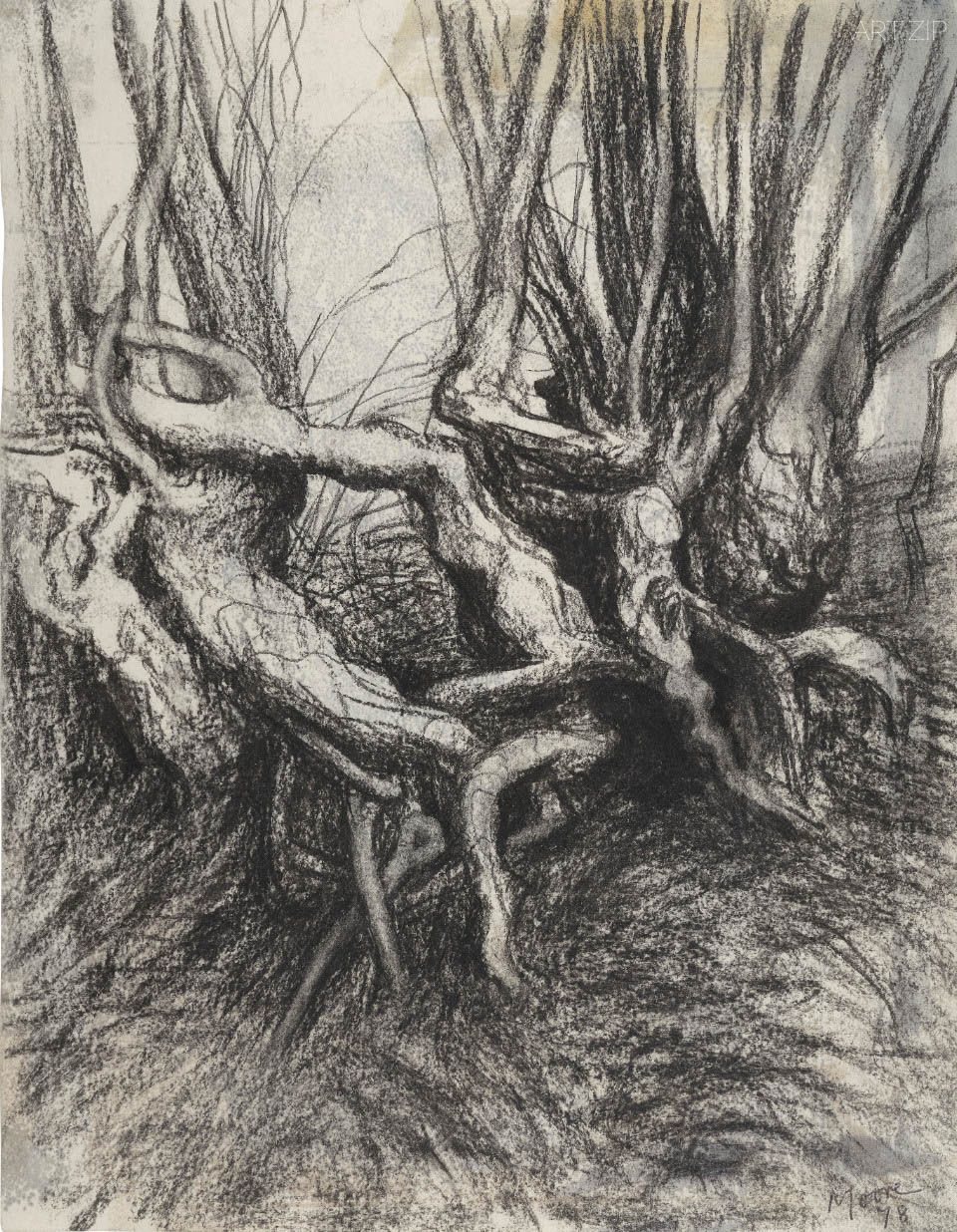
除了戶外展覽外,雪莉·捨伍德植物藝術畫廊(Shirley Sherwood Gallery of Botanical Art)亦同步呈現了九十餘件較少公開展出的作品,包括青銅雕塑、石雕與木雕、版畫及素描。這些巨型雕塑和小型作品共同展現了摩爾畢生對生長、內外形態、動植物生命以及自然界表現力的迷戀,引領觀眾沿著摩爾一生的迷戀軌跡,深入感受自然世界的表現力量。
在夏季的邱園裡,雕塑不再只是被觀看的對象,而成為景觀的一部分,與植物共同生長,隨季節悄然變化。
Henry Moore: Monumental Nature
9 May 2026 – 31 January 2027
Kew Gardens

Large Reclining Figure, 1984. Credit: Jeff Eden/RBG Kew
Edited by 編輯 x Jackie Liu