

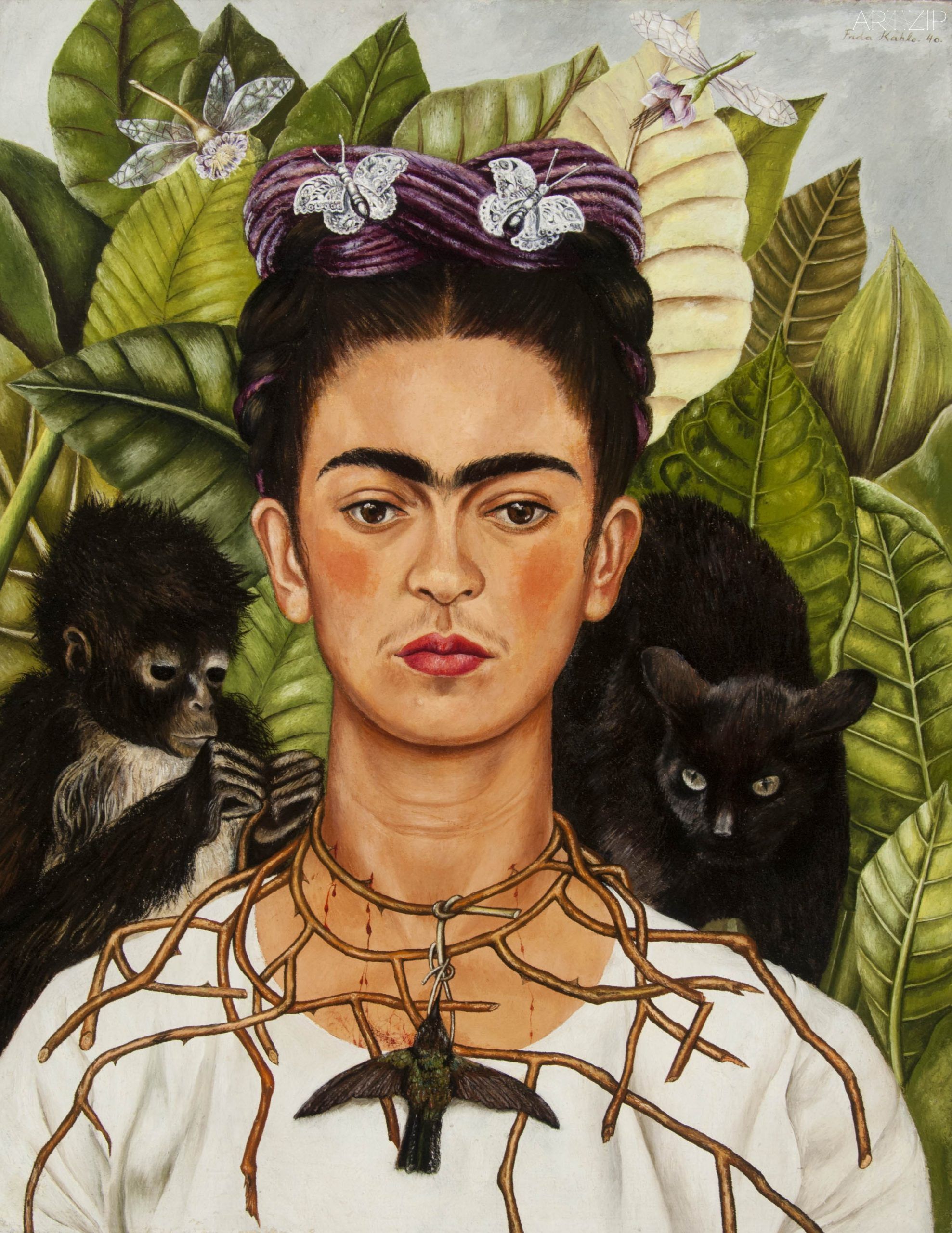
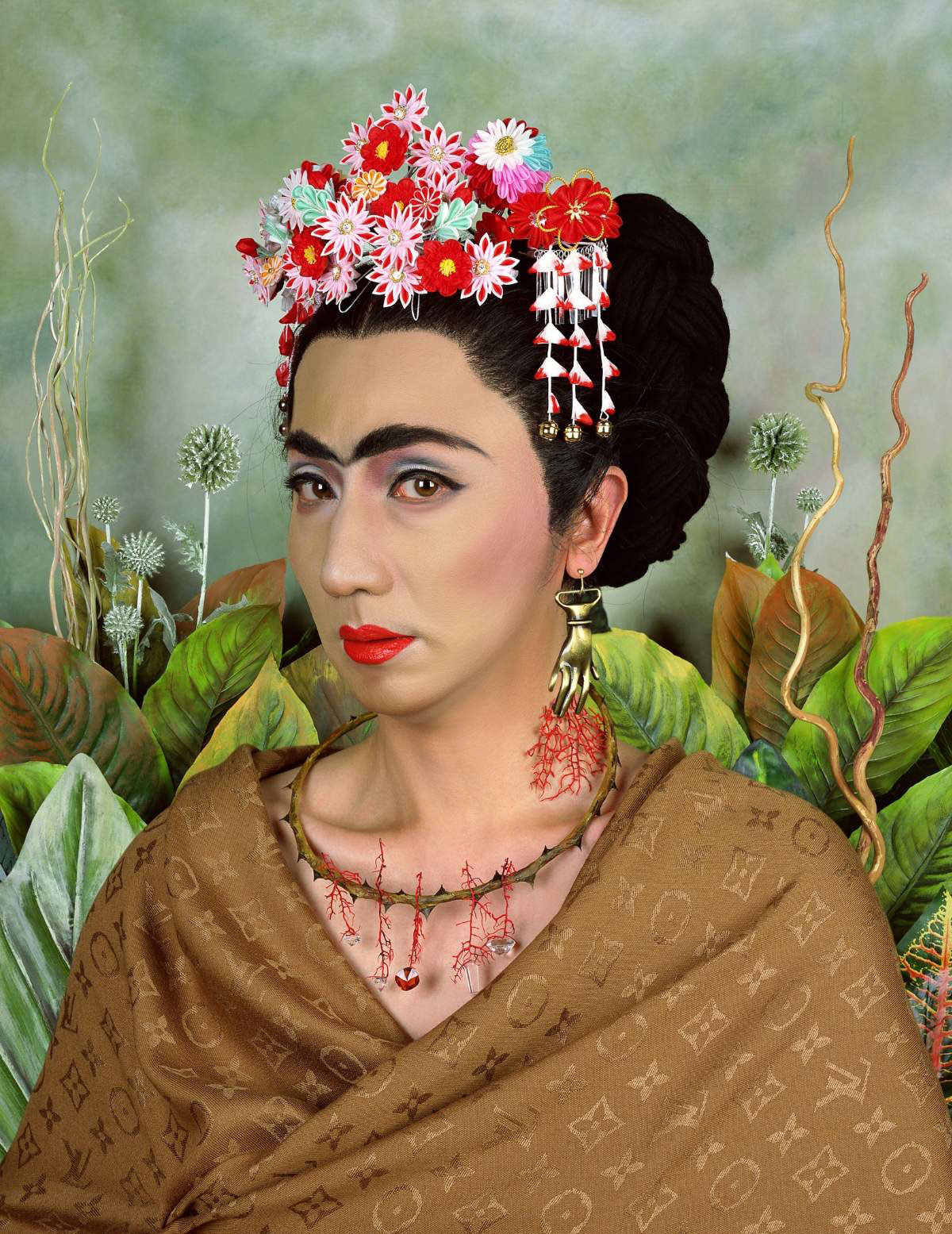
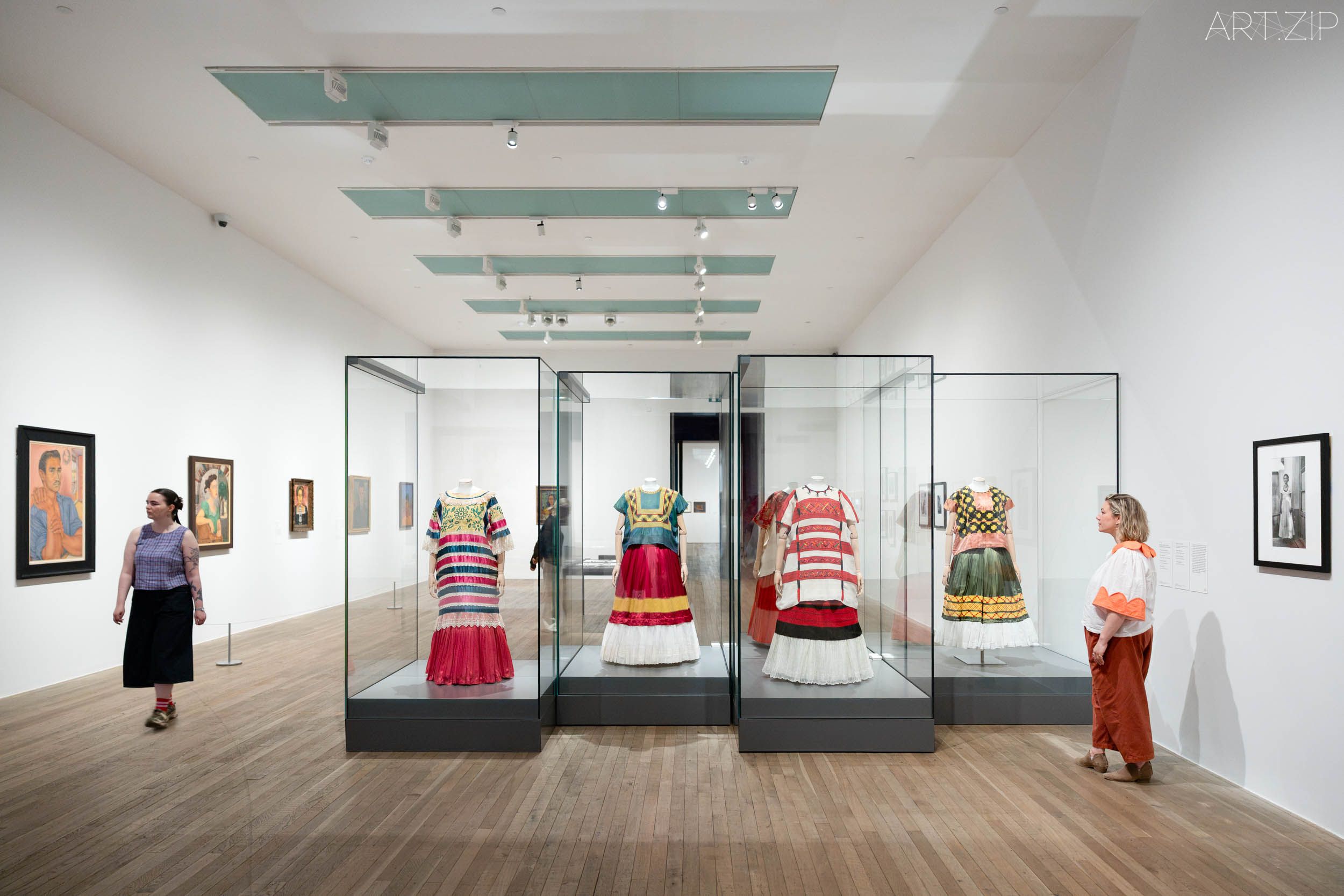
Frida Kahlo: The Making of an Icon, now on view at Tate Modern, traces the extraordinary story of how Frida Kahlo rose from a relatively unknown painter to a worldwide cultural phenomenon and one of the most influential figures in the history of art. Developed in collaboration with the Museum of Fine Arts, Houston, the exhibition brings together over 30 works by Kahlo herself — including rarely seen self-portraits, treasured garments, jewellery and photographs — alongside works by the artists she inspired, revealing how her art and life continue to be reimagined by new generations across the globe.
The exhibition opens by exploring how Kahlo constructed and projected her identity through her paintings and personal style, embracing her Mexican heritage, queer self-image, feminist ideals and experience as a disabled woman. It then turns to her connections with Surrealism — a label she famously rejected, though its founder André Breton declared her “a self-made Surrealist” — before tracing her profound influence on the Chicana/o movement, Mexican artists of the 1980s and 1990s, and feminist artists across the Americas and Europe.
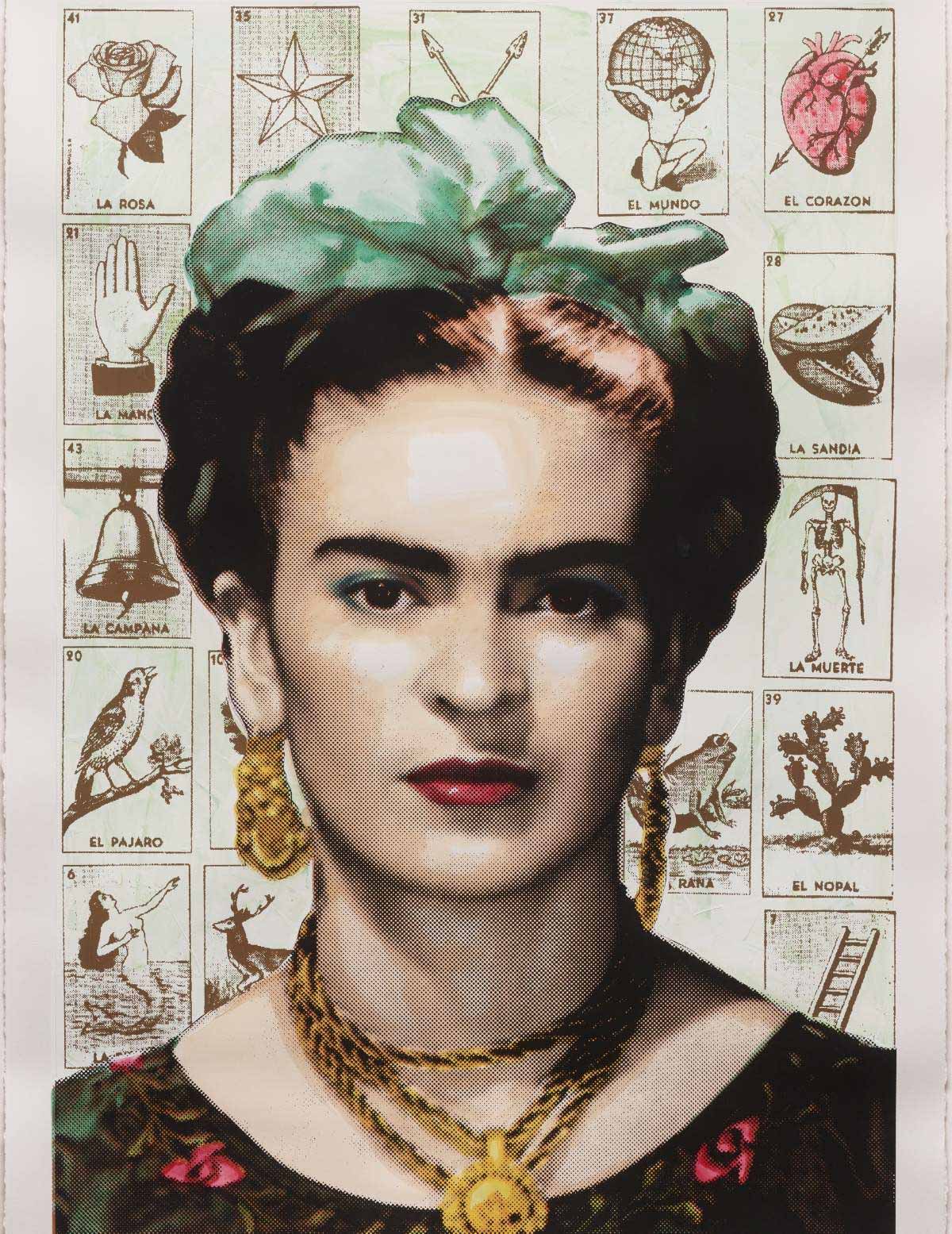
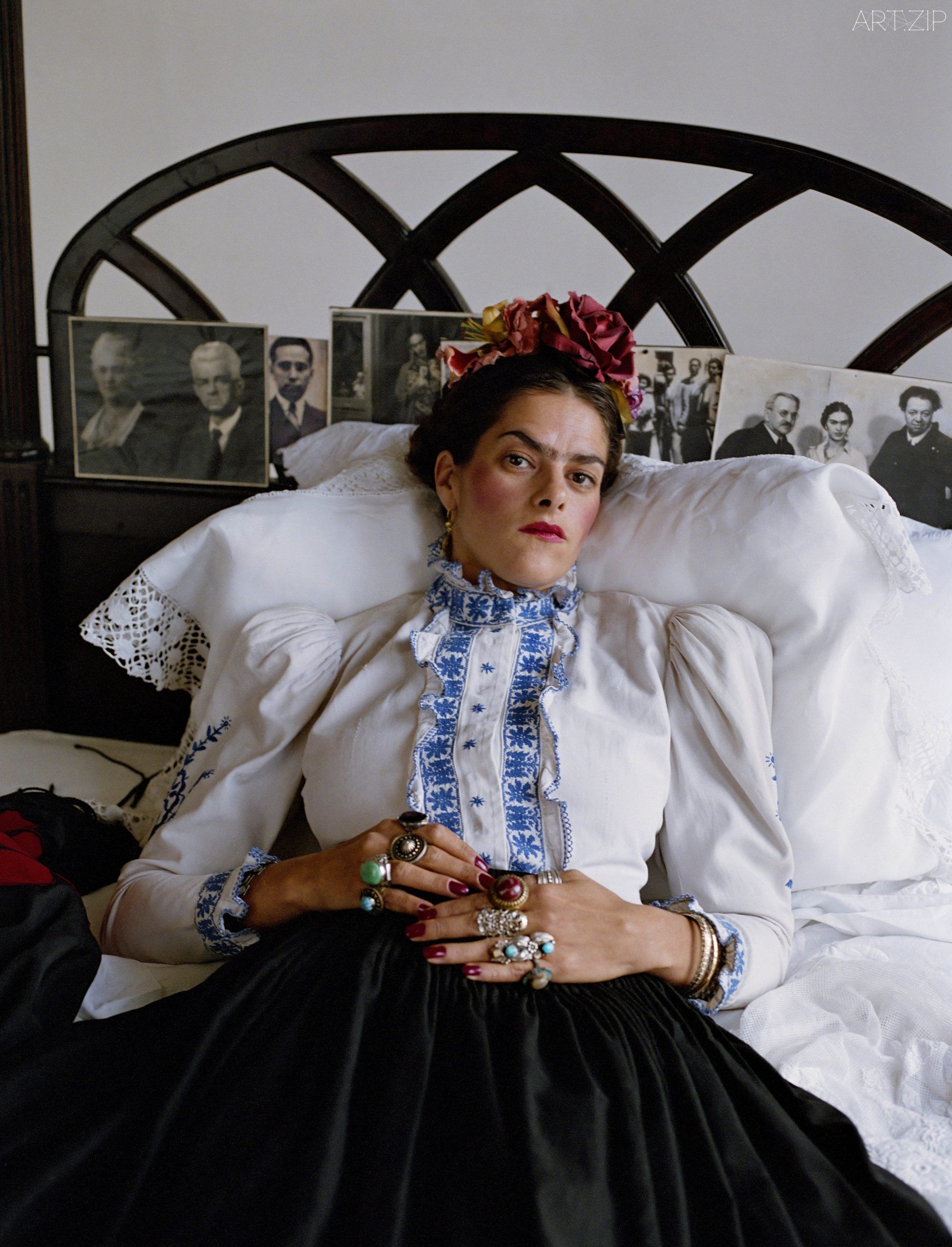
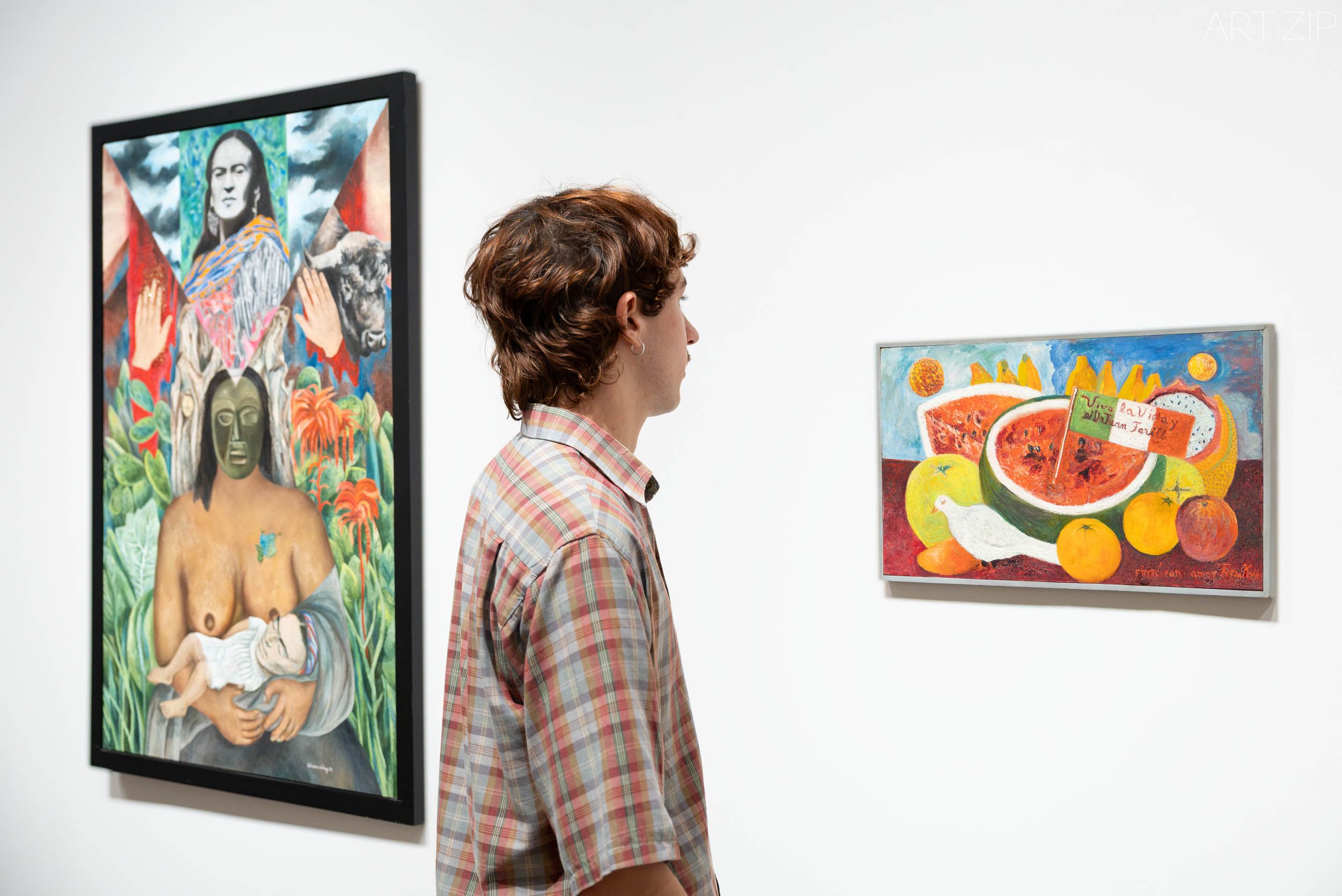
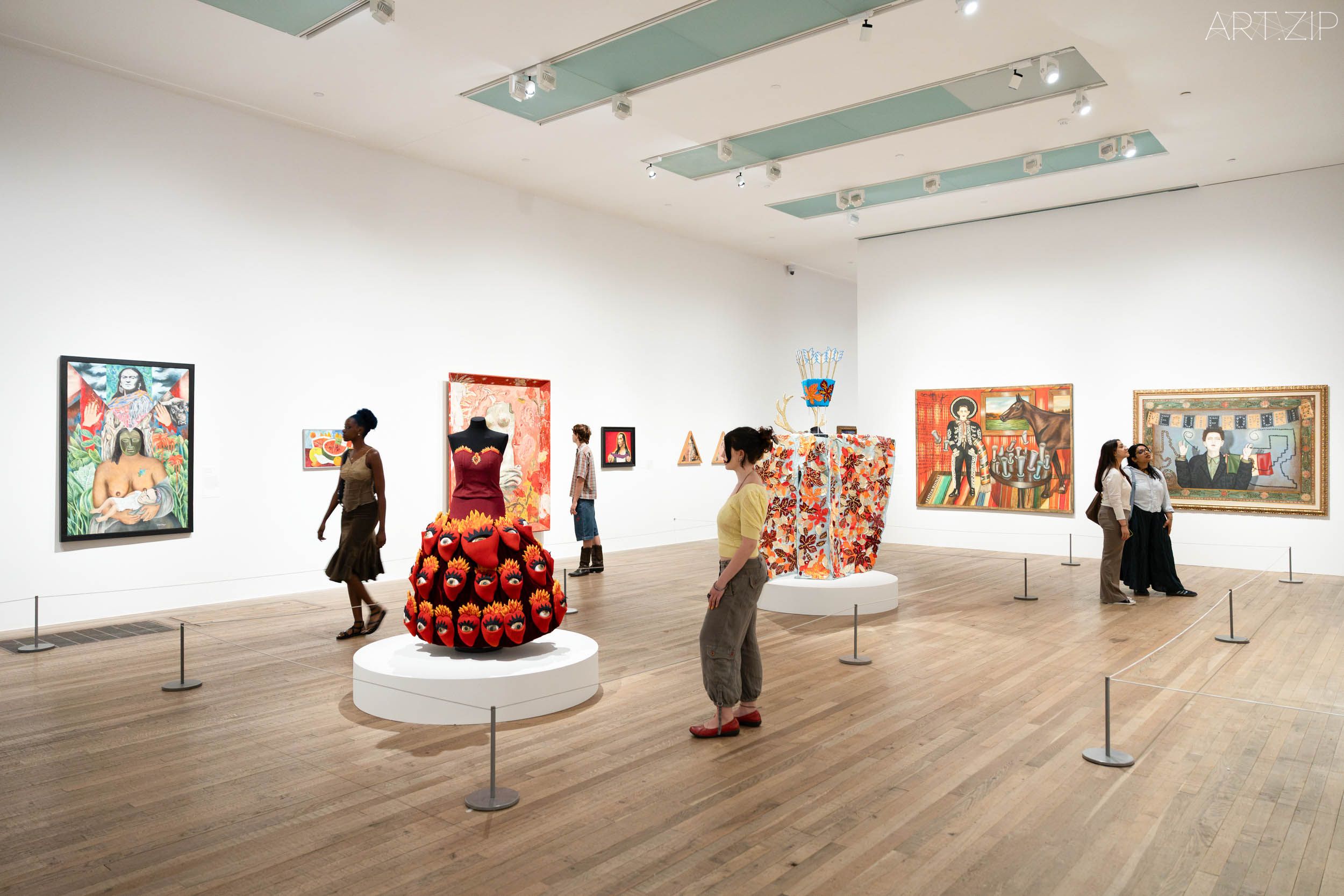
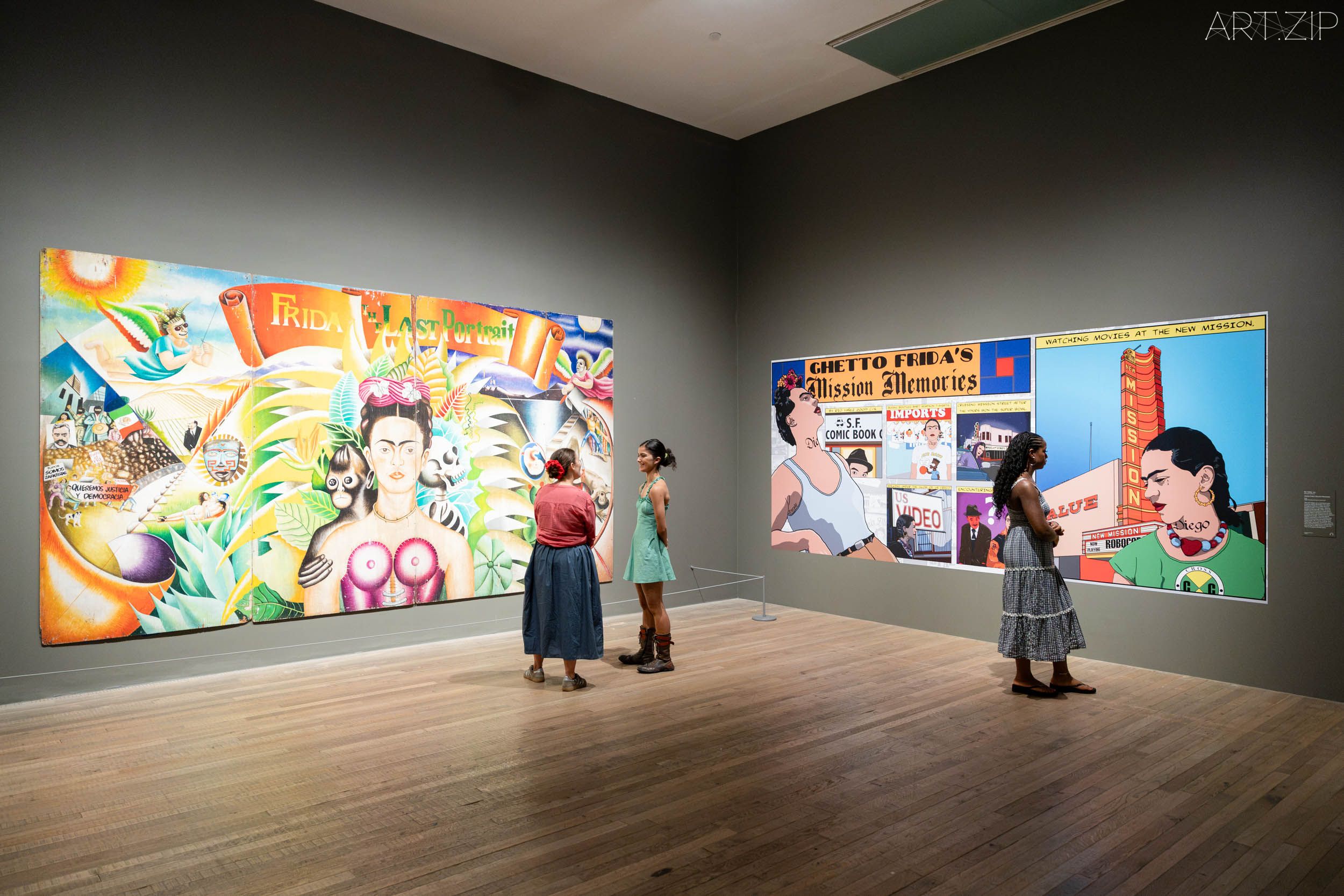
One of the exhibition’s most thought-provoking sections examines how Kahlo’s image was taken up by communities far beyond the art world. During the late 1960s, the Chicana/o civil rights movement embraced her as an emblem of cultural pride and political resistance; by the 1970s and 1980s, feminist artists across the Americas and Europe found in her self-portraits — with their unflinching depictions of pain, sexuality and the female body — a radical precedent for their own practices. What emerges is a portrait not of a single, fixed icon, but of a figure perpetually remade: claimed, contested and reimagined across decades, geographies and political struggles.
The show culminates with a room dedicated to ‘Fridamania‘, featuring more than 200 commercial objects — from T-shirts and tequila bottles to Barbies and perfume — that chart Kahlo’s transformation into a global brand. It is perhaps the exhibition’s most disquieting section: the same image that once signified resistance and solidarity has become, simultaneously, a commodity available to anyone with a credit card. Tate Modern does not shy away from this tension, inviting visitors to reflect on what it means for an artist’s legacy to be both fiercely beloved and endlessly reproducible — and whether the two are, in the end, irreconcilable.
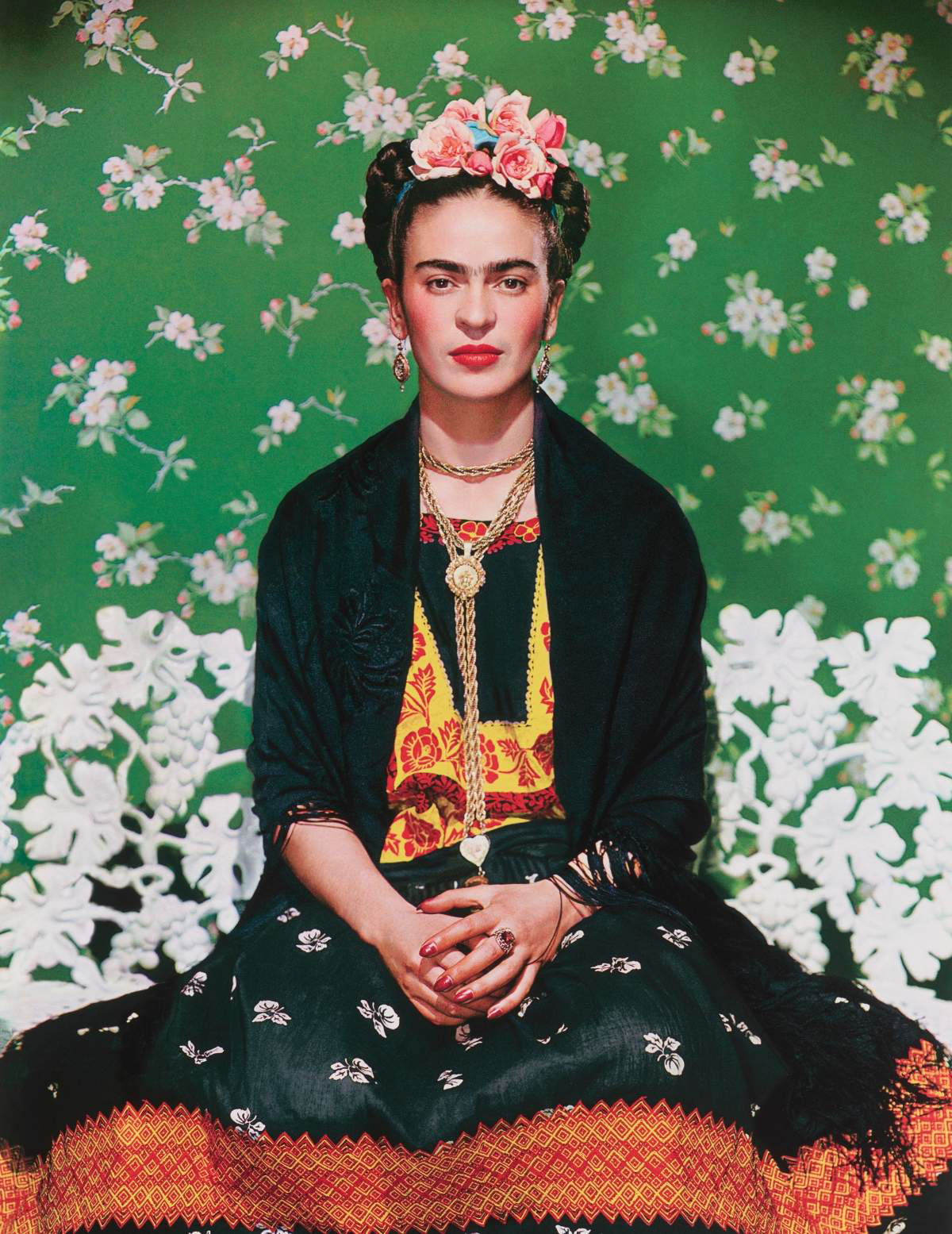
Nickolas Muray. Frida Kahlo on a White Bench, New York 1939, printed 2024 Museum of Fine Arts Houston, MFAH 2024.659 © Nickolas Muray Photo Archives
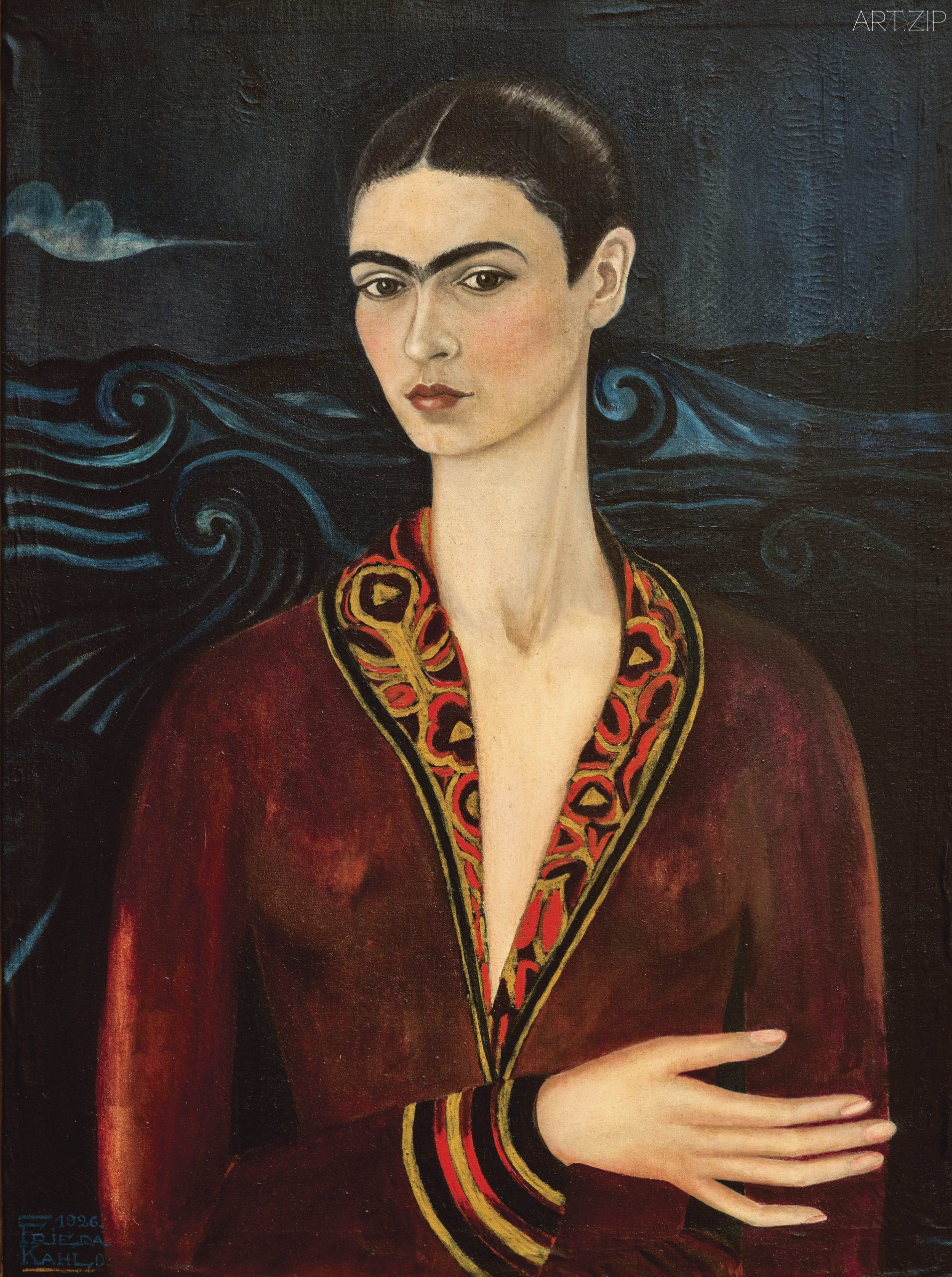

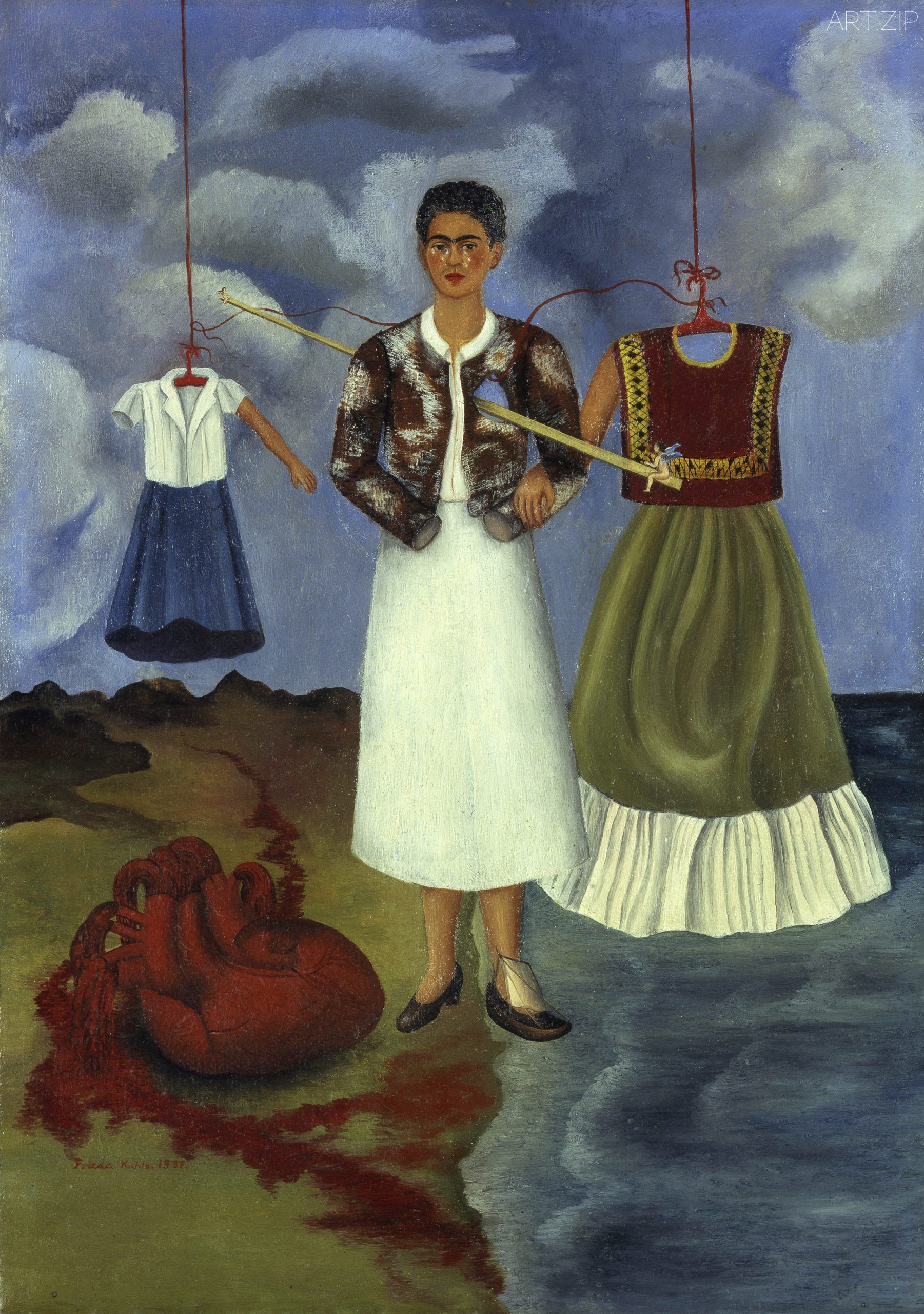
《弗里達:一個文化符號的誕生》現正於泰特現代美術館(Tate Modern)展出,追溯了弗里達·卡羅如何從一位鮮為人知的畫家,成長為全球文化現象與藝術史上最具影響力的人物之一的非凡歷程。展覽由休斯頓美術館(Museum of Fine Arts, Houston)與泰特現代美術館聯合策劃,匯聚卡羅本人三十餘件作品——包括鮮少公開展出的自畫像、珍貴服飾、珠寶與照片——並輔以受其啓發的藝術家作品,呈現她的藝術與生命如何持續被世界各地的新生代重新詮釋與發現。
展覽以卡羅如何在畫作與個人風格中建構並投射自我身份為開篇,探索她對墨西哥傳統、酷兒自我形象、女性主義理想以及身障經歷的呈現。展覽繼而聚焦她與超現實主義的複雜關係——她本人拒絕這一標籤,但該運動的創始人安德烈·布勒東(André Breton)曾稱她為「自我造就的超現實主義者」——並進一步追溯她對奇卡諾(Chicana/o)運動、八九十年代墨西哥藝術家,以及美洲與歐洲女性主義藝術家的深遠影響。
展覽中最發人深省的篇章之一,聚焦於卡羅的形象如何被藝術界以外的社群所接納與轉化。六十年代末,奇卡諾民權運動將她奉為文化自豪與政治抵抗的象徵;七八十年代,美洲與歐洲的女性主義藝術家在她毫不迴避地呈現痛苦、性與女性身體的自畫像中,找到了自身實踐的激進先例。展覽呈現的,並非一個固定不變的偶像,而是一個被不斷重塑的形象——跨越數十年、跨越地域與政治運動,被不同的人群認領、爭奪、再造。
展覽的終章是專門呈現「弗里達狂熱」(Fridamania)的展廳,展出逾兩百件商業物品——從T恤、龍舌蘭酒瓶到芭比娃娃與香水——勾勒出卡羅蛻變為全球品牌的軌跡。這或許是整個展覽中最令人不安的部分:那個曾象徵抵抗與團結的形象,如今同時也成為一件人人可以購買的商品。泰特現代美術館並未迴避這種張力,而是邀請觀眾思考:當一位藝術家的遺產既被深切珍愛、又被無限複製,究竟意味著什麼——而這兩者,是否終究無法共存。

Frida Kahlo, Still Life (I Belong to Samuel Fastlich) 1951. Private Collection.




Frida: The Making of an Icon
25 June 2026 – 3 January 2027
Tate Modern