
Energy in Eastern philosophy is understood as a subtle, vital force that flows through the universe, the body, consciousness and nature. It is a dynamic, interconnected and transformative force that animates life, emphasising balance between opposing forces to achieve harmony and enlightenment. Inside the carefully curated space of the exhibition “In Between”, such energy is experienced on a mental, sensory and bodily level, individual artworks bouncing off each other across the room and empowering the viewer of the exhibition. ZHANG Hailun, the curator of the exhibition, whose research focuses on the impact of Eastern philosophy on contemporary art and who believes in the interconnection of all things, finds for instance harmony between natural organisms, such as the ones found in Ana Beatriz Fernandez’s drawing “Where are my Keys?”, and machines and computational art. Examples of this in the exhibition include: B Keun Min’s robot-like “Ephemeral Pulse”, Gabriele Franco’s interactive light sculpture “A|letheia”. Also believing in “harmony across difference”, ZHANG Hailun has indeed succeeded in creating a dialogue which could not be richer or more fruitful. In order to do so, she has purposefully chosen an extremely wide range of artists in terms of artistic research interests, cultural backgrounds and the media they use in their artworks, from traditional painterly and sculptural material, photography and digital printing to embroidery, lampworking glass jewellery and an unusual array of mixed media, such as artist’s dyed hair, kumkum and ash.
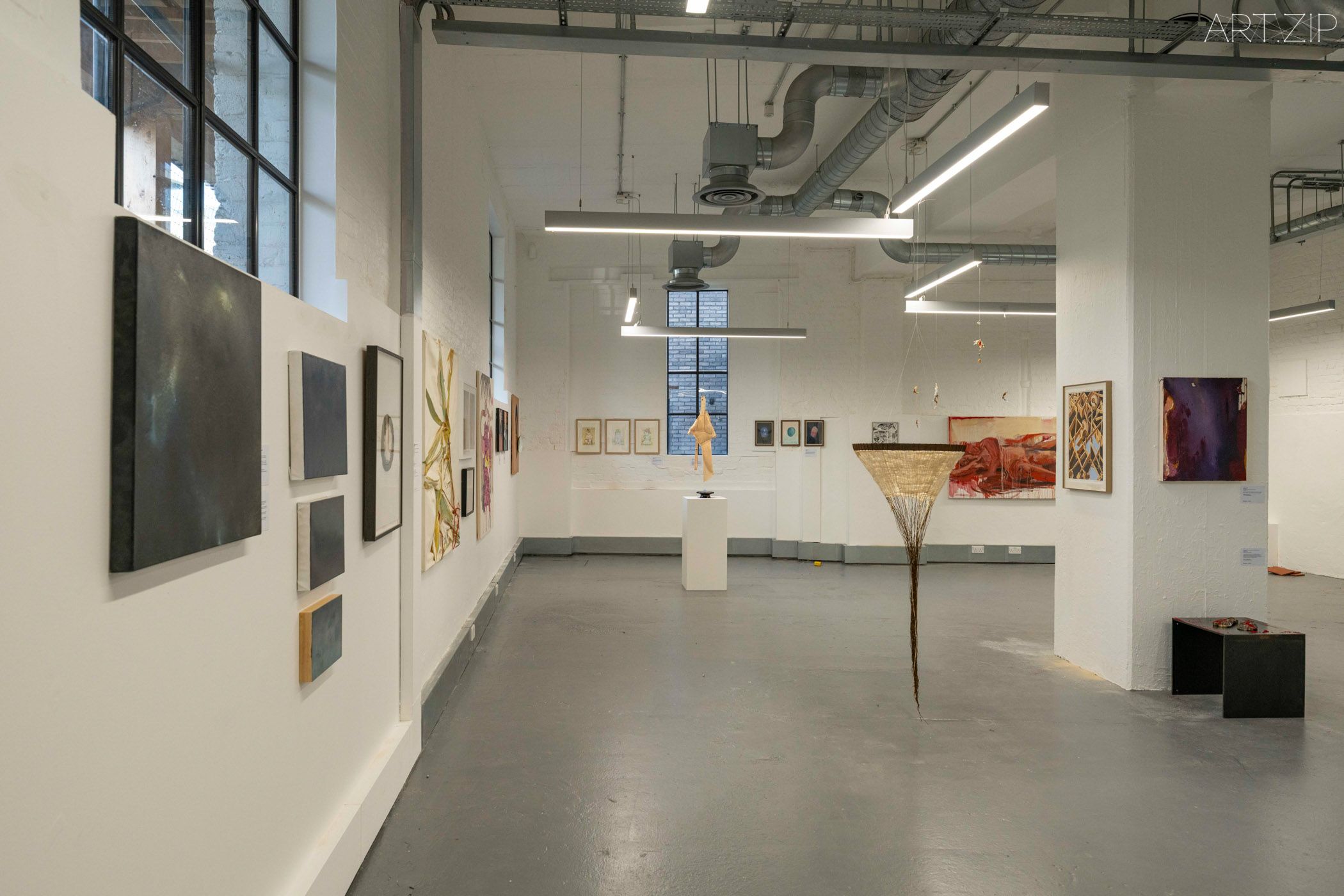
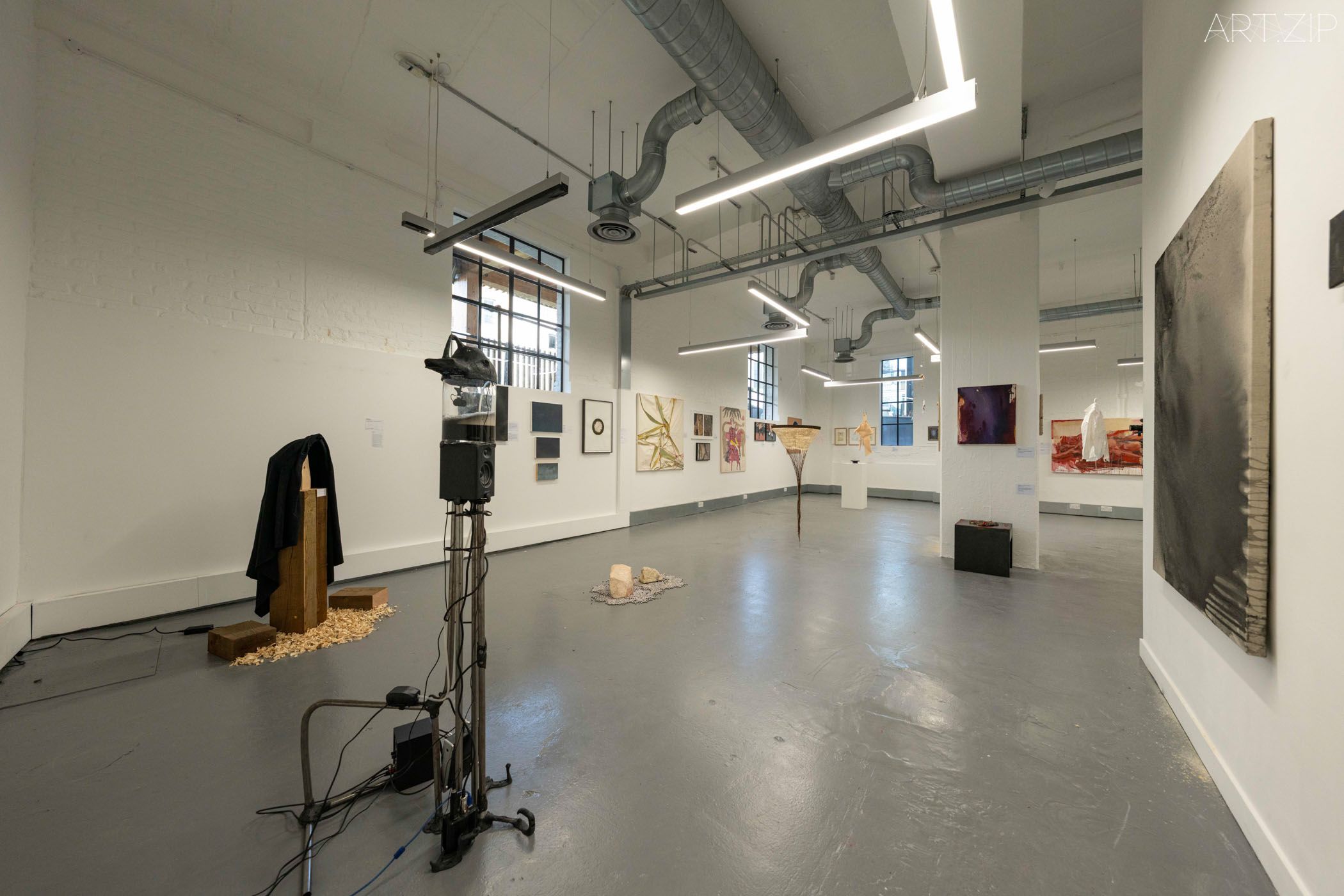
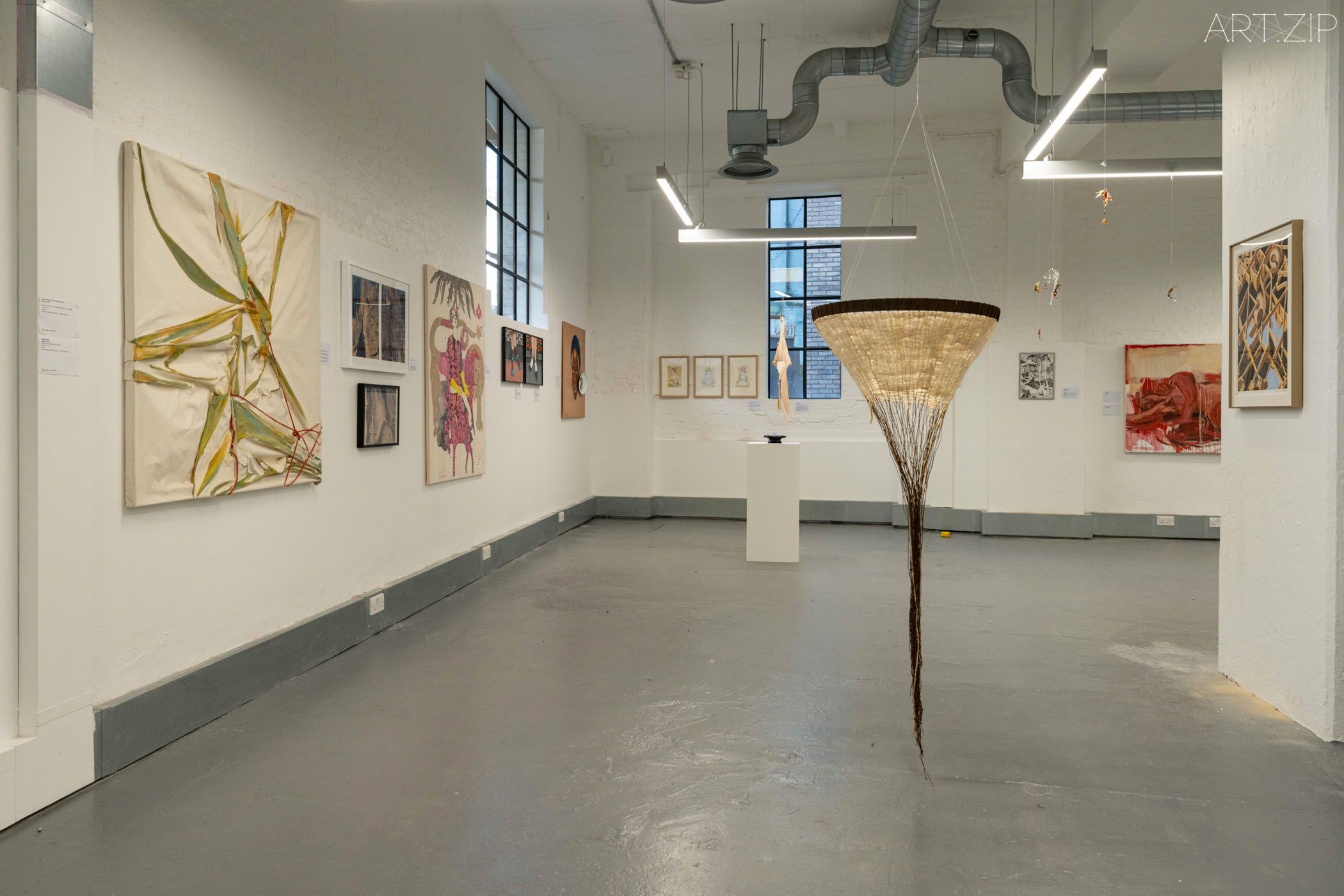
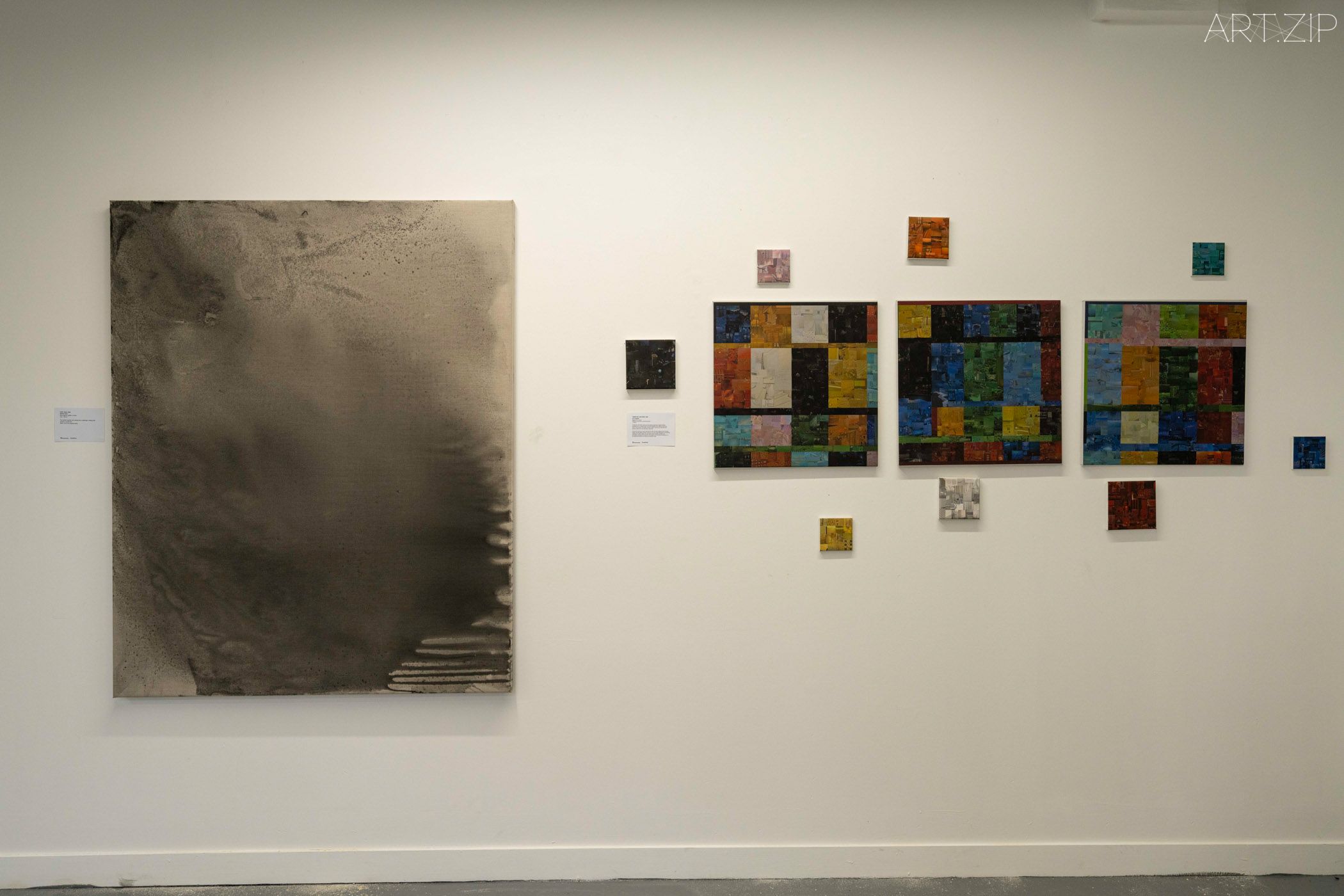
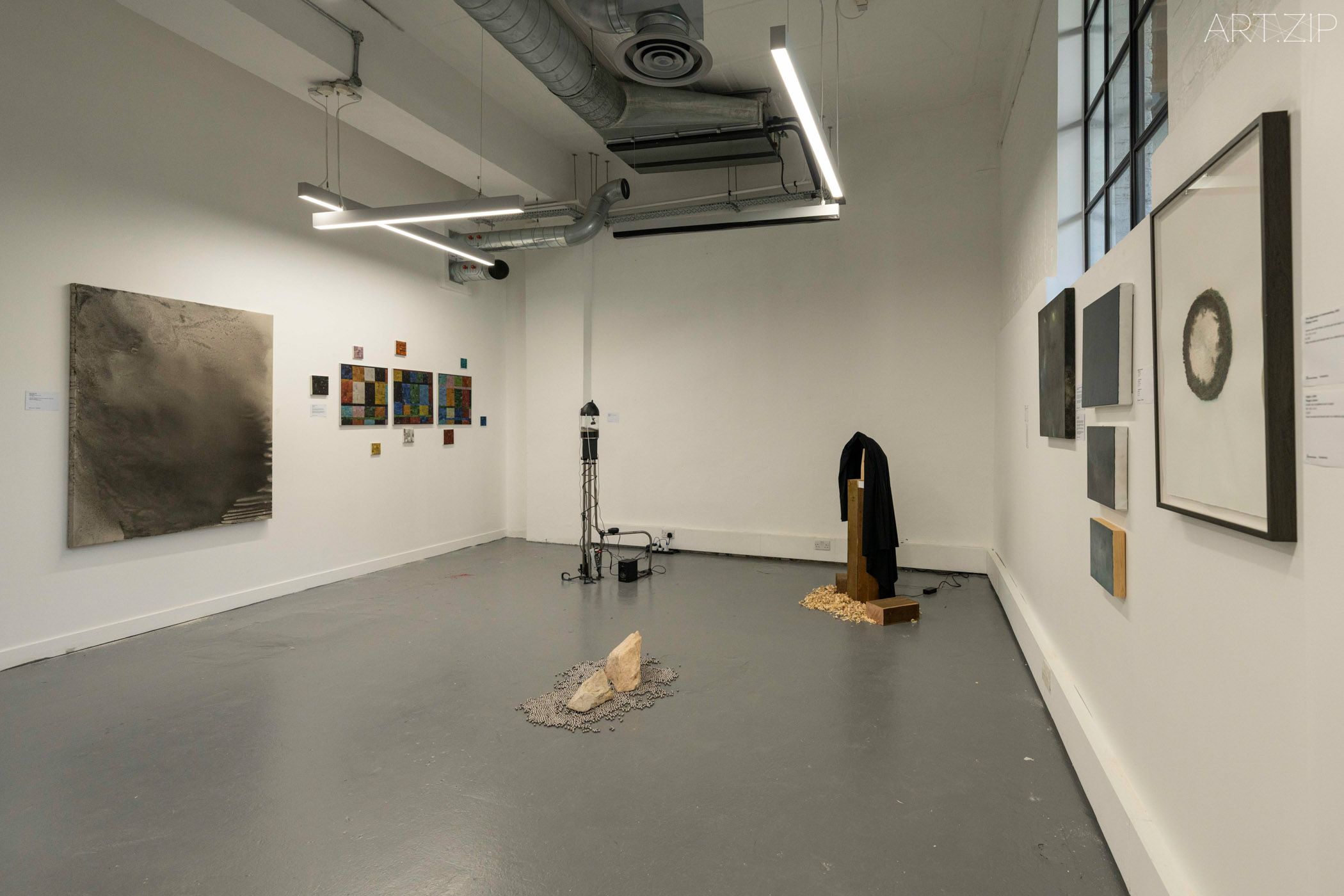
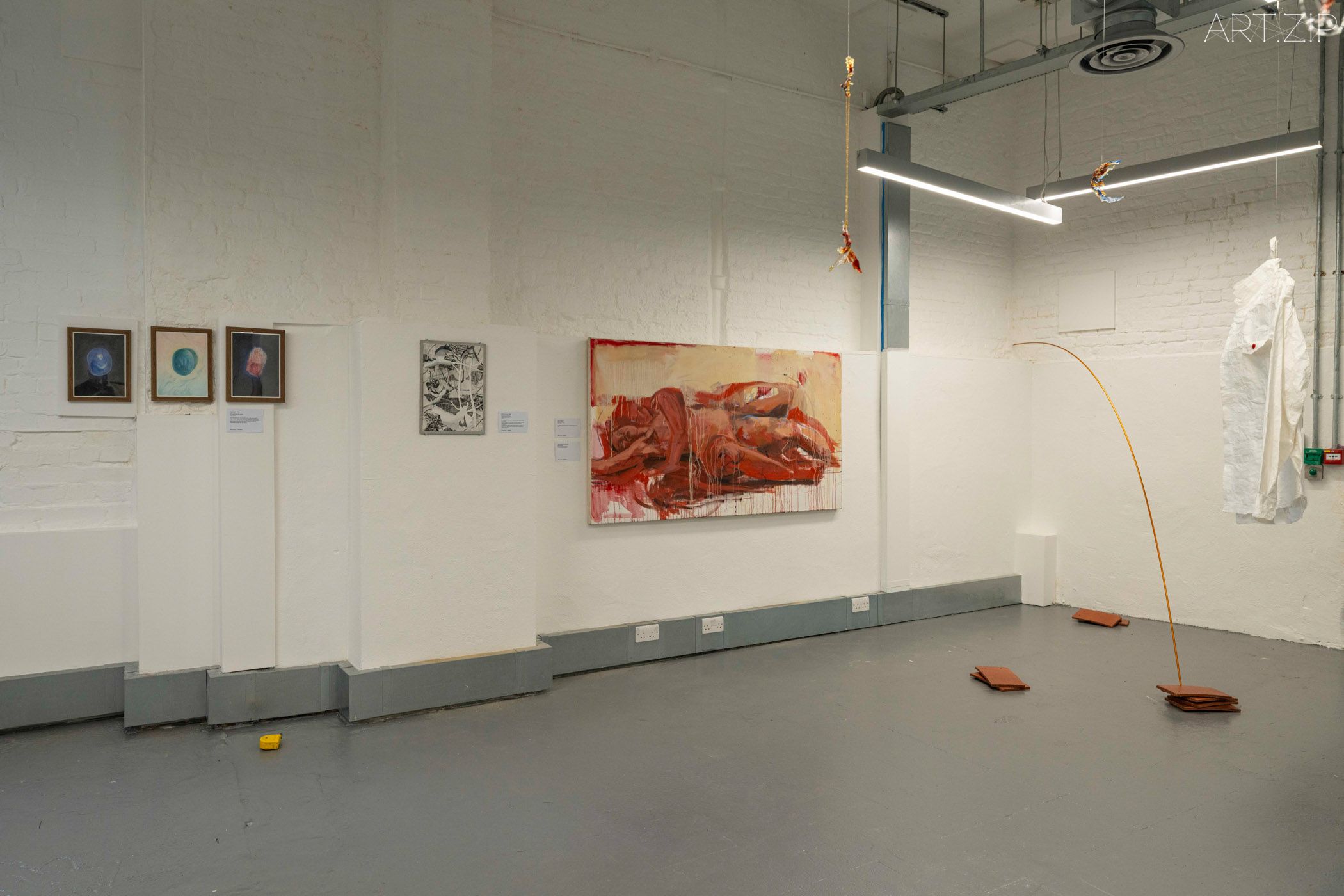
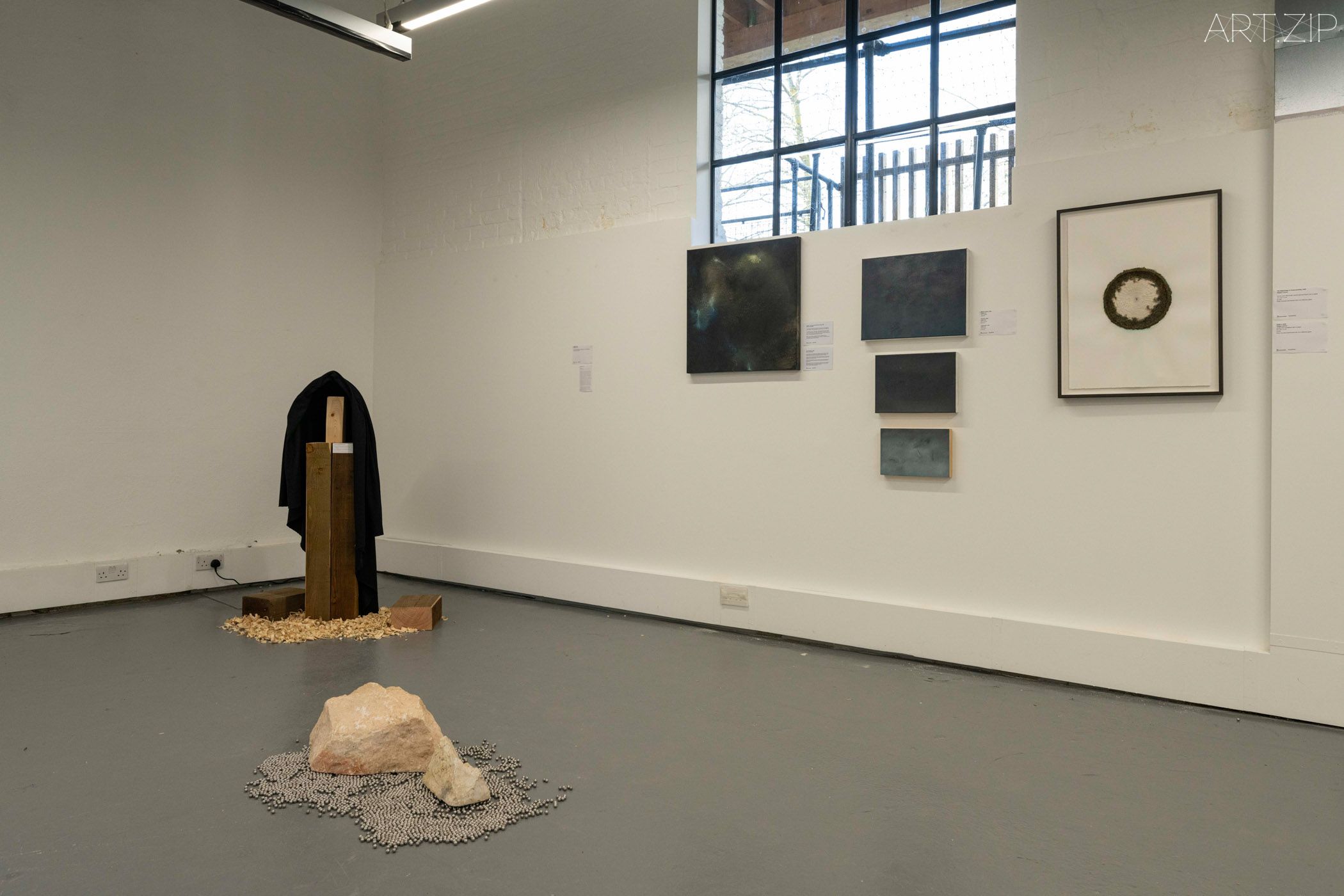
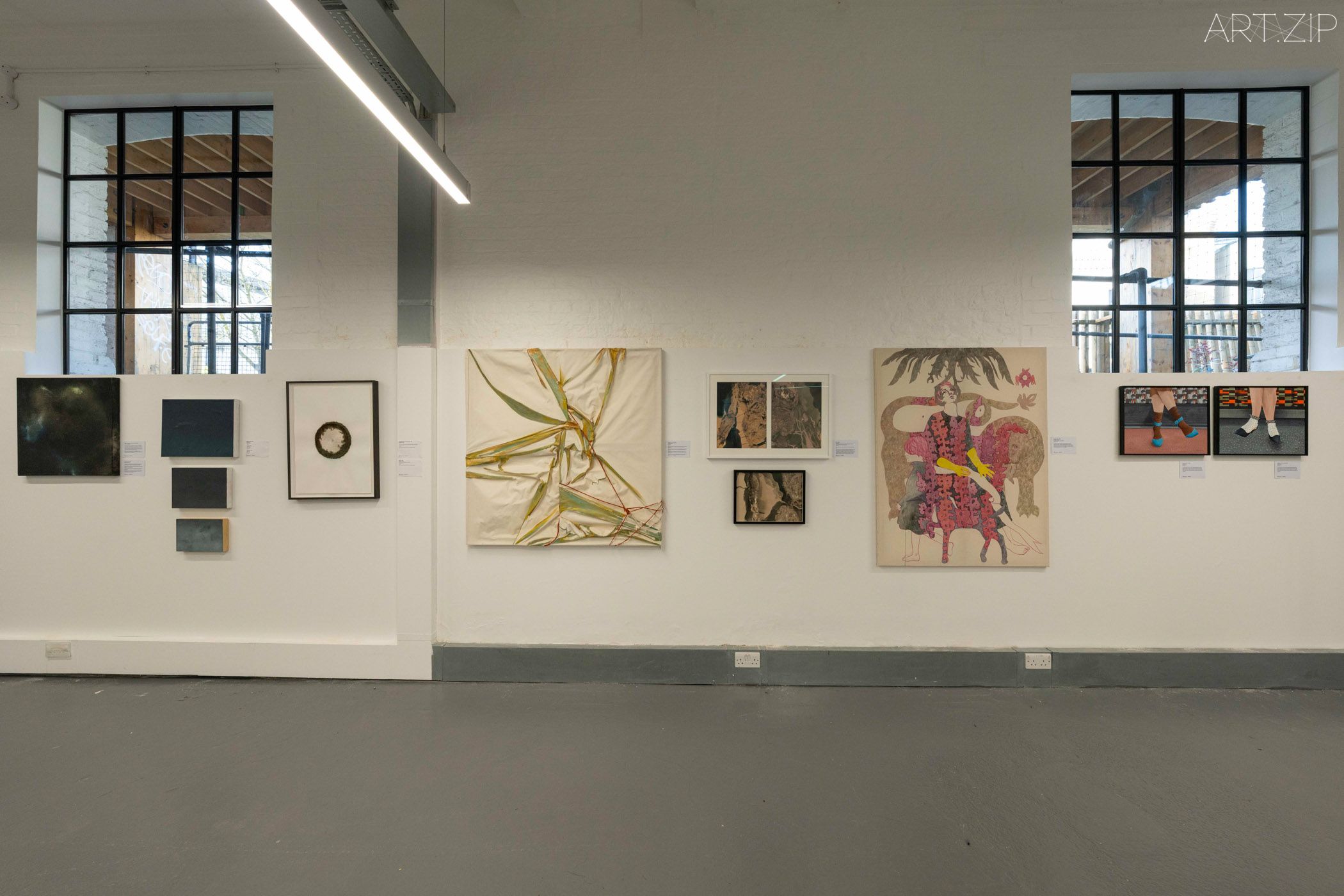
With the notion of the “social and cultural responsibility of art” at the core of ZHANG Hailun’s curatorial practice and methodology, the exhibition, the first in this specific space, echoes the collective spirit and “core values of kindness, mutual respect and support” encouraged by the Kindred Studios of which it is a part. A non-profit making organisation, the studios also hosts a very diverse and committed group of hundreds of artists. With ZHANG Hailun’s curatorial vision, the exhibition becomes a microcosm of this whole ecosystem, “inspiring others to be part of a more connected and caring society”. Through careful selection, ZHANG Hailun brought together artists who studied in a range of well-known art schools, such as Goldsmiths, the Slade, the Royal College of Art and UAL, but also self-taught artists and artists from the local community. In addition to this conversation between the local community and a more global perspective, ZHANG Hailun focused on emerging artists for their fresh, energetic attitude to their living environment and their ambition to show the world in a new light via very recent artworks and a wide scope of artistic research interests. These, I think, include the ambivalence between nature and technology, the ramifications of slavery and colonialism, questions about identity construction and associated messages of resilience, the notions of beauty and language in contemporary art, and Eastern philosophical concepts.
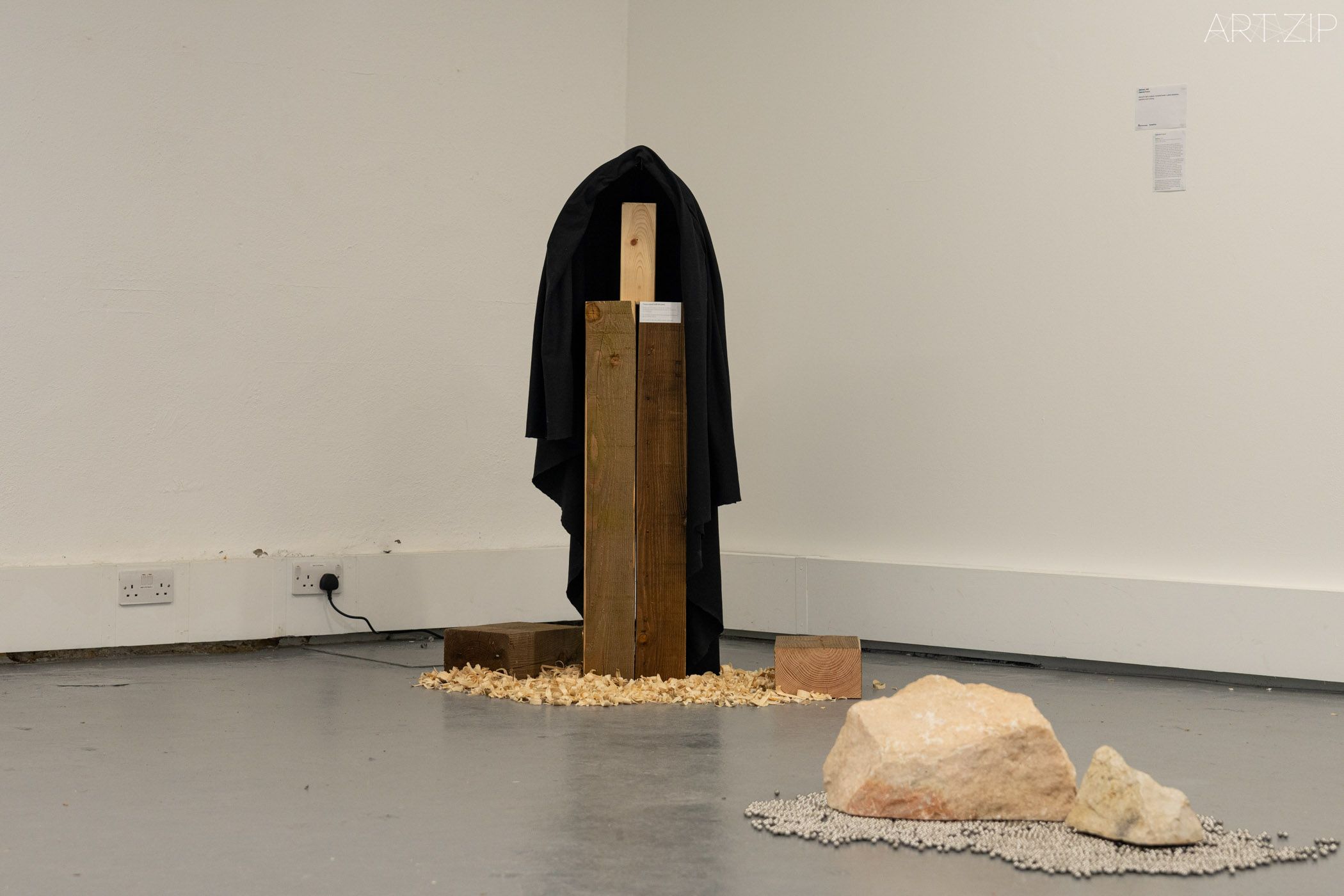
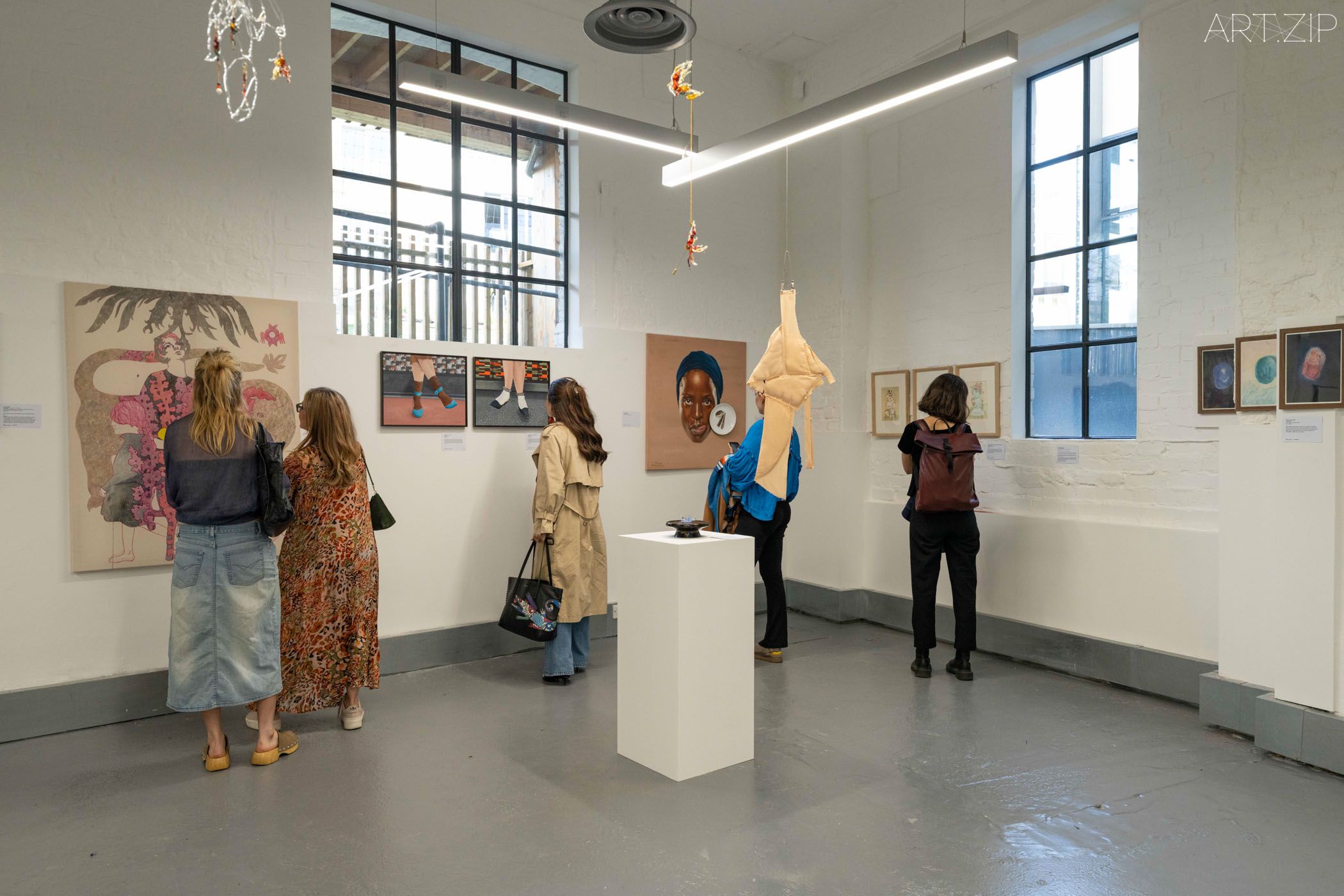
With her “Made in Love” embroidered inscription, Ankita Kashyap’s “I Want to Become Your Shirt”, a white shirt made of rice paper with buttons formed by twirled artist’s dyed hair, seems to comment poetically on the provenance of clothing materials and working conditions in the textile industry. In the context of globalisation, Samuel Olowomeye’s “Spoon-Feed” oil frontal portrait of a black woman’s face also explores, but in a different context, “the intersection of the Nigerian experience and global survival”, as well as the role of women in traditional societies. Also a gesture of reverence towards previous generations and an act of remembrance, Mohini Kaur “I use my hands to press your feet; a bed of blessings”, is a pair of brass feet filled with kumkum, a sacred red powder used in Hindu rituals, symbolising prosperity, auspiciousness and energy. “It invokes the imagined presence of ancestral feet, formed through repeated imprints of the artist’s own hands” in order to maintain continuity between generations. In a supposedly post-colonial world in which we can pretend exploitation has finally ended, we can see how this ambivalence between the western make-belief and the reality of the global south could seat uneasily with descendants of those countries which have been colonised but live in the generally more privileged west. Such ambivalence can adopt different forms depending on the economic, social and cultural context in which one tries to build a nourishing life. While the tension in the rod in Liszu Tan’s installation “Home Starter” reflects the experience of fragility as an immigrant from Malaysia and adapting period following the four seasons, the embroidered acrylic painting “Domestic Myths” by Anna Samoylova, explores her family history and memory, as well as the mental charge of women who attempt to reconcile motherhood and responsibilities at home with personal fulfilment, while bearing witness to the resilience of those who navigate this tension with quiet strength. Nearby, at the intersection of two windows, woven into one of the exhibition’s many layered narratives, Patrícia Tavares’s work is also a feminist reflection on women’s identity within patriarchal society.
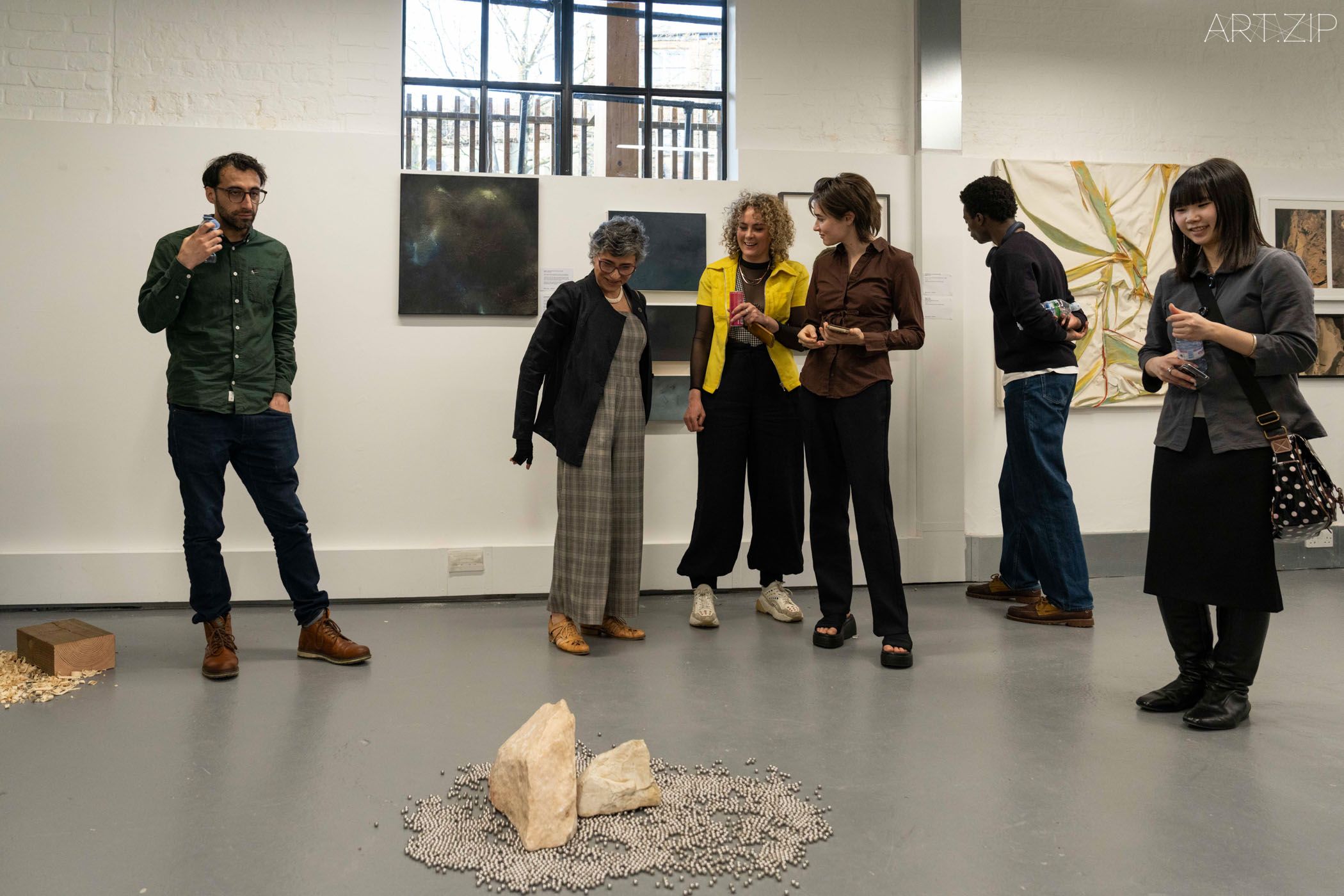
Installation view. Photograph by Jayko Gao, courtesy of Symphōnia Art
Amidst those potent, crucial questions, the viewer of “In Between” can find strong messages of resilience through the exploration of one’s personal mental health or one’s positioning within the public sphere. On the one hand, YANG Xiao’s triptych “Soft Vessels”, representing delicate fragments of the body enclosed within pearl and gemstone-like forms in soft pastels and coloured pencils, explores the impact of trauma and emotional memory on the body and intimate relationships, and how such understanding can effect change. In CHEN Yun’s dreamlike oil paintings, entitled ‘Motion Artifact‘, ‘Fall Over‘ and ‘Lightweight‘, the viewers’ imagination is activated too, as partially identifiable scraps and fragments can be freely reconfigured and assembled, thus triggering in the viewers conscious and unconscious processes in the formation and perception of the image, and ultimately empowering them to envisage new possibilities. On the other hand, Selin Soylu’s colourful series of acrylic paintings depicting women’s shoes, socks and calves in the London underground system alludes to strong female personalities and assertiveness in a public space in a subtle and humoristic way. Similarly, Sloane Warren’s “Tit’s Up”, a highly experimental chemigram made from body prints, using real and symbolic substances, such as dried milk, moisturiser, body oil and Voltarol gel, reflects the female experience in middle-age, especially the still taboo natural processes, and often lonely journeys, of the menopause and ageing. Another artist who “explores the tension between the promise of potential and the reality of life’s complexities, fostering [positive] introspection about our individual journeys” is SUN Mingzhang. In the poetically titled oil painting “A Brighter Summer Day”, he innovatively uses the folds of the fabric as a media, revealing, despite the constraint of red rope, a resilience that resonates as both a personal and collective symbol, echoing broader questions of identity, belonging and emancipation. It is “a metaphor for personal growth, urging viewers to confront their struggles while nurturing hope and renewal.”
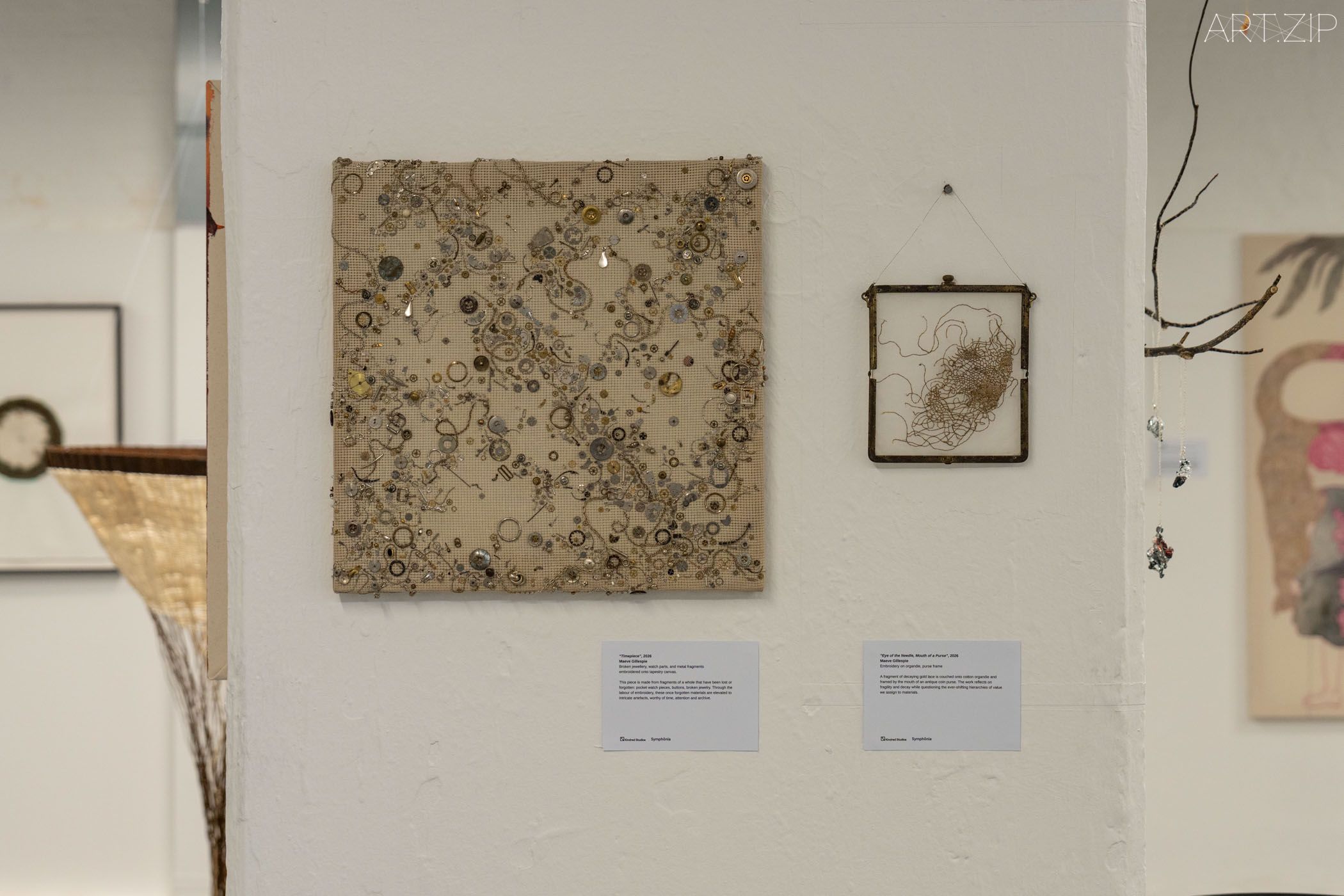
Sometimes, however, sheer beauty and the meticulous exploration of sculptural, painterly or photographic material and language, are the stimuli that one needs to feel uplifted and inspired on one’s life’s journey. Poppy Lennox’s “A Collective Sentience”, an upside-down conic sculpture made of pure silk and salvaged metal, and “The Beginnings of Understanding”, a thread of pure silk that has been woven into a circle around which liquid rust has been applied, are just exquisite in their subtly of materials and creative process, and are forms of pure beauty. While in “Timepiece”, Maeve Gillespie uses discarded materials, such as pocket watch parts, broken jewellery and buttons, “elevating these once forgotten materials to intricate materials through the labour of embroidery”, Monica Perez’s stunning “COST. HELD”, a surface of linen onto which has been applied bone pigment and gelatine, “expands and contracts like a diaphragm” and attracts the viewer into the slow revelation of its making process in an uncanny way. Similarly, Meghan Josephine’s oil painting “Rest – Reclining Pair” shows a couple mysteriously emerging from a sea of red paint. Consisting of eleven digital prints on canvas, LIU Zongyao’s “There will be song” “references three abstract paintings by Stanley Whitney, translating and re-configuring [via technology], across different scales and media, their language of colour-block visual units” to include the inside and outside of the building environment. “Through this process, the work examines the notion of artistic sublimity and reconsideration of the relationship between art, [the mechanisms of perception] and aesthetic value.” In the print “Zodiac Series: Horse”, Zhang Tao applies to his contemporary works his life-long knowledge and experience of Chinese characters which he has acquired through the practice of ancient calligraphy and seal carving. Bearing in mind that Chinese script is an ideographic writing system (the representation of ideas or objects directly through graphic symbols, ideograms, rather than through words or sounds), his practice unfolds as a process of deconstruction and reconstruction of image and sign, where Chinese characters are reconfigured into a distinct visual form and vocabulary.
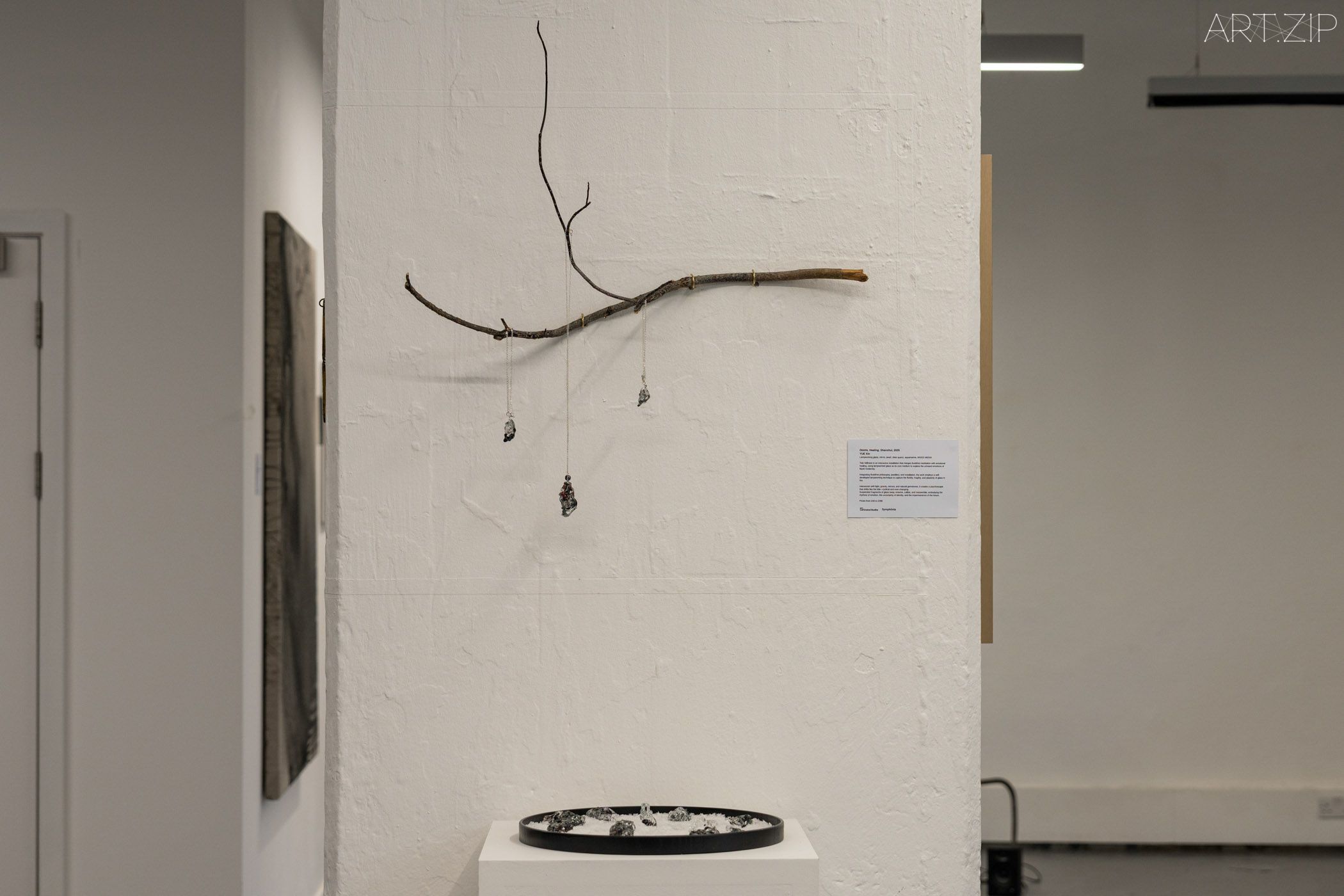
As mentioned in the introduction, the flow of energy is central to Eastern philosophy, and this is perfectly encapsulated by ZHANG Qinyuny’s Triptych “Vessels of the Mind (Withering, Growing, Flourishing)”, which creates a close interaction between nature and body. Despite being made of watercolour and coloured pencils, it draws on elements of Chinese shanshui painting, a traditional Chinese painting style focusing on natural landscapes and deeply rooted in Taoist and Confucian philosophies. Other artworks in the exhibition echo eastern philosophical principles and the living environment. For instance, Xin Yue’s lampworking glass handmade jewellery represents aerial creatures inspired by Eastern myths in which human beings, animals and deities are fundamentally equal, and as such, questions the hierarchy between different living beings at the centre of Western culture to suggest the possibility of another, more respectful world of our living environment. Not only a comment on “the humorous absurdity of labour” and ”a reimagining of our ancestral labour”, Emma Louise Moore’s interactive installation “The Gwendolines” is also a play upon materiality, in which what the brain understands as heavy is experienced by the hand as light. According to ZHANG Hailun, the curatorial vision of the exhibition draws from her research into the connections between Eastern and Western philosophy. Central to this is the understanding that everything is interconnected and interdependent, and that the definition of any relative state is inseparable from one’s chosen frame of reference. Conceptual thought, in this view, imposes limitations on our perception: what appears impossible shifts when one transcends dualistic thinking.
More generally, the exhibition’s spatial arrangement into a site-specific installation using the distinct features of the space, such as the windows, columns and different vertical layers in the wall, echoes the Chinese philosophical concept of feng shui, which aims to harmonise this energy in the environment. To weave this environment into a coherent whole, ZHANG Hailun draws upon a deeply interdisciplinary practice that integrates philosophical inquiry, literary narrative, and an acute understanding of spatial dynamics and structure. It is through this curatorial methodology that each work is afforded a richer conceptual and poetic resonance, while all works sound together in harmony, rendering the exhibition an organic whole: an unfolding symphony, charged with philosophical depth, that invites reflection and harmony across difference, and becomes a source of inspiration for the public.” It thus makes sense that the exhibition is a special edition of her SYMPHŌNIA exhibition series, which Greek spelling emphasises its etymology and meaning: combining syn- (“together”) and phōnē (“voice” or “sound”), the term encapsulates the notion of “a concord of different notes”, or ”sounding together”, or “harmony”. Interestingly, Helen, who I regard as the most gentle of warriors in contemporary art, considers all forms of limitation, whether constraint, restraint or plain hindrance, to be also a part of this transformative resonance, as through resistance, they “re-adjust and become a new harmony”. As the exhibition offers, for both artists and viewers, the possibilities of a broad, personal human experience involving a diversity of meaning and purpose, one can see how, in the eyes and words of ZHANG Hailun, “art is a form of spirituality” with the possibility to transform.
在東方哲學中,能量被理解為一種貫穿宇宙、身體、意識與自然的微妙而充滿活力的力量。它是一種動態的、相互關聯的、具有轉化性的力量,賦予生命以活力,強調對立力量之間的平衡,以達致和諧與啓悟。在精心策劃的展覽《之間》的空間中,這種能量在精神、感官與身體層面同時被感知。 每件作品在空間中相互呼應,賦予觀者以力量。策展人張海倫的研究聚焦於東方哲學對當代藝 術的影響,她深信萬物相互關聯,並在自然有機體,例如安娜·貝阿特里斯·費爾南德斯的繪畫《我的鑰 匙在哪裡?》中所呈現的自然生物,與機器及計算藝術之間找到了和諧共鳴。展覽中的相關案例包括:閔秉根的類機器人般的作品《短暫的脈動》和加布里埃萊·弗朗科的互動光雕《阿萊忒亞》。秉持「差異 中的和諧」這一理念,張海倫成功地構建了一場無比豐富而富有成效的對話。為此,她有意甄選了 在藝術研究方向、文化背景與創作媒介上極為多元的藝術家群體。從傳統繪畫與雕塑材料、 攝影 與數字印刷,到刺繡、 燈工玻璃珠寶,乃至藝術家染色發絲、 朱砂與灰燼等頗為罕見的綜合媒材。
以「藝術的社會與文化責任」作為張海倫策展實踐與方法論的核心,這一在該特定空間 的首次展覽,呼應了其所在地親緣工作室所倡導的集體精神與「善意、相互尊重與支持」的核心 價值觀。作為一家非營利機構和伦敦最大的创意社区之一,工作室同樣匯聚了數百位多元而充滿使命感的藝術家。在張海倫的 策展願景下,展覽成為整個生態系統的縮影,「激勵他人成為一個更具連結感與關懷精神的社會的 一部分」。 通過精心遴選,張海倫匯聚了畢業於金史密斯學院、斯萊德美術學院、 皇家藝術學院及 倫敦藝術大學等知名院校的藝術家,同時也納入了自學成才的藝術家與本地社區藝術家。在這場本 土社區與全球視野的對話之中,張海倫將目光投向新興藝術家, 看重他們對生活環境的鮮活而充滿 活力的態度,以及他們以嶄新視角呈現世界的雄心,并通過近期創作與廣泛的藝術研究方向加以呈 現。這些研究方向涵蓋:自然與技術之間的矛盾張力、 奴隸制與殖民主義的歷史延伸、身份建構與 相關韌性敘事、當代藝術中美與語言的議題,以及東方哲學概念。
安奇塔·卡夏普的作品《我想成為你的襯衫》以刺繡文字 「用愛製造」為點睛之筆,這件由宣紙製 成、以藝術家染色發絲扭成紐扣的白襯衫,以詩意的姿態評述著服裝材料的來源與紡織業的勞動條 件。在全球化的語境下, 薩繆爾·奧洛韋梅耶的油畫《勺-喂》,一幅黑人女性面孔的正 面肖像,探討了「尼日利亞經驗與全球生存的交匯」,以及女性在傳統社會中的角色。 莫希尼·考 爾的《我用雙手按壓你的雙腳;祝福之床》同樣是對前人的崇敬與緬懷之舉。一雙鑄銅的雙腳 , 盛滿朱砂,這一在印度教儀式中象徵繁榮、 吉祥與能量的神聖紅粉。作品「喚起了對先輩雙腳的想 象性在場, 那形態由藝術家雙手反復印壓而成」,以維繫代際之間的綿延傳承。在一個据说是後殖民 的世界里,我們或許假裝剝削已然終結。然而對於那些來自曾被殖民國家、 卻生活在普遍更為優 越的西方世界的後裔而言,這種矛盾與張力的存在令人難以釋懷。這種矛盾可以根據個體在其中尋 求滋養性的生活中的經濟、 社會與文化語境里,呈現出截然不同的形態。 譚麗思的裝置作品《安家》中金屬桿所蘊含的張力, 折射出馬來西亞移民作為異鄉人的脆弱體驗與隨四季流轉的適應歷程; 而安娜·薩莫伊洛娃的刺繡丙烯畫《家庭神話》 則探索了她的家族史與記憶,以及那些試圖在母 職與家庭責任和個人實現之間求得平衡的女性所承受的心理重負,同時見證了在這種張力中以沉静的力量從容前行者的韌性。嵌入展覽諸多敘事層次之中的帕特里夏·塔瓦雷斯的作品,亦是對父權社會中女性身份的女性主義反思。
在這些深刻而關鍵的議題之間,展览《之間》的觀者亦能從對個人心理健康或其在公共領域的定位的探索中,感受到強烈的对韌性的表達。一方面, 楊逍的三聯畫《柔軟的容器》以柔和的粉彩與彩鉛描繪出珍珠與 寶石般形態中包裹著的身體碎片, 探討創傷與情感記憶對身體及親密關係的影響,以及這種認知如 何催生改變。 另一方面, 賽琳·索伊魯以一系列色彩豐富的丙烯畫描繪倫敦地鐵中女性的鞋履、 襪子 與小腿,以微妙而幽默的方式映射出公共空間中強韌女性人格與自我表達的力量。同樣,斯隆·沃倫 的《乳房起來》,一件以身體印記製成的高度實驗性化學照相作品, 融入了乾燥乳汁、 保濕霜、身 體油與雙氯芬酸凝膠等真實與象徵性物質。它反映了中年女性的身體經驗, 尤其是圍繞更年期與衰 老這一仍屬禁忌的自然過程,以及那段常常孤獨的旅程。 另一位 ”探索潛能的前景與生命複雜現實之 間張力, 激發對個體旅程的積極內省 ”的藝術家是孫明章。在這幅詩意命題的油畫《更明亮的夏日》 中, 他以布料的褶皺作為媒介,在紅繩束縛之下呈現出一種韌性。它同時作為個人與集體的象徵, 折射出關於身份、 歸屬與解放的更宏觀議題,从而唤起共鳴。這是「一個關於個人成長的隱喻, 引领觀者 直面掙扎,同時滋养希望與更新」。在陳允那充滿夢幻色彩的油畫《運動偽影》《跌落》與《輕盈》中,觀者的想象力同樣被激活,那些若隱若現、似是而非的碎片與殘影,可被自由地重新組合與拼接,由此觸發觀者在圖像生成與感知過程中的意識與潛意識運作,並最終激發觀者對新可能性的想象。
然而有時,純粹的美感與對雕塑、繪畫或攝影材料及語言的細膩探索,恰是人在人生旅途中所需的振奮與靈感之源。波比·列儂的《集體感知》,一件由純蠶絲與回收金屬製成的倒置錐形雕塑,以及《理解的開端》,一條被編織成圓形、其上施以液態鐵鏽的純蠶絲線,在材料的微妙與創作過程中呈現出令人嘆為觀止的純粹之美。在《時間碎片》中, 梅芙·吉萊斯皮運用懷錶零件、 破碎首飾與紐扣等廢棄材料,「通過刺繡的勞作將這些曾被遺忘的材料昇華為精緻之物」;莫妮卡·佩雷斯令人驚嘆的《成本·承載》,一塊施以骨粉顏料與明膠的亞麻布料, 「像橫膈膜一 樣擴張與收縮」,以一種奇異的方式將觀者引入其緩慢顯現的製作過程之中。同樣, 梅根·約瑟芬的 油畫《休憩——斜倚的一對》呈現出一對從紅色顏料海洋中神秘浮現的人物。 劉宗瑤的《將有歌聲》 由十一幅數字印刷畫布組成,「援引斯坦利·惠特尼的三幅抽象畫作,借由技術手段,在不同尺 度與媒介之間轉譯與重構其色塊視覺單元的語言」, 將建築環境的內外空間納入其中。「通過這一 過程,作品審視了藝術崇高性的概念,以及藝術、感知機制與美學價值之間關係的重新思考。」在 版畫《生肖系列: 馬》中,張濤將其畢生通過中国古代書法與篆刻實踐所積累的漢字知識與經驗融入當 代艺术創作。有鑒於漢字是一種表意文字系統 (通過圖形符號直接表達觀念或事物,而非通過詞語或聲 音), 他的實踐展開為一個對圖像與符號進行解構與重構的過程, 將漢字重新配置為一種獨特的視 覺形式與視覺詞彙。
如引言所述,能量的流動是東方哲學的核心,而這一主題在張秦韻祎的三聯畫《心靈之器 (枯萎·⽣⻑ · 繁盛) 》中得到了完美的呈現。作品在自然與身體之間創造出緊密的互動關係。 儘管以水彩與彩 鉛繪制, 作品卻融匯了深植於道家與儒家哲學的傳統中國繪畫風格中,以自然山水為核心的中國山水畫的元素。展覽中的其他作品同樣呼應著東方哲學原則與生命環境。例如, 岳欣以燈工玻璃手工 製作的珠寶,呈現了受東方神話啓發的空中生靈。在那些神話中,人類、動物與神靈在本質上是 平等的。由此質疑西方文化中不同生命體之間等級制度的預設,轉而指向一種更為尊重生命環境 的可能世界。 艾瑪·路易斯·摩爾的互動裝置《格溫多林們》 不僅是對「勞動荒誕幽默性」的評述, 也 是對「我們祖先勞作的重新想象」,同時還是一場關於材料性的遊戲。其中大腦所理解為沉重的 事物,在手的觸感中卻體驗為輕盈。 據張海倫介绍,展覽的策展理念源自她對東西方哲學關聯的研究。 其核心是理解一切都是相互關聯和相互依存的,任何相對狀態的定義都與一個人所選擇的參照框架密不可分。在這一視角下,概念性思維對我們的感知施加了局限:當一個人超越二元對立思維時,看似不可能之事便會隨之鬆動。
從更宏觀的層面而言,展覽将空间的独特特征,如窗戶、 立柱以及牆面的不同縱向層次,納入特定場域布展的空間佈局,呼應了中國哲學概念風水,旨在使環境中的能量達致和諧。為將這一 環境編織成有機整體,張海倫依託一種高度跨學科的實踐: 融合哲學探詢、文學敘事,以及對空間 動態與結構的敏銳理解。 正是通過這一策展方法論,每件作品獲得了更為豐富的概念與詩意共鳴, 而所有作品共同奏鳴,在和諧中成為一個有機整體。它成为一部在哲學深度中徐徐展開的交響樂章, 邀人 反思,感悟差異中的和諧,並成為公眾的靈感源泉。 由此可見,這一展覽成為她「序曲空山SYMPHŌNIA 展覽系列」的特別篇章, 實屬水到渠成。該詞SYMPHŌNIA源自希臘文, syn- (「共同」) 與 phδnē (「聲音」) 的結合, 完美地涵括了「不同音符的和諧」、「共鳴」與「和聲」之意。 耐人 尋味的是,我視海倫為當代藝術界最溫柔的戰士。她將一切形式的局限,無論是束縛、 克制還是 阻礙, 視為這種轉化性共鳴的組成部分。因為正是通過阻力,它們 「重新調整,成為一種新的和 諧」。當展覽為藝術家與觀者共同提供涵蓋多元意義與目的的廣闊的個人人文體驗時,我們便能理解张海伦的策展语言。在張海倫的眼中與言語里,“藝術是一種精神性”,具有轉化的潜能。
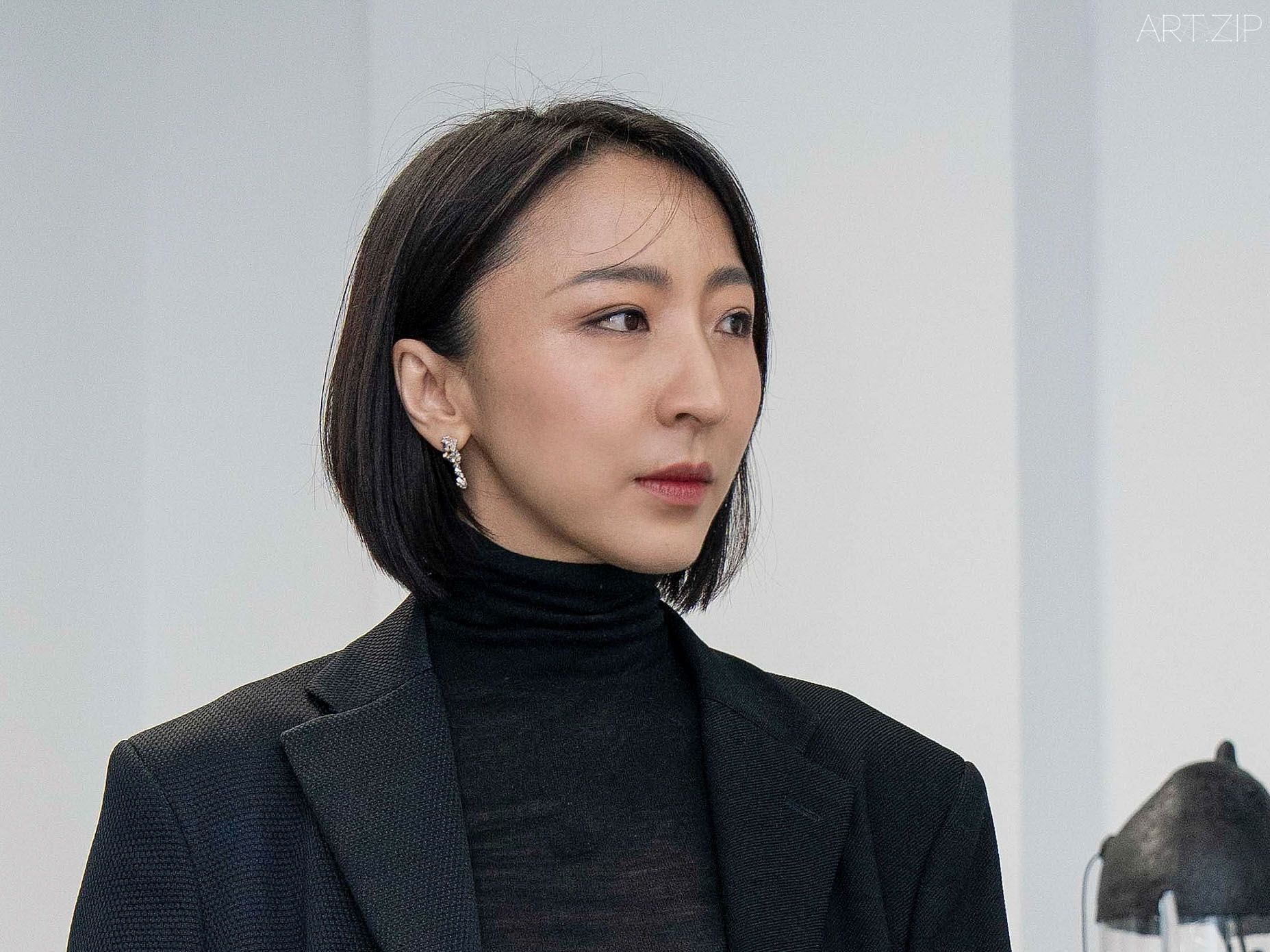
More about Dr. Caroline Perret 關於 卡羅琳·佩雷博士
Dr. Caroline Perret completed her PhD in Social Art History at the University of Leeds in 2008 with a dissertation titled “Dubuffet, Fautrier, and Paris under the Occupation and in its Aftermath: A Study in the Visual and Textual Ideology of Matter.” Following this, she worked as a Research Associate for the Group for War and Culture Studies at the University of Westminster, where she investigated the impact of war on cultural production in the historical, political, social, and cultural contexts of WWI, WWII, and beyond in Britain, France, and other regions. She is now an independent scholar and art critic, with a particular focus on modern and contemporary art, illustrated books, films, literature, and poetry.
卡羅琳·佩雷博士於2008年在利茲大學完成社會藝術史方向的博士學位, 論文題為《杜布菲、福特里耶與佔領期及其後的巴黎:物質的視覺與文本意識形態研究》。此後,她曾擔任威斯敏斯特大學戰爭與文化研究小組的研究助理,專注探討戰爭對英國、法國及其他地區第一次世界大戰、第二次世界大戰及其後歷史、政治、社會與文化語境中文化生產的影響。她現為獨立學者與藝評人,研究領域涵蓋現當代藝術、插圖書籍、電影、文學與詩歌。
More about ZHANG Hailun, the curator 關於策展人張海倫
Since 2024, ZHANG Hailun has developed Symphonia, an ongoing series of curatorial projects. The first edition, Prelude in Asylum, was a site-specific exhibition held in the Grade II listed Asylum Chapel, exploring art’s capacity for spiritual guidance and social healing. The second, Tempolumen Rhythmos, created in collaboration with the non-profit organisation ASC, examined the theory of gallery space and power, and the nature of awareness and how it shapes our perception of ourselves, the world and our relationships with others. In Between is the inaugural exhibition of Next of Kin Gallery at Kindred Studios, a unique non-profit creative community in London, and forms a special chapter within the Symphonia Series. This June, Kindred Studios will launch its Open Studios as part of Kensington & Chelsea Art Week Fringe 2026, for which Web of Life serves as both the overarching theme and the title of the main exhibition, curated by ZHANG Hailun. The event will bring together over 300 artists from one of London’s largest creative communities. Guided by her vision of building harmony across difference, and through her research-led curatorial methodology, ZHANG Hailun continues to advance her social and cultural mission.
⾃2024年起,張海倫持續推進序曲空山 Symphōnia 系列策展項目。首屆展覽《庇護場域中的序曲》於英國二級保護建築庇護禮拜堂呈現,以場域特定裝置的形式探討藝術在心靈引導與社會療癒方面的潛能。第二屆展覽《時空中的變奏》與非營利性機構ASC合作創作,審視畫廊空間與權力的理論,以及意識的本質及其如何塑造我們對自身、世界與他者關係的感知。展览《之間》是位於倫敦獨特的非營利創意社區親緣工作室的至親畫廊的開幕展覽,並構成序曲空山 Symphōnia 系列的特別篇章 。今年六月,親緣工作室將作為肯辛頓與切爾西藝術周暨弗林奇藝術節2026的核心組成部分,舉辦其開放工作室活動。屆時《生命之網》將同時作為弗林奇藝術節2026的主題與在亲缘工作室的主題展覽的標題,由張海倫擔任主策展人。活動將匯聚逾300位藝術家,來自倫敦最具規模的創意社區之一。以「在差異中構建和諧」為願景,以研究驅動的策展方法論為路徑,張海倫持續推進其社會與文化使命。
Text by Dr. Caroline Perret
Published on 23rd April 2026