
What does intimacy look like in the contemporary age? How does it feel, and how receptive are we to it? The intimate image is protected by law, by tech encryption, by trust, and by agency. Yet, what we see, the medium through which we see it, and the provocation of the experience is mediated through the spatial and social prescriptions of our lives.
Sharing worlds and producing intimacies is an integral part of what it means to be alive. Today, they feel just out of reach at a time of digital, and now artificial intelligence, platforms and programmes vying to outsource human connections and emotional labour.
When we are granted permission into someone else’s world, there emerges a friction between delight and uncertainty. The bright-eyed newness of observing how another person lives, how they love, and how they perceive the world is a gift, but one which can also feel like a boundary is softening and dissolving between the giver and the observer.
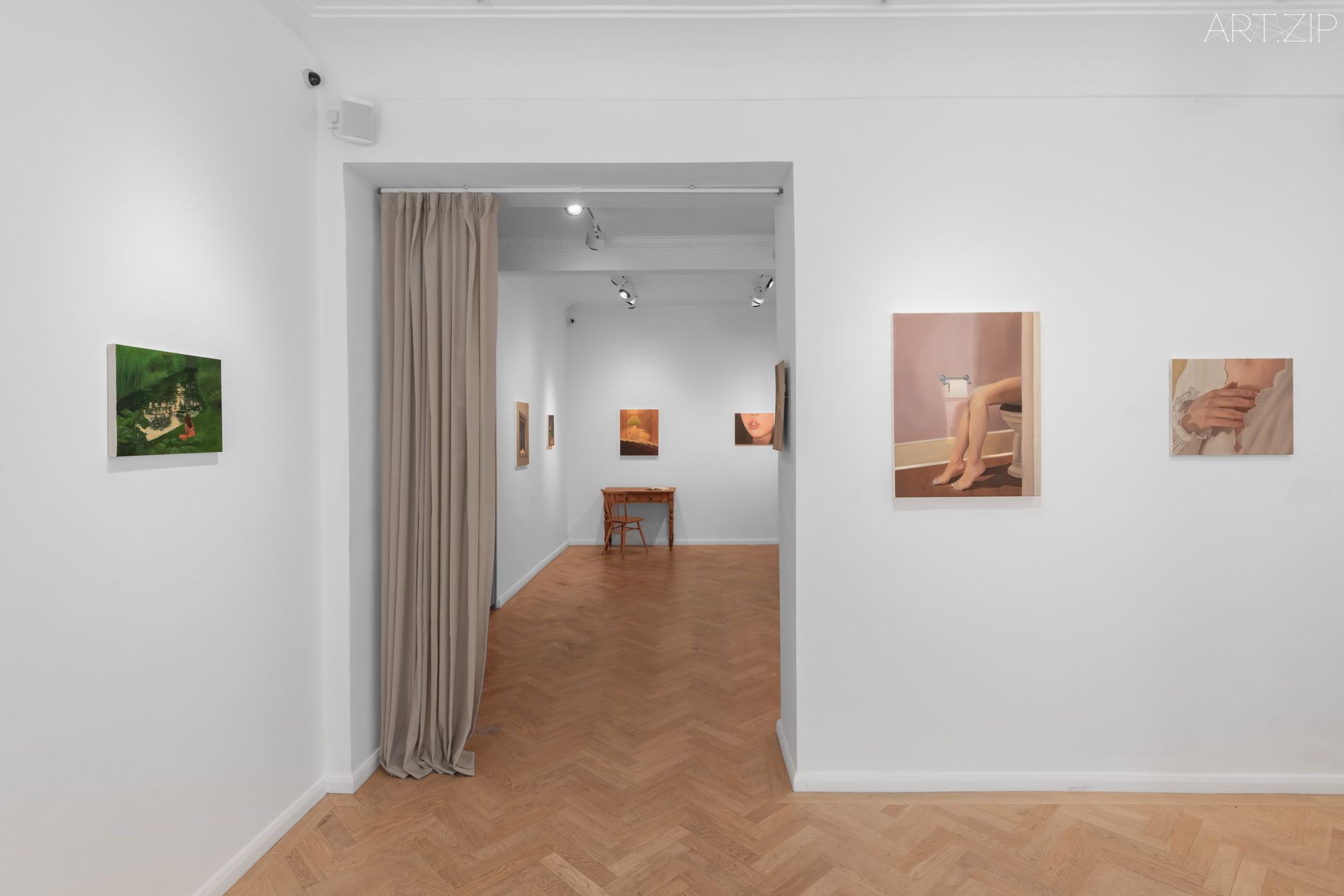
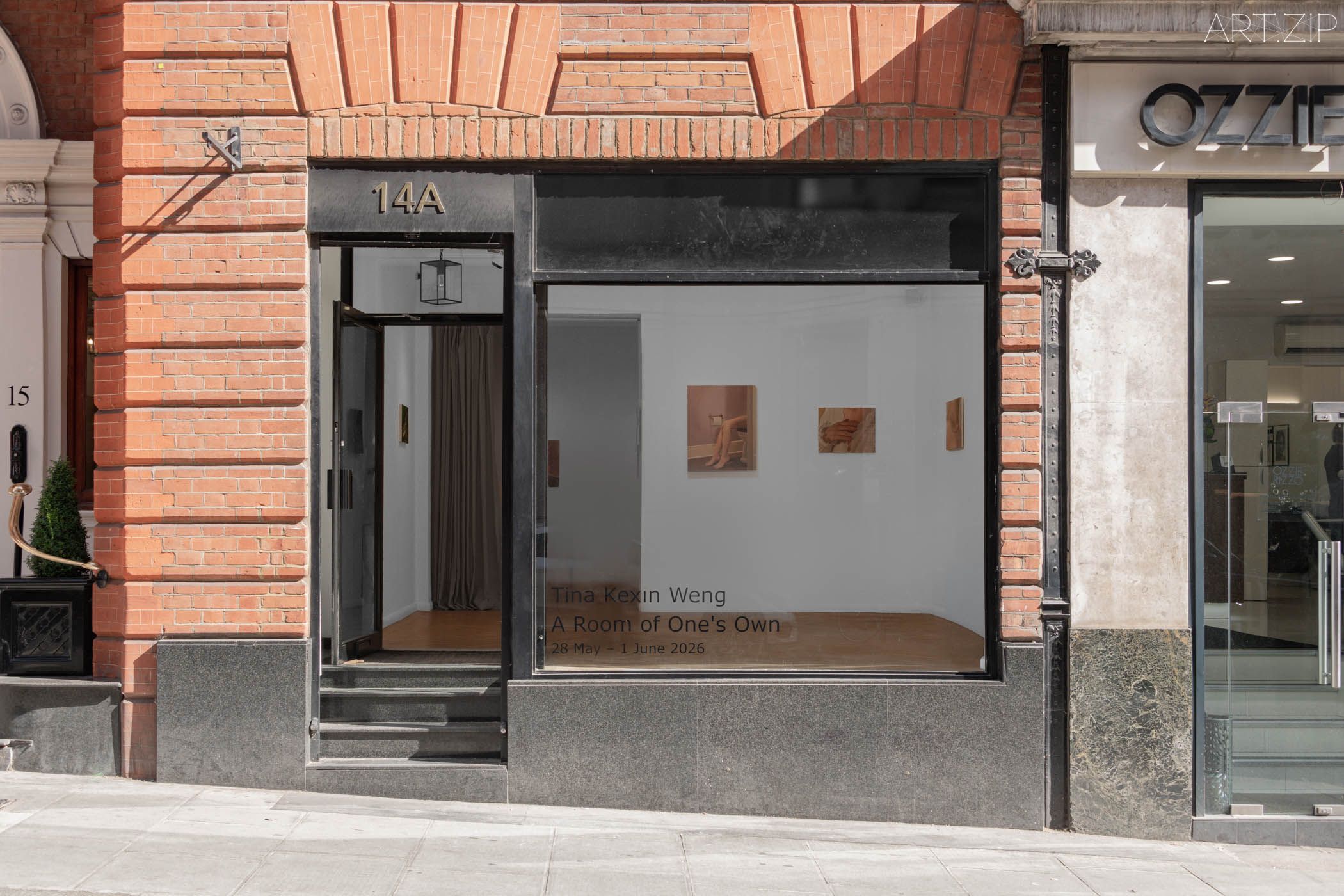
There is a sense of this in the work of Tina Kexin Weng, whose solo show ‘A Room of One’s Own’ opened for a limited run in Mayfair in May 2026. Upon entering the space, one thing that is immediately evident is the warmth in dialogue, connection, and understanding between the show’s curators, Alex Aiyuxin Chen and Helena Zihe Jin, and the artist. The gallery space is split between two adjoining rooms, with a bespoke beige curtain installed which divides the spaces whilst being sufficiently open to convey the journey through the show.
It is instantly asserted that Weng’s work comes from lived experience, but it is not entirely clear if the bodies depicted in the works are her own. As a culture, we are now close to becoming immune to diaristic ways of expressing oneself. A combination of factors has led us to this point, but social media and the ways in which the algorithm rewards emotive and revelatory content has played a large part. Watching someone cry online, for example, now arguably has little to no shock factor.
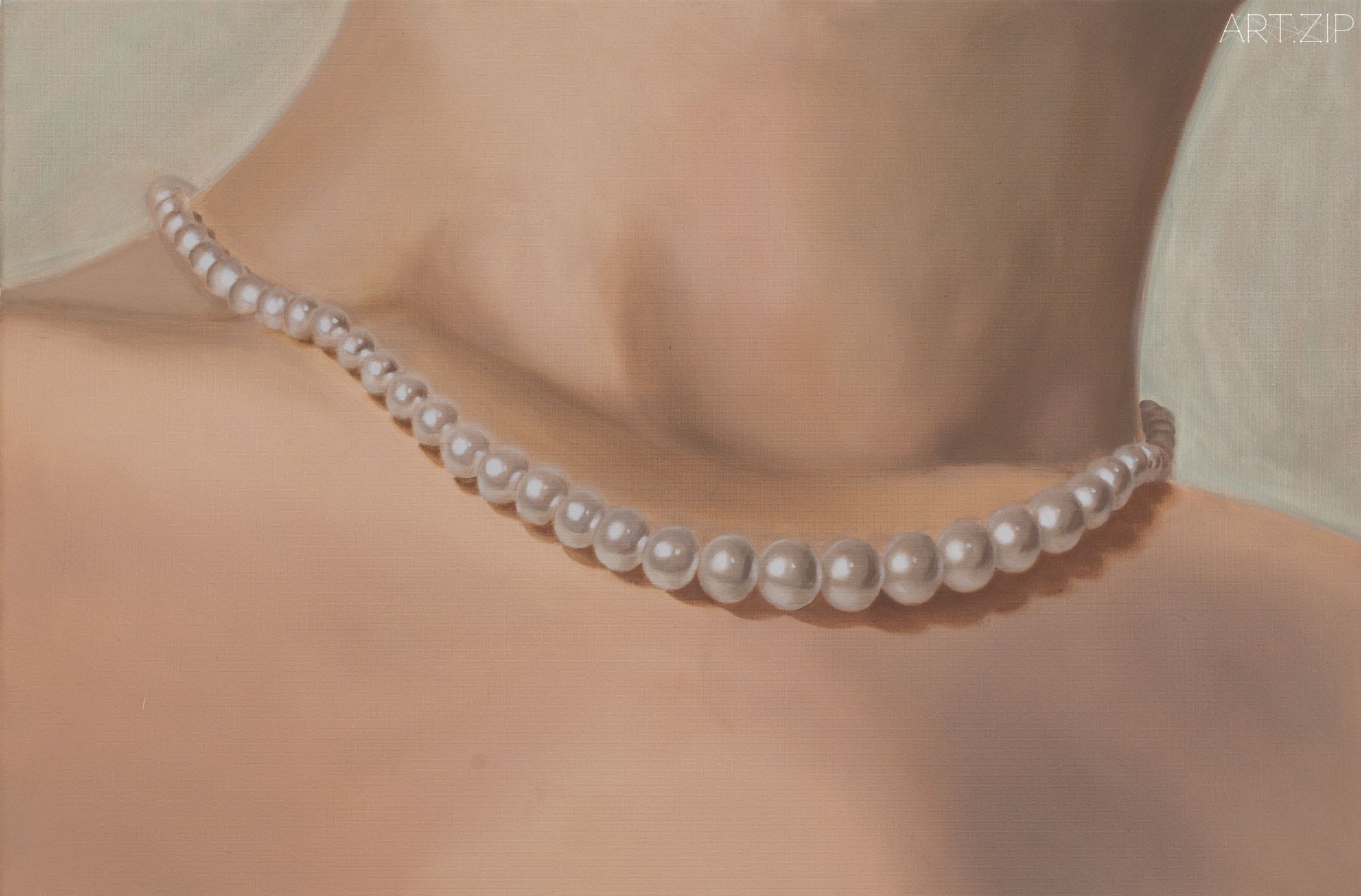
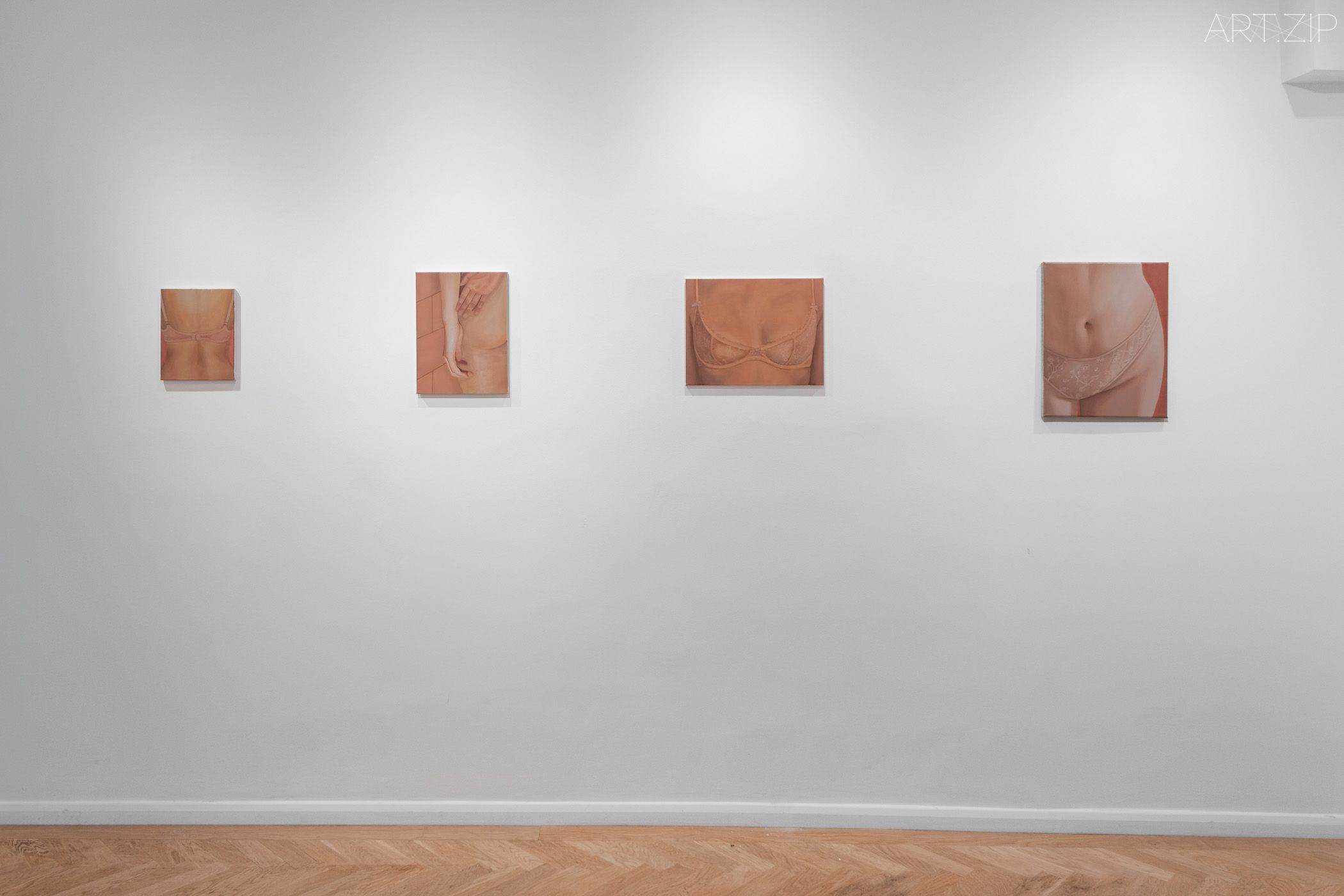
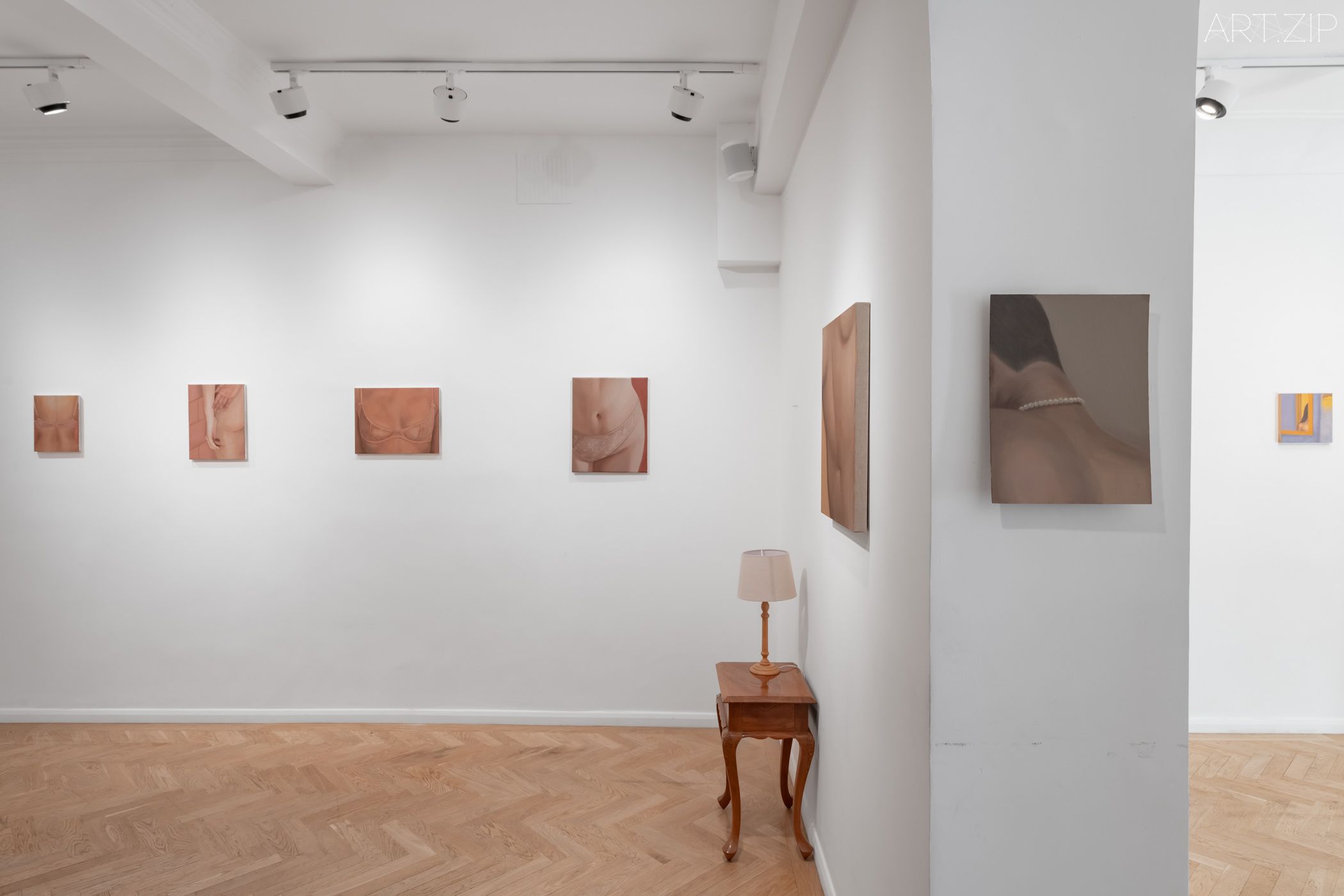
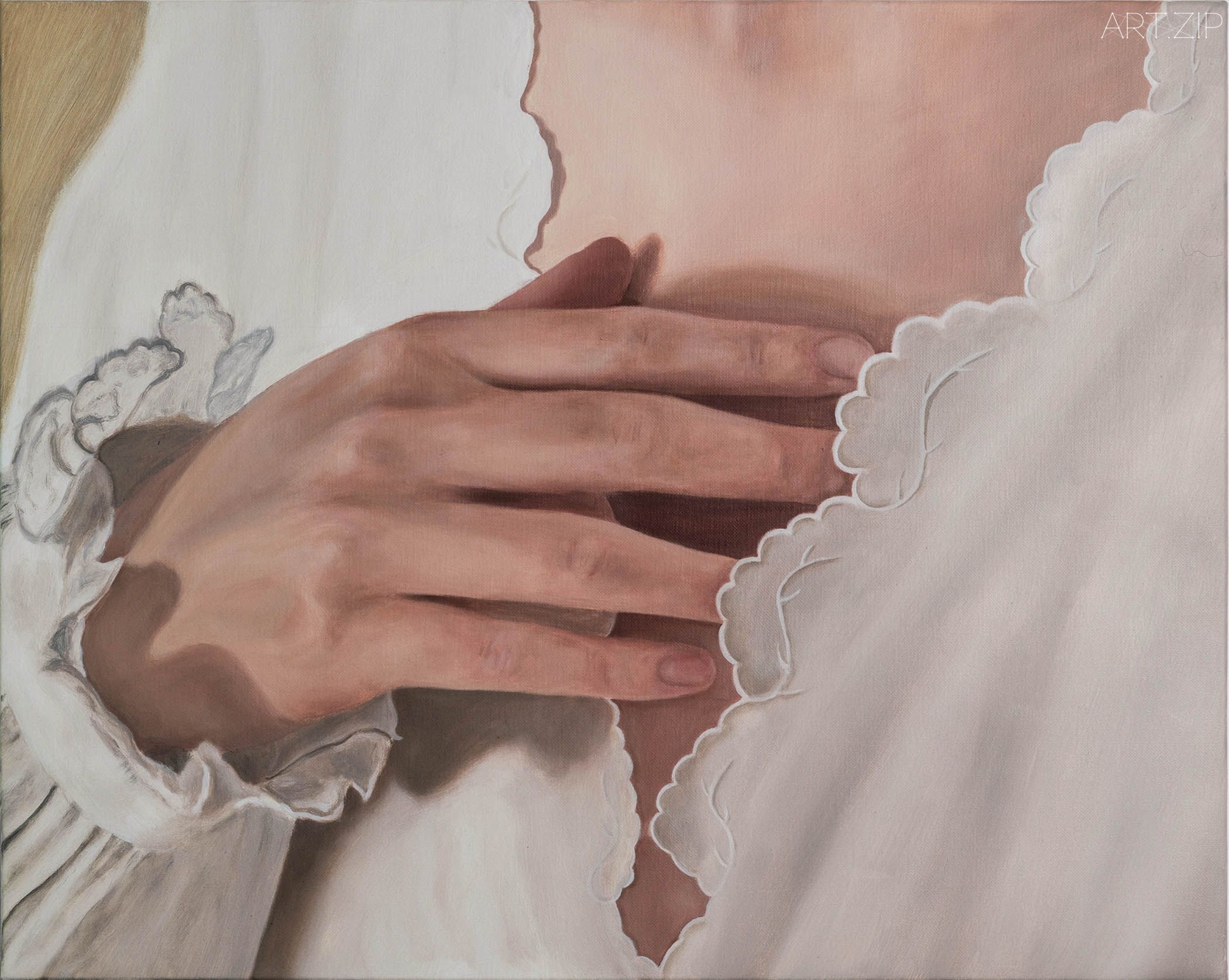
Weng, meanwhile, is a painter, and there is something lovingly analogue about her work and the way it is presented by Chen and Jin. The work is perhaps a fusion of a fictionalised self and her own mindbody, but there is not a sense of the exhibition being a searing exposé. A blessed quietness permeates the space and indeed the work. Perhaps this is something to do with the fact that the viewer does not come face to face with the artist in her work, but instead we see a selection of fragments, including a neck (which may or may not be hers) wearing a beautiful pearl necklace in ‘Pearl’, a mouth holding a small round object in ‘Shell’, and a back and lingerie strap in ‘Balconette 2’.
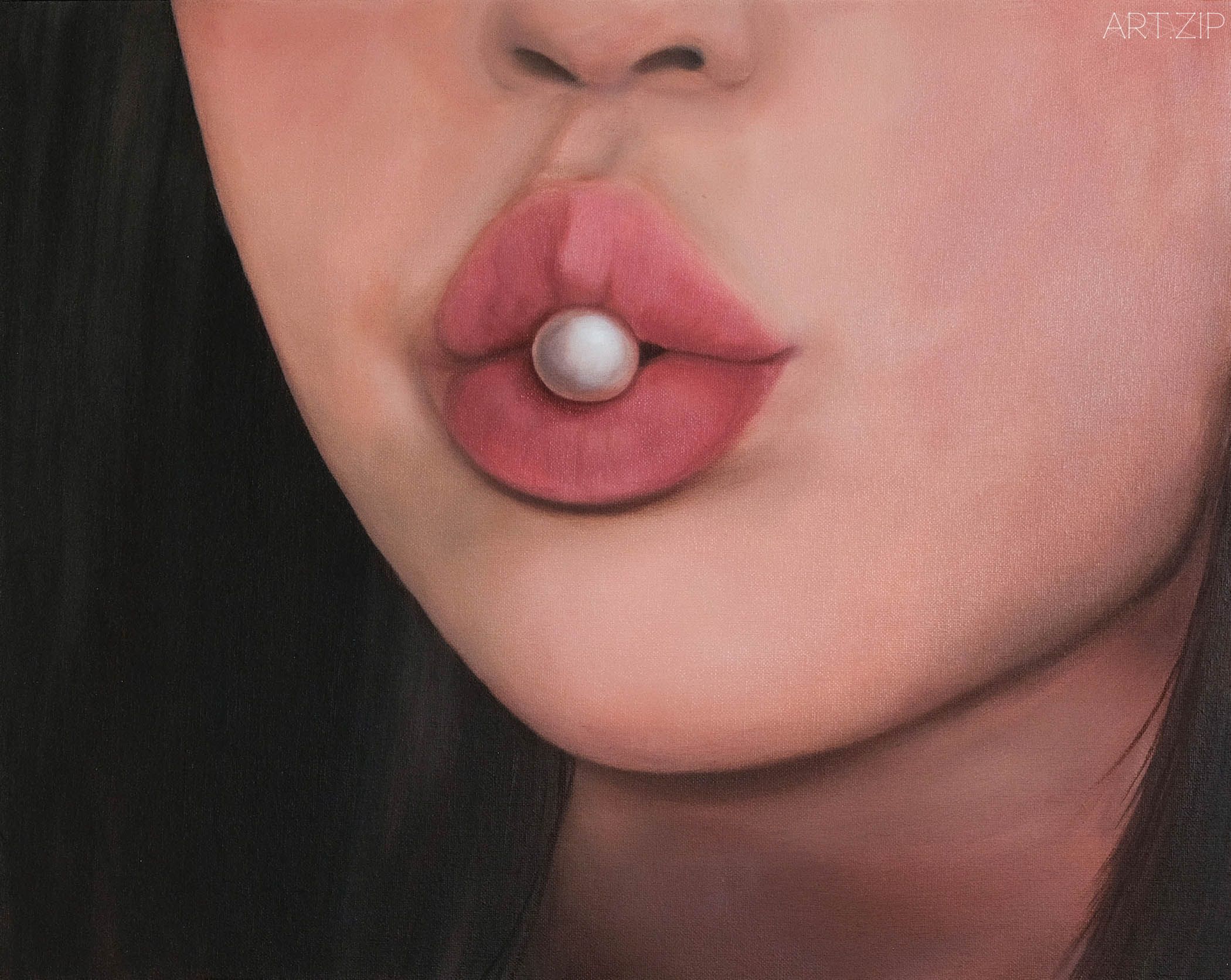
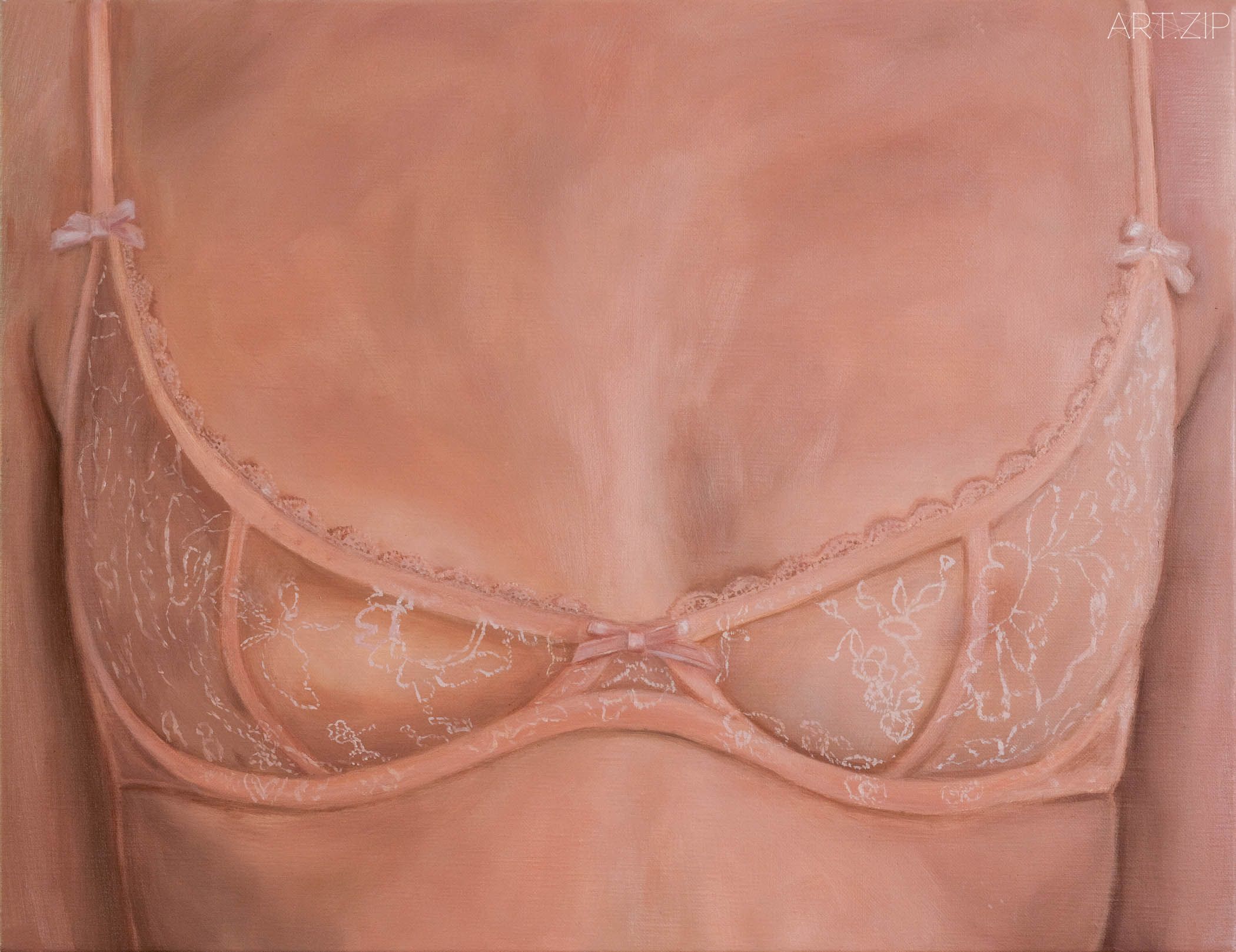
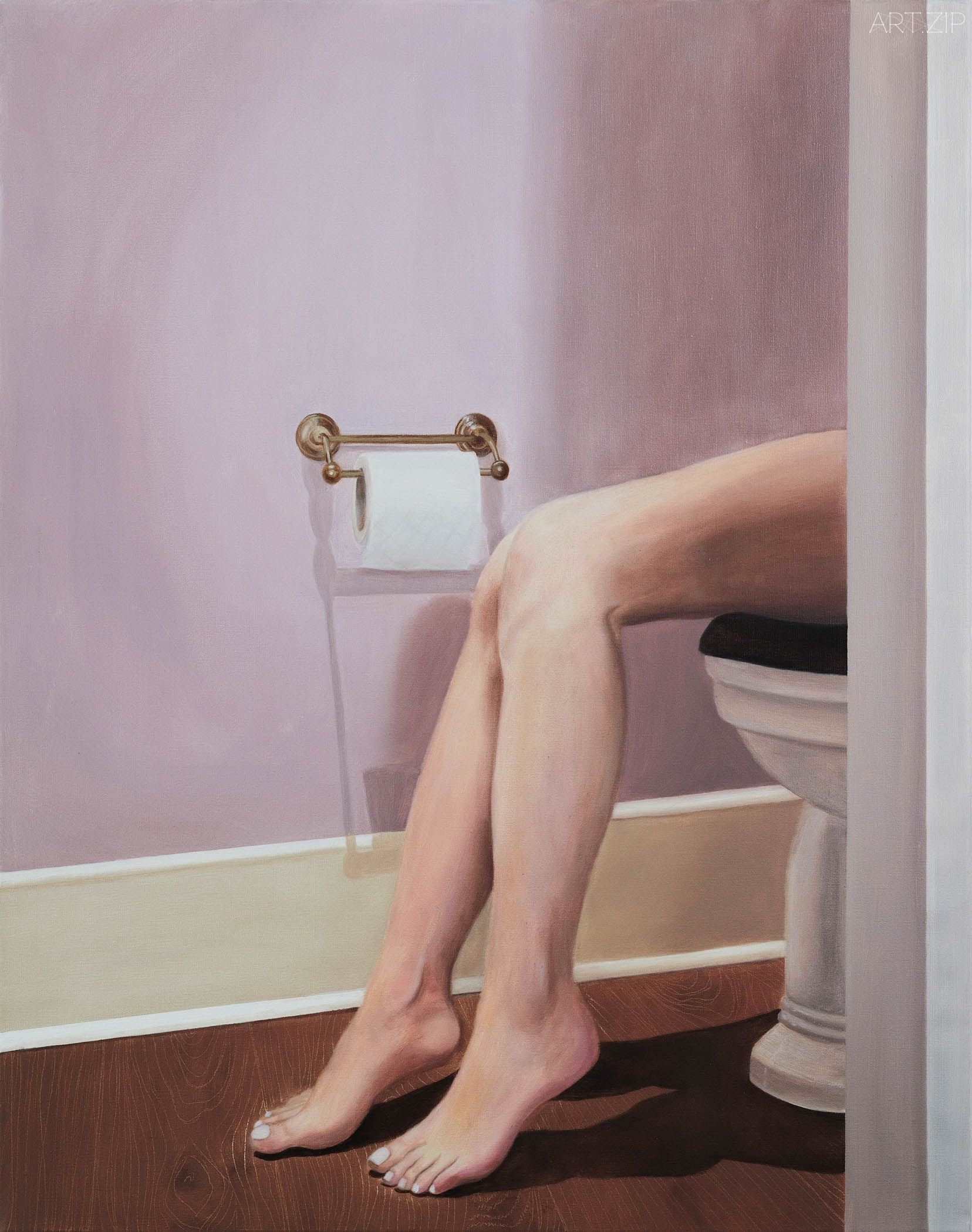
Through these images, the body is rendered delicate, gentle, affected. As a painter, Weng is evidently influenced by traditional painters of years gone by, as her respect and aptitude for the craft of painting is palpable. Despite this nod to the past, the artist’s refreshing injection of intimacy and authorship on display reminds us that this work belongs in 2026, and is grounded here.
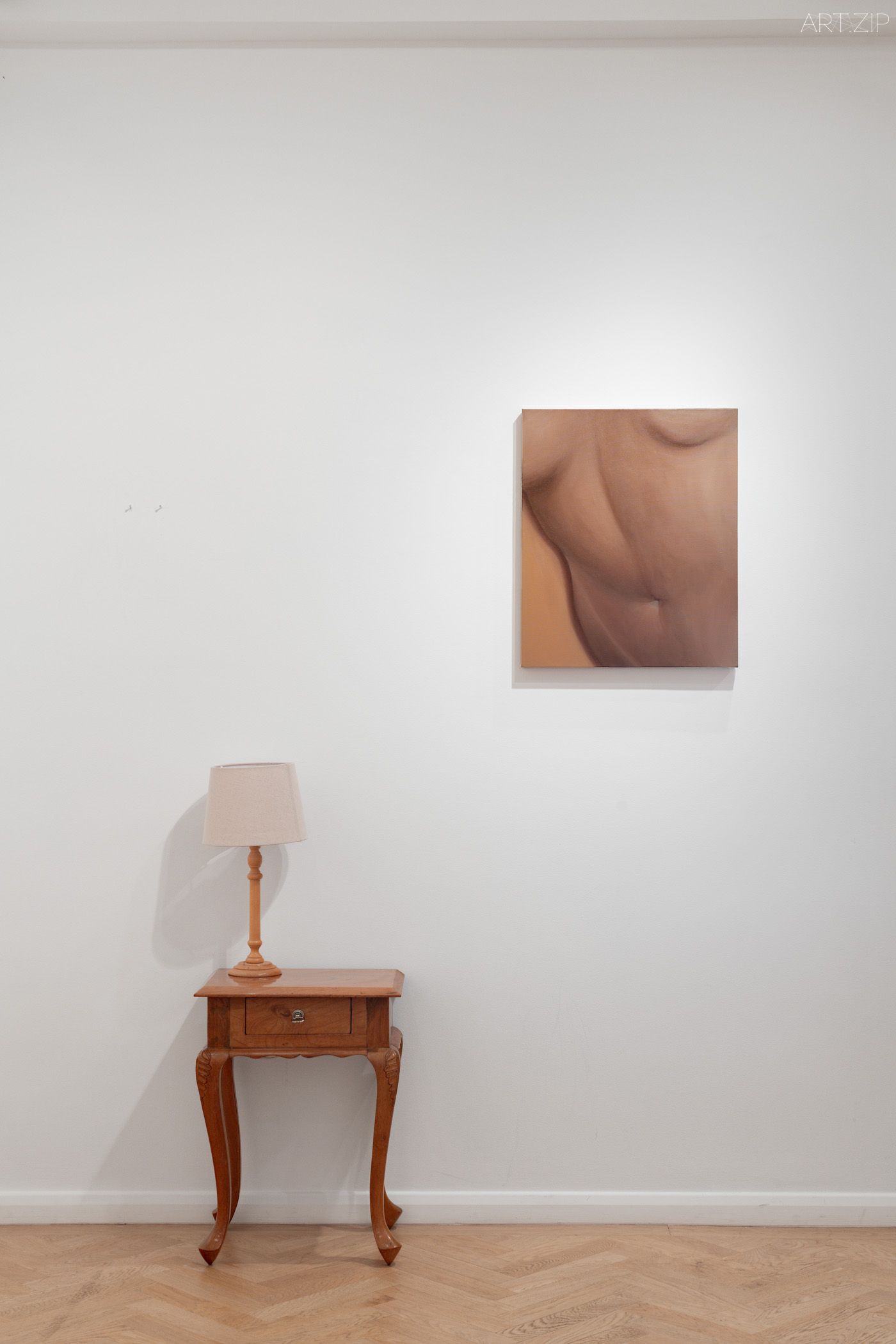
The exhibition is split between images of the body, compartmentalised and offering unique and subjective stories, and paintings that are similarly honed in on particular objects and scenes, but are markedly devoid of human bodies. The exhibition has been divided to enforce this binary between the fleshy human figure and their various spatial environments. With this, one wall of the gallery is entirely dedicated to the fragments of the body, and the first space primarily highlights the other works.
In terms of the viewer’s immediate spatial environment, the care that the curators have put into the space allows the viewer to feel instantly at ease, and part of Weng’s world. It has, surely, been laid out in liaison with not only the artist’s work, but also her wider influences and interior mental processes. A vintage writing desk and chair sit parallel from the entrance to the second space, and a large book case stands against the adjoining wall, holding two vases of flowers and a curated collection of books including works by Simone de Beauvoir, Annie Ernaux and Sheila Heti, in case anyone was unsure of the artist’s ode to the women and feminist thinkers and practitioners who have come before her. While Weng’s feminism is not spelt out explicitly by the curators in the exhibition text, the domesticity laid out in the gallery and invitation to explore intimacy with the artist would simply not have been possible without feminist battles of the last century or so.
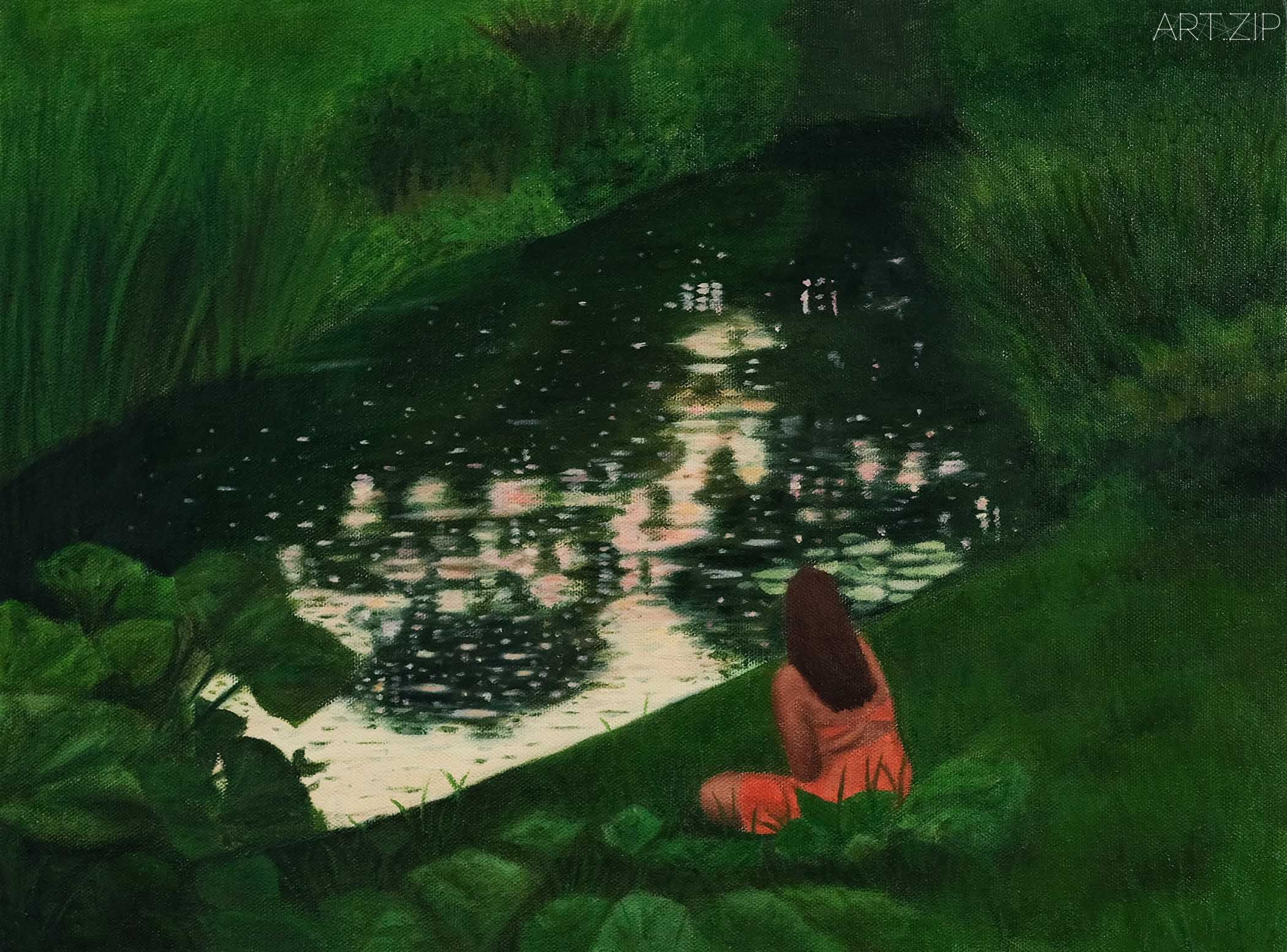
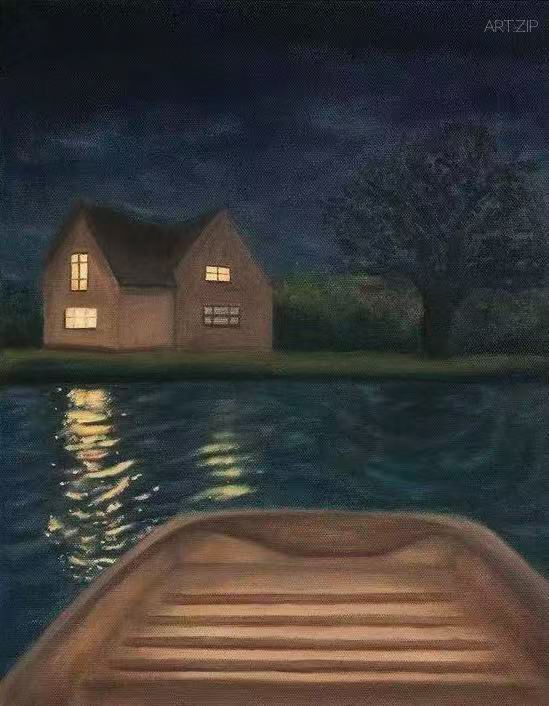
Back to the non-bodily paintings in the exhibition, and while I am rather clumsily describing them as such, they are not ‘un-bodily’. One thing that is such a dearly appreciated part of the body of work is the slowness that seems to transcend the works and become infused in the space. The bodily labour of creating paintings in the digital and artificial intelligence age feels comforting, illuminating a form of intimacy that is markedly different from the ways in which Weng has produced snapshot paintings of the body. ‘Pond 2’, for example, feels as if it has been extracted from a visual depiction of novel. This is clearly a scene of interest for the artist, and while we are invited to share this intimate moment with her, as we collectively gaze upon the body of water and a house on the lake with a warm glow emanating from within, we are not permitted any further divulgence. What this scene means to Weng is a treasured memory for herself and herself alone. There, the painting creates a tension between the legacy of memorialising a precious memory, moment or episode, whilst concurrently basking in that solitude. We can use imagination to complete the storytelling power of the painting, but the sense of withholding by the artist emphasises the solitude and loneliness that is actually evident within the work: the unmoving water, the bobbing boat with no bodies in sight.
In this gentle but thought-provoking body of work, one is presented with new ways of framing intimacy, and what this might look like when we reject the call to expose ourselves online, towards people and indeed audiences who will not hold our vulnerabilities appropriately. Of course, the exhibition alludes to Virginia Woolf’s seminal essay of the same name, which discusses the need for a woman to have her own capital and her own space if she is to produce fiction. While rooted in lived experience, it could be argued that Weng has produced fifteen new micro-fictions, bearing partial truths to one person, and not to another. If these works are individual fictions, then the show’s curators are not only the editors, but the caregivers to these works, as they navigate more than a room of their own, but indeed a life of their own.
當代親密性意味著什麼?
當代親密性意味著什麼?它會以怎樣的面貌出現,又會帶來怎樣的觸感?而我們又是否真的準備好,去接納它?
親密的圖像,或許受法律保護,被加密技術守衛,也由信任與自主意志維繫。然而,我們所看見的對象、觀看所依賴的媒介,以及這種觀看經驗所引發的觸動、試探與挑釁,始終無法脫離日常生活的空間秩序與社會規範。它們總要穿過那些關於何為私密、何為暴露、何為越界的無形邊界。
共享彼此的世界,在生命之中建立親密感,本是活著這件事最核心的部分。可如今,在數字平台與人工智能程序競相替代、外包甚至模擬人類情感勞動的時代,這一切似乎變得越來越遙遠。親密不再只是人與人之間緩慢發生的靠近,它也被平台計算、被影像流通、被算法獎勵,又在無數屏幕之間被消耗。
當我們獲准進入另一個人的世界時,欣喜與不安之間便產生了細微的摩擦。觀察他人如何生活、如何去愛、如何感知這個世界,這本是一份饋贈;但與此同時,它也讓人隱隱感到,施予者與觀看者之間的某道邊界,正在一點點柔化,甚至溶解。
翁可欣(Tina Kexin Weng)的作品中便有這樣的感受。她的個展 《一個人的房間(A Room of One’s Own)》 於2026年5月在伦敦梅菲爾(Mayfair)開幕。踏入展廳,最先被感知到的,並不是某種刻意營造的戲劇性,而是藝術家與兩位聯合策展人陳艾雨昕(Alex Aiyuxin Chen)、金子鶴(Helena Zihe Jin)之間那種有溫度的對話、連結與理解。它瀰漫在整個空間之中,像一層安靜的氣息,也像某種被小心照看的信任。
展廳由兩個相鄰的房間組成,一道訂制的米色帷幕分隔兩室,卻並不真正遮蔽。它更像一道柔軟的界線,在遮掩與顯露之間輕輕懸置,引導觀者從一個空間進入另一個空間,也讓觀看本身變成一種緩慢的靠近:進入、停頓、回望,再繼續向前。
展覽開宗明義地指出:翁可欣的創作源於自身的生命經驗。然而,作品中那些被描繪的身體,究竟是否是她本人,卻並不確定。作為一種文化現象,我們如今對日記式的自我表達幾乎已經免疫。社交媒體,以及那些不斷獎勵情緒化袒露與內心暴露的算法,是將我們帶到此處的重要力量。在屏幕上目睹一個人落淚,如今大概已經很難再構成真正的震動。
翁可欣卻是一位畫家。她的工作方式,與陳艾雨昕和金子鶴對作品的呈現方式,都保留著一種令人珍視的模擬質感。作品或許融合了某個被虛構的自我,以及她真實的身心經歷,但展覽並沒有灼人的揭露意味。相反,一種被祝福的寧靜瀰漫於展廳與畫作之中。或許,這與觀看者並未直接面對藝術家本人有關。我們看到的只是一些局部:一截脖頸,也許是她的,也許不是,戴著一串美麗的珍珠項鍊,收錄於《珍珠(Pearl)》;一張嘴銜住某個小圓物,載於《貝殼(Shell)》;以及一截後背與文胸肩帶,見於《Balconette 2》。
在這些圖像中,身體被描繪得纖細、溫柔、敏感,彷彿隨時會被觸動。作為畫家,翁可欣對繪畫傳統的研習顯而易見,她對這一媒介的尊重與掌控,滲透在筆觸、肌理與光線之間。然而,儘管作品中帶有對過往繪畫傳統的回望,藝術家注入其中的親密感與主體意識,卻又不斷提醒我們:這些畫屬於2026年,它們扎根於此時此地。
展覽在兩組作品之間展開對話:一組是被拆分、被局部化的身體,它們各自講述著私密而主觀的故事;另一組則同樣凝視著具體的物件與場景,卻明顯缺席了人的身體。策展以這種區分作為空間結構,將身體的片對與身體之外的環境彼此分置。一面牆集中呈現身體的碎片,而第一個室則主要展開那些更為靜默的畫面。
在觀者所置身的物理空間里,策展人傾注的心思,讓人很快感到安心,彷彿自然而然地走入了翁可欣的世界。這個空間的佈局,顯然不僅呼應了藝術家的作品,也回應了她更廣闊的精神視野與內心秩序。一張復古書桌與椅子,靜靜面對通往第二展室的入口;一面高大的書櫃立於相鄰牆邊,上面擺放著兩瓶插花,還有一排精心挑選的書:西蒙娜·德·波伏瓦、安妮·埃爾諾、希拉·赫提。它們幾乎像是某種不需說明的註腳,提醒觀者,藝術家始終在向那些早於她寫作、思考、生活,並為女性爭取語言與空間的人致意。
策展人並未在展覽文字中明確標注翁可欣的女性主義立場。但這個展廳中鋪陳的日常私密性,以及它邀請觀者與藝術家一同探入親密之境的姿態,本身便無法與上個世紀以來女性主義所爭取的空間相分離。沒有那些圍繞身體、書寫、房間、勞動與自我命名展開的漫長爭取,這樣一種觀看經驗或許根本不可能發生。
再回到那些「非身體」的繪畫——這個說法或許略顯笨拙,因為它們也並非真正的「脫身」之作。整組作品最令人珍視之處,在於一種貫穿其間、並逐漸滲入空間的緩慢。在數字與人工智能時代,繪畫作為一種需要身體投入的勞動,本身便帶來某種安慰。它照亮了另一種親密感,一種不同於翁可欣那些身體局部作品中即時捕捉的親密:更遲緩,更含蓄,也更接近記憶本身。
《池塘 II(Pond 2)》便像是從某部小說的視覺想象中截取出來的一幕。它顯然是藝術家心中珍藏的某個場景。當我們被邀請與她共同凝視這片水面,以及湖邊那座從內部散發暖光的小屋時,我們卻無法真正走近。這個場景對翁可欣而言究竟意味著什麼,仍然屬於她自己。畫面由此製造出一種微妙的張力:一邊是記錄某段珍貴時光的衝動,另一邊則是沉浸於孤獨之中的意願。我們可以用想象填補其中的敘事空白,但藝術家那種有意的「留而不說」,反而在視覺上強化了作品內里的孤獨感:紋絲不動的水面,一隻無人的小船,輕輕浮動。
在這組輕盈卻令人深思的作品中,我們遭遇了關於親密性的另一種框架。或許,當我們選擇不將自己暴露在網絡上,拒絕把脆弱交給那些無力妥善承接它的人與觀眾時,親密也可以呈現出這樣的形態:不是徹底的坦白,不是毫無保留的敞開,而是在靠近與守護之間,為自己保留一處仍可呼吸的空間。
展覽當然呼應著弗吉尼亞·伍爾夫那篇同名文論。那篇文章談論的是:一個女人若要寫作,需要金錢,也需要一間屬於自己的房間。翁可欣的創作植根於生命經驗,但也可以說,她在這裡寫下了十五篇微型視覺故事,它們向某些人透露局部的真實,又向另一些人保留沉默。
如果這些作品是各自成立的微型小說,那麼兩位策展人不僅是編輯,更是這些作品的照看者。她們守護的,不只是一間屬於自己的房間,而是某種屬於自己的人生。
Lace by Tina Kexin Weng
Text by 撰文 x Issey Scott
Edited by 编辑 x Michelle Yu
Published on 2nd June 2026