
For artist Yang Yang, photography is neither emotional release nor storytelling. With a background in finance and risk management, he approaches photography as a calm and restrained form of observation. He examines how people, objects, spaces and behaviours form relationships, while also attending to forms of value that cannot be measured numerically: memory, silence, intimacy, loss, longing and time itself.
Influenced by Chinese literary traditions, experiences of migration and sustained observation of contemporary urban life, Yang’s work does not rely on emotional expression or linear narrative. In recent years, everyday objects such as cups, chains, cutlery and plastic cable ties have become recurring elements in his images. Through recording, arranging, fragmenting and reconstructing, he transforms photography into a “still life theatre”, where ordinary objects are no longer merely subjects to be photographed, but visual structures that carry psychological states, relational pressure and patterns of behaviour.
From Observation to Construction
Yang’s early photographic practice was grounded in sustained observation of everyday life. After relocating to Canary Wharf in 2024 and beginning his professional career, he became increasingly attentive to the distinct temporal rhythms of London’s financial district: office workers moving rapidly between glass towers, tourists navigating the same spaces at entirely different speeds, and the constant circulation of labour, capital, and information.
His background in finance and auditing sharpened his sensitivity to patterns of fluctuation, growth, and change. Photography became a way of exploring another kind of value—one that cannot be calculated numerically, but exists within lived experience.
This interest in time is closely connected to Yang’s engagement with Su Shi’s Former Ode on the Red Cliffs, an eleventh-century Chinese prose poem reflecting on the brevity of human life against the apparent continuity of the natural world. For Yang, its significance lies not in historical reference but in its understanding of change: everything is constantly moving and disappearing, and it is precisely this transience that gives individual moments their value. Photography becomes a paradoxical medium, preserving the present while simultaneously reminding us that it has already passed.
Within this framework, Yang’s earlier works focused primarily on landscape, atmosphere, and temporality. Works such as Boundary of the Infinite (2024), Shadow of the Momentary (2024), and Echoes Upon the Water (2024) emerged from long-term observation of natural and urban environments. Produced as photographic prints on wood, these works transformed images from flat visual records into objects with material presence and physical weight.
Whether capturing reflections on water, the transition from daylight to dusk, or an airplane crossing the skyline above London’s financial district, these images reveal a sustained interest in the passage of time, the act of looking, and the poetic qualities embedded within ordinary experience. While observational in nature, they already suggest a growing concern with memory, perception, and the emotional dimensions of everyday life.
Over time, however, Yang began to realise that observation alone could no longer fully address his questions about emotion and human relationships. Photography gradually shifted from recording reality towards constructing it.
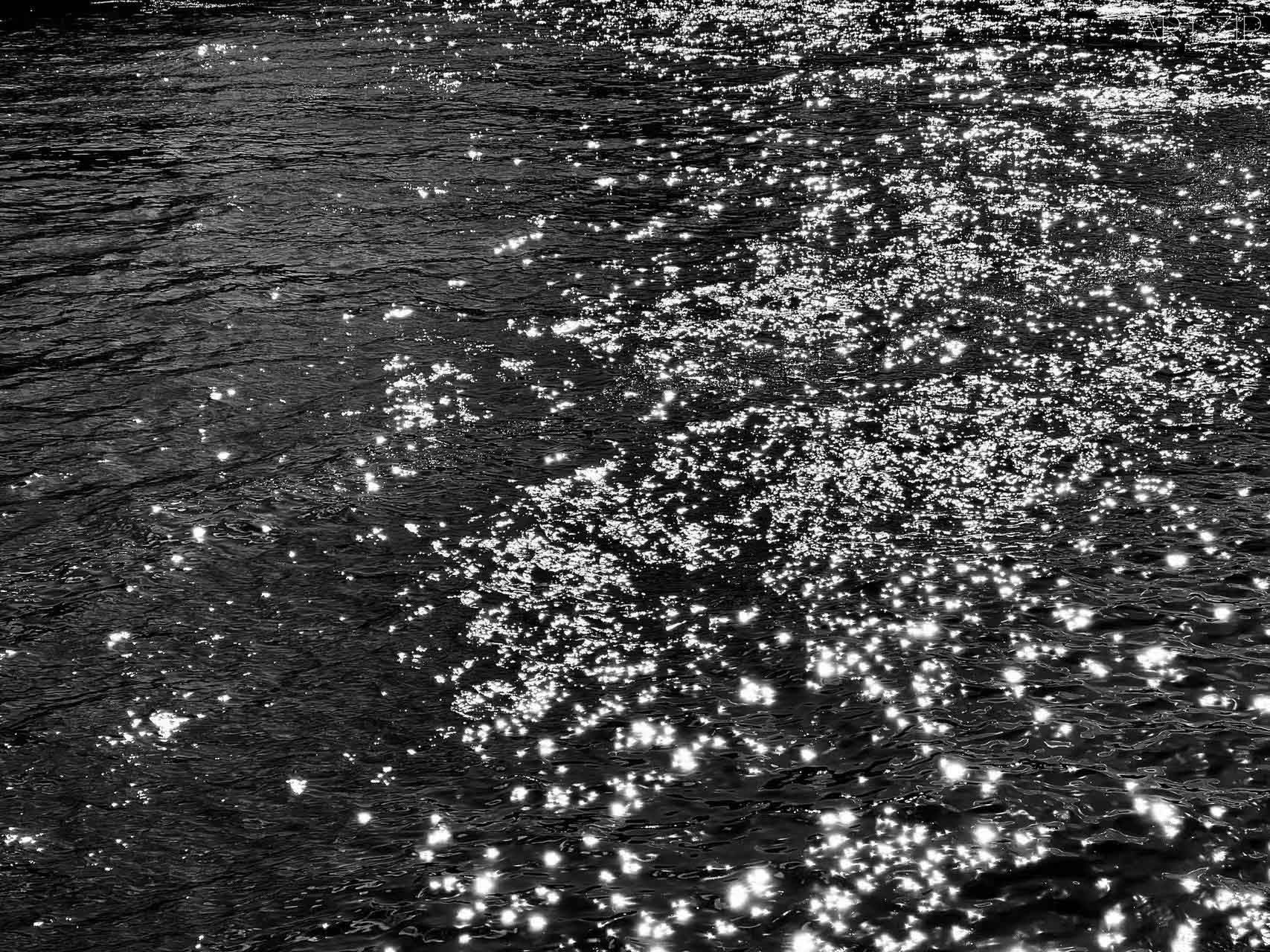

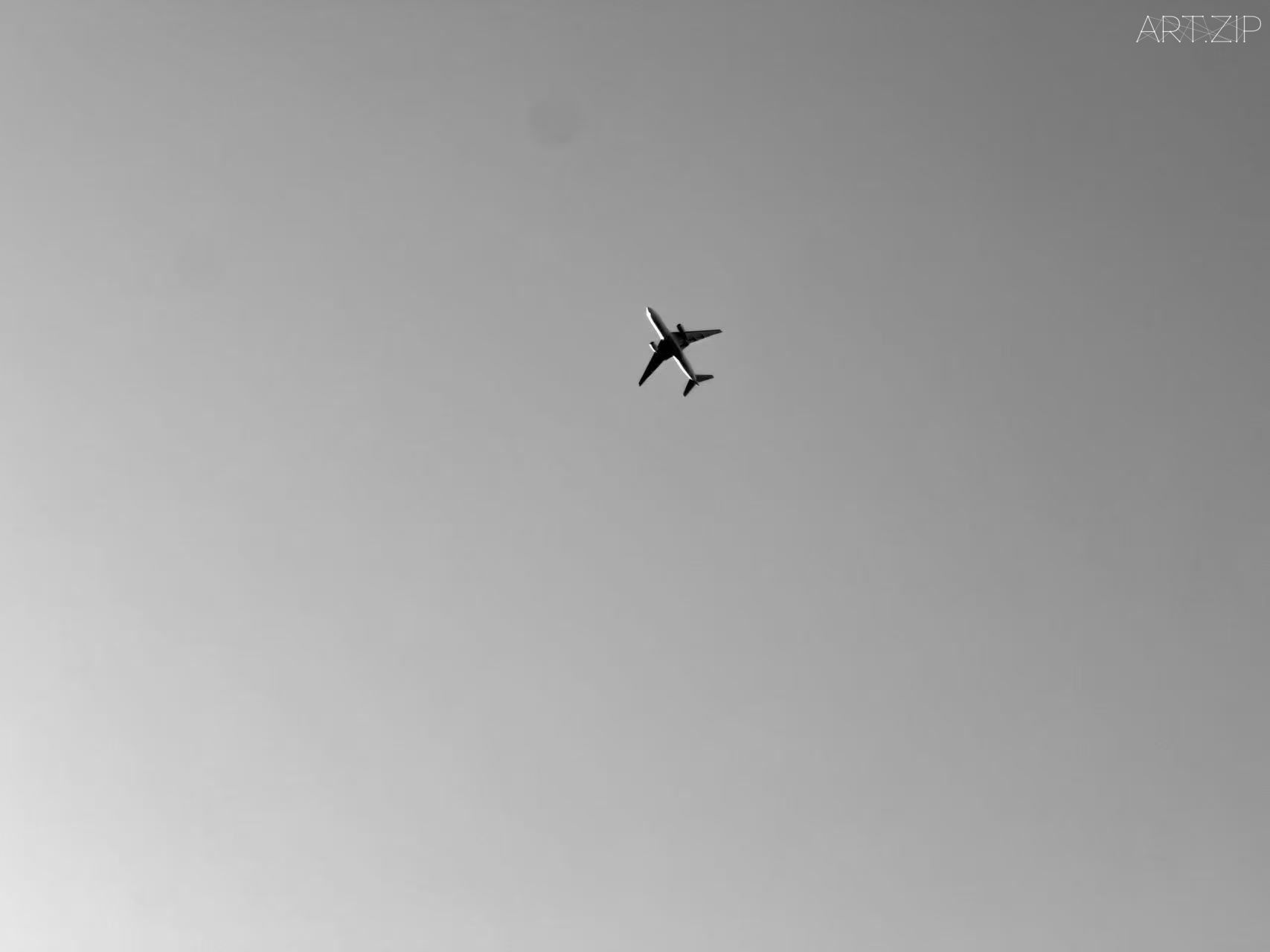
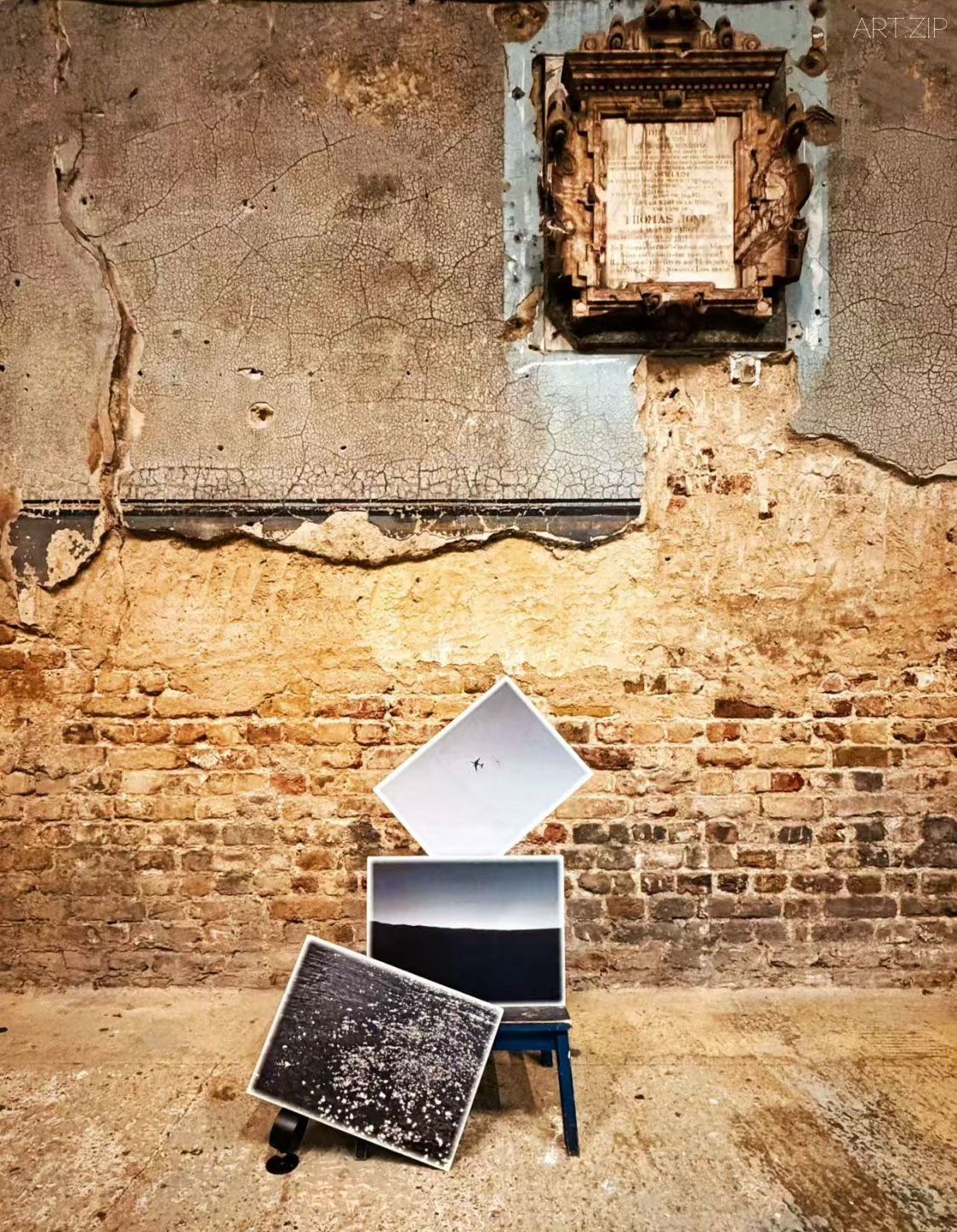
楊陽,《水上回聲》(2024)、《瞬息之影》(2024)及《無限的邊界》(2024)《塵歸塵》(Ashes to Ashes)展覽現場,庇護教堂,倫敦,2025 Yang Yang, Echoes Upon the Water (2024), Shadow of the Momentary (2024), and Boundary of the Infinite (2024). Installation view, Ashes to Ashes, Asylum Chapel, London, 2025
Objects, Tension and Relationships
In recent years, Yang’s attention has increasingly turned from landscape and urban space towards the emotional potential of objects themselves. Cups, chains, knives, cutlery, and domestic materials recur throughout his work, no longer functioning simply as subjects to be photographed but as carriers of psychological and relational meaning.
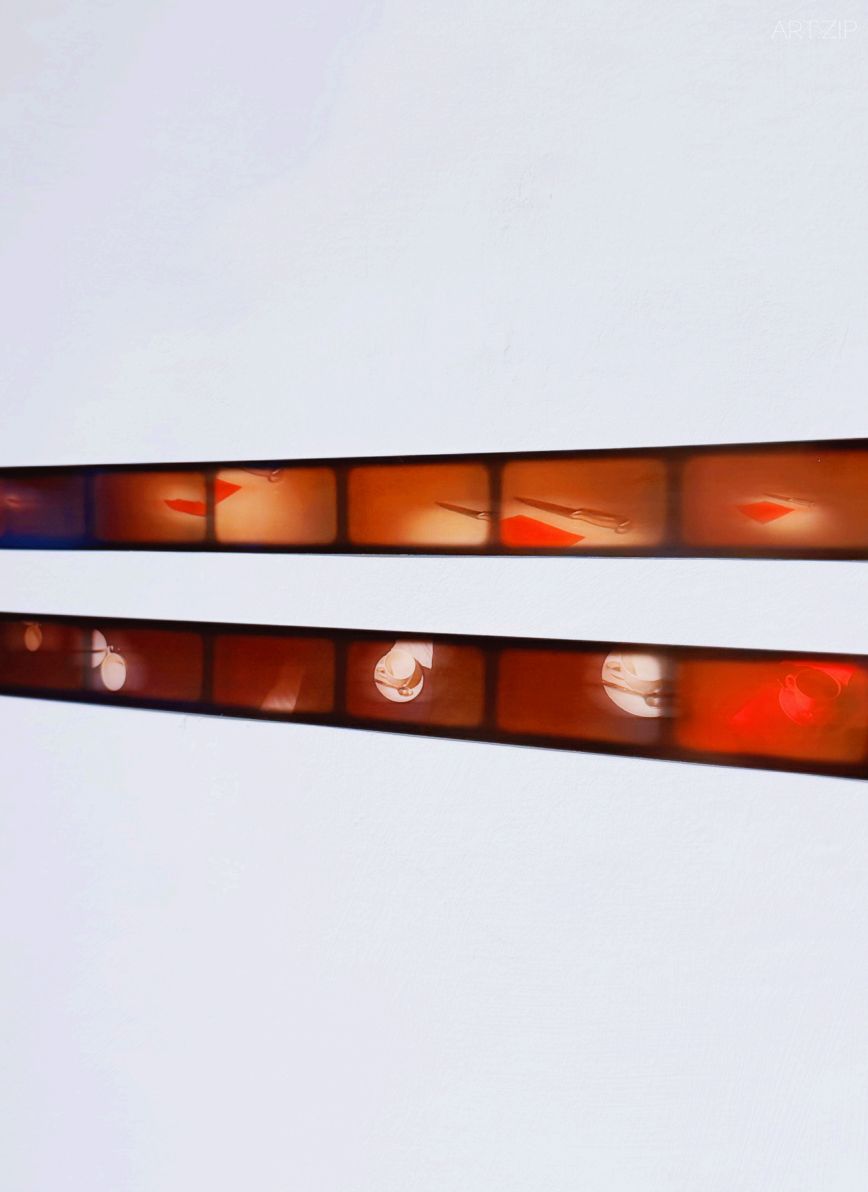
This shift first became evident in Soft Tension series (2025). Constructed from red plastic cable ties, metal utensils, and transparent containers, the work resembles a sequence of film frames. While retaining photography’s sensitivity to material detail and light, the arrangement of objects begins to suggest structures of connection, restraint, vulnerability, and pressure. Photography here becomes less concerned with describing objects than with using them to examine relationships.
Yang’s background in finance and auditing offers an unexpected parallel. Just as an auditor reconstructs events through records and evidence, Yang uses objects to trace emotional conditions that cannot be directly observed. Objects gradually become narrators, witnesses, and, in some cases, forms of evidence.
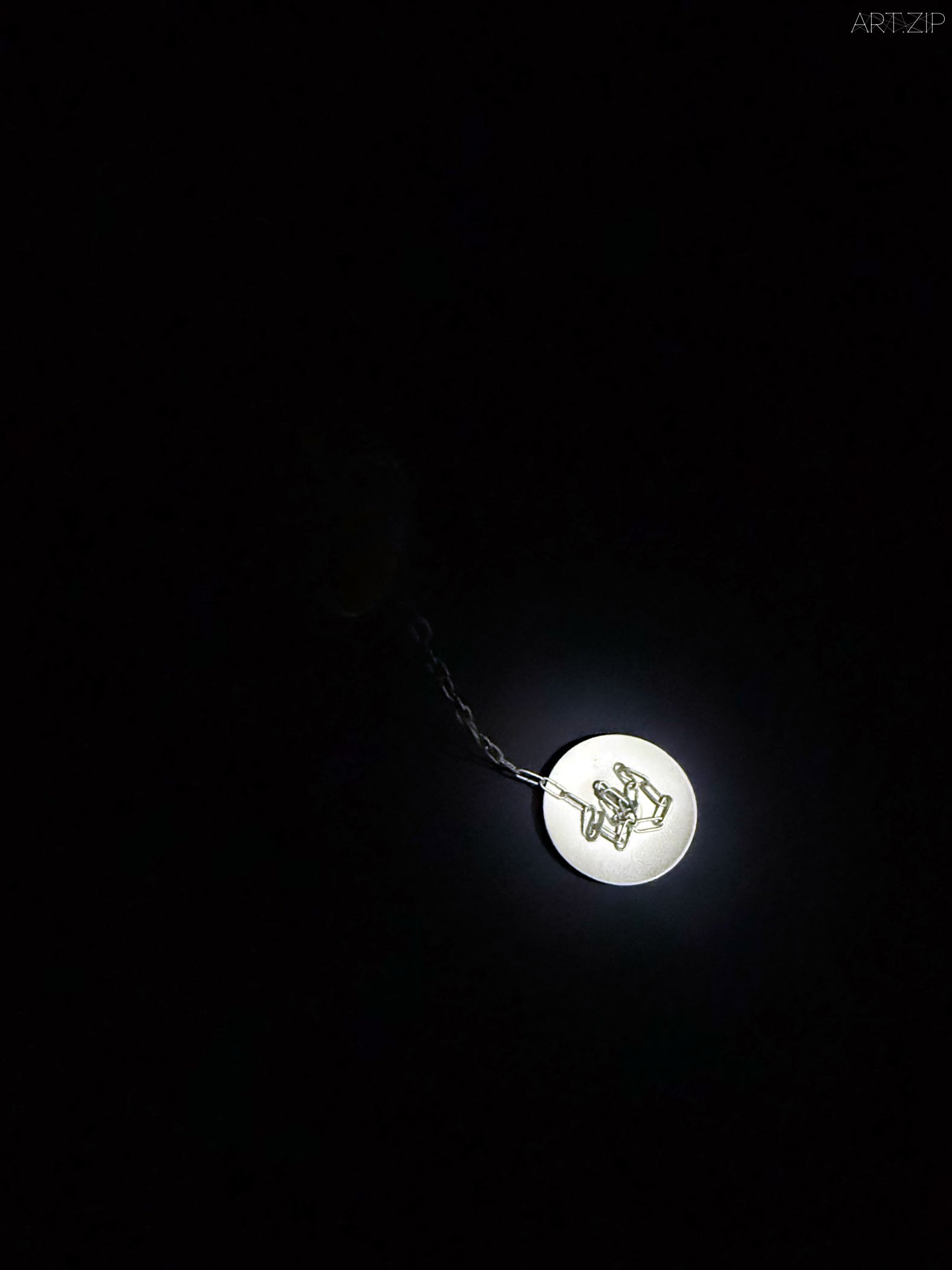
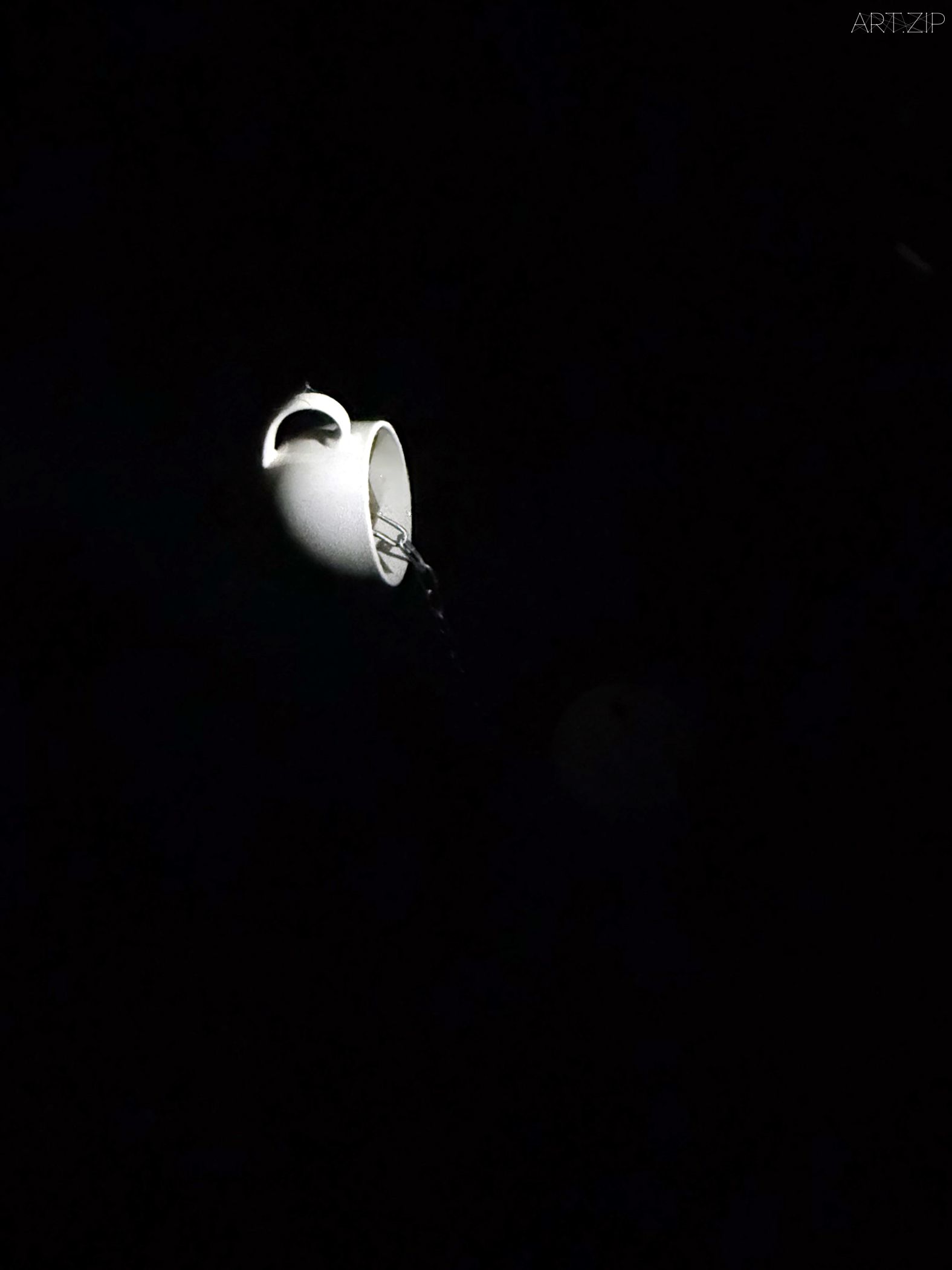
This approach reaches a more developed form in Emotional Dumping (2026). A tilted cup pours a stream of metal chains into a saucer below. The symbolism is immediate yet understated: the cup becomes the speaker, the saucer the listener, and the chains the accumulated weight of emotional burden. Through a remarkably concise visual language, Yang transforms the often-overlooked labour of emotional care into a tangible image. Rather than criticising emotional expression itself, the work reflects on the pressures that emerge when emotional exchange loses reciprocity and becomes unevenly distributed.


Yang Yang, Soft Tension, 2026. Photography print on gloss paper, 3.5 x 41 cm (each). Courtesy of the artist. 楊陽,《柔性張力》,2025年。光面紙攝影印刷,3.5 x 41 cm(每件)圖片由藝術家提供
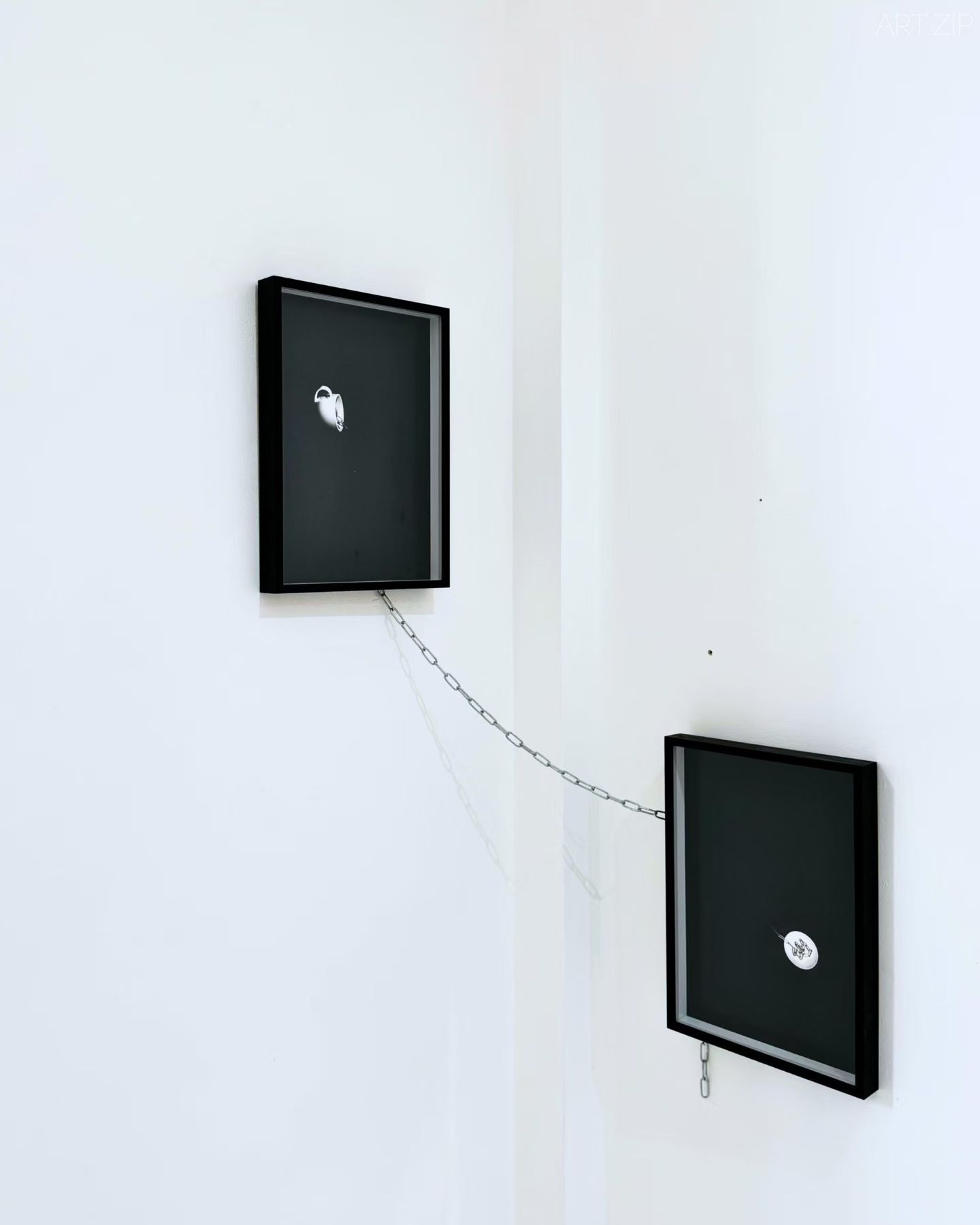
Yang Yang, Emotional Dumping, 2026. Archival Pigment prints on paper with chain intervention. Installation view, Material World, SWANFALL ART, London. 楊陽,《情緒傾倒》,2026年。藝術微噴輸出於紙本,結合鎖鏈裝置。作品於《Material World》展覽現場,落雁藝術,倫敦。
From Private Psychology to Public Space
If Soft Tension and Emotional Dumping examine the tensions within interpersonal relationships, No One Stops (2026) extends Yang Yang’s method of observation into public space.
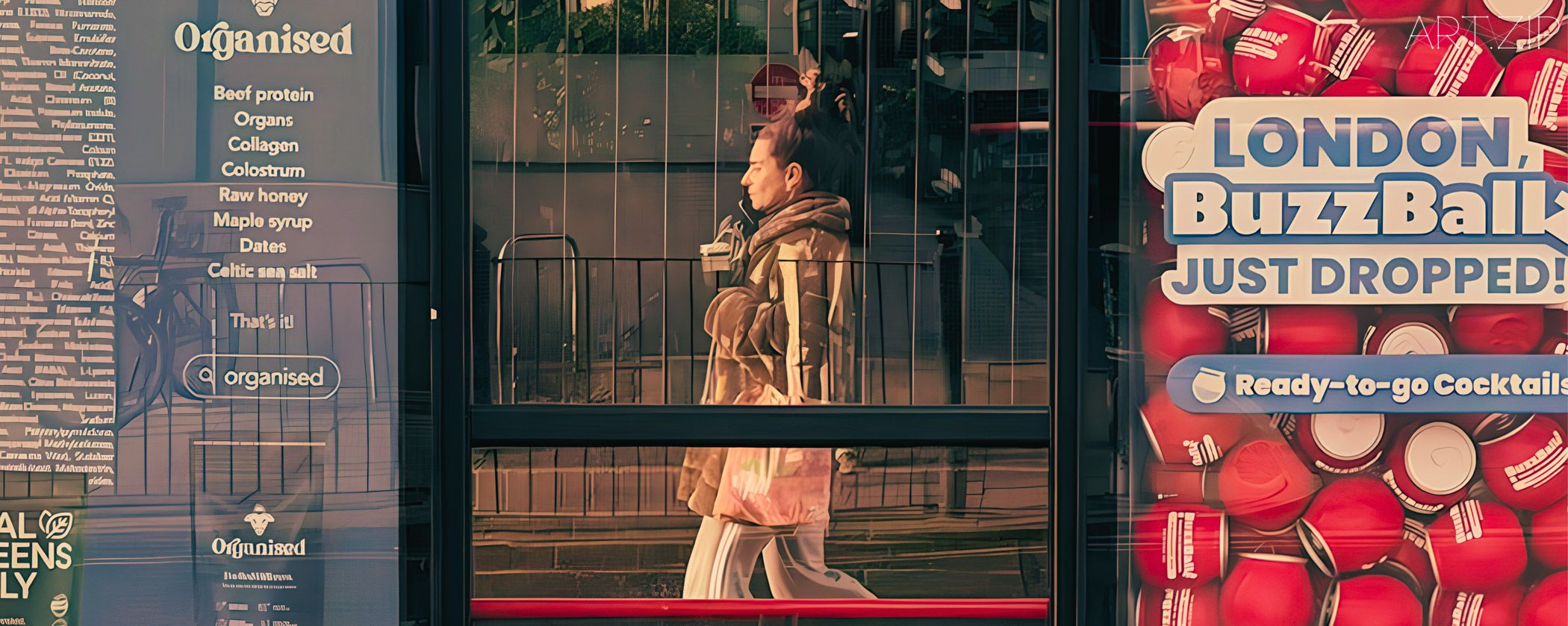
The series is photographed from a fixed viewpoint at a single bus stop. The architecture, bus shelter, and road remain almost unchanged. What shifts are the people, vehicles, changing light, and constantly renewed advertisements. Rather than documenting individual stories, Yang repeatedly observes the same location to examine how the city organises movement and circulation.
One of the work’s strongest visual contrasts lies between the brightly illuminated advertisements and the dark central space of the bus shelter. The advertisements continually promote consumption, entertainment, and idealised lifestyles, while the dark centre repeatedly absorbs passing figures, leaving individuals anonymous and temporary. People occupy the same bus stop and share similar daily rhythms, yet rarely encounter one another. Public space becomes a site for observing collective behaviour rather than a backdrop for personal emotion.
No One Stops is currently presented in the group exhibition Street Becomes the Scene at Wuhan Photography Art Centre (27 June–27 July 2026). Compared with Yang’s earlier works, which focused on individual perception, this series expands his analytical approach towards the city, public space, and collective behaviour. His practice moves beyond private psychological experience to examine the broader structures that shape everyday life.

Photography as a Method of Analysis
Yang Yang’s early works began with observations of landscape, time, and urban rhythm. In Soft Tension and Emotional Dumping, he turns towards constructed relationships between objects, tension, and emotional exchange. In No One Stops, this method expands into public space and collective behaviour. Across these works, Yang maintains a calm and consistent way of looking, while gradually widening the scale of his observation.
This ongoing development is reflected in the trajectory of his recent exhibitions. From Ashes to Ashes (2025) at Asylum Chapel, Epigram in E (2026), and Material World (2026) in London, to Street Becomes the Scene (2026) at Wuhan Photography Art Centre, Yang’s practice has gradually extended from intimate psychological spaces towards broader investigations of public space and contemporary social experience.
For Yang, photography is not simply a means of representing the world, but a method of understanding it. Through observation, deconstruction, and reconstruction, he transforms relationships between people, objects, space, and behaviour into visual structures defined by clarity, rhythm, and logic. Within this quiet “still life theatre”, what ultimately comes into view is not merely the object itself, but the human experience that continues to unfold through it.
對藝術家楊陽而言,攝影從來不是情緒宣洩,也不是故事敘述。擁有金融與風險管理的背景,攝影對於楊陽來說是一種帶有冷靜克制的觀察方式:他關注人、物件、空間與行為之間如何形成關係,也關注那些難以被數字衡量的價值——記憶、沉默、親密關係、失落、渴望,以及時間本身。
受到中國文學傳統、個人遷徙經驗與當代城市生活觀察的影響,楊陽的作品並不依賴情緒宣洩或線性敘事。近年來,杯子、鎖鏈、餐具、塑膠束帶等日常物件逐漸成為其畫面中的重要元素。透過記錄、布置、拆分與重組,他將攝影轉化為一座「靜物劇場」:在其中,平凡物件不再只是被拍攝的對象,而成為承載心理狀態、關係壓力與行為模式的視覺結構。
從觀察到建構
楊陽早期的攝影實踐建立於對日常生活的持續觀察之上。2024年搬至金絲雀碼頭並正式開始職業生涯後,他逐漸將注意力投向倫敦金融區獨特的時間節奏:西裝革履的上班族穿梭於玻璃幕牆之間,遊客則以截然不同的步調遊走於城市空間。金融與會計背景讓他習慣關注波動、變化與增長的規律,而攝影則成為他思考另一種「時間價值」的方式——一種無法以數字計算,而存在於個體經驗之中的價值。
這種對時間的關注,也與他對蘇軾《前赤壁賦》的閱讀密切相關。這篇寫於十一世紀宋代的經典散文,透過江水、明月與夜遊赤壁的景象,思考人類生命的短暫與自然世界的延續。對楊陽而言,其中最重要的並非歷史典故,而是其對「變化」的理解:萬事萬物皆在流動與消逝,但也正因如此,每一個瞬間才顯得格外珍貴。攝影在此成為一種特殊的媒介——它保存當下,同時也提醒我們,當下早已成為過去。
在這樣的思考脈絡下,楊陽早期的作品多聚焦於環境、光線與時間狀態本身。例如《無限的邊界》(2022)、《瞬息之影》(2023)以及《水上回聲》(2024)等作品,皆來自於對自然景觀與城市空間的長期觀察。作品以木板印刷的形式呈現,使影像不再只是平面的視覺紀錄,而成為具有重量與質感的物質存在。從水面的反光、黃昏的轉換到金融區上空掠過的飛機,這些作品雖然看似安靜,卻已展現出藝術家對時間流動、觀看經驗與日常詩意的持續關注。
然而,隨著創作的發展,楊陽逐漸意識到,僅僅記錄世界並不足以回應他對情感與人際關係的思考。攝影開始從觀察現實,轉向建構現實。
物件、壓力與關係
近年的創作中,楊陽逐漸將注意力從景觀轉向物件。他開始將攝影視為一種建構性的媒介,不再等待畫面自然發生,而是透過布置、排列與拆解,建立一種能夠分析關係的視覺結構。
這一轉變在Soft Tension 系列(2026)中已初見端倪。作品以紅色塑膠束帶、金屬餐具與透明容器構成近似電影膠片般的視覺序列。攝影仍然保留對物質細節與光線變化的敏感,但畫面中的物件已不再只是形式元素,而開始暗示關於連結、束縛、脆弱與壓力的關係結構。
有趣的是,楊陽的金融與審計背景在此形成了一種特殊的呼應。正如審計師透過文件與紀錄重建事件脈絡,他則透過物件追索那些無法直接被看見的情感痕跡。於是,物件在他的作品中逐漸成為敘事者、見證者,甚至某種意義上的證據。
這種方法在《Emotional Dumping》(2026)中發展得更為成熟。作品中,一只傾斜的杯子向下方的杯碟傾倒出一串金屬鎖鏈。杯子象徵傾訴者,杯碟象徵傾聽者,而鎖鏈則代表不斷累積的情緒重量。透過極為簡潔的視覺語言,楊陽將當代關係中經常被忽略的情感勞動轉化為具體而可見的形象。作品並不批判表達本身,而是試圖探討當情感交換失去平衡時,關係如何在無形之中產生重量與壓力。
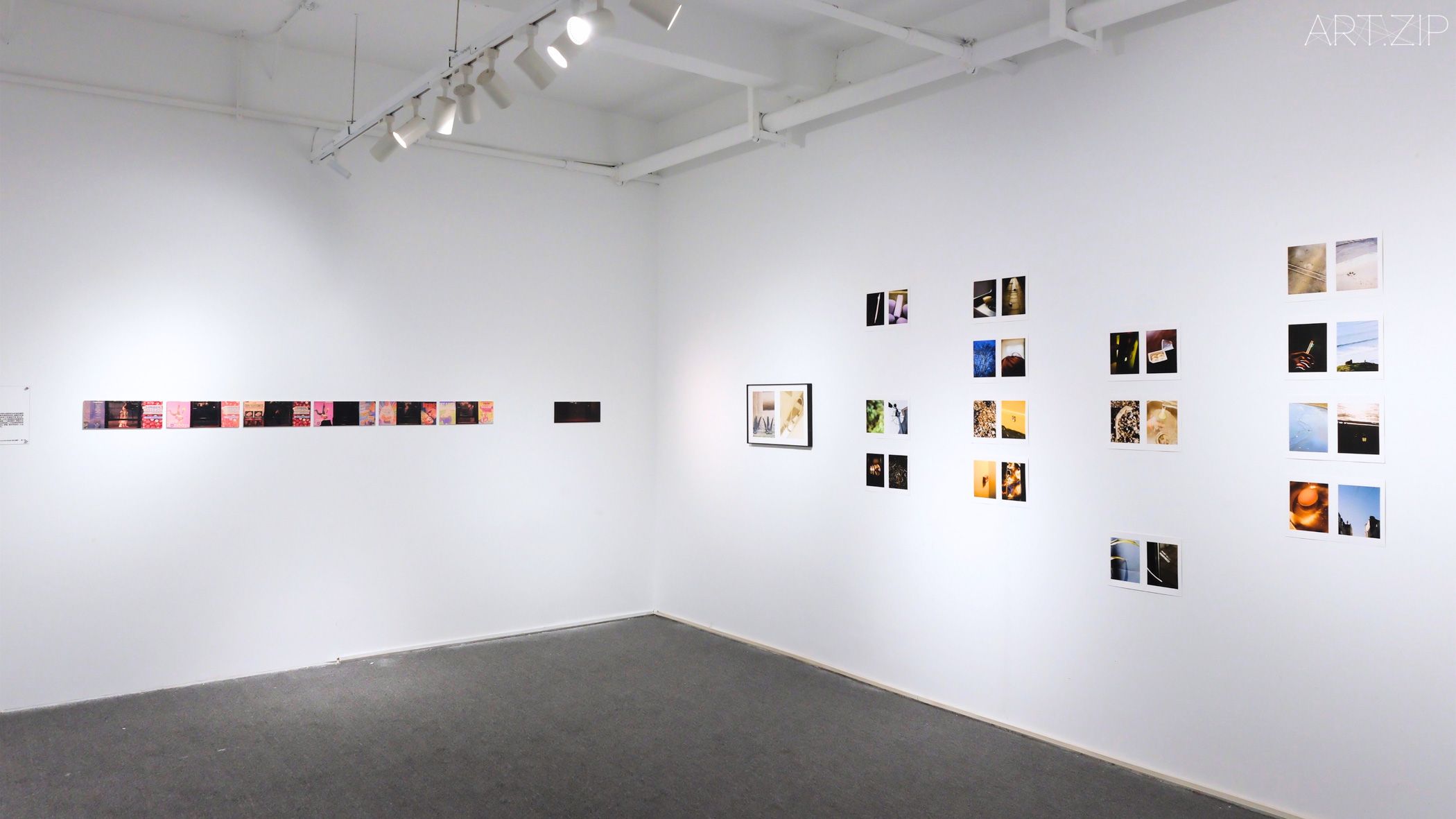
Yang Yang, No One Stops, 2026. Archival pigment print mounted on KT board 15cm x 37.5cm (each), Installation view, Street Becomes the Scene, Wuhan Photography Art Centre, Wuhan, 2026. Courtesy of the artist. 楊陽,《不留》,2026年。藝術微噴裱於KT板,15cm x 37.5cm (每件), 展覽現場,《街頭現場》,武漢攝影藝術中心,武漢,2026年。圖片由藝術家提供。
從私人心理到公共空間
如果說《Soft Tension》與《Emotional Dumping》討論的是人際關係內部的張力,那麼《不留》(No One Stops,2026)則將這種觀察方法帶入公共空間。
作品以固定機位持續拍攝同一處公交車站。建築、站牌與道路幾乎維持不變,真正變化的是穿梭其中的人流、車輛、光線,以及反覆更新的廣告圖像。楊陽並沒有試圖記錄某一個人的故事,而是透過重複性的觀看,分析城市如何組織人的移動、等待與停留。
畫面中最引人注目的,是明亮廣告與中央黑色區域形成的對比。廣告持續輸出關於消費、娛樂與生活方式的訊息,而黑色區域則不斷吞沒經過的人影,使個體始終停留在匿名與短暫之中。人們共享同一座公交車站,也共享相似的生活節奏,卻始終彼此錯過。公共空間因此成為一種觀察集體行為的場所,而不是個人情感的背景。
《不留》目前正於武漢攝影藝術中心群展《街頭成為現場》(2026 年 6 月 27 日至 7 月 27 日)展出。相較於早期聚焦個人觀看經驗的作品,這一系列顯示出楊陽開始將自己的分析方法延伸至城市、空間與集體行為,使攝影所處理的對象從私人心理逐漸擴展至更大的社會結構。
攝影作為分析
從早期對景觀、時間與城市節奏的觀察,到《Soft Tension》與《Emotional Dumping》中對物件、壓力及關係的建構,再到《不留》對公共空間與集體行為的分析,楊陽始終維持著同一種觀看方式,只是觀察的尺度不斷改變。
這種持續展開的實踐,也反映於近年的展覽脈絡之中。自庇護教堂的《塵歸塵》(2025)、《E調格言》(2026)及《物相》(2026)於倫敦展出,到武漢攝影藝術中心的《街頭現場》(2026),楊陽的創作逐漸從私人觀看延伸至更廣泛的公共空間與當代社會經驗。
對楊陽而言,攝影不是再現世界,而是一種理解世界的方法。透過觀察、拆解與重組,他將人、物件、空間與行為之間的關係,轉化為具有邏輯與節奏的影像結構。在這座安靜的「靜物劇場」中,真正被觀看的,不只是物件,而是物件背後持續運作的人類經驗。
Edited by 編輯 x Rinka Fan
Published on 7th July 2026