
Held at the Courtauld Gallery, Hepworth in Colour turns its attention to a long-neglected aspect of Barbara Hepworth’s practice: colour. As Hepworth herself remarked in 1970: “In a way my colour has been accepted, but never understood.” This focused, research-driven exhibition brings together around 20 sculptures and 30 drawings and paintings, placing her sculptures in dialogue with her works on paper. For the first time, the exhibition unites Hepworth’s innovative sculptures incorporating colour from the 1940s, displayed alongside the most important drawings from the same decade. It also includes major examples of her engagement with colour during the 1950s and 1960s.
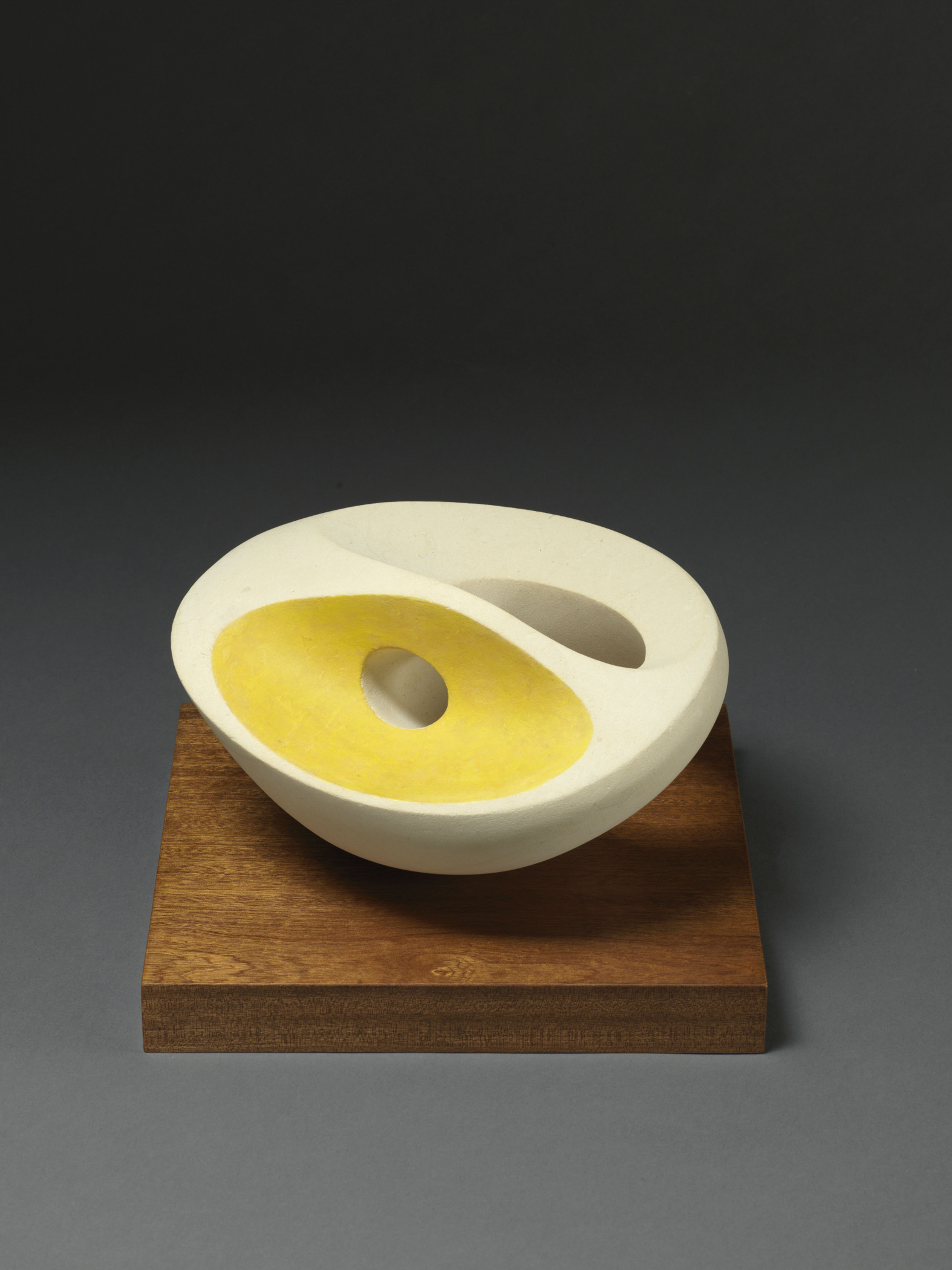
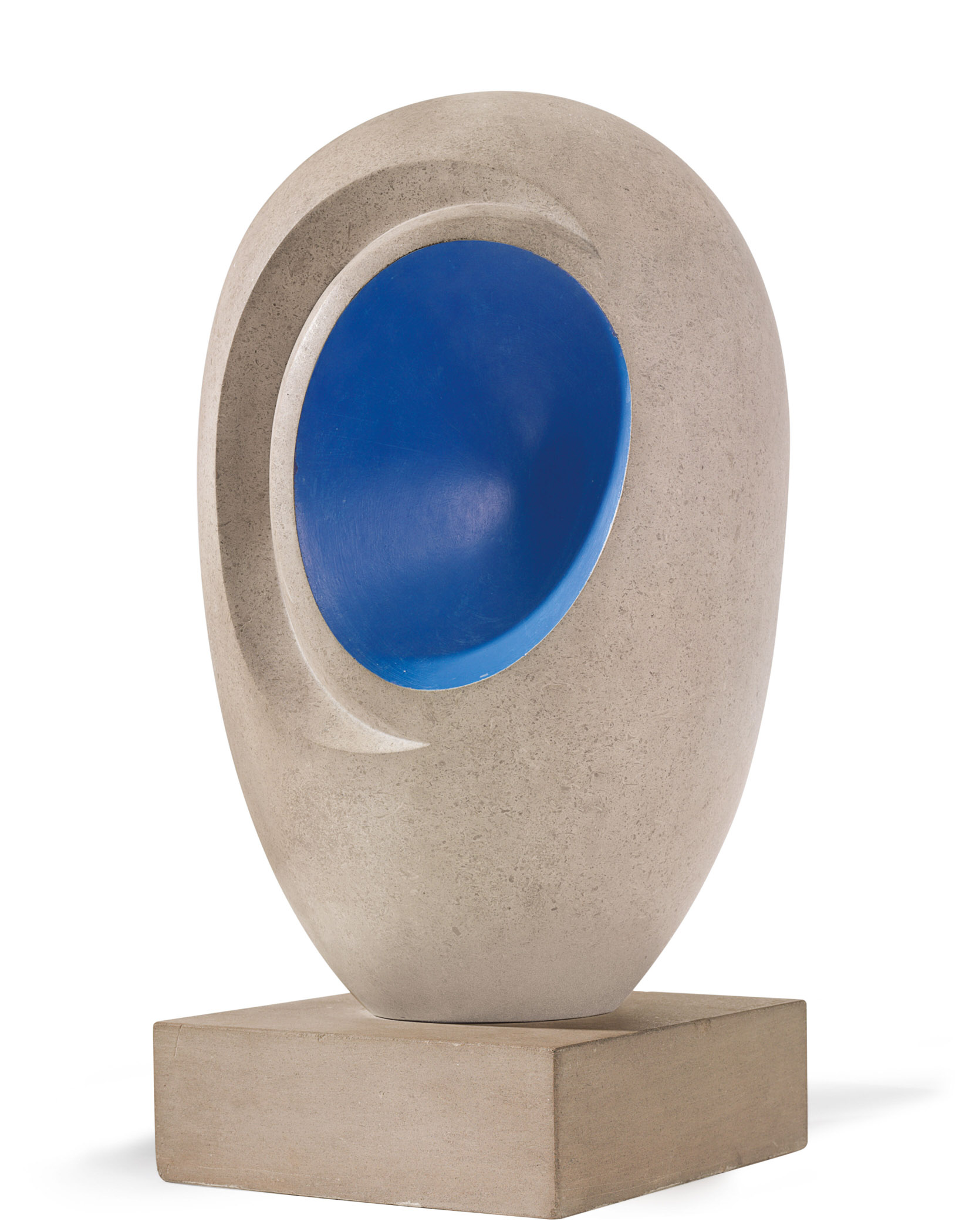
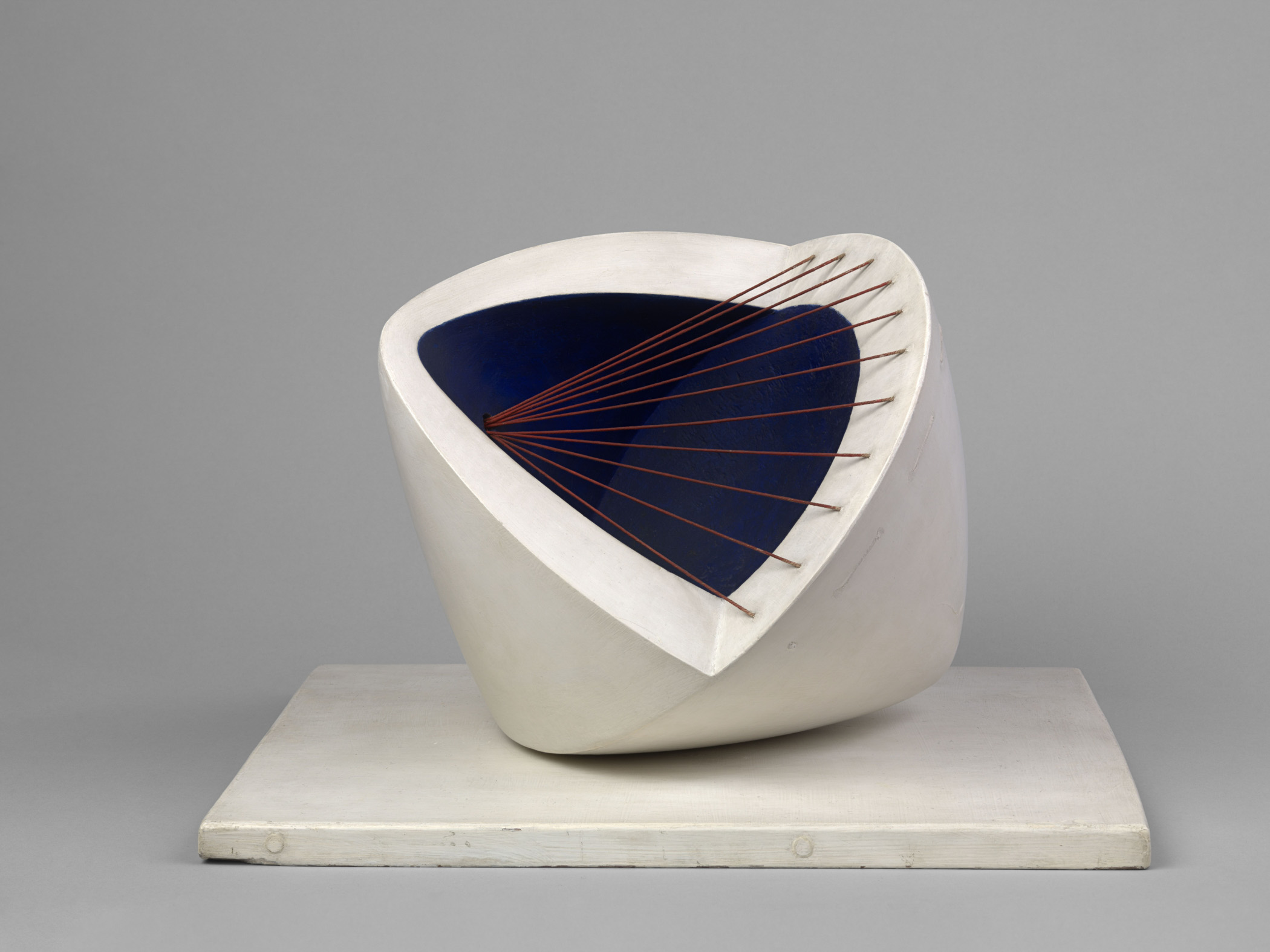
Hepworth’s interest in painted colour dates to the mid-1930s, when she and her future husband Ben Nicholson formed part of the European avant-garde. At the heart of the exhibition is a remarkable group of wood and stone carvings created between 1940 and 1948, with vivid blues and yellows painted into hollows and onto curves. Many of these have never previously been shown together and include key works from public and private collections, among them Eidos (1947-48) from the National Gallery of Victoria in Melbourne and Sculpture with Colour (Eos) (1946) from a private collection in Hong Kong — exhibited together in the UK for the first time since 1954.
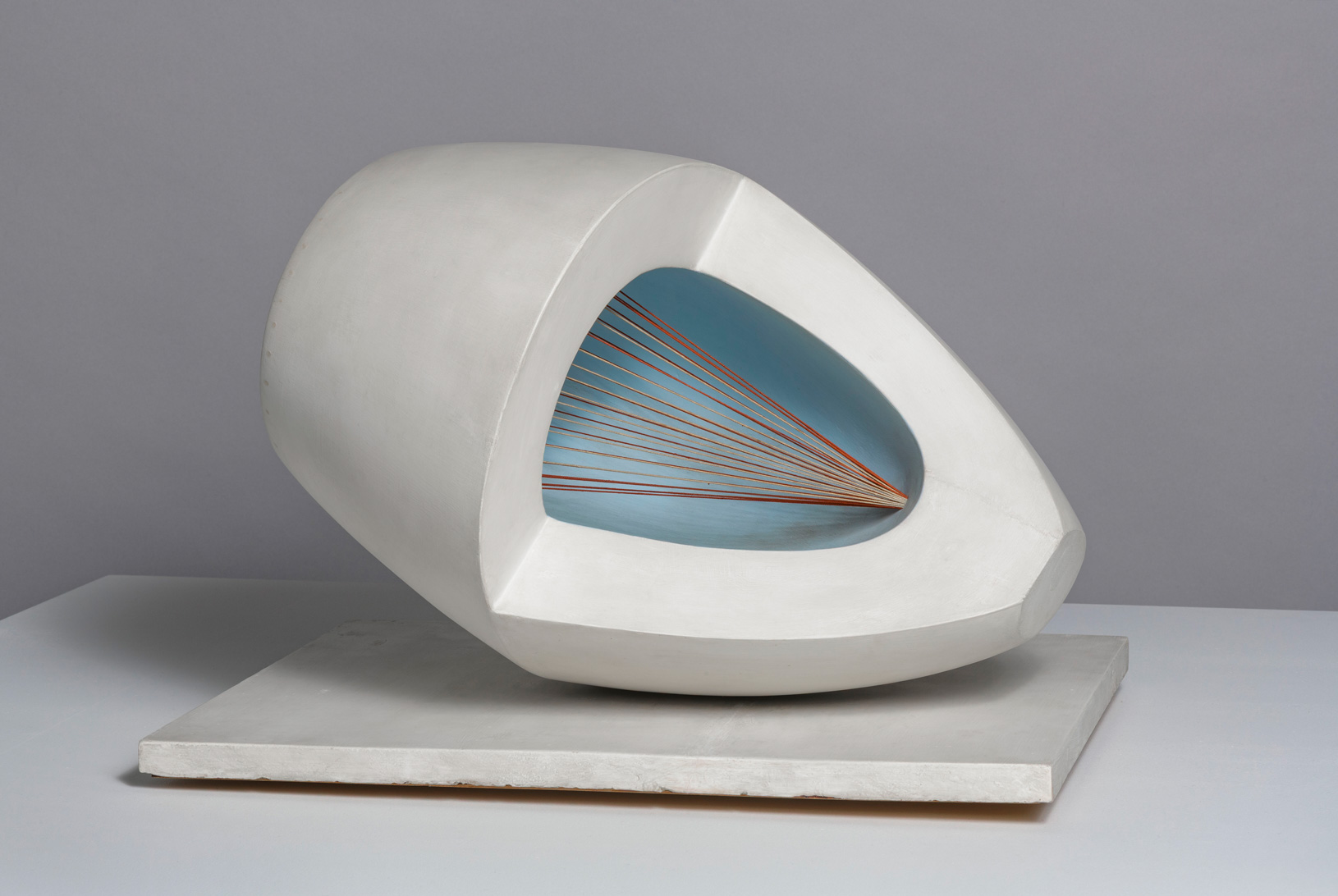
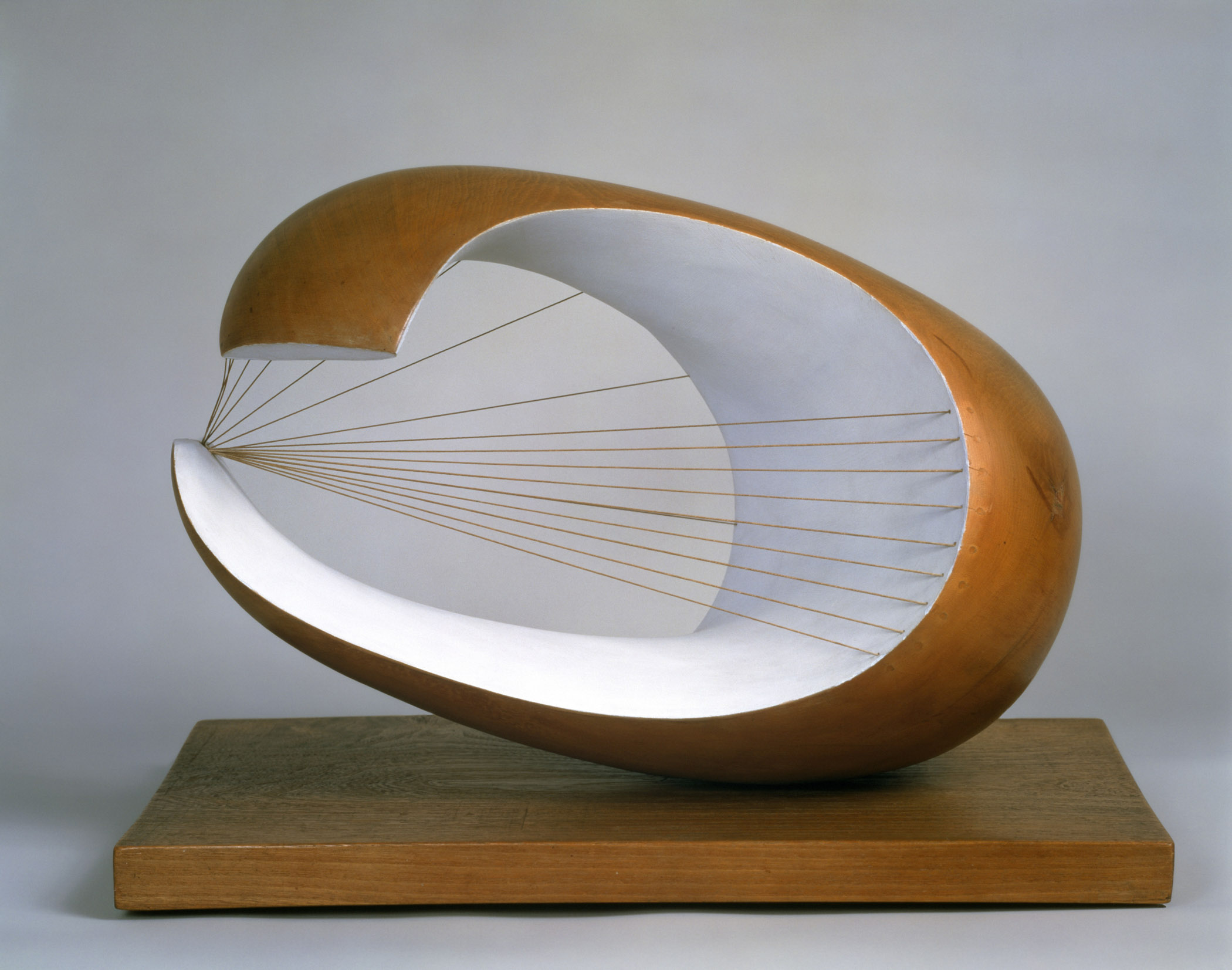
A major highlight of the exhibition is Sculpture with Colour (Oval Form), Pale Blue and Red (1943), acquired by The Hepworth Wakefield in 2025 following a successful £3.8 million national fundraising campaign conducted in partnership with Art Fund. Recognised as a masterpiece of British abstract modernism, this breakthrough work combines strings and colour — including the pale blue Hepworth associated with Cornish skies and coast — and is displayed in London for the first time since its acquisition for the nation in 2025. Of the strings that appear across her early sculptures, Hepworth wrote: “they were the tension I felt between myself and the sea, the wind or the hill.”
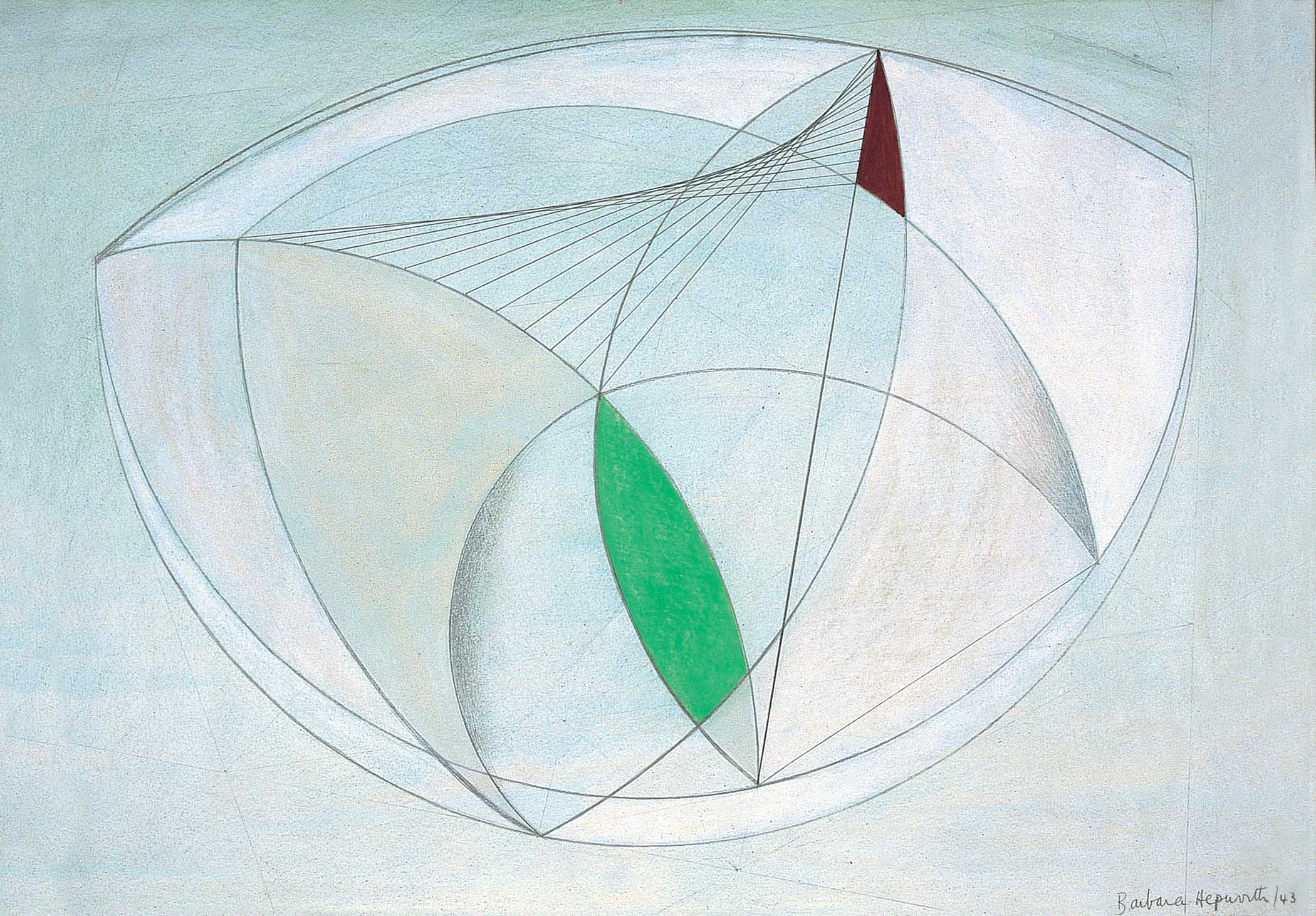
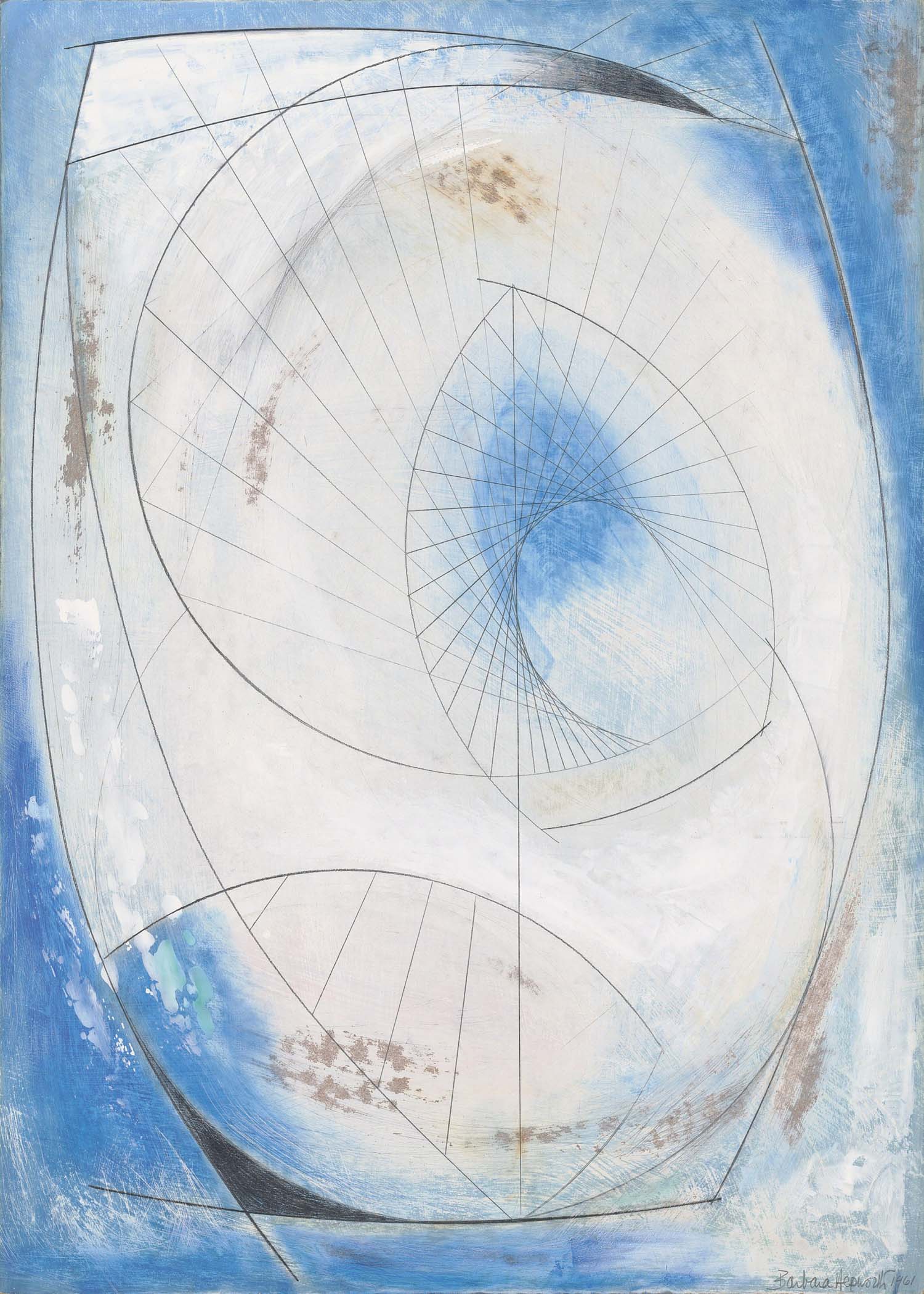
Alongside the sculptures, the exhibition features a rich selection of drawings with colour. Recalling the wartime years when materials were scarce, Hepworth wrote: “In the late evenings, and during the night I did innumerable drawings… exploring the particular tensions and relationships of form and colour which were to occupy me in sculpture during the later years of the war.” These intricate crystalline forms, punctuated with strong blues, reds and greens, show colour as an active force in her thinking.
Hepworth’s interest in colour continued into the 1950s and 1960s. Her painterly bronze surfaces and experiments with marble expanded the role of colour in sculpture while her paintings and drawings became increasingly expressive.
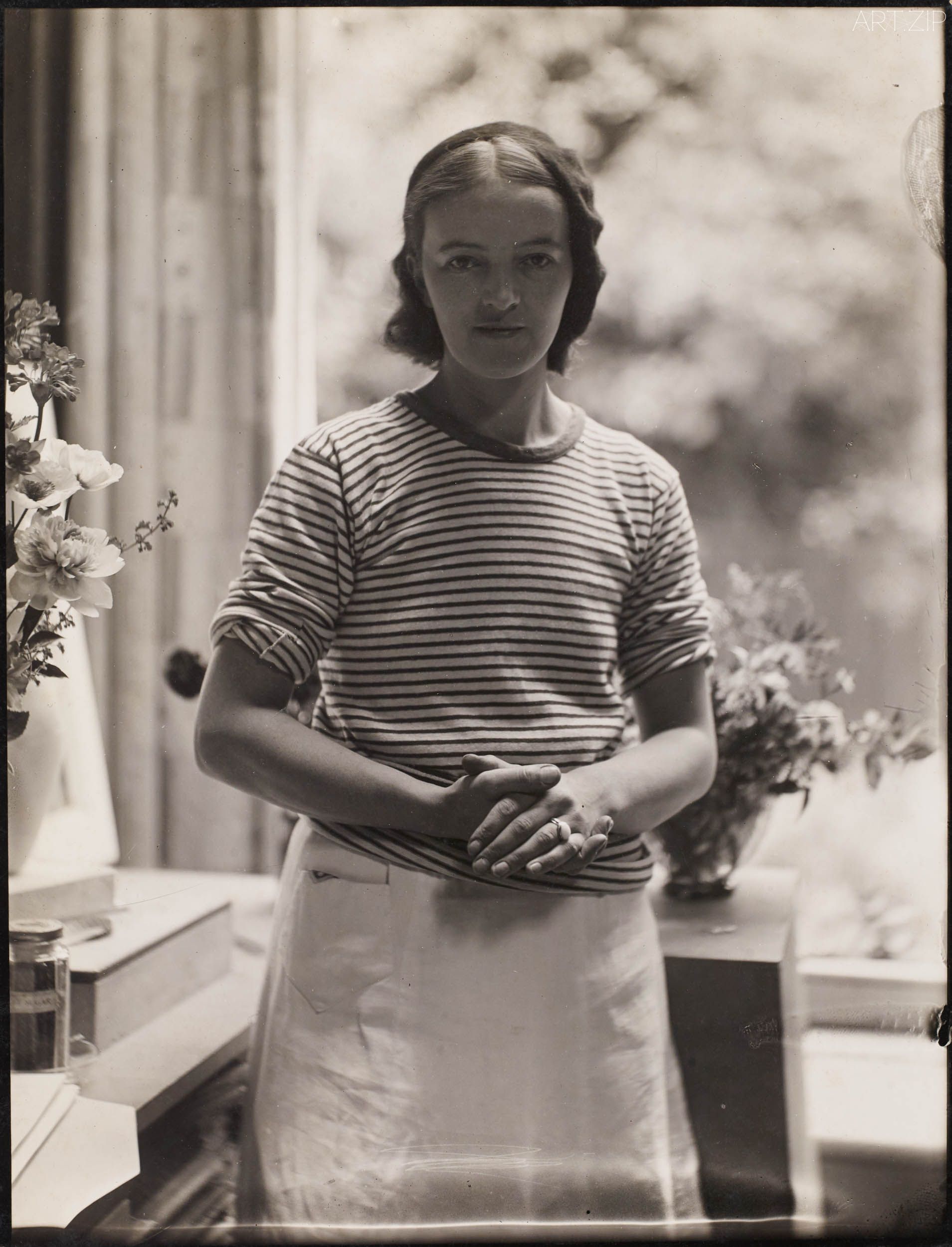
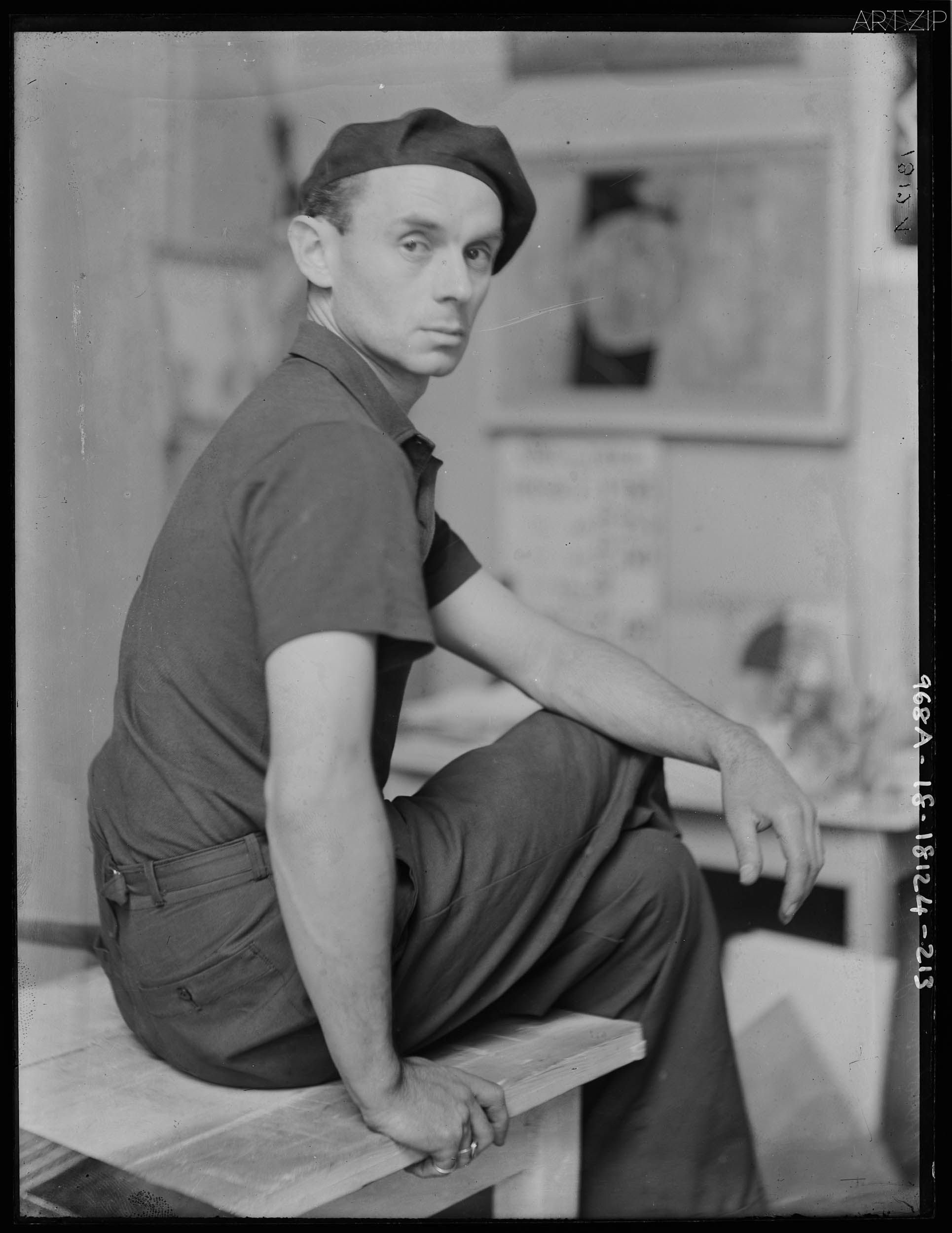
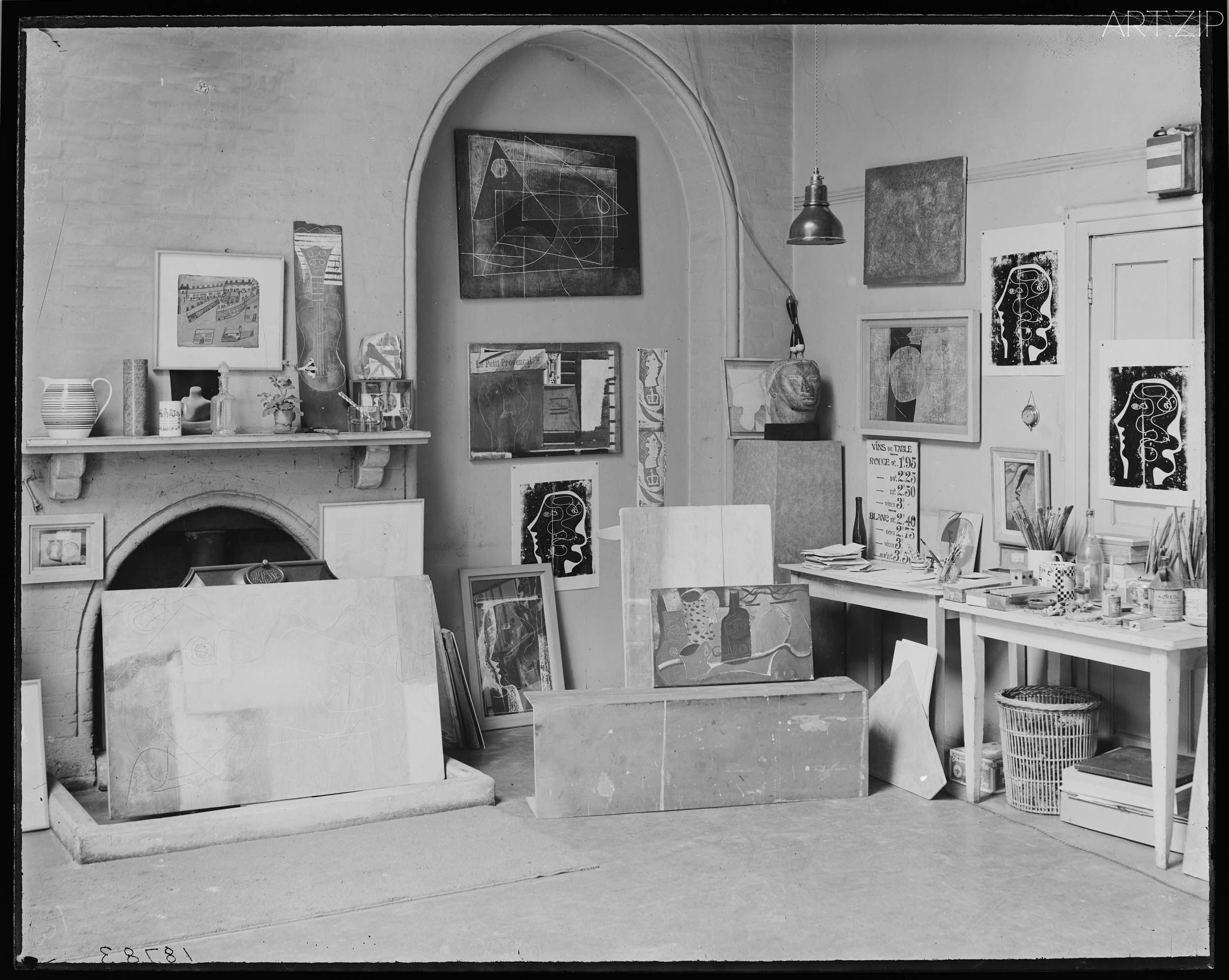
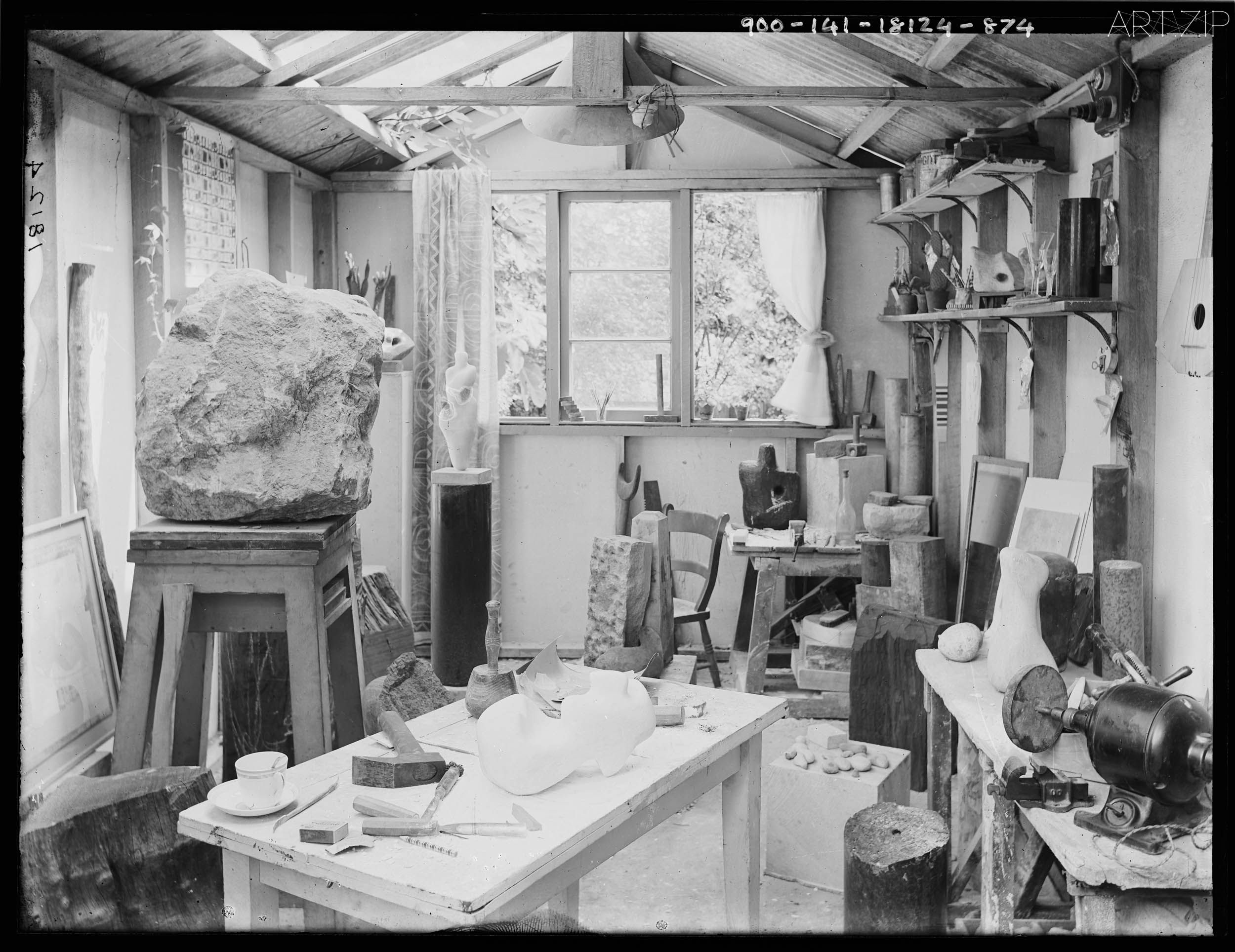
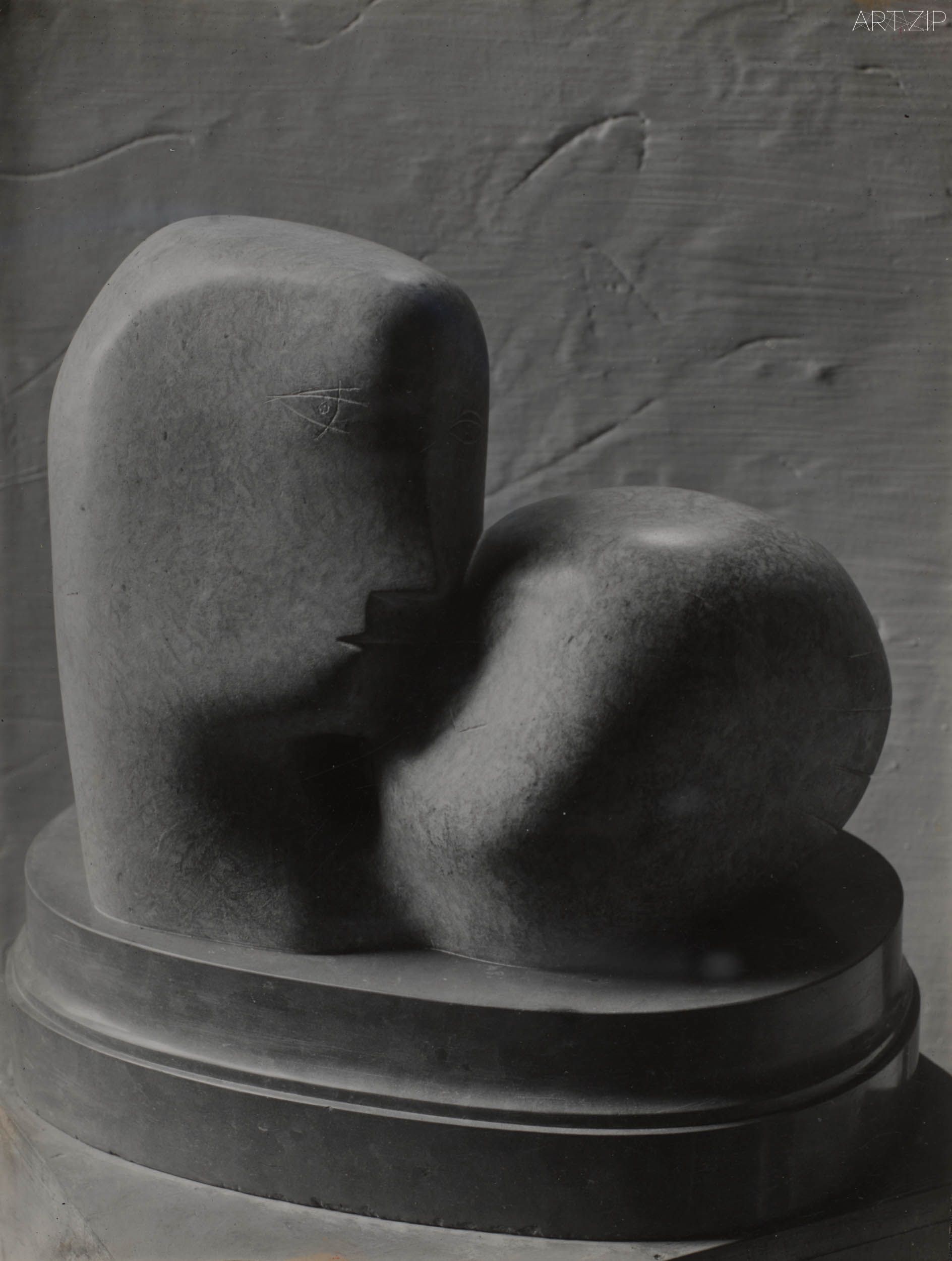
Coinciding with the exhibition, the Project Space presents rare photographs taken by Paul Laib between 1932 and 1936, capturing Hepworth and Ben Nicholson in their shared Hampstead studio — described by the Courtauld as being among the most evocative studio images to emerge in twentieth-century Britain.
The Joseph Hage Aaronson & Bremen Exhibition: Hepworth in Colour offers a fresh and revelatory way of understanding one of the most remarkable artists of the 20th century. Decades on, the colour in Hepworth’s sculptures is finally being seen for what it always was — not decoration, but tension made visible: the pull between herself and the sea, the sky, the hills. This exhibition listens, at last, to what was always there.
Barbara Hepworth (1903-1975), Sculpture with Colour (Oval Form) Pale Blue and Red, 1943, Wood, paint and strings on a painted wooden base. Wakefield Permanent Art Collection (The Hepworth Wakefield), Barbara Hepworth © Bowness. Image © The Hepworth Wakefield. Photo: Mark Heathcote.
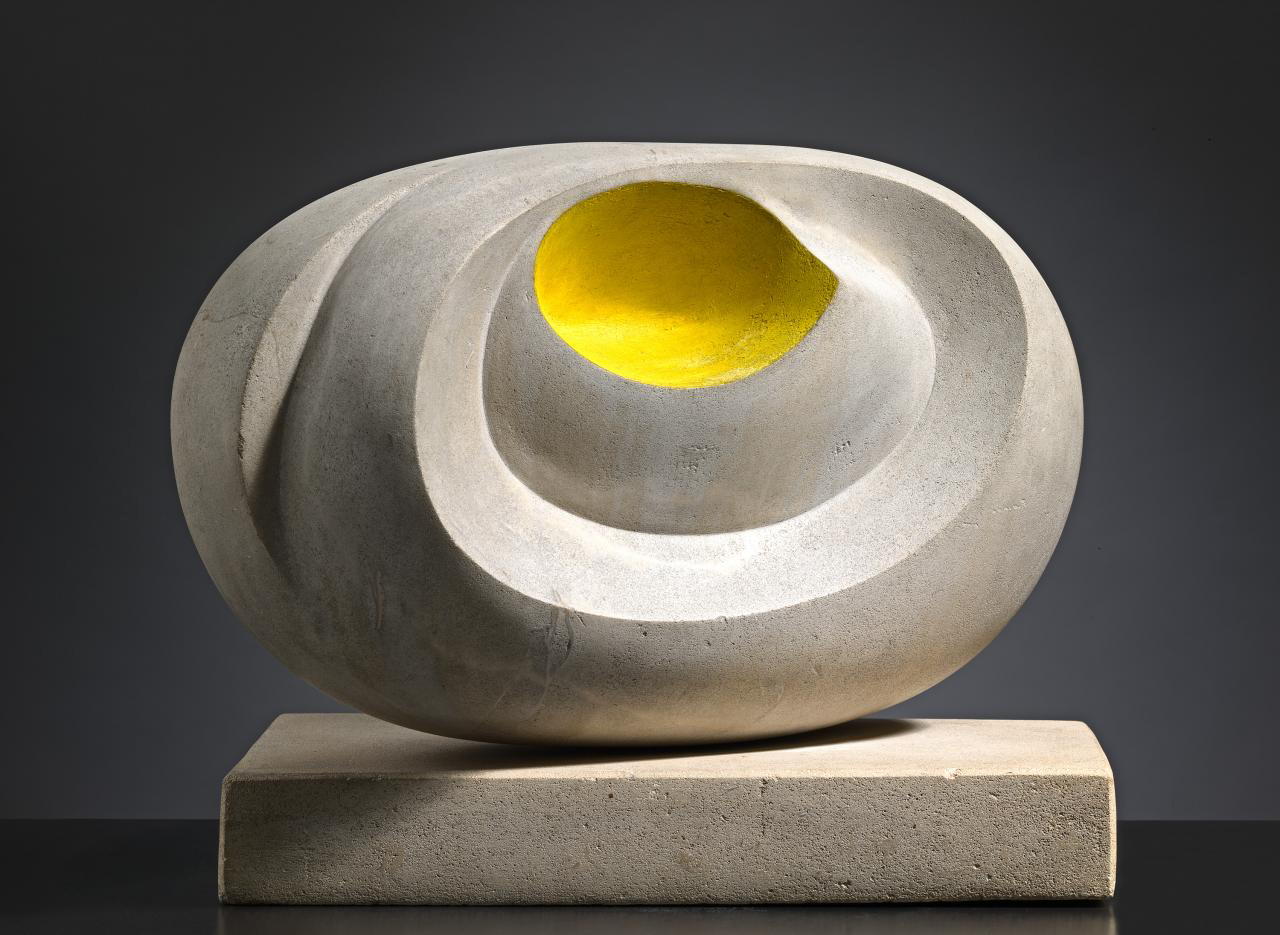
Barbara Hepworth (1903-1975), Eidos, 1947, National Gallery of Victoria, Melbourne. Purchased with the assistance of the Samuel E. Wills Bequest to commemorate the retirement of Dr E. Westbrook, Director of Arts for Victoria, 1981 © Bowness. Photo: Predrag Cancar / NGV. Image courtesy National Gallery of Victoria, Melbourne

在考陶爾德美術館舉辦的《赫普沃斯:以色入形》(Hepworth in Colour),將視線投向英國現代雕塑大師芭芭拉·赫普沃斯(Barbara Hepworth)創作中一個長期被忽視的面向——色彩。赫普沃斯曾於1970年說道:「從某種意義上說,我對色彩的運用已被接受,卻從未被真正理解。」此次以研究為導向的專題展覽展出了赫普沃斯20件雕塑及30幅素描與繪畫作品,呈現了雕塑與紙上作品之間的對話。展覽首次集中呈現她在1940年代將色彩引入雕塑的早期實驗,並將這些作品與同時期重要的素描和繪畫作品並置對照;展覽亦囊括她在1950至60年代探索色彩的重要代表作。
赫普沃斯對色彩的興趣可追溯至1930年代中期——彼時她與未來的丈夫本·尼科爾森(Ben Nicholson)共同參與歐洲前衛藝術運動。展覽核心是一組創作於1940至1948年間的木雕與石雕,作品的凹陷處與曲面上覆以鮮豔的藍色與黄色。其中許多作品此前從未同台展出,包括來自澳大利亞墨爾本維多利亞國家美術館的《Eidos》(1947–48),以及來自香港私人收藏的《帶色彩的雕塑(Eos)》(1946)——兩件作品自1954年以來首次在英國同場亮相。
本次展覽最重要的亮點,是創作於1943年的《帶色彩的雕塑(橢圓形):淡藍與紅》(Sculpture with Colour (Oval Form), Pale Blue and Red)。2025年,赫普沃斯韋克菲爾德美術館與Art Fund共同發起全國募款行動,成功籌集380萬英鎊,使得這件傑出的作品成為國家收藏,被譽為英國抽象現代主義的傑作。作品將細繩與色彩融為一體,其中那抹淡藍正是赫普沃斯心中康沃爾天空與海岸的顏色。作品自誕生以來始終處於私人收藏之中,鮮少公開展出;此次是它於2025年被納入國家收藏後首次在倫敦公開亮相。談及貫穿她早期雕塑的細繩,赫普沃斯寫道:「那些線,正是我在自己與海洋、風、或山丘之間所感受到的張力。」
展覽同時呈現豐富的彩色素描。回憶戰時物資匱乏的歲月,赫普沃斯寫道:「在深夜,我畫了無數張素描……探索形式與色彩之間特定的張力與關係;到了戰爭後期,這些問題也持續成為我雕塑創作的核心。」這些精緻的晶體形態,以濃烈的藍、紅、綠點綴其間,展現出色彩作為創作思維中一股主動力量的面貌。
赫普沃斯對色彩的探索延續至50至60年代,她在青銅雕塑表面創造出如繪畫般的質感,並以大理石展開新的色彩實驗,不斷拓展色彩在雕塑中的可能性。
展覽期間,Project Space同步呈現攝影師保羅·萊布(Paul Laib)拍攝於1932至1936年間的罕見照片,記錄了赫普沃斯與尼科爾森在漢普斯特德共用工作室時的珍貴瞬間。這批影像被考陶爾德形容為二十世紀英國最具感染力的藝術家工作室影像之一。
《赫普沃斯:色彩入形》為我們理解這位20世紀最傑出的藝術家之一,打開了一扇嶄新的窗口。數十年後,色彩終於從赫普沃斯的雕塑中被看見——它從來不是她作品的裝飾,而是她與世界之間的張力,是她與海洋、天空和山丘之間無聲的對話。這場展覽,是遲來的傾聽。


Hepworth in Colour
12 June 2026 – 6 September 2026
The Courtauld