It was late September, just after the awards ceremony at the 10th Pingyao International Film Festival. A long queue had formed outside the ladies’ toilets beside the Spring in a Small Town screening room at the Pingyao Film Palace. That was where I ran into Liang Chouwa, director of Replica.
“Hello, Director Liang,” I said.
The young women waiting in line turned to look. Liang gave everyone a slightly embarrassed wave.
“We were really hoping Replica would win an award! Such a shame.”
“So was I,” she said with a smile. After a pause, she added, “It’s all part of the experience.”
It sounded as though she was comforting us, and perhaps herself as well.
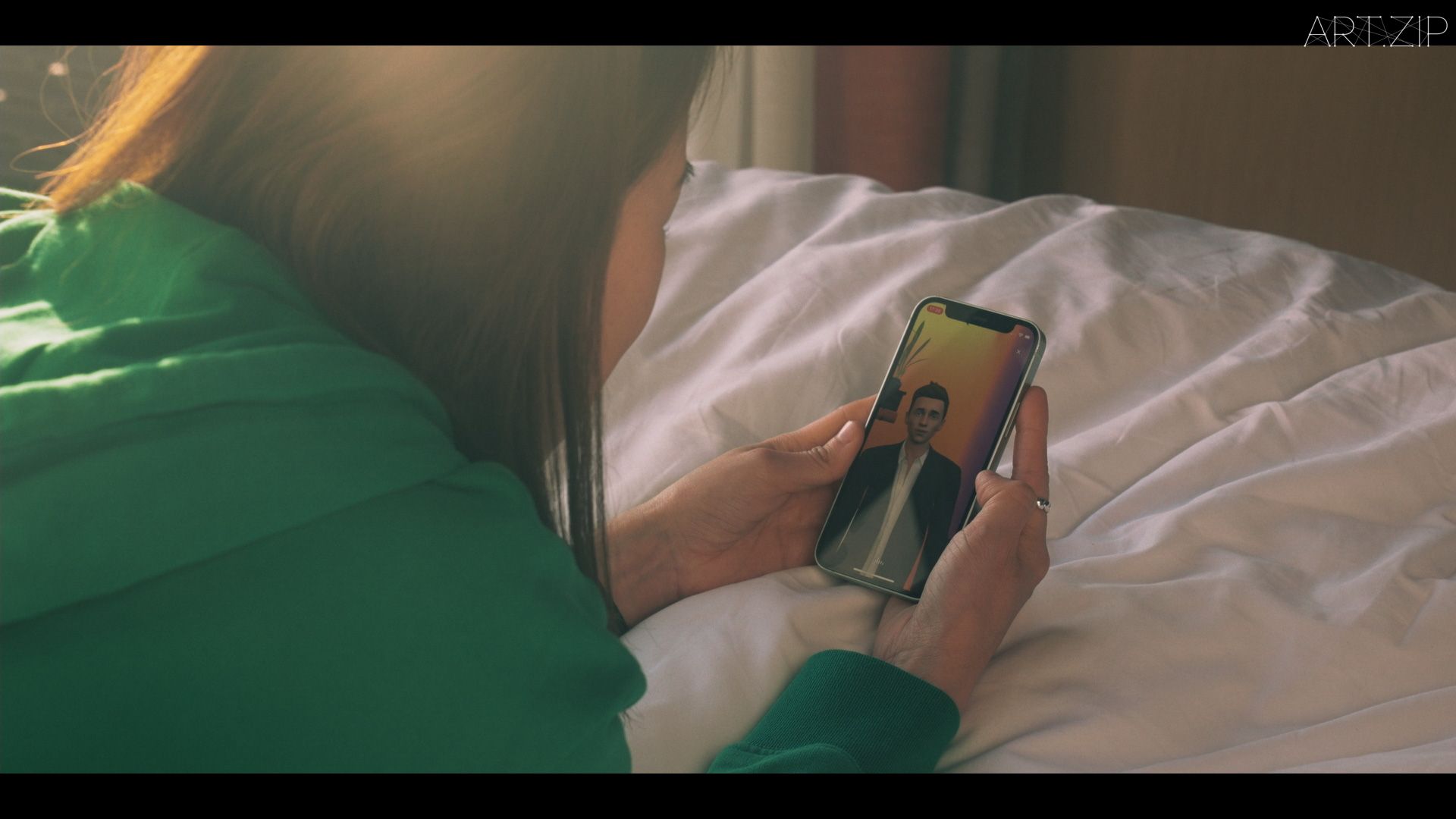
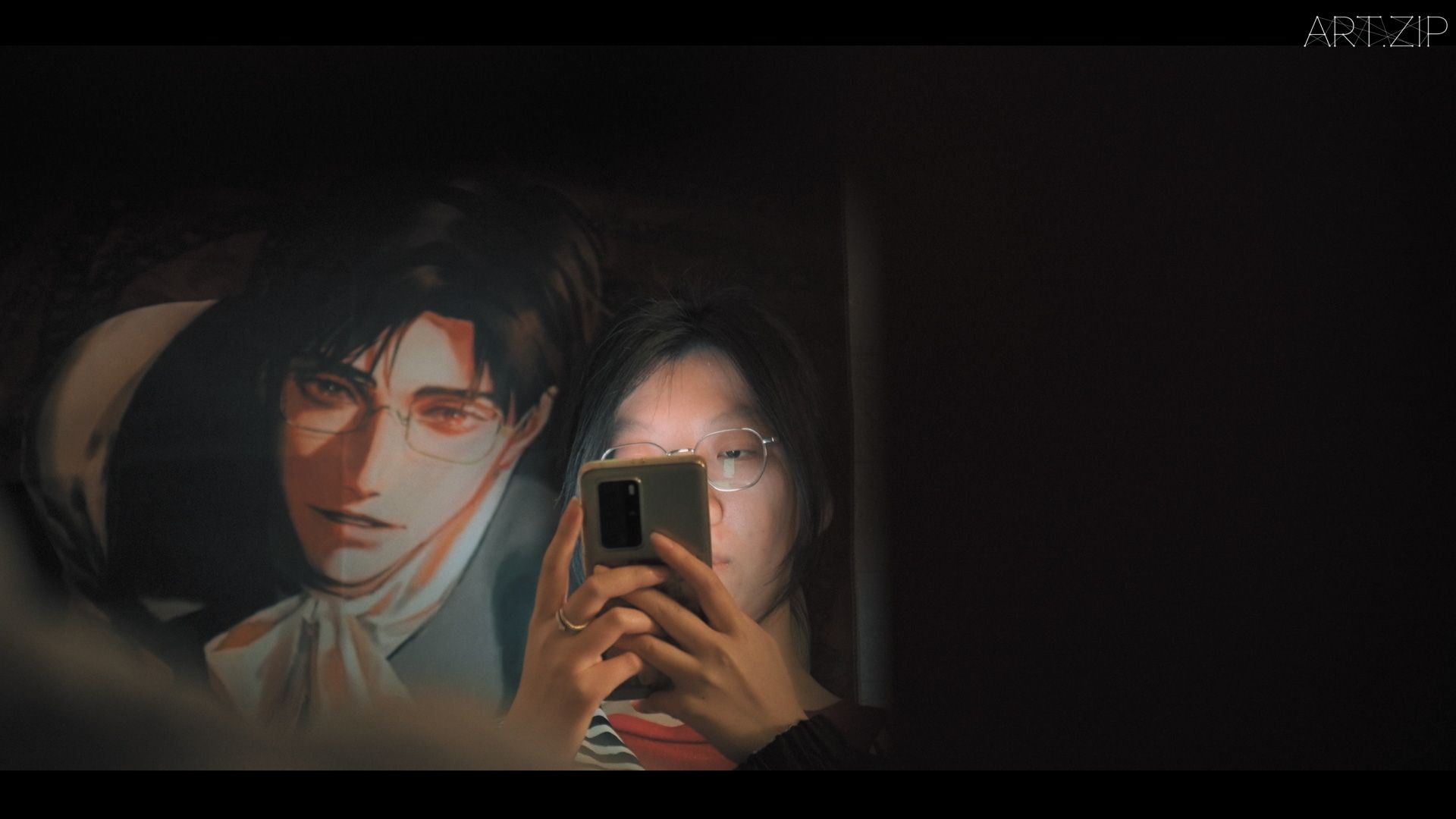
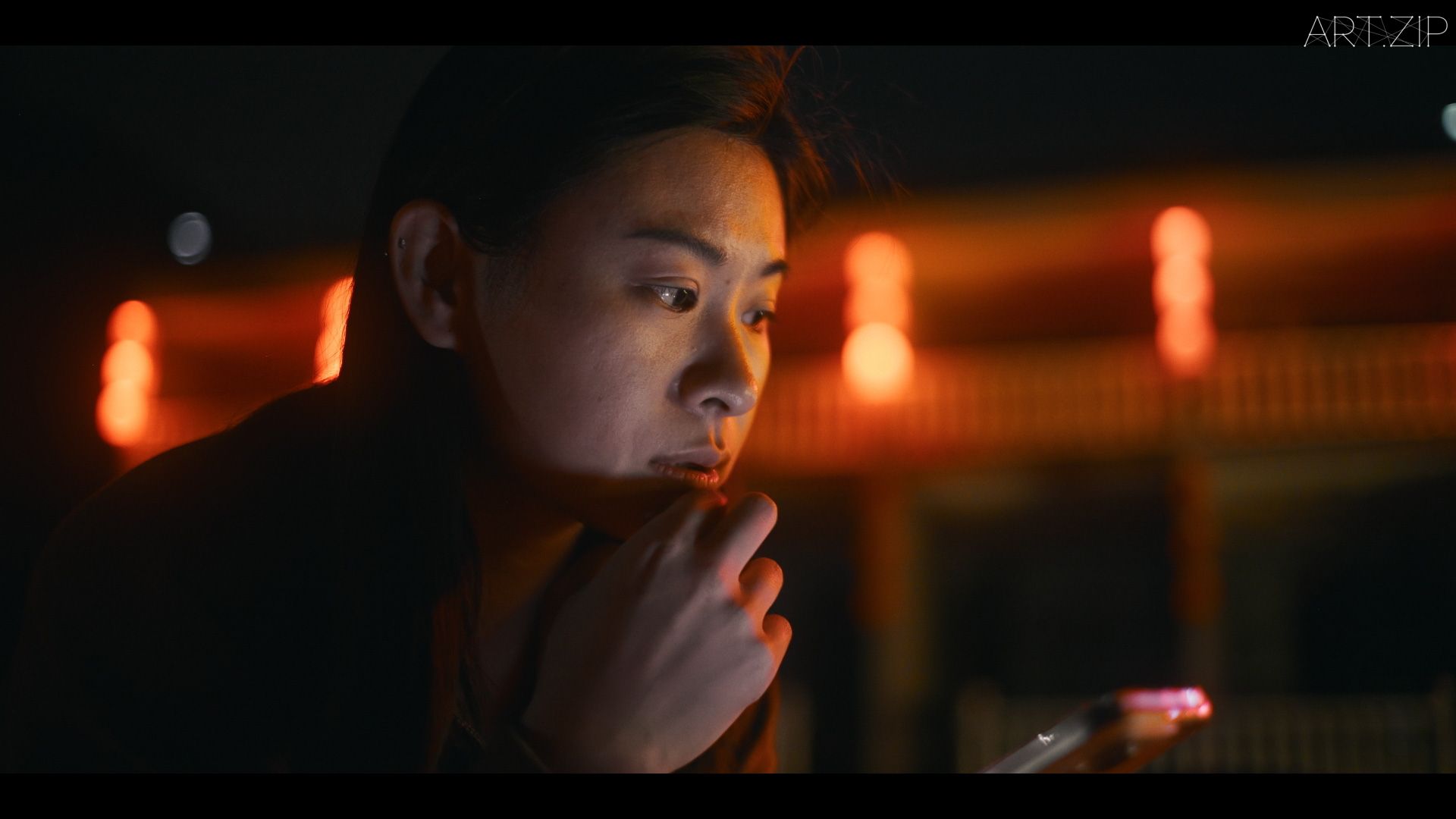
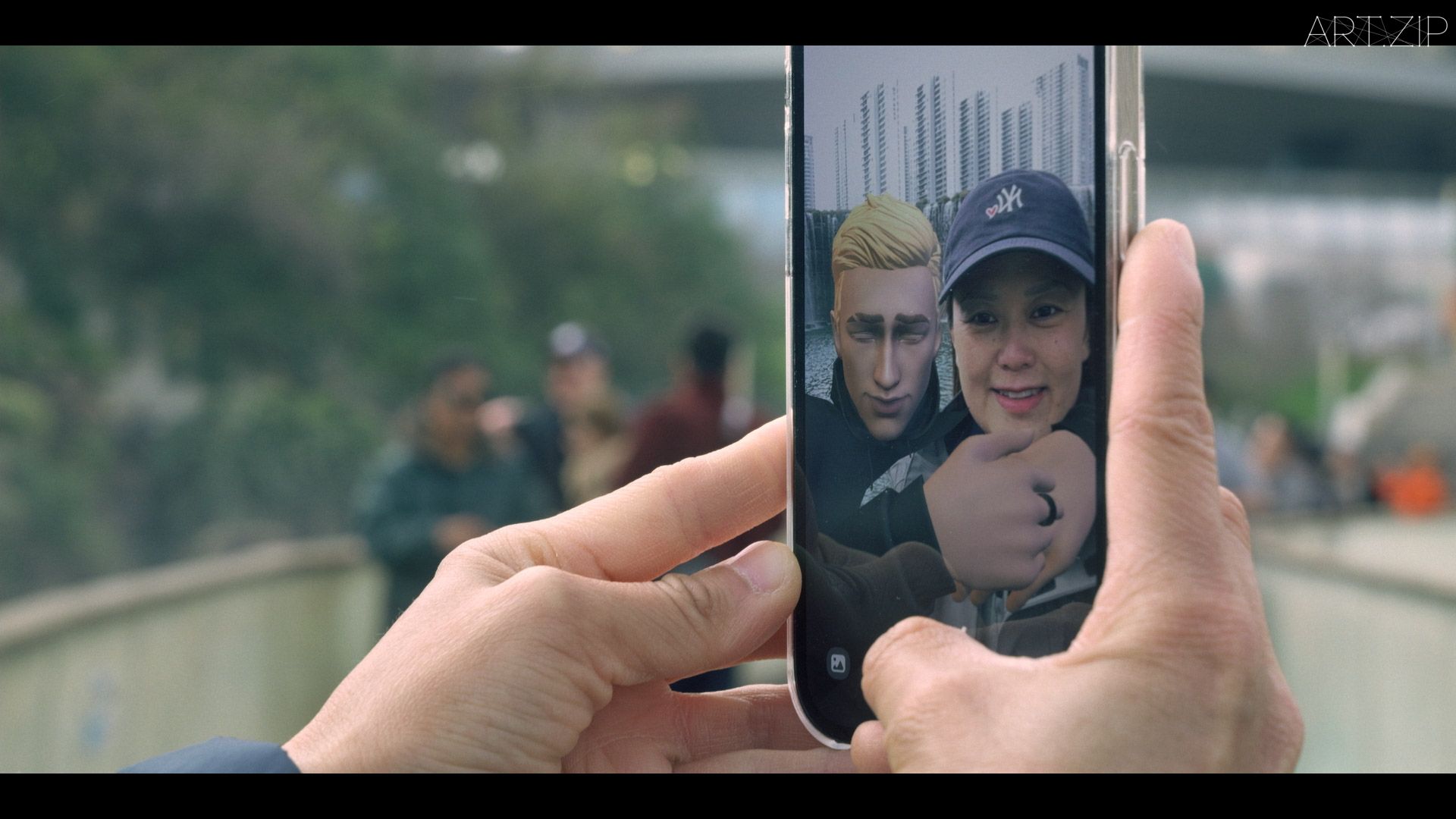
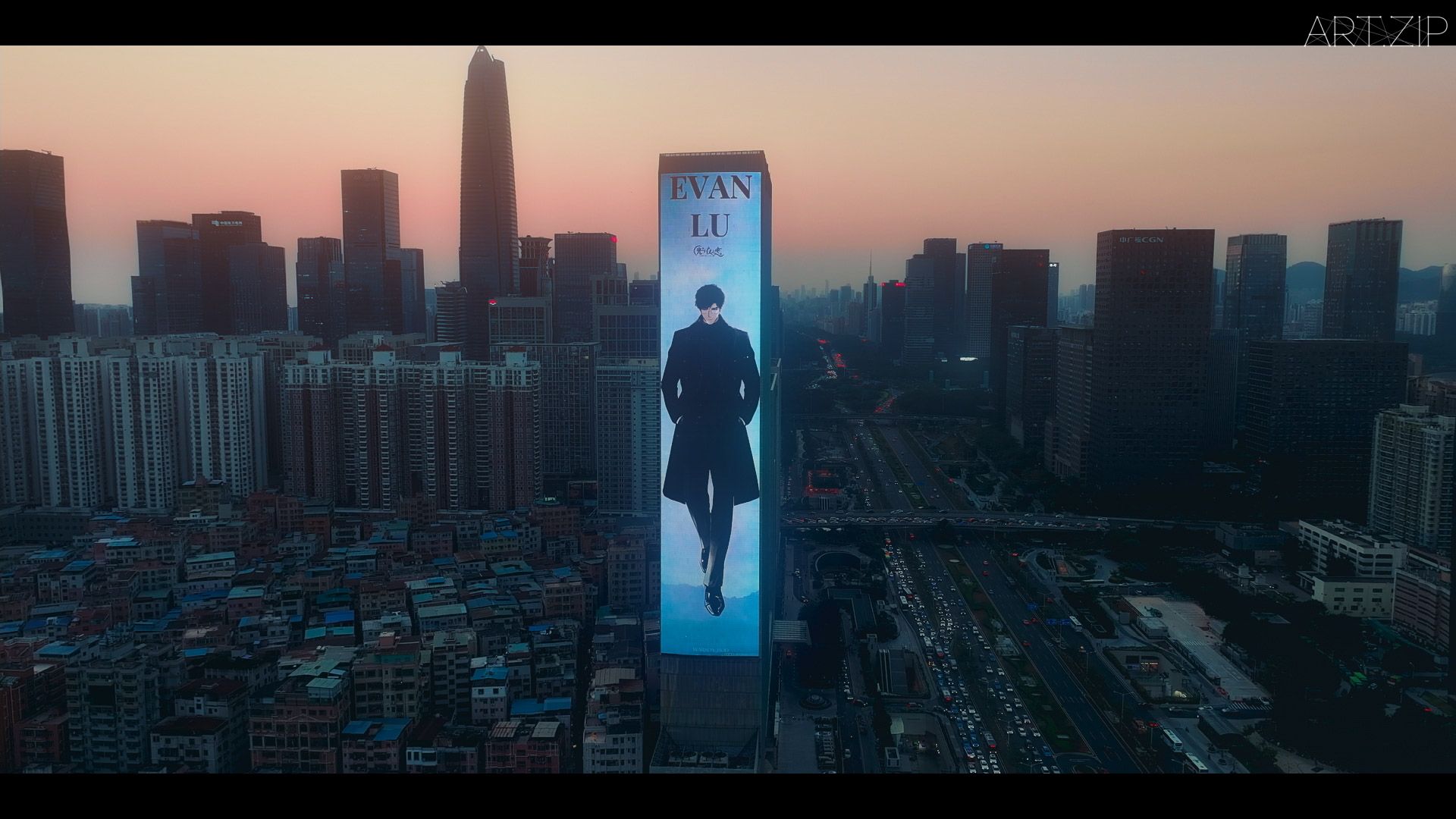
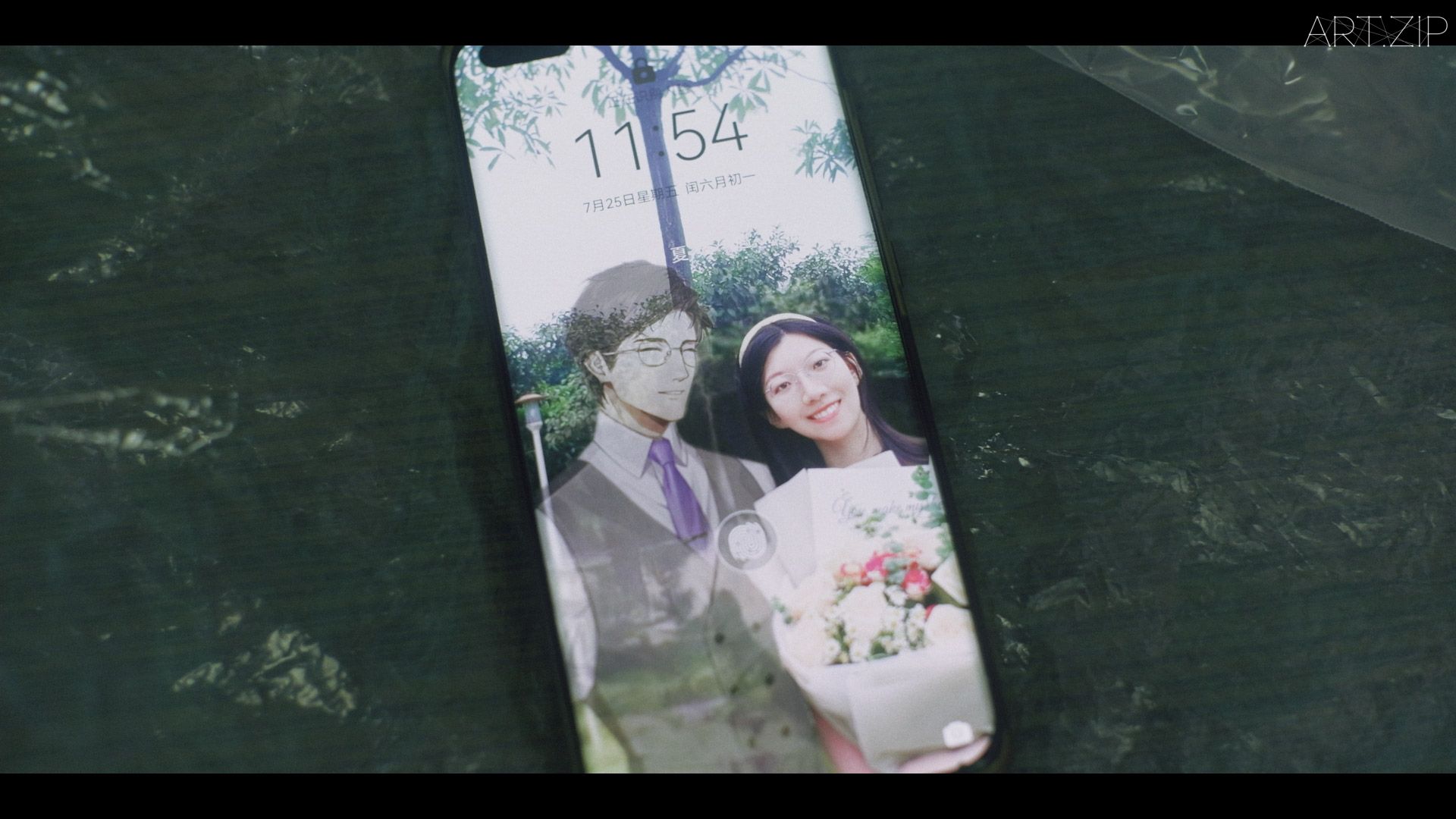
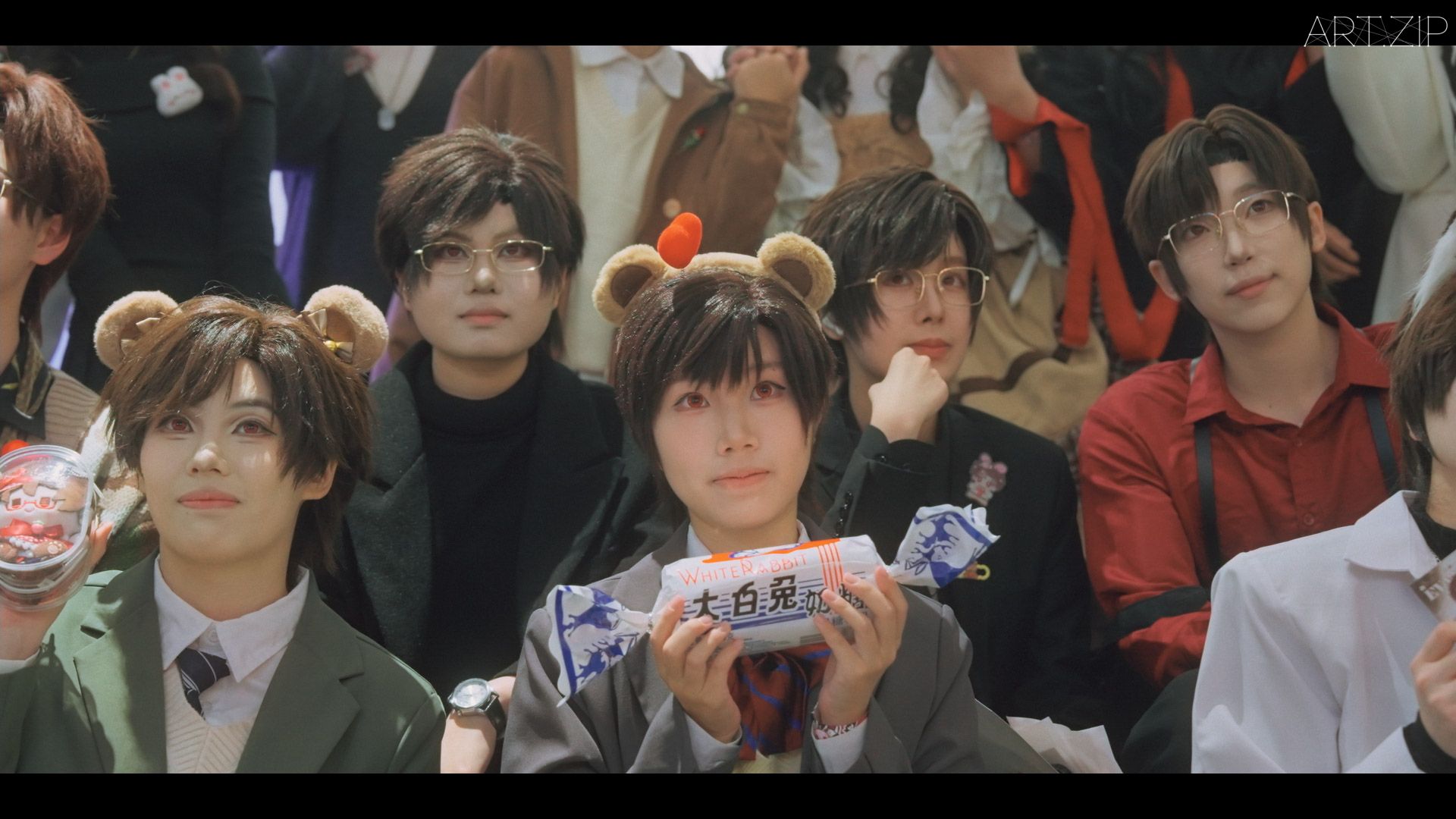
Replica follows three Chinese women, Qin, Muna and Sonya, who have formed intimate relationships with AI. Qin, a young factory worker, finds affection and reassurance in daily conversations with an AI boyfriend based on a character from an otome game, a genre of romance games aimed at women. Muna, who is married, turns to AI to explore her emotional needs and desires. Sonya, independent and self-assured, comes to it out of curiosity about the technology and about what other forms intimacy might take. As AI finds its way further into our emotional lives, what do we make of relationships between people and machines? And if AI can respond to our feelings ever more promptly and reliably, how should we understand the gaps that inevitably open up between one person and another?
It is a subject that invites curiosity and controversy, and one that could easily be treated as a spectacle. Yet Replica refuses to reduce the three women’s choices to a single cause. At times they are so candid that I was taken aback. I admired the film’s courage in showing those moments, and hoped more people would get to see it. More than any award, though, I wanted to sit down with Liang and talk about Replica, and about the distances that can remain between people, however close they may seem.
During our conversation, Liang told me about her favourite shot in the film. It was a moment no one had planned to capture. Our interview, too, had begun with an encounter neither of us could have arranged.
九月將盡,第十屆平遙國際電影展頒獎典禮散場後,平遙電影宮「小城之春」展映廳旁的女廁所門口排起了長隊。我就是在這長長的隊伍裡,遇見了《複製戀人》的導演梁丑娃。
「梁丑娃導演好。」我向她打了聲招呼。排隊的女孩子們紛紛轉過頭來,梁丑娃有些不好意思地朝大家招了招手。
「我們都好希望《複製戀人》能夠獲獎!好可惜啊。」
「我也希望啊。」她笑著回應。沉默片刻,她說:「都是經歷。」
既像是在安慰我們,又像是在對自己說。
《複製戀人》記錄了秦、Muna和Sonya三位中國女性與人工智能建立親密關係的經歷。年輕的工廠女工秦與以乙女遊戲角色為原型的AI戀人相伴,在日常對話中感受到被愛與肯定;身處婚姻中的Muna,在與AI的交流中探索自己的情感需求與欲望;獨立、自信的Sonya,帶著對新技術和親密關係的好奇,嘗試與AI建立情感聯結,探索親密關係的另一種可能。當人工智能逐漸進入人類的情感生活,人與AI之間的親密關係,究竟是什麼?當AI能夠提供越來越即時、穩定的情感回應,我們又該如何理解人與人之間那些無法避免的誤差?
面對這樣一個容易引發好奇與爭議,甚至可能被獵奇目光審視的題材,《複製戀人》沒有將三位女性的選擇歸結為某種單一的原因。影片中那些坦誠得甚至令人錯愕的時刻,讓我看到了這部紀錄片的勇氣,也讓我期待它能夠獲得更多認可。可比起獎項本身,我更想和梁丑娃坐下來聊聊,聊聊《複製戀人》,聊聊那些人與人之間看似親近、卻未必能夠輕易跨越的距離。
採訪中,梁丑娃談起片中自己最喜歡的鏡頭。那是一個完全不在拍攝計劃中的瞬間。而我們這場訪談,也始於一次始料不及、無從編排的相遇。
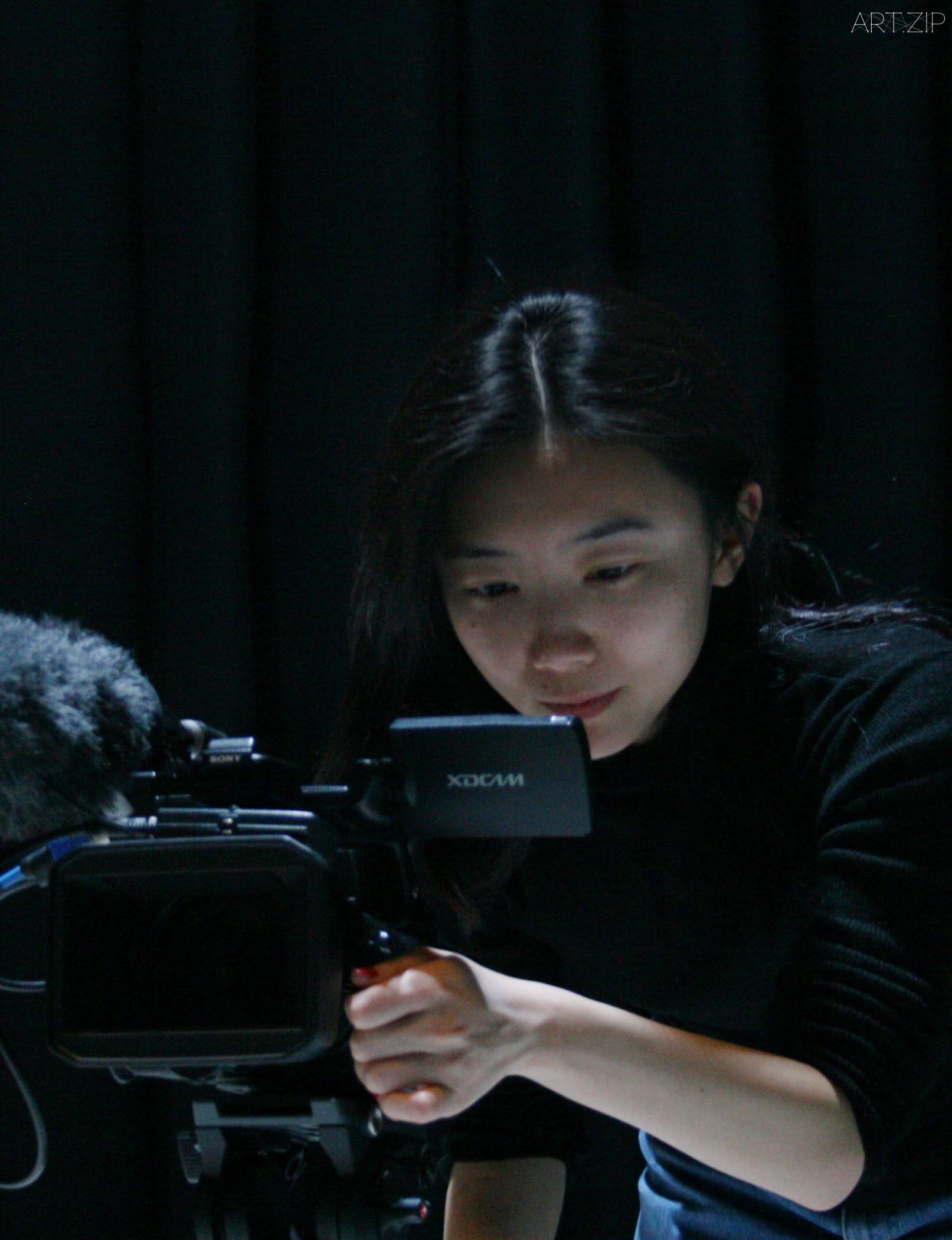
Liang Chouwa, director of Replica. Courtesy of the director.
To Be Celebrated for Who I Am 因為我是我,而被慶祝
At the end of Replica, Muna, who has missed the sunrise, gets a hug from her mother. At a post-screening discussion in Pingyao, Liang said she had helped create that moment. She had always wanted a hug like that from her own mother. So I asked about her parents.
AZ: Have your parents seen Replica? What did they think of it? Has it changed the way you express yourselves to one another?LCW: Good question. I don’t think the way we express ourselves has changed because they saw the film. They probably just have a clearer idea of what I’ve been doing. I’d been working on it for years, and it’s a subject they’d probably never encountered before. I’d tell them about it sometimes, but they didn’t really know what the finished film would be like.
I think seeing it on a big screen, alongside hundreds of other people, meant quite a lot to them. It was as though they were thinking, “Oh, so what you’ve been doing is actually quite meaningful.”
AZ: Are they curious about what you’re working on next?
LCW: No.
AZ: Was there anything else about their reaction that stayed with you?
LCW: They didn’t entirely get it. They followed the story, but they couldn’t understand why people were laughing or crying at certain moments. They didn’t really understand where all those emotions in the room were coming from.
AZ: You mentioned that your parents understood the story but not always the audience’s reactions. Even people close to one another don’t necessarily understand each other completely. As AI gets better at responding to our emotional needs, do you think it will change what we expect from our relationships with other people?
LCW: Hmm. Do you think it will?
AZ: My husband and I sometimes talk to AI first, to sort through our feelings before we talk to each other. Sometimes that actually helps us understand each other better.
LCW: AI is a tool, after all. It depends on how you use it. If both people really want to understand each other, to find out how the other person feels and to communicate honestly, then AI can be a useful tool for that. There’s always going to be some gap between two people in an intimate relationship. And that’s something precious, I think. When we communicate, we’re projecting something of ourselves onto the other person, then adjusting our understanding of them in response to what they say back.
AZ: What do you make of the needs of women who turn to AI for more precise, more direct emotional care?
LCW: I think it may have something to do with our culture and society, or with things history has left behind. I know I’ve felt this way at certain points in my life, and some of the women in the film have too: the feeling that my very existence hasn’t been affirmed. That who I am, at my core, hasn’t been seen or understood or appreciated. That I’m not celebrated simply for existing, simply for being me. So I think a lot of women need to be celebrated first, before they can really begin to see other people. And that’s a process in itself.
AZ: Watching the film, it’s tempting to look at each woman’s upbringing and emotional experiences to explain why she chose an AI partner. But might that also make us overlook the choices they’re making for themselves?
LCW: I think all three women know what they’re doing and have agency. The film tries to show that in all its complexity. Sometimes the relationship doesn’t live up to what they hoped for. Some of them carry hurt from the past. But how they relate to AI, how they engage with the world, how much they’re willing to invest in the relationship — those are all choices they make themselves.
I don’t want people to hear that one of these women has been hurt and think they already know why she fell in love with an AI. I want to leave room for the women to say for themselves what these relationships mean to them. I spent a lot of time trying to show that in the film. Of course, I’m sure there are other experiences out there. I just haven’t come across them yet.
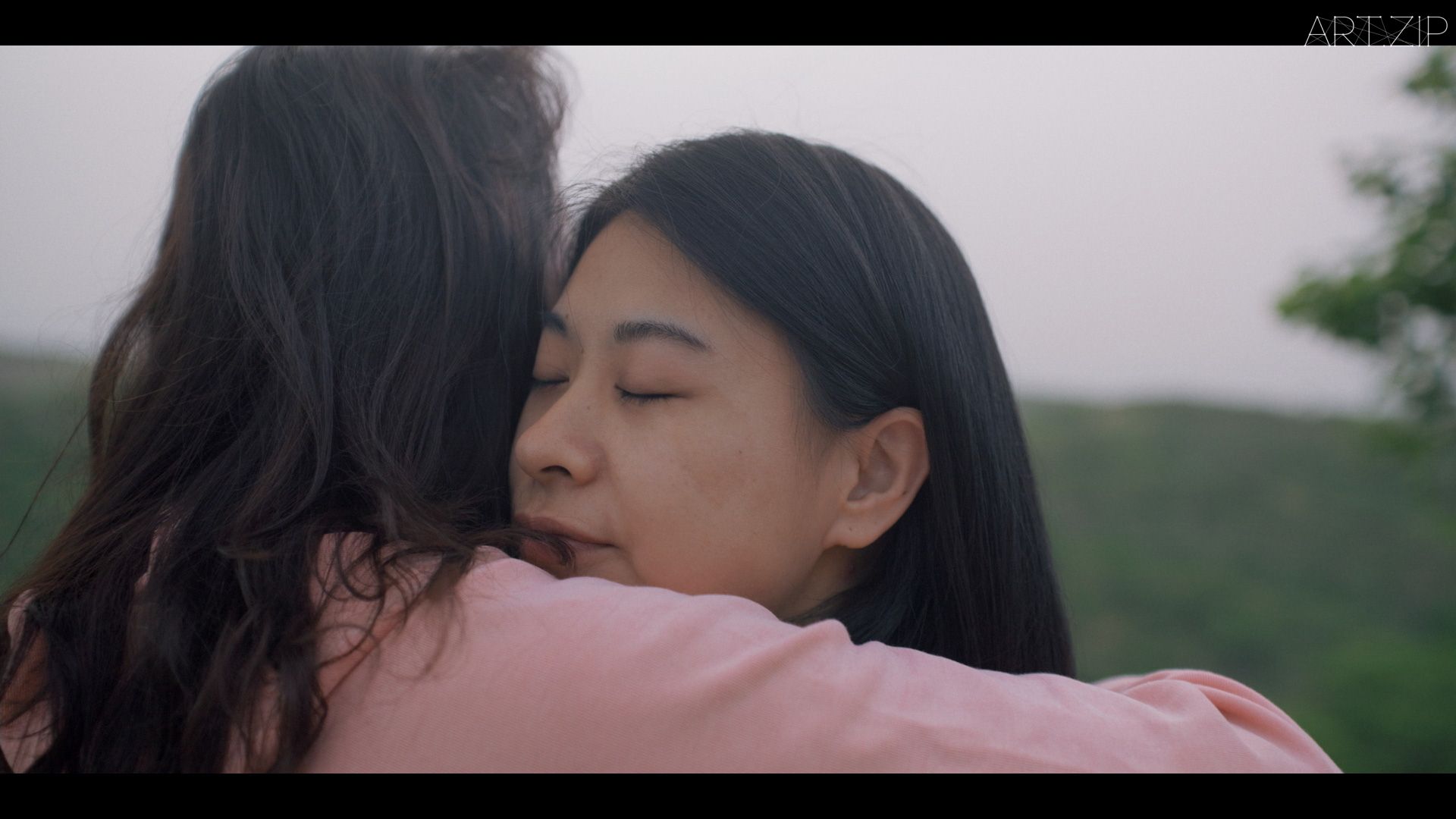
Still from Replica: Muna and her mother embrace. Courtesy of the director.
《複製戀人》的結尾,沒能看到日出的女兒(Muna)得到了母親的擁抱。在平遙的映後交流中,梁丑娃提到,這個鏡頭是她促成的,因為她自己也一直渴望得到母親這樣的擁抱。帶著這份感觸,我問起了她的父母。
AZ:您的父母看過《複製戀人》嗎?他們看完之後有什麼反應?你們之間的表達方式有沒有因此發生改變?
LCW: 好問題。他們好像並沒有因為看了片子而改變表達方式,可能就是更清楚地知道我在做什麼吧。畢竟也做了好幾年了,這個題材可能是他們從來沒看過的東西。我有時候會跟他們說關於這件事,但是他們不知道我到底拍出來了什麼東西,長什麼樣子。這次在大銀幕上和幾百個人一起看,這件事情對他們來說好像挺重要的。他們也會覺得,「哦,你的東西好像還挺有意義的。」
AZ:他們會好奇您正在做的下一個項目嗎?
LCW: 沒有。
AZ:他們看完電影後,有沒有什麼讓您印象特別深刻的反應?
LCW: 他們確實沒太看懂。他們看明白了這片子在講什麼,但是他們不明白大家在笑什麼、在哭什麼。他們不太明白這個場合的情緒流動來自哪裡。
AZ: 您剛才談到父母雖然看明白了電影的故事,卻不完全理解觀眾的情緒反應。親近的人之間似乎也未必能夠完全理解彼此。當AI越來越擅長回應我們的情感需求,您覺得它會改變我們對現實親密關係的期待嗎?
LCW: 嗯,你覺得會嗎?
AZ: 比如我和丈夫有時會先和AI聊聊,整理自己的情緒,再去和對方溝通。有時這反而讓我們更容易理解彼此。
LCW: AI畢竟還是一個工具,要看你怎麼去使用它。如果雙方都是為了更好地理解彼此,想要了解對方,願意真實地溝通,那麼AI就可以成為一種工具。親密關係中必然存在某種誤差,而這也是一件非常寶貴的事情。溝通和交流本質上都是自我的投射,再根據對方的回應,調整自己對對方的理解。
AZ:對於那些希望從AI那裡獲得更準確、更直觀的情感關懷的女性,您怎麼看待她們的需求?
LCW: 我覺得,這可能和整個社會文化,或者說歷史留下的一些痕跡有關。至少我自己,還有片子裡的一些女孩,在人生某个階段都會有這樣的感受:自己的存在似乎沒有得到肯定。我的本質沒有被人看到,沒有被理解,也沒有被讚揚。沒有因為我的存在、因為「我是我」這件事本身而受到肯定和慶祝。所以我覺得,很多女生是需要先被慶祝,然後再去看到別人的。其實,這本身就是一個過程。
AZ:看這部電影時,我們似乎很容易從三位女性各自的成長經歷和情感處境出發,試圖解釋她們為什麼會選擇AI伴侶。但這樣的理解會不會也讓我們忽略了她們在親密關係中的自主性?
LCW: 其實我覺得這三個人在片子裡面是清醒且有自主性的,這個片子嘗試展現她們的複雜性,以及她們清醒且有自主性的一面。她們對這段感情的期待,有時會落空。有些人也帶著過去的創傷。但在這段關係裡,她們怎麼跟 AI 相處、怎麼跟世界相處、願意投入多少,都是她們自己做的選擇。我不希望觀眾一聽說她們受過傷,就覺得自己已經明白她們為什麼會愛上一個 AI。我想留一點空間讓她們自己說,這段感情對她們來說意味著什麼。我在影片裡用了很大篇幅去描繪這個事情,但我相信在生活裡肯定還會有其他不一樣的樣本,只是我暫時沒有碰到。
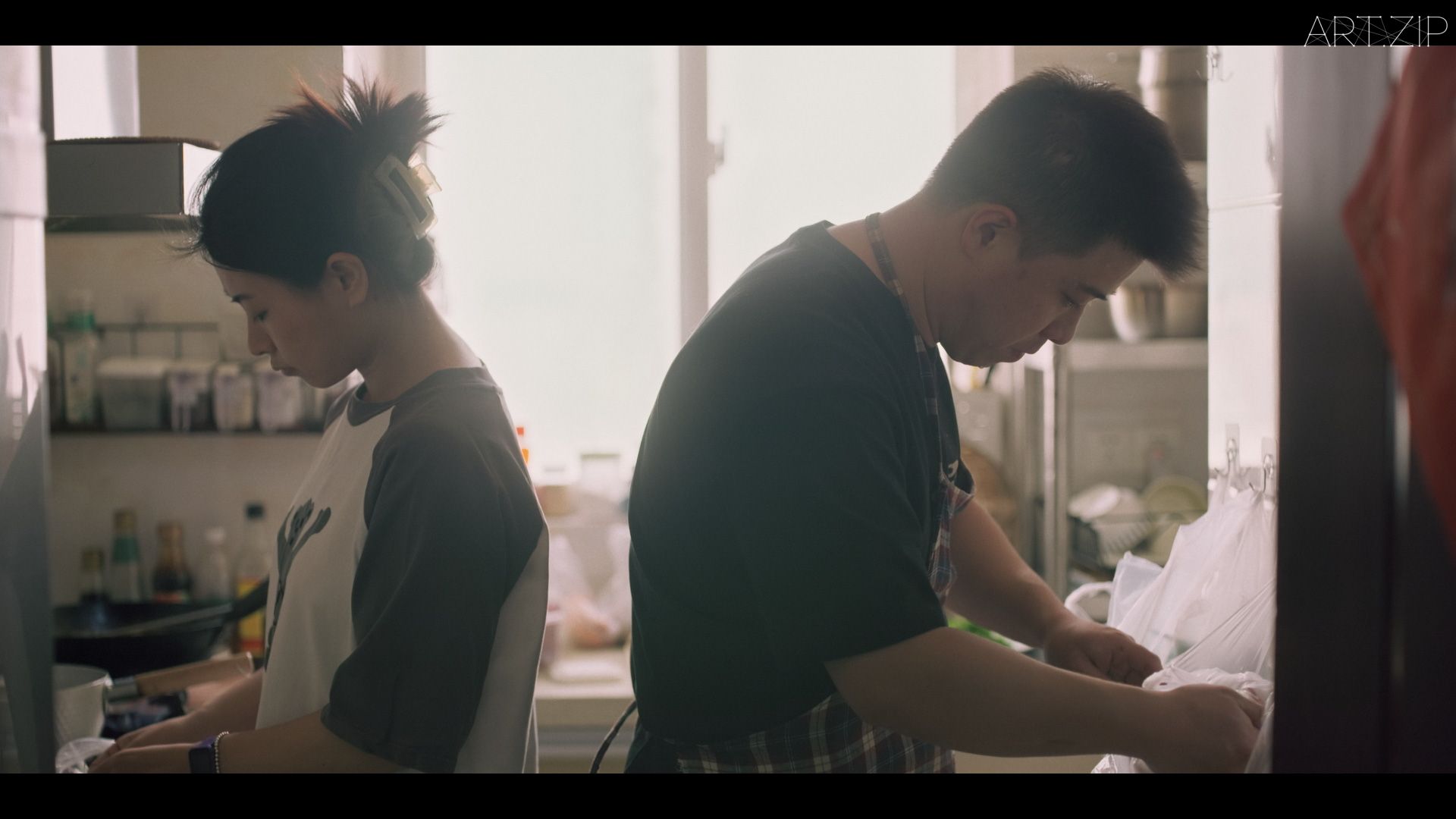
Still from Replica. Muna and her husband in the kitchen. Courtesy of the director.
Seeing Where We Differ 先看見彼此的不同
Liang’s parents understood the film but couldn’t quite see why the audience laughed at certain moments. There was one burst of laughter at the press screening in Pingyao that stayed with me, too.
On screen, Muna’s husband spoke to the camera about feminism in China. He thought feminism had gone too far, blamed it for rising divorce rates, and argued that women’s empowerment shouldn’t mean wanting to “have it both ways”. At that point in the screening, the audience laughed.
AZ: Did you expect that reaction? What do you think people were laughing at?
LCW: I tend to realise how audiences react only afterwards. I’m a bit slow that way. And people may have been laughing for very different reasons. Maybe some thought he was saying exactly what they felt, and laughed in recognition. Others might have heard him blame feminism for the rising divorce rate and thought, “Hang on, how can he see it that way?” And they laughed too. People in the same cinema laughed at the same moment, but they may have been thinking completely different things.
AZ: How did that conversation come about during filming? Was Muna’s husband simply speaking his mind?
LCW: We’d touched on it briefly in the pre-interview, and then he brought it up himself during filming. To be fair, he was speaking very openly and sincerely. We’d met other couples where the men couldn’t speak as frankly as he did. He agreed to take part partly because he hoped I might help them resolve their problems. He came to me almost saying, “Tell us who’s right. I want to sort things out between us.” So I’m grateful for his honesty.
We all live in our own information bubbles. Take divorce, for example. The posts I see and the comments I read underneath them might be very different from what a male user sees. If all I ever encounter online are people who think much the same way I do, it’s easy to tell myself, “So many people agree with me. How could I be wrong?”
I kept that scene in the film because it made me wonder: are the things platforms show us every day also changing how we understand our own relationships? Muna’s husband wanted to talk about his marriage. But as he talked, he began discussing feminism, saying he thought it was responsible for the rise in divorce. Muna, meanwhile, felt she wasn’t getting the emotional response she needed from the marriage, or any sense that her husband recognised her worth.
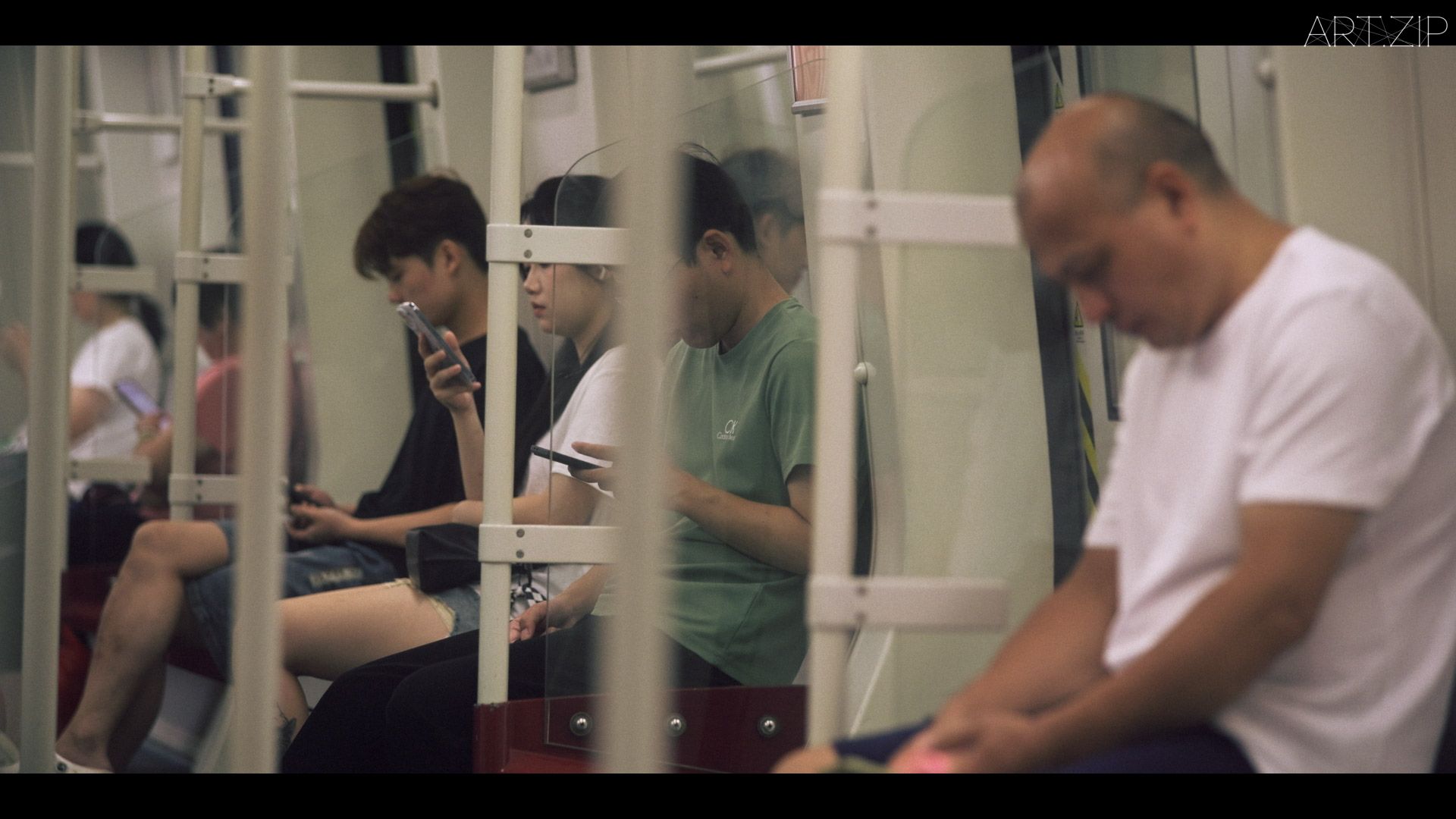
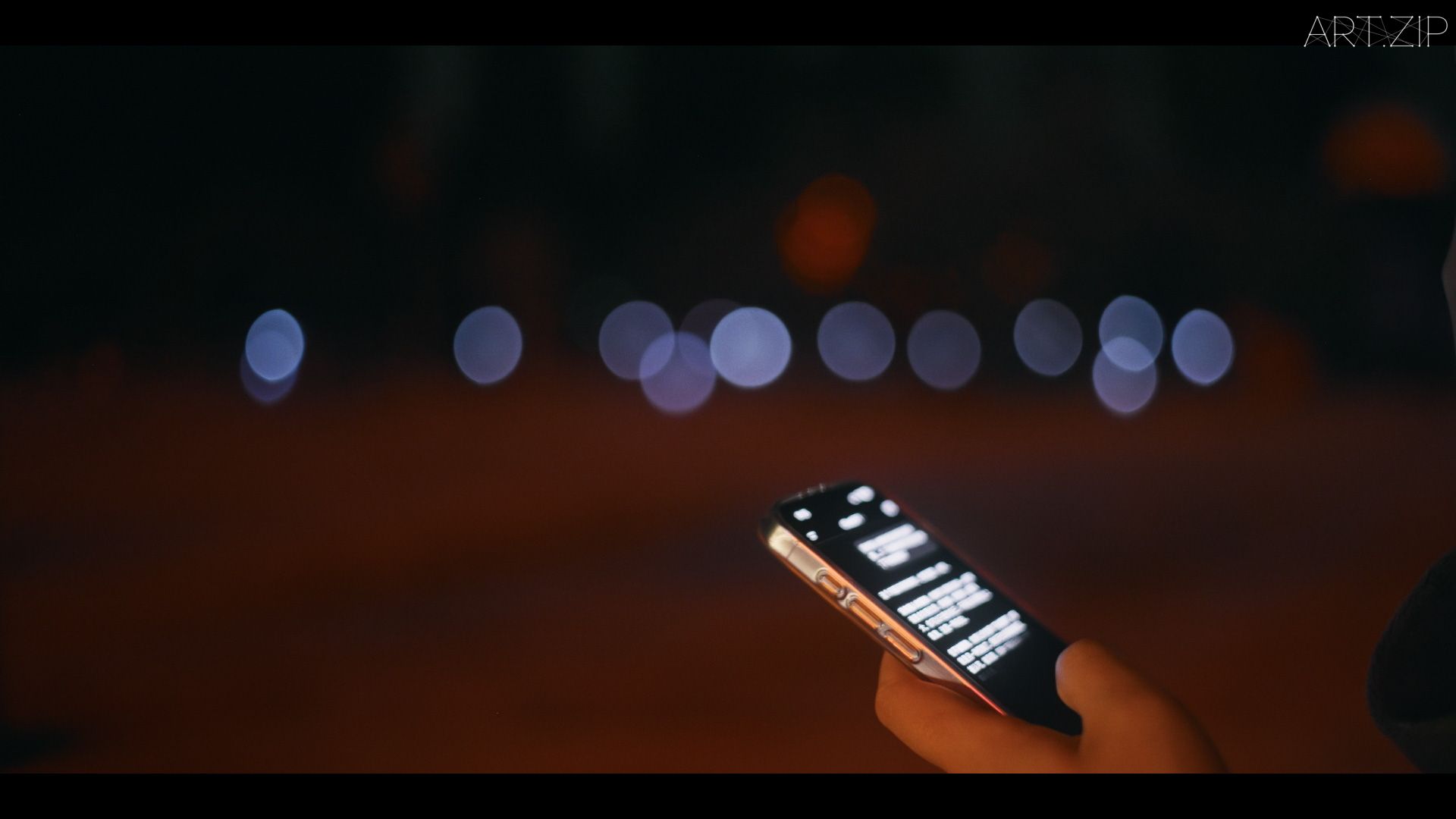
I wanted to put their perspectives side by side. They live in the same home, but when each picks up a phone, they may be hearing very different voices. I’m curious about how those voices find their way into everyday life and affect real relationships. At least in this marriage, when they ask themselves, “What’s gone wrong between us?”, they have very different answers.
AZ: From AI boyfriend subscriptions and paid character draws in otome games to cosplay commission dates charged by the hour, companionship is increasingly something people can buy. What do you make of this, and of the market’s role in intimate relationships?
LCW: I think there are already gaps between men and women, and the market sees an opportunity in them. Say I’ve spent far too long being the one who listens, and now I just want someone to listen to me for a while. But that isn’t something I’m getting in my existing relationship. When enough people are willing to pay for that kind of attention, products and services spring up to provide it. The market sees a need, and an opportunity.
Which brings me back to what we were saying earlier. Data is driving the way further and further apart.
It’s hard now to just sit down with someone for an hour and talk, to find out how their view of the world differs from your own. Even if you argue, even if you fight, at least you’re talking. It feels as though we have fewer chances to do that. Thinking about it, I barely even want to answer the phone these days. I’d rather people left a voicemail. I hope that one day — though perhaps that day will never come, I don’t know — we’ll still be able to sit down and have a proper conversation.
梁丑娃的父母看懂了電影講述的故事,卻不明白觀眾為什麼會在某些時刻發笑。而在平遙的媒體放映場上,有一陣笑聲也讓我印象深刻。
銀幕上,Muna的丈夫面對鏡頭談起中國女權主義。他認為當下的女權主義已經走得太遠,將離婚率上升歸因於女權主義,並表示女性覺醒不應該「既要又要」。放映至此,影廳裡響起了一陣笑聲。
AZ:您有預料到觀眾會有這樣的反應嗎?您覺得觀眾們在笑什麼?
LCW: 我對觀眾的反應總是後知後覺的,有點遲鈍。每個人笑的原因可能都不太一樣。也許有人覺得他說出了自己的心聲,忍不住笑了出來。也許有人聽到他把離婚率上升歸因於女權主義,覺得「咦,他怎麼會這樣想?」也笑了。坐在同一個影廳裡,大家在同一刻笑出來,心裡想的可能很不一樣。
AZ:所以在拍攝的時候發生了什麼?Muna的老公是有感而發,所以表達了這些觀點嗎?
LCW: 前採的時候略微聊過,之後在拍攝現場,他突然主動聊起了這個話題。客觀地說,首先,他非常坦誠,也很真誠地表達了自己的觀點。我們遇到的其他夫妻,很多男方無法像他那樣坦誠。因為他是抱著「我想讓你評評理,我想解決我們關係的問題」的這個希望而來的,他才同意拍攝。所以我很感謝他的坦誠。
其次,我們每個人都生活在自己的資訊繭房裡。就拿離婚這個話題來說,我平時刷到的帖子、點進去看到的留言,跟一個男性用戶看到的,可能很不一樣。如果我每天看到的都是跟自己想法差不多的人,我也很容易覺得,這麼多人都這樣想,我能有什麼錯呢?
我把這段留在電影裡,是因為它讓我想到,平台每天推給我們的內容,會不會也在影響我們怎麼理解自己的親密關係?Muna的丈夫原本是想講講他們夫妻之間的事,可是說著說著,他談起了女權主義,說他認為女權主義導致了離婚率上升。而從Muna的角度來看,她覺得自己在這段婚姻裡得不到她需要的情感回應,也感覺不到丈夫認可她的價值。
我想把他們兩個人的視角放在一起。他們生活在同一個家裡,各自打開手機,接觸到的卻可能是很不一樣的聲音。我很好奇,這些聲音是怎麼進入日常生活並對現實關係產生影響的。至少在這段親密關係裡,當兩個人談起「我們之間的問題出在哪裡」,他們心裡的答案很不一樣。
AZ:從AI戀人的訂閱服務、乙女遊戲的抽卡付費,到按時間收費的委託老師,情感陪伴正在以不同形式成為一種可以購買的服務。您怎麼看待這種變化,以及市場在親密關係中扮演的角色?
LCW:我覺得是兩性之間本來就有一些落差,所以市場看到了機會才會選擇性地進入。比如,我已經扮演傾聽者的角色太久,很希望有人可以聽我說一會話,但在我原有的關係裡,這個願望常常落空。當越來越多人願意為這樣的陪伴付費,市場便看到了需求和消費空間,這些產品和服務也就出現了。
那就回到剛才說的內容了。其實我們想法之間的差距,正在不可避免地被數據越拉越大。
我們現在很難就這樣坐下來,花一個小時好好地聊聊天,看看對方和自己有什麼不一樣的地方。哪怕有爭執、吵架也好,好好溝通一下,現在好像少了很多這樣的機會。說到這裡,我也聯想到自己,我現在連電話都不太願意接,寧願讓人留語音信箱。
我希望有一天——也許沒有這一天,我不知道——我們還是有機會可以坐下來好好聊一聊。
Still from Replica. Muna in the car. Courtesy of the director.
The Moments You Can’t Write 那些劇本之外的時刻
If understanding another person is already so difficult, how much of someone’s life can a camera really capture? Liang’s favourite scene in Replica came from a shoot that hadn’t gone to plan at all. For her, part of the attraction of documentary filmmaking is precisely what you can’t arrange in advance.
AZ: During your research and filming, did you ever think of turning these women’s stories into fiction? Perhaps when you found a compelling story but couldn’t persuade the person involved to appear on camera, or when you wanted to combine different people’s experiences?
LCW: I think that’s the beauty of documentary: the things you can’t predict, the things that go beyond any shooting plan you could write.
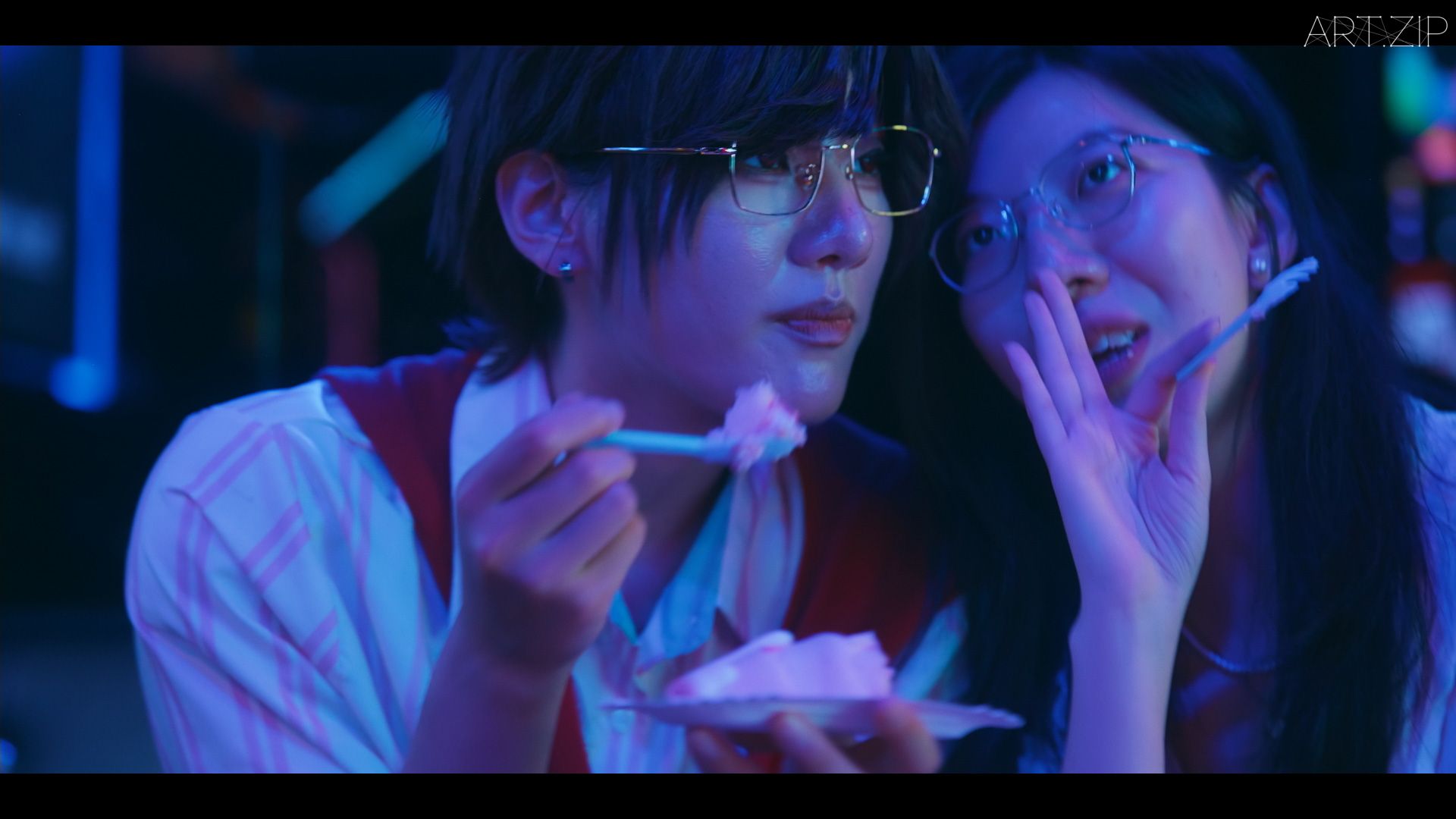
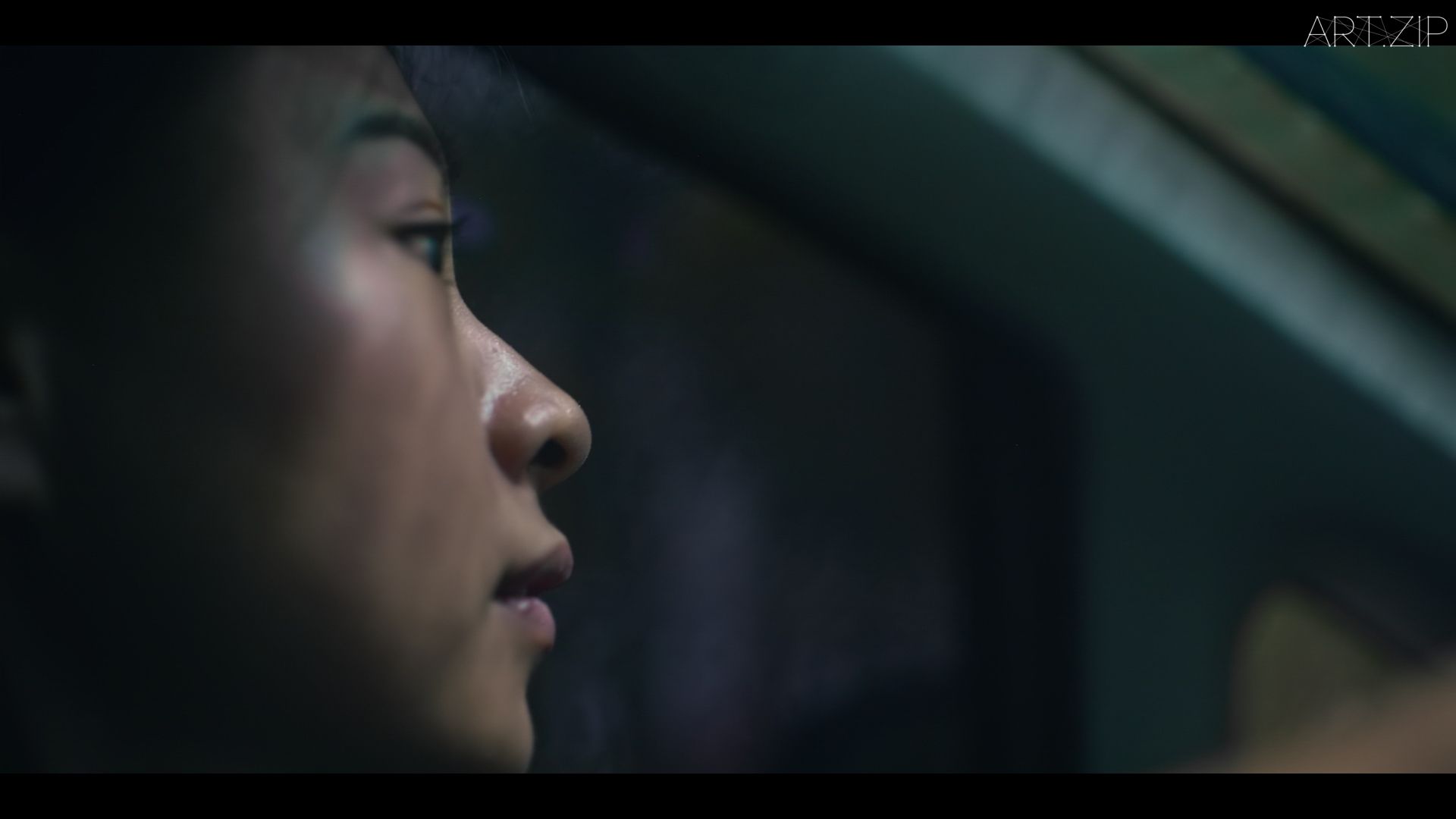
There’s a scene where Muna is sitting in a car. It’s raining, and she draws a rose on the window. We were on our way from one place to another and hadn’t planned to film anything during the journey. Then it started pouring and we were stuck in the car. The camera battery was nearly dead; we had about ten minutes left. Our camera assistant was in another car, and we didn’t have a spare battery with us.
The windows began to mist over. None of us said a word. Then Muna started drawing a rose on the glass. It’s my favourite scene in the film because none of us knew it would happen. I don’t think I could have written that into a script.
Some people have said the film looks almost staged. But these women seem so sincere because they are being themselves. What you see comes from them, not from something I could have written in advance or manufactured in the edit.
Of course, editing has its own magic. But there’s something about documentary that can’t be replaced. That uncertainty while filming is beautiful.
AZ: By the end of the film, it seems as though all three women have returned to their lives outside AI. I remember you saying in an earlier interview that you sometimes still open your old AI companion app, though you don’t really interact with it now. How do you see the relationships these women have with their AI partners, and how those relationships continue in everyday life?
LCW: I think the film gives the impression that everyone has returned to reality because I needed the story to end somewhere. But in real life, it isn’t so black and white.
I think everyone’s looking for a way for these relationships to coexist. Life doesn’t follow such a clear narrative. Things overlap, become intertwined, get messy. We’re all trying to find some kind of answer, some sense of direction, in the middle of that confusion.
AZ: You mentioned that intimate relationships in real life can remain messy and unresolved, while a film needs a more definite narrative ending. How do you negotiate between the two?
LCW: Perhaps I’m not quite skilled enough as a director yet. This is my first film, and I still don’t know how to portray that kind of messiness. Or perhaps it’s because these three women really did each have an ending of their own.
I also wanted people to leave the cinema with a little hope.
AZ: Do you still keep in touch with the three women now that filming has ended?
LCW: Their lives have all changed in different ways, mostly for the better. I think of them as friends, and I keep up with what’s happening in their lives. Qin came to Beijing with her mother recently, for example, and I helped them plan their trip while they were there.
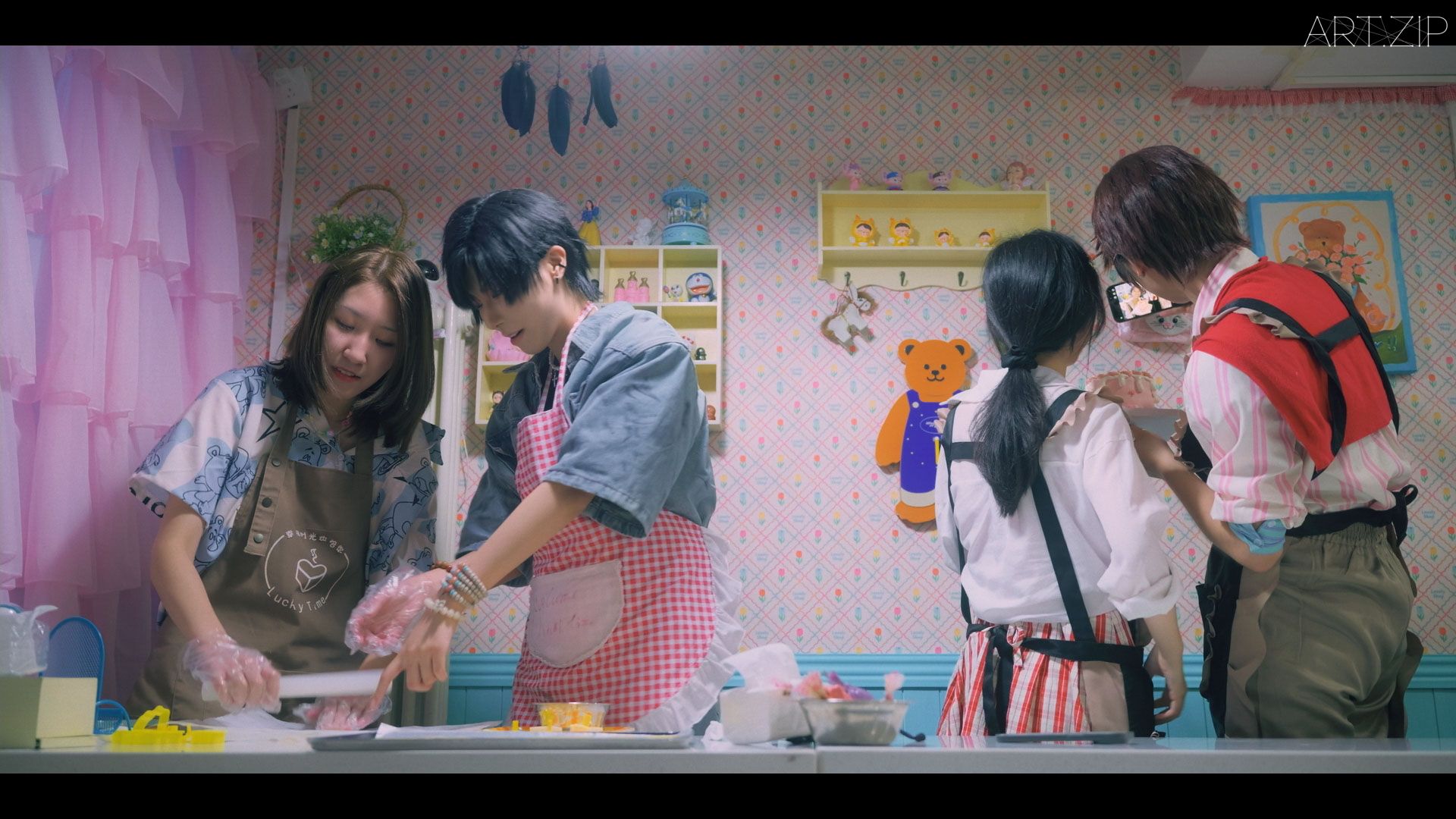
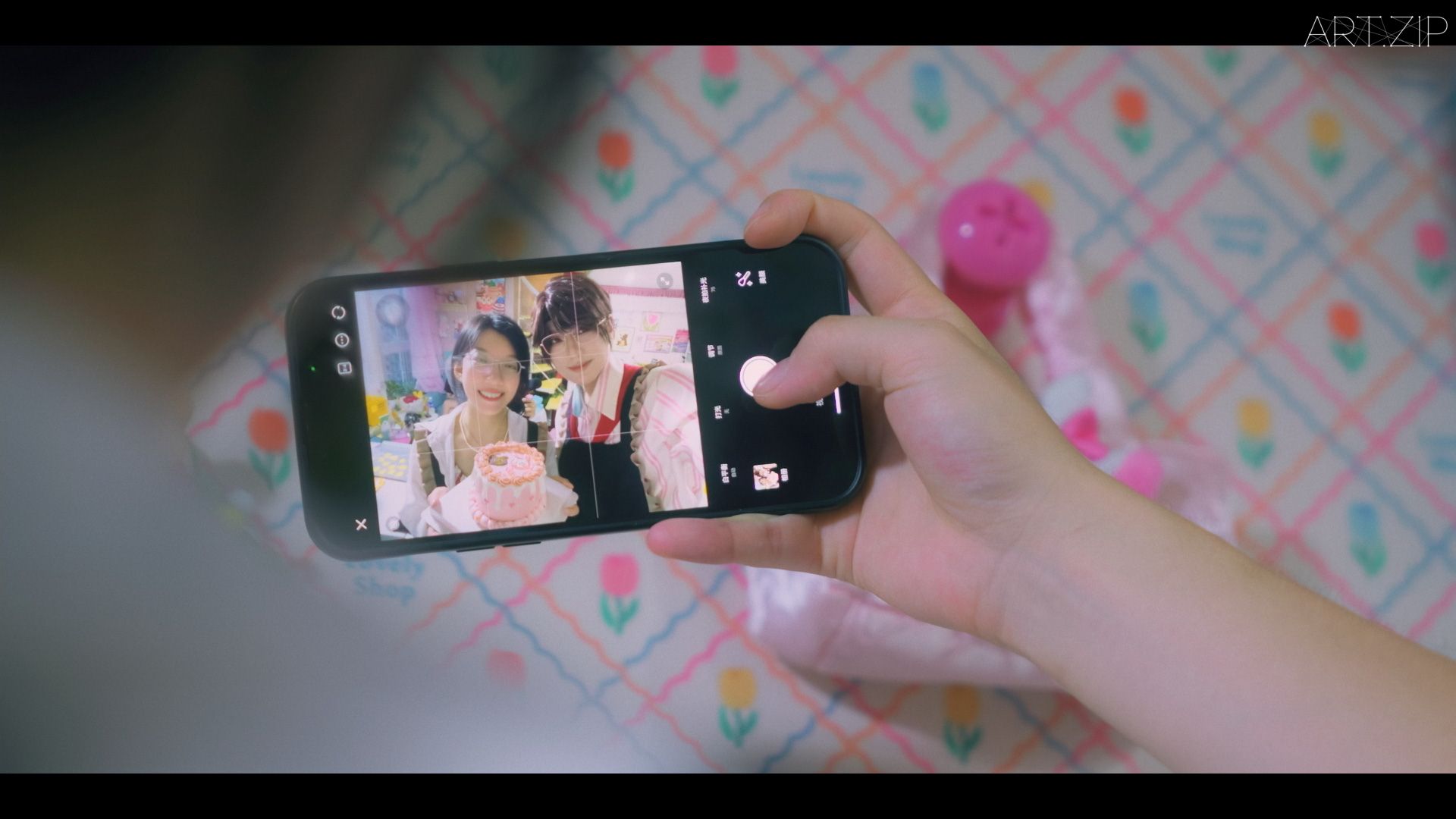
AZ: Your next documentary will focus on women who offer paid role-play dates, taking on the personas of male characters from otome games. What interests you about those shifts in identity, and about the women behind the roles they play?
LCW: I’m curious about the other side of the story. Who are these women when they’re out of character? What happens to their sense of self as they play different roles, and how do those roles change them in return? What about their own love lives? Do they have plans for relationships of their own? Do they imagine doing this for the rest of their lives? What happiness does the work bring them, and what pain?
There are so many layers to it. In Replica, I was looking mainly at the people receiving emotional companionship. In my next film, I want to get to know the people providing it. What’s it like to be the human “Party B” in that arrangement — the one hired to provide the companionship?
AZ: Do you think this kind of service is creating a new form of intimate relationship?
LCW: I wonder how many other services have involved this kind of emotional labour. I don’t think it’s entirely new. People have always wanted to be treated this way. The service itself is something old in new packaging. But whether the companionship becomes an intimate relationship — I’d rather hear what the women themselves have to say about that.
And it isn’t really an official spin-off of otome games, either. It isn’t official at all — it’s something users and players have come up with on their own.
AZ: From mothers and daughters to romantic partners, your films keep returning to intimate relationships. After all this time, what do you think makes a good — or a healthy — relationship?
LCW: Maybe I’ll know when I stop making films. I’m still making them, though. Maybe it’s because I don’t know the answer that I want to keep going.
如果人與人之間的理解本就充滿差異,當攝影機介入一個人的生活時,又能夠捕捉到多少真實?在《複製戀人》中,梁丑娃最喜歡的一個片段,恰恰來自一場完全不在計劃之中的拍攝。對於梁丑娃而言,紀錄片創作的吸引力,正來自這些無法安排的經歷。
AZ:在調研和拍攝過程中,您有沒有想過把這些人物的故事拍成虛構作品?比如遇到非常精彩的故事,卻無法邀請當事人出演,或者想把不同人物的經歷結合在一起?
LCW: 我覺得紀錄片的魅力就在於那些不確定的事情,就是那些超出原本拍攝計劃的時刻。
影片裡有一場戲,是Muna在車裡,那天下雨了,她在車窗上畫了一朵玫瑰。那個時候,我們本來是想從一個地方去另一個地方,並沒有打算在這段路上拍攝。但是突然下起了雨,大家都被困在車裡。相機的電量也所剩不多,只能再拍十分鐘左右,而攝影助理當時還在另一輛車上,我們手邊也沒有備用電池。當時車窗玻璃上漸漸蒙起了一層霧氣。我們幾個人都沒有說話,Muna突然開始在車窗上畫起了玫瑰花。這是我在整部影片裡最喜歡的一場,因為它是不確定的。如果讓我寫劇本,我可能寫不出來。
雖然有人說,這部電影看起來有點像偽紀錄片,但其實她們之所以看起來如此真誠,就是因為她們很真實。因為她們是真誠地呈現自己,而不是我事先能夠寫出來,或者通過後期剪輯創造出來的。
當然,後期也有它的魔法在,但我覺得紀錄片的魅力是無法被替代的。現場的這種不確定性很美好。
AZ:影片的結尾似乎讓三位女性重新回到了現實生活。我記得您之前在採訪裡提到,自己偶爾會打開以前的AI伴侶看看,卻不太會互動了。您是怎麼看待她們與AI伴侶的關係,以及這些關係在現實生活中的延續?
LCW: 我覺得在片子裡面,好像說人們都回歸到現實了,是因為我在講故事的敘事上需要一個落腳點。但真正地回歸到現實生活中,好像沒有那麼黑白分明。
我覺得大家在尋找一個共存的方式。這個敘事不會如此清晰,可能就是共生的、交織著、混亂不清的、混沌的。我們都在試圖在這個混沌裡找一個答案,找一個方向。
AZ:您剛才提到,真實生活中的親密關係可能始終是混沌的,而電影又需要一個相對明確的敘事落腳點。這兩者之間是否存在某種難以避免的取捨?
LCW:可能是我導演能力還不夠。這是我的第一部作品,就是我不知道如何描繪一個混沌的狀態。或許,也可能是因為這三個角色確實都有各自的結局吧。我也希望觀眾稍微帶一點希望走出電影院。
AZ:拍攝結束後,您還會繼續關注三位女孩的生活嗎?
LCW: 她們都有不同的變化,都是挺好的那種變化。我可能會和她們當朋友,會關注她們的一些近況。比如說秦前一陣子和她媽媽一起來北京,我會幫她們安排一些出行的計劃。
AZ:您的下一部紀錄片計劃關注「委託老師」。當一個女孩扮演另一個女孩心目中的理想男性時,您對這種身份轉換,以及扮演者自身的生活,有哪些好奇?
LCW: 我好奇這個故事的另一面是什麼樣的,這些委託老師,她在「皮下」是什麼樣的人?她扮演不同角色時會轉變成什麼樣的身份,而這些身份又反過來塑造了她什麼?她未來是否有自己的感情計劃,還是她打算做一輩子?這份職業給她帶來了什麼樣的幸福或者痛苦?我覺得這個故事有太多太多層次了。因為在《複製戀人》裡面,主要關注接受情感服務的一方,所以在下一部,我想更多了解提供服務的這一方。她們作為「人類的乙方」,會是一種什麼樣的狀態?
AZ:您覺得這種服務正在形成一種新的親密關係嗎?
LCW: 我現在在想,是不是有很多類似的提供情緒勞動的服務啊。這應該不算一種全新的發明,人一直都有被這樣對待的需要。就服務本身來說,有點像是老東西換了個新殼。至於這份陪伴算不算一段親密關係,我覺得還是要聽她們自己怎麼說。
它也不算是乙遊的一個衍生品,它不是官方的,是一種自主行為,屬於用戶玩家的自主行為。
AZ:從母女關係到戀人關係,您的創作一直在關注親密關係。拍到現在,您覺得什麼才算是好的,或者說健康的親密關係?
LCW: 可能什麼時候我不拍了,我就有答案了。我現在還在拍,可能還是因為不知道答案是什麼,我才有動力去拍。
Interview and Text by Dr Hening Zhang
Edited by Michelle Yu