
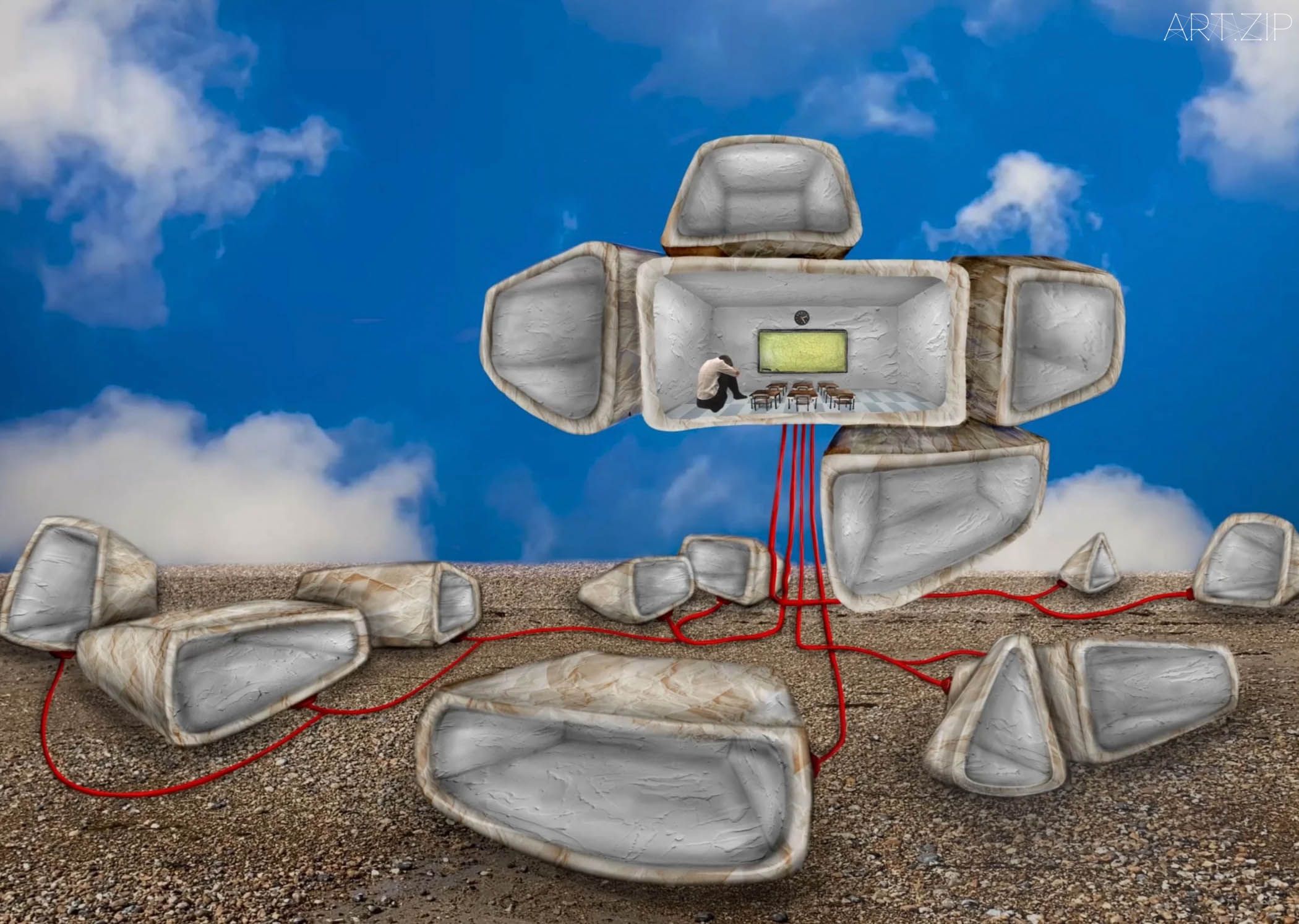
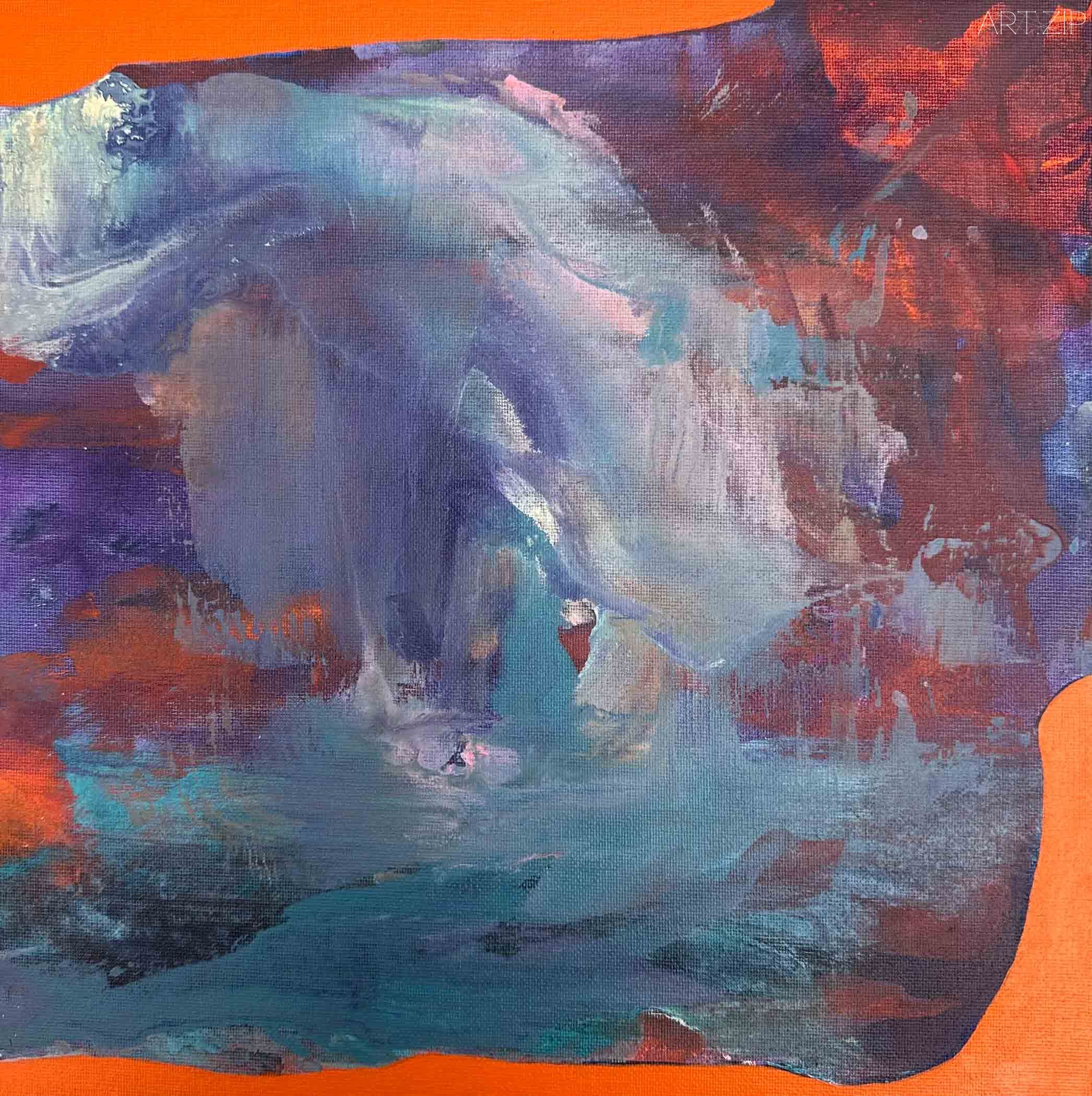
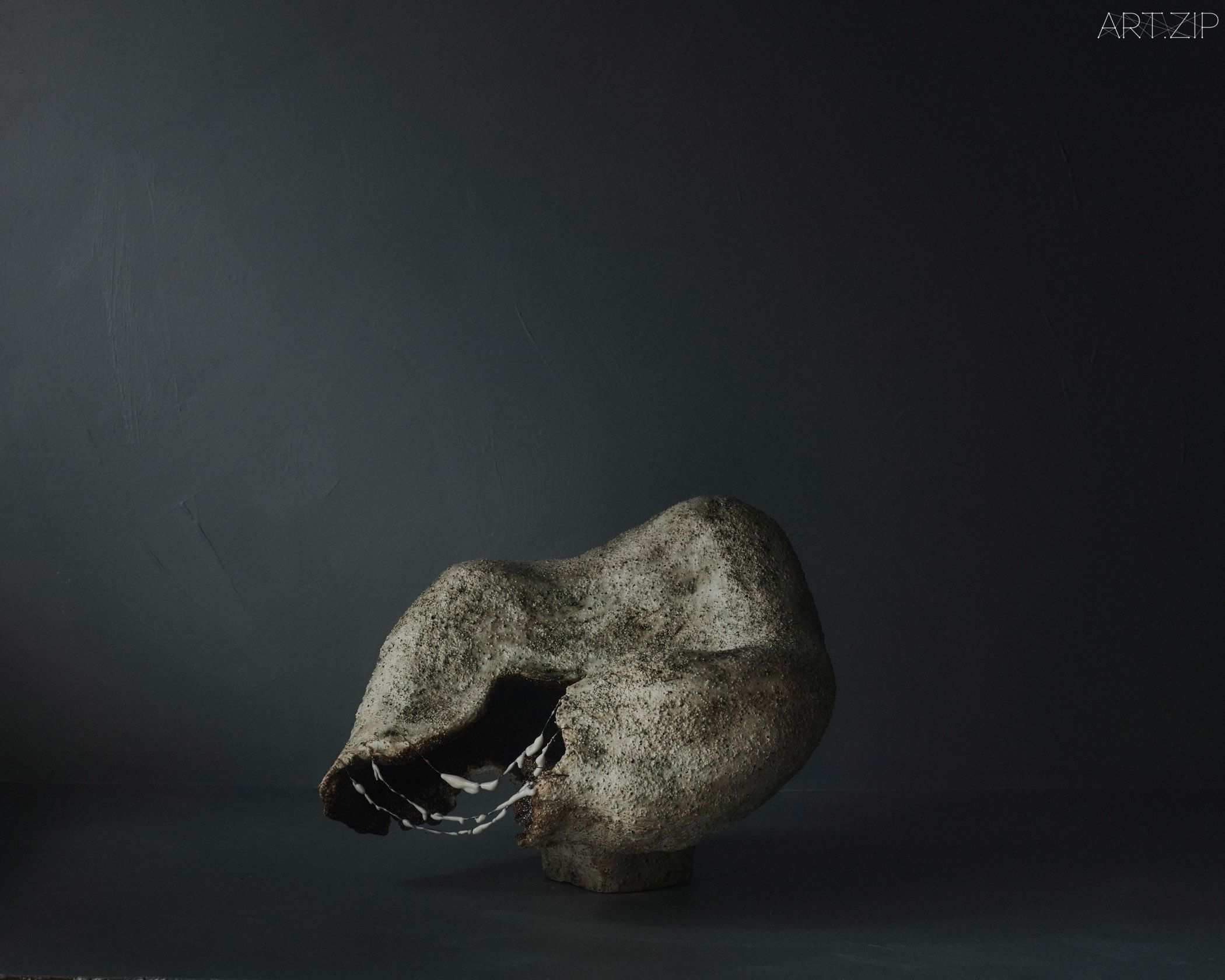
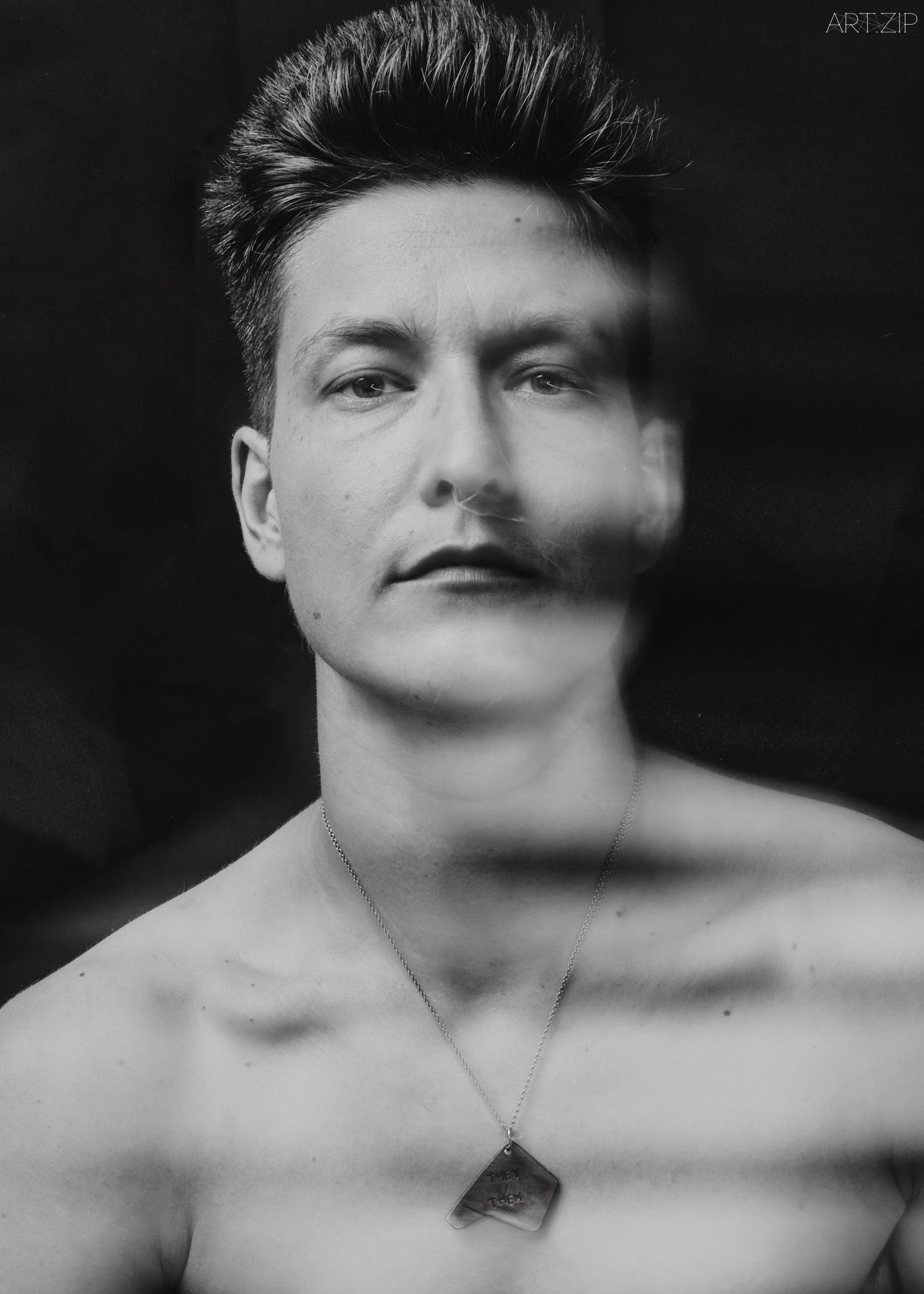
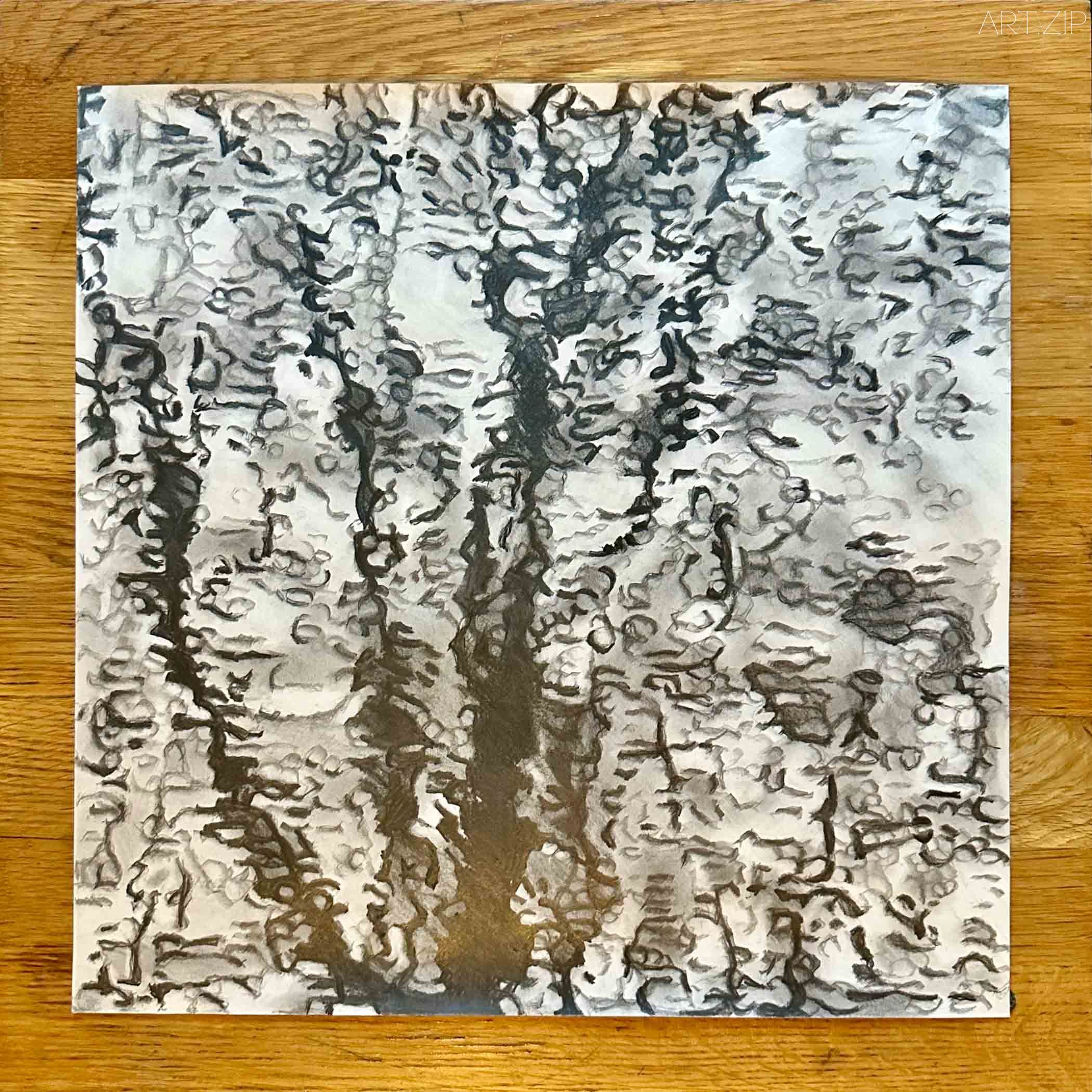
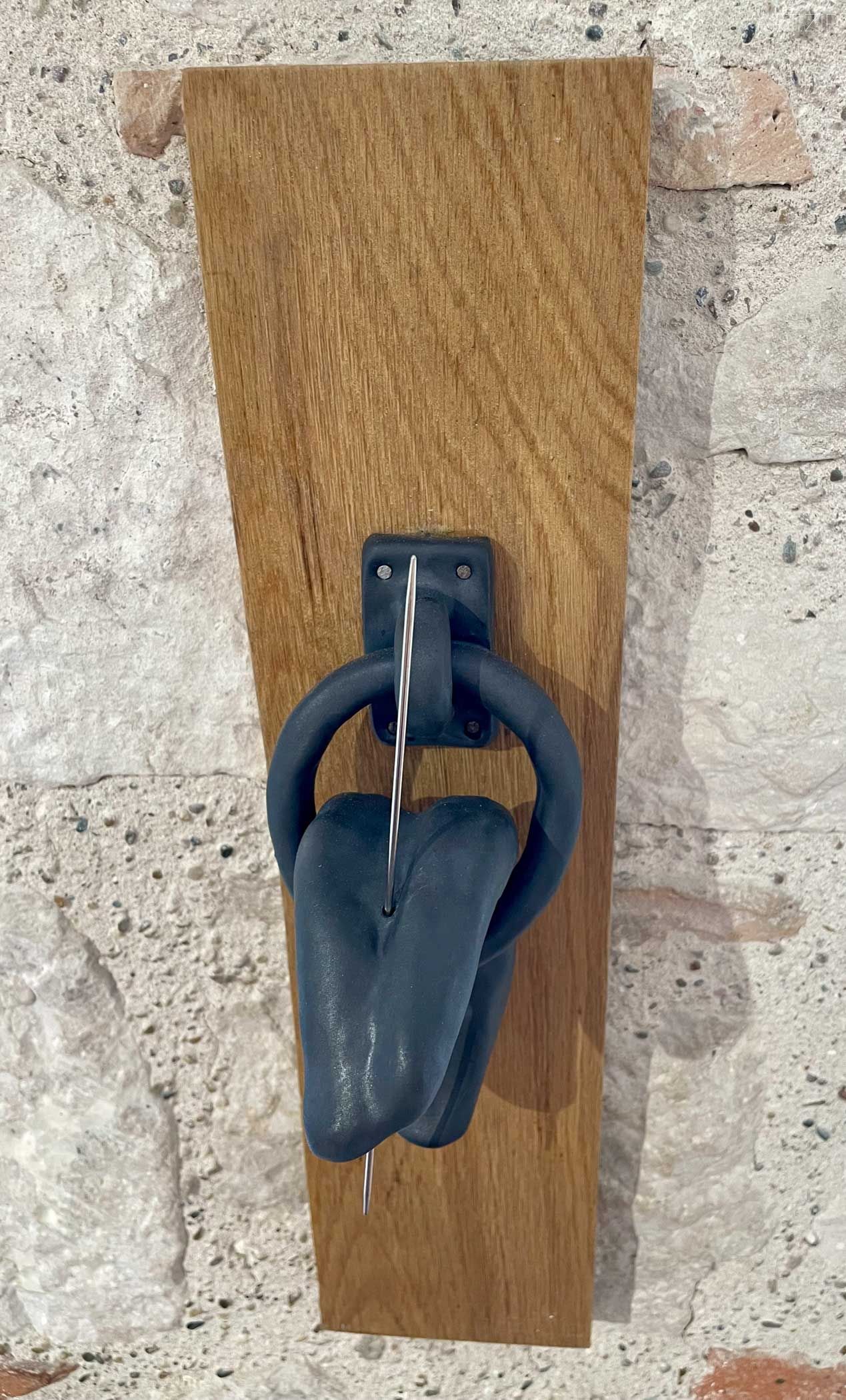
This October in Venice, Unseen—a major international group exhibition—reframes vision itself, reaching beyond the visible into the felt, remembered, and imagined. Featuring 20 headline artists including Fion Gunn, Amy Jackson, Shoran Jiang, and Audrey Mullins, the show explores thresholds where sight yields to instinct and memory blurs into suggestion. The lead artists also present 70 participating works forming a visual matrix called the exquisite corpse, inherited from the Surrealists, in which artists create sections without seeing each other’s contributions. Online media reveals unexpected hidden connections, offering viewers open-ended interpretation.
More than a conventional group show, Unseen is a visual and discursive meeting point—exploring the gap between the overlooked and erased, the archived and imagined. Through painting, installation, moving image, and mixed media, it turns attention to cultural narratives and identities beyond the dominant frame, waiting to be truly witnessed.
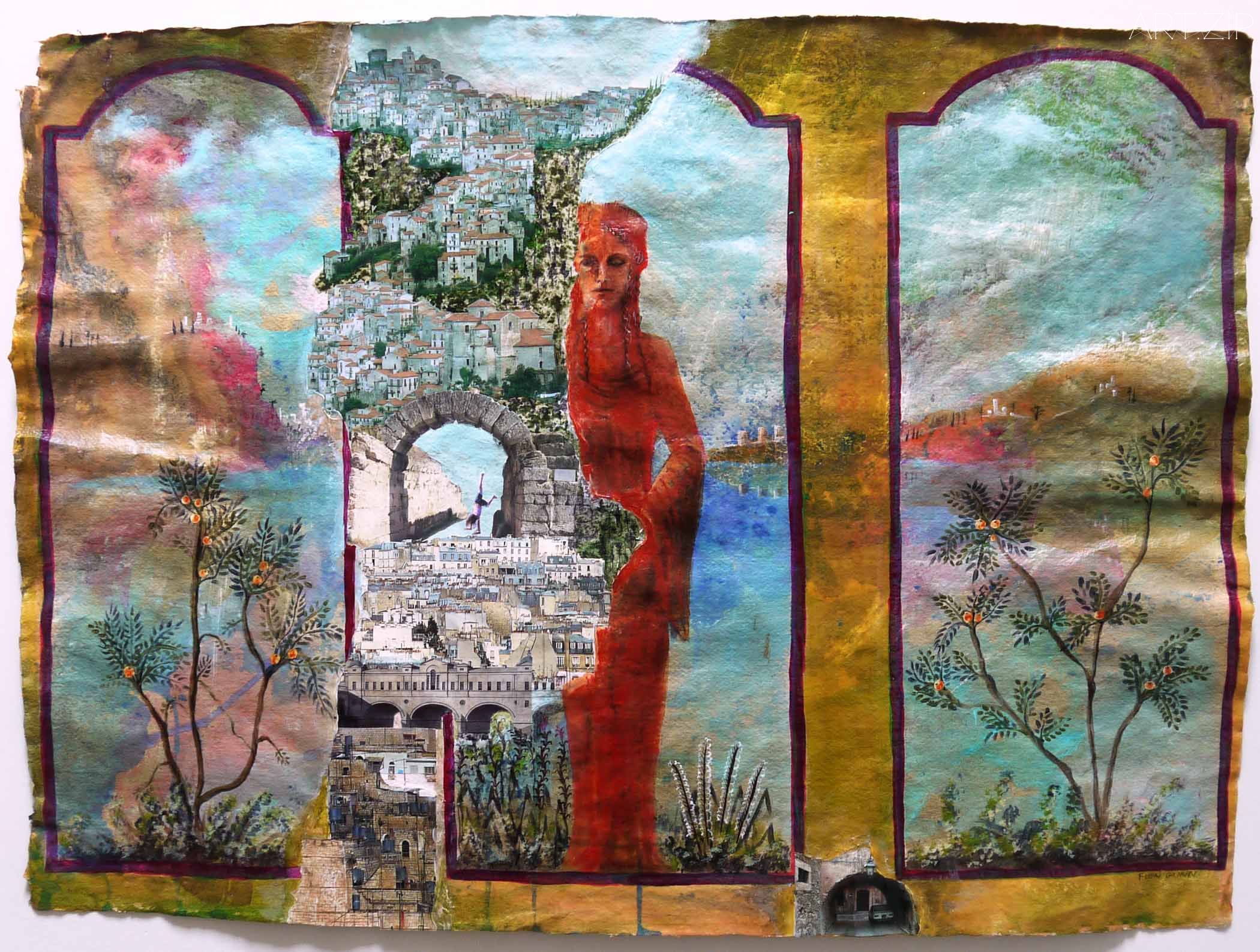
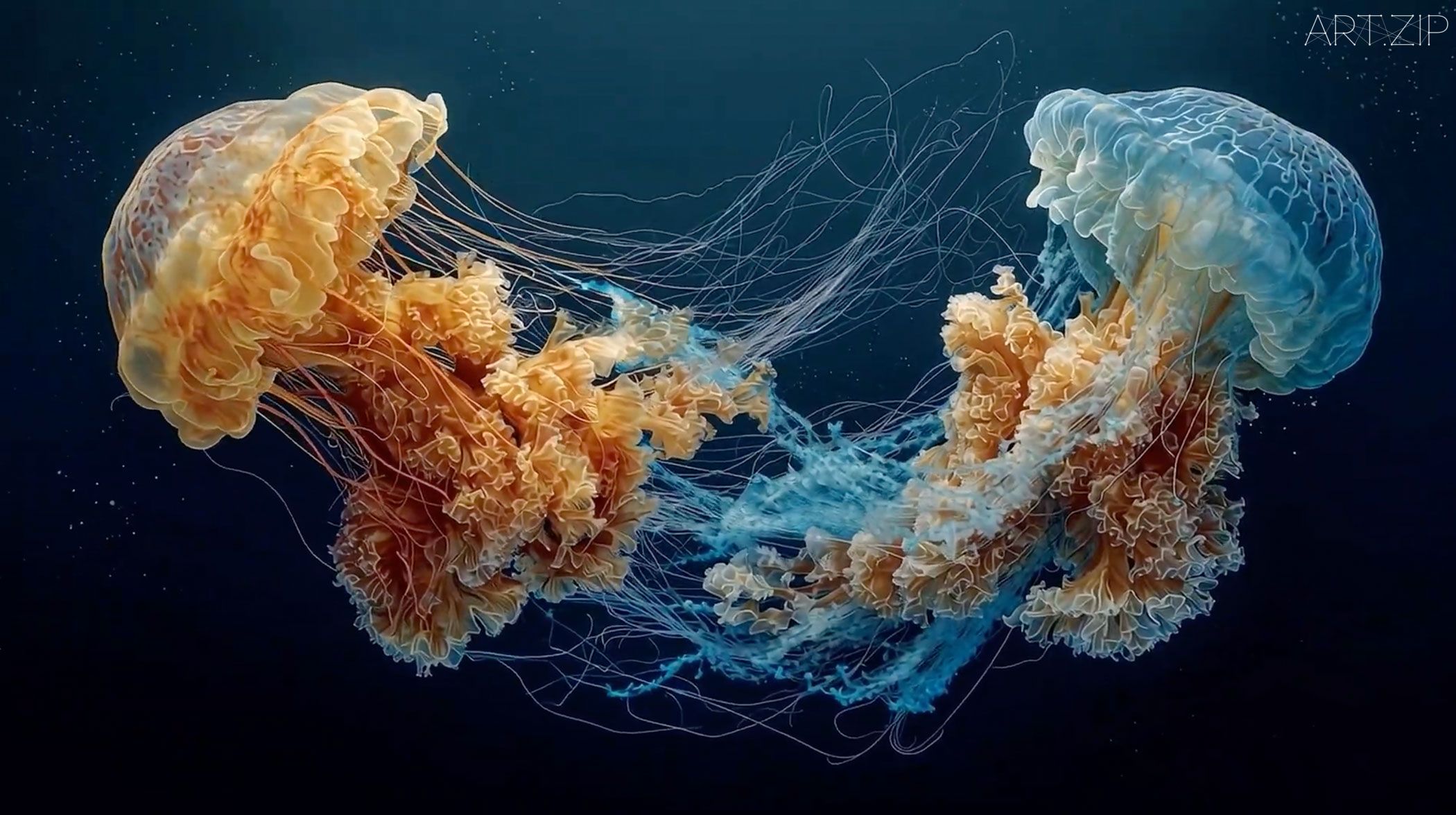
Curated by artist Amy Jackson, with Groves Gong as Academic Curator, the exhibition is shaped by a distinctive approach: it does not seek to simply recover the invisible as a lost object, but asks us to reflect on the politics of attention itself—how we see, and why certain stories remain in the shadows. The exhibition expands the methods and connotations of the exquisite corpse, integrating the interactivity of online and offline exhibitions, allowing art to be seen and discussed in more ways.
“We are bringing artists together to ask not only what we see, but how and why we see it—and what happens when we share those perspectives with one another,” says Jackson. “It is an experiment in seeing differently, together.”
“The unseen is not necessarily absent,” notes Gong. “It lingers in visual signs, in architectural traces, in collective memory. This exhibition asks how contemporary artists can make those buried histories perceptible—and how art might act as a bridge between peoples, cultures, and temporalities.”
Venice—a city built on water, migration, and mercantile encounter—provides an achingly resonant backdrop. Its layered surfaces and labyrinthine geography have long made it a site of both spectacle and mystery. During the Biennale, Unseen adds a new layer: it turns the visitor’s gaze toward the margins of the city’s grand narrative, inviting us to consider which stories have been allowed to shine, and which have remained submerged.
Central to the exhibition is intersubjectivity—the charged space between viewer and artwork, artist and context, cultures in conversation. The works do not simply present; they invite, exchange, and reimagine. Headline artist Fion Gunn echoes this: “For me, Unseen is about generating a genuine dialogue between distinct visual languages and lived experiences. Venice, as a meeting point of East and West, past and future, is the ideal place for that conversation to unfold.”
With a programme that interweaves critical dialogue with sensory encounter, Unseen positions itself as more than an exhibition—it is a platform for new forms of looking, listening, and connecting. By placing the overlooked at the centre of the frame, it invites audiences to become thoughtful participants in the construction of meaning, and to recognise that what remains hidden often has the most to offer.
Headliners:
Alison Little, Clee Claire Lee, Cinematiks(Leslie Streit and Robin McCain), Emaan Pirzada, Haylee-Louise Hollohan, Helen Lom, Jill Gibson, Jiyont Kym, Manuela Johanna Covini, Nicol Breeze, Peter Brandt, Raykhan Laing, Soil, Suzy O’Mullane, Tanya Xmyra, Tracy Harris, Wendy Couchman, Xiyu Wang, Xu Xiaowei, Yagmur Karaman.
Participant artists:
Aisha Fatima, Alex Comaniciu, Andrew Ustinov, Andy LeBlanc, April Lisa, Arthur Jacoby, Bahar Talebi Najafabadi, Bug, Buku Sarkar, Carly Roach, Carol Burns, Claudia Ungersbäck, David Faulkner, Dex Hannon, Egli Petta, Elena Shcherbina, Elizabeth Benson, Fan Zhen, Gao Guanyi, Geraldine Leahy, Glyn Jones, Helen Jones, Holly Nerreter, Jen Cable, Jiayue Wang, Jingyun Guan, John Crawshaw, Judy Sale, Juli Fejer, Julia Alexandra Beer, Julia iSABEL, Jun Iwase, Karen Shakespeare, Karen Williams, Kate Peel, Katrina Rawcliffe, Laura Jagger, Leslie Streit, Linda Cassels, Lou Liska, Lynn Pan, Maria Chrisá, Mei Lock, Muchuan Chen, Natasha Abrahams, Olena Hrynevych, Quin de la Mer, Rick and Sue Lord, Ringgit Juliana Siahaan, Robin McCain, Rosalind Stoddart, Rosie Burns, Sally Spinks, Samiya Younis, Sandra Chen Weinstein, Sara Choudhrey, Shanali Perera, Sheetal Durve, Stephanie Jaffe, Susan Williams, Sylvie Gral, Tabitha Curtis, Ursula Vargas, Vian Borchert, Xie Shan
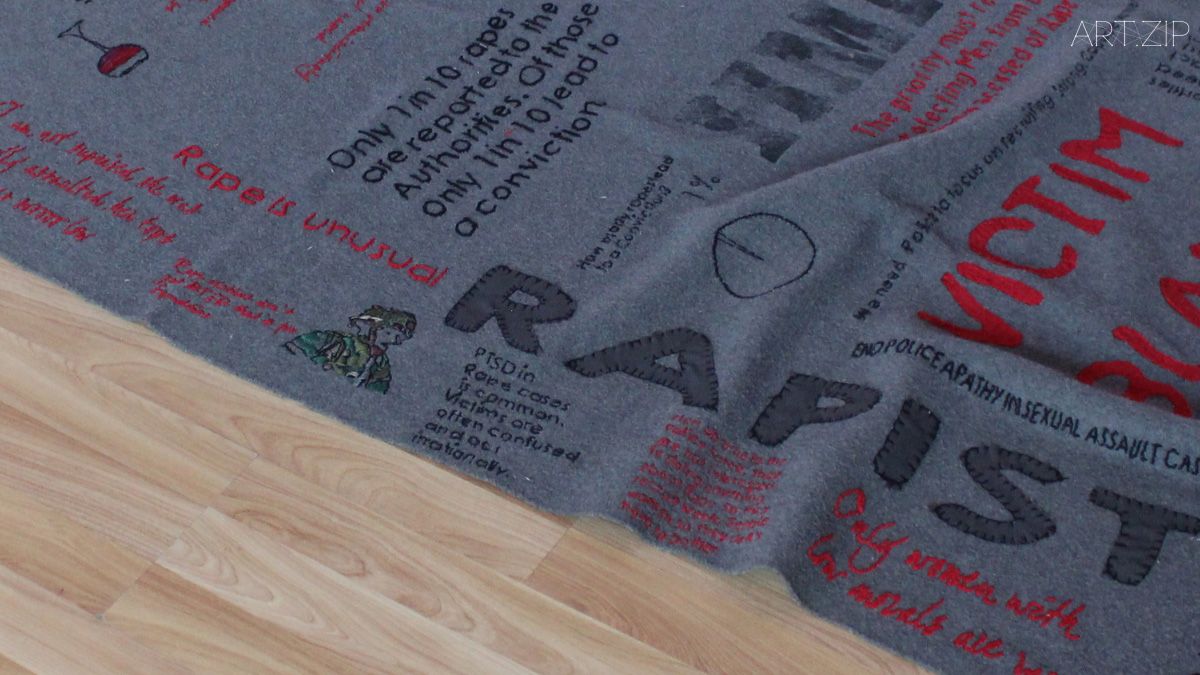
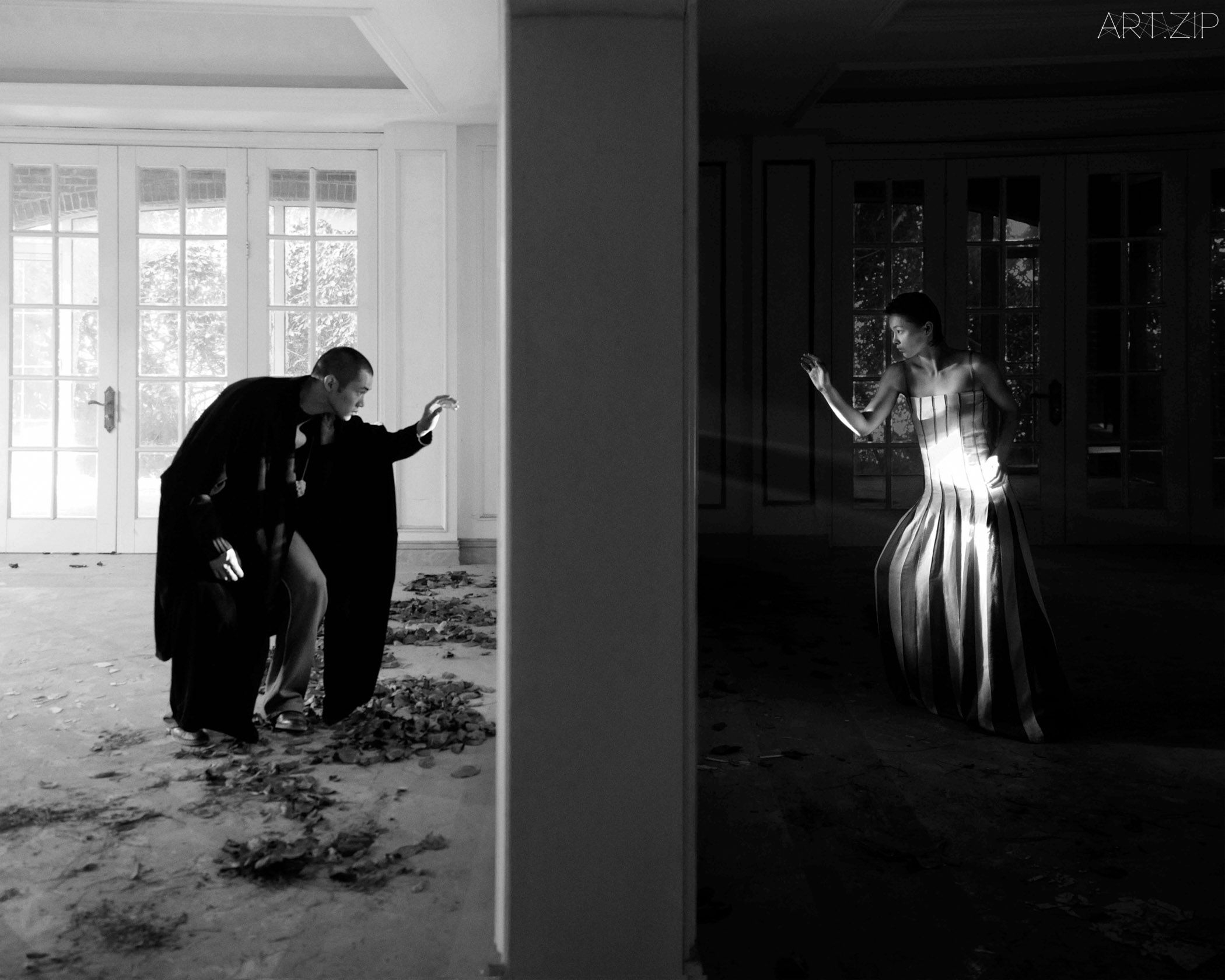
今年十月,《未見之境》將在威尼斯亮相——這是一場重要的國際群展,旨在重新定義“觀看”本身,將視野延伸至可感之物、記憶之物與想象之物。展覽匯聚了來自全球的20位領銜藝術家,包括Fion Gunn、Amy Jackson、Shoran Jiang、Audrey Mullins和徐曉偉等。展覽駐留於視覺讓渡給直覺、記憶模糊為暗示、半隱半現往往最具揭示力的邊界之上。它不提供答案,而是給予一種難得的許可:讓我們停下腳步、發出追問,並以嶄新的目光去觀看。領銜藝術家們還將以多種方式呈現另外70件參與共創視覺矩陣的藝術作品。該矩陣被稱為精緻屍體(exquisite corpse),承襲自超現實主義團體,它通過讓多位藝術家在看不到前一位貢獻者作品的情況下各自創作不同部分來完成一件藝術品。利用網絡媒體的特性,讓更多意料之外的隱藏聯繫顯現。由此《未見之境》將為觀者帶來開放式的解讀。
《未見之境》並非一場傳統的群展,而是一個視覺與思辨的交匯點——探討被忽視與被抹除、被歸檔與被想象之間的空隙。通過繪畫、裝置、動態影像和混合媒介,展覽將我們的注意力引向那些存在於主流框架之外的文化敘事與身份——它們等待著被看見,更等待著被真正見證。
展覽由藝術家Amy Jackson策展,龔之允擔任學術策展人,其獨特之處在於:它並非試圖將不可見之物作為“失落的對象”加以恢復,而是邀請我們反思“關注”本身的權力結構——我們如何觀看,以及為何某些故事始終隱匿於陰影之中。該展覽擴展了精緻屍體的方法和內涵,融合了線上和線下展覽的互動性,讓藝術能夠以更多的方式被觀眾看到和討論。
Jackson表示:“我們將藝術家們聚在一起,不僅要追問我們看到了什麼,更要追問我們如何看、為何看,以及當我們彼此分享這些視角時會發生什麼。這是一場關於‘共同以不同方式觀看’的實驗。”
龔之允指出:“未見之物未必缺席。它潛藏在視覺符號中、建築痕跡里、集體記憶內。本次展覽探討的是:當代藝術家如何讓那些被掩埋的歷史變得可感——藝術又如何在民族、文化與時代之間架起橋梁。”
威尼斯——一座建基於水、遷徙與商貿相遇的城市——為這場展覽提供了極具共鳴的背景。其層疊的表面與迷宮般的地理格局,長久以來使其成為奇觀與神秘並存的場所。在雙年展期間,《未見之境》再添新層:它將觀者的目光引向這座城市宏大敘事的邊緣,邀請我們思考哪些故事被允許閃耀,哪些故事始終沉沒於水底。
展覽的核心是“主體間性”——觀者與作品、藝術家與語境、文化之間相互對話的張力空間。作品不僅是在呈現,更是在邀請、交流和重新想象。領銜藝術家Fion Gunn對此回應道:“對我而言,《未見之境》關乎在不同視覺語言和生活經驗之間建立真正的對話。威尼斯作為東西方、過去與未來的交匯點,正是這場對話展開的理想之地。”
通過將批判性對話與感官體驗交織在一起的策劃方案,《未見之境》不僅是一場展覽,更是一個新型觀看、聆聽與連接的平台。它將那些被忽略的事物置於畫面中心,邀請觀眾成為意義建構中的自覺參與者,並意識到:那些隱藏之物,往往最富有啓示。
Unseen – Seeing Differently
KUNST DEPOT VENZIA
14–24 October 2026