


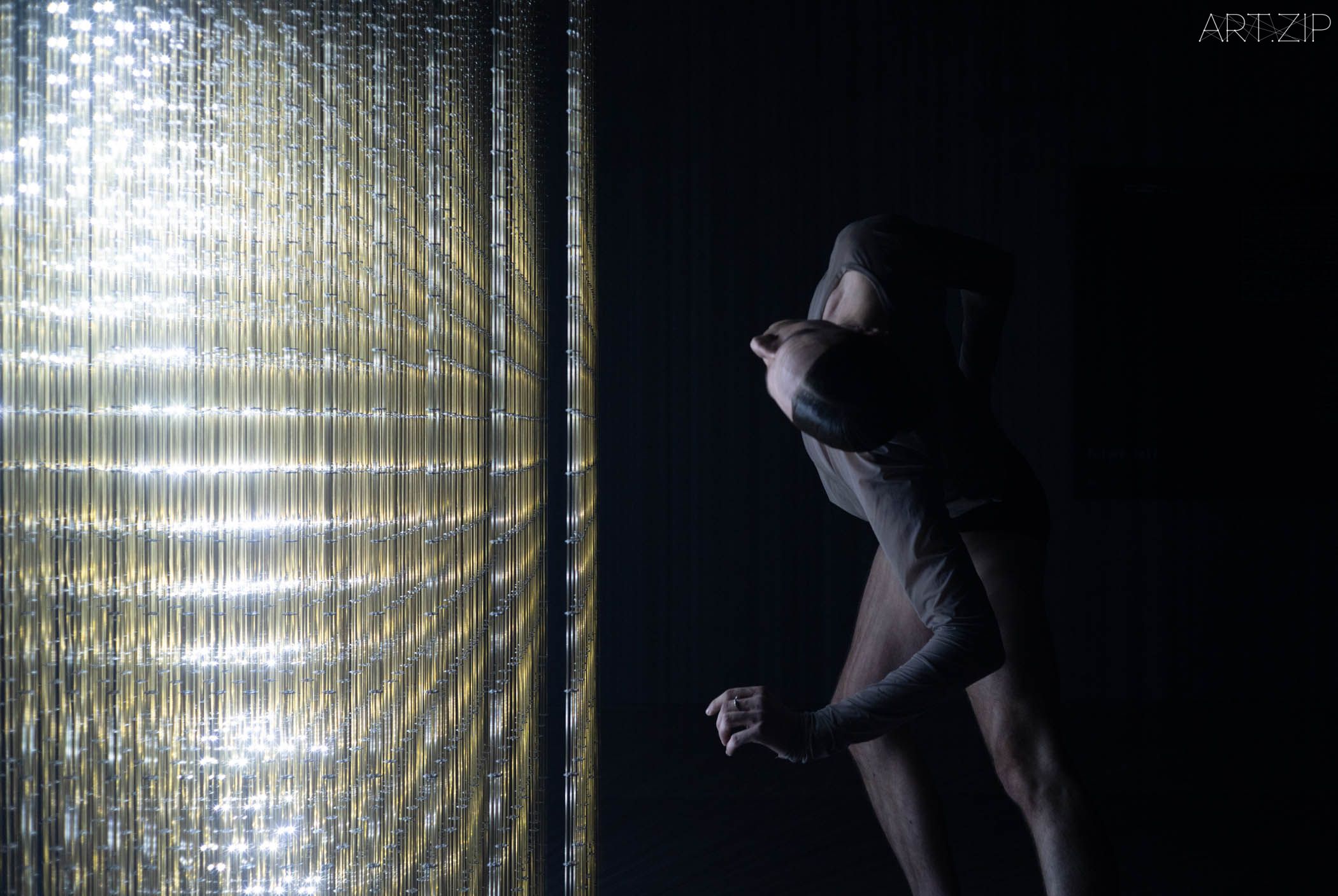
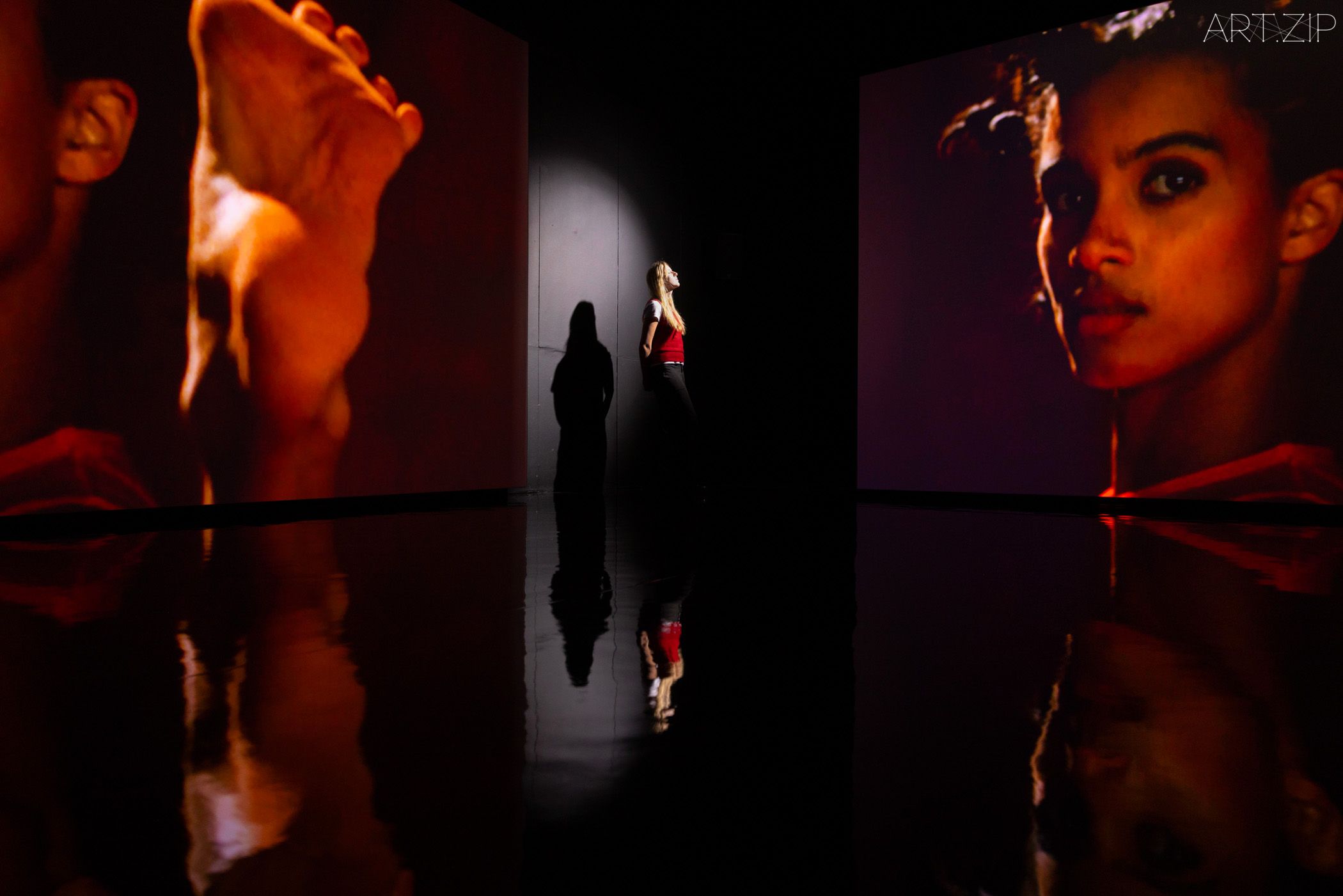
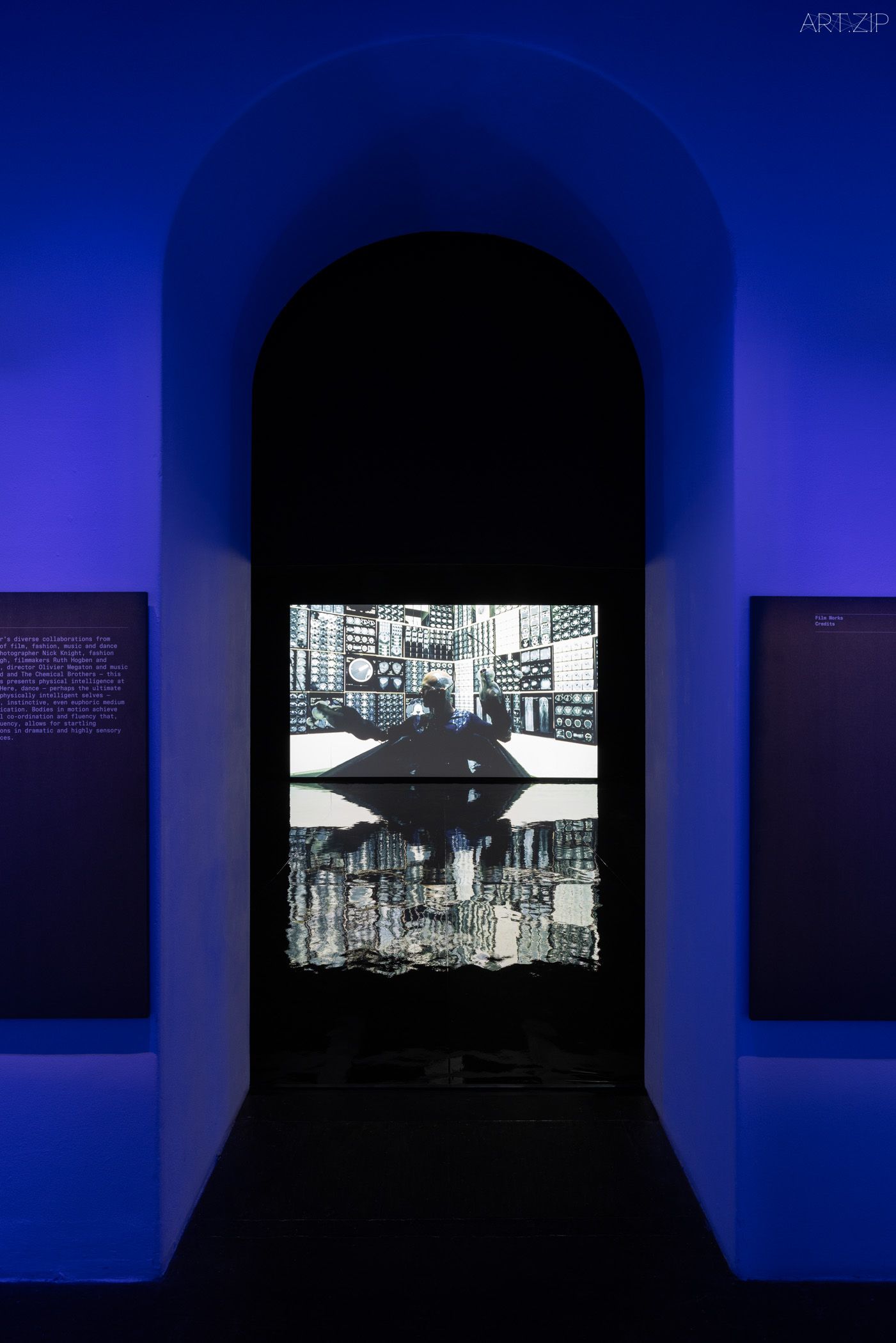
Entering the exhibition hall of Wayne McGregor:Infinite Bodies, the human form is reconfigured through technological elements, visual effects, and sound. Body, movement, dance, technology, Wayne McGregor has spent three decades exploring the subtle transformations between the human body and technological forces.
As Resident Choreographer of The Royal Ballet, Artistic Director of Studio Wayne McGregor, and Artistic Director of Dance at the Venice Biennale, McGregor is regularly commissioned by the world’s leading dance companies. His choreography is highly acclaimed, known for groundbreaking collaborations across dance, film, theatre, music, and technology.
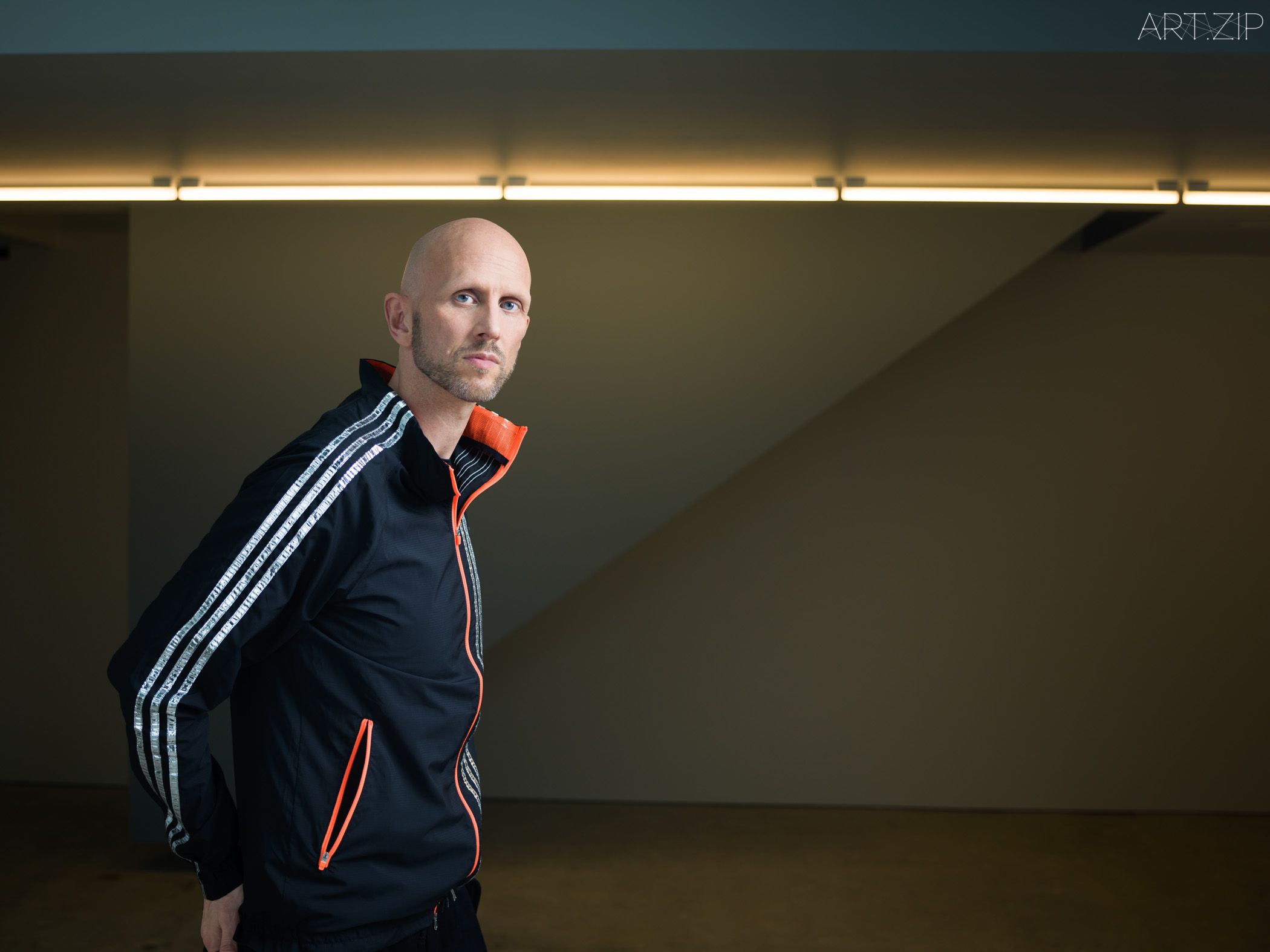
Sir Wayne McGregor. Photo credit: Pål Hansen
For Somerset House’s 25th anniversary, McGregor collaborated with exhibition director Dr. Cliff Lauson and writer Philippa Dunn to co-curate a presentation of more than thirty years of cross-disciplinary exploration. It includes collaborative works with world’s top artists, designers, technologists, and creative practitioners. The exhibition comprises a range of large-scale installations and moving-image works spanning dance, digital imagery, artificial intelligence, light structures, and spatial sound. It is, without doubt, a sensory feast driven by an irresistible desire to explore.
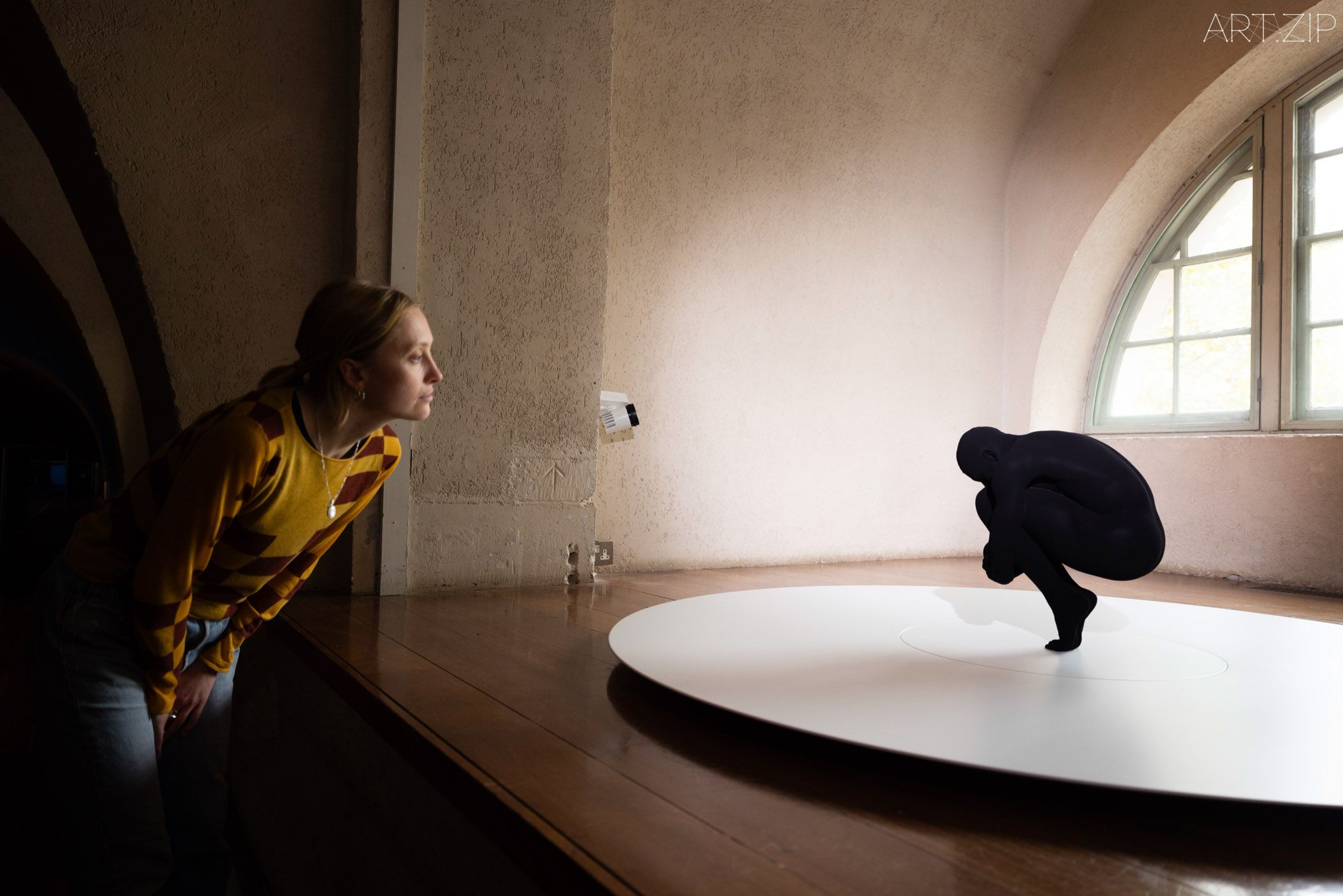
Model with Print Phase I, II, III (2025) Wayne McGregor. Part of Wayne McGregor Infinite Bodies exhibition at Somerset House. Photo: David Parry PA Media Assignments
The Moment of Sensory Reconstruction: From Light and Machinery to Sound Waves
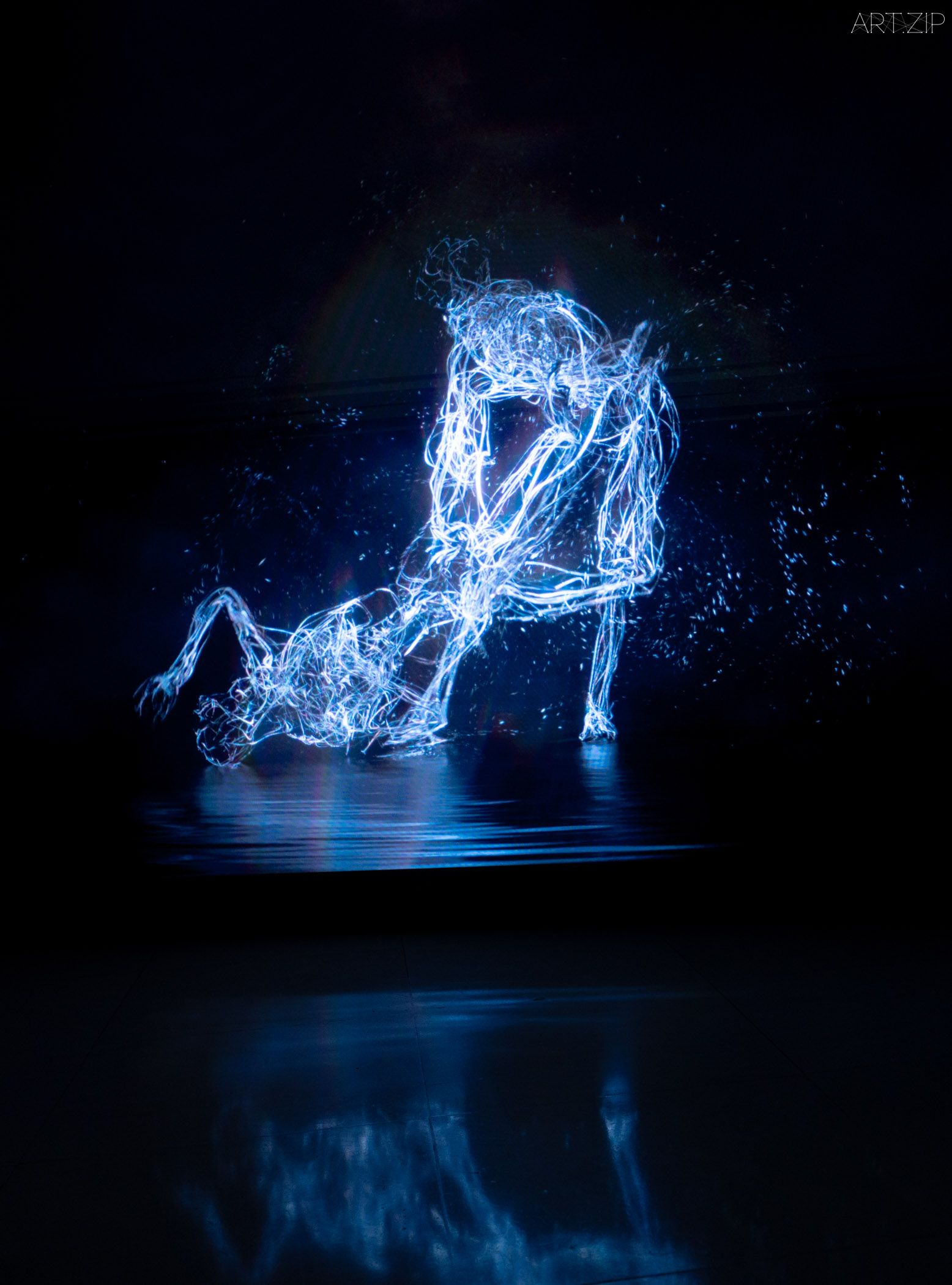
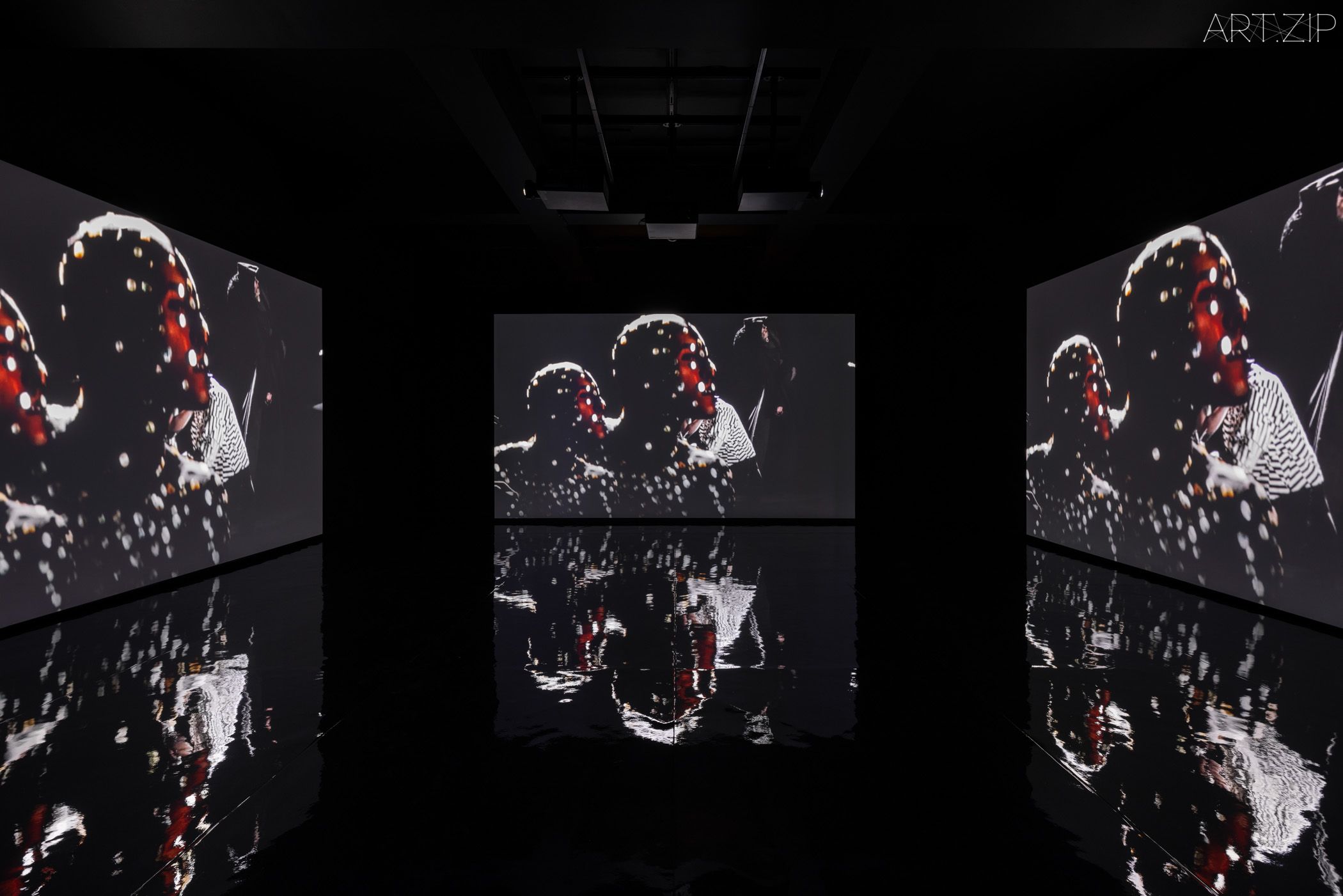
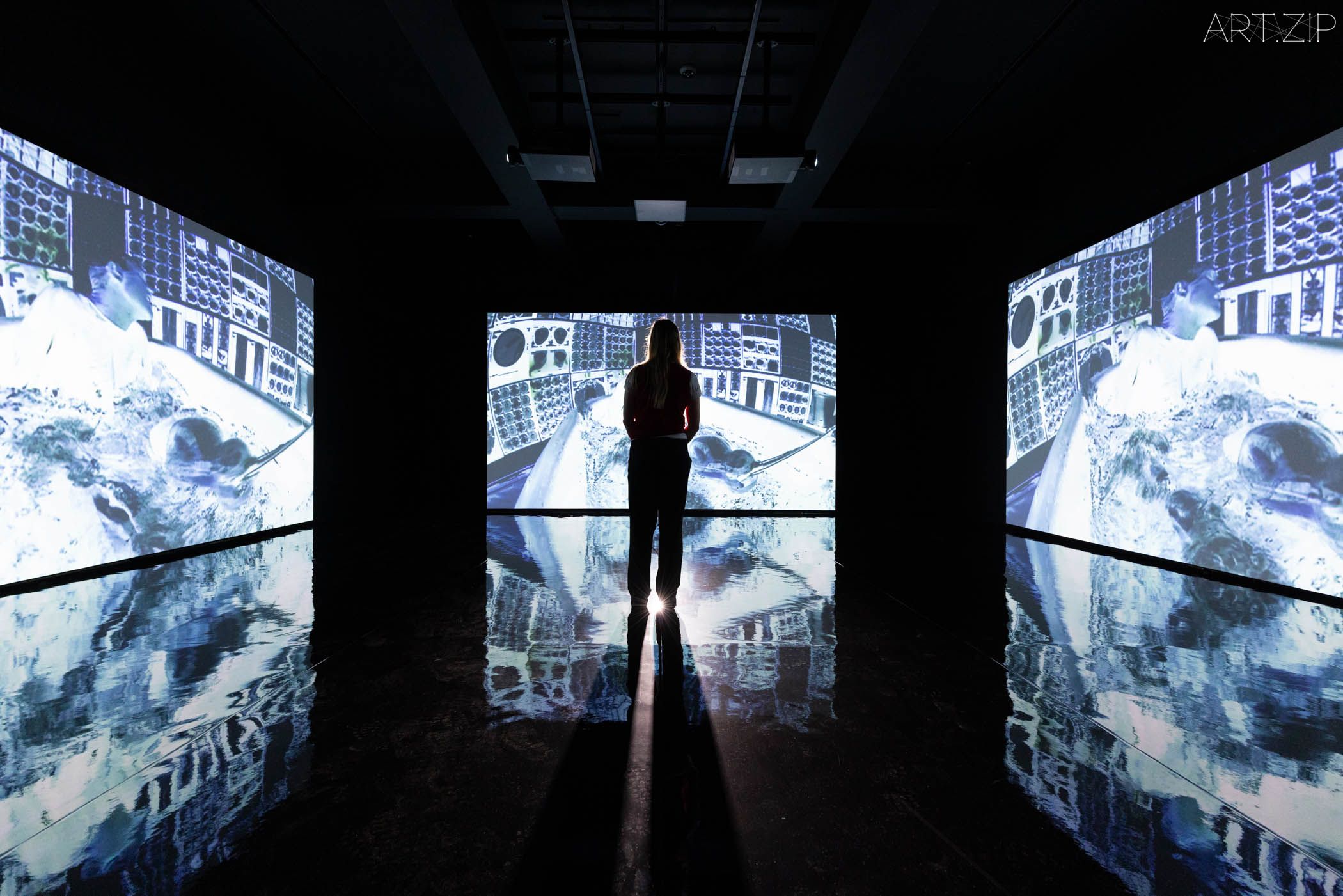
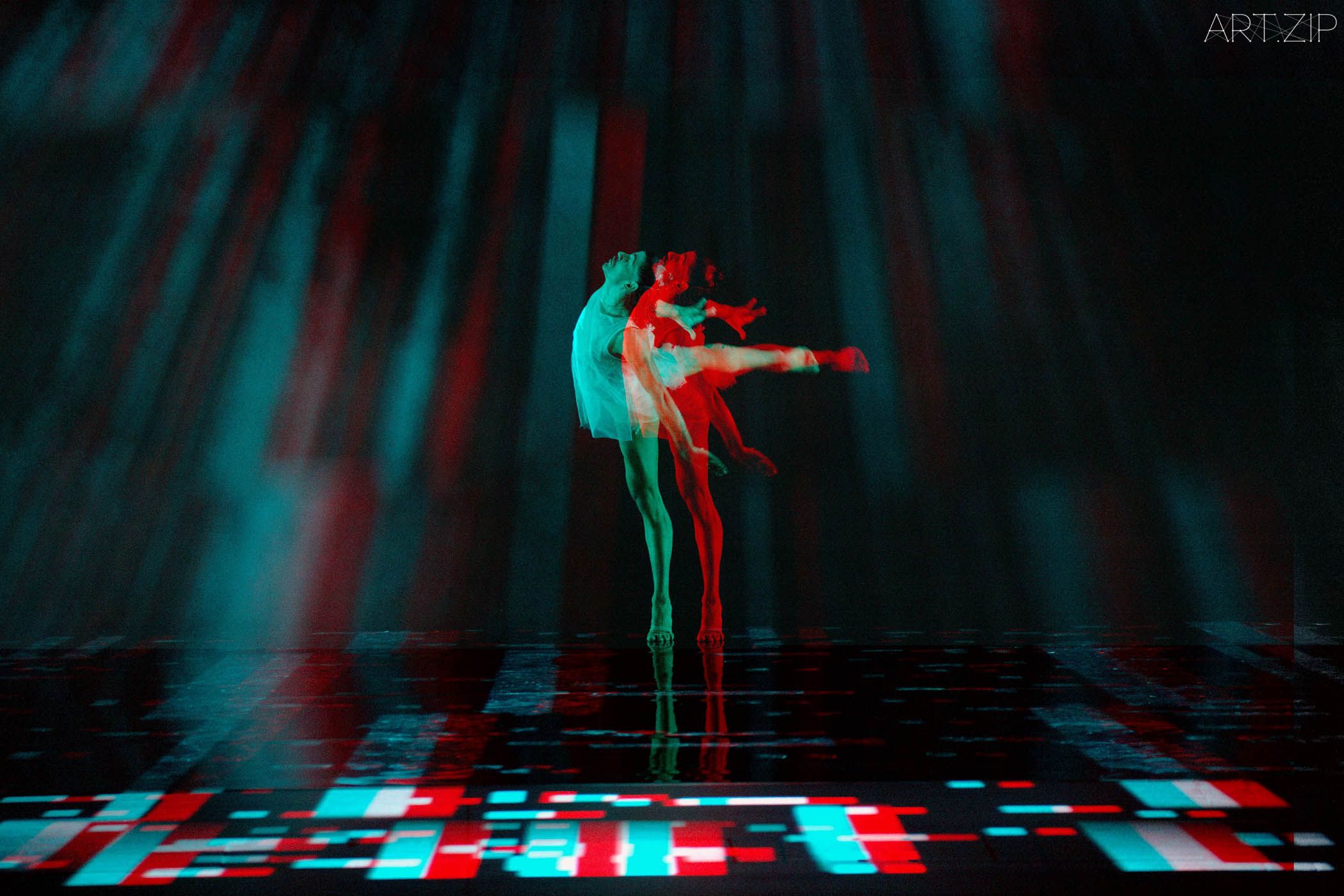
Created with Industrial Light & Magic, OMNI is an intense live experience shaped by high-impact visual effects and music, presenting an audiovisual spectacle in the truest sense. The body is transformed into virtual images in the metaverse by visual effects and reshaped between light and shadow and sound waves. The limbs dance to the rhythm of the music. The faint starlight flickers on and off, and the dancers’ communication in the virtual space is sometimes strong and sometimes weak.
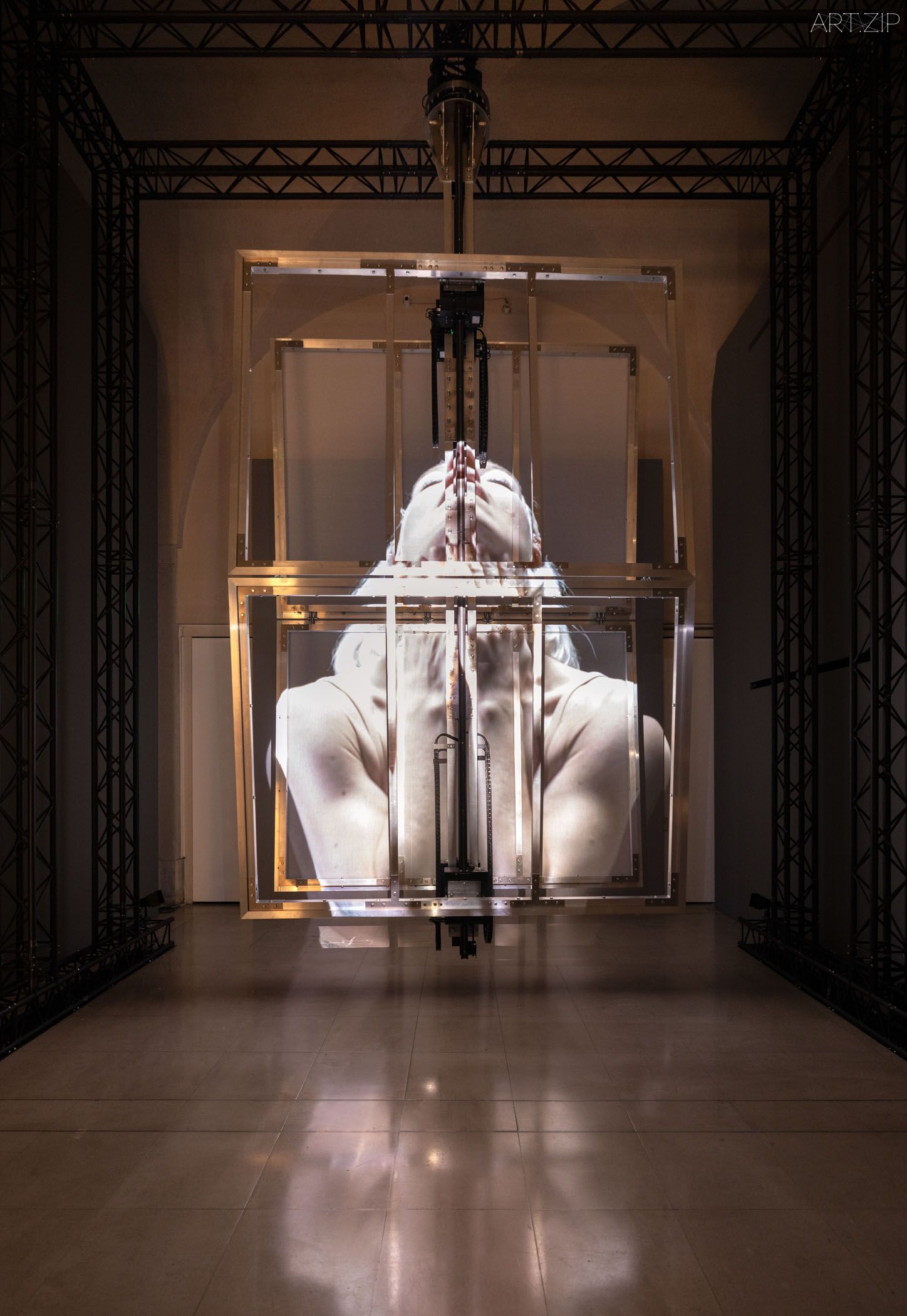
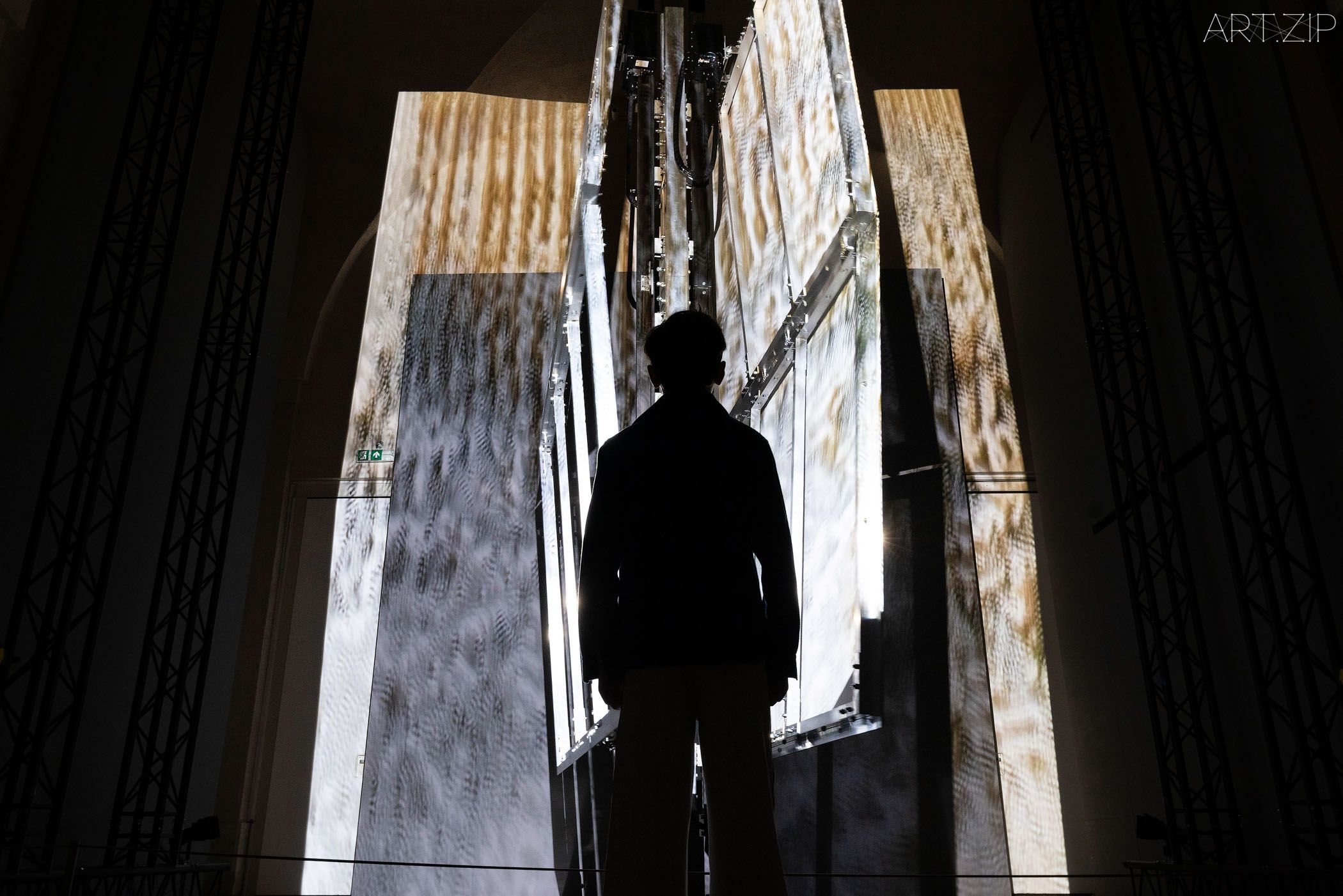
In A Body for AI, Ben Cullen Williams translates Wayne McGregor’s long-standing choreographic enquiry into the relationship between body, movement, and technology into a non-biological, material form. Replacing the dancer with a large-scale robotic arm, the work detaches the notion of the “body” from human presence, presenting movement as a mechanical system that can be observed and sensed in space. Image, sound, and environment converge through the rhythm of the machine, forming a language of motion that sits between choreography and algorithm. In this deliberately de-centred configuration, the work responds directly to one of McGregor’s core questions: when movement is no longer anchored in the biological body, how are bodily experience and perception reorganised?
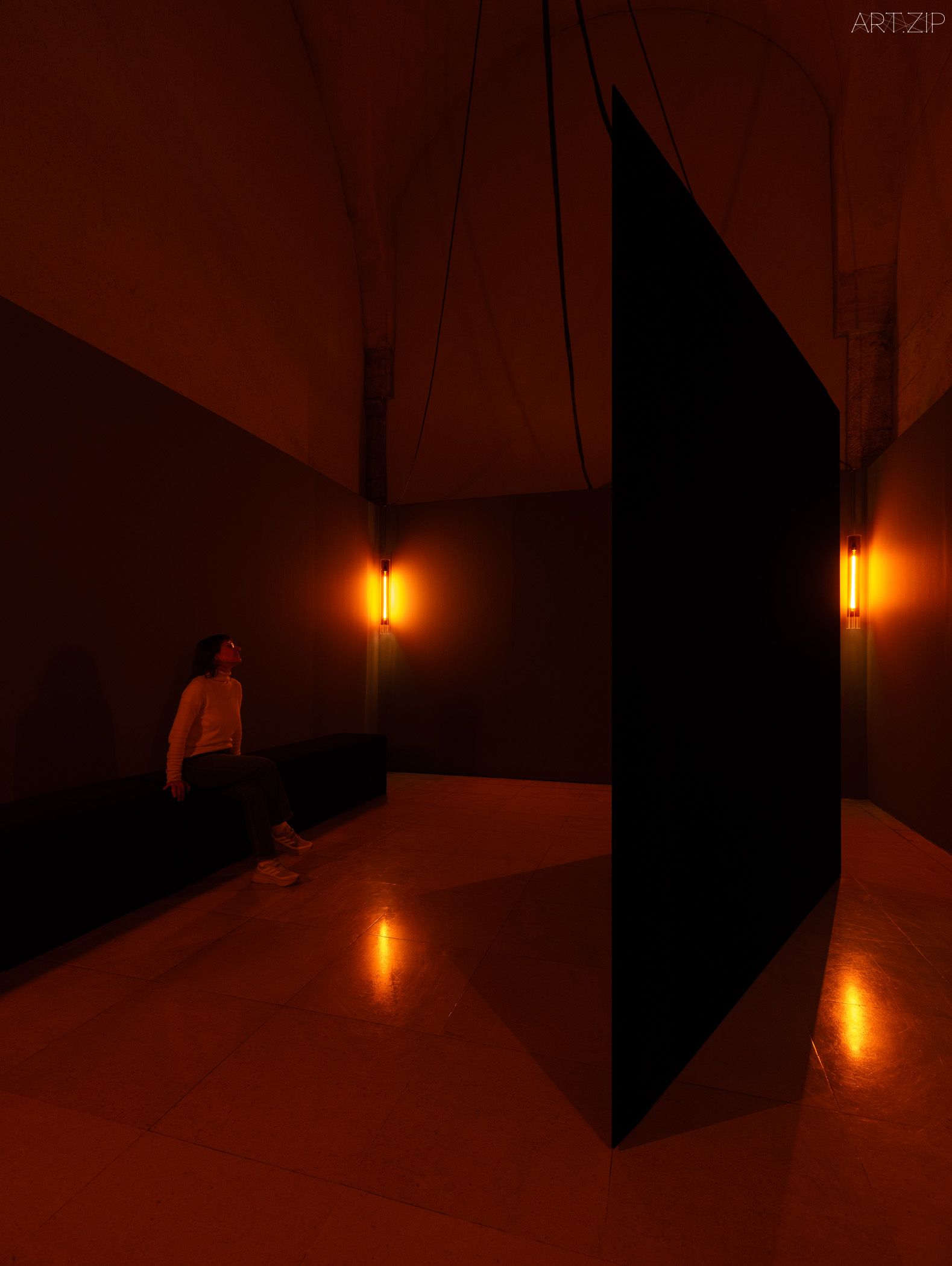
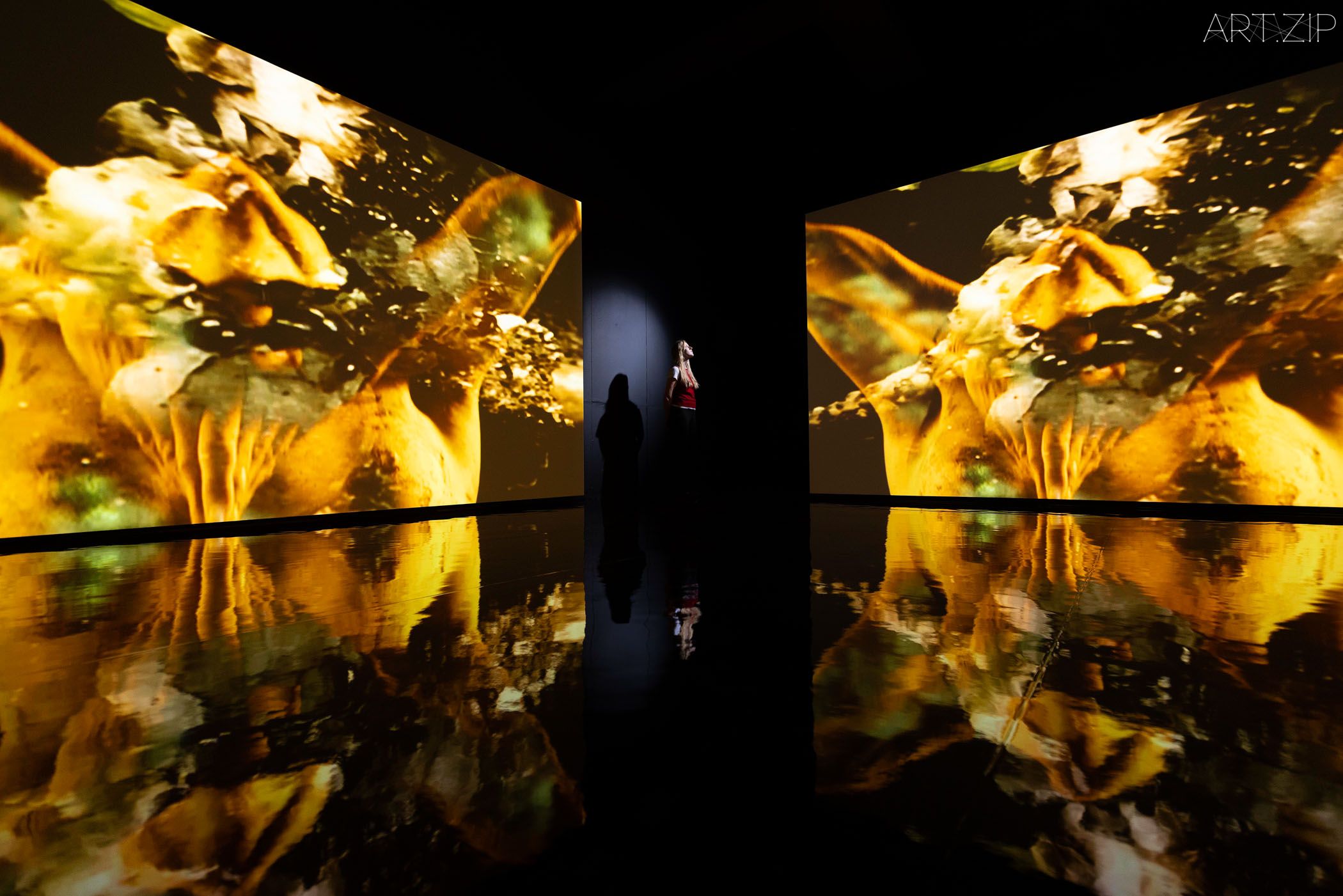
Deepstaria Void, the sound installation created by Invisible Mountain, does not treat sound as an accompaniment to dance, but elevates it into a perceptual medium that engages the body directly. This approach resonates with Wayne McGregor’s long-standing enquiry into movement and perception, one that understands choreography as extending beyond the visible body, capable of being reactivated through auditory, tactile, and spatial experience.
Driven by a digital audio engine that continuously generates evolving soundscapes, the installation renders space itself in a state of constant transformation. In the darkened room, visitors are invited to touch a black curtain, sensing through their fingertips the subtle vibrations produced by sound. In doing so, they become aware of how the body is drawn into and mobilised by forms of movement that remain unseen. Here, dance no longer appears as physical gesture, but is translated into a form of perceptual motion that disperses throughout the space. The amplification of hearing and touch allows the environment to feel almost animate—breathing, responsive—echoing McGregor’s ongoing exploration of how embodied experience can exceed vision and corporeal action.
When the Body Is Activated: An Immersive Interactive Feast
The exhibition is not a static collection of works, but a creative environment continually being “activated”. Dancers from Company Wayne McGregor regularly inhabit the gallery during the exhibition, engaging in open, improvisatory performances that dialogue with the works, injecting the space with rhythm and tension. This includes responsive light installations such as Future Self and No One Is an Island.
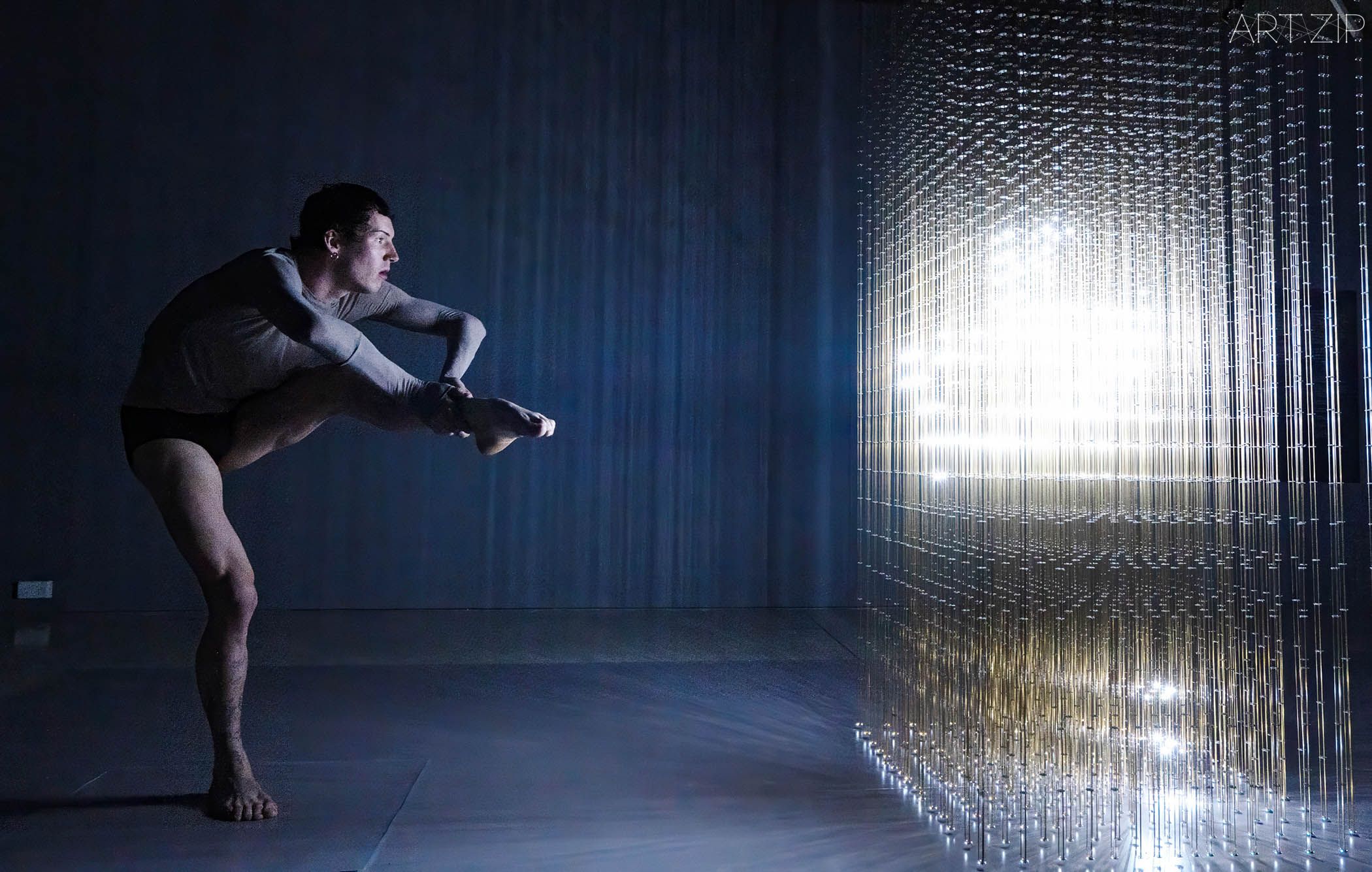
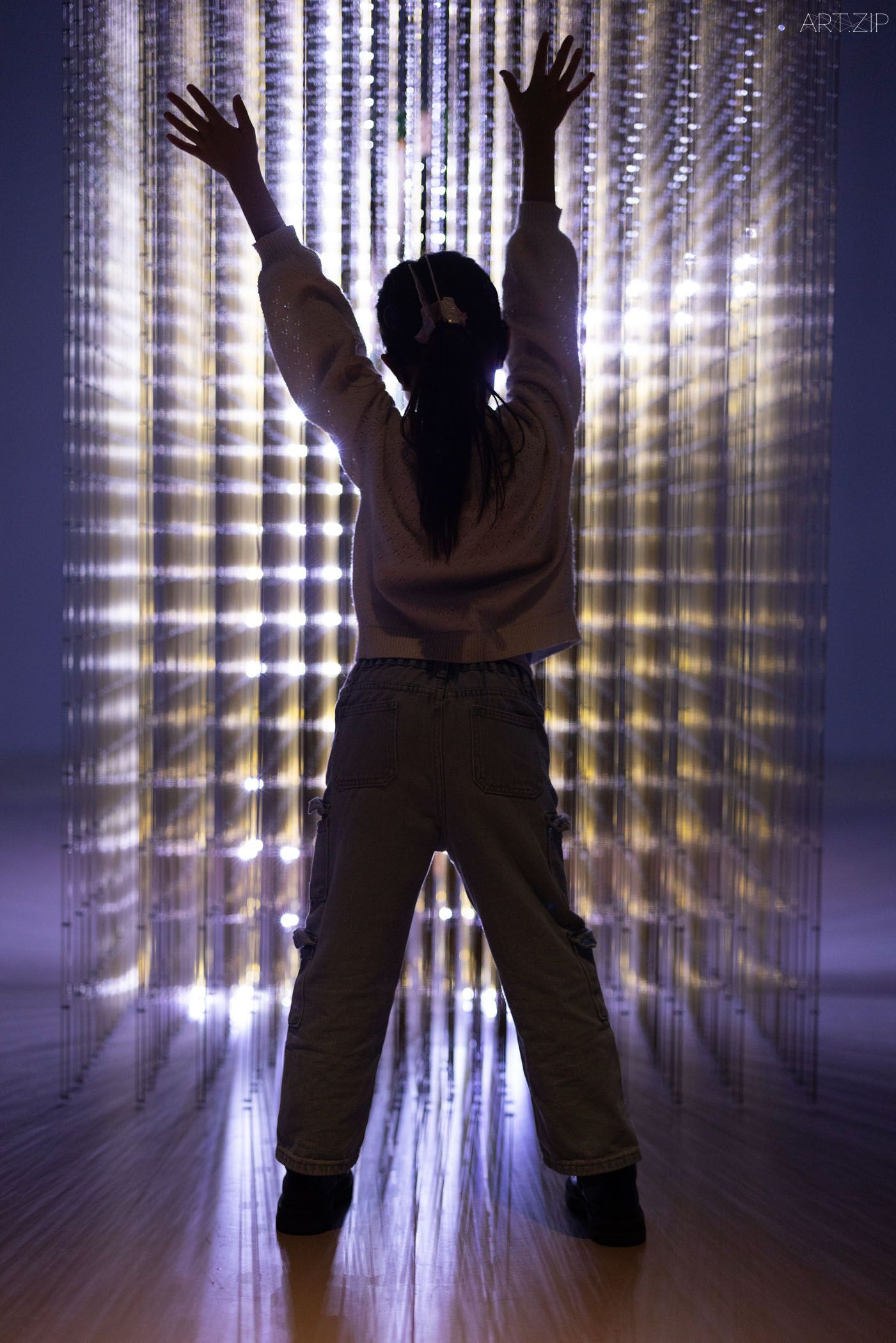
In Future Self, visitors may freely release their inner monologue. Simply by stepping into the designated zone and moving, their gestures are captured in real time and projected onto a brass grid of over ten thousand LED lights, creating a unique three-dimensional “living” sculpture. When the installation activates, the room bursts into light, thousands of tiny points forming a dynamic mirrored body. In that instant, body and algorithm become intimately linked in the most direct way.
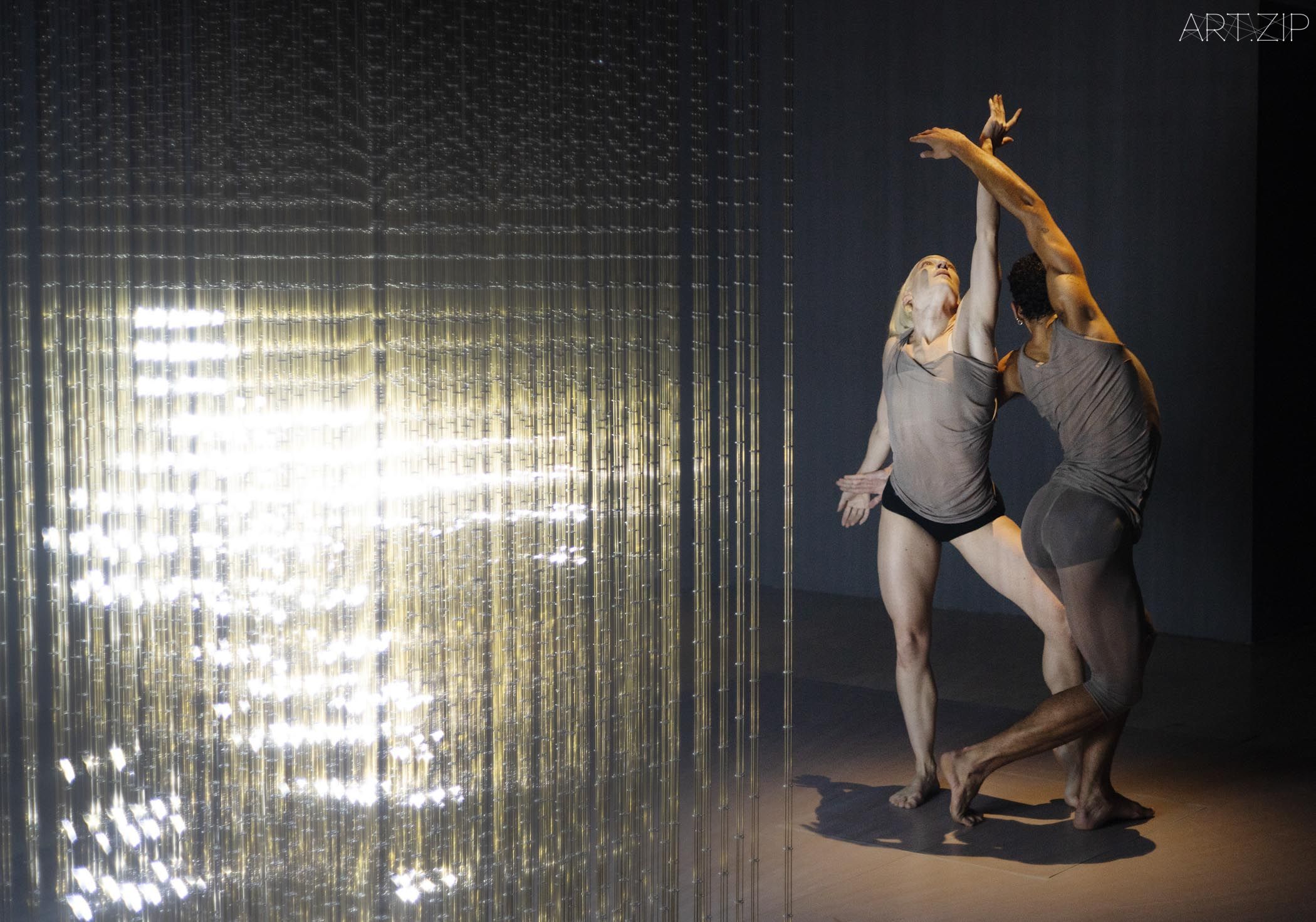
Company Wayne McGregor (Rebecca Bassett-Graham and Jasiah Marshall) with Future Self (2012) Random International + Wayne McGregor + Max Richter. Part of Wayne McGregor Infinite Bodies exhibition at Somerset House. Photo by Ravi Deepres
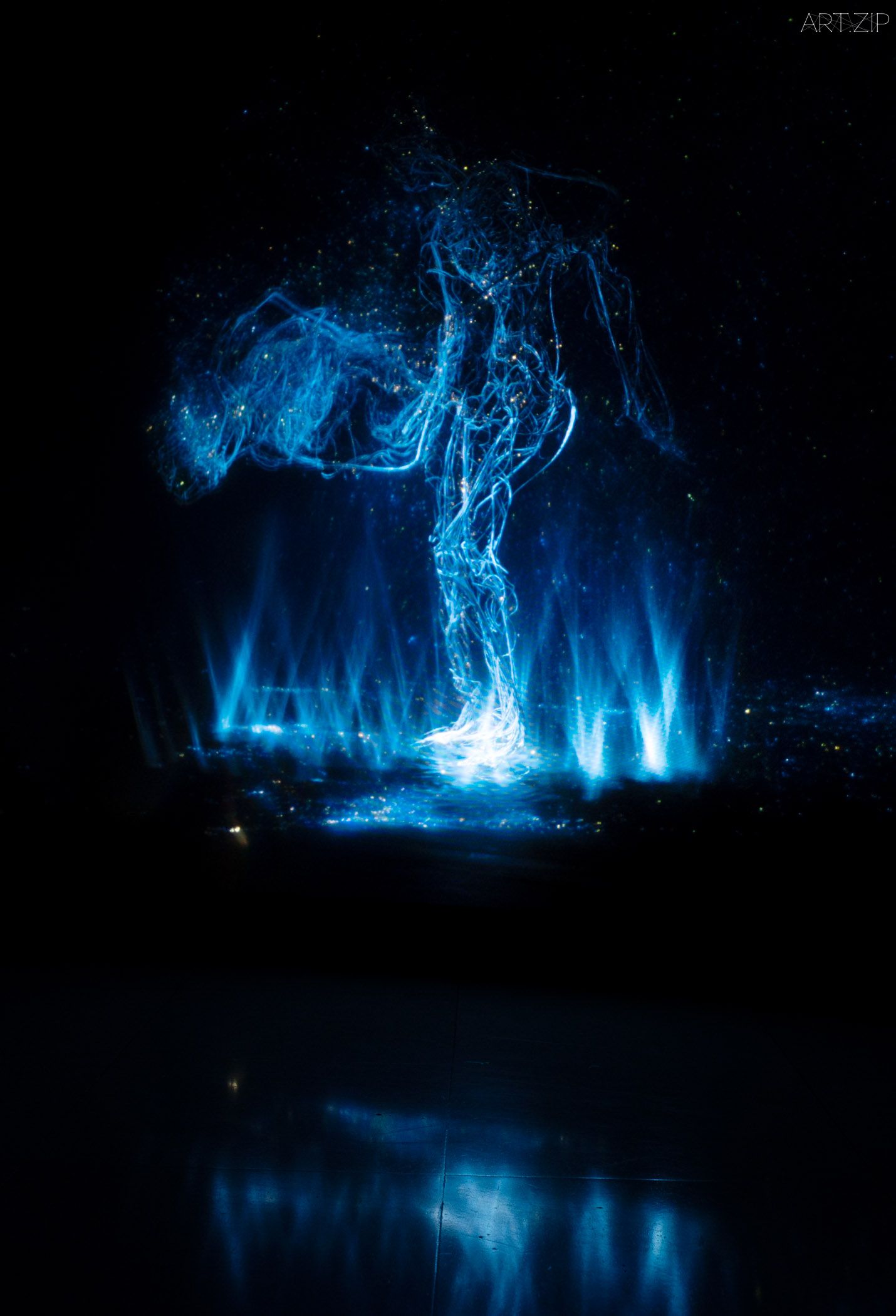
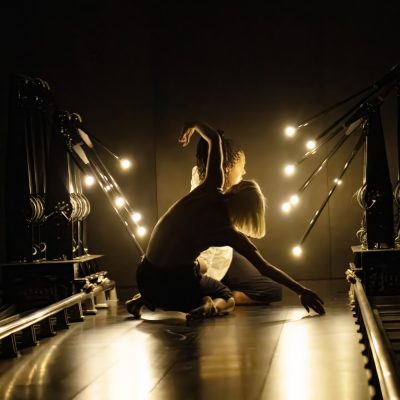
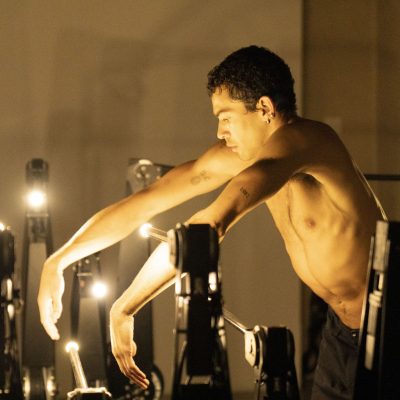
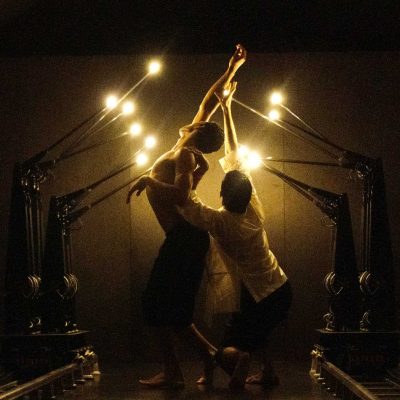
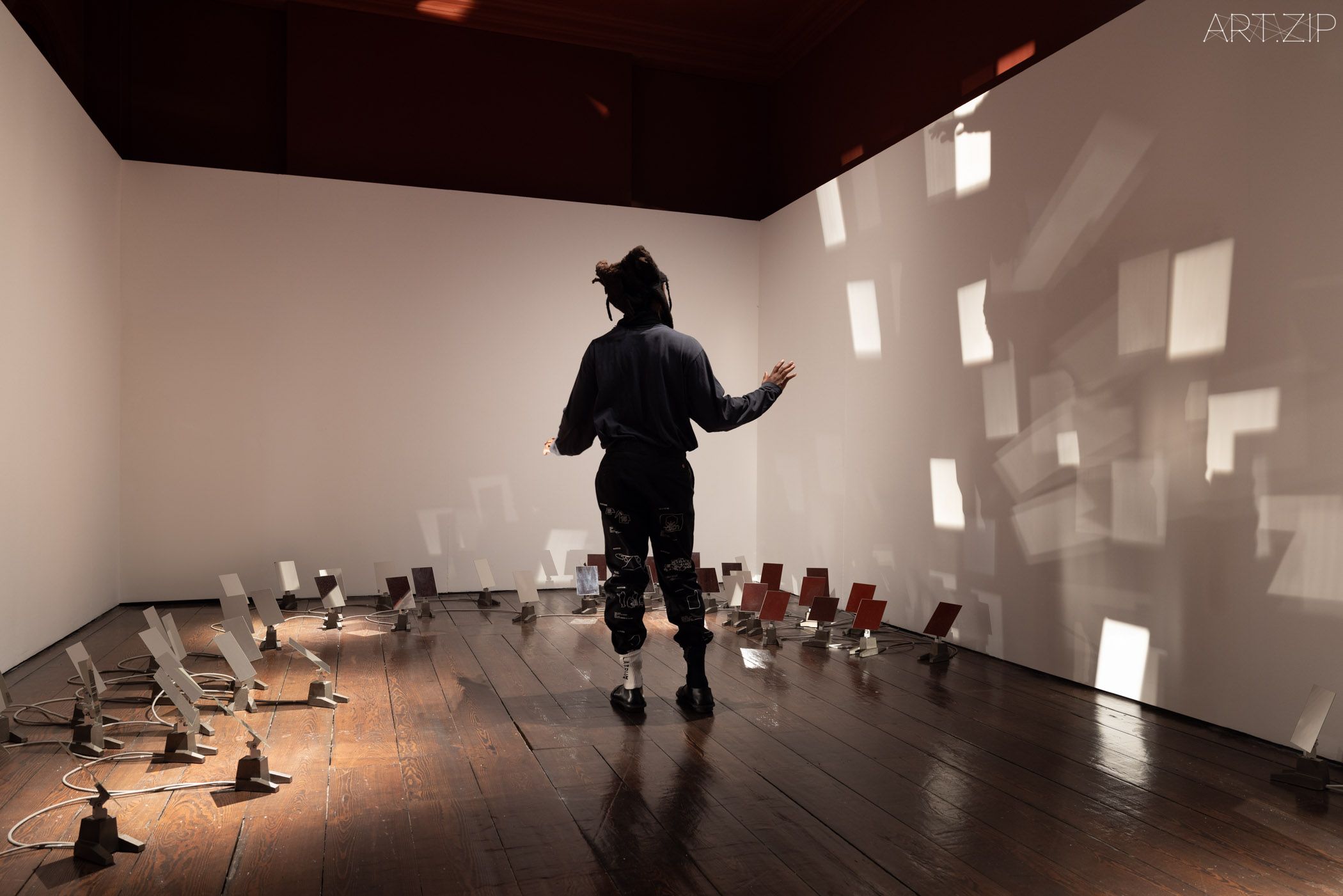
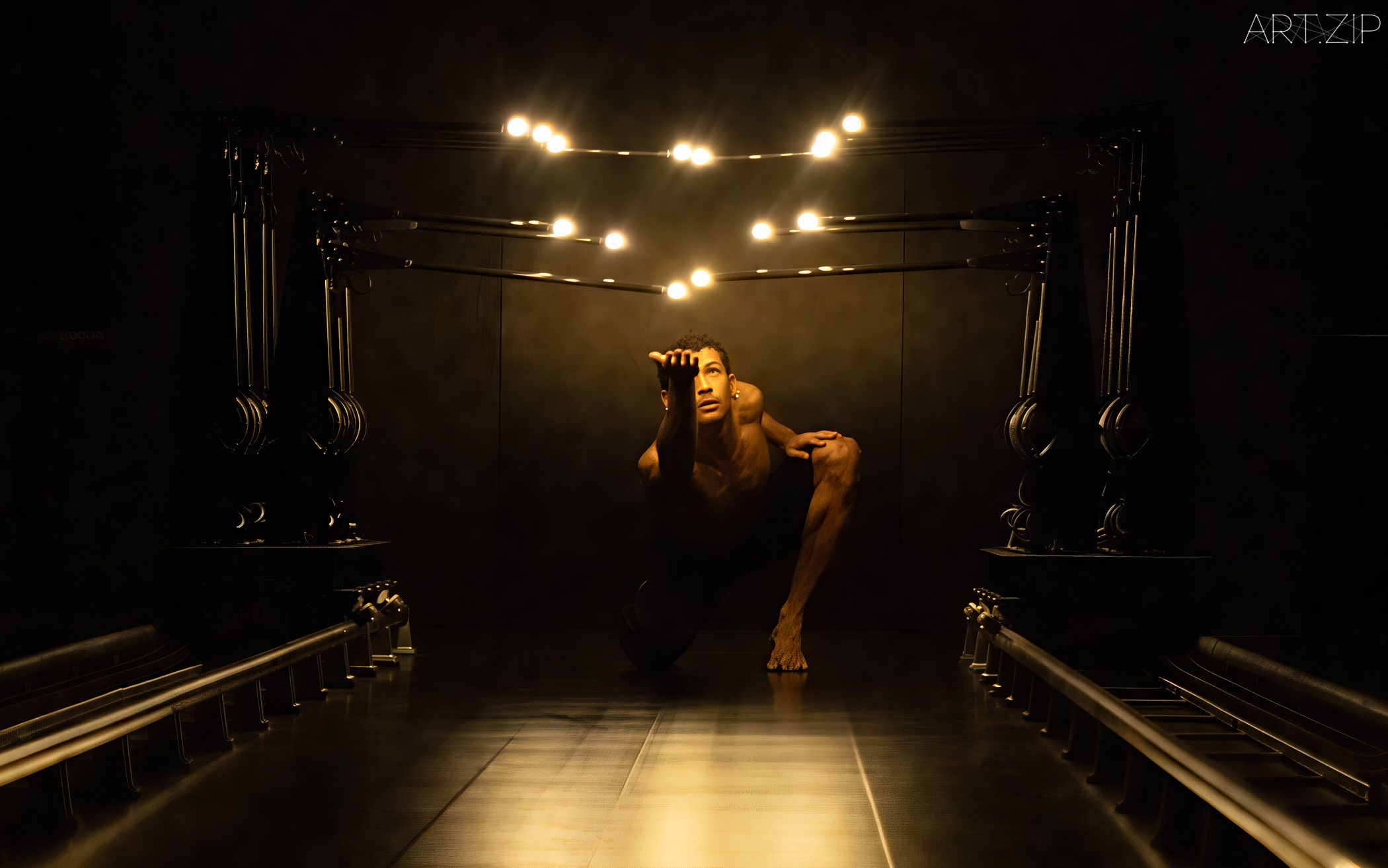
No One is an Island uses dynamic beams to sense and depict the movement of the human body, presenting the evolution of the human-machine relationship explored by long-term partner Random International and McGregor. Fifteen robotic arms, each tipped with a single point of light, rearrange, stretch, and converge as they move, gathering in the darkness to form a floating human silhouette. Two dancers periodically interact with the work, moving as the machines move, guided tenderly by light, as if responding to a companion who exists and yet does not. The interaction reveals human phototaxis, while the data-driven light-form seems to develop its own will, its own responses.
McGregor understands the body as a system that accumulates experience over time, in which movement, sensation, and perception are gradually sedimented, shaping our responses to the world and our bodily intelligence. The Living Archive formalises this process by translating long-term choreographic memory into a structure that can be accessed, reorganised, and recomposed. Building on this archive, AISOMA employs algorithmic processes to rearrange and generate new movement possibilities.
Within the exhibition, visitors are invited to move before an interactive interface, co-creating sequences of dance in collaboration with the system. This process is not about replicating existing movement, but about engaging in a generative, collaborative practice. As the Living Archive continues to evolve, the body is no longer understood as a fixed form, but as an open condition—one that is continually reimagined and extended through the presence of algorithms.
Beyond the main exhibition, Wayne McGregor: Infinite Bodies also includes a special off-site presentation—On The Other Earth. This immersive moving-image work, located at Stone Nest in London’s West End, is co-produced by Hong Kong Baptist University and Studio Wayne McGregor. The work uses a huge 360°, 12K stereoscopic image screen to create an environment. The audience will be immersed in a surround visual and sound environment, forming a close spatial relationship with the dancers’ images. McGregor refers to it as a “post-cinematic” dance experience, and this is also the first presentation of the work in the UK.
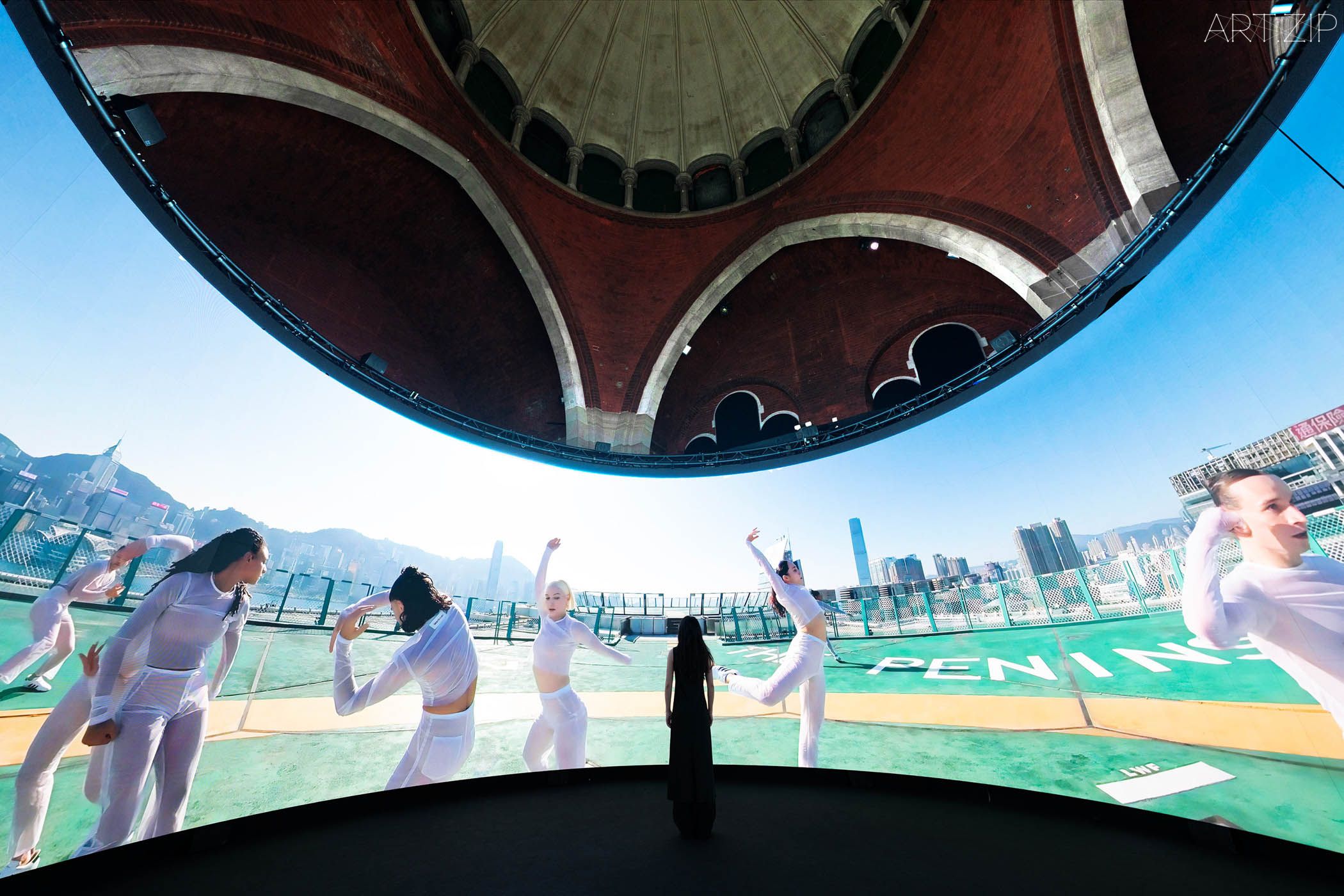
ON THE OTHER EARTH, Interior Installation View
Wayne McGregor: Infinite Bodies is the experimental outcome of Wayne McGregor over more than three decades. He has always taken the body as the core and explored the propositions about technology and the body in multiple identities as a dancer, choreographer and experimenter. He tells us through his artistic creations how to use technology to create new and imaginative possibilities. It is precisely in such exploration that we can perceive, think about, express and identify with our own bodies from different perspectives, bring out our potential and approach the infinite.
走進《韋恩·麥克格雷戈:無限之軀》(Wayne McGregor:Infinite Bodies)展廳,人類的身體通過科技元素、視覺效果和聲音被重構。身體、移動、舞蹈、技術,韋恩·麥克格雷戈(Wayne McGregor)三十年來一直從未放棄過探索科技與人體之間的微妙變幻。
作為英國皇家芭蕾舞團的駐團編舞、Studio Wayne McGregor的藝術總監,以及威尼斯雙年展舞蹈單元的藝術總監,麥格雷戈的創作長期活躍於國際舞蹈與當代藝術的核心現場。他作為編舞備受推崇,受到全球各大頂尖舞團的邀請,他不斷跨越舞蹈、電影、戲劇、音樂與科技的開創性合作而持續拓展著當代編舞的可能性。
麥格雷戈在薩默塞特宮(Somerset House)25週年慶之際,攜手薩默塞特宮展覽總監克利夫·勞森博士(Dr Cliff Lauson)與作家菲利帕·鄧恩(Philippa Dunn)共同策展,訴說了這三十多年來跨越不同學科與領域的探索成果。其中包括多名來自各個領域的世界頂尖藝術家、設計師、技術專家和創意人士的合作創作。展覽由一系列大型裝置與影像作品組成,涵蓋舞蹈、數字影像、人工智能、光線結構與空間聲場等多種媒體材料。這不僅是一場感官經驗的集合,更是一個以身體為核心,探索感知、動作與科技關係的實驗性場域。
Model with chrysalis (2003) Olivier Mėgaton. Part of of Wayne McGregor Infinite Bodies exhibition at Somerset House. Photo_ David Parry PA Media Assignments
感官重構的時刻:從光影、機械到聲波
與工業光魔(Industrial Light & Magic)合作的《OMNI》是一場由高衝擊視覺特效與音樂共同構成的強烈現場體驗,呈現出真正意義上的視聽盛宴。身體被視覺特效轉化為元宇宙中的虛擬影像,在光影與聲浪之間被重新塑造。肢體隨著音樂旋律舞動,細微星光的忽明忽暗,舞者在虛擬空間的交流時強時弱。
在《人工智能的身體》(A Body for AI)中,本·卡倫·威廉姆斯(Ben Cullen Williams)把 Wayne McGregor 長期關於身體、動作與技術的編舞思考,轉譯為一種非生物的物質形態。作品以大型機械手臂取代舞者,使「身體」不再依附於人類存在,而成為一種可被觀看、被感知的機械運動系統。影像、聲音與空間在機械節奏中交織,構成介於舞蹈與算法之間的運動語言。正是在這種去人類中心的設置中,作品回應了 McGregor 的核心命題:當動作脫離生物身體,身體經驗與感知將如何被重新組織?
Invisible Mountain 打造的聲場裝置《深空星(Deepstaria Void)》並非將聲音作為舞蹈的伴隨元素,而是將其提升為一種與身體直接發生關係的感知媒介。這一處理方式與 McGregor 長期關注的命題相呼應:即動作與感知並不局限於可見的身體形態,而可以通過聽覺、觸覺與空間經驗被重新激活。裝置通過數字音頻引擎持續生成動態聲景,使空間在聲波的推動下不斷變化。觀眾在昏暗的房間中觸摸黑色幕布,借由指尖感知聲音所引發的微妙震動,從而意識到身體如何在不可見的運動中被牽引與調動。在這裡,舞蹈不再以肢體呈現,而是被轉譯為一種擴散於空間之中的感知運動。被無限放大的聽覺與觸覺,使空間彷彿成為一個具有呼吸的場域,回應著 McGregor 關於「具身經驗」如何超越視覺與動作的持續探索。
當身體被激活:沉浸式互動盛宴
此次展覽不僅是靜態觀看的裝置集成,更像是一個持續被「激活」的創作現場。舞者在展期內不定期駐場,以開放式表演的方式進入展區空間與作品即興對話,為整個空間賦予了更鮮活的節奏和張力。其中包括響應式光影裝置《未來自我》和《無人是孤島》。
在《未來自我》中,觀眾可以盡情釋放自己的內心獨白。只需站入指定區域並隨意舞動,動作便會被即時捕捉,並投射到由超過一萬顆 LED 燈組成的黃銅網格之上,生成一個專屬於自己的三維「活」雕塑。當裝置開始感應,房間被光芒驟然點亮,無數微小燈點拼接成一個動態的鏡像身體。在那一剎那,身體與算法以最直觀的方式緊密相連。
《無人是孤島》用動態的光束來感應並描繪出人體的運動,是長期合作夥伴Random International與McGregor探討的人機關係演變的一次呈現。15個機械手臂的末端都有著一個光點,它們在裝置的前後移動中不斷重新排列、拉伸、聚攏,在黑暗中匯聚成一個漂浮而成形的人體輪廓。兩位舞者會定期與這件作品進行互動,舞者隨著機械的移動而起舞,像被光溫柔牽引,又像在輕聲回應一位並不存在的同伴。這段互動展現出了人的趨光性,也讓數據驅動的光體徬彿擁有了自己的意志與回應。
McGregor 將身體理解為一種不斷積累經驗的系統,其中動作、感受與感知會隨著時間沉澱,塑造我們對世界的反應方式與身體智能。《生命檔案(The Living Archive)》正是對這一過程的系統化表達,它將長期積累的編舞動作轉化為可被調用與重組的結構。AISOMA 以此為基礎,通過算法重新排列並生成新的動作可能性。在展覽中,觀眾可以在互動界面前移動身體,與系統共同生成舞蹈片段。這一過程並非對既有動作的複製,而是一種協作式的生成實踐。在不斷演化的「生命檔案」中,身體不再被視為固定的形態,而是在算法的參與下,持續被重新想象與展開。
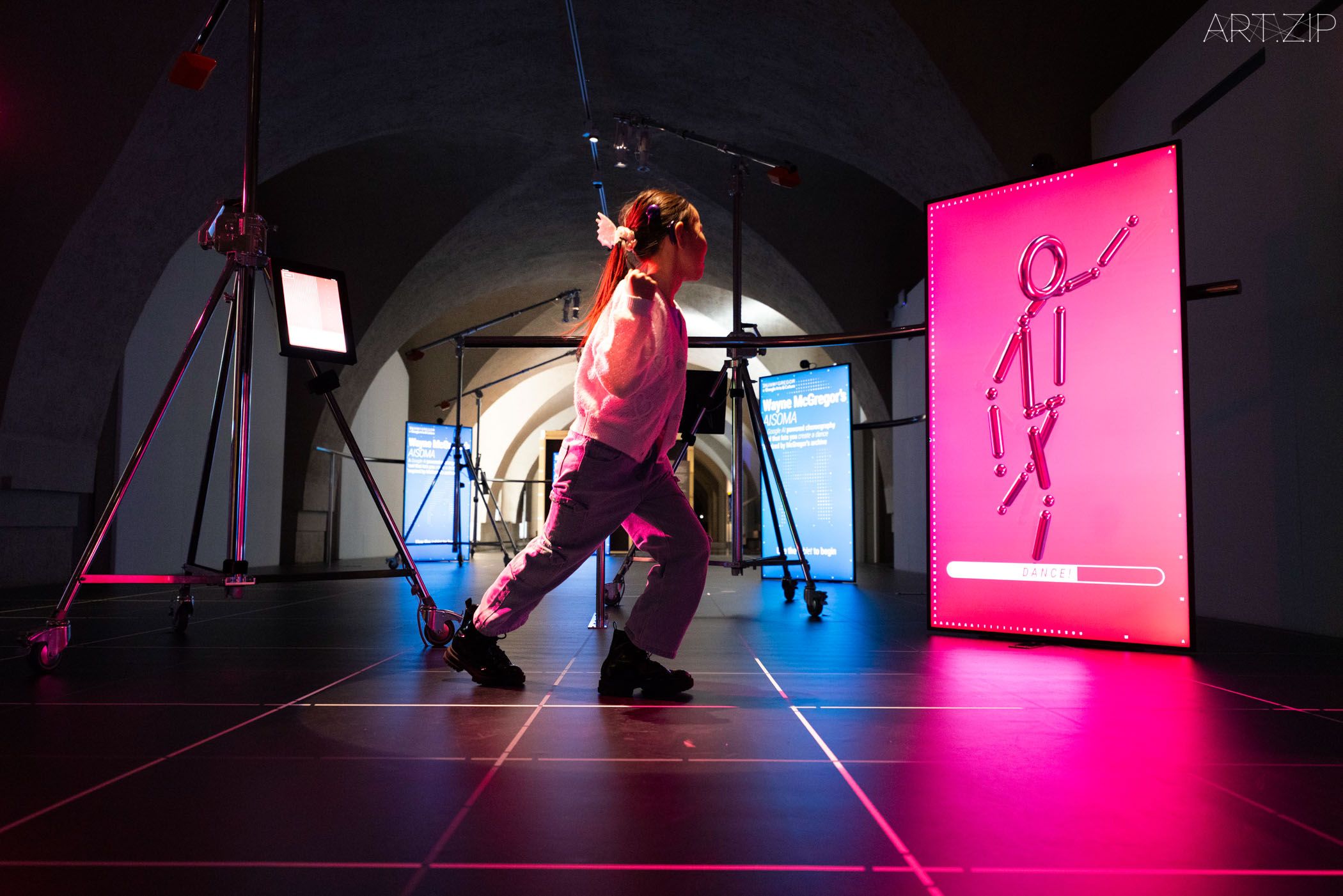
Model with AISOMA (2025) Wayne McGregor + Google Arts & Culture Lab. Part of Wayne McGregor Infinite Bodies exhibition at Somerset House. Photo_ David Parry PA Media Assignments
除了主展區,《無限之軀》還包括一個特別的場外呈現——《另一個地球之上(On The Other Earth)》。該沉浸式影像作品位於倫敦西區的石巢劇院(Stone Nest),由香港浸會大學與韋恩·麥格雷戈工作室聯合製作。作品利用 360°、12K 的巨大立體影像屏幕營造環境,觀眾將被帶入環繞式的視覺和聲音之中,與舞者影像形成近距離的空間關係。麥格雷戈將其稱為一種「後電影式」的舞蹈體驗,此次亦是該作品在英國的首次呈現。
《韋恩·麥格雷戈:無限之軀》是McGregor三十多年來的實驗成果。他始終以身體為核心,以舞者、編舞家、實驗者的多重身份去探索關於科技與身體的命題。他用藝術創作告訴我們,如何利用技術創造新的、富有想象力的可能性。正是在這樣的探索中,才能從不同的角度去感知、思考、表達、認同我們自己的身體,發揮潛能,接近無限。
Text by 撰文 x Jackie Liu 劉潔鎧
Edited by 編輯 x Michelle Yu