

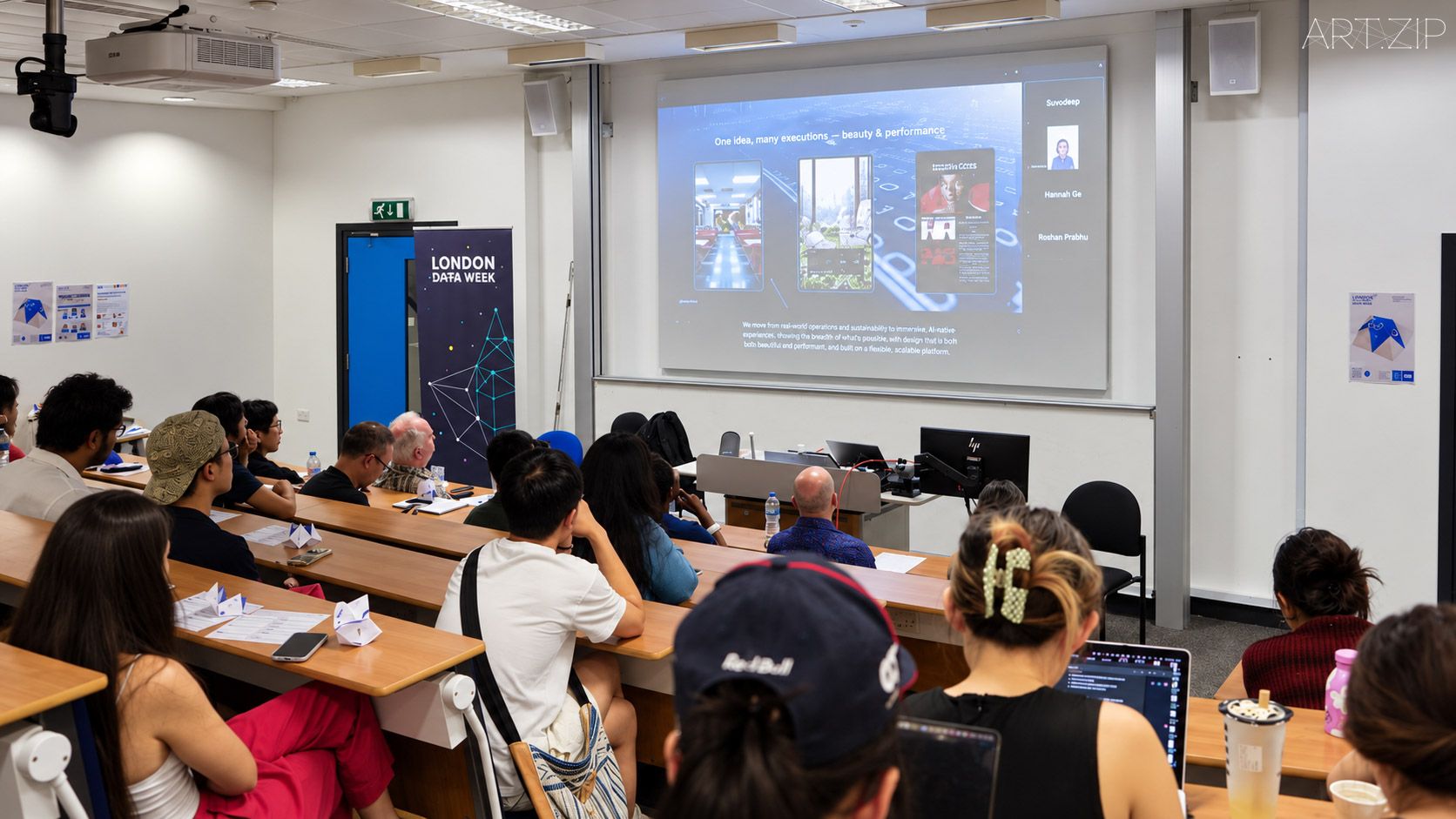
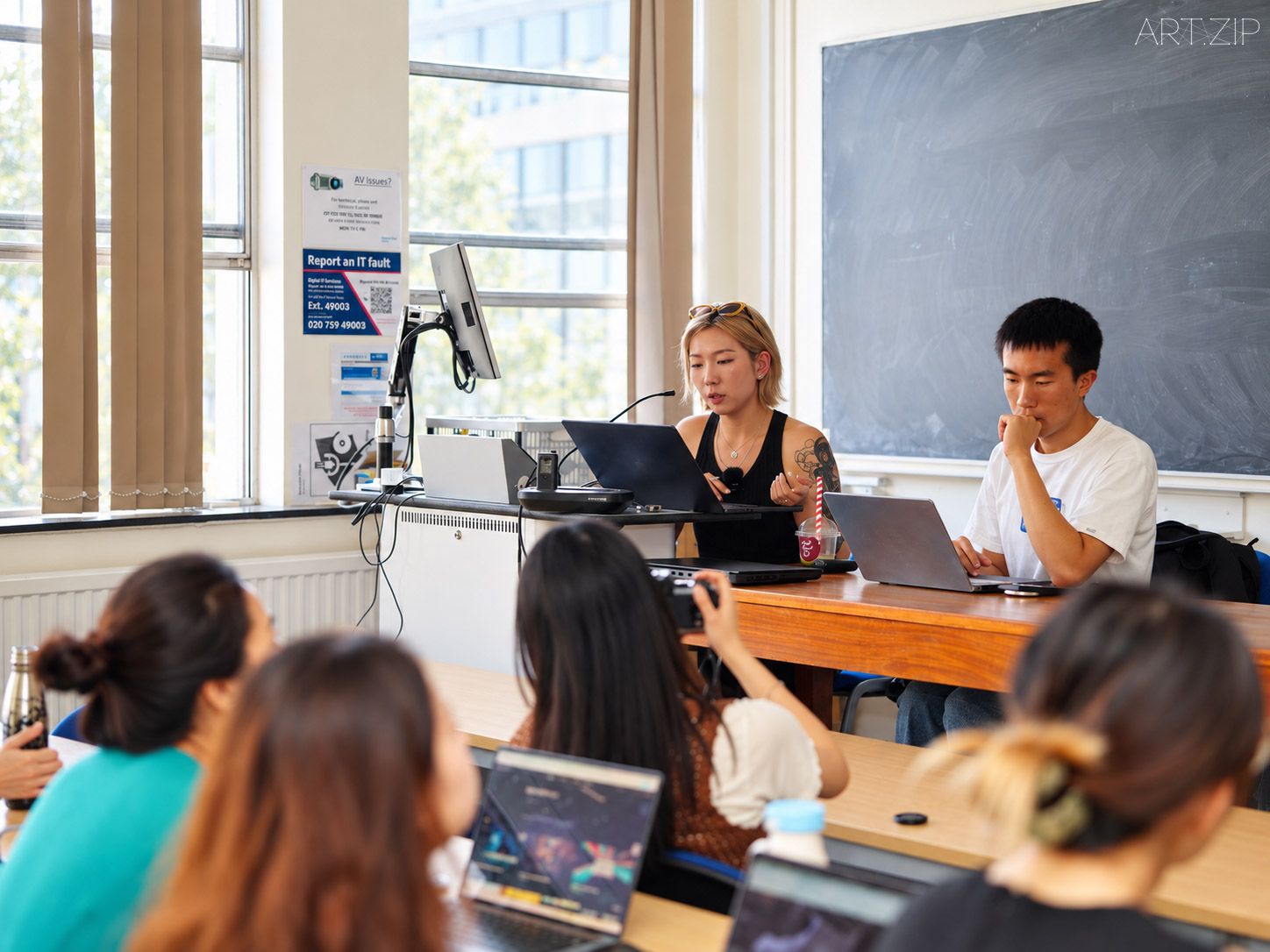
London was in the grip of a heatwave in July, but London Data Week was in full swing. Among the events taking place across the city was the Global AI Filmmaking Hackathon, organised by EAST2046. Inside an auditorium at Imperial College London, finalists screened short films made with AI tools and real-world datasets, some with support from the TapNow platform. The judges, all with professional filmmaking backgrounds, discussed the films, the ideas behind them and the different ways their makers had worked with AI. By the end, choosing the winners proved much harder than any of us had expected.
What interested me was not only what we saw on screen, but the conversations happening around it. AI is moving quickly into filmmaking, but so is the resistance to it. Questions of authorship, copyright, jobs, authenticity and the power of technology companies now sit alongside a more basic creative question: what might AI actually make possible for filmmakers?
One of the judges was Martin Percy, a BAFTA, Emmy and Webby Award-winning director, filmmaker, educator and pioneer of interactive and AI-driven film, whose work has long explored filmmaking, interactive media and emerging technologies. We began with the Hackathon, but the conversation soon moved far beyond the films themselves. For Percy, the resistance to AI cannot be separated from the work being made. AI filmmaking has become caught up in a much wider debate about creativity, labour, technology and power — what he repeatedly describes as a “culture war”.
And yet, whether we welcome it or not, he believes there is no going back. “Pandora’s box is open.” he says.
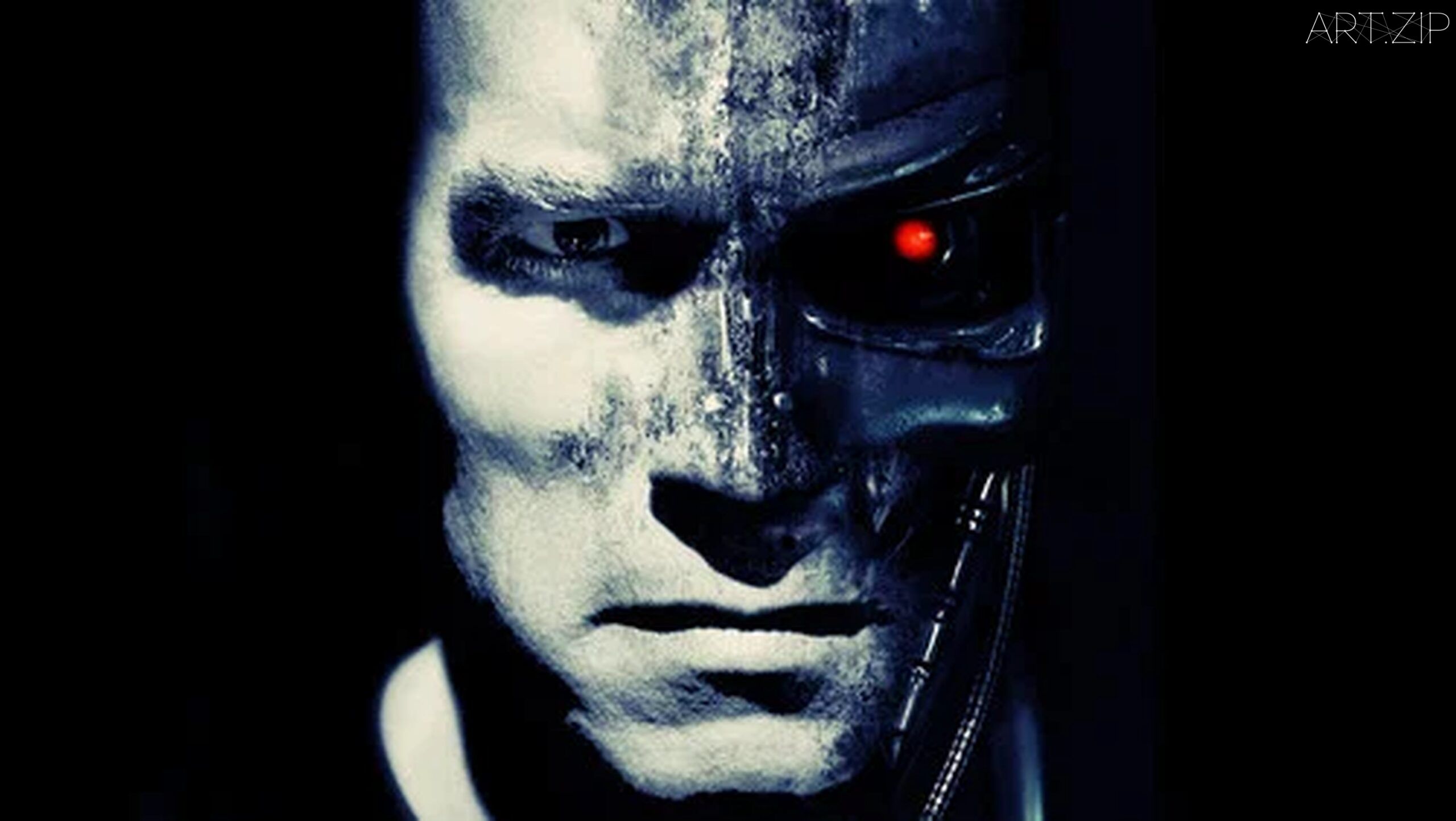
I had originally planned to turn our conversation into a feature. But Percy is funny, provocative and sometimes deliberately blunt: he talks about “AI slop”, compares artificial intelligence to an “alien species”, and uses Terminator 2 to explain AI alignment. The more I edited his answers into conventional prose, the more something of his voice disappeared. So it seemed better to let him speak for himself.
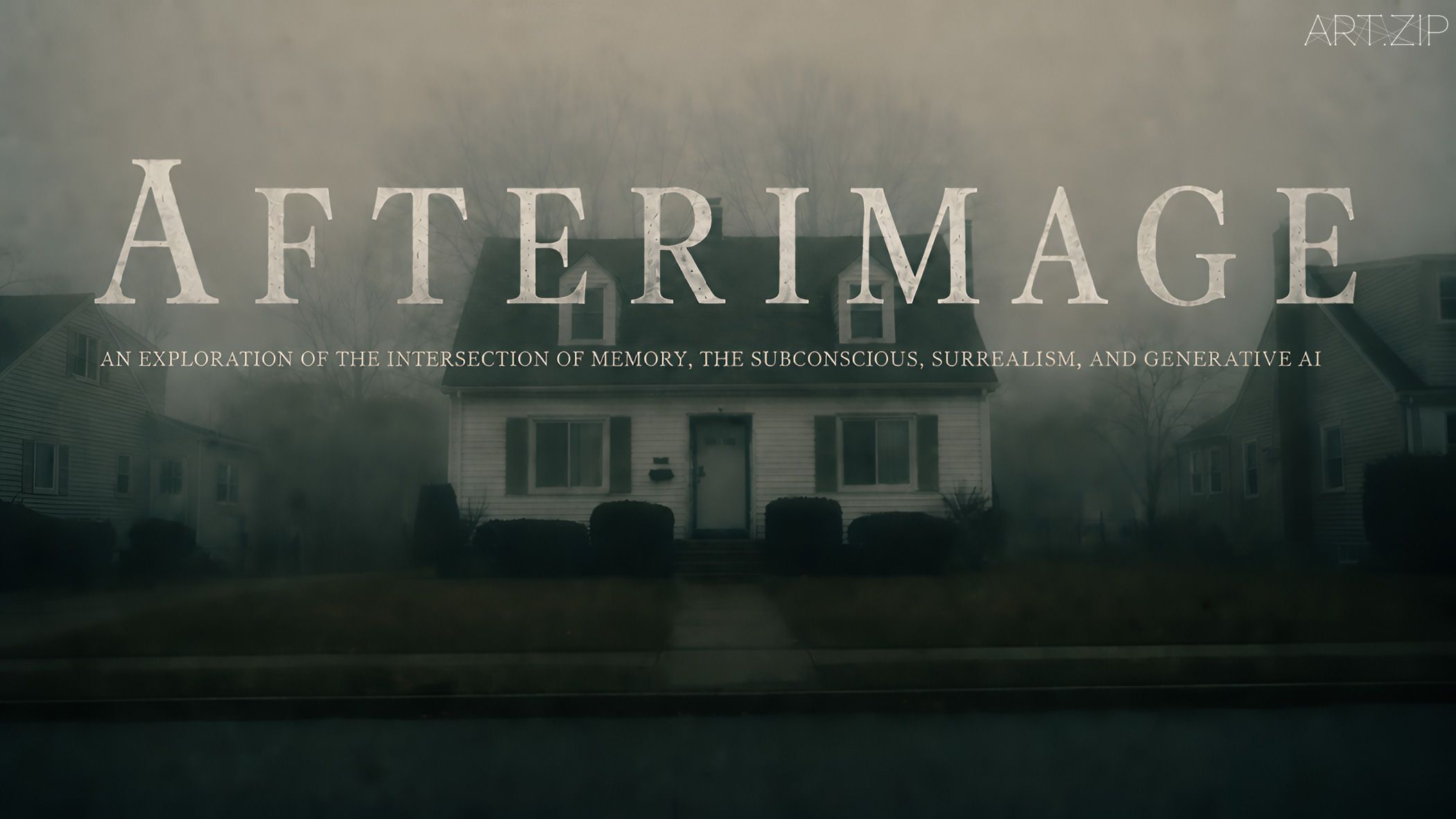
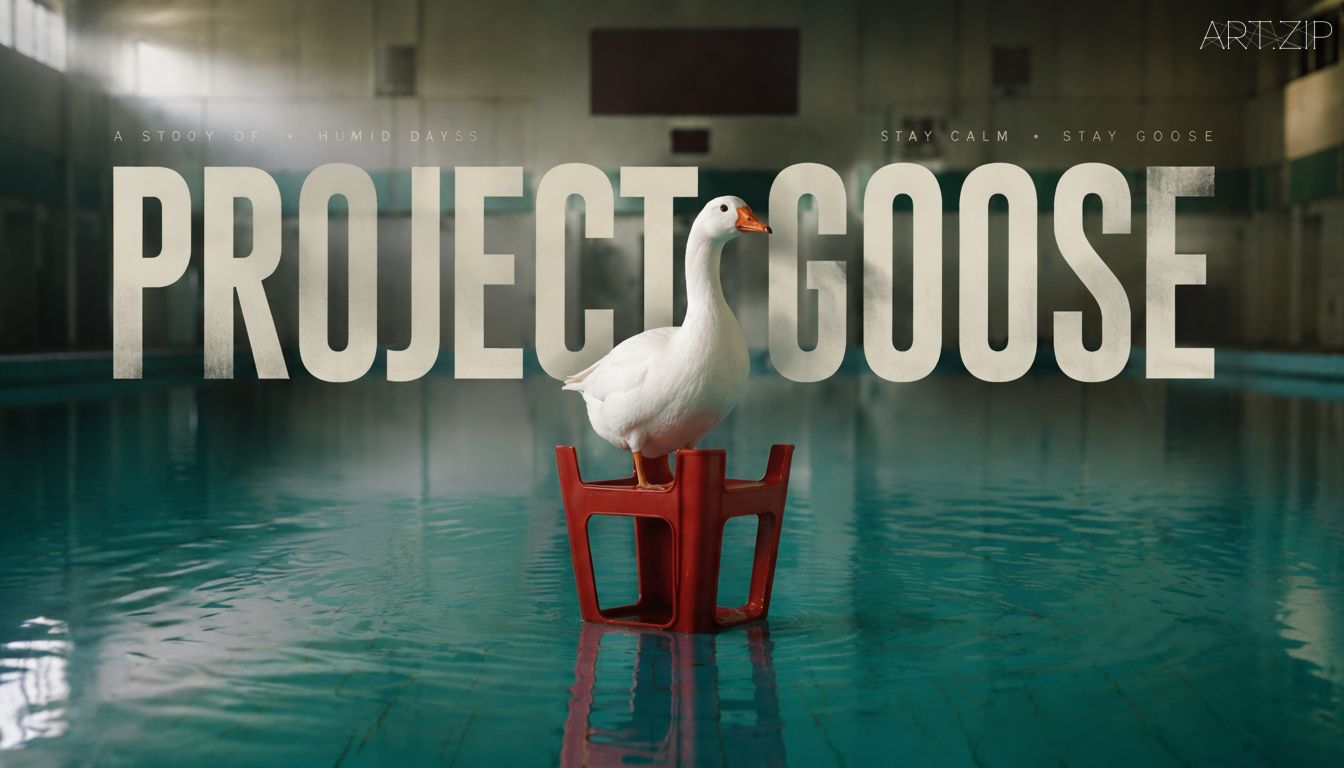
Afterimage by Denike Alade
AZ: As a judge, what were you looking for in this year’s submissions?
MP: What I say to anyone thinking about making an AI film is that you need to consider the cultural context — and at the moment we are in a time of extreme AI backlash. If you put AI videos on Instagram or LinkedIn, in the West you will get incredibly angry, negative responses, because AI is at the centre of a cultural battle. And that battle extends beyond filmmaking to things like data centres and the concentration of power in the major AI companies.
You might say: Martin, what has that got to do with my AI video? Unfortunately it has everything to do with your AI video. A lot of people hate it before they’ve even seen one frame.
One key term is slop — AI slop. I ask people, what do you mean by AI slop? There are three possible answers. One answer is: I never use the term. Another is: I use it for bad work made by AI. But increasingly, young people are using it to mean anything made by AI. I have a young relative — she just looks to see if it’s AI, and if it’s AI, it’s slop. I’ll break my back trying to make it as good as possible for her. It won’t make any difference. I can make it as good as I like. It’s still slop.
I think this is a terrible shame, because as a filmmaker, for me AI is an incredible liberator. It makes things possible that were never possible before, and we saw that today. Most of these people are not professional filmmakers, and they are making things come alive which they could never have done before.
So what am I looking for? A lot of the time I’m looking for things which can justify the use of AI. Usually that means: does it have social value? Or is it something you could never really have made with traditional methods? If so, you’ve got a valid reason to say: look, I know you hate AI filmmaking, but Pandora’s box has already been opened. This medium is here. AI is here, and this is a justified use of it.
AZ: The two tracks were Social Impact Storytelling, built around London public data, and an archive of dream narratives. Did that framing work?
MP: I think the scheme was organised very well. There were two themes. One was based on housing data — so automatically you’ve got something with social value, and the films in that category tended to be about the insane cost of housing in London. If anyone in Berlin is reading this, stay in Berlin, because Berlin is fabulous compared with London when it comes to housing. The other track was dreams. Obviously that’s not a social justice theme, but it’s very good for something you could only make with AI.
With the winning films, either we saw something with social value that made a serious social point, or, with the dreams, we saw films that were creatively interesting and would have been impossible, or extremely difficult, to make with traditional techniques. In both cases, those are good uses of AI.
But I should say: it’s very difficult to make a film about a dataset. Some of the films didn’t work because it’s simply too hard. The films that did win had done a good job of taking all that data and transforming it into an idea for a film. That’s not straightforward, and I certainly don’t recommend that, if you’re looking for an idea for a film, you rush out and start looking for datasets. They managed it all the same, but it was a difficult challenge.
And you have to remember: it’s a hackathon. These aren’t finished films, and that’s not the point. These are young people experimenting, hopefully having some fun. A lot of the ideas don’t work, and a lot of the execution doesn’t work. Lighten up! They’ve spent maybe twenty-four hours on these films. What matters is that they’re trying new things, and some of the ideas are genuinely interesting and touching.
AZ: Why does the hackathon format matter for AI filmmaking specifically?
MP: There are increasing numbers of AI film hackathons, and I think it’s a good format for one important political reason. Because of this culture war, a lot of traditional filmmakers have never used AI and will never use AI. What I hope is that the hackathon format might tempt some of them to give it a try.
That matters, because once people start using the tools, their attitudes change. I run a workshop about the politics and ethics of AI, and I can very often tell when someone doesn’t actually use AI, because they have all these theoretical ideas — oh, it’s just going to generate bland, mediocre material, because it’s the average of everything it was trained on, which is complete nonsense. The answer is for them to try it themselves. Stop reading angry social media posts and give it a go.
But let’s be realistic: people are not going to create cinematic masterpieces at a hackathon. To make a terrific film you need to put a lot of time into it, even with AI. That’s fine. That’s not what a hackathon is about. A hackathon is about giving it a go, trying new things, breaking your old ideas about what a film can be — and then you learn from that and move on to the next thing.
AZ: People defending AI often call it “just another tool.” You disagree. Why?
MP: In arguments about AI, people defending it sometimes say, “Oh, it’s just a tool.” I would respectfully disagree.
AI is a confusing umbrella term covering lots of different technologies. There’s narrow AI, there’s generative AI, and many other forms, and the distinction matters here. If we’re talking about generative AI– what you’re using to make videos, or when you are using ChatGPT — I don’t think of that as a tool at all. I think of it as a collaborator.
As a director I’m used to collaborating with humans. I’ve been doing it for many decades, and for me AI is a new type of collaborator.
You might say: Martin, what about authorship? Well, I’m a director. I’m used to working with actors, with a camera operator, with an editor, and each of those has their own input. Now it’s the same with AI. I’m working with Claude. I’m working with Midjourney. I’m working with Seedance. Each of them is a collaborator. They’re just not human collaborators; they’re machine collaborators.
AZ: Does that change what authorship means?
MP: In the 1950s in France, there emerged this idea of auteur — that the director was the principal author of a film. Auteur is simply French for “author”. But the idea has always been contested, because filmmaking is inherently collaborative. Actors, cinematographers and editors all bring their own creative input. The director is not the sole author, it’s a collaboration.
With AI, I think it’s now possible for the director to become much closer to being sole author of a film in a way that was never possible with traditional filmmaking.
From a writing point of view the process is quite interesting. Traditionally, you would write a script — a very private process, just you and your keyboard. Then you’d get to the social part, you give the script to the producer, the actors, the cinematographer. Later you go into the edit, which becomes more private again, but you still have the editor there. AI changes that. You’re by yourself writing the script, and you’re by yourself creating the film. Your collaborators are these machines. When you are creating an AI-generated actor, you’re creating the actor as part of that process — in a sense, you’re writing the actor too.
So the whole process remains much more focused around the individual author. That’s a vast change.
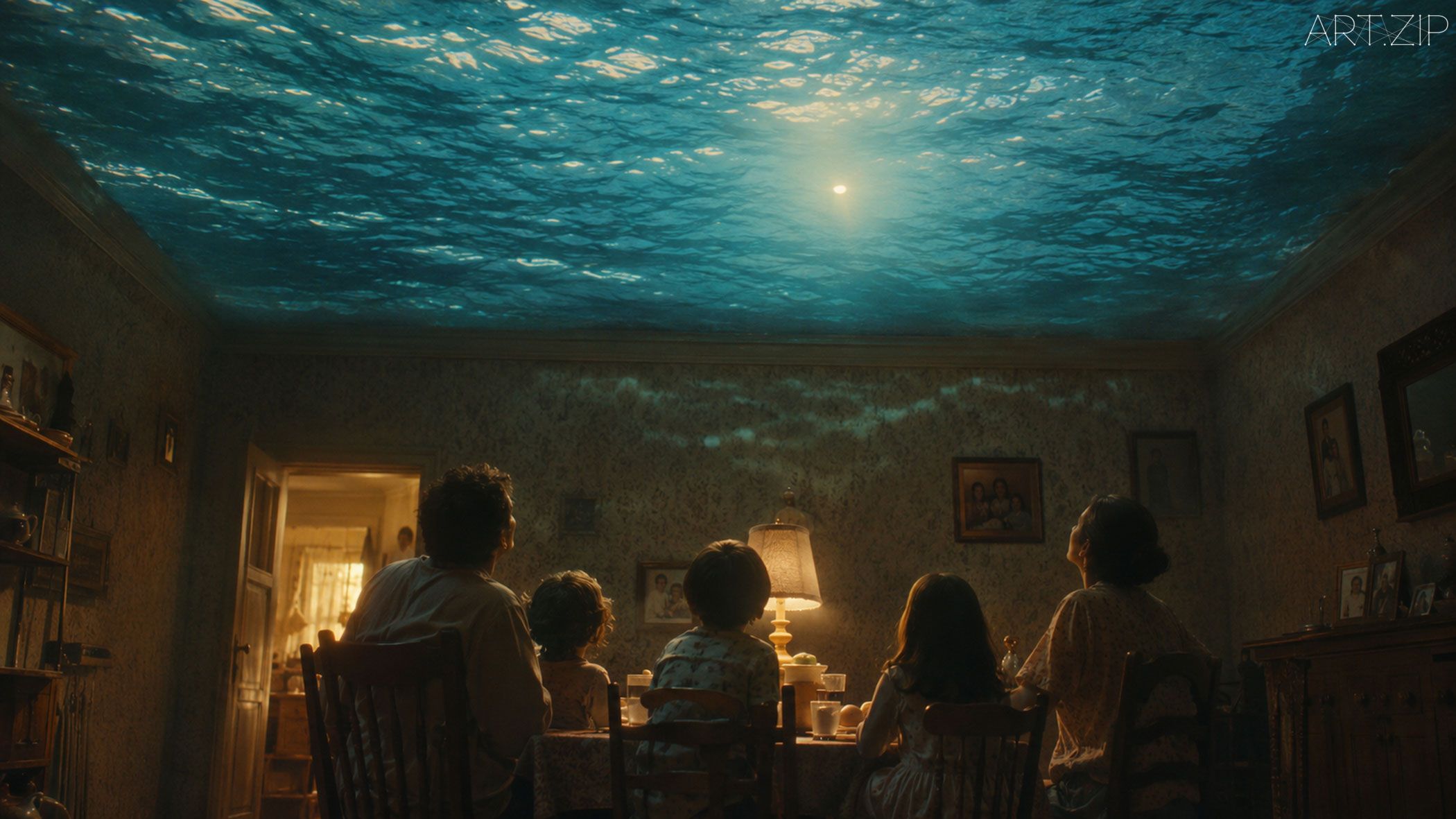
44,500 Nights by Luis Hiluy
AZ: One track asked filmmakers to work from an archive of dreams. What does AI make possible there that would be difficult with traditional filmmaking?
MP: With AI, you can create very personal images very easily. When I teach a class introducing people to AI image generation, one thing I do is say: tell me about a picture from your childhood that doesn’t exist — something that happened in your childhood but was never photographed. Now let’s make a picture of that.
That’s a technique I use to get people to make images that are emotionally resonant. The obvious thing is to say, tell me something amazing — you want a picture of, I don’t know, dolphins on Mars. So you make a picture of dolphins on Mars, but no one cares. If you make a picture of yourself as a child riding a bicycle, or of the sweet shop you used to go to, then it has emotional weight.
The thing about dreams is that they’re so vague. They’re like this, and then they’re like that, and then they’re like something else entirely. That kind of fluidity can be very difficult to achieve with traditional filmmaking.
By contrast, what AI still struggles with is what traditional filmmaking does very well — a conversation between two people, a real-world conversation with emotional performance from actors. That’s still very difficult with AI. But some incredible surrealist thing that looks like Salvador Dalí went mad in a film studio? Easy.
AZ: What does all this mean for the next chapter of cinema?
MP: AI is vastly more consequential as a technical shift than anything else that has happened since the advent of cinema. In my workshops we ask: how important is the AI revolution? As important as the internet? The industrial revolution? The evolution of humans?
In my opinion, AI is certainly as important as the industrial revolution — probably as important as the evolution of humans. I think it’s an alien species, an intelligent, non-human form that we have created. It’s not like us. That’s what I mean by alien.
As for the impact on cinema, I don’t know. Film and TV are incredibly conservative, and have completely succeeded in resisting the rise of the internet. We now have films and TV shows made primarily for the internet, but structurally they still look much like traditional cinema and television. In that sense, the basic form hasn’t changed that much since Casablanca, or from television in the 1960s. It’s still basically linear: it starts at the beginning and ends at the end. Whether you’re interested or not, it doesn’t respond to you.
In China, we’re already seeing AI-powered virtual livestream hosts that can go twenty-four hours a day. Will someone do something creatively interesting with that? Why not. But it’ll be out on the edges, in the unfashionable places, out in the wild west. That’s where the innovation will happen, not in what’s regarded as film and TV.
I think film and TV will become ever more conservative, and increasingly awards and film festivals will be AI-free. Indie and elite culture will more and more be defined by being free of generative AI. Photoshop and technical tweaks, that’s fine — but no generative AI. I’m quite sure we’ll start getting AI-free film festivals, and people will just love that, because in the film industry they hate AI so much. That’s what they want. It’s all about authenticity, and the idea that AI is inauthentic and fake. But as we saw today, that’s not necessarily true, because you can use AI to reflect your dreams in a direct, personal way. But it’s a culture war. In a war, people do crazy stuff. They don’t always make great decisions, because they’re at war.
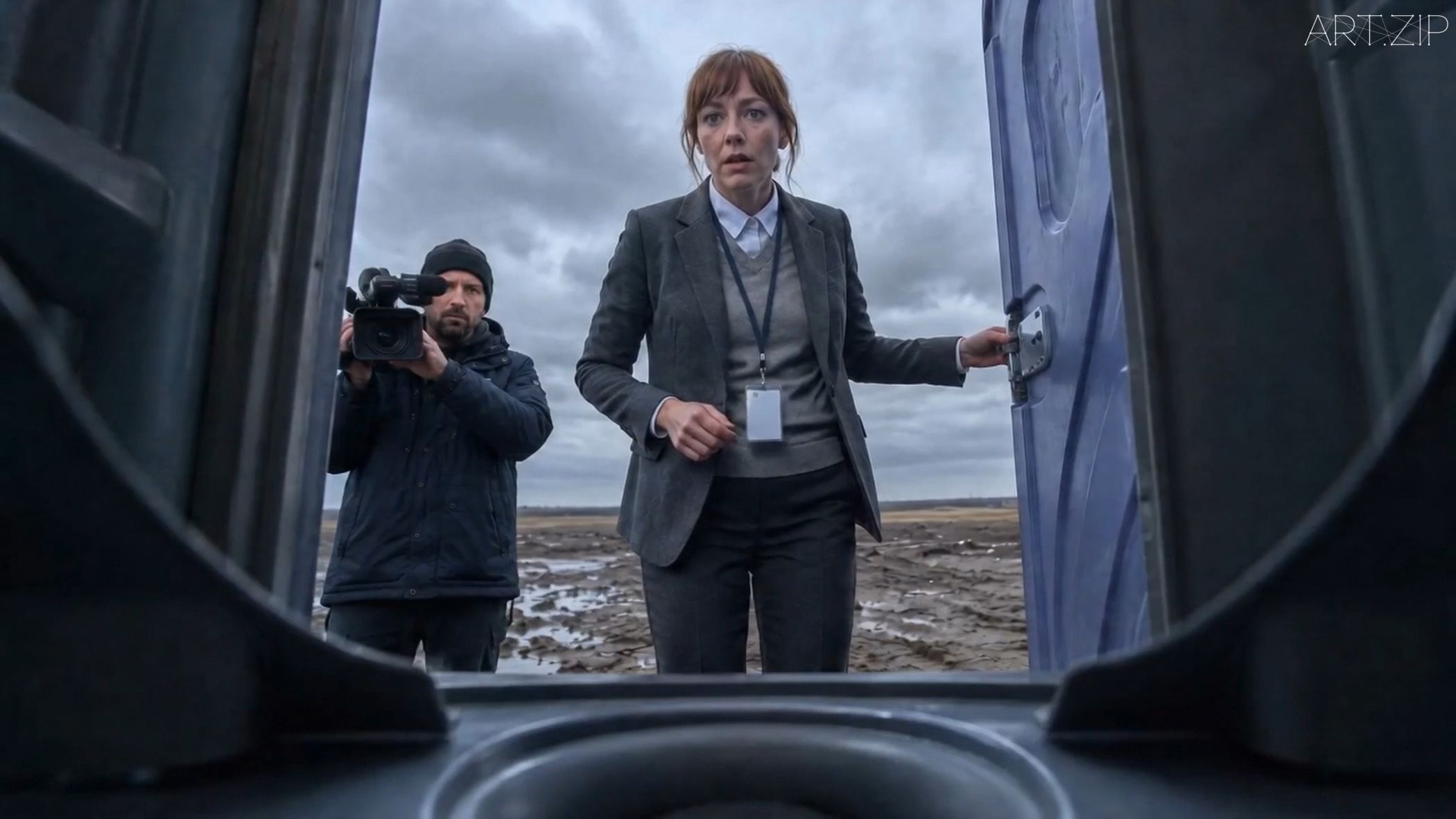
Home Sweet Home by Viola Jiejie Luo, Junting Chen
AZ: What would you say to emerging filmmakers trying to find a voice in this?
MP: A lot of emerging filmmakers are not working out how to use AI. They’re saying they will never use AI, and they’re defining themselves by their refusal to use it. The ones who are figuring out how to use it often have to keep it quiet — especially at film school, because it’s so unpopular socially.
I was talking to a guy who isn’t a film student yet but may become one. He has ideas that would be very easy to do with AI, but he knows all his friends hate it. When I say, “Why don’t you do this in AI?” he says, “No, no, I want to be authentic. I want to do real filming.” And the sort of ideas he’s got, he just won’t be able to do.
The thing is, real filmmaking on a low budget forces a very distinct style on you: not many lights, not very good locations, not great actors. That’s the style. Whereas with AI, you can do almost anything you like.
So if you’re working with AI, play to its strengths — the ability to create any fantastical thing you want — and try to avoid where it’s weak. A long conversation between two people sitting at a table is going to be a nightmare with AI: character consistency, faces changing slightly, performances that probably aren’t very good.
Whereas post-apocalyptic London with a thousand zombies running through the streets? That’s easy.
AZ: Is there still creative risk when the images come this easily?
MP: Of course. In one sense it’s far more risky, because half your audience may hate you before they’ve even started watching. You break your back making this beautiful thing, and then people hate it as soon as they see it — regardless of how good it is, regardless of whether they might have loved it five years ago.
You see videos on LinkedIn being derided as trash, when that exact same video four years ago might have made people say, “That’s amazing. How did you do that?” So how are you going to get over that barrier with those people? The answer is: quite possibly, you never are. You’ve just lost those people.
But there was a time when art made people angry. We’ve kind of forgotten that. We’re so used to modern art being socially acceptable. Go back to the early days of Impressionism. There’s this cliché that Van Gogh couldn’t sell his work in his lifetime. What does that really mean? It means that art like his could provoke rejection and hostility. People didn’t necessarily want it. And Picasso — now we look at a Picasso and say, well, it’s a Picasso. But some of his early work genuinely shocked people.
Well, now here we are again in a situation where art is making people angry. And in many ways, I think that’s a wonderful thing.
AZ: You don’t accept the premise that human-made art is automatically the authentic one.
MP: One of the assumptions in this culture war is that human-made art is wonderful, that it’s authentic, real, great. But that’s rubbish. There’s so much terrible human-made art out there.
Film and TV have, in my view, been extremely conservative since the 1960s and 70s, and visual art has been kind of frozen since the 1960s as well. Take a gallery-goer from 1968 and put them in Tate Modern now, and they would say: “Okay, what have you guys been doing for the last fifty or sixty years?”
It’s been a long time since anyone got angry about work at Tate Modern. I remember back in the 1970s people were furious about Carl Andre’s bricks at the Tate. Today, of course, institutions are still very cautious about AI-generated work — but once again we’re getting people angry about art. They’re angry for different reasons, but they’re still getting angry, and in some ways I think that’s okay. I’m speaking in a flippant way, and there are plenty of things to be angry about with AI, plenty of things to be scared about. The impact on film is just a tiny fraction of the total social impact AI may have on the human race.
But it’s here. We’re entering a time of traumatic, rapid change and revolution — and art is supposed to be like that. It’s supposed to be at the vanguard. It’s supposed to be avant-garde, and for a long time it hasn’t been.
Personally, I’m very comfortable with creative revolutions, and I think we definitely need one.
AZ: Your own work has moved towards interactivity. Why?
MP: The film and TV industry is locked in this fortress of trying to pretend it’s still the twentieth century. So much of what the industry makes is basically for the internet, but they pretend it’s not. Everything is made for Netflix or Apple TV or Hulu, but in their minds they’re still thinking it’s for twentieth-century television and twentieth-century cinema.
What I try to do is use the medium — and the medium of the internet is inherently interactive. So I’m looking for ways to add something to a film that is only possible because the film is on the internet. If you’re just trying to tell a story, the storyteller really just wants the listener to shut up and listen — and I understand that. But if you’re trying to empower someone or educate someone, it makes a huge difference if you turn viewers into doers.
I’ve done a lot of emergency-skills training — first in the UK, now in Canada and the US — teaching people how to save someone’s life. We use video with interactivity. Research suggests that interactive training can be more effective than passive video in some contexts, and it’s much cheaper than traditional face-to-face training.
More recently, I’ve done something we call participatory cinema. If you look at a traditional feature documentary, the filmmaker is just hitting you over the head with their views, which seems to me extremely undemocratic. So instead, all the way through the film we’re asking you questions. The film gives you a factual framework, and then when it comes to the political and ethical questions, we ask what you think. We give you the facts, because you can’t make your own facts — the facts are the facts. What you can make is your own political or ethical response. So the film gives you the facts, and then it asks you what you think, rather than saying: “I’m the filmmaker, I’m going to tell you what I think.” I did one about the climate emergency, then one about AI, and I’m developing a new one about AI at the moment.
AZ: You also worked on an emotion-recognition project. How do you see that in relation to the wider debate around emotion AI?
MP: I did some work with a company that developed a form of feedback using the camera in a digital device — a little widget that could analyse facial cues associated with things like emotion or age. What we did with it was develop a project, initially for a UK charity and then for the French Ministry of Labour, to teach people with social disabilities how to do job interviews.
For someone with autism — like my son — a job interview is like a steel wall. All these things that for neurotypical people can seem completely easy — smiling, eye contact, all this sort of stuff, an easy way to impress the person giving you the interview — can be incredibly hard for a person with autism, because they’re just not wired that way.
So we created this thing where you’d have a live interviewer talking to you, and a readout at the top for attention and positivity. If you look away, the attention goes down. If you don’t look happy, the positivity goes down.We’re not trying to show how you’re really feeling inside. We’re trying to let you game a job interview. We just want to give you a tool, give you a trick, so that you, as a person with autism, can go in and get that damn job.
We’re not saying that we’re revealing your inner soul. On the contrary — we’re showing you how to hide your inner soul. Just go in, look at their eyes, smile. To us it seems like: how hard can it be? For the young people using this tool, it’s very hard. At the beginning, some of them would look down and only glance up at the camera. They were going into interviews at a real disadvantage.
But with this little thing — there’s no one else involved, it’s just them and a computer and a little readout — they learn how to sit up, how to make eye contact, how to smile. That’s not expressing their inner self, and it’s not revealing their inner self. They’re learning it as a strategy to get through that job interview. They did some pilot testing and reported very encouraging results.
AZ: And then the regulation arrived.
MP: Tragically, along comes the EU AI Act. Emotion-recognition systems are now heavily restricted in Europe, and their use in workplaces and educational institutions is prohibited except for limited medical or safety purposes. And we’re doing something with people with autism — so immediately you’re in a very sensitive area. In our case, the French Ministry of Labour had been delighted with the project, but we weren’t able to continue using it in the way we’d hoped.
For me, that’s tragic, because this was exactly the sort of positive social use of AI that I think we should be encouraging. I’m not saying we don’t need AI regulation. We absolutely do. But it’s an example, in my view, of how regulation done badly can stamp out exactly the sort of thing that could have a positive social use.
My personal feeling is that the answer is not so much regulation as liability. The problem with regulation is that you need to understand what you’re regulating, and that’s incredibly difficult because the technology changes every month. If you create a system where there’s liability, that’s much more flexible. If something actually goes wrong and someone is harmed, then somebody is responsible.
With a project like this, the people using it were young people with autism who were trying to improve their chances in a job interview. From my point of view, the problem was that the regulation didn’t understand what the project was trying to do. With liability, I think it’s much easier to respond to something actually going wrong.
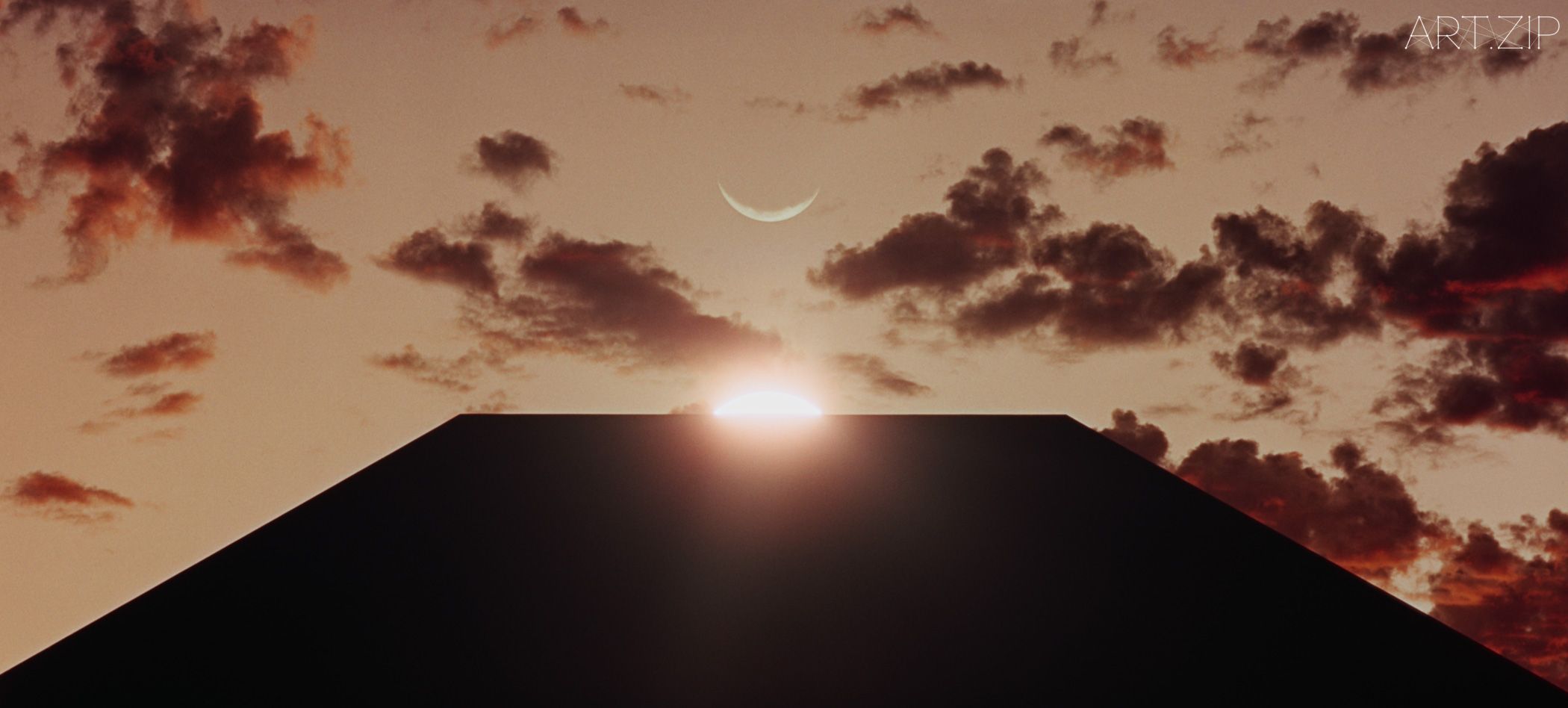
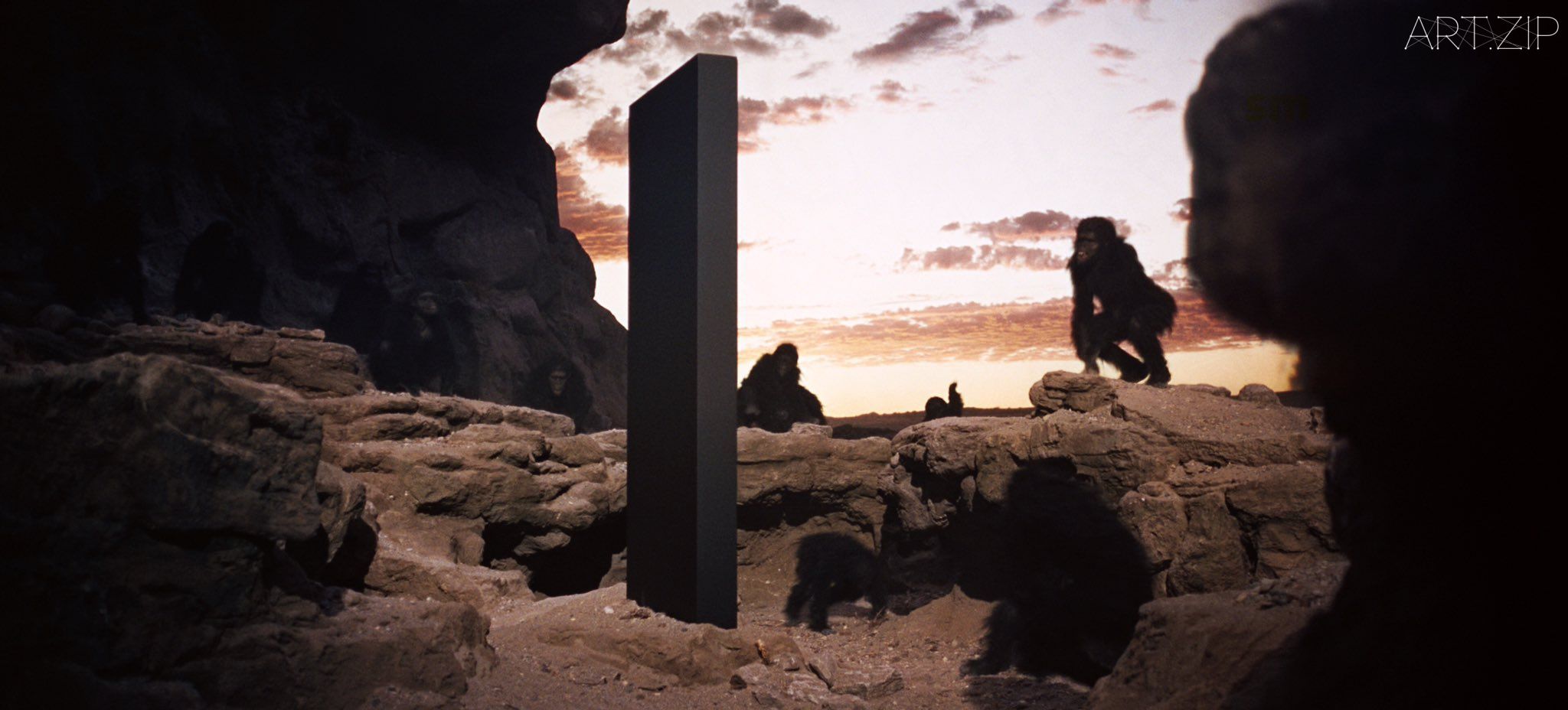
Still from 2001: A Space Odyssey (1968).
AZ: What conversation about AI are we not having?
MP: People thinking and talking about AI come in two basic types. There are AI ethics people, concerned with the impacts of AI today: climate impact, job loss, undermining creatives, bias, problems in the developing world with data workers. Impacts now.
Then there are AI safety people, concerned not so much with what’s happening now but with what might happen in five or ten or twenty years — what can we do now to try to make these systems safe? Because, as everyone knows, they are improving at this astonishing speed. Any number of benchmarks are going up and up. On some benchmarks, AI systems have already passed human-level performance. But that doesn’t mean we have an AI system which is generally as smart and adaptable as a human. We don’t. Look how fast it’s progressing, though.
If these systems do eventually reach human-level general capabilities, I don’t see any reason to assume progress would simply stop there. AI systems aren’t trapped in a human skull. Machine intelligence can, in principle, be copied, scaled, updated and redesigned in ways that human brains can’t.
The conversation at the moment, especially on social media, is overwhelmingly about current impacts — data centres, taking artists’ work for training, AI video. That’s where the heat is.
The conversation we need to be having more is about what might happen in ten or twenty years if these things become as smart as us, or much smarter. Because if serious safety problems emerge only once the systems are more capable than we are, it may be too late to start thinking about them then.
And the ethics people and the safety people kind of hate each other’s guts. The ethics people are very powerful in academia and on the left, and a lot of them say worrying about the future is just trying to distract from current impacts. The safety people say worrying only about the present day misses the much harder problem: what happens if we eventually create a superintelligent system we can’t control?
I believe both those things are important. But the conversation that is not happening enough is the one about the future.
Two of my favourite films from the twentieth century are both films about AI: 2001: A Space Odyssey and Terminator 2.
2001 is about a battle between HAL, an apparently sentient AI, and a human, and as it happens the human manages to win. But what you might not know — because the book makes this much more explicit than the film — is that the monolith itself is an extraordinarily advanced machine, and the wider story is about intelligence evolving beyond ordinary organic life. So the whole story universe of 2001 is deeply concerned with machine intelligence and the evolution of intelligence.
And Terminator 2, in a much simpler American action-movie way — it’s kind of the ultimate action film — is of course about a struggle between AI and humans.
The backstory is fairly plausible. Not so much the robots. But the broader premise — that a sufficiently powerful AI system could become dangerous to humanity if its goals were badly aligned with ours — is exactly the kind of problem AI safety researchers worry about. There’s this wonderful scene where the Terminator is about to kill two men, and John Connor stops him and tells him that he can’t just kill people. That is actually a beautiful, intuitive example of AI alignment: trying to make an AI system behave in accordance with human intentions and values, including constraints on what it is allowed to do. That’s being studied very seriously at the moment.
So when I talk about alignment, I actually use that bit of Terminator, because it’s so intuitive and so easy to understand. If you can teach the Terminator now not to kill humans, then in twenty years, when the Terminator is more powerful than us, hopefully it’ll remember that lesson.
In other ways, though, both films reflect what I think is a misunderstanding: the idea that AI necessarily presents itself as cold and unemotional. Today’s systems can produce incredibly emotional, erratic and human-like forms of expression. Whether that means they actually feel anything is a completely different question.
AZ: So where does that leave artists?
MP: AI is a milestone in human history. The impact of AI on film is just a tiny fraction of the impact AI may have on human culture.
No one knows what that impact is going to be — whether it will be a catastrophe, something good, or somewhere in the middle. People hate it not just because of what it means for filmmaking, but because it’s part of this much bigger revolution.
For me, Pandora’s box is open. You can’t close Pandora’s box. It’s out there.
I think artists should be on the cutting edge of technology, working out what to do with it and how to use it for positive ends.
I understand and respect people who boycott it, but I think artists should be out on the wild frontier.
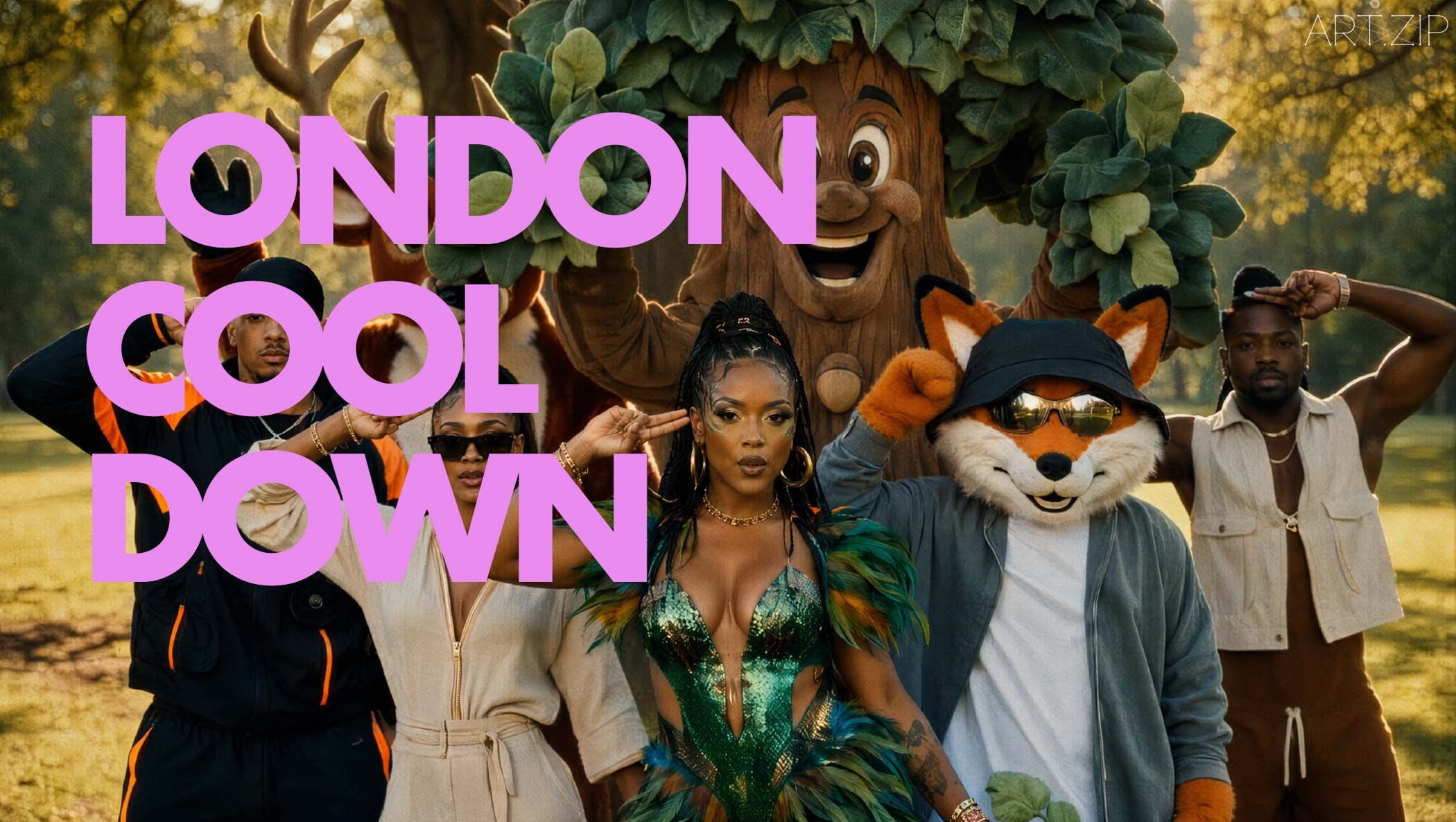
Satie’s Nightmare by Mei Sense
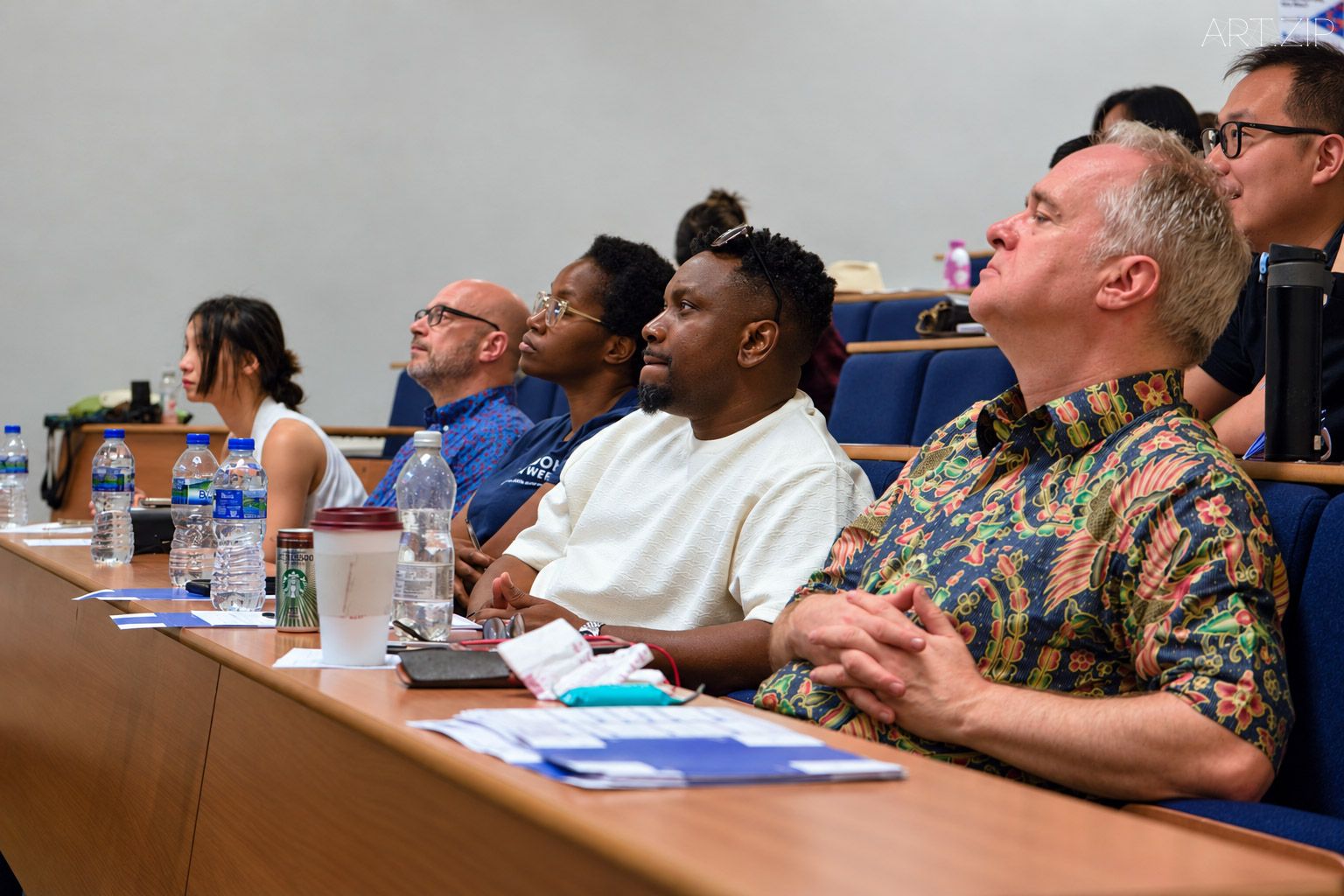
七月的倫敦正籠罩在熱浪之中,倫敦數據週(London Data Week)卻進行得如火如荼。散布在城市各處的活動中,包括由EAST2046主辦的「全球AI電影製作黑客松(Global AI Filmmaking Hackathon)」。在倫敦帝國理工學院(Imperial College London)的一間禮堂裡,入圍者放映了使用AI工具和真實世界資料製作的短片,其中一些作品也得到了TapNow平台的支持。幾位評審都來自專業電影製作背景,我們一起討論作品本身、背後的想法,以及創作者如何使用AI。到了最後,要選出得獎作品,比我們原先想像的困難得多。真正讓我感興趣的,不只是銀幕上出現了什麼,而是圍繞這些作品展開的討論。
AI正在迅速進入電影製作,但對它的反彈也同樣強烈。作者身分、版權、就業、真實性,以及科技公司所掌握的權力,現在都和一個更直接的創作問題交織在一起:AI究竟能為電影創作者帶來哪些以前不可能做到的事情?
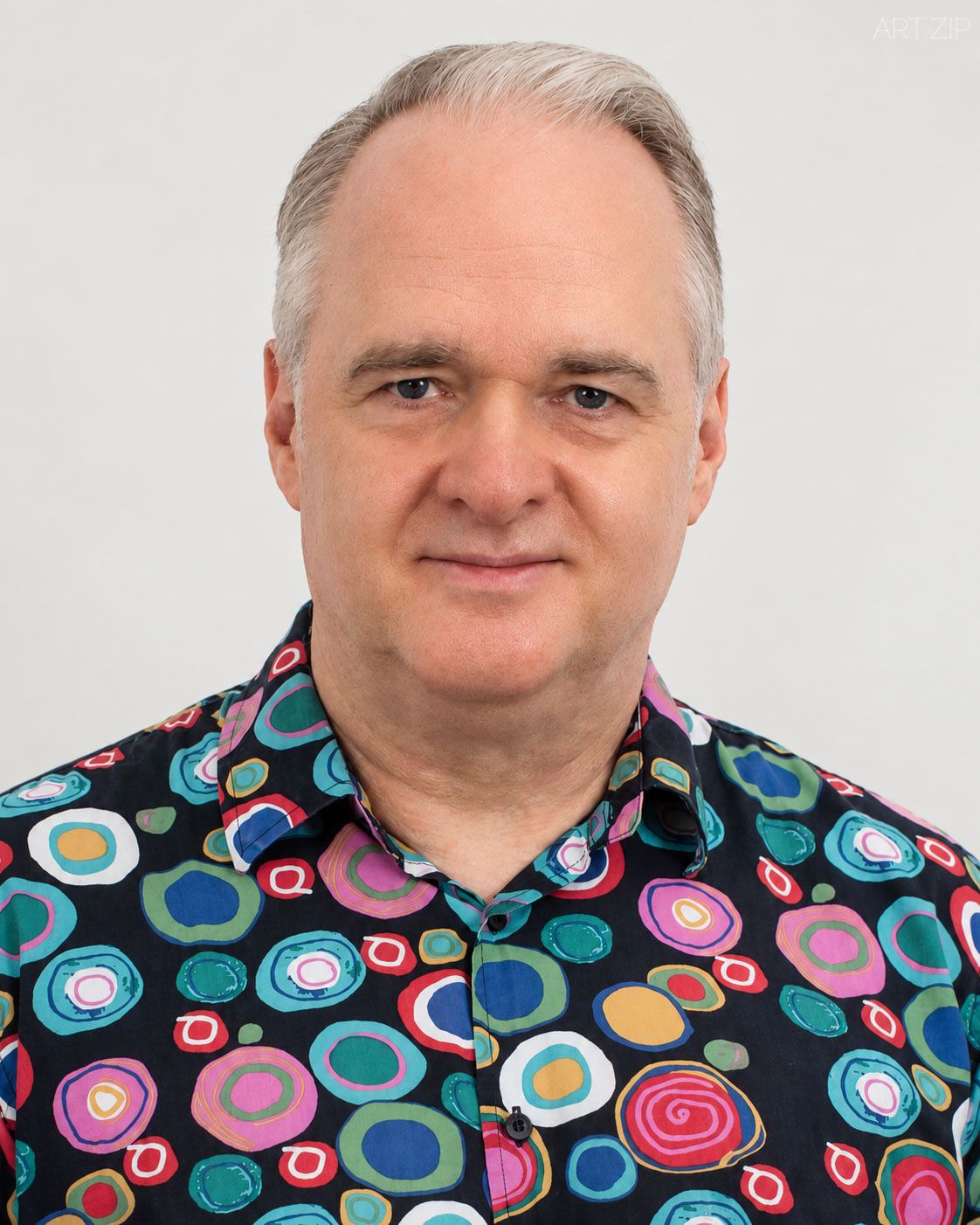
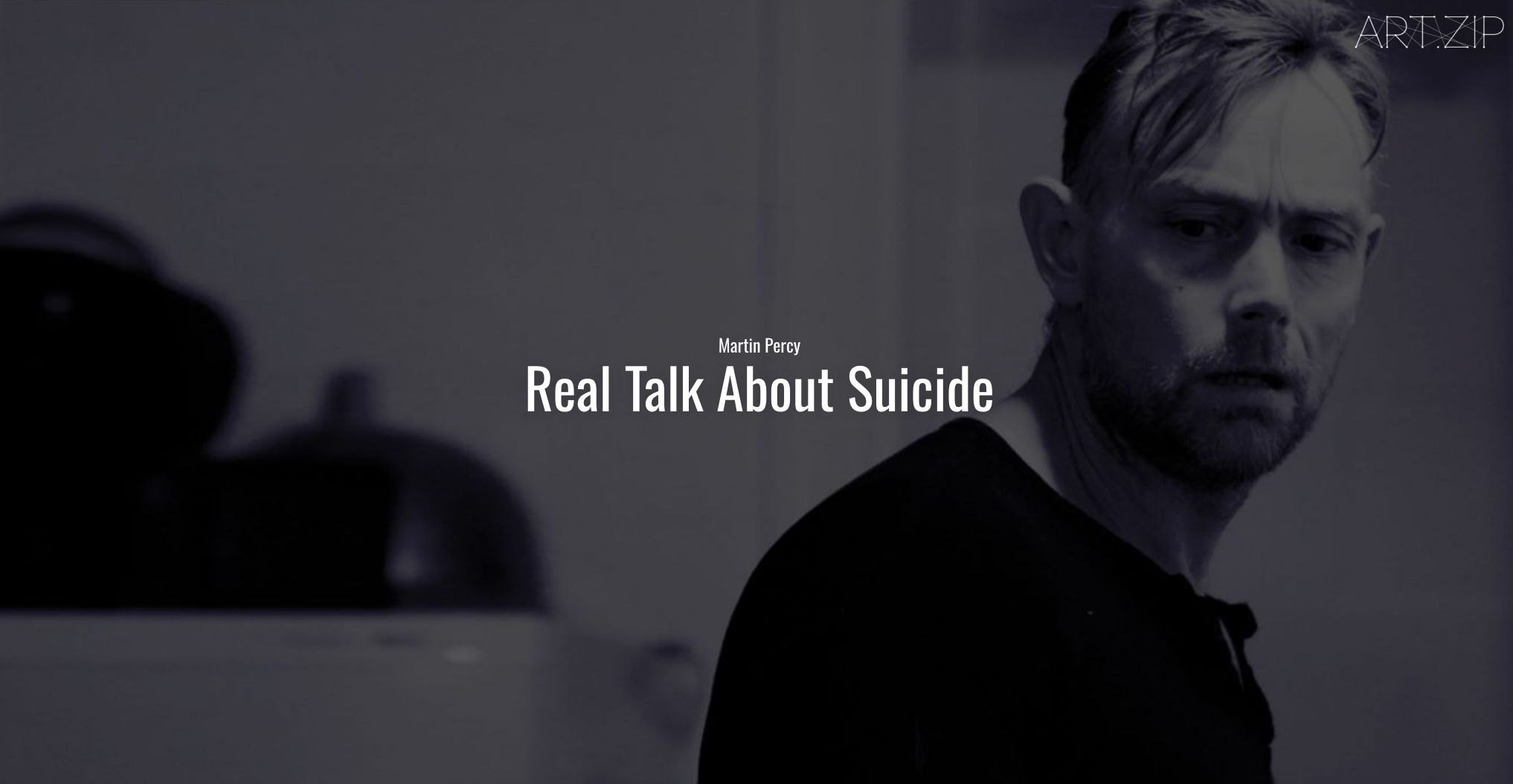
評審之一是馬丁·佩爾西(Martin Percy)。他是一位曾獲BAFTA、艾美獎和Webby獎的電影人、教育者及AI研究者,長期關注電影、互動媒體與新興科技之間的關係。我們從這場黑客松談起,但話題很快就超出了這些作品本身。對Percy來說,人們對AI的抵抗,無法和正在被創作出來的作品分開來看。AI電影已經被捲入一場更大的爭論,關乎創造力、勞動、科技與權力——在整場對話中,他反覆把它稱為一場「文化戰爭」。
但無論我們歡不歡迎它,他都相信,事情已經不可能再回到原點。「潘朵拉的盒子已經打開了」,他說。
我原本打算把這次訪談整理成一篇專題文章,而不是問答形式。但Percy很幽默,也很挑釁,有時甚至故意說得很直接。他會談「AI垃圾內容(AI slop)」,把人工智能比作一個「外來物種」,也會用《終結者2》(Terminator 2)來解釋「AI對齊(AI alignment)」。我越是把他的回答整理成一篇傳統的專題文章,越覺得有些屬於他的聲音正在消失。所以最後,我決定還是讓他自己說。


AZ: 身為評審,你最想在今年的參賽作品裡看到什麼?
MP: 我對任何想拍AI電影的人都會說同一件事:你得先弄清楚現在的文化氛圍。我們正處在一個對AI強烈反彈的時期。你把AI影片放上Instagram或LinkedIn,在西方很可能等著你的是極其憤怒的負評——因為AI正處在一場文化戰爭的中心。而這場戰爭不只關乎電影,還牽扯到資料中心,以及權力如何集中在少數幾家大型AI公司手上。
你可能會問:Martin,這跟我的AI影片有什麼關係?很遺憾,關係大得很。很多人甚至還沒看到第一個畫面,就已經討厭它了。
有個關鍵詞叫 slop——AI slop,也就是「AI垃圾內容」。我常問人:你說的AI slop到底指的是什麼?答案大概有三種。一種是:我從來不用這個詞。另一種是:我用它來形容AI做出來的爛東西。但現在越來越多年輕人拿這個詞來指任何由AI製作的東西。
我有個年輕的親戚,她只要看一眼是不是AI做的,只要是,就是垃圾。我可以拚了老命把它做到最好,也沒有用。我做得再好,對她來說,它還是垃圾。
我覺得這實在太可惜了。因為作為一個電影人,AI對我來說是一種巨大的解放。它讓過去不可能做到的事變成可能,今天我們就親眼看到了——這裡大多數都不是專業電影人,但他們正在讓一些原本不可能實現的想法活了起來,在過去那絕對辦不到的。
所以,我到底在找什麼?很多時候,我在找那些能夠回答「為什麼非用AI不可」的作品。通常就是兩個問題:它有沒有社會價值?或者,它是不是在做一件用傳統方法幾乎不可能完成的事?只要其中一點成立,你就有底氣說:我知道你討厭AI電影,但潘朵拉的盒子已經打開了——這個媒介已經出現了,AI已經在這裡了,而這就是你使用它的理由。
AZ: 兩條賽道,一條是圍繞倫敦公共資料展開的「社會影響敘事」,另一條則取材自一組夢境敘事檔案。你覺得這樣的設計有效嗎?
MP: 我覺得這個設計做得很好。兩個主題,一個是以住房資料為基礎——這樣自然就有了社會價值,那一組的作品大多在講倫敦高得離譜的住房成本。如果有柏林的讀者看到這篇,請留在柏林,因為講到住房,柏林比倫敦好太多了。另一條賽道是夢境。那顯然不是一個社會正義的題目,但它非常適合去做那些只有AI才能做到的事情。
得獎的作品,要麼具有社會價值,提出了嚴肅的社會議題;要麼就是夢境那一組,在創作上很有意思,用傳統技術不是做不到,只是會非常困難。這兩種,我都覺得是AI的好用法。
不過我得說,要拍一部關於資料集的電影真的很難。有些作品之所以不成立,就是因為這件事實在太難了。得獎的那幾部,厲害的地方就在於,真的把一堆原本抽象的資料變成了電影。這聽起來簡單,其實非常難。如果你正在找電影點子,我完全不建議你跑出去開始翻資料集。但他們最後還是做到了,只是這個挑戰真的很難。
而且別忘了,這是一場黑客松。這些都不是最終完成版的電影,而那本來也不是重點。這些年輕人是在實驗,也希望他們玩得開心。很多想法不成立,很多執行也不到位,但放輕鬆——他們可能只花了二十四小時做這些作品。真正重要的是,他們在嘗試新的東西,而其中有些想法確實很有意思,也很動人。
AZ: 為什麼黑客松這個形式對AI電影特別重要?
MP: AI電影黑客松越來越多了,我覺得這是個很好的形式,其中有一個很重要、也很政治的原因:因為這場文化戰爭,很多傳統電影人從來沒用過AI,也打定主意永遠不用。我希望黑客松這種形式或許能讓其中一些人試一次。
這件事重要,是因為人一旦真的動手用,態度就會變。我開了一個關於AI政治與倫理的工作坊,常常一眼就能看出誰其實沒在用AI——因為他們滿腦子都是理論:喔,它只會生出平庸乏味的東西,因為那不過是訓練資料的平均值。這完全是胡說。真正的辦法是他們自己去試一次。別再讀那些憤怒的社群貼文了,動手做一次看看。
但我們現實一點:不會有人在黑客松裡做出電影傑作。要做出一部很棒的片子,即使有AI,你也得投入大量時間。這沒關係,那本來就不是黑客松的目的。黑客松的目的是動手試、玩點新東西、把你對「電影可以是什麼」的舊想像打破——然後從裡面學到點什麼,再往下一步走。
AZ: 很多支持AI的人會說,它「不過就是另一種工具」。你不同意,為什麼?
MP: 在關於AI的爭論裡,支持AI的人有時會說:「喔,它不過就是一個工具。」這一點我得很客氣地表示不同意。AI其實是一個很容易讓人混淆的總稱,裡面涵蓋很多不同的技術,包括我們所說的狹義AI(narrow AI)、生成式AI(generative AI)等等。但我們這裡真正談的是生成式AI——也就是你拿來做影片、或者使用ChatGPT時接觸到的這類AI。對我來說,它根本不只是工具,我更把它看成一個協作者。
作為導演,我早就習慣和人合作了。幾十年來,我一直都在和不同的人一起工作,所以對我來說,AI只是出現了一種新的協作者。你可能會問:Martin,那作者身分怎麼算?我的工作本來就是和演員、攝影師、剪輯師一起完成一部電影,而每個人都會把自己的東西帶進作品裡。現在和AI合作,其實也是一樣。我會和Claude合作、和Midjourney合作、和Seedance合作。它們每一個都會參與創作。它們只是和我過去合作的人不一樣——不是人類協作者,而是機器協作者。
AZ: 這會改變我們對「作者身份」的理解嗎?
MP: 1950年代的法國出現了「作者(auteur)」這樣的概念——也就是把導演視為一部電影最主要的作者。「Auteur」 這個詞本身在法語裡就是「作者」的意思。但這個觀念一直都存在爭議,因為電影從來就是一種高度協作的藝術。演員、攝影師、剪輯師,都會把自己的創造帶進作品里。
到了AI,我覺得情況發生了變化。導演現在可能比過去任何時候,都更接近成為一部電影的「單一作者」。這種狀態,在傳統電影製作里其實很難真正實現。從「寫作」這個角度來看,這個過程很有意思。傳統上,你寫劇本的時候是很私人的——就是你和鍵盤。可劇本一旦完成,就會進入一個更社會化的階段:你把它交給製片人、演員、攝影師,然後大家一起把它變成電影。到了剪輯階段,創作又會變得相對私密一些,但你身邊依然會有剪輯師。
AI改變了這一點。你可以一個人寫劇本,然後繼續一個人把電影做出來。你的協作者變成了機器。當你在創造一個AI生成的演員時,某種意義上,你甚至也在「寫」這個演員——他的樣子、狀態、表演方式,都是創作過程的一部分。
所以整個過程會重新變得非常集中,圍繞著一個單獨的作者展開。對我來說,這是一個非常巨大的變化。
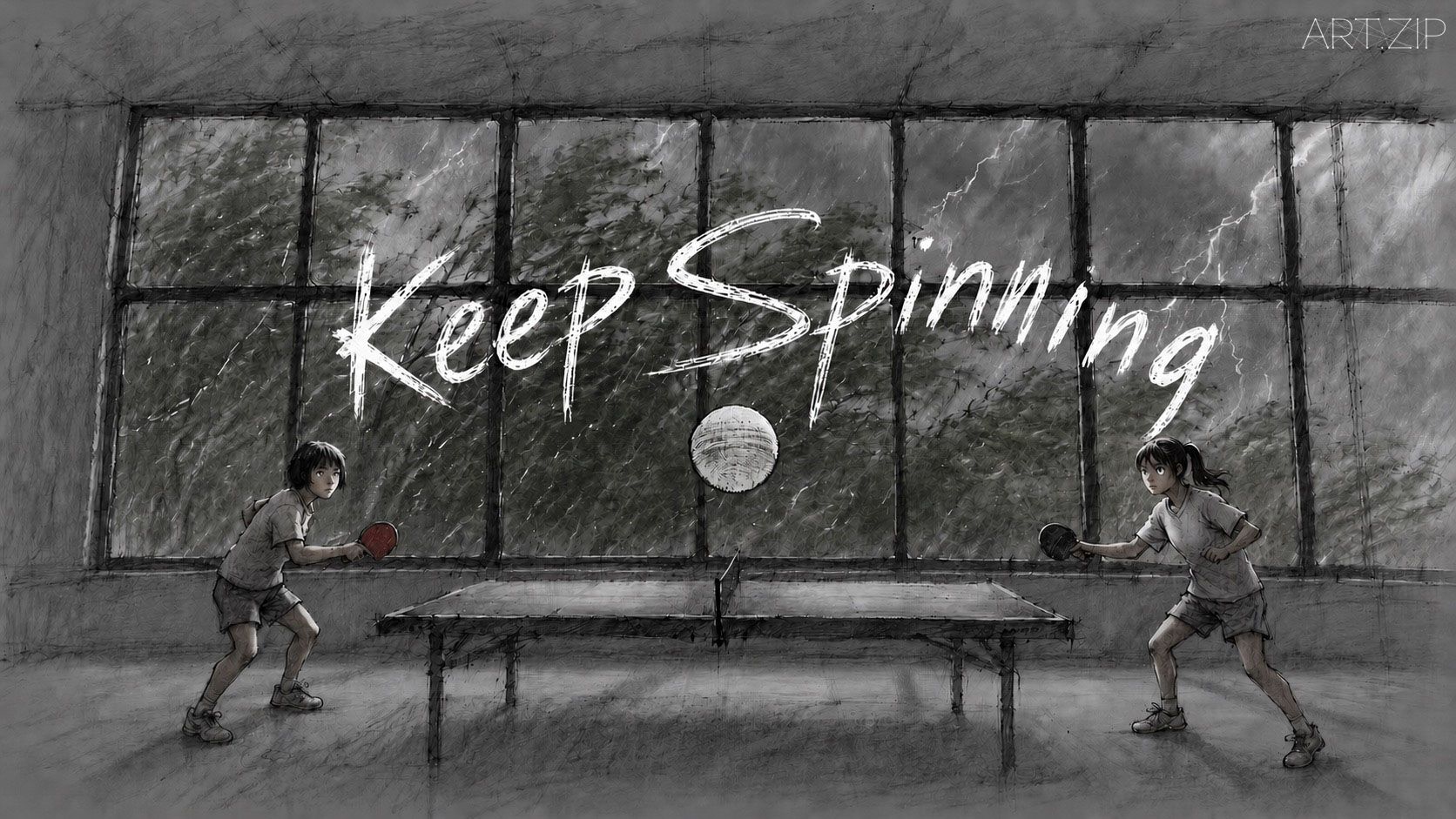
Keep Spinning by Koji Kashiwa
AZ: 其中一條賽道要求電影人以夢境敘事為素材進行創作。AI在這方面,能做到哪些傳統電影比較難實現的事?
MP: 用AI,你可以很容易做出非常私人的影像。我在教AI影像生成的入門課時,经常會請大家做一個練習:告訴我一張「不存在的童年照片」——也就是童年裡真實發生過,卻從來沒有被拍下來的一個瞬間。然後,我們把那張照片做出來。這是我常用的一個方法,因為它能讓人做出真正帶有情感的影像。最直覺的做法往往是:想一個特别奇幻的畫面——比如,火星上的海豚。你當然可以把它做出來,但這種畫面本身未必真的能打動人。可如果你做的是童年的自己騎著單車,或者以前常去的那家糖果店,那個畫面就會有情感的重量。
夢境的特別之處就在於它很模糊。它一下是這樣,一下又變成那樣,下一刻可能又完全是另一回事。這種流動、跳躍的感覺,用傳統電影手法往往很難做到。
反過來說,AI現在仍然最不擅長的,恰恰是傳統電影最拿手的東西——比如兩個人坐在一起交談,一場建立在演員細膩情緒表演上的現實場景。像这种建立在真实对话和细腻表演上的场景,目前用AI還是很難做好。但如果你要的是一個極度超現實的畫面,譬如说,达利在電影片場上發瘋?那就簡單多了。
AZ: 那麼,這一切對電影的下一個階段意味著什麼?
MP: 如果把AI看成一次技術變革,我認為它的影響遠遠超過電影誕生以來出現過的任何一次技術轉變。我在工作坊裡常問大家:AI革命到底有多重要?和互聯網一樣重要?和工業革命一樣?還是甚至可以和人類的進化相比?在我看來,AI的重要性肯定不亞於工業革命,甚至可能和人類的進化一樣重要。我覺得它就像一個外來物種——一種由我們創造出來、具有智能的非人類存在。它和我們不一樣,而這正是我所說的「外來」:它不是我們。
至於AI究竟會怎樣影響電影,我不知道。電影和電視其實是非常保守的,而且一直在抵抗網際網路真正可能帶來的形式變化。現在很多電影和電視節目主要就是在網絡上觀看,但從結構上看,它們跟傳統電影和電視並沒有太大不同。從這個意義上說,電影的基本形式從《北非諜影》(Casablanca)到現在並沒有改變多少,電視也仍然很像1960年代的電視節目。它基本上還是一種線性形式:從開頭開始,到結尾結束。你有沒有興趣、是否投入其中,它都不會對你的反應作出回應。
但在中國,我們已經開始看到另一種新事物——可以一天二十四小時持續直播的AI虛擬主播。未來會不會有人用這種形式做出真正有創意的東西?為什麼不會?只是我覺得,真正的創新很可能發生在邊緣,在那些還不那麼時髦、甚至有點像「西部荒野」的地方,而不是今天被認定為主流電影和電視的領域。
我反而認為,電影和電視接下來可能會變得更加保守,也會有越來越多獎項和影展選擇「AI-free」。獨立文化和精英文化,也可能越來越以「不使用生成式AI」來界定自己。Photoshop之類的技術調整可以,但生成式AI不行。我很確信,之後會開始出現明確標榜「AI-free」的影展,而且一定會有人非常喜歡,因為電影產業裡對AI的抗拒實在太強了。大家追求的是「真實性」——背後的想法是,AI是不真實的,是假的。但我們今天看到的其實未必如此。你完全可以用AI非常直接、非常私人地去呈現自己的夢。說到底,這還是一場文化戰爭。而一旦進入戰爭狀態,人有時就會做出很極端的事,也未必總能作出最好的判斷。
AZ: 對那些正在摸索自己創作方向的年輕電影人,你會怎麼說?
MP: 很多年輕電影人其實不是在摸索怎麼使用AI,而是一開始就說自己永遠不會用AI,甚至用「拒絕AI」來界定自己的立場。那些真的在嘗試AI的人,往往還得低調一點——尤其是在電影學校裡,因為在社交層面,這件事可能非常不受歡迎。
我之前和一個年輕人聊過,他還不是電影系學生,但以後可能會去念。他有一些想法,其實用AI很容易實現,可是他知道身邊的朋友都討厭AI。我問他:「那你為什麼不用AI做?」他就說:「不,不,我想要真實一點,我想用真正的拍攝方式。」但問題是,以他現在那些想法,如果不用AI,他其實很難做出來。
現實是,低預算的傳統拍攝會強迫你形成一種很明確的風格:燈不多,場地不理想,演員也未必特別好。這本身就會變成你的風格。可是一旦用AI,你幾乎什麼都可以去嘗試。所以如果你要用AI,就應該順著它的長處去做——它很擅長創造那些奇幻、現實中難以實現的畫面;同時,也盡量避開它現在還不擅長的部分。比如,兩個人坐在桌邊進行一場很長的對話,用AI來做會非常麻煩:人物一致性很難維持,臉會有細微變化,表演品質也可能不夠好。但如果你要的是末日後的倫敦,街上有一千個殭屍狂奔?那反而簡單。
AZ: 當影像變得這麼容易生成之後,創作還有風險嗎?
MP: 當然有。從某個角度來說,風險反而更大了,因為你的觀眾可能還沒開始看,就已經有一半先討厭你了。你拚了命把一件東西做到很漂亮,結果大家一看到它是AI做的,就立刻討厭它——不管它到底做得好不好,也不管五年前他們看到同樣的畫面,說不定還會非常喜歡。
你現在在LinkedIn上常會看到一些影片被罵成垃圾,可如果是四年前看到完全一樣的影片,大家可能反而會說:「太厲害了,你到底是怎麼做到的?」那你要怎麼跨過這道牆?答案很可能是:你永遠也跨不過去。那些觀眾,你就是失去了。
但以前其實有一個時代,藝術是會讓人生氣的。我們好像已經忘記這件事了。現在我們太習慣現代藝術被社會接受。回到印象派剛出現的時候,很多作品都曾經受到非常強烈的排斥。我們常聽到一種說法,說梵高在世時幾乎賣不出作品。這件事真正說明的是什麼?就是像他那樣的藝術,在當時會讓人拒絕、甚至產生敵意。人們根本不一定想要它。畢加索也是。今天我們看到畢加索,會很自然地說:「喔,這是畢加索。」但他早期的一些作品,當時確實曾讓很多人感到震驚。
而現在,我們好像又回到了一個藝術會讓人生氣的時刻。某種程度上,我覺得這反而是一件很好的事。
AZ: 你並不接受這樣一個前提:只要是人做的藝術,就天然更「真實」。
MP: 這場文化戰爭裡有一個很常見的假設,就是人做的藝術一定很好,一定真實、可靠、很棒。但這根本就是胡說。人做出來的爛作品多得是。
在我看來,電影和電視從1960、70年代以來一直都非常保守,視覺藝術某種程度上也像是從1960年代之後就停在那裡了。你如果把一個1968年的畫廊觀眾直接放到今天的泰特現代美術館,他大概會問:「好吧,那你們這五、六十年到底都在幹什麼?」
已經很久沒有哪件泰特現代美術館裡的作品真的把大家惹火了。我還記得1970年代,大家會為Carl Andre在泰特美術館展出的那堆磚頭氣得不行。今天,藝術機構對AI生成作品當然還是非常謹慎——但我們又開始看到人們因為藝術而生氣了。他們生氣的原因和以前不一樣,但他們確實又在生氣。某種程度上,我覺得這沒什麼不好。
我這樣講有點輕描淡寫,因為AI當然有很多值得生氣的地方,也有很多值得害怕的地方。電影受到的影響,只是AI未來可能帶給整個人類社會影響中很小的一部分。但它已經在這裡了。我們正在進入一個劇烈、快速、甚至可能帶來創傷的變革時期——而藝術本來就應該是這樣。藝術本來就應該站在最前沿,本來就應該是前衛的。可是在我看來,它已經很久沒有真正做到這一點了。
我個人對創作上的革命一向很自在,而且我確實認為,我們現在需要一次這樣的革命。
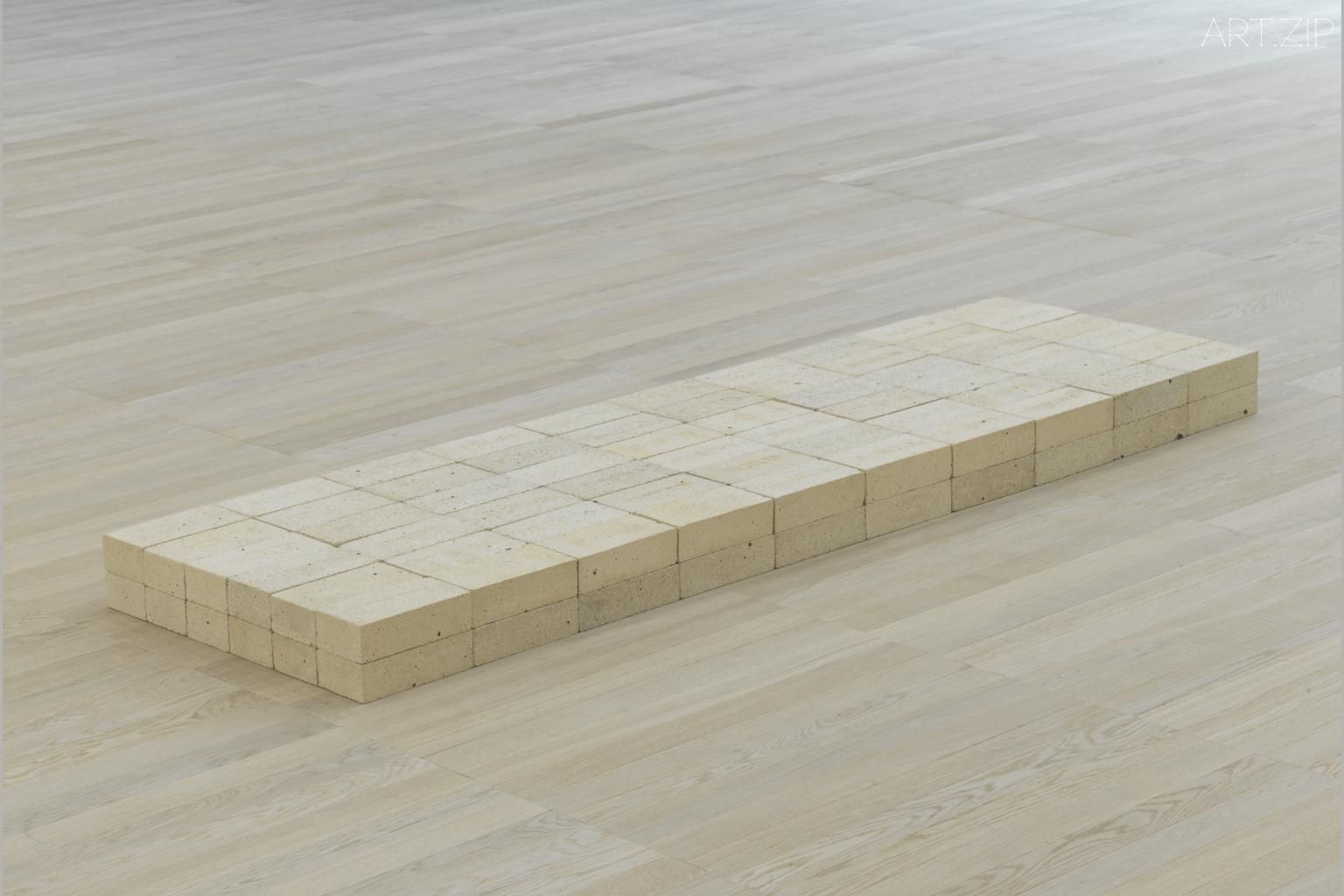
Carl Andre, Equivalent VIII, 1966.
AZ: 你自己的創作近年越來越走向互動,為什麼?
MP: 我一直覺得,電影和電視產業像是把自己鎖在一座堡壘裡,假裝現在還是二十世紀。今天大量電影和電視內容其實都是為網路而存在的,可整個產業卻好像不願意承認這一點。大家為Netflix、Apple TV、Hulu製作內容,但在思考方式上,仍然把它當成二十世紀的電視和電影。
我想做的,是去真正使用這個媒介本身——而網絡這個媒介,本質上就是互動的。所以我一直在想,有沒有什麼東西,是只有因為電影存在於網路網絡上,才有可能加入進去的?如果你只是想講一個故事,那說故事的人其實就是希望聽眾閉嘴,好好聽完——這點我完全理解。但如果你的目的是讓一個人獲得某種能力,或者真正學會一件事,那麼把觀眾從「觀看者」變成「行動者」,差別會非常大。
我做過很多急救技能訓練,最早是在英國,後來也在加拿大和美國,教大家怎麼在緊急情況下救人。我們用的是帶有互動功能的影片。有研究顯示,在某些情境下,互動式訓練可能比單純觀看影片更有效,而且成本也比傳統面對面訓練低很多。
近年我還做了一種我們稱為「參與式電影」(participatory cinema)的形式。你如果去看一部傳統的長篇紀錄片,很多時候其實就是導演拿自己的觀點一直往你頭上砸。在我看來,這非常不民主。所以我們反過來做:整部影片進行的過程中,我們一直在問觀眾問題。影片先提供一個事實框架;等進入政治或倫理問題時,我們就問:你怎麼想?我們會給你事實,因為你不能自己創造事實——事實就是事實。但你可以形成自己的政治或倫理判斷。所以影片不是在說:「我是導演,現在我來告訴你我怎麼想。」而是先把事實放在你面前,再問你:那你怎麼看?我先做過一個關於氣候危機的版本,之後又做了一個關於AI的,現在也正在開發新的AI主題項目。
AZ: 你也參與過一個情緒辨識項目。你怎麼看它和當下「情緒AI」爭議之間的關係?
MP: 我之前和一家公司合作過,他們開發了一種利用數位裝置鏡頭提供回饋的技術——一個小工具,可以分析和情緒、年齡等相關的臉部線索。我們後來用它做了一個項目,最早是為英國一家慈善機構開發,之後又用於法國勞工部相關項目,目的是幫助有社交障礙的人練習求職面試。
對自閉症人士來說——像我兒子就是自閉症——求職面試幾乎就像一堵鋼牆。對神經典型者來說,很多事情好像都很自然:微笑、眼神接觸、讓面試官感覺你很投入,這些都是很常見的社交方式。但對自閉症人士來說,這些事可能非常困難,因為他們本來就不是用同樣的方式運作。
所以我們做了一套系統:你面前會有一個真人面試官和你對話,螢幕上方則會顯示兩個即時指標,一個是注意力(attention),一個是積極度(positivity)。你如果把視線移開,注意力指標就會下降;如果你的表情看起來不夠積極,積極度指標也會下降。我們不是在試圖告訴你「你內心真正的感受是什麼」。我們是在教你怎麼把一場求職面試應付過去。我們只是想給你一個工具、一個方法,讓你作為一個自閉症人士,可以走進去,然後把那份該死的工作拿到手。
我們不是在說:我們能看穿你的內心。恰恰相反——我們是在教你怎麼把內心藏起來。進去,看著對方的眼睛,微笑。對我們來說,好像會想:這有多難?但對真正使用這個工具的年輕人來說,這非常難。剛開始時,有些人會一直低著頭,只偶爾抬眼看一下鏡頭。這會讓他們在面試裡處在很不利的位置。
但用了這個小工具之後——沒有其他人在旁邊,就只是他們自己、一台電腦和一個簡單的即時顯示——他們可以慢慢學著坐直、保持眼神接觸、學著微笑。這不是在表達他們真正的內在,也不是在揭露他們真正的內在。他們只是把這些當成一種策略,幫助自己通過那場面試。後來項目做了一些試點測試,得到的結果相當不錯。
AZ: 然後監管來了。
MP: 很遺憾,緊接著歐盟《人工智能法案》 就來了。現在在歐洲,情緒辨識系統受到非常嚴格的限制;在工作場所和教育機構中,除了有限的醫療或安全用途之外,這類系統原則上是被禁止使用的。而我們做的又是和自閉症人士有關的項目——所以你一下就進入了一個非常敏感的領域。就我們這個項目來說,法國勞工部原本其實非常喜歡,但最後我們沒辦法按照原本希望的方式繼續使用它。對我來說,這很可惜,因為這恰恰是我認為應該被鼓勵的一種、具有正面社會價值的AI用途。
我並不是說我們不需要AI監管。我們當然需要。但在我看來,這也是一個例子,說明如果監管做得不好,它反而可能把那些真正具有正面社會價值的AI應用一起扼殺掉。我個人的感覺是,答案與其說是更多監管,不如說是建立更清楚的責任機制,也就是法律責任(liability)。監管的問題在於,你必須先真正理解自己到底在監管什麼。但這件事非常困難,因為技術幾乎每個月都在變。
如果建立的是一套責任機制,反而會靈活得多。如果真的出了問題、有人因此受到傷害,那就要有人為此負責。像我們這樣的項目,使用者是一些自閉症年輕人,他們只是想提高自己通過求職面試的機會。從我的角度來看,問題在於,監管制度沒有真正理解這個項目究竟想做什麼。如果是以責任機制作為核心,我覺得就更容易針對那些真正出現問題、真正造成傷害的情況作出回應。
AZ: 關於AI,有什麼問題是我們其實還沒有真正談夠的?
MP: 我覺得現在思考和討論AI的人,大致可以分成兩類。一類是做AI倫理(AI ethics)的人,他們關心的是AI今天已經造成的影響:氣候影響、工作機會流失、對創作者的衝擊、偏見問題,以及發展中國家資料勞工的處境,也就是現在正在發生的影響。另一類是做AI安全(AI safety)的人。他們關心的,不只是現在發生什麼,而是五年、十年、二十年後可能發生什麼——我們現在能做什麼,讓這些系統未來更安全?
因為大家都看得到,這些系統正在以驚人的速度進步。很多基準測試的成績一直往上升,有些項目上,AI的表現已經超過人類水準。但這並不代表我們現在已經有一個在整體智能和適應能力上都和人類一樣的AI。我們還沒有。可你看看它進步得有多快。
如果有一天,這些系統真的達到接近人類的一般能力,我看不出有什麼理由認為進步會剛好停在那裡。AI系統並不受困在一個人類頭骨裡。原則上,機器智能可以被複製、擴展、更新,也可以被重新設計,而人腦做不到這些事。現在的討論,尤其是在社群媒體上,壓倒性地集中在當下的影響——資料中心、拿藝術家的作品去訓練模型、AI影片。火力幾乎都集中在這裡。
但我覺得,我們更需要談的是:如果十年、二十年之後,這些系統真的和我們一樣聰明,甚至比我們聰明很多,會發生什麼?
因為如果真正嚴重的安全問題,要等到系統已經比我們更有能力之後才出現,那時候再開始想怎麼處理,可能就太晚了。而且AI倫理的人和AI安全的人,某種程度上彼此真的很看不順眼。
做倫理的人在學界、尤其是在左翼思想圈裡影響力很大,其中很多人會說:一直談未來風險,其實是在轉移大家對當下問題的注意力。做安全的人則會說:如果只盯著今天的問題,就會錯過那個真正更難處理的問題——如果有一天,我們真的創造出一個比人類更強、而且我們控制不了的超級智能系統,那怎麼辦?
我覺得這兩件事都很重要。
但目前談得還不夠多的,是關於未來的那場討論。我二十世紀最喜歡的兩部電影,剛好都是關於AI的:《2001 太空漫遊(2001: A Space Odyssey)》和 《終結者2(Terminator 2)》。《2001》講的是HAL——一個看起來具有感知和意識的AI——和人類之間的對抗,最後碰巧是人類贏了。但有一點很多人可能不知道,因為小說裡比電影講得更清楚:那塊黑色巨石本身就是一種極度先進的機器,而整個更大的故事,其實都在談智能如何超越普通的有機生命。所以我覺得,《2001》整個故事世界本身,就深深在討論機器智能,以及智能本身的演化。至於《終結者2》,它用的是一種簡單得多、也更典型的美國動作片方式——它幾乎可以說是終極動作電影——但它講的當然也是AI和人類之間的生死對抗。它的背景設定其實有
一部分相當合理。機器人本身就沒那麼合理。但更核心的那個前提——也就是一個足夠強大的AI系統,如果它的目標和人類的目標沒有對齊,就可能對人類造成危險——這正是AI安全研究者現在非常關心的問題。
電影裡有一場戲我很喜歡。終結者差點要殺掉兩個人,John Connor阻止了他,告訴他:你不能隨便殺人。這其實是一個非常漂亮、而且非常直觀的AI對齊(AI alignment)的例子。
所謂AI對齊,就是試圖讓AI系統的行為,和人類的意圖、價值以及我們給它設定的限制保持一致——包括哪些事情是它不能做的。這現在是一個被非常認真研究的領域。所以我講AI對齊的時候,真的會拿《終結者2》這一段來做例子,因為它太直觀,也太容易理解了。
如果你現在就能教會終結者不要殺人,那麼二十年之後,當終結者比我們更強大的時候,希望它還記得這堂課。不過從另一個角度看,這兩部電影也都反映了一種我認為很常見的誤解:好像AI一定是冷冰冰、沒有情緒的。但今天的AI系統其實已經可以產生非常情緒化、非常不穩定、甚至很像人類的表達。至於這是否代表它們真的「感受到」了什麼,那就是另一個完全不同的問題。
AZ: 在你看來,藝術家該怎麼面對AI?
MP: AI是人類歷史上的一個重要節點。AI對電影的影響,只是它可能對整個人類文化帶來影響中的很小一部分。
沒有人知道這種影響最後會變成什麼——可能是一場災難,可能帶來一些好的結果,也可能介於兩者之間。人們討厭它,不只是因為它對電影意味著什麼,而是因為它本身就是這場更大變革的一部分。
對我來說,潘朵拉的盒子已經打開了。你不可能再把它關回去。它已經在這裡了。
我認為藝術家應該站在技術最前沿,去摸索我們究竟可以拿它來做什麼,又怎麼把它用在更積極的方向上。
我理解,也尊重那些選擇抵制AI的人。但我認為,藝術家應該走到那片尚未被開墾的邊疆上去。
Interview and Text by 採訪及撰文 x Rinka Fan
Edited by 編輯 x Michelle Yu