
SYNCHRONIC: Xu Xiaowei in Florence marks the artist’s first solo exhibition in Europe, bringing over twenty lens-based artworks to Florence. Centred on the core concept of “synchronic existence”, the exhibition captures visual fragments often overlooked in everyday life, using fluid and rhythmically dynamic imagery to construct an organic sense of “breath”. Within this shared frequency, viewers can observe how European classical deities are transformed into everyday and fashionable symbols in contemporary Shanghai, while flowing light and shadow seem to build invisible bridges between cities, intertwining the energies of Shanghai and Florence into a striking visual tapestry composed of countless human faces.
Xu Xiaowei employs people, light and shadow, rivers, deities, and sound as media, seeking to dissolve the distance between art and its audience while opening up multidimensional sensory experiences. The breathing rhythm of the works resonates with the viewer’s perception, generating new potential and imaginative spaces within the ever-flowing relationship of viewing.
At the Rifugio Digitale exhibition space, Xu’s black-and-white, colour, and dynamic moving image artworks are thoughtfully arranged.
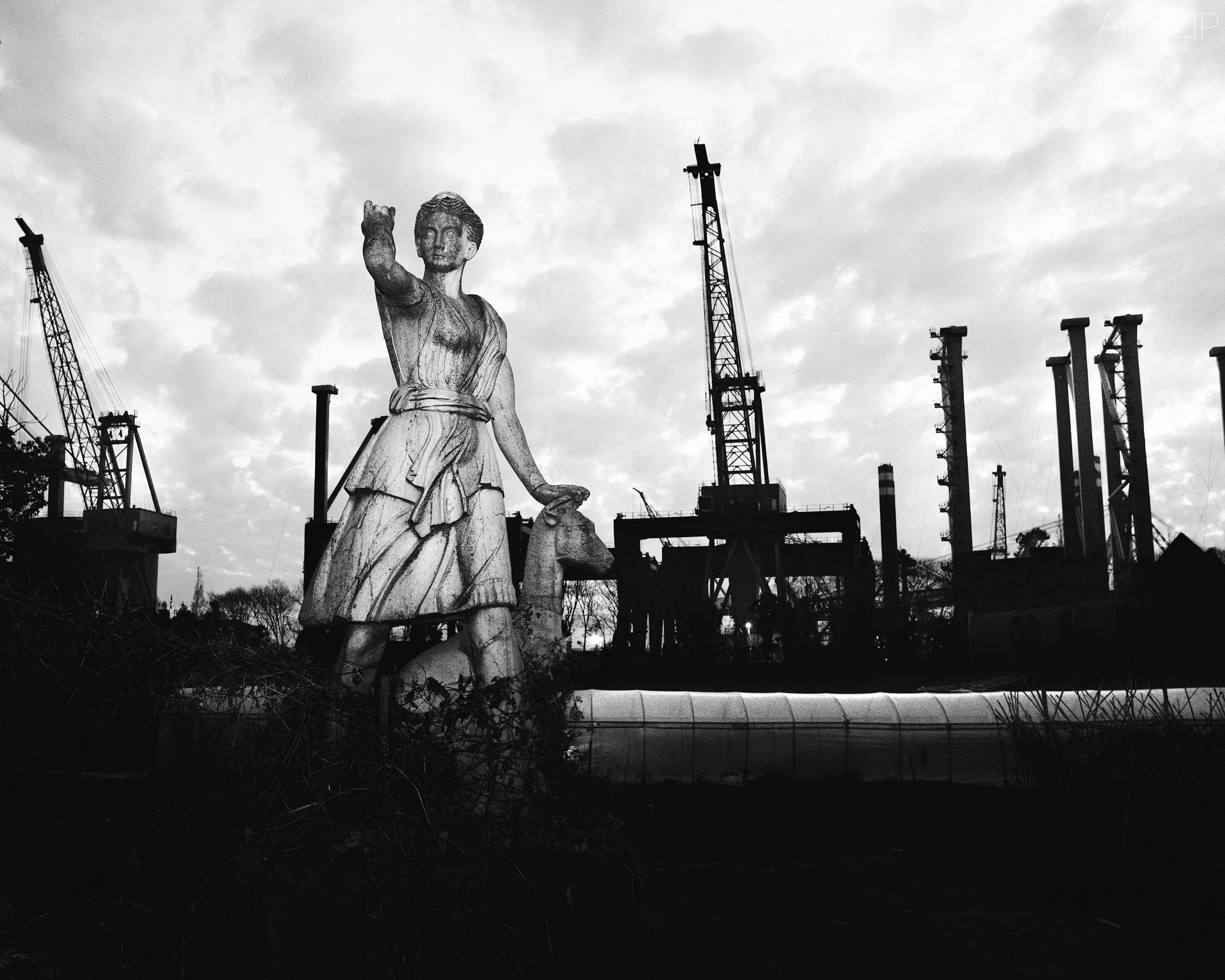
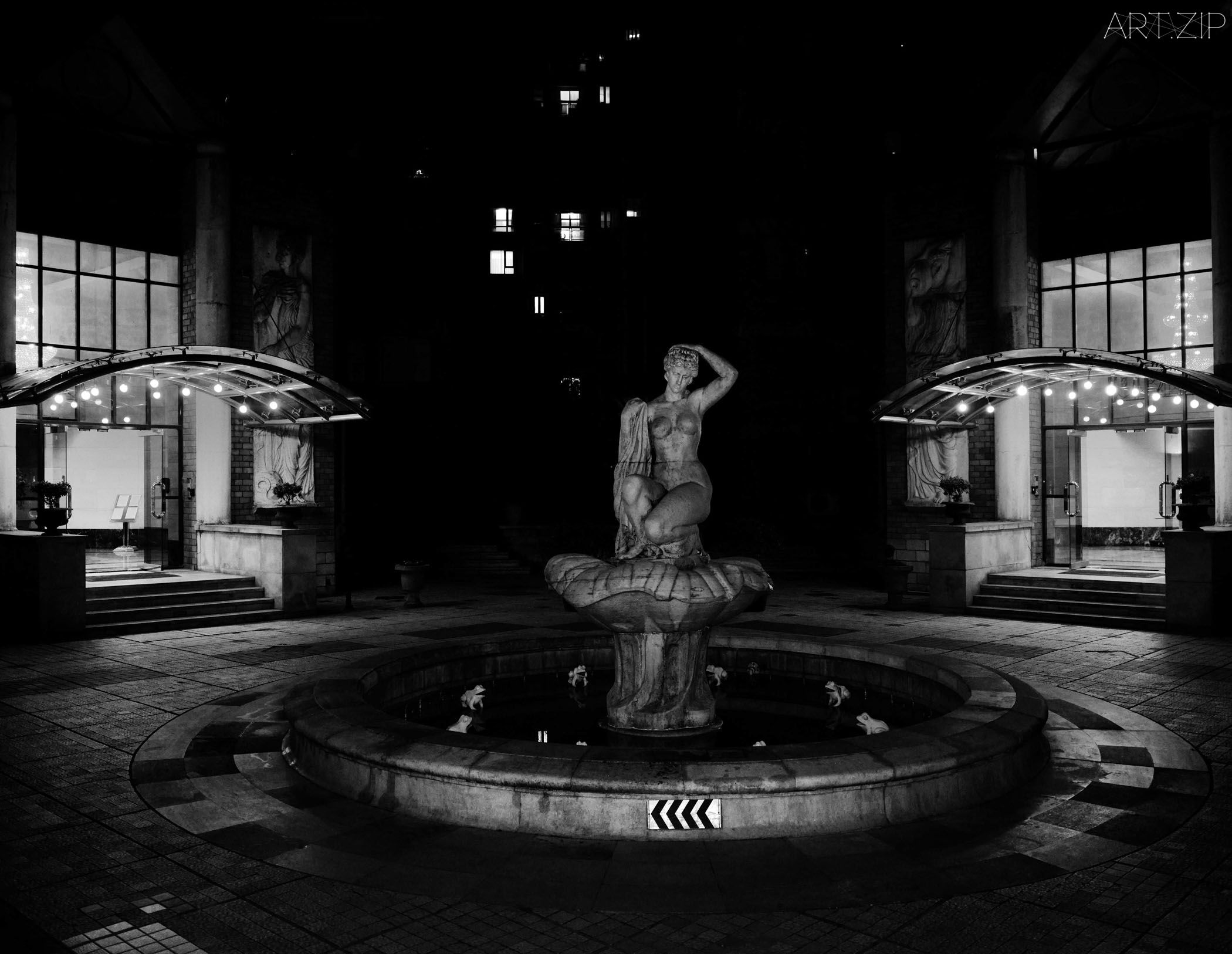
The left section opens with the Royal Jade Manor series, in which ancient Greek divine sculptures, illuminated by the subtle lighting of a residential complex, exude an atmosphere suspended between classical solemnity and postmodern absurdity. At the turn of the 20th and 21st centuries, China experienced rapid economic growth and eagerly integrated into the global division of production; Western classical art was thus regarded as an accessible cultural symbol that could enhance quality of life. Due to their reproducibility, ancient Greek sculptures were widely introduced into newly built high-end residential areas in China during this period. However, after 2008, as China consolidated its position as the world’s factory and began transitioning from low-end manufacturing to high-tech industries, public aesthetic tastes grew more diverse. A deeper appreciation for modern and postmodern art emerged, alongside a re-evaluation of traditional Chinese artistic heritage, and Western classical sculptures gradually ceased to be a standard feature of upscale communities. The residential complex where Xu Xiaowei lives serves as a microcosm of this societal transformation. Through daily encounters with these classical sculptures, environmental changes have infused his domestic life with new aesthetic dimensions. Xu presents this sentiment through black-and-white imagery. Within the same art historical framework, audiences from different regions can both empathize with and develop fresh interpretations of the images they view. Although rooted in the language of photography, Xu’s works integrate painting, sculpture, video, and computational expression in multidimensional resonance, endowing moving images with a breathing vitality.
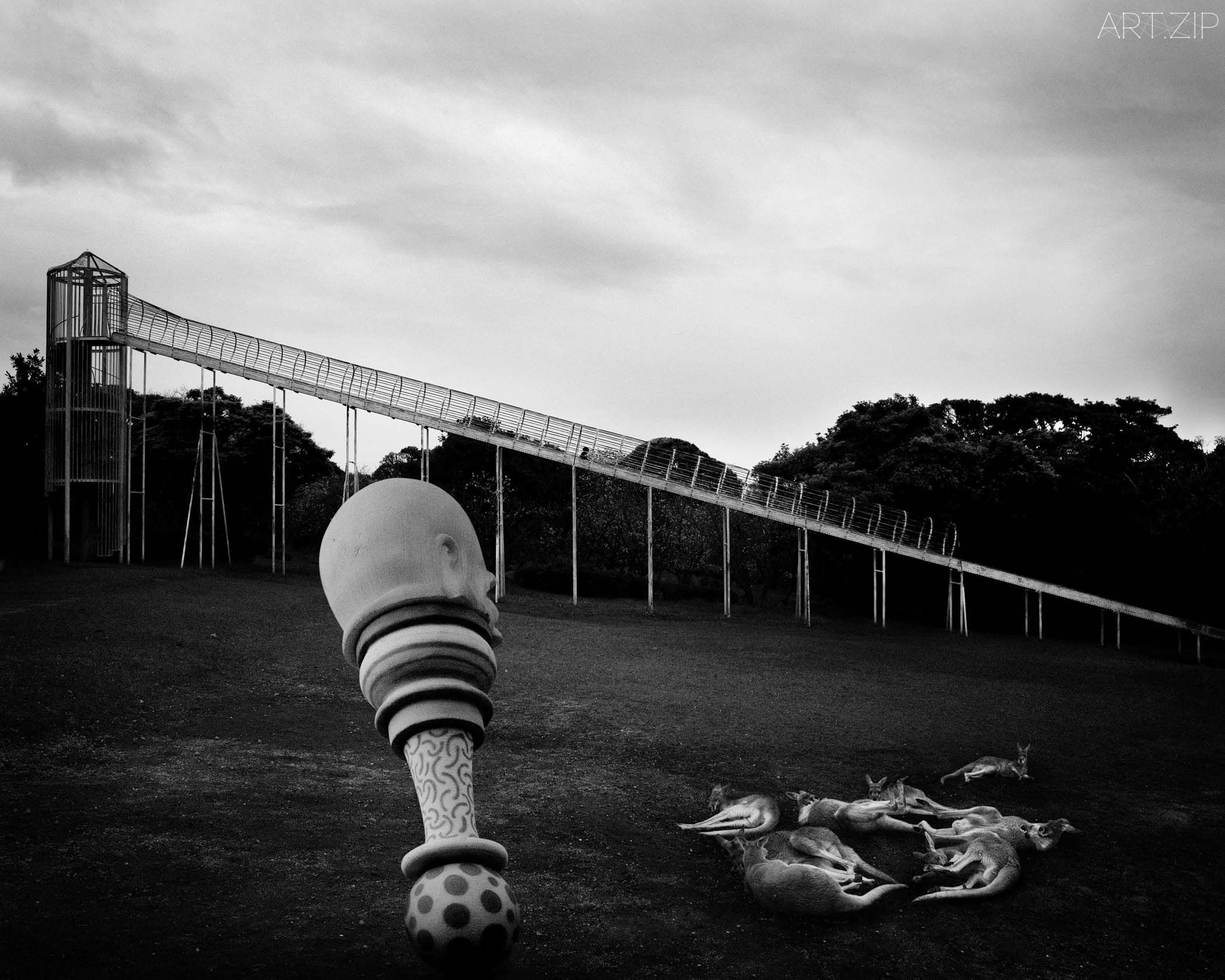
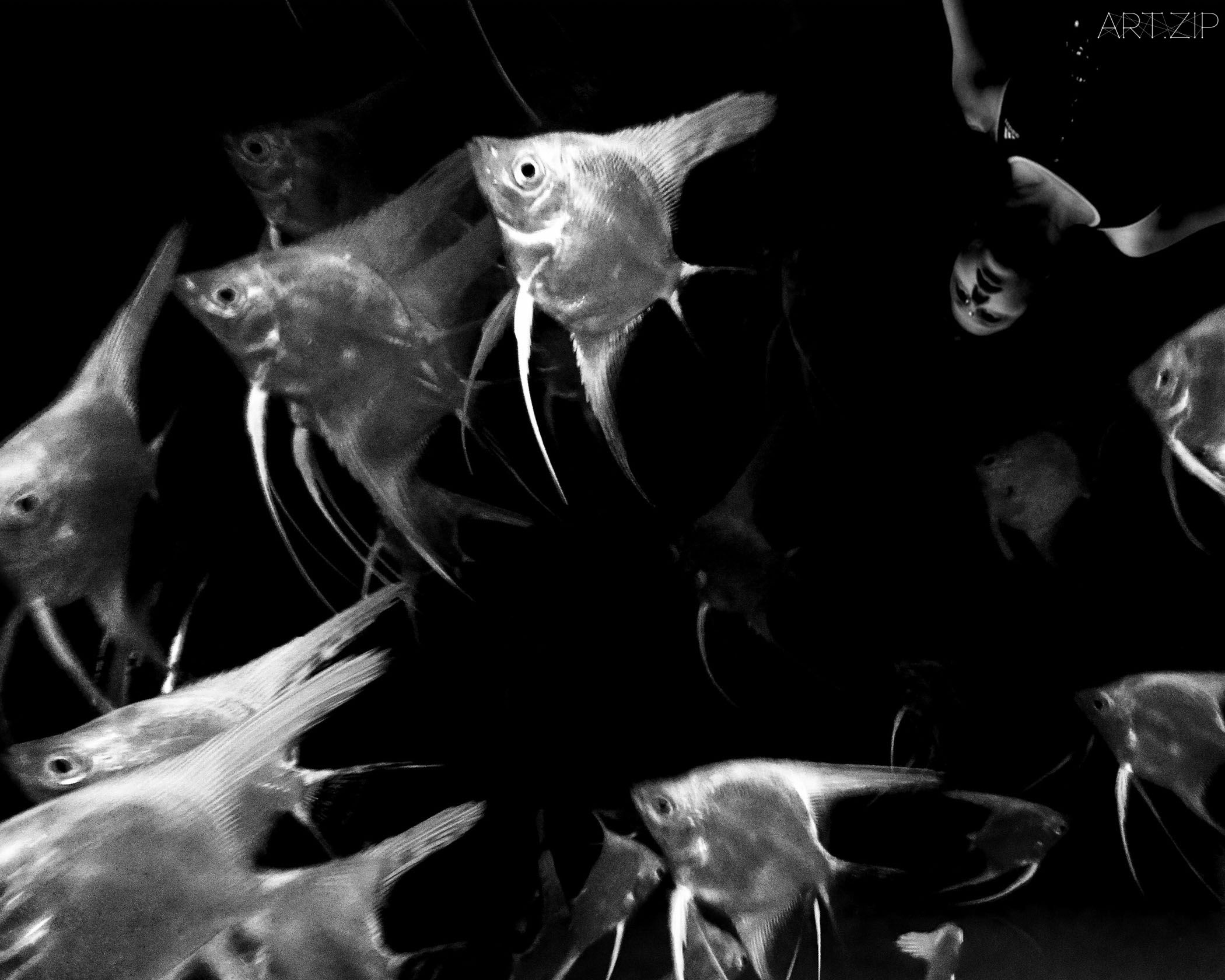
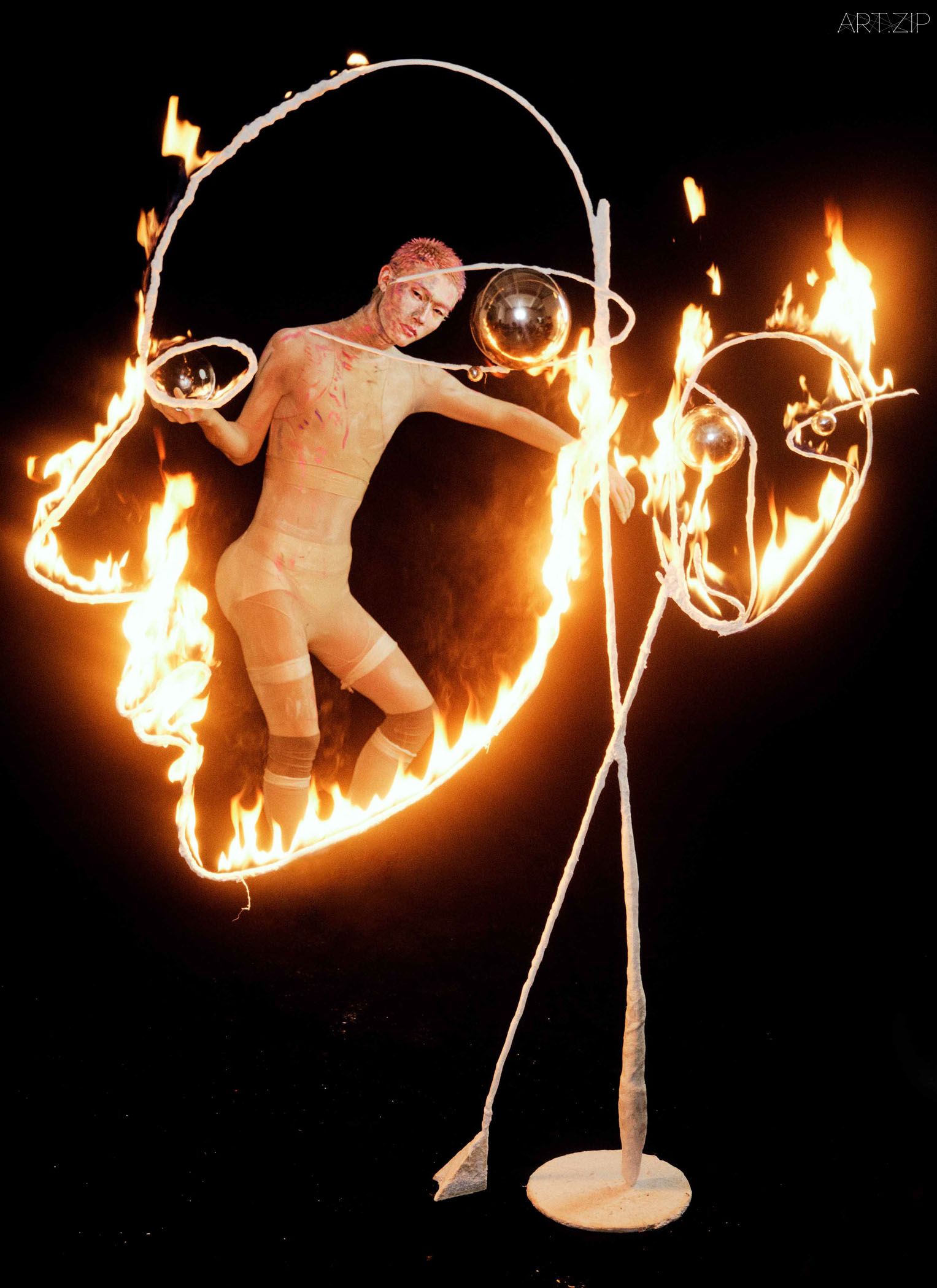
After presenting these simultaneously familiar and unfamiliar works to the Florentine audience, the exhibition progressively unveils Xu’s more intimate series: Hidden in Corner, Wavering Shadow, The Work by An Uncle, Always Looking for Something, Pure Pledge, and Skyborne Visions. The source materials for these works are drawn from Xu’s personal observations and discoveries in daily life—visual experiences that most would not consider artistic elements. He keenly perceives the subtle transformations that ordinary found objects undergo within human environments. These visual sensations resist rigid verbal definition precisely because their fluidity and ambiguous boundaries open channels for meaning to emerge within Xu’s works. The authentic existence and mutual interactions of countless individuals render this world rich and vibrant. Unlike the Greek deities, each of these images possesses its own independent universe of life. Xu combines digital technology with the texture of film, endowing fine details with a naturally enduring graininess, while inspired compositions, light-and-shadow designs, and dynamic effects introduce the serendipity of collaborative creation. “Unexpected yet entirely plausible”—such is the quality that defines outstanding contemporary art. Xu’s works carry a strong personal style while never losing reverence for life and genuine experiential insight.
Three short films—Renaissance, Growth, and River·Flow—employ cinematic language, interweaving sound rhythms, breathing tempos, and shifting light to narrate stories that depart from Shanghai yet resonate intimately with every individual. Renaissance portrays figures confined within a cave by an unnamed force, who perceive themselves and their external relations through bodily movements, ultimately breaking free. Growth shifts focus to interpersonal dynamics, exploring how seeing and attending to others enables self-discovery and harmonious coexistence in a state of mutual autonomy and awareness. River·Flow takes Shanghai’s lifeline—the Suzhou River—as its main thread, tracing the struggles of diverse individuals drawn from all directions to this economic artery. The joys and sorrows of these anonymous figures converge into our historical river, infusing the course of civilisation with unceasing momentum. Through mutual learning across cultures, energy flows, transforming our lived experiences and visual perceptions.
Together, these works underscore the theme of “synchronic existence”, aiming to bridge the distance between Shanghai and Florence while revealing that there are many more Suzhou River and Arno Rivers in the world, waiting to be perceived and connected.
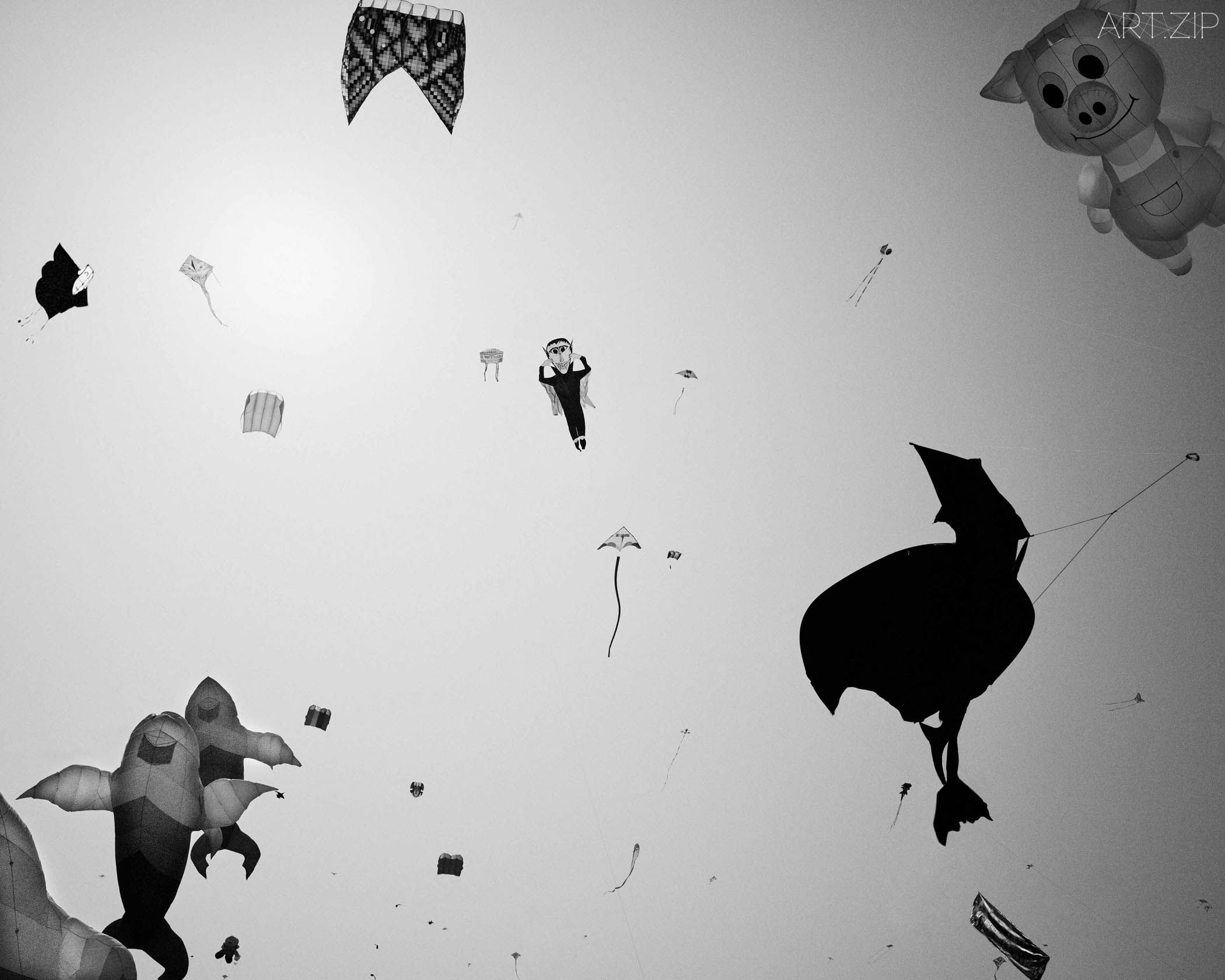
浮空幻相(Skyborne Visions)2026
《徐曉偉:共時的存在》是藝術家徐曉偉在歐洲的首次展覽,他為藝術之都佛羅倫薩帶來了二十餘件影像作品。展覽以「共時存在」為核心命題,從日常經驗中截取那些易被忽略的視覺片段,以靈動而富有韻律的動態影像,構築出一種有機的「呼吸感」。在相同的頻率中,觀眾得以窺見歐洲古典時代的神像,如何被當代上海化為日常與時尚的符號;而那些流動的光影,又彷彿在城市之間架起無形的橋梁,將上海與佛羅倫薩的能量彼此牽引、交疊,最終匯聚成一幅由眾生面容構成的視覺奇觀。
徐曉偉以人、光影、河流、神像與聲樂為媒介,試圖消解藝術與觀眾之間的距離,打開多重感官的體驗維度。作品的呼吸節奏與觀者的感知同頻共振,在不斷流動的觀看關係中,激發出新的勢能與想象空間。
在數字港灣協會的展場中,徐曉偉的黑白、彩色與動態影像錯落有致地鋪陳開來。
展廳左側以「御翠豪庭」系列開篇,作品中的古希臘神像雕塑,在住宅區微妙燈光的映襯下,散髮出一種介於古典莊重與後現代荒誕之間的氛圍。20世紀與21世紀之交的中國,經濟飛速發展,急切地融入全球生產分工體系,西方古典藝術因此被視為既易於理解,又能提升生活品質的文化符號。古希臘雕塑因其可複製性,在這一時期大量出現在中國新建的高檔住宅區中。然而,2008年之後,中國穩固了世界工廠的地位,並開始從低端製造業向高科技產業升級,大眾審美日趨多元,對現代與後現代藝術有了更深入的認識,同時重新審視中國傳統藝術的魅力,西方古典雕塑因此不再是高端社區的標配。徐曉偉所居住的小區,恰如社會巨變中的一段切片;在與這些古典雕塑的朝夕相處中,環境的變化也為居家生活注入了新的審美維度。徐曉偉將這種感受通過黑白影像呈現出來。在同一部世界美術史的框架下,不同地域的人們既能產生共鳴,也能賦予觀看圖像後新的理解。徐曉偉的作品雖根植於攝影語言,但其藝術創意使繪畫、雕塑、影像與計算語言多維同頻共振,動態的畫面因此獲得了呼吸般的生命力。
在為佛羅倫薩觀眾呈獻那些既熟悉又陌生的作品之後,展覽漸次展示了徐曉偉更為微觀意向的系列:《隱密在角落》《綽影》《伯伯的作品》《一直在找》《天真之諾》《浮空幻相》。這些作品的圖像素材,皆源自徐曉偉在生活中切身的觀察與發現——那些常人不視為藝術元素的視覺經驗。他敏銳地感知到,這些普遍的現成物在人文環境中發生的微妙變化。這種視覺感受難以用文字武斷定義,正是因為其變化與邊界的模糊性,為徐曉偉的作品開闢了意義湧現的通道。芸芸眾生的真實存在與彼此交流,讓這個世界變得豐饒而充滿活力。與希臘眾神不同,這些圖像各自擁有獨立的生命宇宙。徐曉偉將數碼技術與膠片質感相結合,使細微之處被賦予自然耐看的顆粒感;而那些神來之筆般的構圖、光影設計與動態效果,則為作品平添了人際協同時的驚喜。「出乎意料之外,合乎情理之中」,正是當下優質藝術應具備的品質。徐曉偉的這些作品,既帶有強烈的個人風格,又不失對生命的敬意,以及對生活真切的感悟。
《再生》《生長》和《河·流》三部短片,則以電影化的語言,在聲音節奏、呼吸韻律與光影轉場之間,演繹了從上海出發、又與當下每個個體息息相關的故事。《再生》描繪了被某種力量囚禁於洞穴中的人們,借由肢體動作感知自我與外界的關係,最終破繭而出。《生長》則將視角落於人際之間,探討如何通過看見並照見他者,發現自我,並與他人在各自自在自覺的狀態下和諧共處。《河·流》以上海的生命線——蘇州河為主線,講述了圍繞這條經濟動脈,來自四面八方的個體如何奮力拼搏。這些無名者的喜怒哀樂,匯成了我們的歷史河流,為文明的進程注入不竭的動力。在文明互鑒中,能量得以流動,改變了我們的生活與視覺經驗。
這些作品共同凸顯了「共時的存在」這一主題,旨在拉近上海與佛羅倫薩的距離,也讓人們看到,世界上還有更多條蘇州河與阿爾諾河,等待著被感知與聯結。

SYNCHRONIC: Xu Xiaowei in Florence
L’Associazione Rifugio Digitale
18 September — 18 October 2026