

One of the challenges in attempting to describe the human condition is the vastness of its experiences, complexity, and intangibility. Since the 19th century, artists from Alfred Kubin to Salvador Dalí were able to achieve this in painting, bringing their subconscious lives into the real world for all to see, but it really took the rise of new media for the language to truly spread its wings in the contemporary works of Vera Frenkel and Pierre Huyghe. Multimedia artist Kaiyuan Yang continues this lineage, using photography, moving image, and installation to investigate how social structures dictate individual experience.
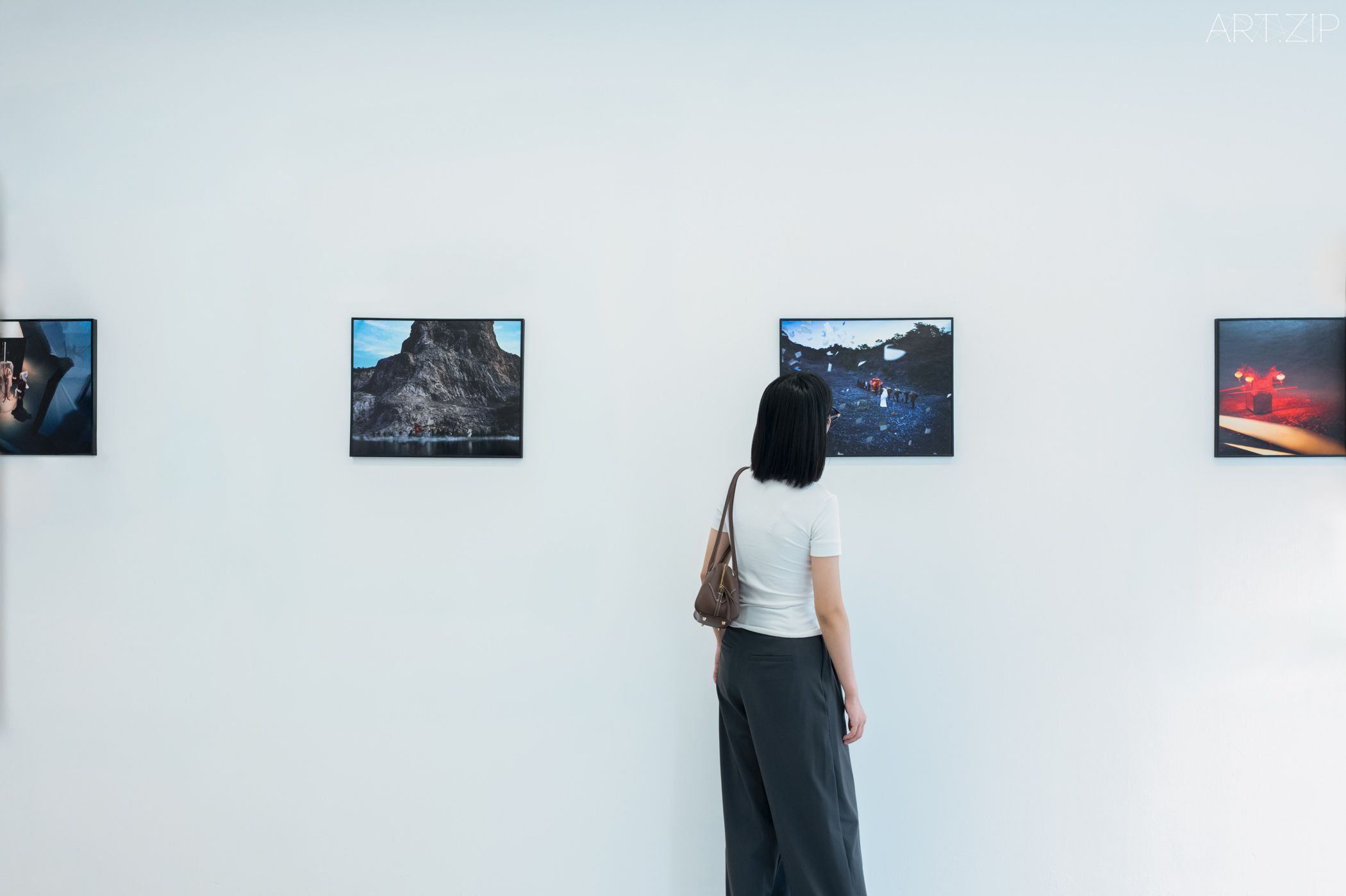
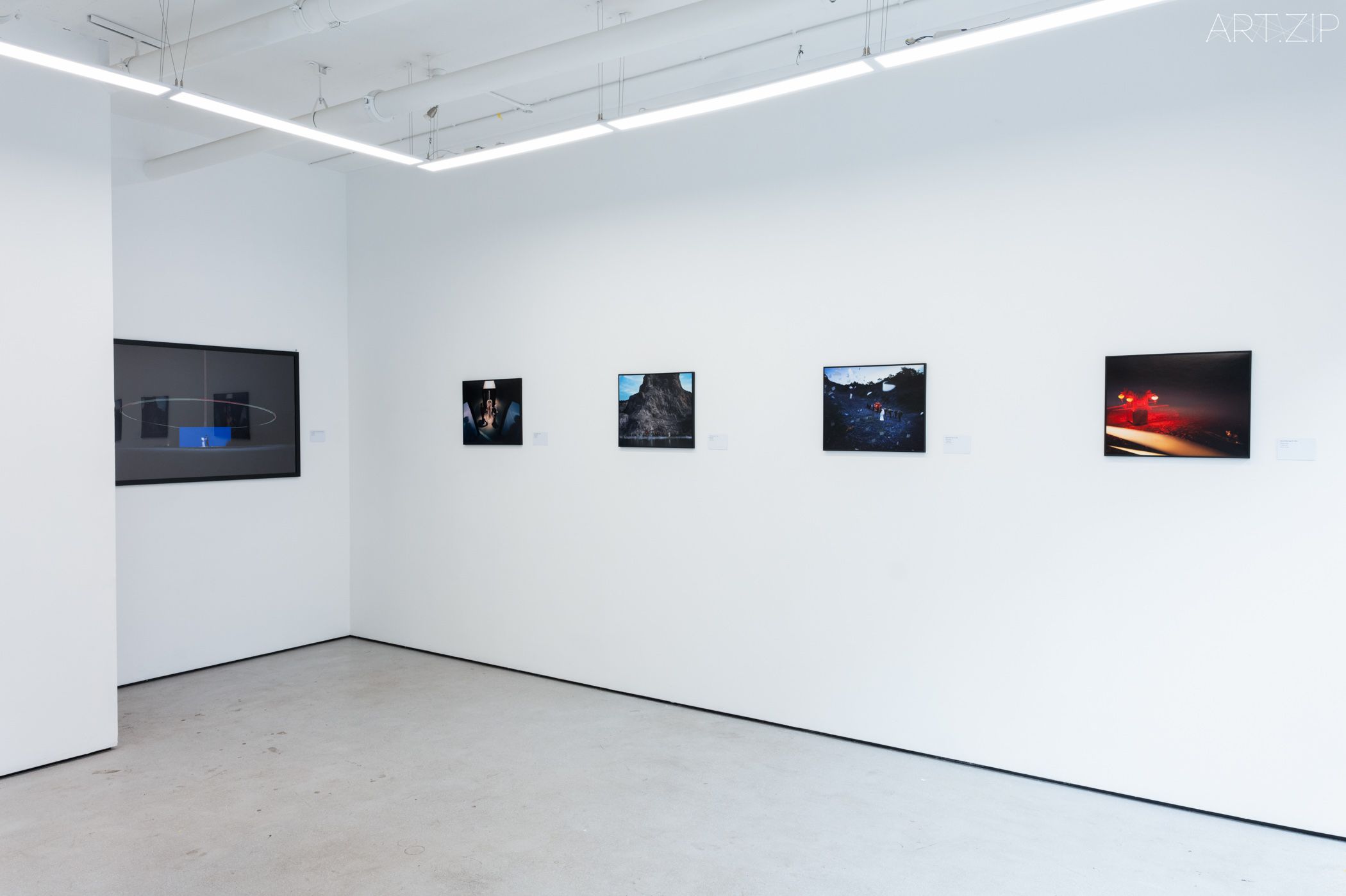
Inspired by the scene-building techniques of Gregory Crewdson, a significant portion of Yang’s practice revolves around the building of set designs and actors interacting with props in highly choreographed scenarios. For example, Ghost Marriage (2024) explores a longstanding Chinese custom in which parents of a deceased son will pay large sums of money to seek out a similarly aged, also deceased woman as a ‘marriage’ partner. Blending ‘red events’ (weddings) with ‘white events’ (funerals), Yang’s cinematic series of six photographs begins with a ghostly ritual performed by a Taoist priestess, before a wedding procession carries the newlyweds into the afterlife inside a palanquin that doubles as a shared coffin. Although the custom has good intentions for the deceased, this project highlights how mortality has been commercialised to reinforce patriarchal beliefs over time. This fascination with the ways in which communities sustain historical narratives underpins Fire and Memory (2025), a series documenting the annual Lewes Bonfire celebration in East Sussex.
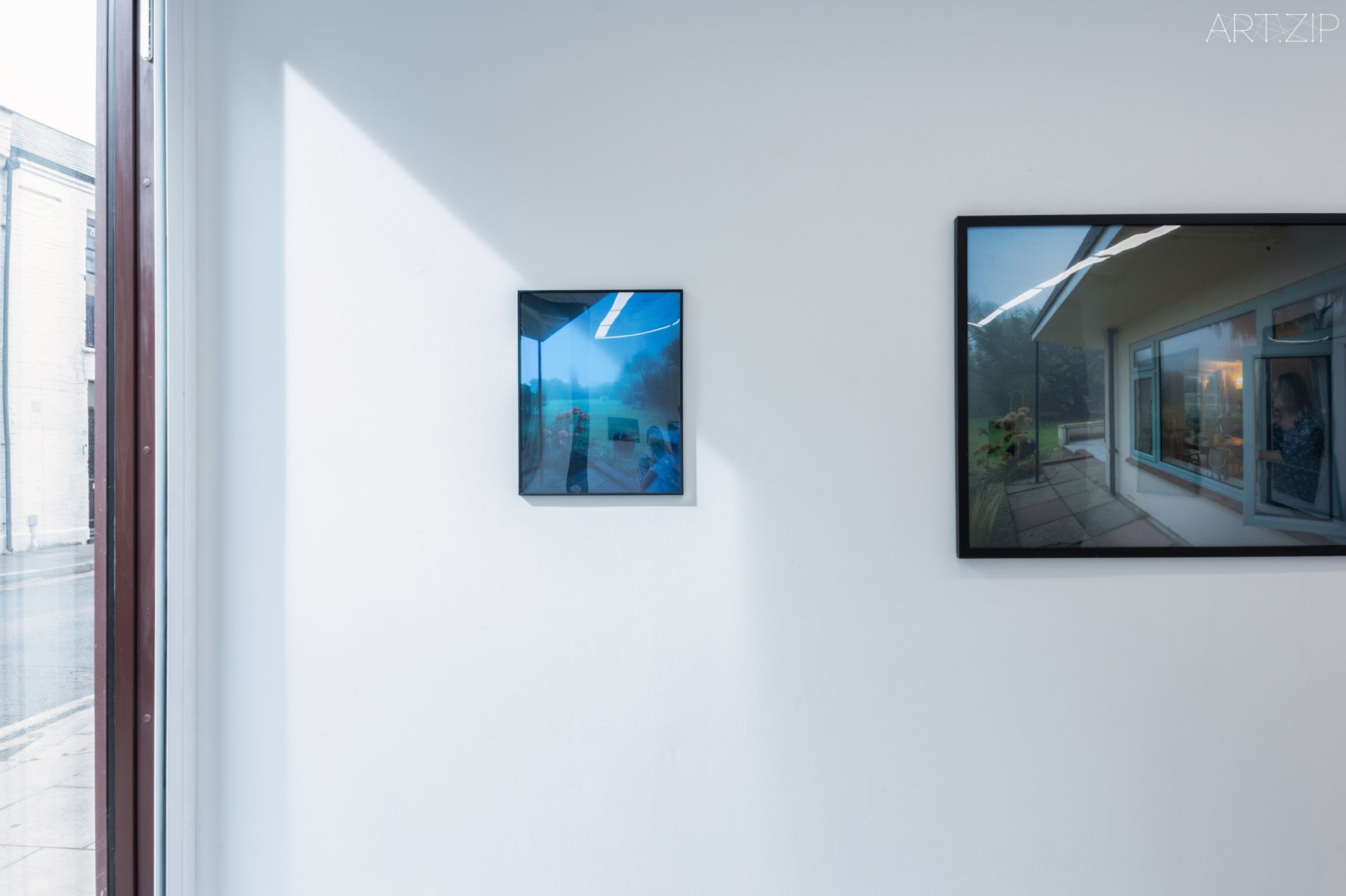
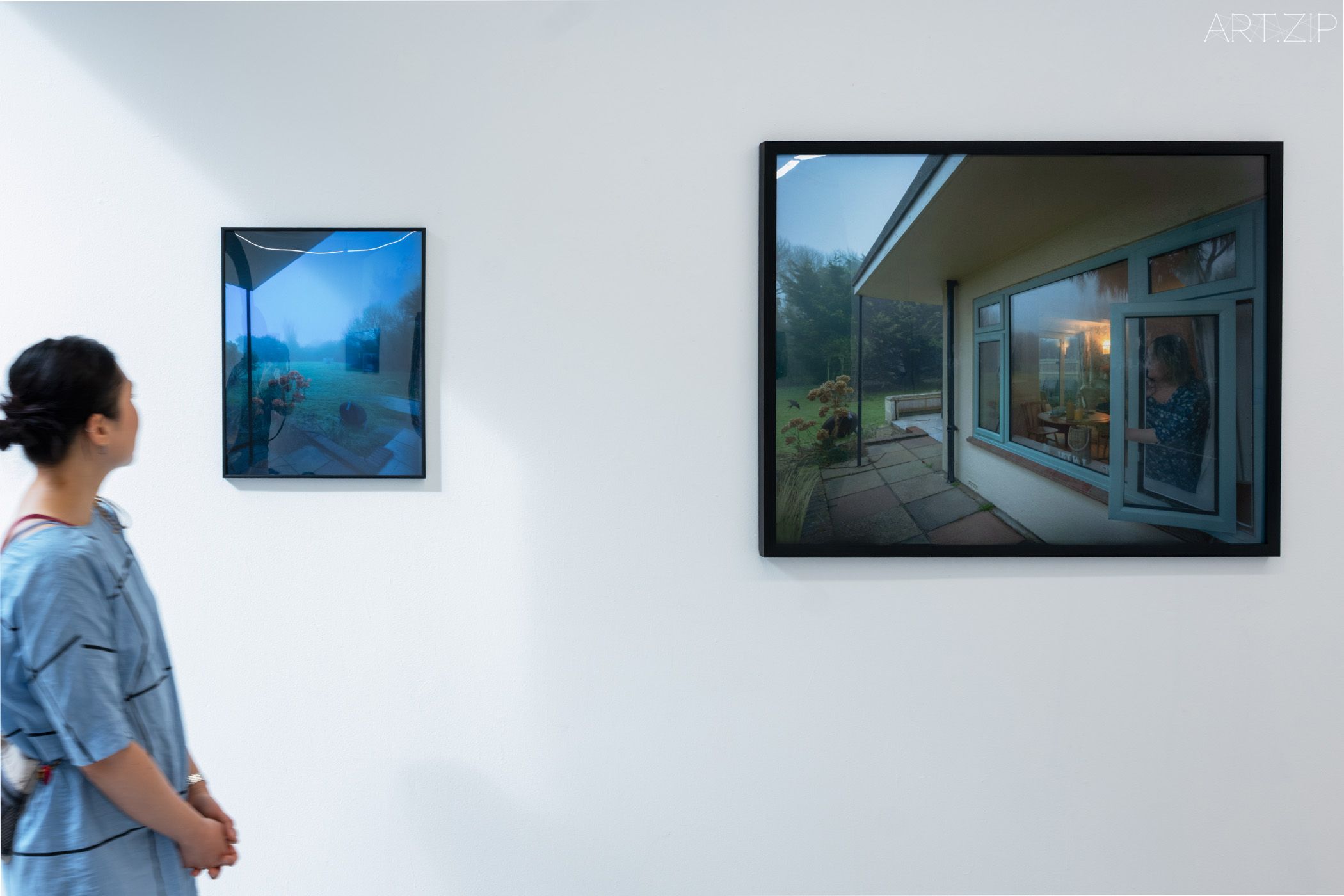
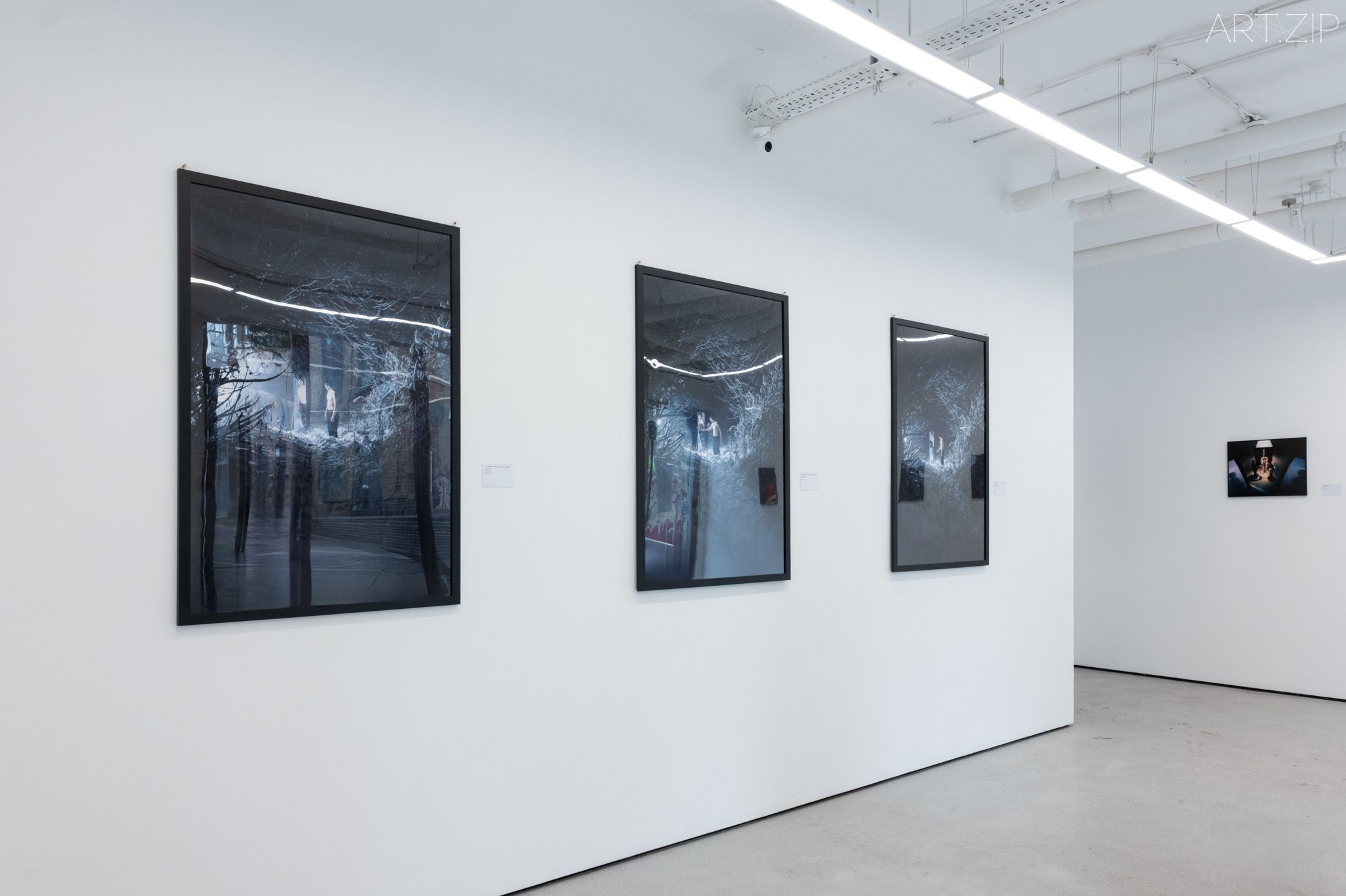
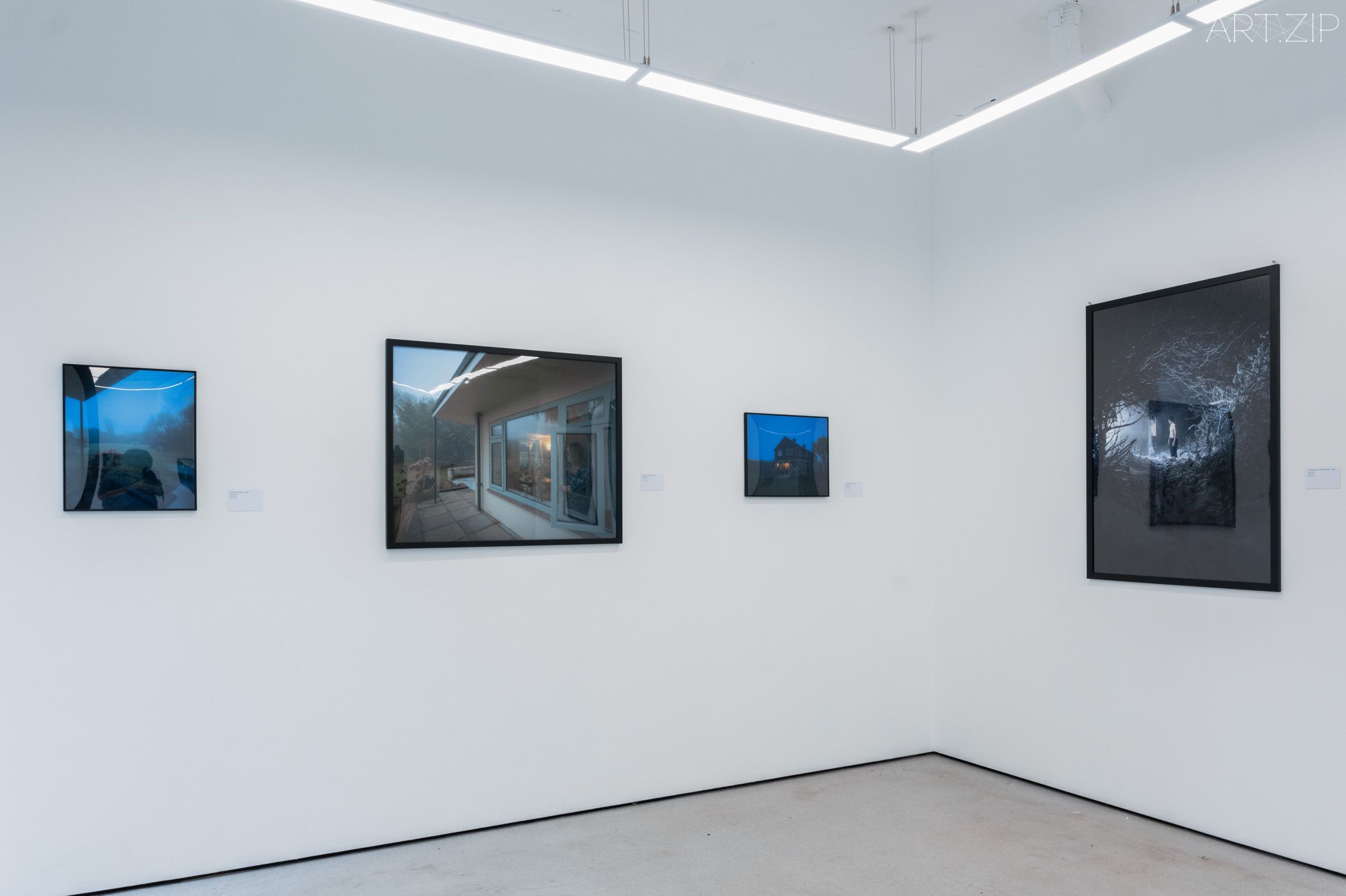
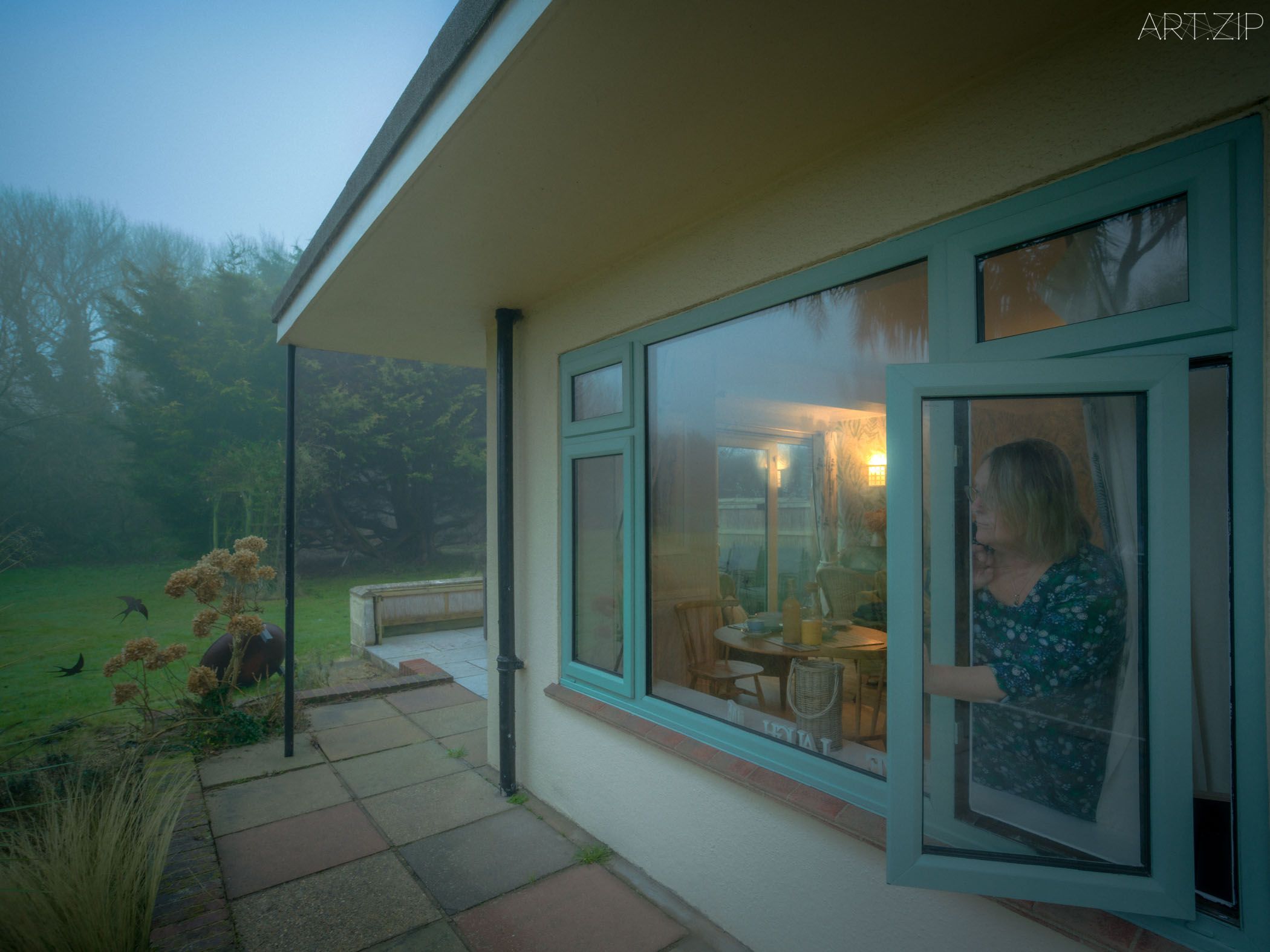
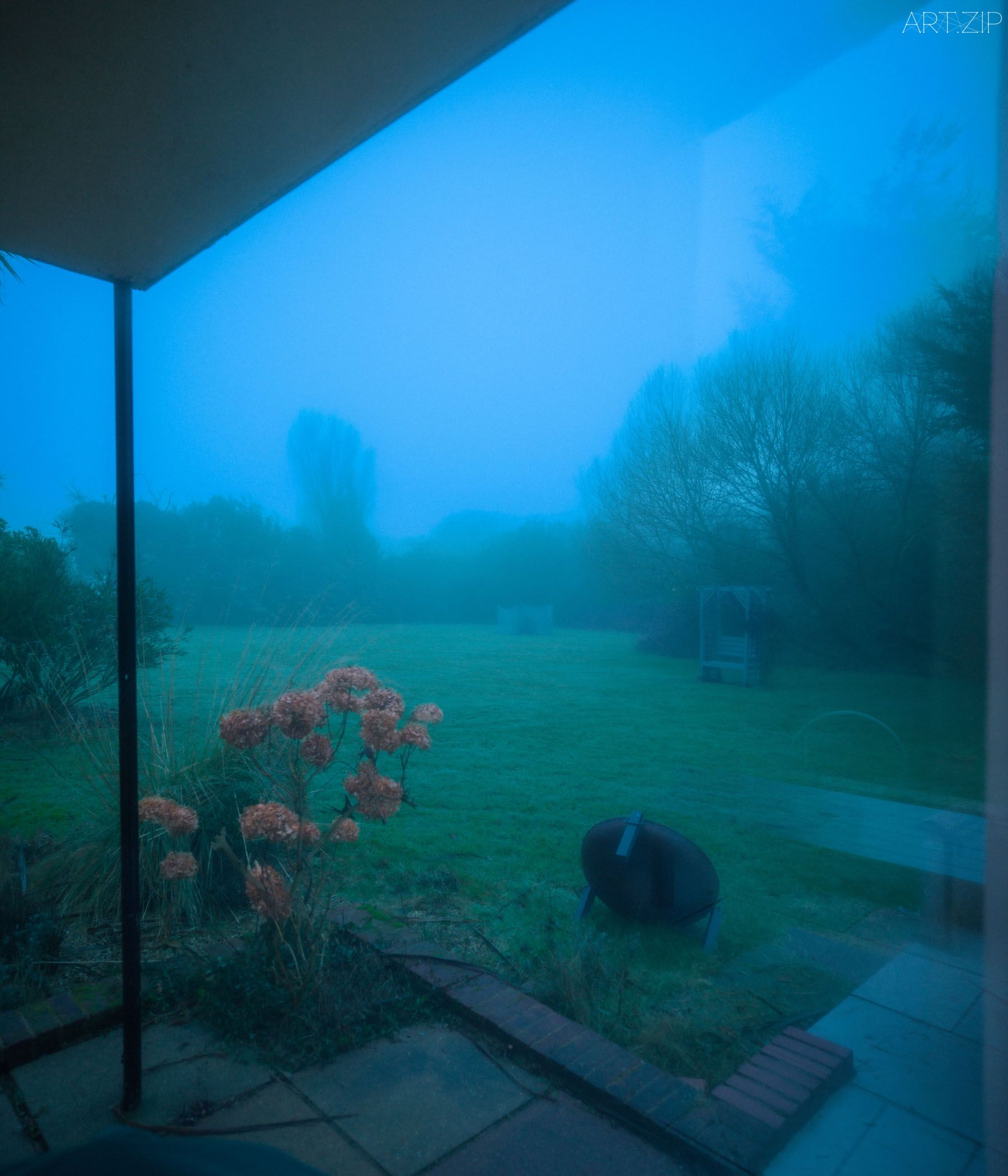
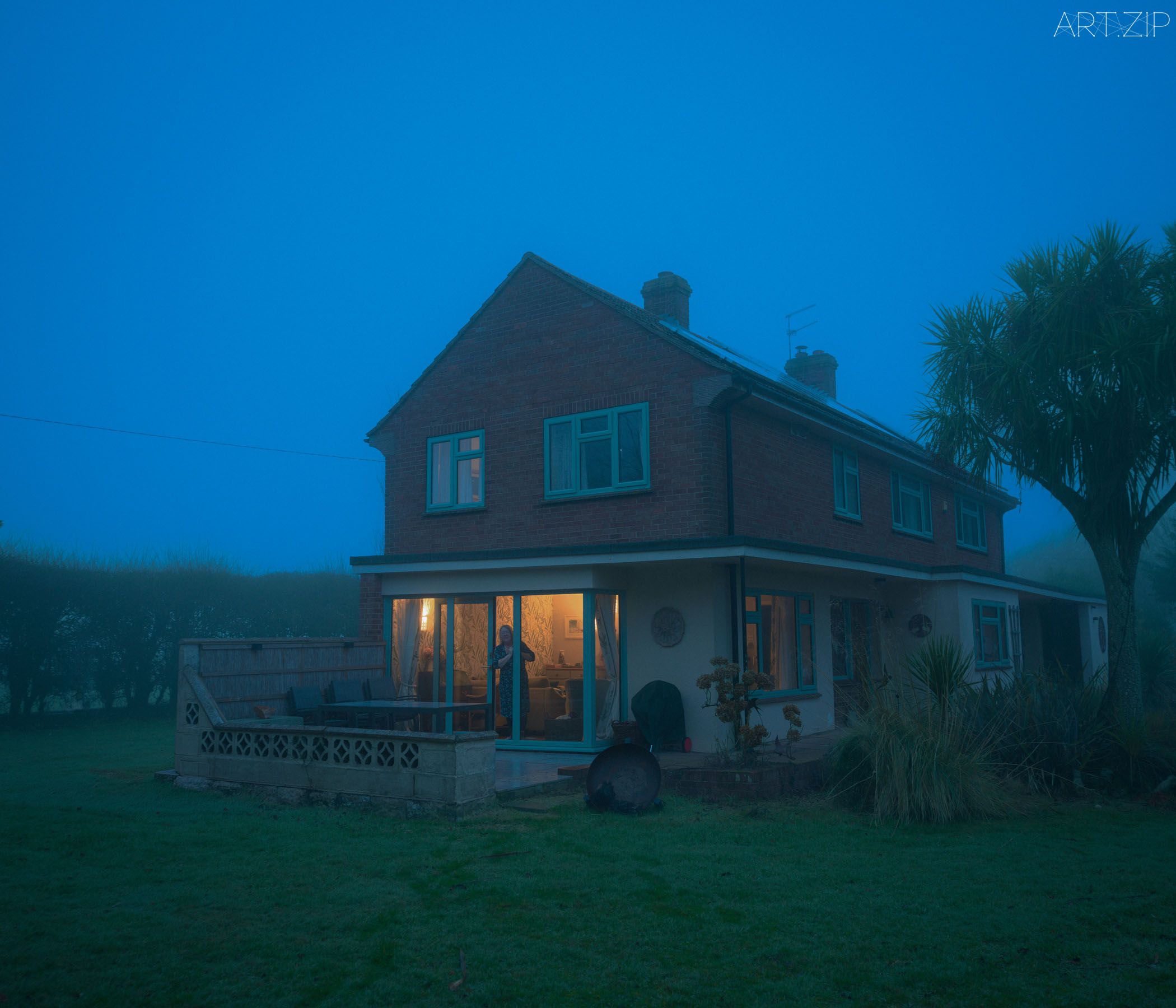
Yang clearly has the mind of a filmmaker. His earlier work, Conversations with the Reflection (2025), takes us on a journey into the mind of a people-pleaser, represented by a solitary figure interacting with a mirror in a forest during heavy snowfall. The existential encounter serves as a kind of epiphany towards self-acceptance, acknowledging the neglect of one’s needs and desires to curry favour from the rest of society. Meanwhile, The Edge of Warmth (2026) looks at solitude in rural life, featuring a house surrounded by fog, while a light and figure at the window gives a comforting human presence.
In addition to physical sets, Yang has also explored the possibilities of generative AI to produce visuals and compositional elements in Quark (2024). Partly a self-referential critique, it illustrates how the invasion of technological advancements – and our over-reliance on them – will inevitably lead to the decline of human beings. Charting the life cycle of a child into old age, the final image imagines a scenario where hyper-intelligent robots and transformed humans navigate desolate ruins and an uncertain future.
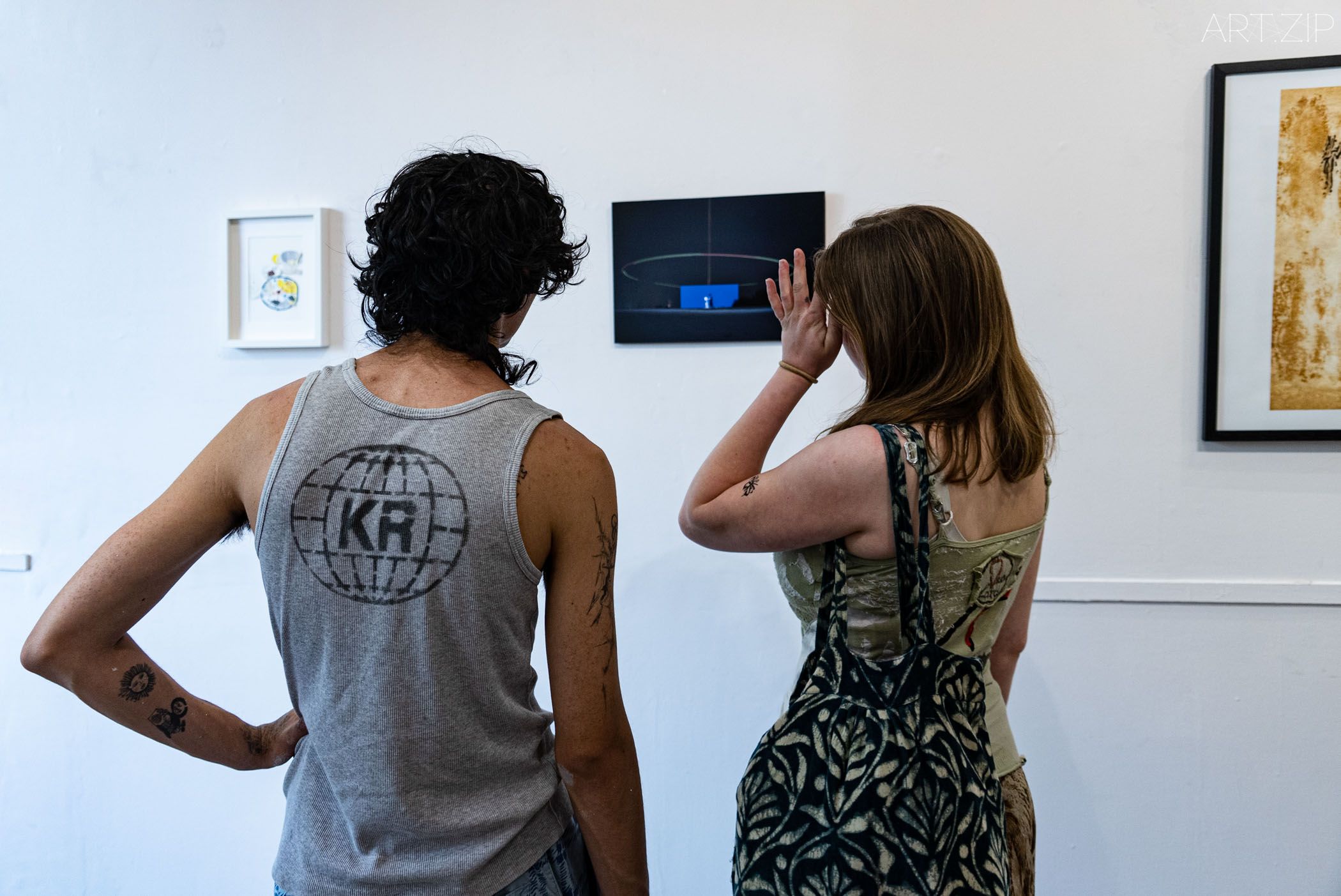
Installation View of ‘Conversations with the Reflection’ (2025), Kaiyuan Yang. Courtesy of the Artist.
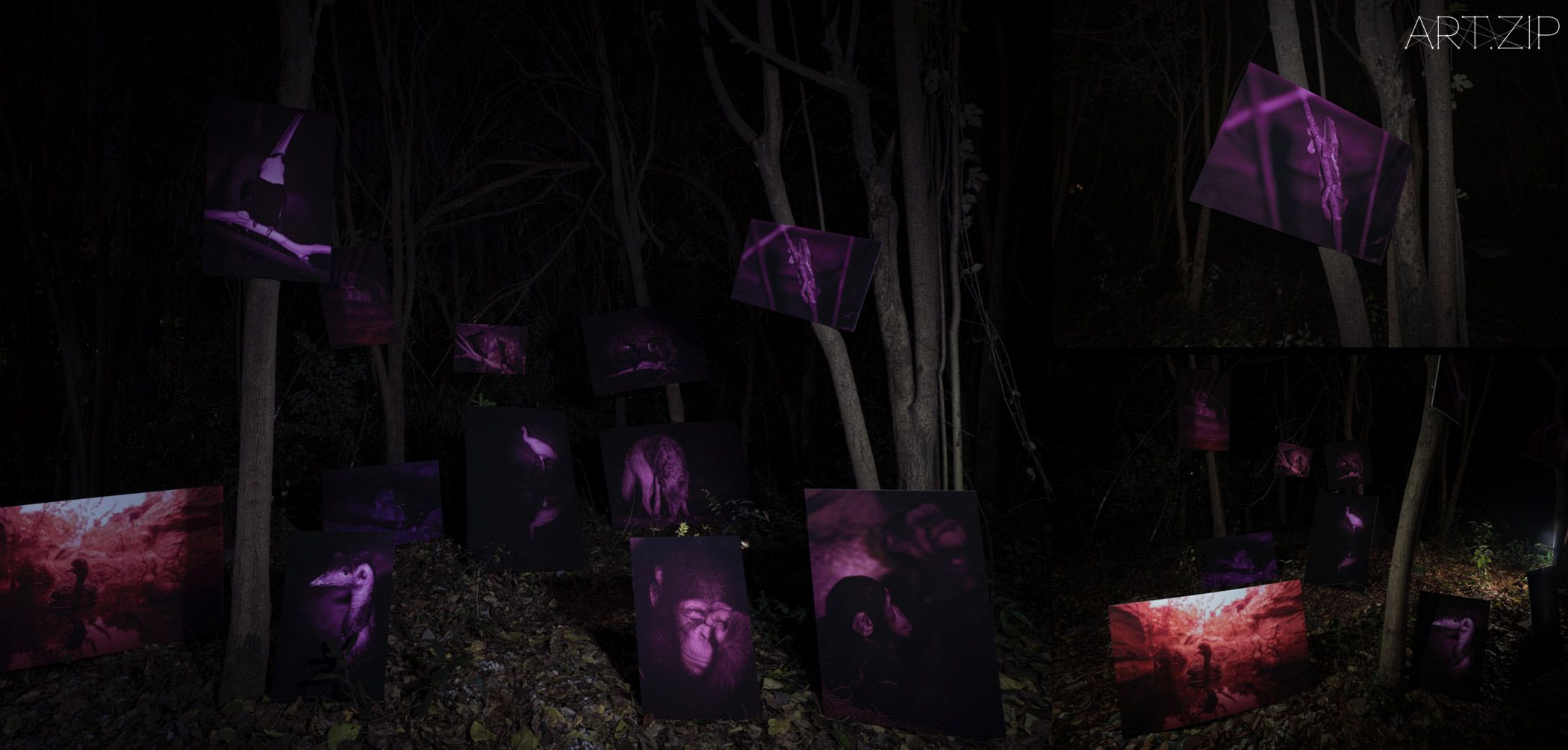
Installation View of ‘Lost in the Forest’ (2024), Kaiyuan Yang. Courtesy of the Artist.
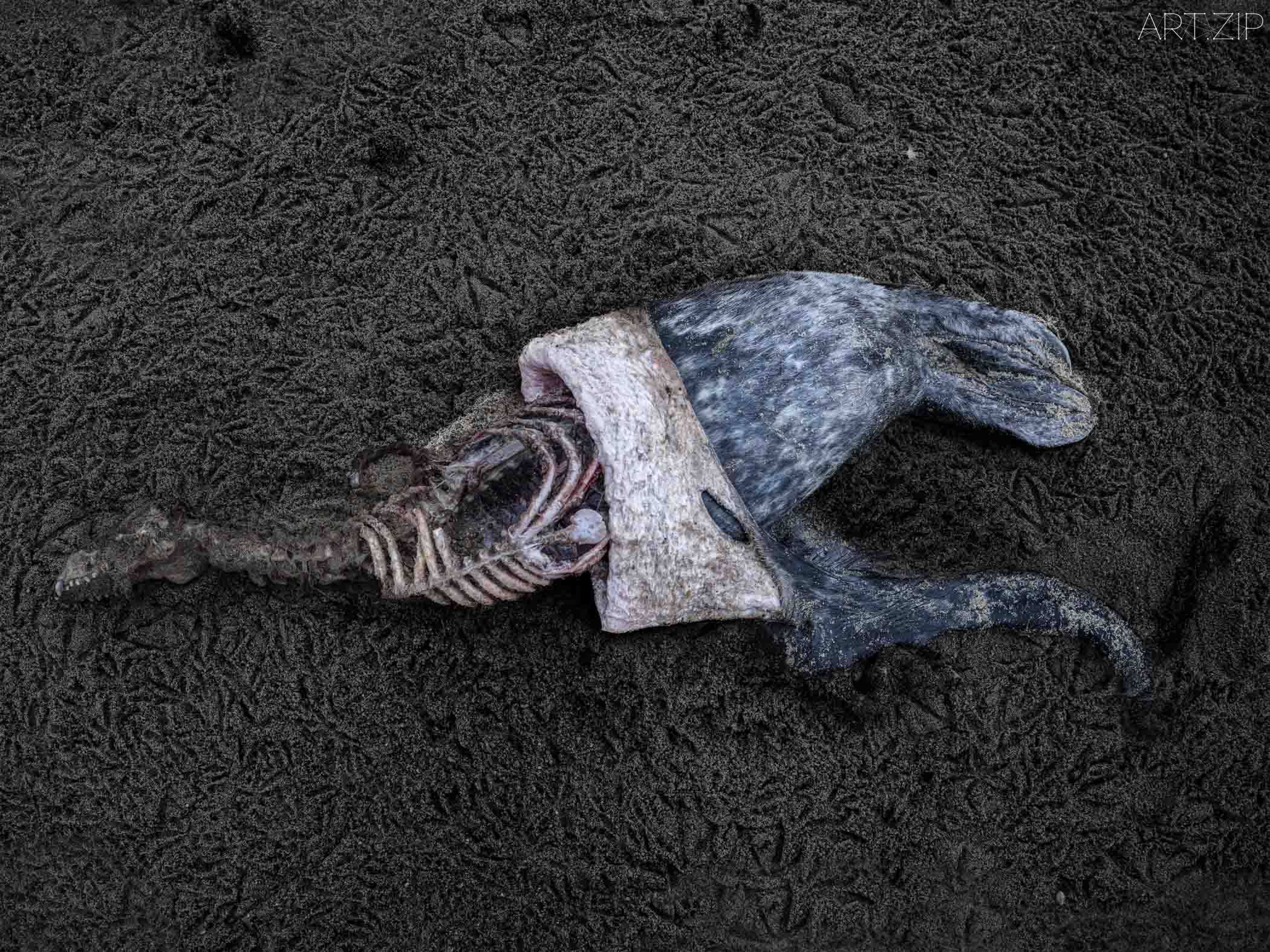
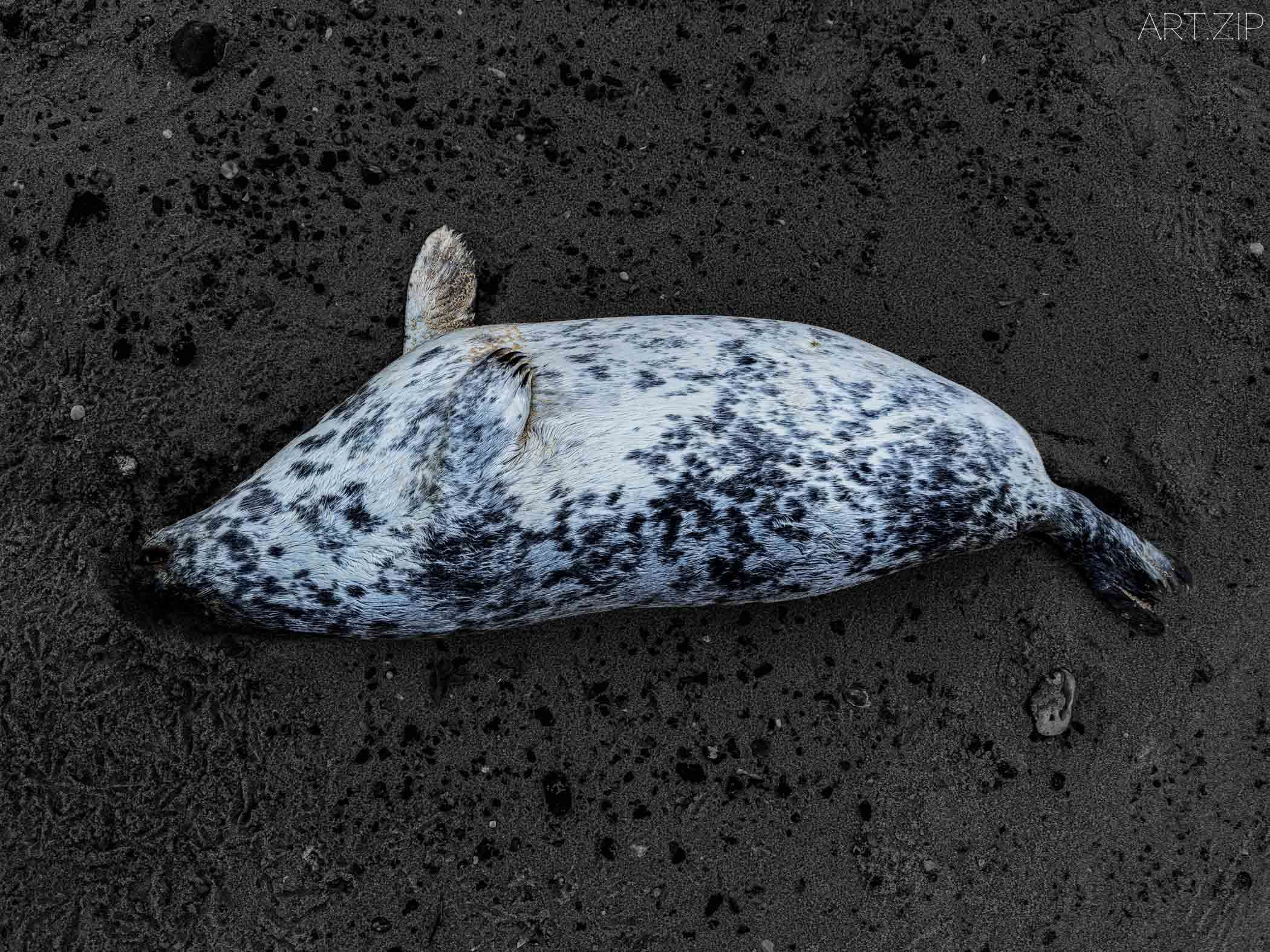
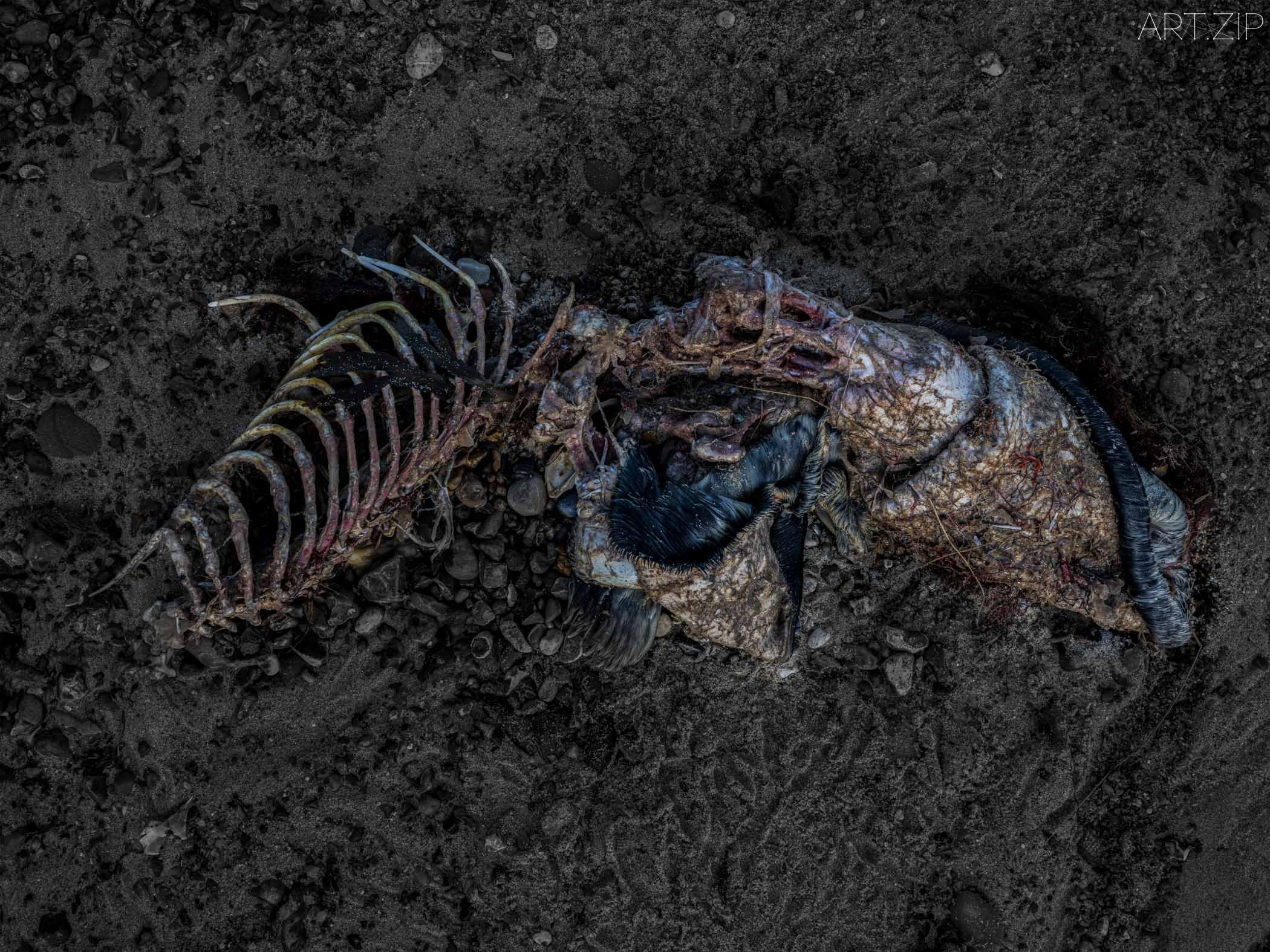
Although Yang has a deep interest in the human condition, Lost in the Forest (2024) stands out for its sympathetic study of animals at night. Using infrared photography to record the nocturnal behaviours of monkeys, birds, and reptiles, the series reminds us of humanity’s place within the wider animal kingdom. The result is a raw, honest portrayal of animals being their most authentic selves, away from prying eyes. More recently, Yang’s Killers (2026) series sought to document deceased newborn pups during the grey seal breeding season on the coast of Bournemouth, drawing attention to their physical condition while raising awareness about how ecological systems are affected by human and natural processes.
Overall, Yang’s practice questions the value of cultural traditions and our devotion to them, while willingly sacrificing humanity’s future for entertainment and convenience. His works are more than just messages; they are warnings disguised as cinematography.
要描述人類的生存處境,困難之一正在於人類經驗本身廣闊、複雜,也難以捉摸。自19世紀以來,從阿爾弗雷德·庫賓 (Alfred Kubin)到薩爾瓦多·達利 (Salvador Dalí) ,藝術家已嘗試通過繪畫將潛意識中的世界帶入現實,使那些原本不可見的心理經驗獲得可見的形式。但直到新媒體的興起,這種視覺語言才獲得更充分的延展,並在 維拉·弗倫克爾 (Vera Frenkel) 與皮埃爾·於熱 (Pierre Huyghe) 等藝術家的當代作品中展翅。多媒體藝術家楊開沅延續了這一脈絡,通過攝影、移動影像和裝置,探討社會結構如何支配個體經驗。
受格雷戈里·克魯德森(Gregory Crewdson)的場景構建技法啟發,楊開沅的創作有相當一部分圍繞佈景搭建,以及演員在高度編排的情境中與道具互動展開。例如,《冥婚(Ghost Marriage, 2024)》 探討中國一種由來已久的習俗:父母會為已經去世的兒子尋找一位年齡相仿、同樣已故的女性,與其結為「冥婚」,有時甚至為此支付高額費用。這組由六幅攝影作品構成的系列具有鮮明的電影感,將象徵婚禮的「紅事」與象徵喪葬的「白事」交織在一起。故事先是由一位女道士主持的幽冥儀式開始,隨後,送親隊伍將新人送往另一個世界,所乘的花轎同時也是二人共用的棺木。儘管這一習俗對逝者本意良善,但這一項目揭示出死亡如何在這一過程中被商品化,並在傳統的長期延續種進一步鞏固父權觀念。這種對社群如何不斷延續既有歷史敘事的關注,也構成了《 火與記憶(Fire and Memory,2025)》的基礎;該系列記錄了英國東薩塞克斯郡(East Sussex)一年一度的篝火慶典(Lewes Bonfire)。
楊開沅顯然帶有強烈的電影創作者的思維。他較早的作品 《與倒影對話(Conversations with the Reflection,2025)》帶我們進入一個討好型人格者的內心。在大雪紛飛的森林裡,一個孤獨的身影面對鏡子,與自己的倒影展開互動。這場近乎存在主義式的相遇,徬彿一種通向自我接納的頓悟,人物逐漸意識到,自己曾為了獲得外界的認可,而不斷忽視自身真正的需求與慾望。與此同時,《溫暖的邊緣(The Edge of Warmth,2026)》將視線投向鄉村生活中的孤獨:一座被霧氣環繞的房屋,窗前透出的燈光與若隱若現的人影,為寂靜的畫面帶來一絲令人安心的溫度,也讓人的存在在空曠環境中變得格外清晰。
除了實體佈景,楊開沅還在《誇克(Quark,2024)》中探索了生成式 AI創造視覺與構圖元素的可能性。某種程度上,這件作品也包含了對自身所用技術的批評,技術進步的對我們生活的侵襲,以及我們對它們的過度依賴,最終可能將不可避免地導致人類衰退。作品以一個人從童年直到老年的生命歷程為線索,最終將觀眾帶入一個想像中的未來:超智能機器人與被改造的人類穿行於荒蕪的廢墟之間,面對一個不確定的未來。
儘管楊開沅的創作對人類生存境況懷有深切興趣,《迷失森林(Lost in the Forest,2024)》卻將關注轉向了夜間動物,並展現出一種富有同理心的觀察方式。該系列運用紅外線攝影記錄猴子、鳥類與爬行動物的夜間行為,使我們重新意識到,人類本身也是更廣闊動物世界中的一部分。這些影像直接而未經修飾:在遠離人類窺探目光的時刻,動物得以呈現最本真的狀態。近期作品《殺手(Killers,2026)》系列試圖記錄英國伯恩茅斯(Bournemouth)海岸灰海豹繁殖季期間死亡的新生幼崽。作品將觀眾的注意力引向這些動物的身體狀況,同時也提醒人們重新關注生態系統如何受到人類活動與自然過程的共同影響。
總體而言,楊開沅的創作不斷追問文化傳統的價值,以及我們為何執著於維繫和延續這些傳統。同時,他也審視當代社會的另一重矛盾:為了娛樂與便利,人類是否正在主動犧牲自身的未來。他的作品不是傳遞某種信息,它們是偽裝成電影化影像的警示。
Text by Nigel Ip
Published on 9th September 2026