
Yun Wen is an emerging artist who has lived in many different places, from her home town in southwest China, to London via Hong Kong. This is a detail about her that might be considered both superfluous and integral to gaining insight into her artistic practice.
As a visual artist, Wen boasts a broad scope, wishing not to be hemmed in by the taxonomies of various mediums, whether photography, video, film or even installation. Essentially, her work does not want to grapple with definitions and concrete understandings, instead revelling in the in-between-ness of it all. In a world that desperately wants to argue in binary terms, Wen’s work is more reminiscent of the infamous Plato quote, “I know that I know nothing”, instead tuning into how things feel in the moment, and using her eye to cement that into an art object.
That is certainly not to say that her work is mindless. No one could interpret it as such. Instead, rigid forms of thinking and knowledge acquisition are profoundly questioned by the artist, illuminating the patriarchal and colonising methods of historically doing so. Wen uses her experiences of being untethered to a particular city for more than a few years as a kind of methodology: everything is moving, nothing is fixed, and as such, everything feels possible.
Indeed, it is the relationships between objects, places, and emotions which create both the fruit and the tensions of everyday life, and clearly this is something that Wen thinks about in her practice. To paraphrase the Marxist quote, as everything solid melts into air, that which remains for Wen is the body. Her fascination with the body passing through space and place saturates a sense of agency and autonomy to the bodies depicted in her work and, by proximity, her viewers.
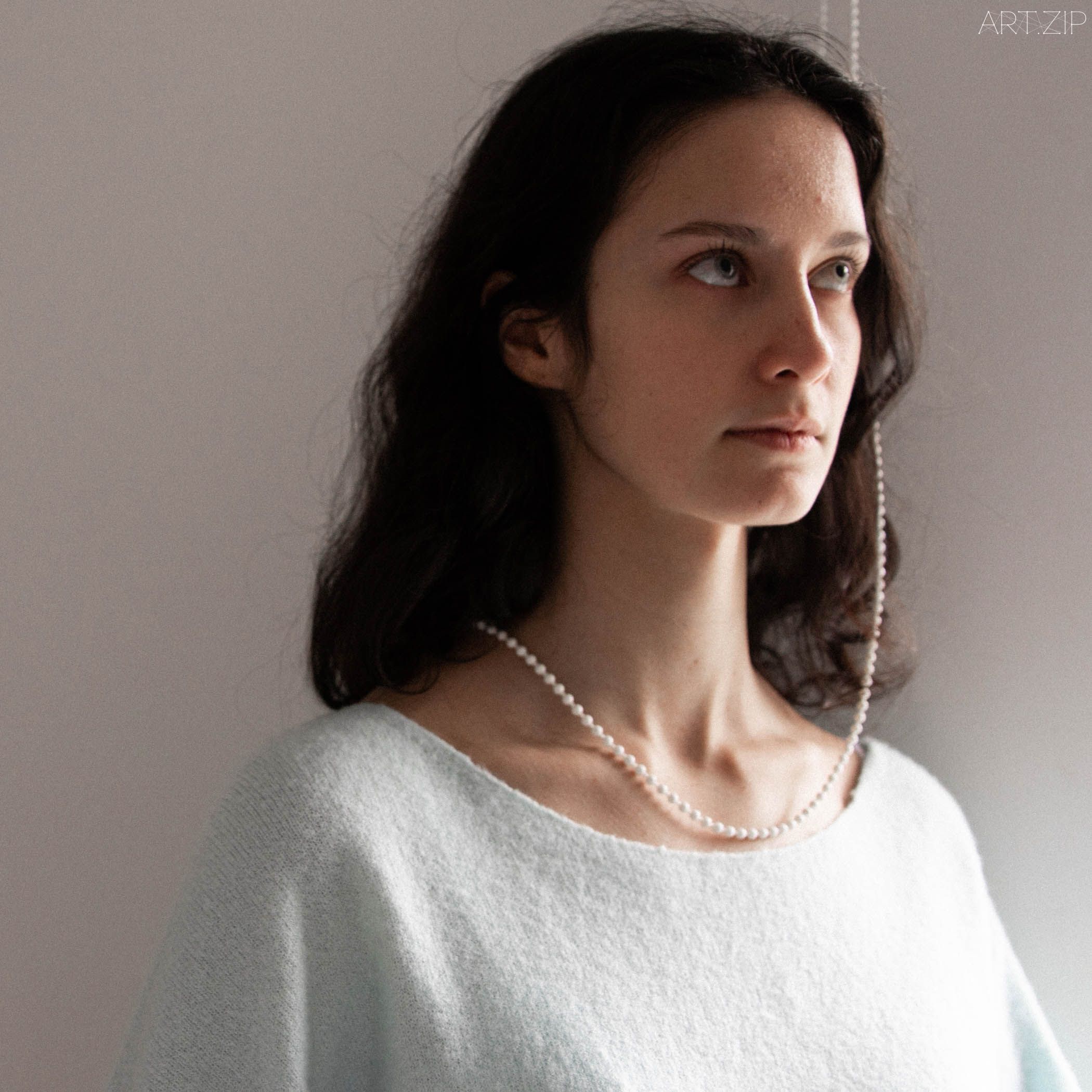
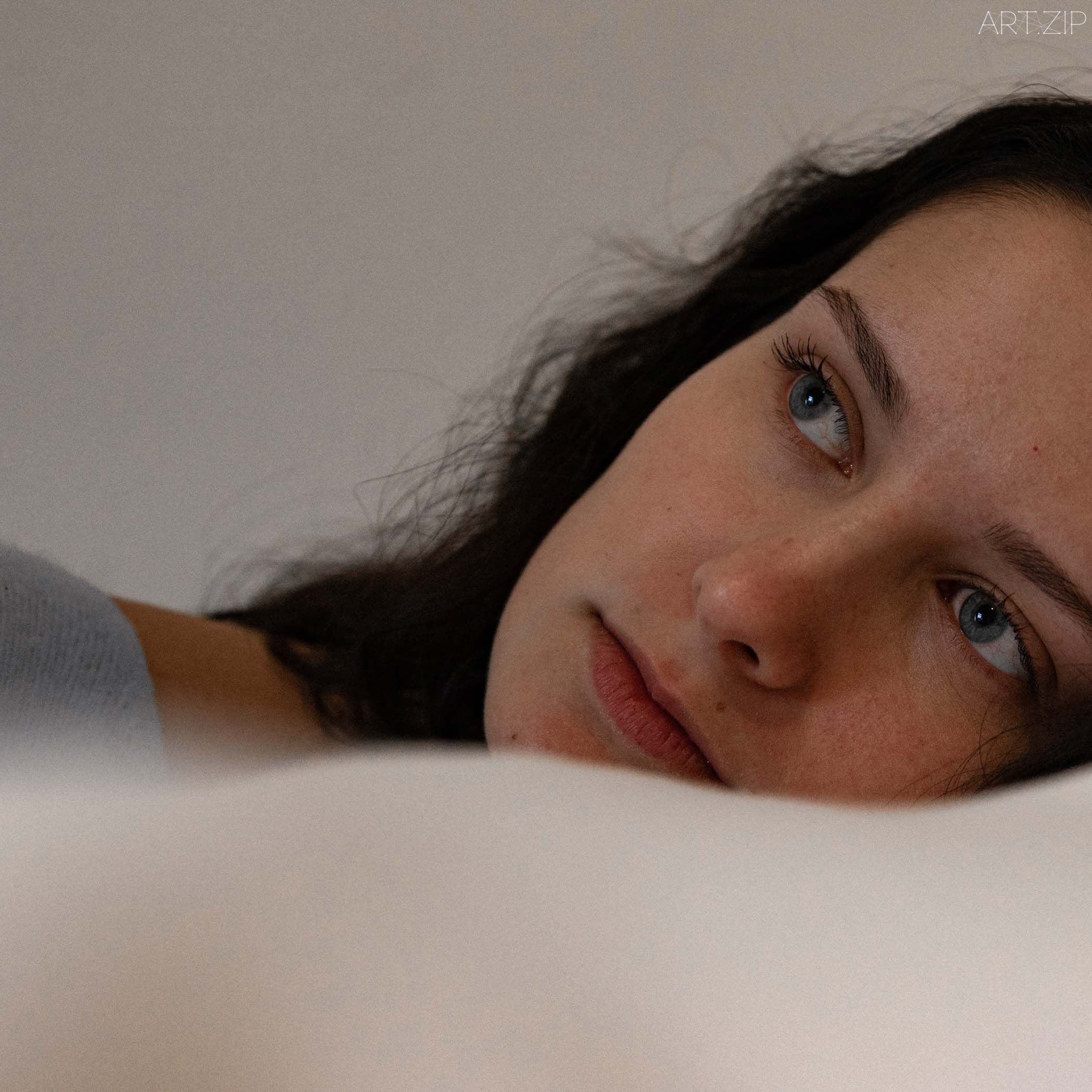
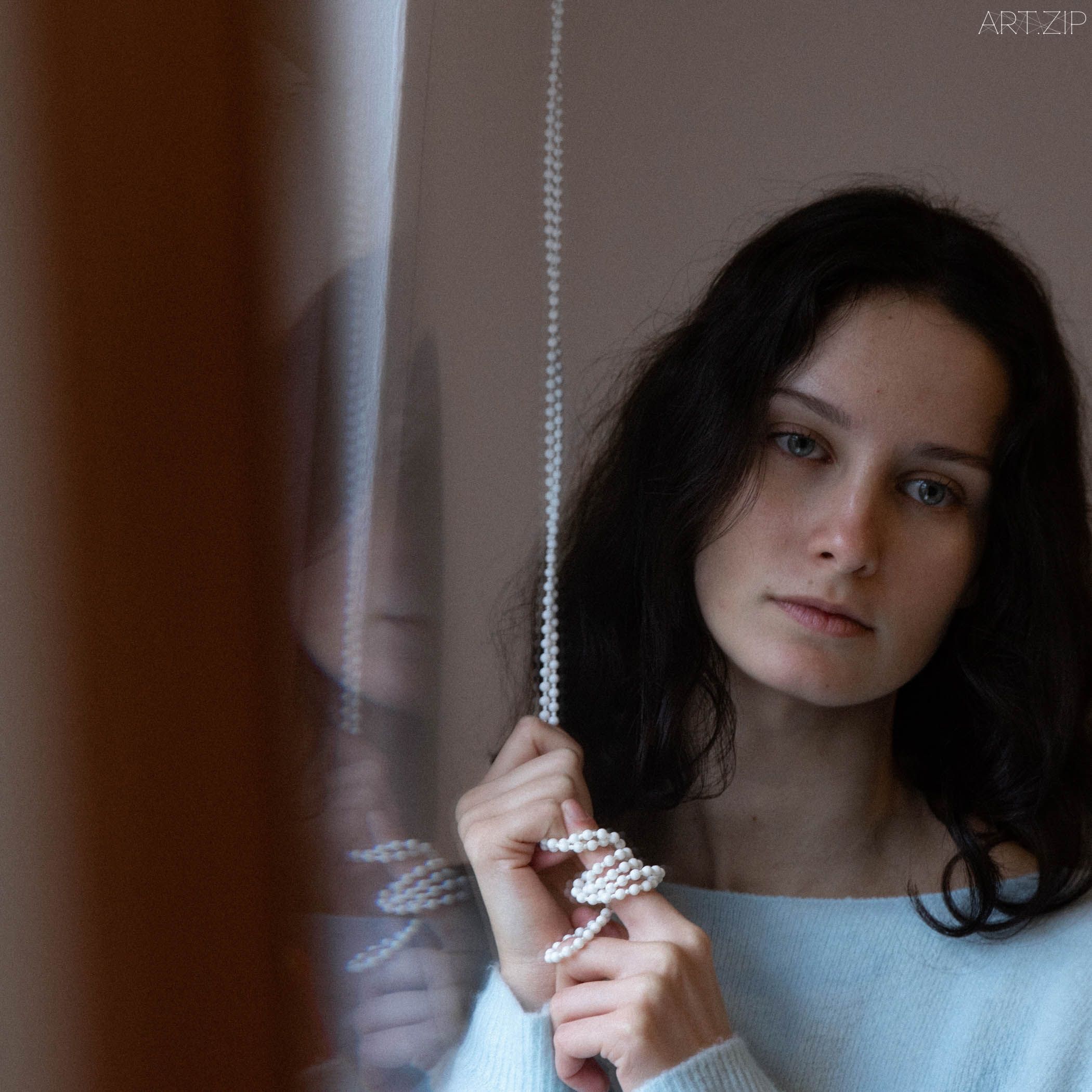
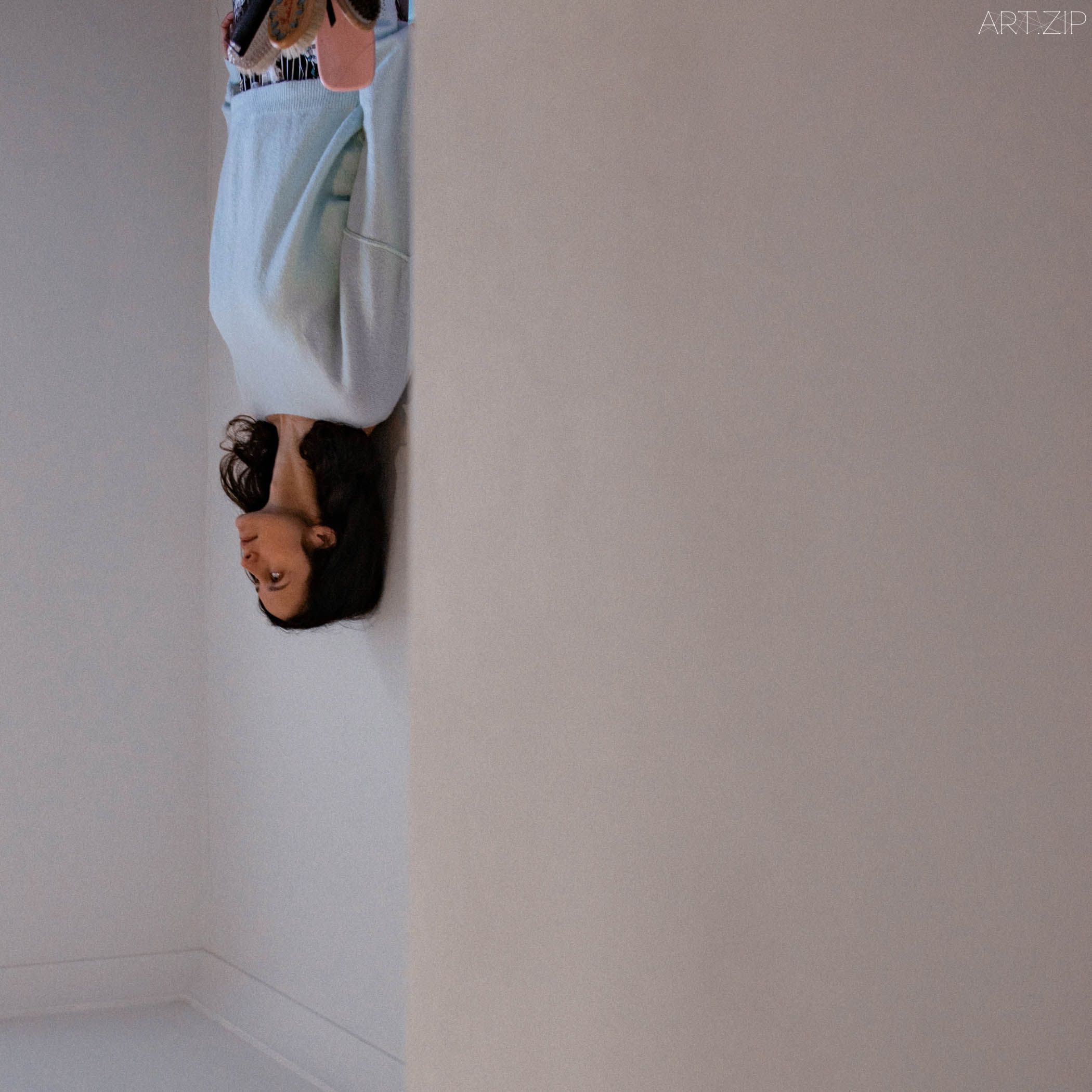
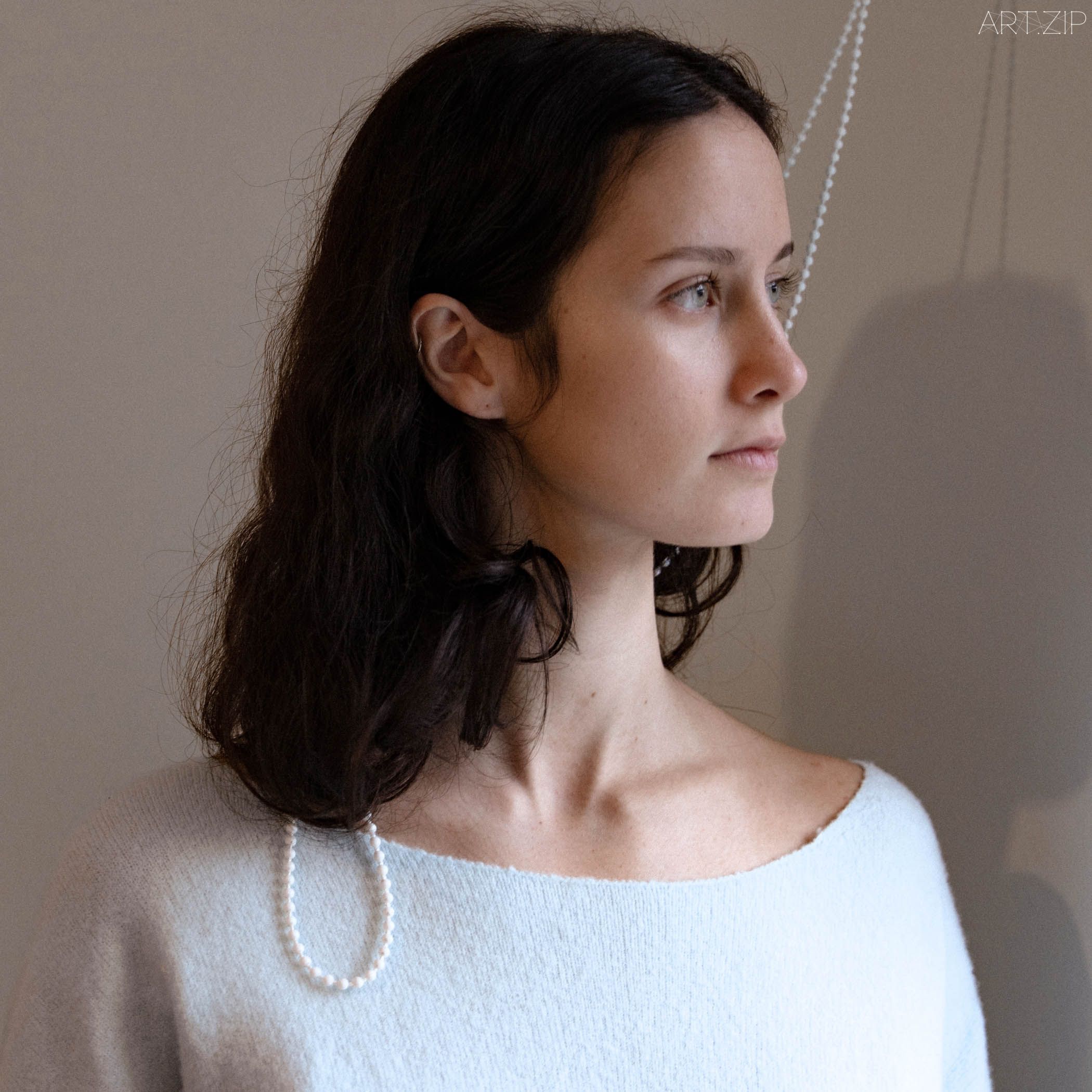
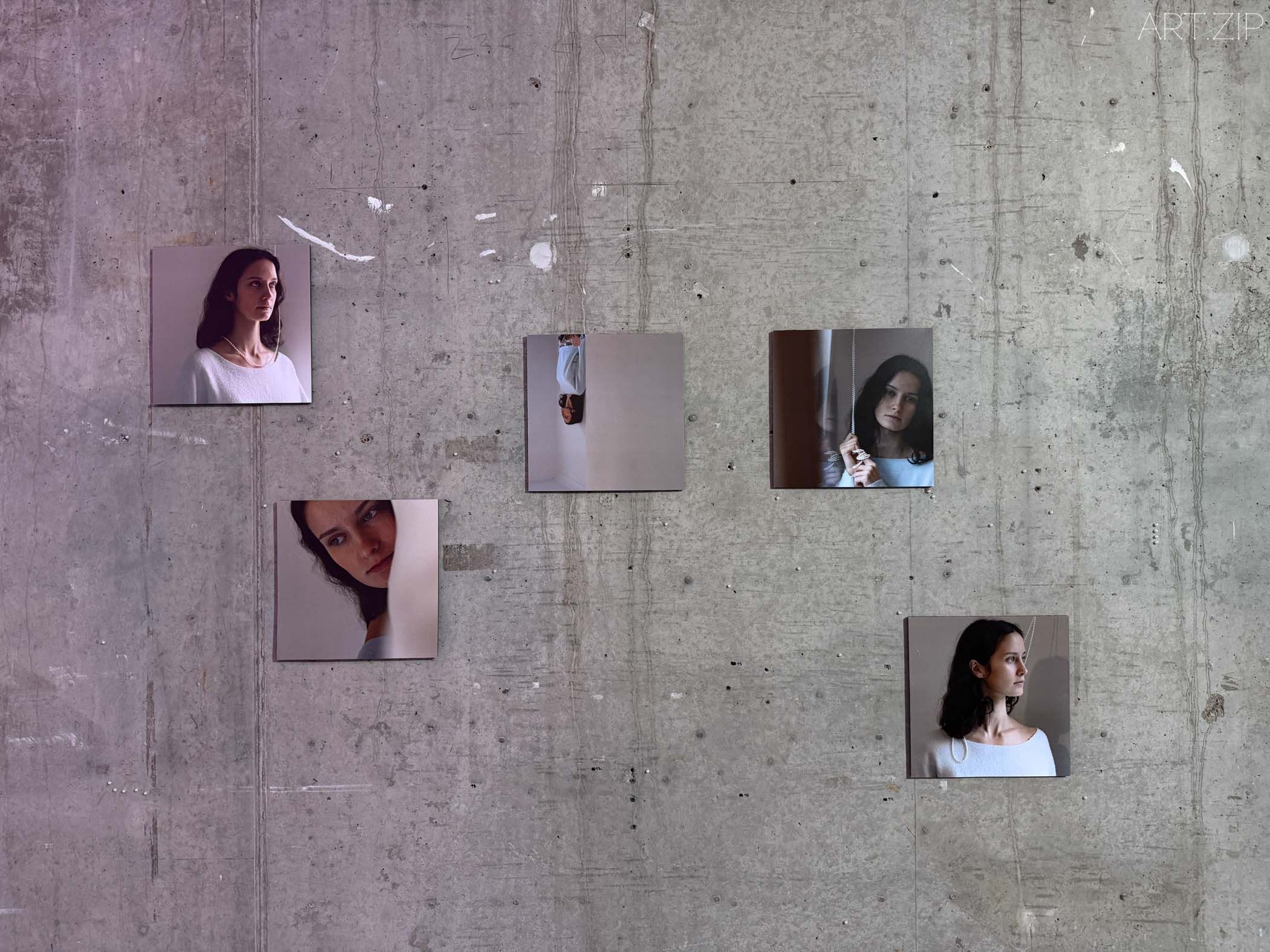
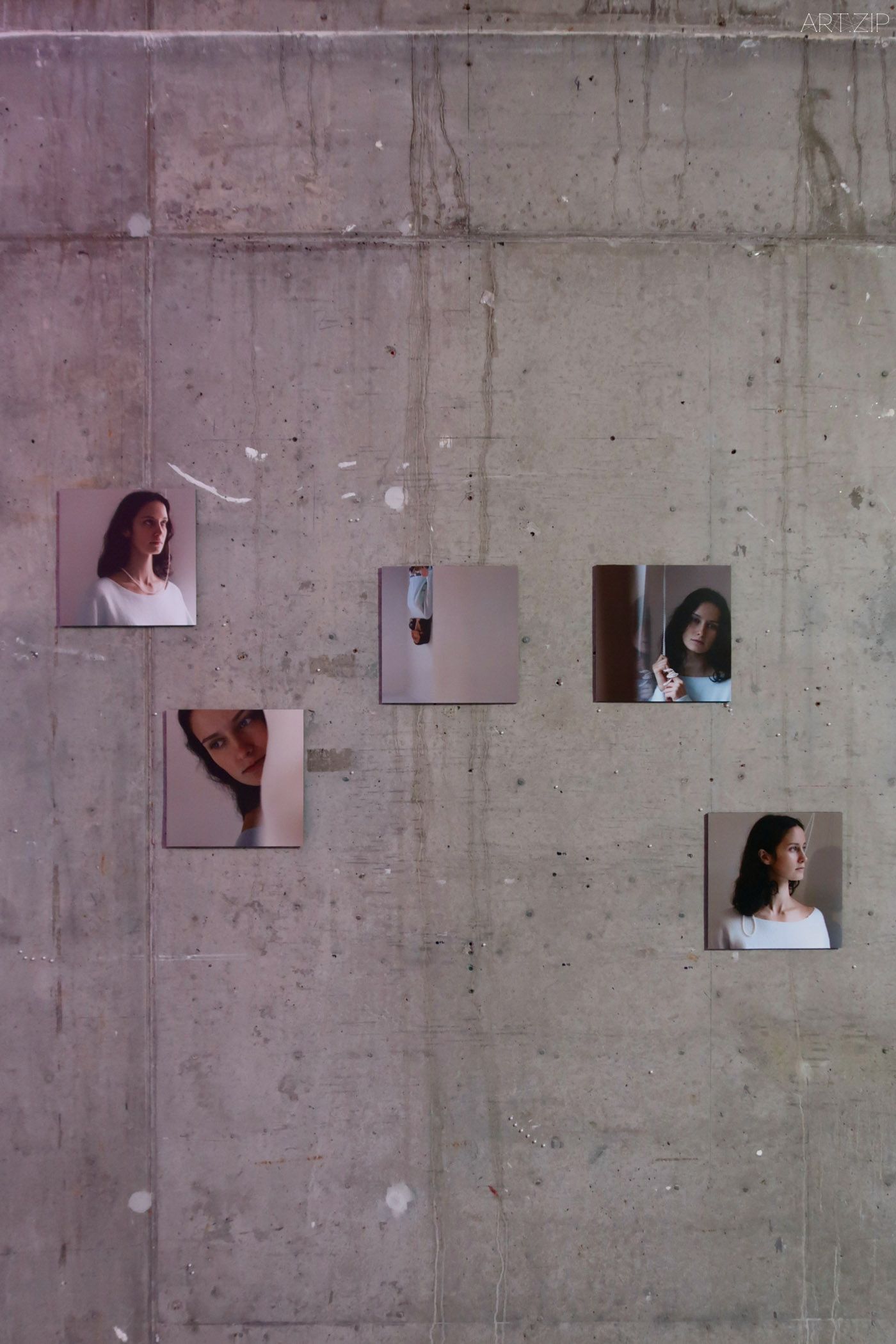
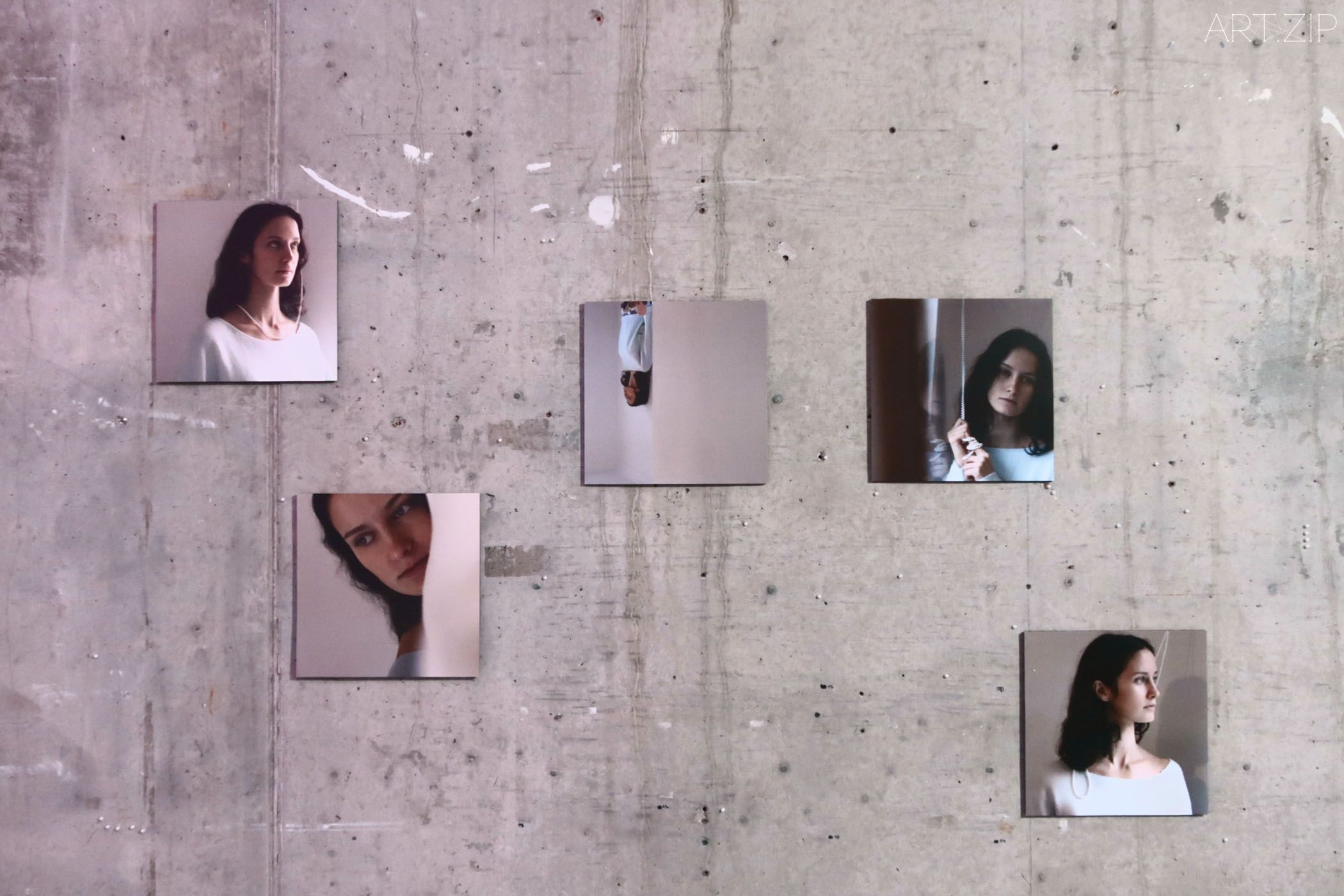
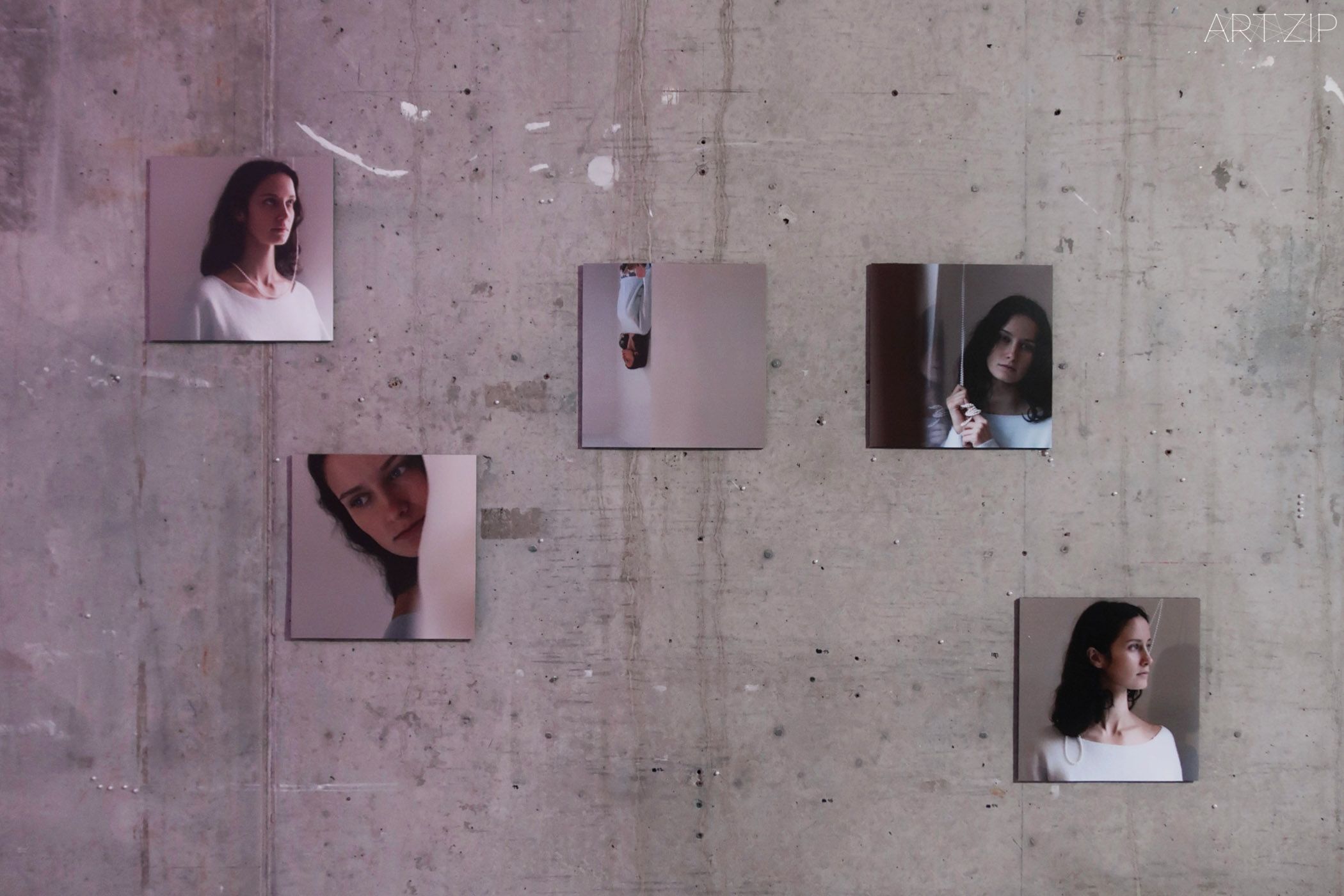
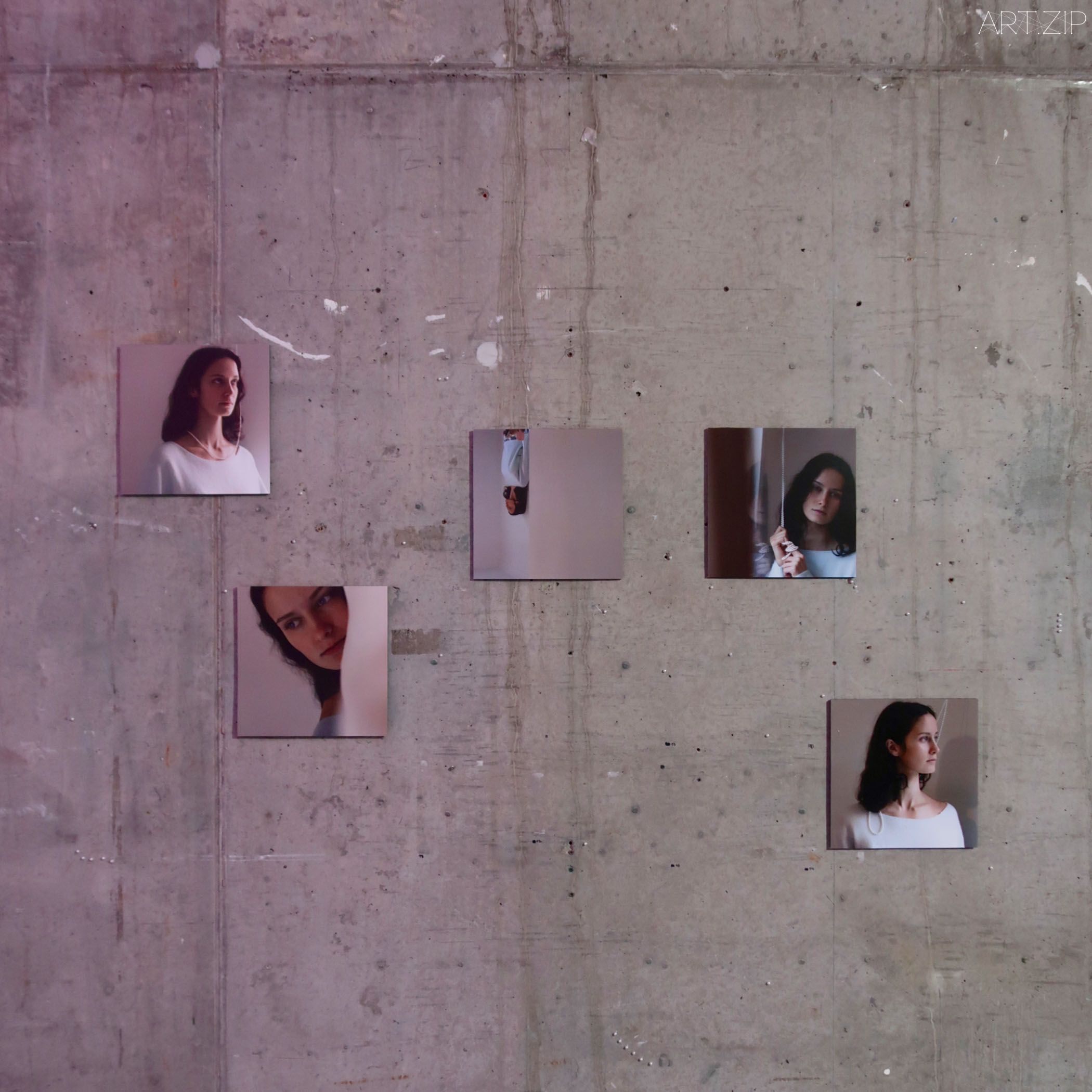
In her photographic work ‘Pearl Necklace’, comprising several images shown together, a quiet story is told about the ways in which treasured items can carry huge emotional weight when one might occupy new spaces. For the artist, and many others, this could refer to their experience of living around the world, but there is also a psychological inquisition around the act of leaving and the act of arriving. What do we hold onto when we know we have to leave?
While the symbolic value of a pearl necklace is clear in terms of both its financial and potential emotional value, Wen’s composition ensures that it is not presented as a static object, and almost satirises this with her use of a blind beaded chain in lieu of real pearls. The static is something which simply does not compute throughout Wen’s work; and indeed, the necklace dances between body and space. Again, we see an in-between energy rendered visible.
Remains by Yun Wen
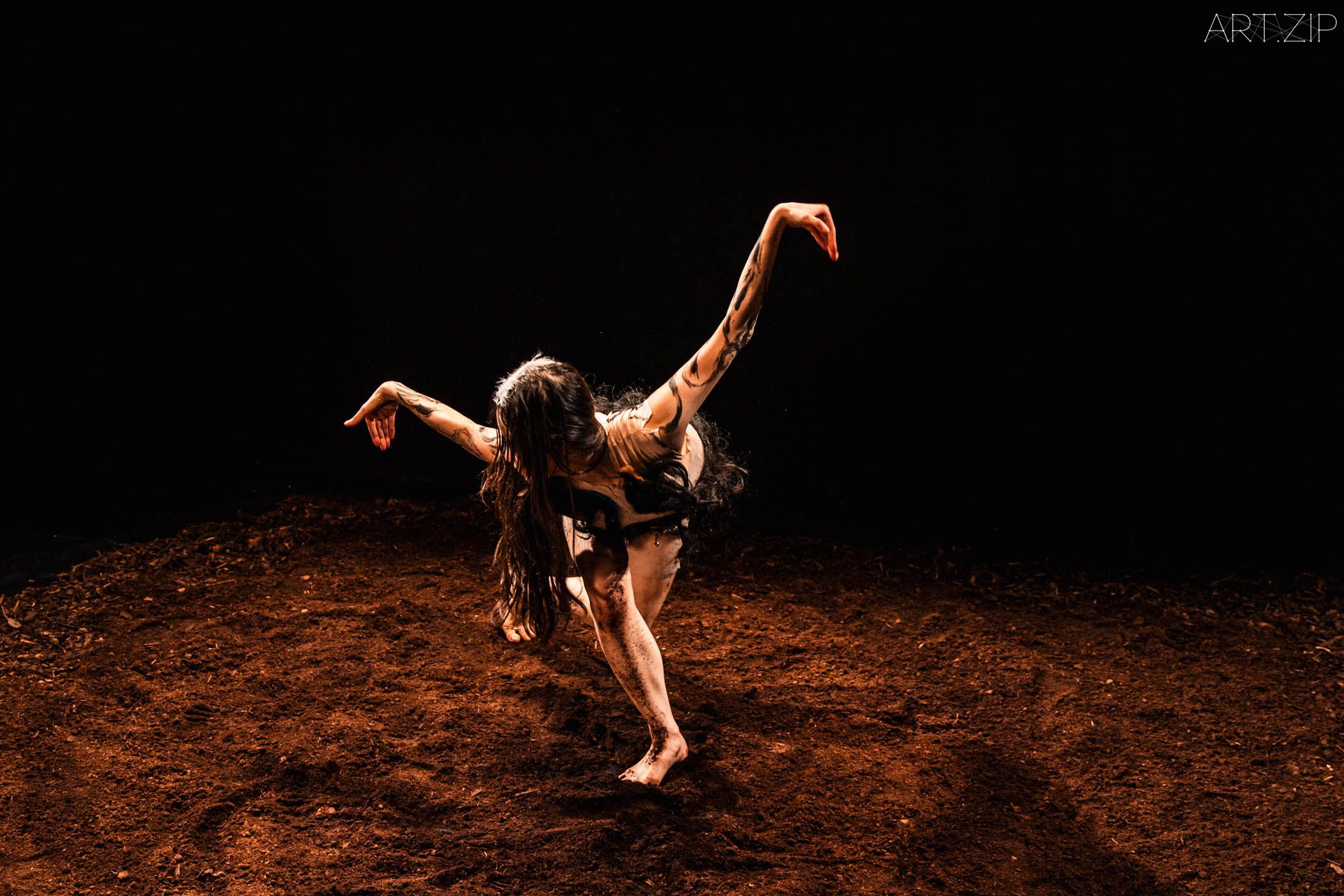
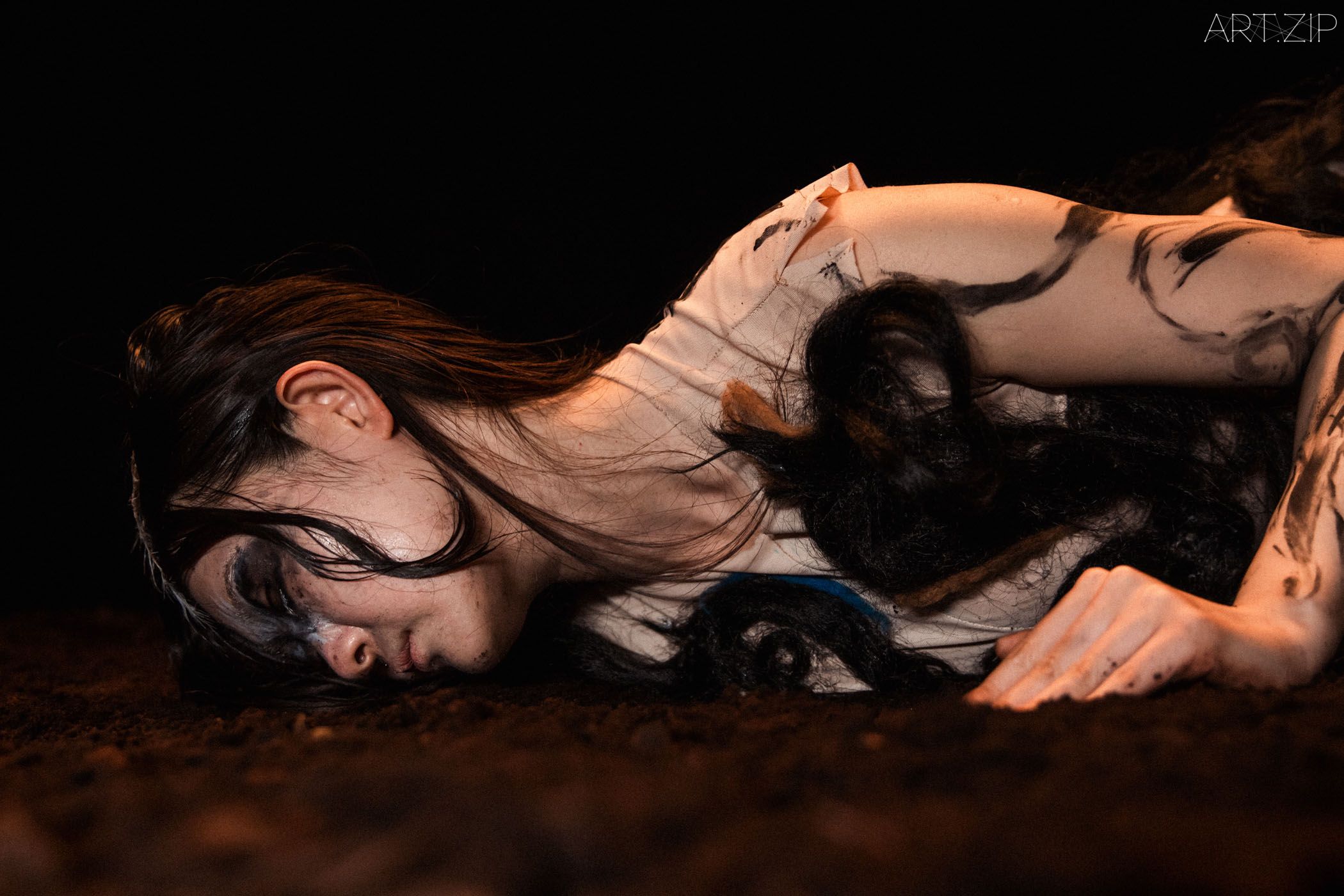
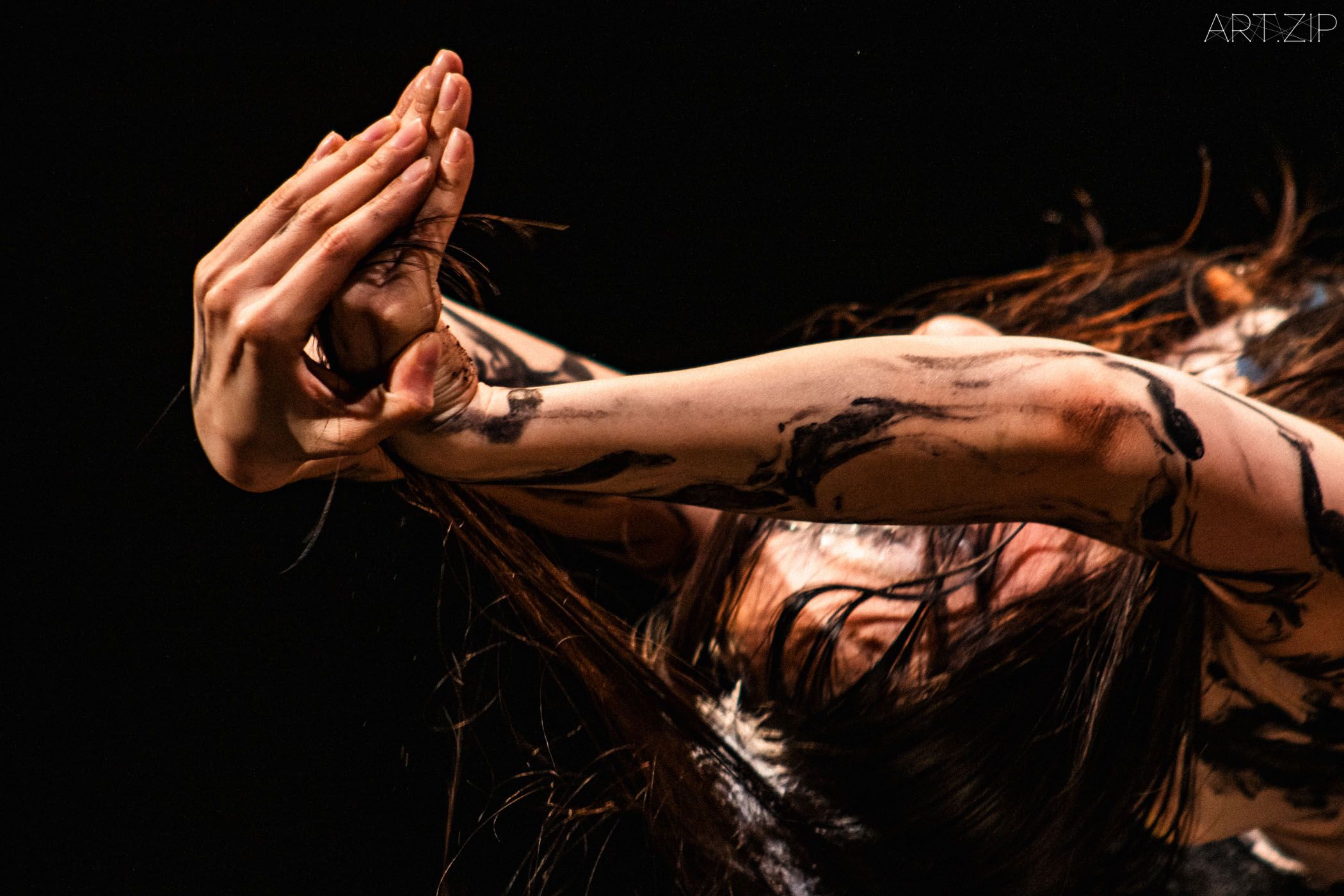
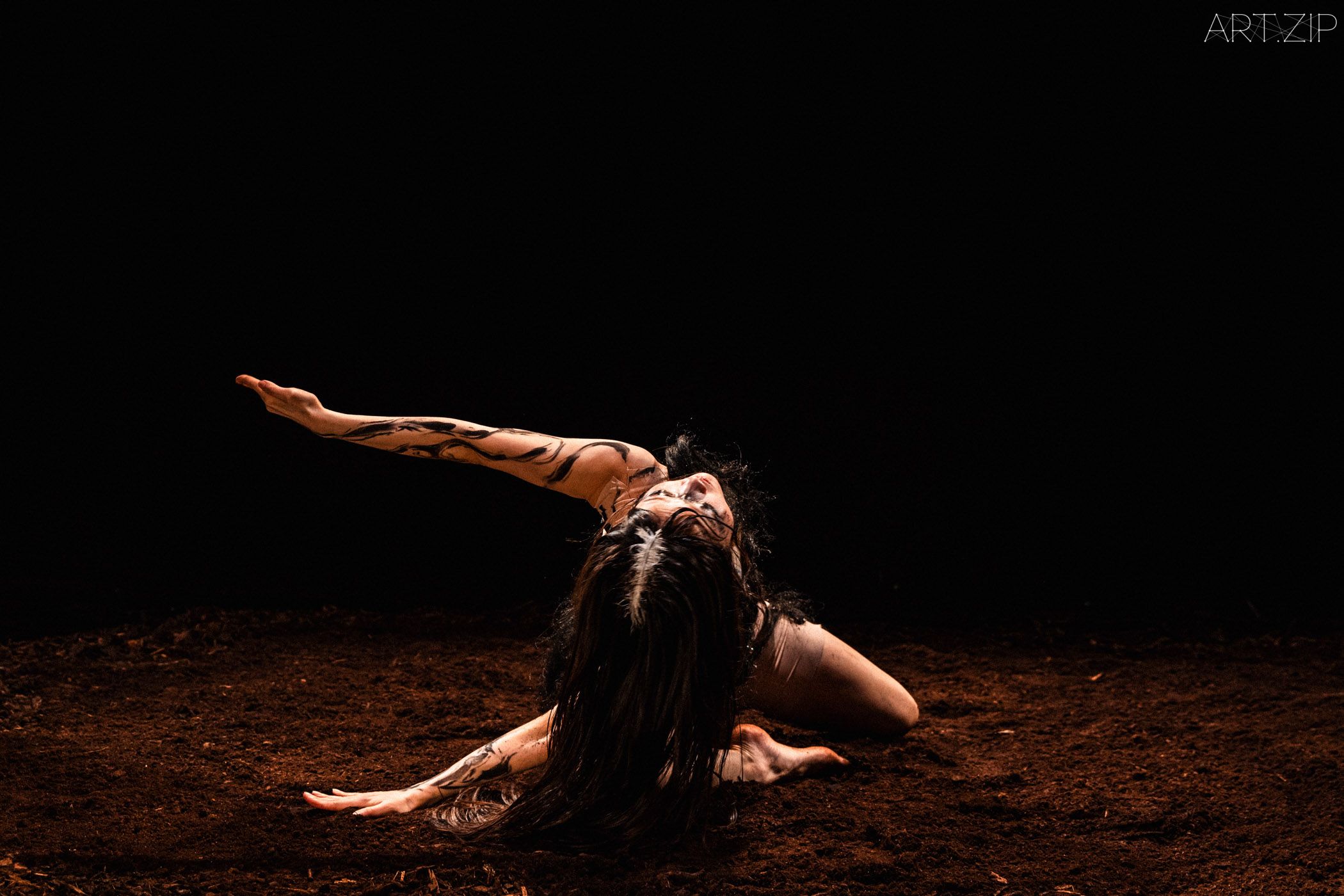
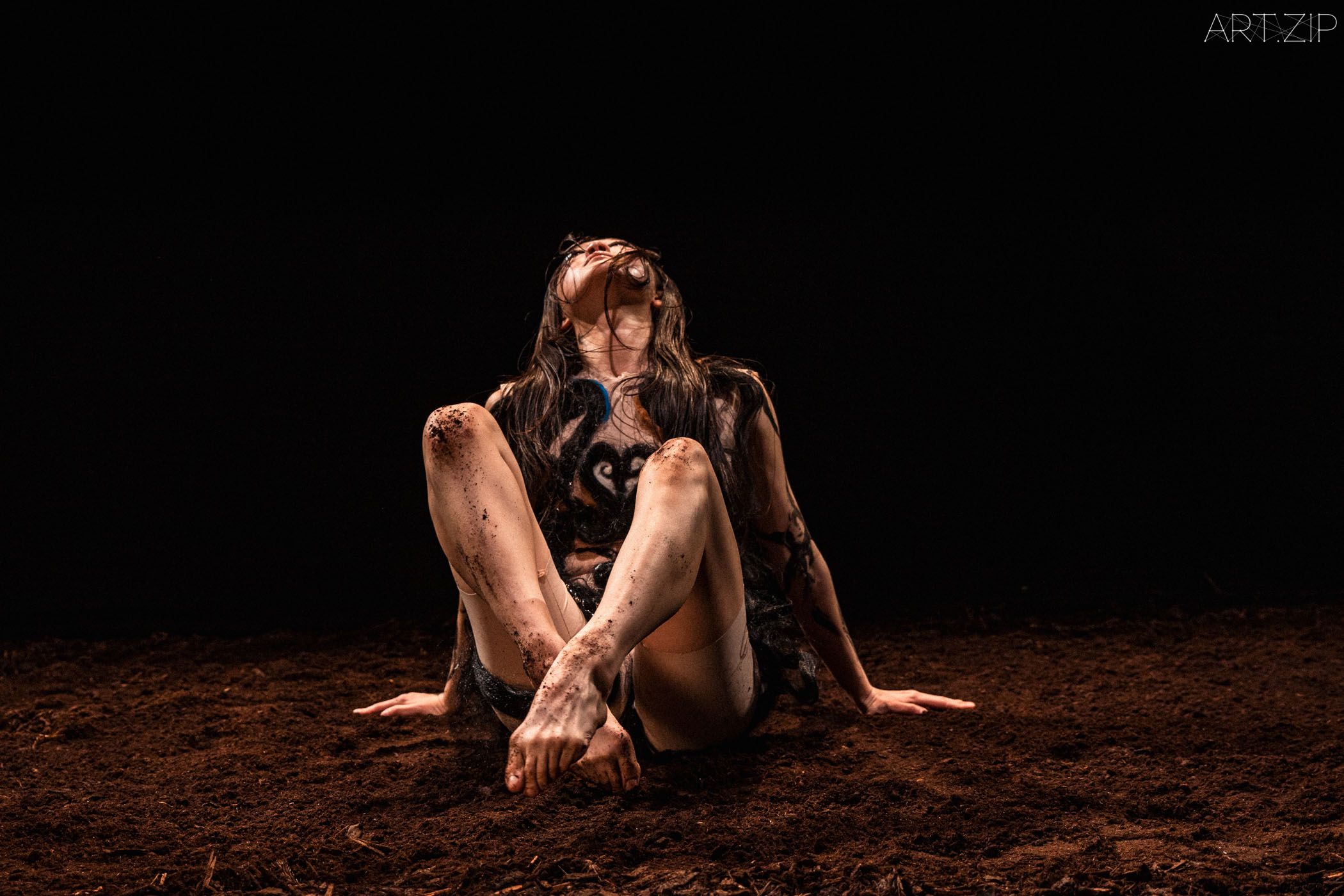
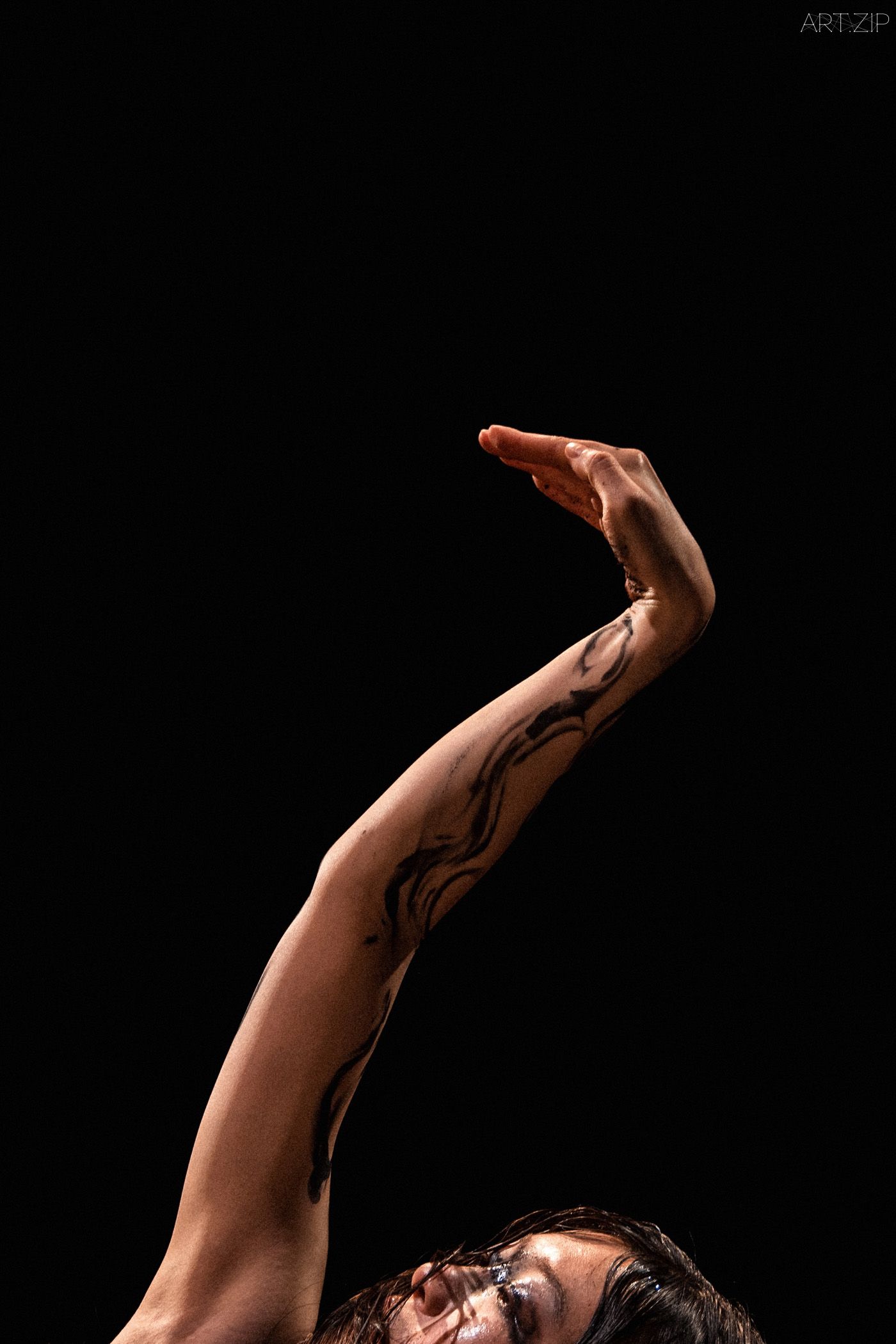
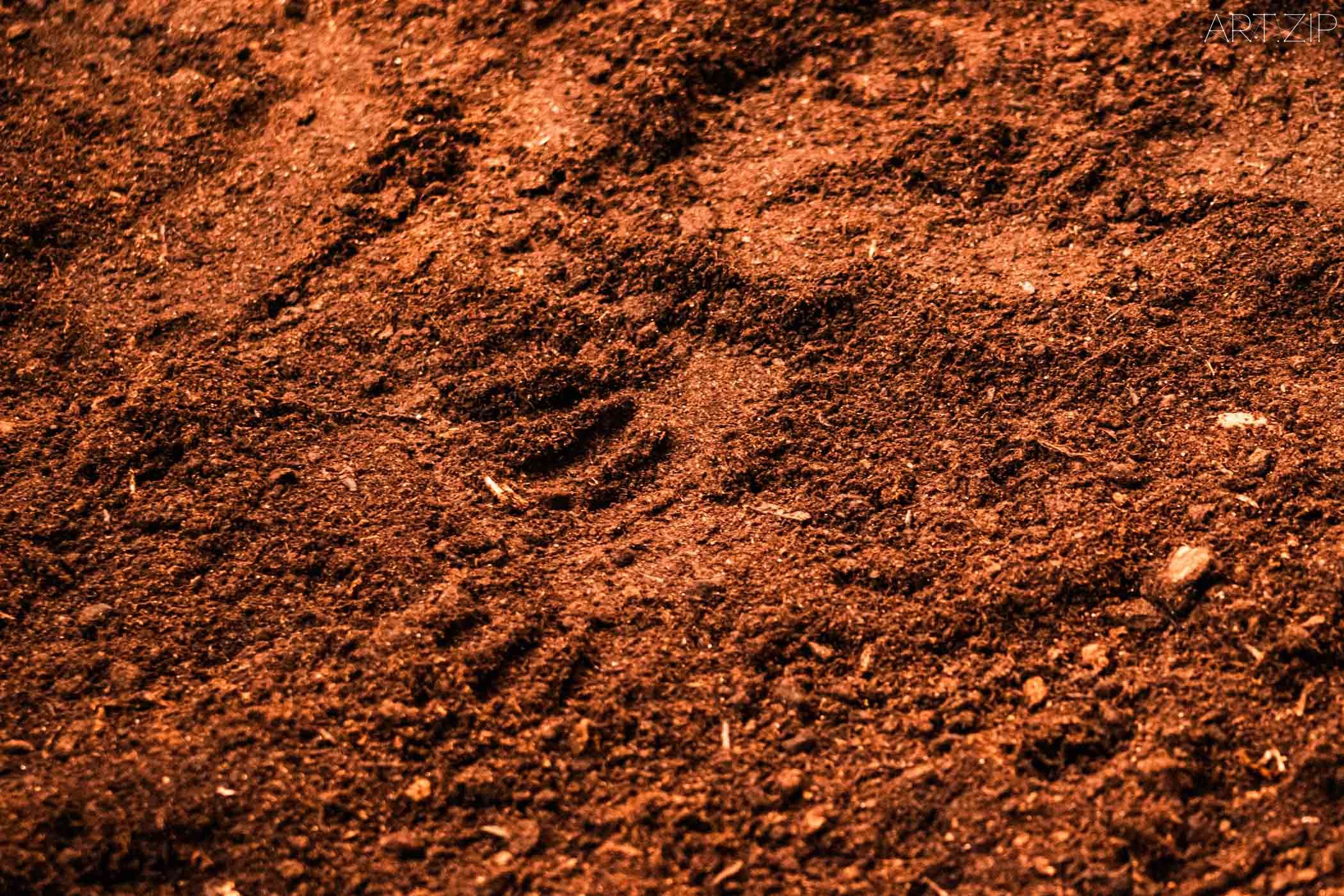
But the artist is not fixated solely on her own experiences and opinions; in fact, there is no strictly autobiographical angle to her work. Collaboration is part of her practice, and in the work ‘Remains’, she collaborated with a contemporary dance production team. Wen directed the dancer on set, and the scene of a figure navigating a dusty, seemingly tumultuous, but ultimately superficial landscape was formed. The work feels deeply theatrical and imposing, as if the viewer is there, but most importantly the surrounding environment seems to be an accessory, something that is a means to an end. Steeped in histories and fables and mythologies, the earth does not speak back in this scene, but acts as a vessel for storytelling of a different kind. Although it is a collaboration, Wen is careful about managing the lighting in her photography work, and this dedication to her craft is evident, through sharp dark palettes and visceral bodily depictions that shimmer with perspiration. A message of bodily agency is the thread that connects the different works in Wen’s oeuvre, and whether it is the body of her subject or even her own, the message is universal and applicable to all.
In reference to her own body, Wen experiences keloids, which are hereditary and a benign condition that have become a significant symbol to the artist in terms of living true to her practice values of exuding and expressing bodily agency. With her consent, a friend and fellow photographer made images of Wen’s keloids, which by definition are raised scars that are produced when the body produces too much collagen when a scar is in the process of healing. Upon viewing the images, Wen felt further inspired to take pride in this part of her, a condition which is also shared by her parents. She has said that she will now take this into the next phase of her practice.
The unique texture of keloids is also a fine complement to the crux of Wen’s work; she is fascinated by textures of the body, and how they take shape. The ‘Remains’ project puts the body at centre stage, all the while using a densely textured backdrop, and earth that is so malleable and ready to yield that it is cast as a supporting actor next to the limelight of the body. It seems that the body in the work is not pushing a narrative, not telling us a story from scratch, and certainly not trying to tug at our sensitive side. Instead, the symbiotic relationship between space and body is a perennial one. We must give, and we must take. As we see from the handprints in the earth in ‘Remains’, we leave traces, but we must not let our ego trick us into believing that we deserve to dominate the natural environment. We make space, we take space, then we leave. Wen reminds us of methodologies that we take up unconsciously: body as life, and body as trace.
In her formative years of developing her artistic integrity and practice as a multi-disciplinary visual artist, Wen says that the still image was simply not enough for her. This is abundantly clear in her work; while her photographic style is bold and aesthetically beautiful, there is the sense that the movements are fleeting. This sense of movement translates to the way her work is produced, with great flexibility and skill; one feels that Wen could turn her hand to a diverse form such as choreography tomorrow, if she so chose. In a world in which everyone is forced to take up space in different ways, emotionally, physically and virtually, what is the use of remaining stuck in one medium? As people, we are multifaceted like never before, and in her commitment to exploring the in–betweenness of being, Wen alludes to our innate fragility, how much we need each other despite increasing feelings of solitude and isolation, and perhaps most importantly, how we might find ways to flow, fuse, and merge with surrounding landscapes as a reminder of our short ripple of time on this sacred planet.
Text by Issey Scott
Published on 30 August 2026