


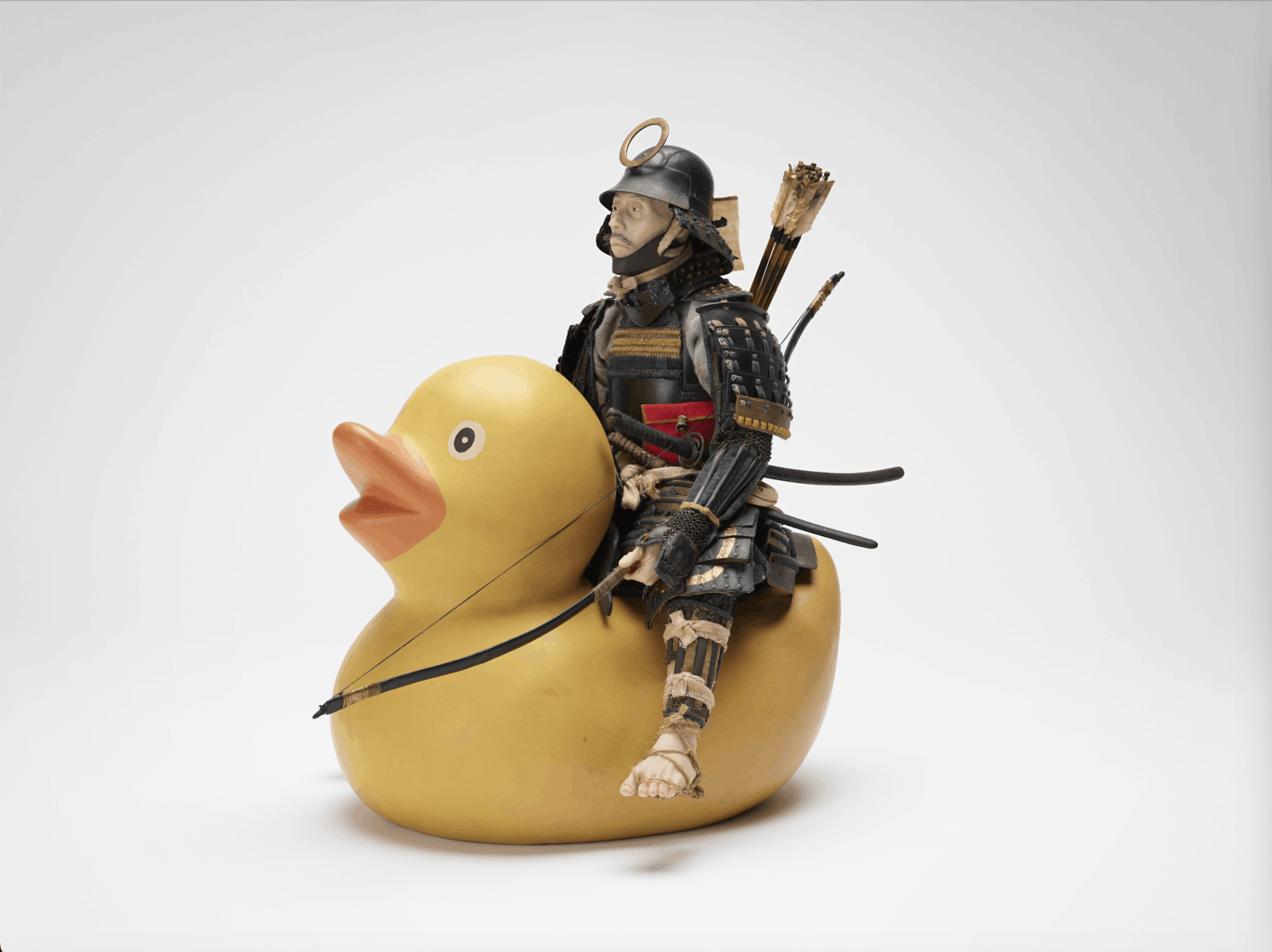
What is a samurai? The question sounds simple enough — and yet, as Joe Nickols, Project Curator of the British Museum’s exhibition Samurai, is quick to point out, it has no clean answer. “Samurai are many things to many people,” he says. “They can’t really be fixed down.” For Nickols, this resistance to definition is not a curatorial problem to be solved but a condition to be explored. The samurai, he suggests, have always existed between myth and reality, and rather than resolving that tension into a single truth, the exhibition aims for “a more nuanced and complex understanding”. It traces how the samurai evolved from early warriors into a political force and, by the seventeenth century, into a socially defined class within a rigid hierarchy. In this way, the exhibition becomes not only a survey of historical objects, but also an investigation into how images are made, sustained, and transformed over time.
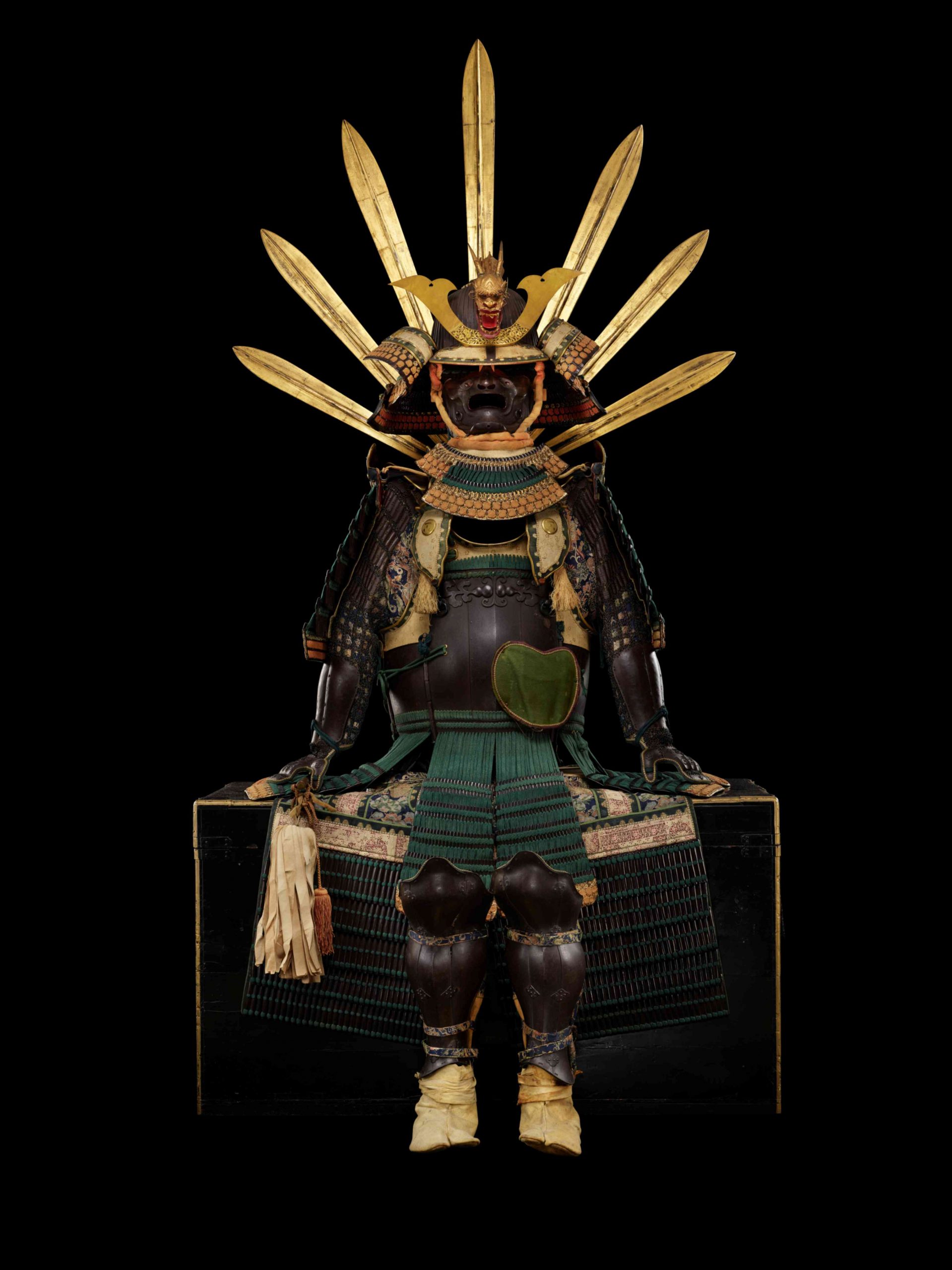
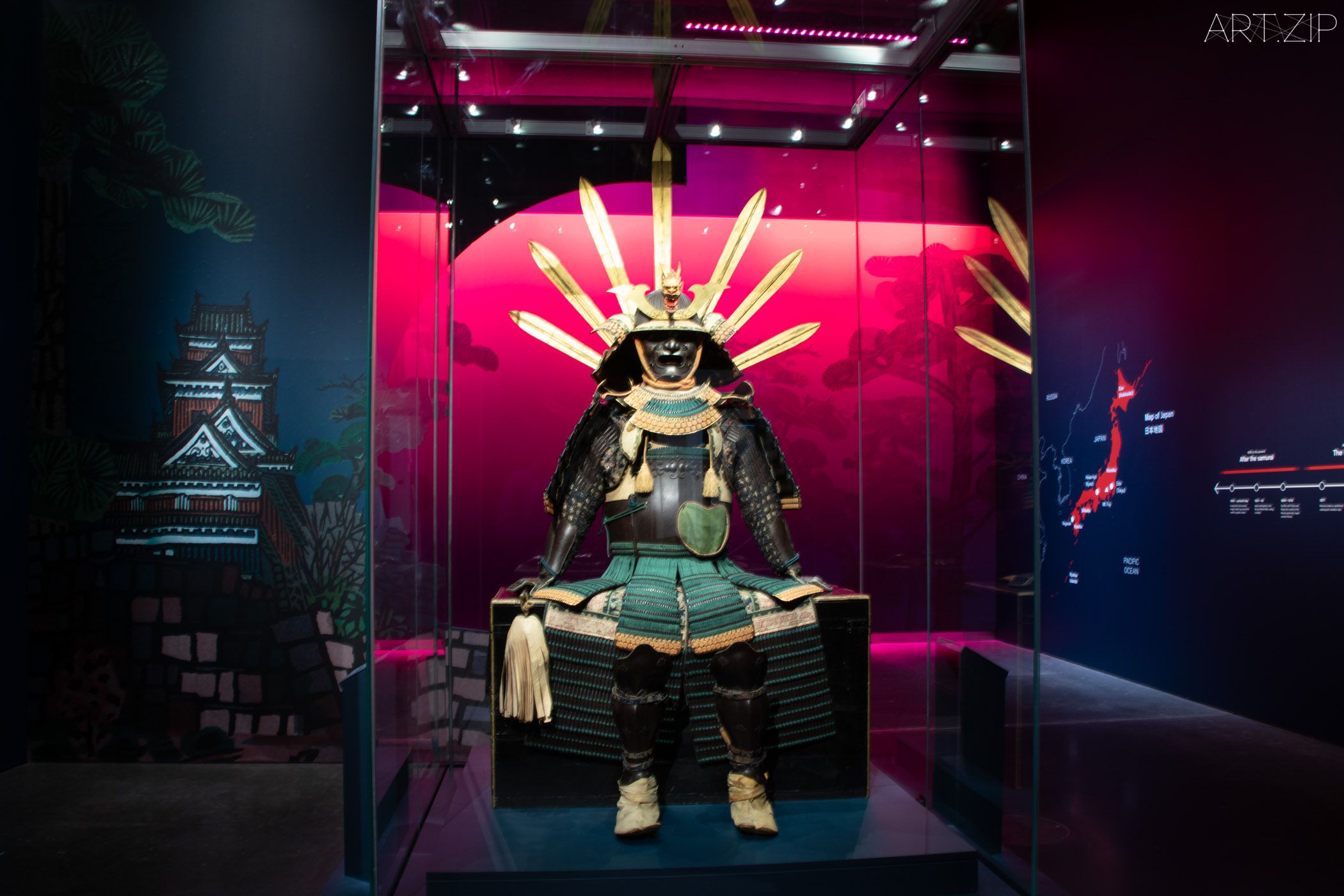
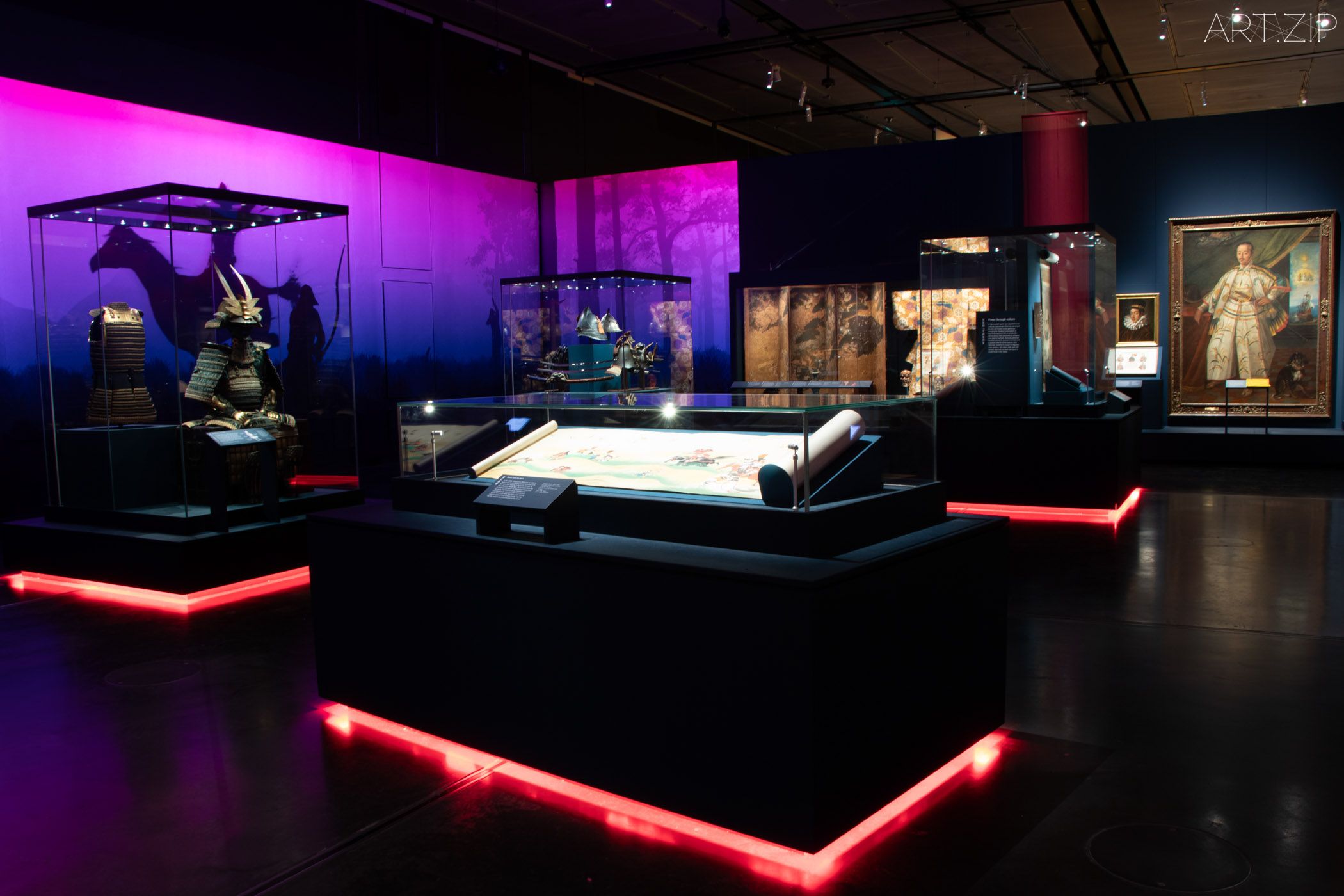
The show opens with a suit of armour incorporating an iron breastplate inspired by Portuguese design. At first glance, it looks familiar: the classic form of a samurai in full regalia. Look more closely, and the object begins to complicate itself. “When the Portuguese arrived in 1543, they brought musket firearms, and that had a big impact on the type of combat that happened in Japan,” Nickols explains. The armour registers a process of adaptation: it is hybrid, responsive, deeply Japanese and yet not purely so. “The samurai are uniquely Japanese, but not purely Japanese.” With this single object, the exhibition announces its intentions. Nothing here will be straightforward.
何謂武士?這個問題看似簡單,然而正如大英博物館《武士》的特展策展人喬·尼科爾斯 (Joe Nikols) 所言,它並無標準答案。「武士對不同的人意味著不同的事,」他說,「很難有一個統一的定義。」對尼科爾斯而言,這種難以定義的特質並非策展上需要解決的難題,而是一種值得深入探究的狀態。他認為,武士始終存在於神話與現實之間。這場展覽並不試圖將這種張力收束為單一真相,而是追求一種「更細膩、更複雜的理解」。展覽梳理了武士如何從早期的武者逐漸演變為政治力量,並在十七世紀成為嚴格社會階序中一個以身分界定的階層。由此,這不僅是一場歷史文物的巡禮,更是一場探問:歷史形象究竟是如何被建構、被維繫、又如何在時間中不斷被重塑。展覽以一套融入葡萄牙設計語彙的鐵製胸甲武士鎧甲揭開序幕。乍看之下,它熟悉而典型,呈現了武士全副武裝的經典姿態。然而細看之下,這件器物展現了其複雜性。「葡萄牙人於1543年抵達日本並帶來了火繩槍,這對日本的戰鬥形態產生了巨大影響,」尼科爾斯解釋道。這套鎧甲紀錄的是一種適應與演化的過程:它兼具混合性與回應性,深刻地屬於日本,卻又並非純粹日本。「武士是日本獨有的,但並非純粹的日本產物。」僅憑這件展品,展覽便已昭示其目意圖:在這裡,任何看似理所當讓的事物,都將被重新審視。

Portrait of Joe Nikols, project curator of the exhibition Samurai.
Beyond the Battlefield 超越戰場
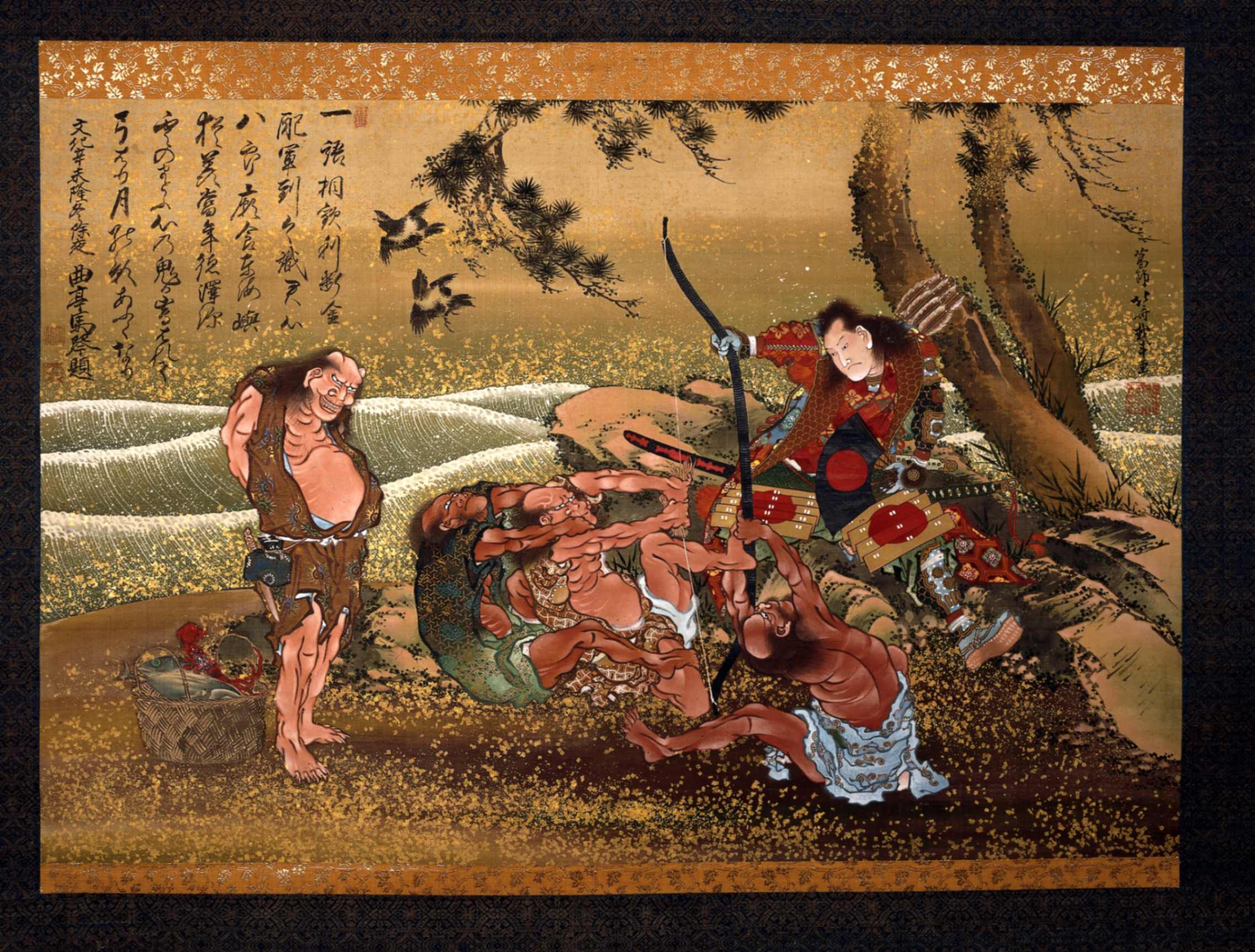
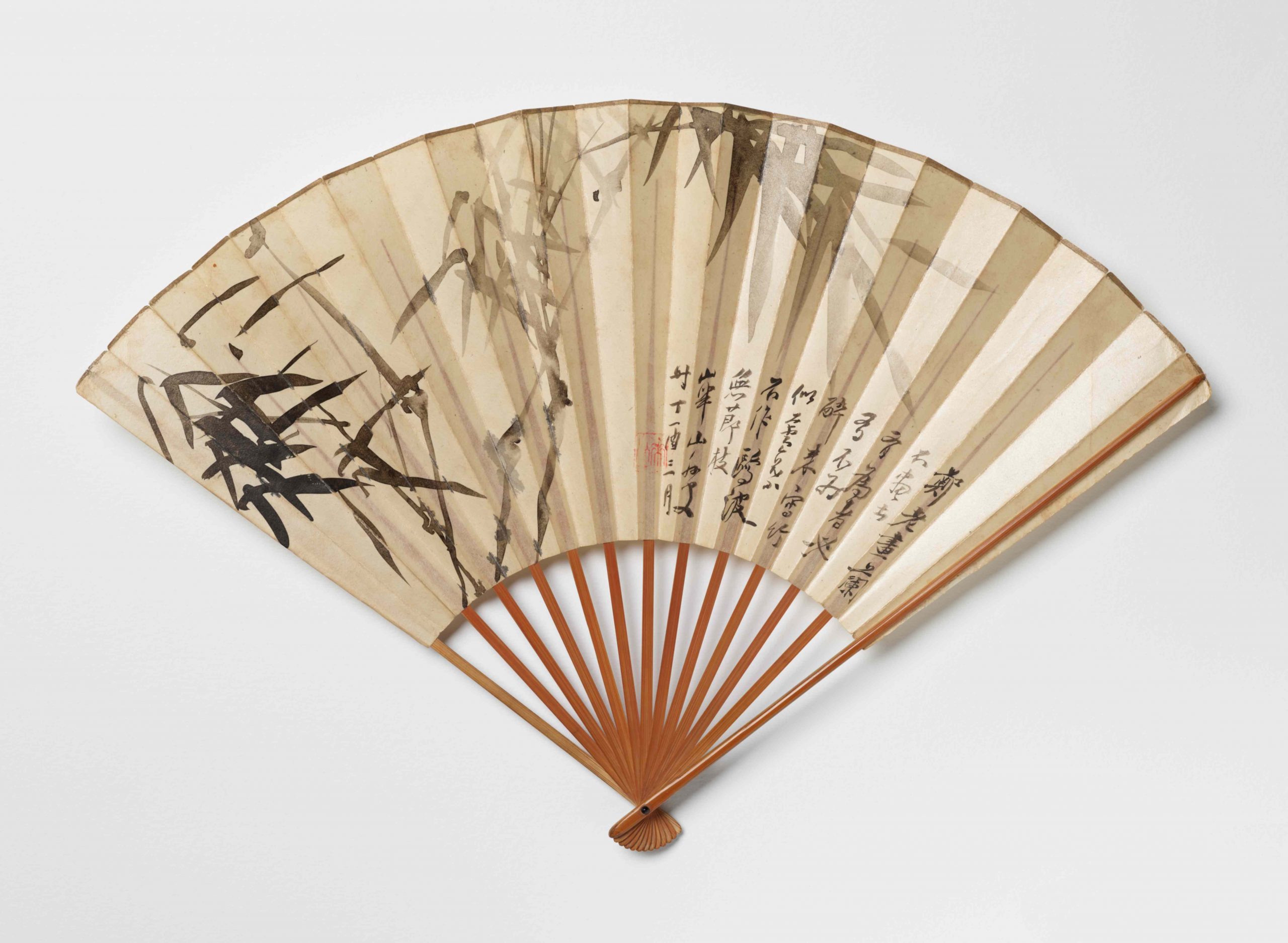
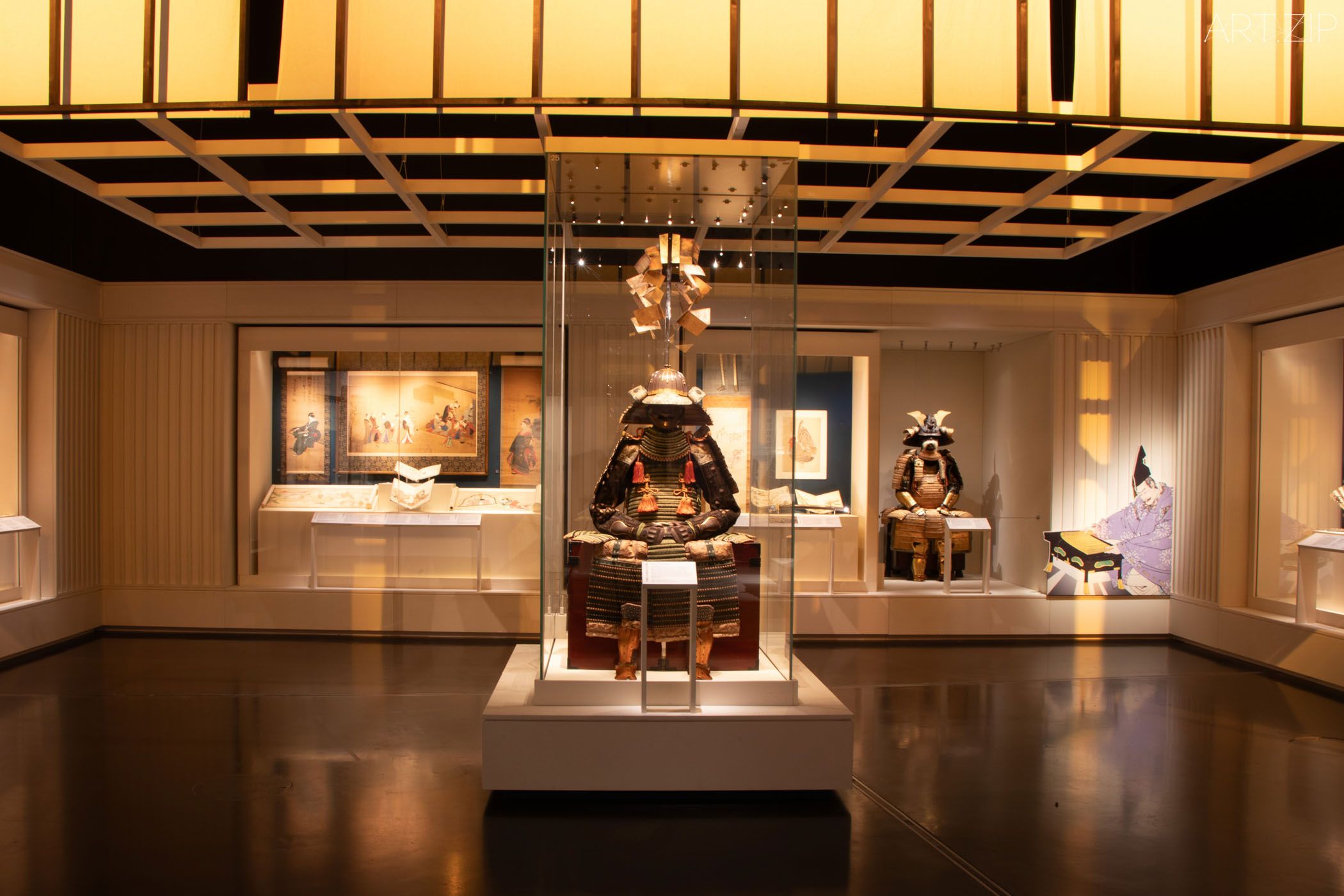
One of Samurai‘s most compelling contributions is its reimagining of what samurai life looked like beyond combat. Warfare, Nickols insists, was only ever part of the picture. Alliances were made through gift exchange, ritual and performance, whether in the choreography of Noh theatre or the preparation of the tea ceremony. “There’s a lot that happens within samurai life that is not about being on the battlefield,” he notes. Even when samurai were on the battlefield, they were embedded in sophisticated bureaucratic systems: acts of bravery were documented, itemised, submitted through witness reports in order to claim rewards.
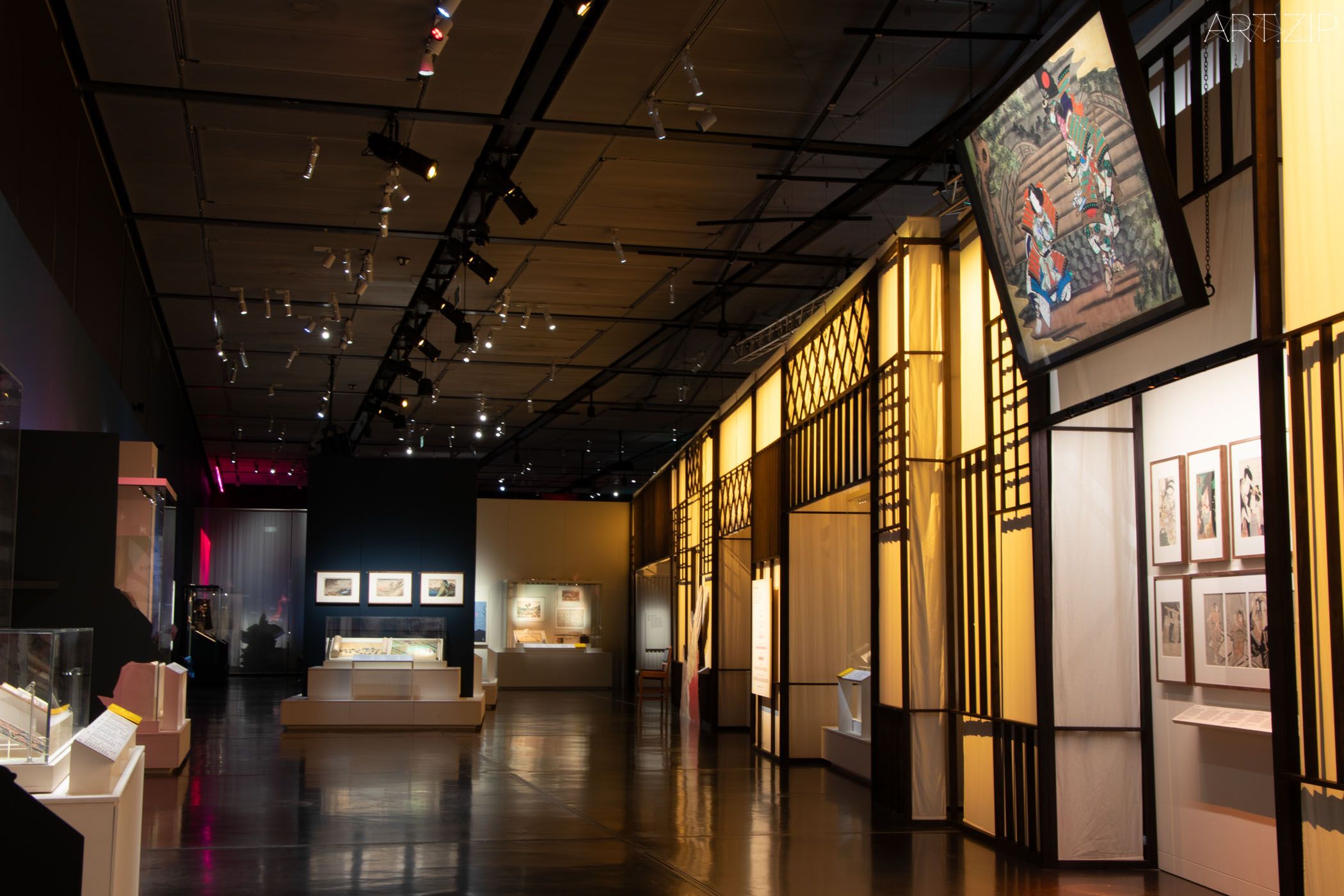
This dual identity — warrior and administrator — runs through the exhibition’s second section, which focuses on the art the samurai commissioned and the world they shaped through cultural patronage. The Kanō school (狩野派), supported by samurai elites, produced paintings dense with symbolic meaning: instructions, in effect, on governance, on how to raise children, on what kind of world the patron wished to inhabit. “I like this idea of seeing how the samurai wanted their world to be designed,” Nickols reflects, “and using art as their lens.” Through patronage, the samurai helped shape the visual worlds in which political ideals found expression.
《武士》特展最深刻的切入點之一,在於它拓展了人們對於武士在戰場之外生活樣貌的理解。尼科爾斯強調,征戰從來只是整體圖景的一小部分。同盟的締結往往依賴贈禮、儀式與表演,無論是能樂那精心編排的身段動作,還是茶道中一絲不苟的備茶程序。「武士生活中有許多事情與戰場毫不相關,」他指出。即便身處沙場,武士也始終置身於一套精密的官僚體系之中:英勇行為必須被詳加記錄、逐條列明,並以目擊報告的形式提交備案,方能作為請功的依據。
武者與行政官員的雙重身份貫穿了展覽的第二部分。這一章節聚焦於武士所委託創作的藝術,以及他們透過文化贊助所建構的世界。由武士菁英支持的狩野派(Kanō school),創作了大量充滿象徵意涵的繪畫:實質上,那些畫作等同於治國之道、子嗣教養、以及贊助人理想世界的視覺指南。「最讓我感興趣的,是透過武士所委託的藝術去窺見他們如何構建自己理想的世界,」尼科爾斯說,「藝術,是他們投射這個想像的媒介。」通過贊助體系,武士不僅形塑了藝術,也塑造了表達政治理念的視覺語言。
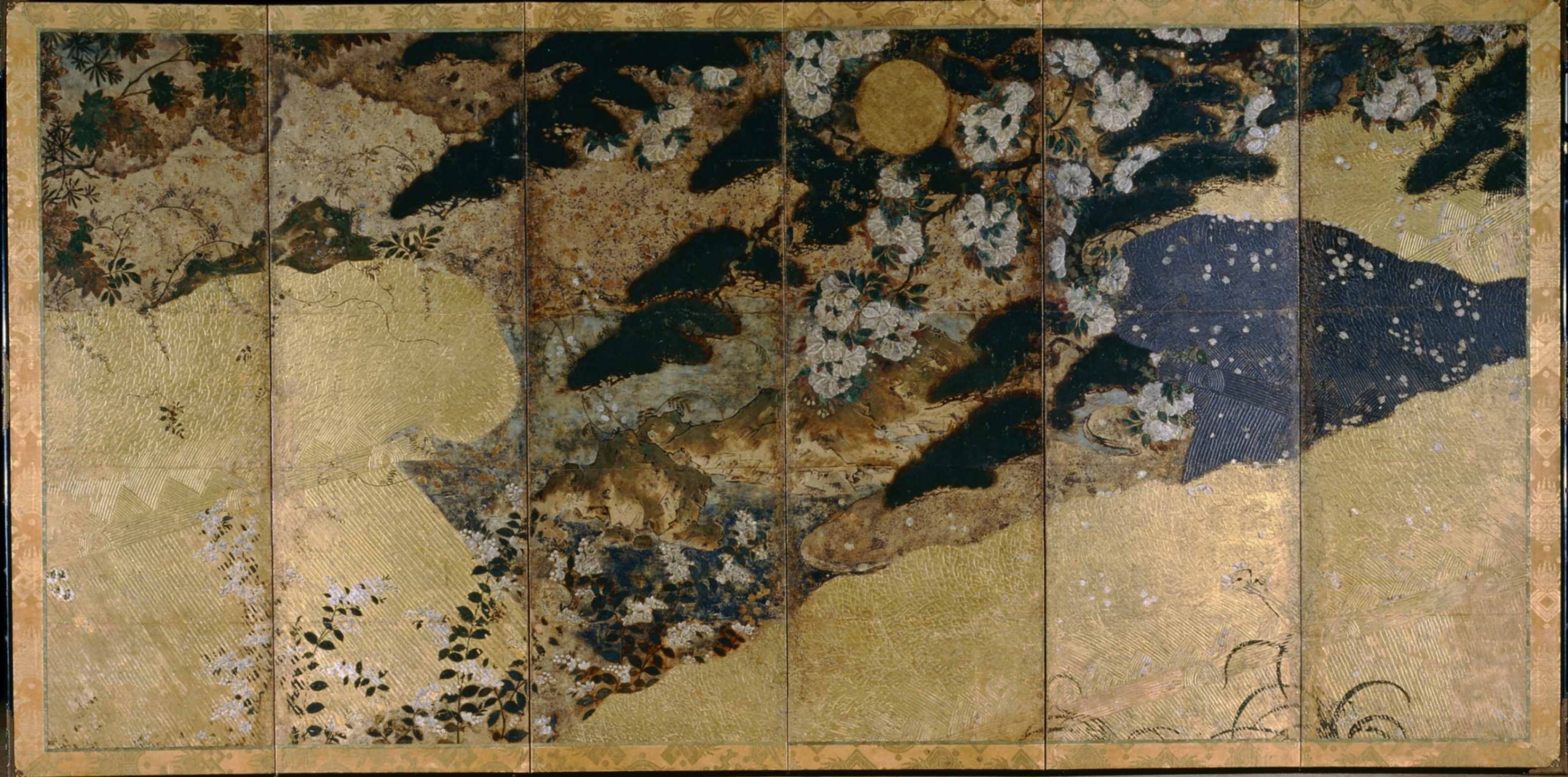
Folding screen Ink, silver and gold on paper, Japan, 1500–1600 © The Trustees of the British Museum. Powerful samurai lords used formal social gatherings to cement relationships with their allies and retainers. The venues for such events were richly furnished with hosts seated before folding screens decorated with shimmering gold leaf. This screen depicts cherry trees above a stream, denoting spring, and deutzia flowers at left for summer. It was created during the Muromachi period (1336–1573), a time of immense political turmoil and civil wars.
Rethinking Loyalty and Bushidō 忠義與武士道的再思考
The exhibition’s treatment of loyalty is among its most carefully considered aspects. Rather than replacing the myth of unwavering samurai devotion with an equally simplified account of betrayal and pragmatism, Nickols insists on keeping the contradictions in view. The samurai existed across nearly a millennium, in vastly different regions and historical periods. “Their ideology changes over time. We’re not saying that there is no kind of conduct that they follow, but it’s just not a consistent kind of conduct.”
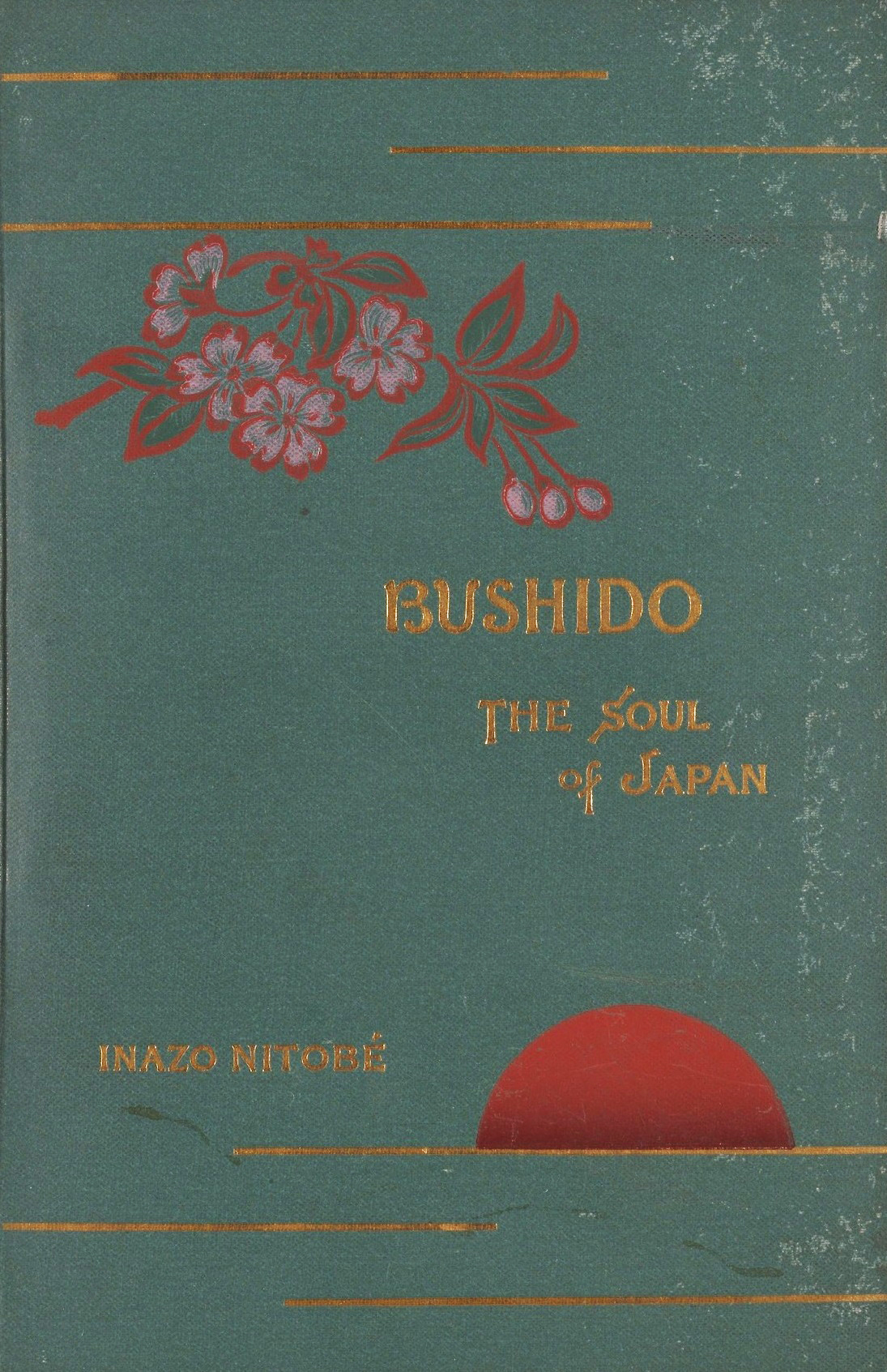
Central to this argument is the concept of Bushidō, the so-called “way of the warrior”, which the exhibition approaches not as a timeless ethical code but as a later construction. Drawing on the scholarship of Oleg Benesch, Nickols situates its modern articulation in the cultural anxieties of the late nineteenth century, when Inazō Nitobe’s Bushido: The Soul of Japan (1899), written in English for Western readership, sought to frame the samurai as Japan’s equivalent of the European knight. The book found an enthusiastic audience in the United States, and as Nickols notes, it was so influential that even the American president was said to have circulated copies within his circle. Yet its historical grounding was quickly questioned by Japanese historians after the book appeared in Japanese in 1910. “They didn’t really know where this information was coming from.” What had seemed to many readers like the description of an ancient moral tradition was a much more modern construction, shaped by anxieties about possible colonisation and by the medievalism fashionable in Europe at the time. Earlier samurai conduct, the exhibition suggests, was guided by more fluid and regionally variable ethical frameworks, informed by Buddhism and Neo-Confucianism rather than any single, unified warrior code.
展覽對「忠義」的處理,可以說是全展中最為審慎的環節之一。尼科爾斯表示,展覽並未試圖以另一種簡化的敘事來取代武士絕對忠誠的神話,而是選擇讓矛盾保持可見。武士橫跨近千年歷史,存在於截然不同的地域與時代之中。「武士的思想也會隨時間而變。我們並不否認他們有所遵循,只是那從來不是一套放諸四海皆準的規範。」
這一論述的核心是對「武士道」的重新定位。關於「武士之道(Bushidō)」,展覽並未將其視為永恆不變的倫理規範,而是一種後世的歷史建構。尼科爾斯援引歷史學家奧列格·貝內什(Oleg Benesch) 的研究,將武士道的現代論述追溯至十九世紀末的文化焦慮:新渡戶稻造 (Inazō Nitobe)於1899年以英文撰寫、面向西方讀者的《武士道:日本之魂》,試圖將武士塑造成日本版的歐洲騎士。這本書廣受歡迎,流傳之廣,據說連美國總統也曾在社交圈中傳閱。然而當這本書於1910年被譯成日文後,其歷史根基隨即遭到日本學者的質疑,「他們根本不知道這些說法從何而來。」對讀者而言,那些看似描繪古老道德傳統的文本,原來竟是一項相當現代的發明,既受當時對殖民威脅的焦慮所驅動,也呼應了當時歐洲盛行的中世紀懷想(Medievalism)。展覽進而指出,早期武士的行為實則受制於更具流動性、更具地域差異的倫理框架,佛教與新儒家思想的影響遠比任何統一的「武士道」規範更為深遠。

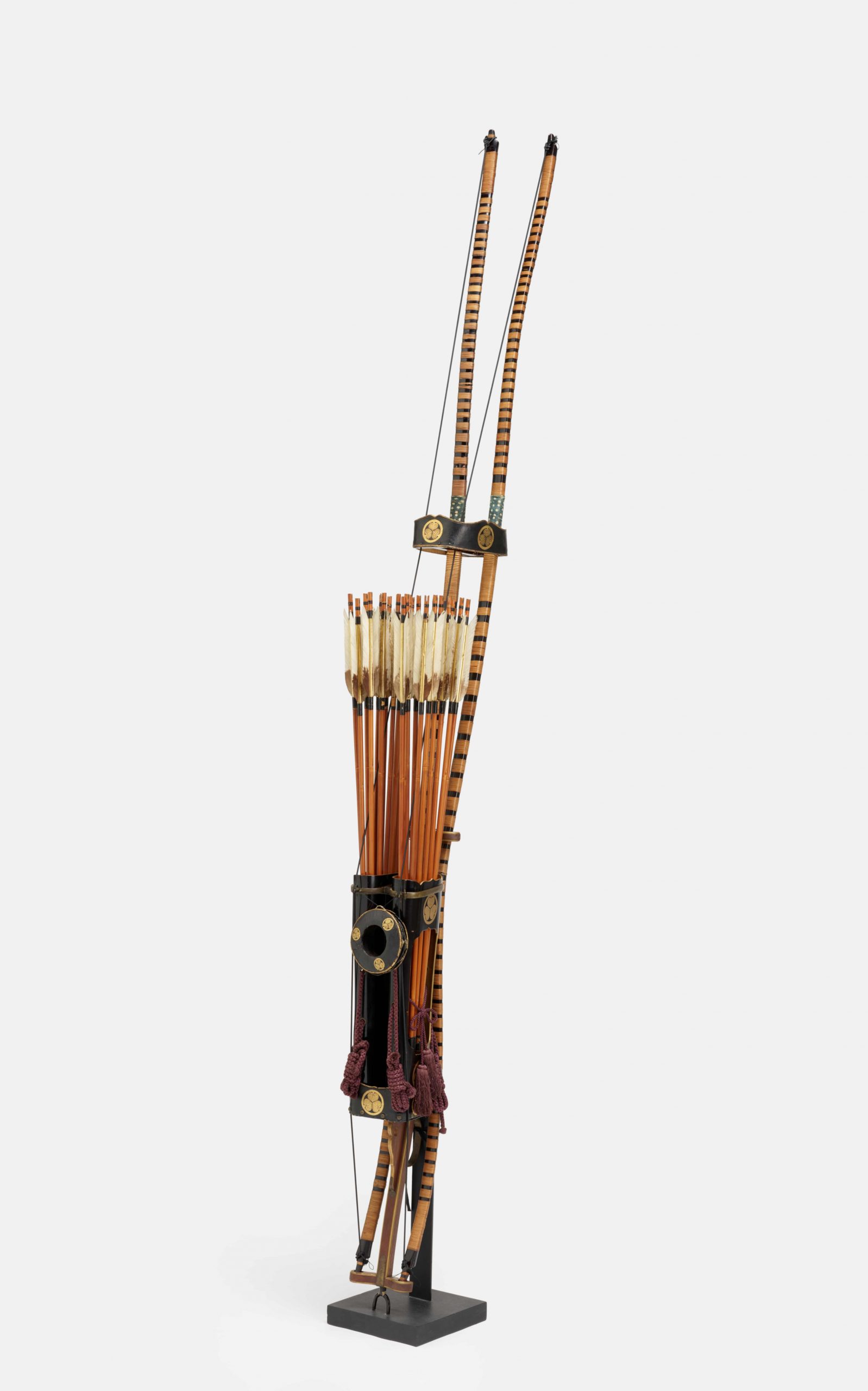
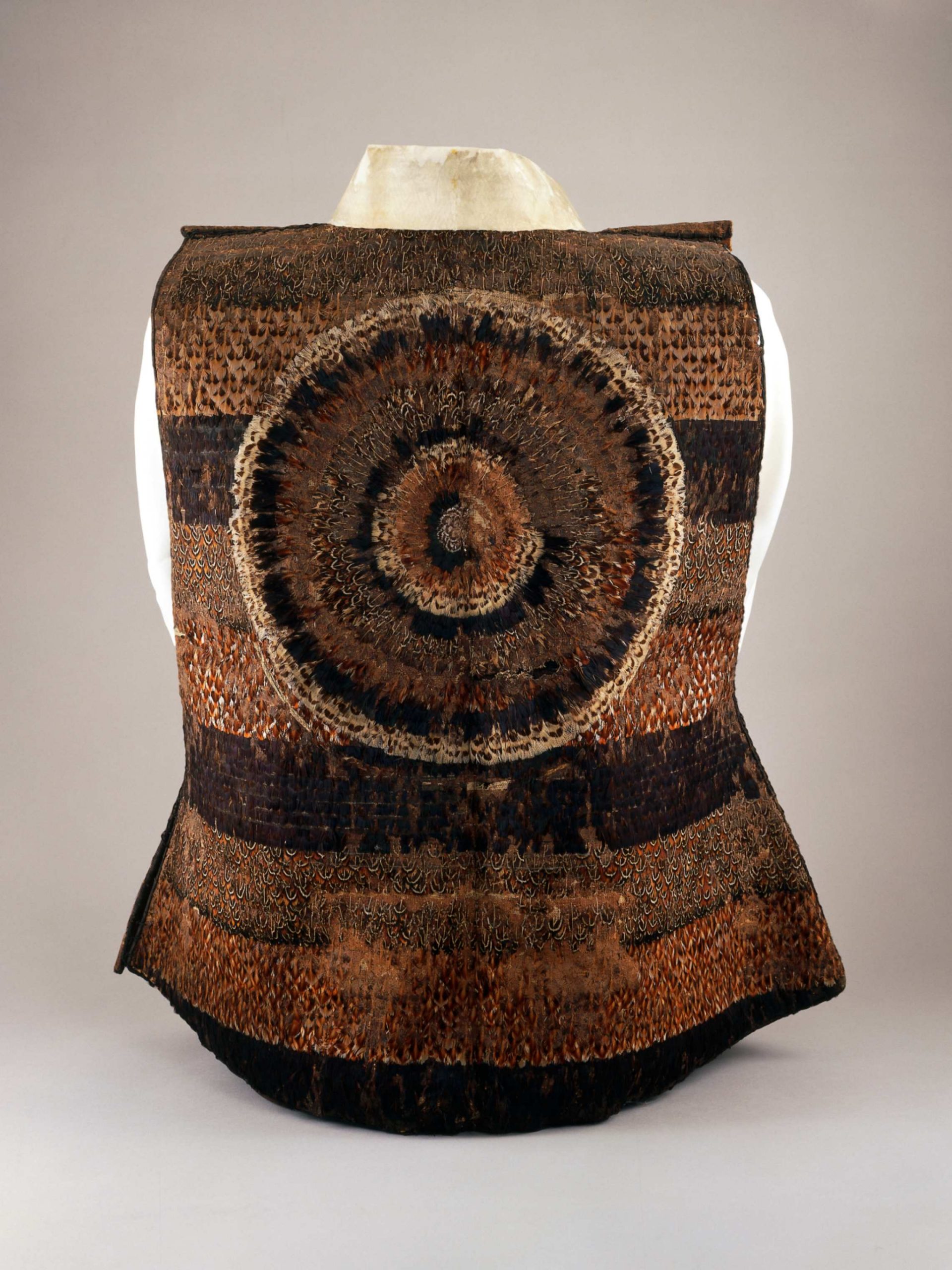
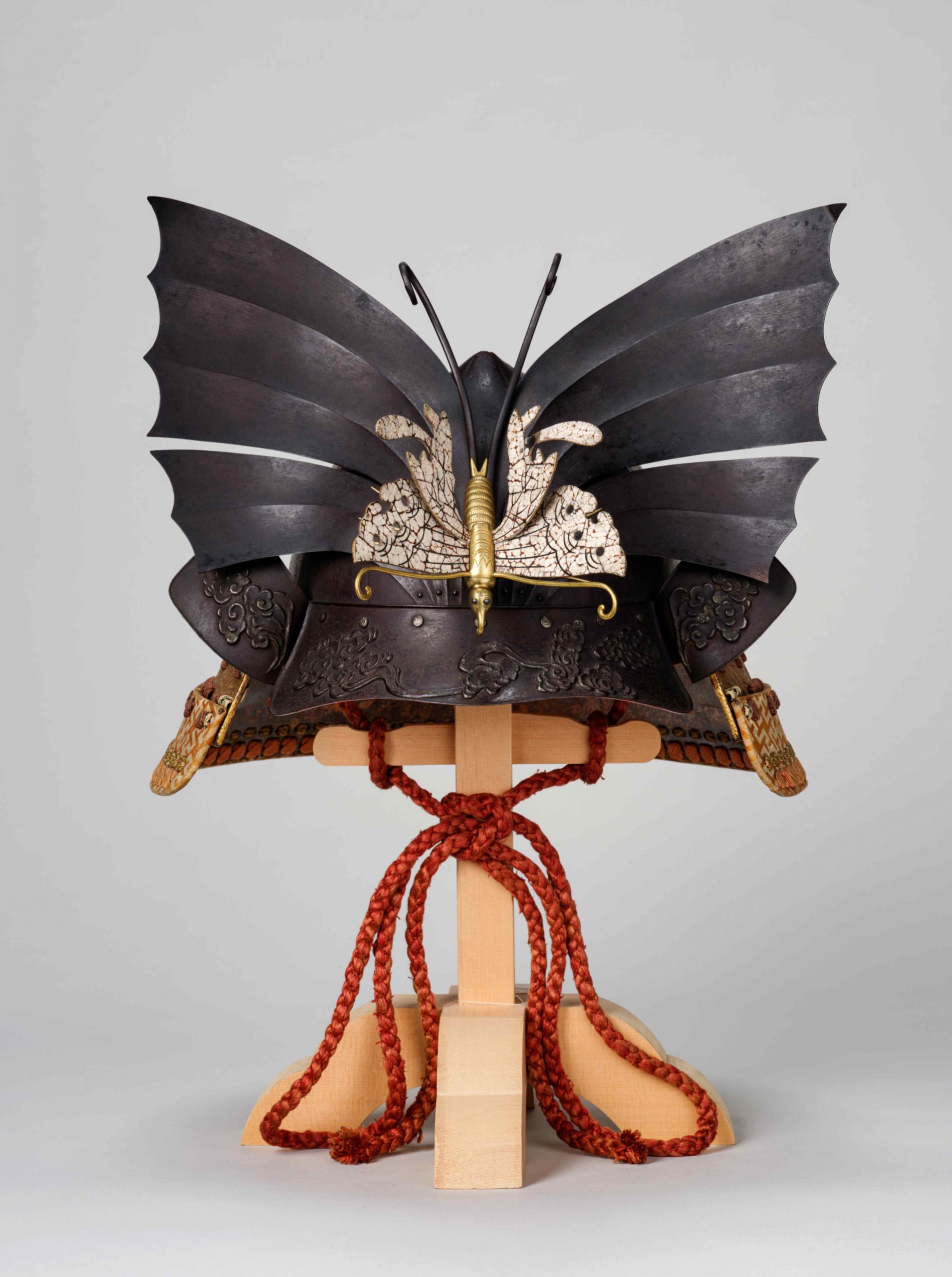
From Warriors to Civil Servants 從武者到公務員
The Tokugawa period brought prolonged peace that fundamentally reshaped the structure of samurai life—and in doing so, threw the multiplicity of samurai identity into sharper relief. Positioned at the top of a Neo-Confucian social hierarchy, samurai became a governing class, above farmers, artisans, and merchants. Paid in rice, they assumed a range of civic duties: surveying land, maintaining order, serving within judicial systems and even acting as firefighters. “They are essentially civil servants,” Nickols says. The transformation, however, was less rupture than rebalancing. “Bureaucracy had always existed within the samurai framework — it’s more that the fighting stopped rather than that bureaucracy began.” What changed was not the presence of administration, but the proportion of life given over to it.
進入德川時期,漫長的和平從根本上改變了武士生活的結構,而武士身份的多重性也在這一時期變得尤為清晰。在以新儒家思想建構的社會階序中,武士位居頂端,凌駕於農民、工匠與商人之上,逐漸成為一個以治理為核心的階層。領取米糧作為俸祿的他們,承擔起各式各樣的民政職責——丈量土地、維持秩序、參與司法體系,甚至擔任專業消防員之職。「他們本質上就是公務員」,尼科爾斯表示。然而,這一轉變與其說是斷裂,不如說是一種重心的挪移。「官僚體制一直存在於武士的框架之中。與其說是官僚體制在此刻開啟,不如說是戰鬥終於停止了」。改變的並非行政職能的存在與否,而是這份職能在武士生活中所佔據的比重。
Women and the Samurai Class 女性與武士階級
Of all the exhibition’s curatorial decisions, the inclusion of women has sparked debate in Japan. The claim that half of the samurai class were women generated notable pushback in Japan, where commentators drew a sharp distinction between Buke (武家) — the broader warrior household class, which naturally included wives and daughters — and samurai proper, a designation tied to specific social, legal, and martial obligations. For many Japanese critics, the exhibition appeared to conflate the two.
Nickols responds by shifting the terms of the question. During the Edo period, he argues, samurai identity was structured primarily around hereditary class membership rather than military function. You were born into it regardless of gender. “We couldn’t do a samurai exhibition without including women.” For Nickols, this is less an act of revision than an attempt to represent the samurai world more fully as a lived social world, not only as a military one.
In the exhibition, the objects associated with women are on display. Garments, domestic items, and an etiquette manual illustrated by Katsushika Ōi (daughter of Katsushika Hokusai) offer material glimpses into women’s lives within samurai households. The surviving materials are often prescriptive, outlining expected behaviour rather than lived experience, and filtered through male-authored sources — a challenge widely noted by historians of gender and premodern Japan. The curatorial approach remains deliberately careful, seeks to open space for these histories without overstating their visibility. As Nickols notes, it was “an important section of the exhibition to get right”.
在展覽的諸多策展決策中,將女性納入武士敘事在日本語境下引發了不小的討論。展方提出的「武士階級半數由女性組成」的表述,遭到日本評論家的質疑:他們主張應明確區分「武家」(Buke)與「武士」(Samurai proper)– 前者是涵蓋妻女在內的廣義武士家族階層,後者則是與特定社會地位、法律身份及軍事義務緊密連結的職銜。在這些評判者眼中,展覽的呈現方式似乎模糊了這兩者之間的界線。
面對這樣的質疑,尼科爾斯選擇從另一個角度切入。他指出,江戶時期的武士身份主要建立在世襲的階級歸屬上,而非單純以軍事職能加以界定。換言之,無論性別,只要出生於武家,便屬於武士階級。「我們不可能舉辦一場武士展而將女性排除在外。」他表示。對尼科爾斯而言,這與其說是修正主義,不如說是對歷史完整性的還原,旨在呈現武士世界作為一個完整的社會生活領域,而非僅侷限於軍事。
展出的器物為這一觀點提供了支持,同時避免了過度詮釋。服飾、日常器物,以及由葛飾應為(葛飾北齋之女)繪製插圖的禮儀手冊,讓觀者得以一窺武士家族女性的生活碎影。然而,這些展品同時也揭示了史料存世的侷限:現存資料大多帶有規範性,勾勒的是社會期待的女性行為準則,而非真實的生活經驗,且往往經由男性視角加以過濾。策展方對此採取了審慎的姿態:為這些被遮蔽的歷史開啟可見性,卻不急於將其推至聚光燈下。正如尼科爾斯所言,這是「展覽中一個必須謹慎處理、力求精確的重要部分」。

Woman’s firefighting jacket and hood Wool, satin-weave silk appliqué, and silk- and gold- thread embroidery, Japan, 1800–50 John C. Weber Collection. Photo © John Bigelow Taylor. While the imperial court remained in Kyoto, the shogun resided in Edo (present-day Tokyo). Fires occurred so often in Edo, a city built of wood, that they were called the ‘flowers of Edo’. The shogunate established firefighting companies, with high-ranking samurai responsible for raising the alarm, supervising firefighting and evacuations, and preventing looting. Women living and working in Edo Castle were similarly trained and needed to protect the women’s quarters, where men (apart from the shogun) were banned. This jacket has suitably quenching watery motifs of tasselled anchors among surging waves.
Objects and Global Exchange 器物與全球交流
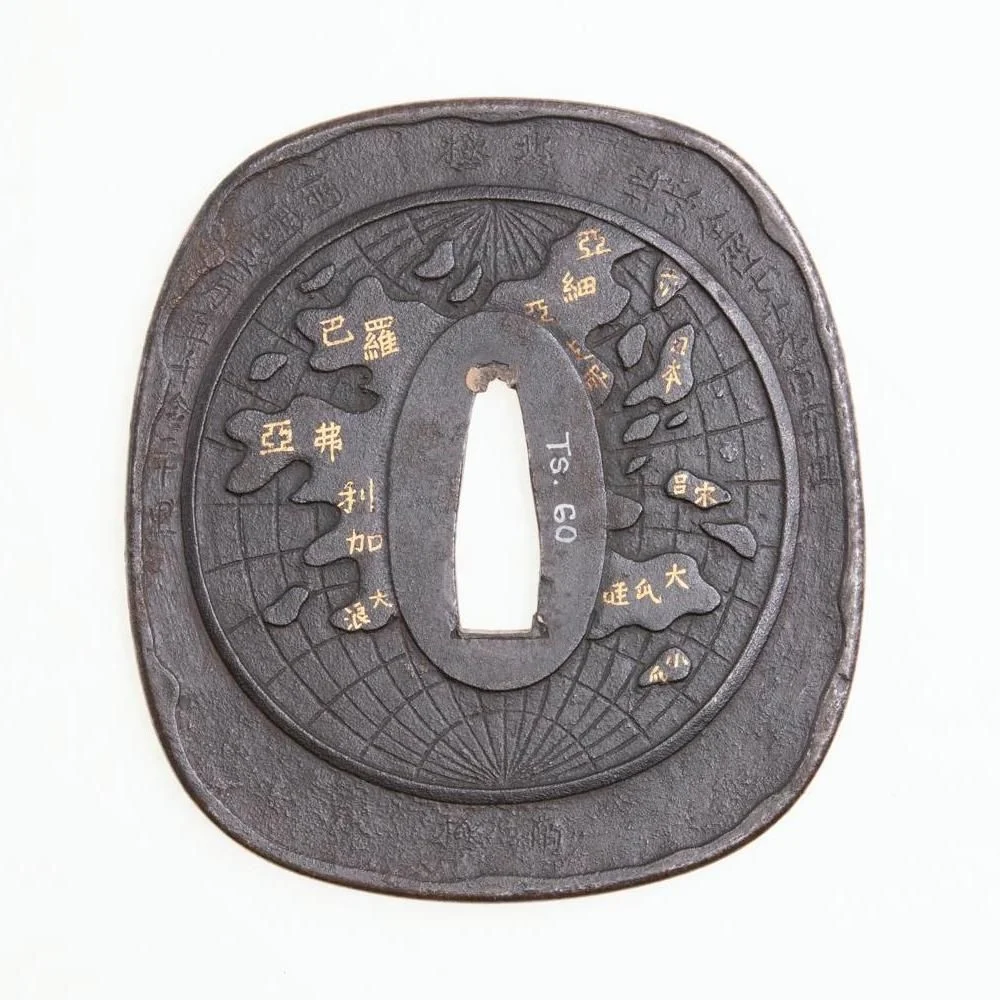
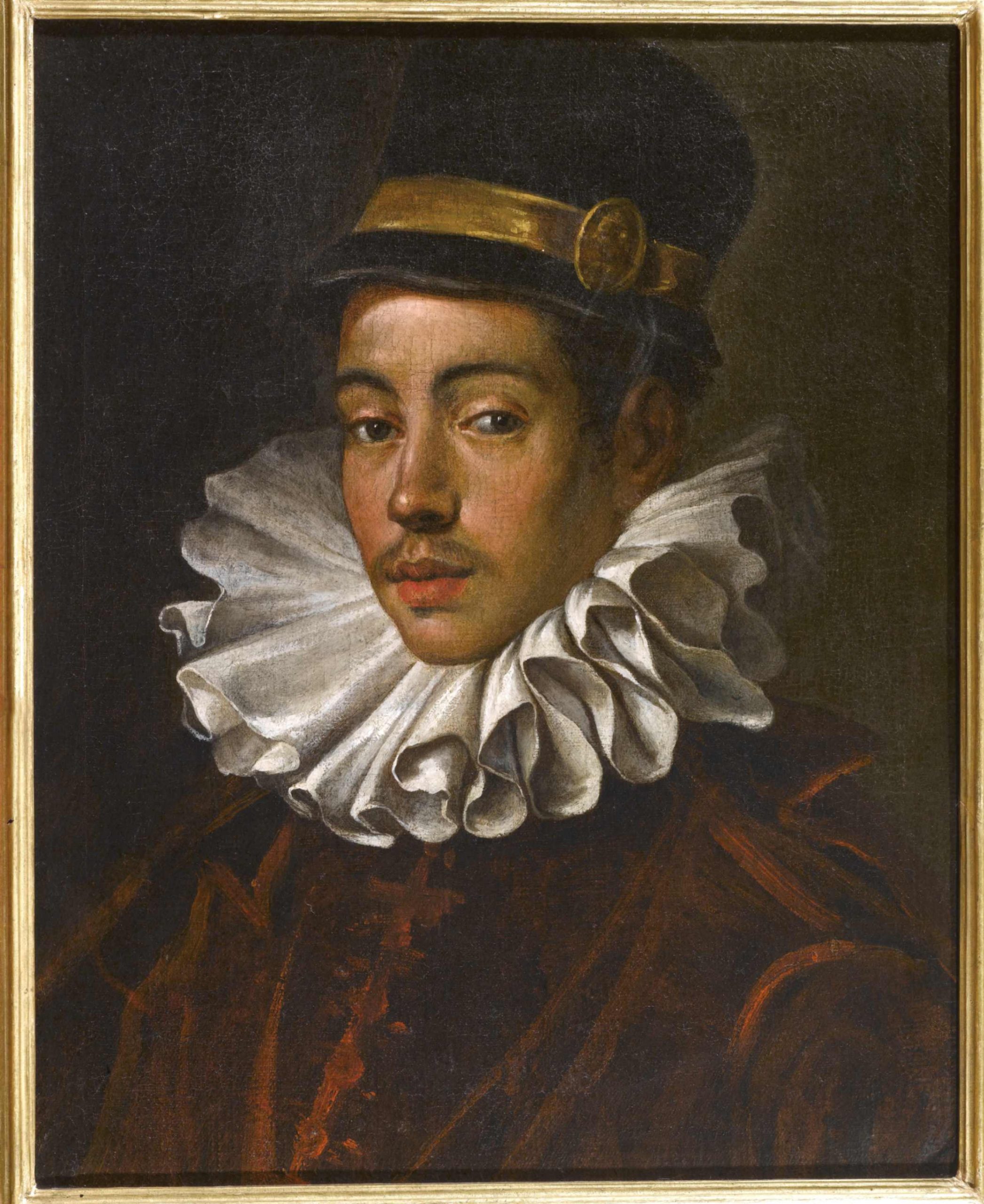
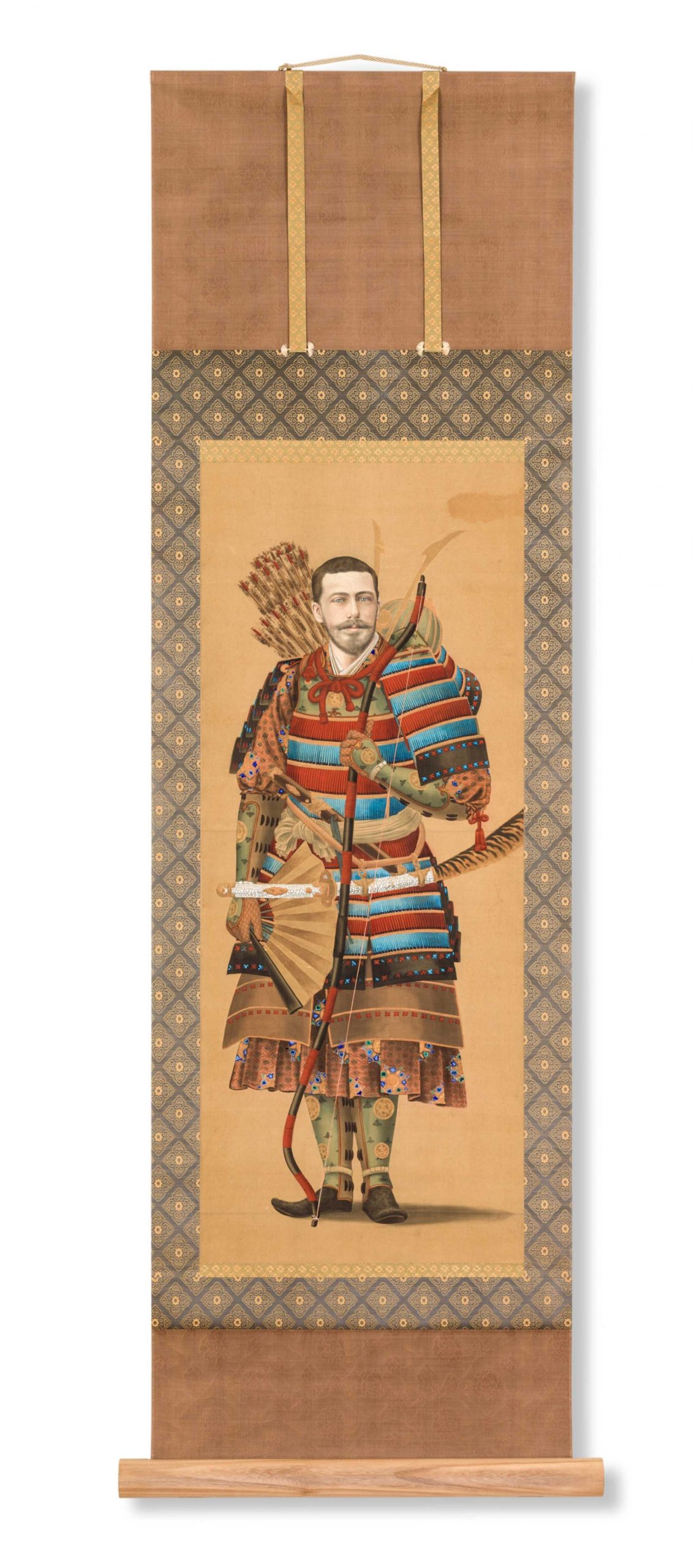
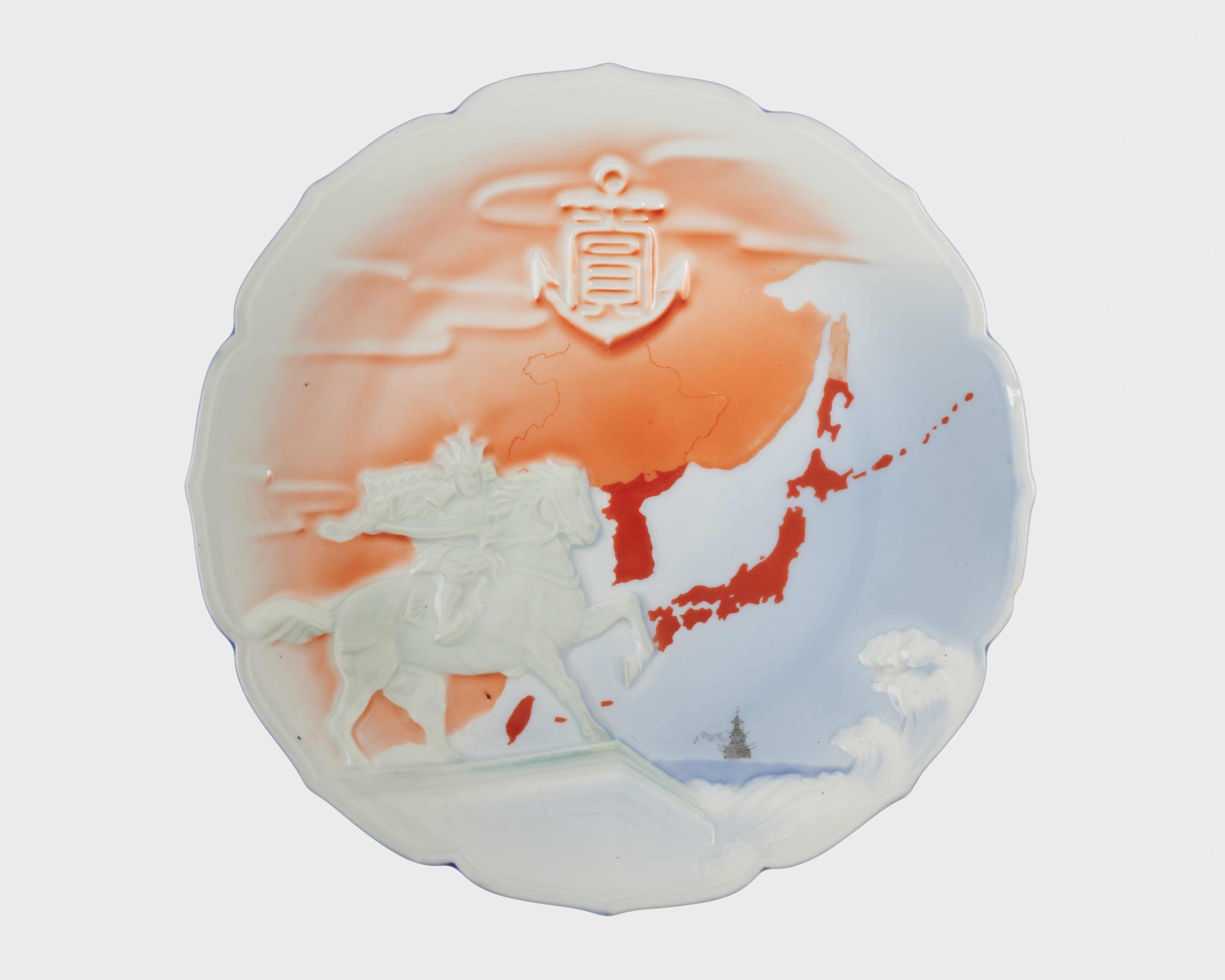
An Edo-period sword guard (tsuba) decorated with a world map sits within a display of twelve exceptional examples. Decorative at first glance, it opens onto a broader argument about Japan’s relationship to the wider world. The familiar notion of Tokugawa Japan as completely sealed off is, the exhibition suggests, a considerable simplification. “There are actually four entry points into Japan at this time,“ Nickols explains — through China, the Dutch, Korea, and the Ryukyu Kingdom — with hundreds of trading ships arriving annually. The tsuba is a symptom of widespread intellectual curiosity, part of the same impulse that led samurai patrons to commission prints and paintings of animals in Japan and the world around them. “The samurai are engaged in learning about the world,” Nickols says.
一件飾有世界地圖的江戶時代刀鍔(tsuba),陳列於十二件精選刀鍔的展示之中。乍看之下,它不過是一件精緻的裝飾之物;然而如果細究,它卻指向一個更為深層的問題:日本究竟如何與更廣闊的世界產生聯繫。展覽指出,將德川時期的日本理解為一個完全封閉的社會是一個相當嚴重的誤讀。「事實上,當時日本有四個門戶與外界相通」,尼科爾斯解釋道——分別經由中國、荷蘭、朝鮮與琉球王國,每年有數百艘貿易船隻往來。這件刀鍔因此不只是裝飾,更是一個廣泛知識興趣的縮影。它與武士贊助者委託繪製動植物圖譜的實踐,皆出自同一種探索世界的衝動——對周遭事物的觀察、記錄與理解。「武士一直在積極地學習和認識這個世界,」尼科爾斯說。
Afterlives: The Samurai Today 餘韻:當代的武士
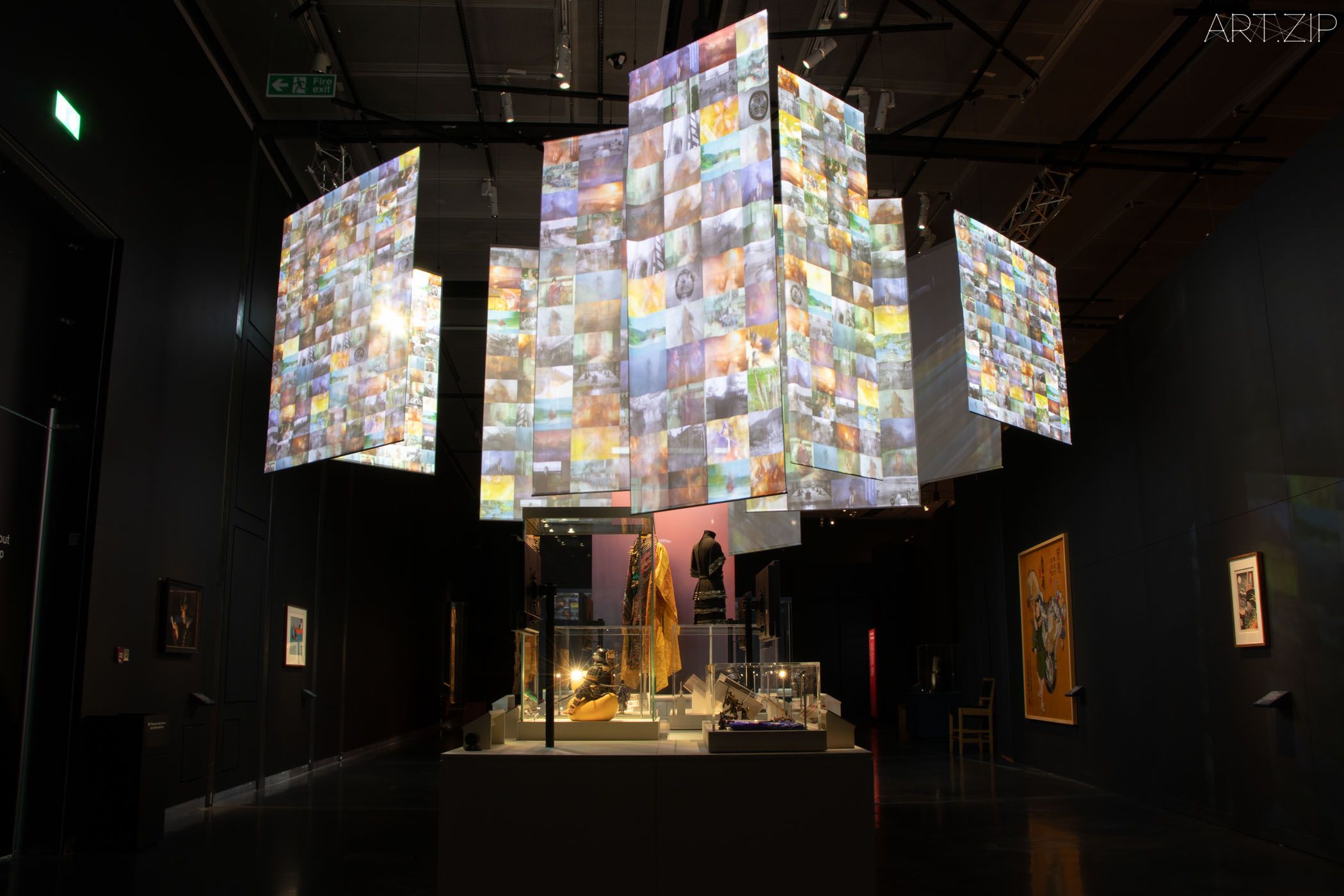
From its opening, the exhibition was always intended to end in the present. Its final section, encompassing Kabuki theatre, fashion, film, and video games, has attracted some criticism for its tonal shift from the earlier historical rooms. Nickols embraces the shift. The exhibition, he argues, is fundamentally about image-making: how the samurai represented themselves, how others represented them, and how those representations continue to evolve. “I actually see video games as really an extension of what was happening in the Edo period, where people were going to Kabuki theatre and seeing theatrical productions about samurai.” The medium changes, but the appetite for these stories does not.
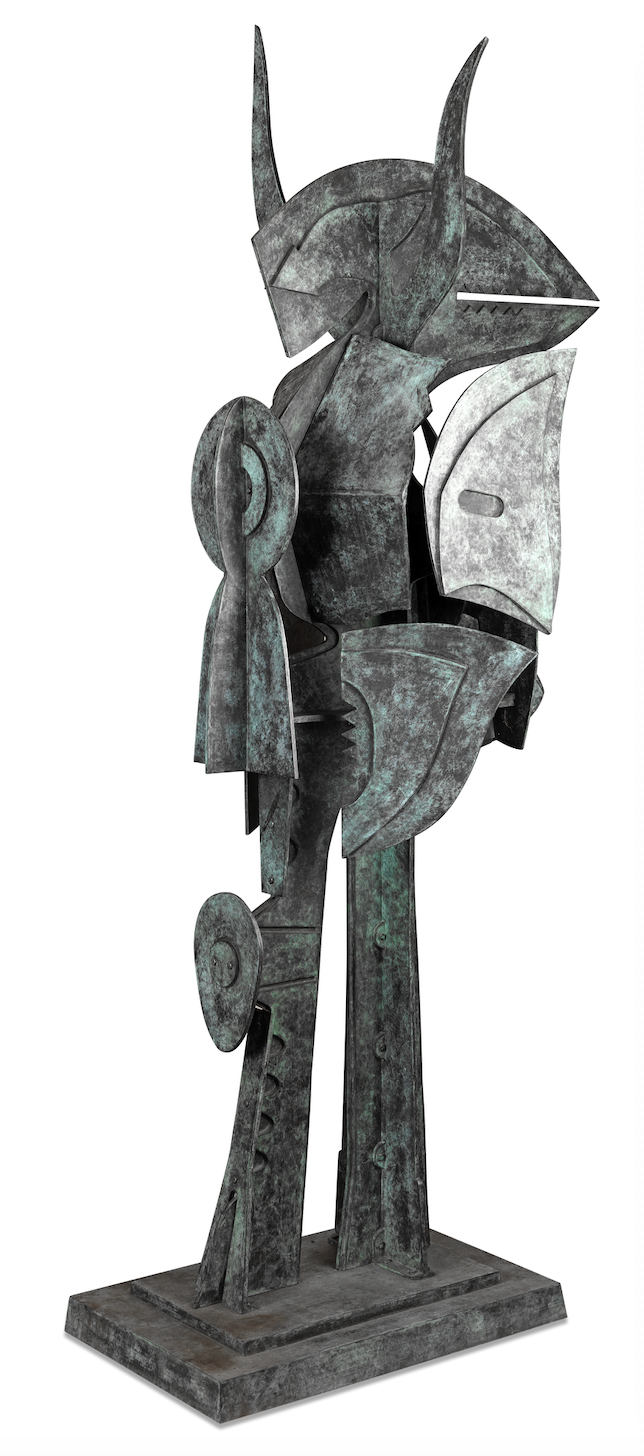
The exhibition traces one such story across centuries: The Tale of The Forty-seven Rōnin (Chūshingura), a narrative of loyalty and revenge that has been retold across every available medium, including a 1960s film and the 2013 film 47 Ronin starring Keanu Reeves. Alongside it, a postwar bronze sculpture by Shinkichi Tajiri (1924–2009), Ronin/Sentinel, reimagines the samurai as a guardian of peace. The artist worked through the aftermath of the Second World War, finding a shape in this ancient figure for contemporary longing. “We want to inspire people,” Nickols says. The samurai, it seems, remain an infinitely malleable vessel for new meanings. That availability, rather than any fixed historical content, may be precisely what has kept them alive.
展覽從序幕開始便指向當下。展覽的最終章節涵蓋歌舞伎、時裝、電影與電子遊戲,也因其與前幾個歷史展廳之間的基調落差而引發了爭議。對此,尼科爾斯顯得從容而堅定。他認為,展覽的核心始終在於形象的建構:武士如何自我呈現,又如何被他者再現,而這些形象如何在不同媒介之間持續轉化與流傳。「我其實將電子遊戲視為江戶時代大眾文化的延伸——那個時代的人們走進歌舞伎劇場,觀看的正是關於武士的戲劇演出。」媒介雖然在變,但人們對這些歷史形象的想像與投入卻從未消散。
展覽亦跨越數個世紀,追溯了其中一則經典故事:《忠臣藏(Chūshingura)》(四十七浪人),一段關於忠義與復仇的故事,在不同時代被反覆改編與重述——從一部1960年代的日本電影,到2013年基努·李維斯主演的好萊塢版本。與之並陳的是日裔藝術家田尻慎吉(Shinkichi Tajiri, 1924—2009)的戰後銅雕《浪人/哨兵(Ronin/Sentinel)》。經歷過戰火的田尻慎吉,賦予了這個古老形象一種新的當代意涵:武士不再是征戰者,而是和平的守護者。
「我們希望武士能夠繼續啟發人們,」尼科爾斯說。武士或許從來不只是歷史中的一個固定形象,而是一種持續被召喚、被賦予新意義的文化容器。正是這種意義上的可塑性,而非任何僵化的歷史定論,使其得以跨越時空延續至今——而這,或許才是他們真正歷久不衰的原因。


Curating Complexity 策展複雜性
The exhibition, Samurai was developed over many years, led by Dr. Rosina Buckland, in collaboration with Dr. Oleg Benesch, the University of York, and a wider group of around twenty scholars from around the world. A forthcoming conference bringing this research community together is a reminder that the exhibition forms part of a longer scholarly conversation rather than a final word on the subject.
What the show ultimately stages is not a conclusion on who or what the samurai were, but an account of how historical images are constructed, contested, and remade. “Everybody knows this word,” Nickols observes of the term samurai, “but do they really know what it means and what it represents“? The exhibition does not attempt to settle the question once and for all. Instead, it opens it out, and deliberately leaves it unresolved.
展覽《武士》由羅西娜·白蘭克博士(Dr. Rosina Buckland)主導,歷經多年籌備,與奧列格·貝內什博士(Dr. Oleg Benesch)、約克大學以及來自世界各地的二十多位學者共同協作而成。一場集結這一研究群體的學術研討會亦即將召開,這正提醒我們:這場展覽並非定論,而是一場更深遠、更長久的學術對話中的一環。
展覽最終呈現的,並不是對「武士究竟是誰」的終極結論,而是對歷史形象如何被建構、被質疑、又被不斷重塑的深度論述。「每個人都知道武士這個詞,」尼科爾斯談及「武士」二字時說,「但人們真的理解它背後意味著什麼、代表著什麼嗎?」展覽並未試圖一勞永逸地給出答案。相反地,它將問題重新敞開,並刻意讓它保持未竟。


SAMURAI
The British Museum
3 February – 4 May 2026
Interview and Text by Rinka Fan