Taking the lift at the new London Museum is a rather curious experience. Beside its two floor buttons are the words ‘Our Time’ and ‘Past Time’. Press the button for the lower ground floor and, within seconds, you descend from contemporary London to the street level of the Roman city. Here, time takes on a spatial dimension, and an ordinary lift becomes something of a time machine.
On 28 November 2026, London Museum, formerly the Museum of London, will open the doors of its new home in Smithfield. Coinciding with the museum’s 50th anniversary, the £437 million project, ten years in the making, has transformed a Victorian market into the world’s largest city museum. More than 100,000 people, from schoolchildren and silversmiths to artists and writers, have contributed to shaping a museum that tells the story of London.
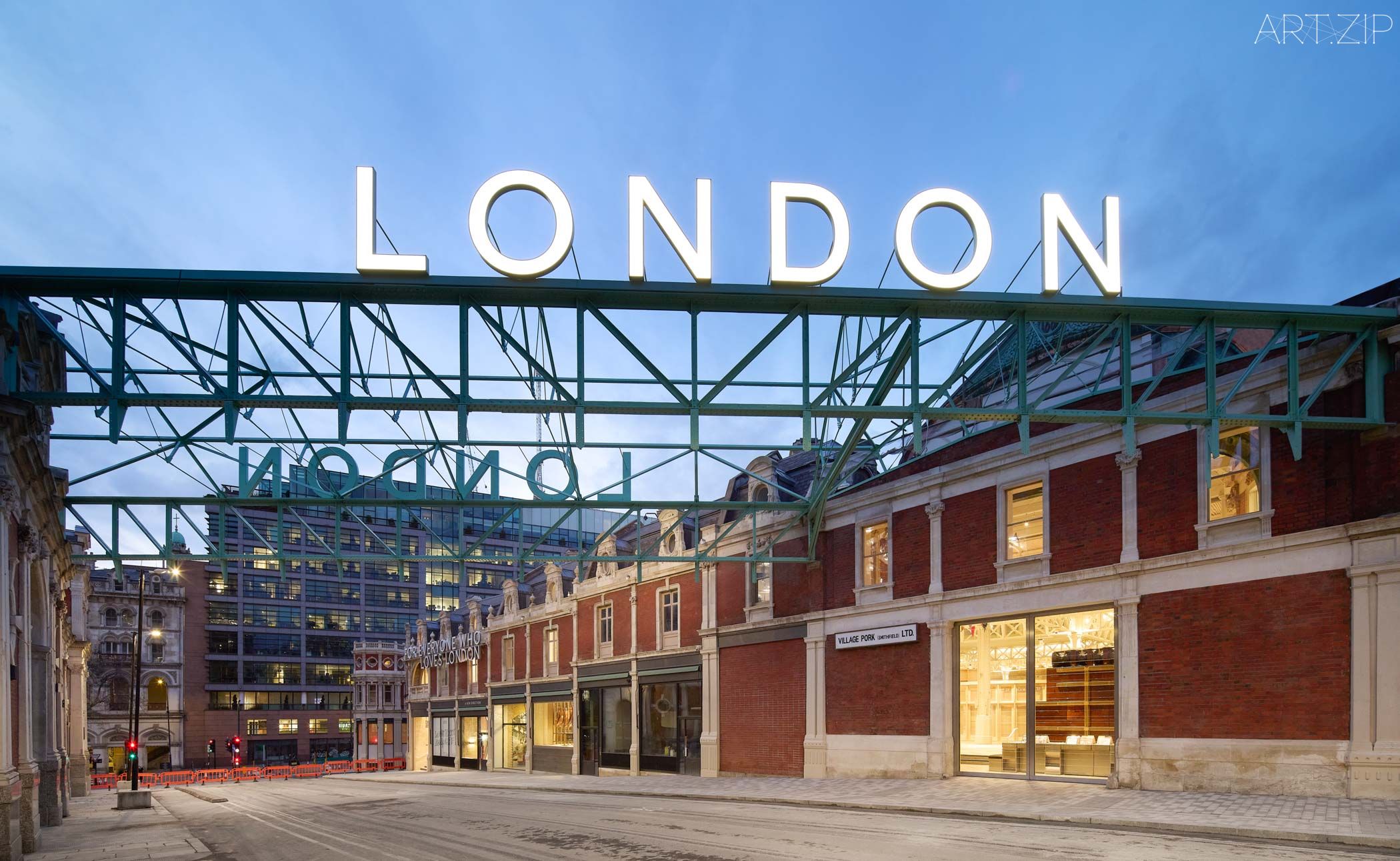
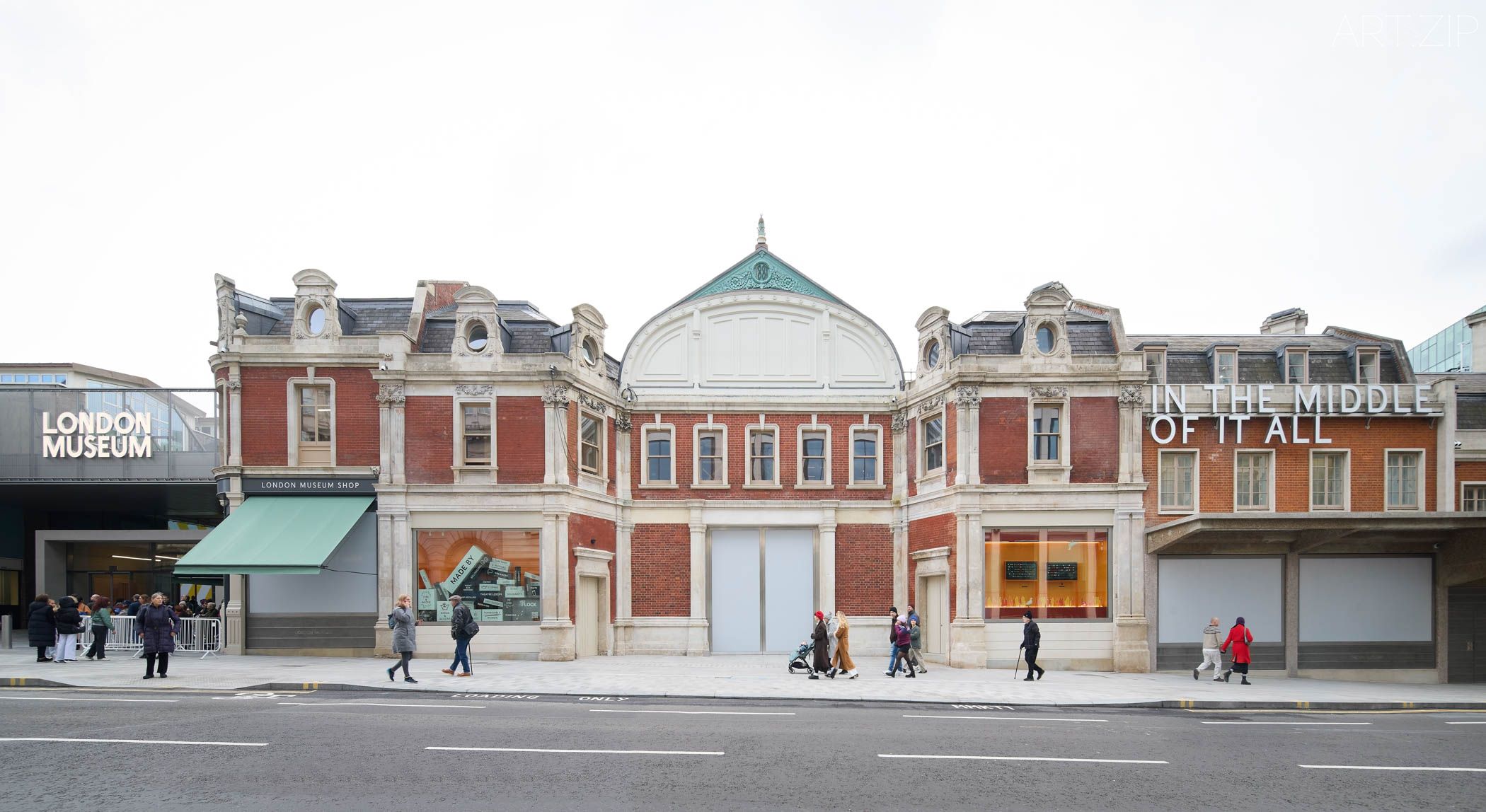
The London sign mounted on a former awning structure that bridges between the former General Market and Market Annexe at Smithfield Market. The sign has been installed during the project to convert the General Market building into a home for London Museum. ©Hufton+Crow
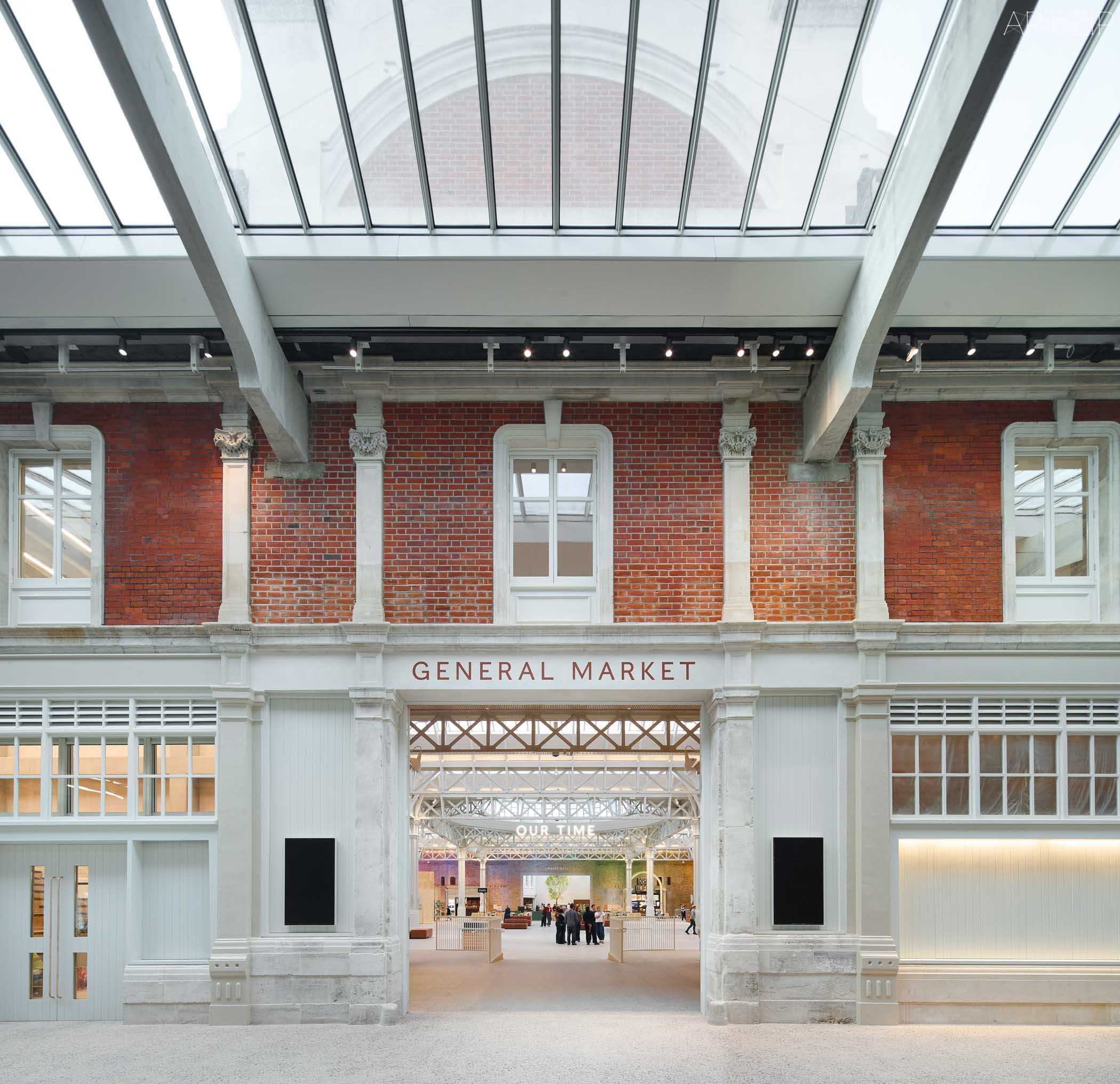
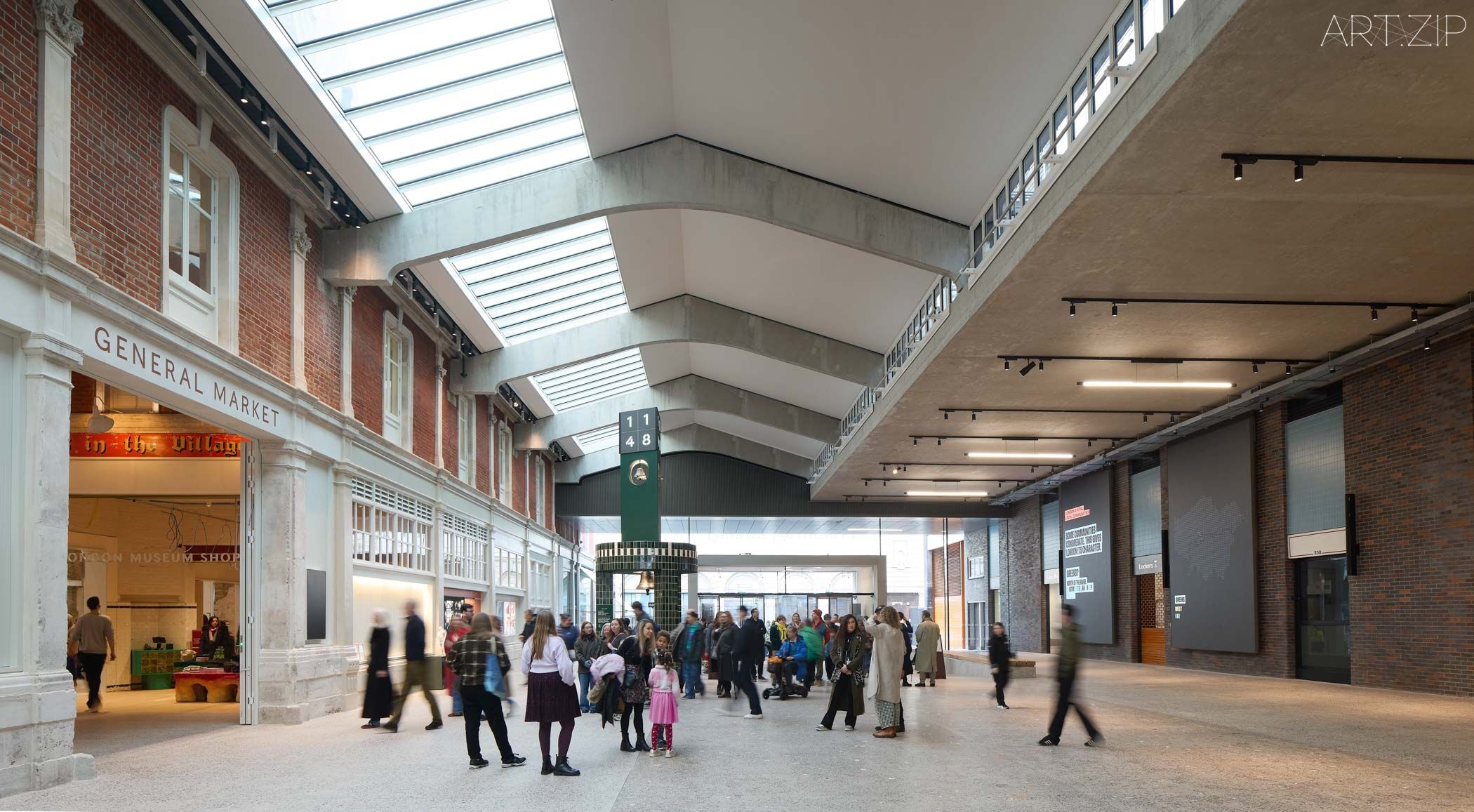
View into the General Market at London Museum from the main entrance hall on West Poultry Avenue. ©Hufton+Crow
A Building with a History of Its Own
The museum occupies one of the oldest parts of London. Smithfield has long been associated with the livestock and meat trades, while the General Market, now home to the museum, opened in 1883. It was designed by Sir Horace Jones, the architect behind Tower Bridge and Leadenhall Market. After more than a century of commercial activity, the market closed in the 1990s and gradually fell into disrepair.
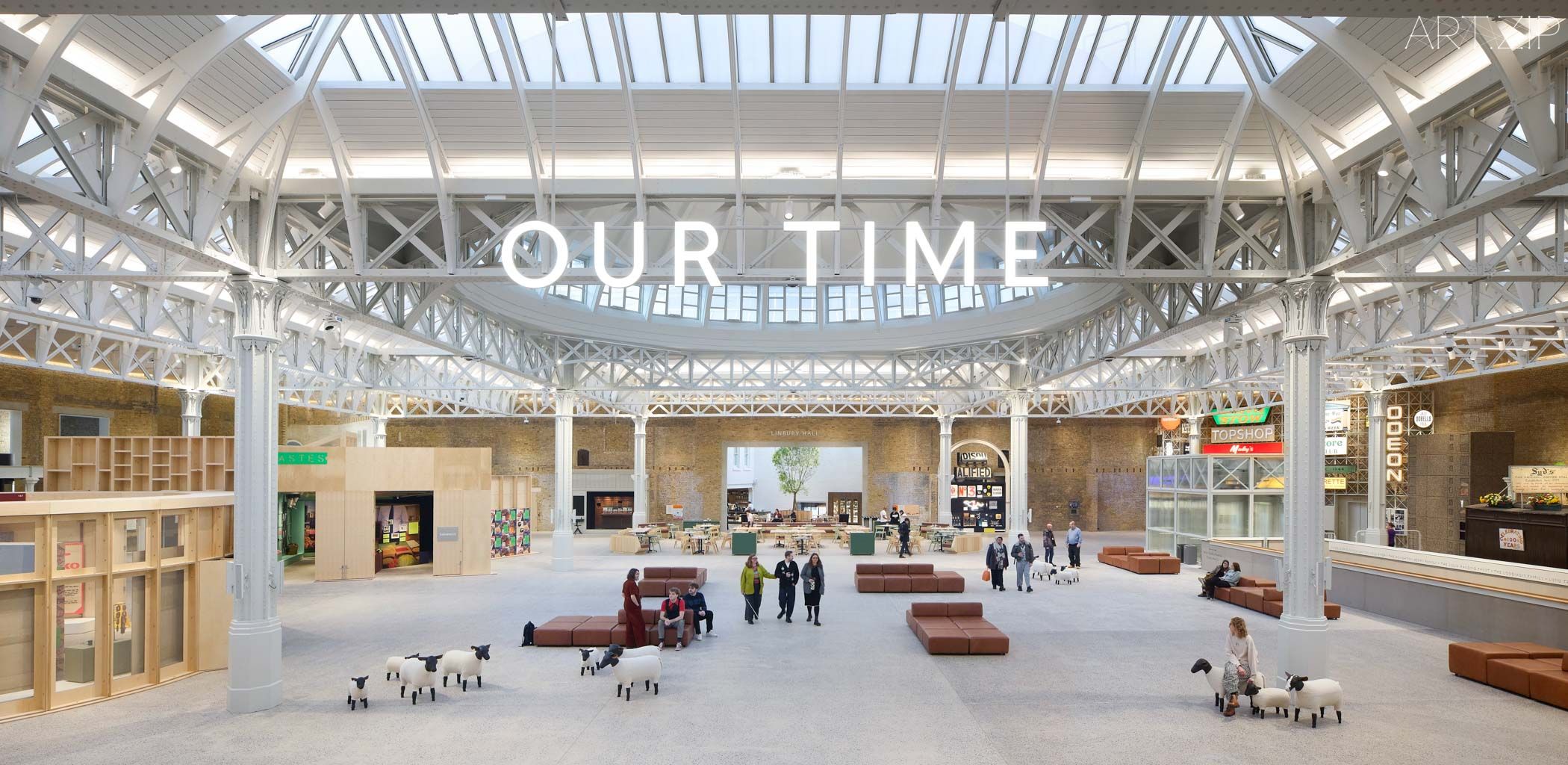
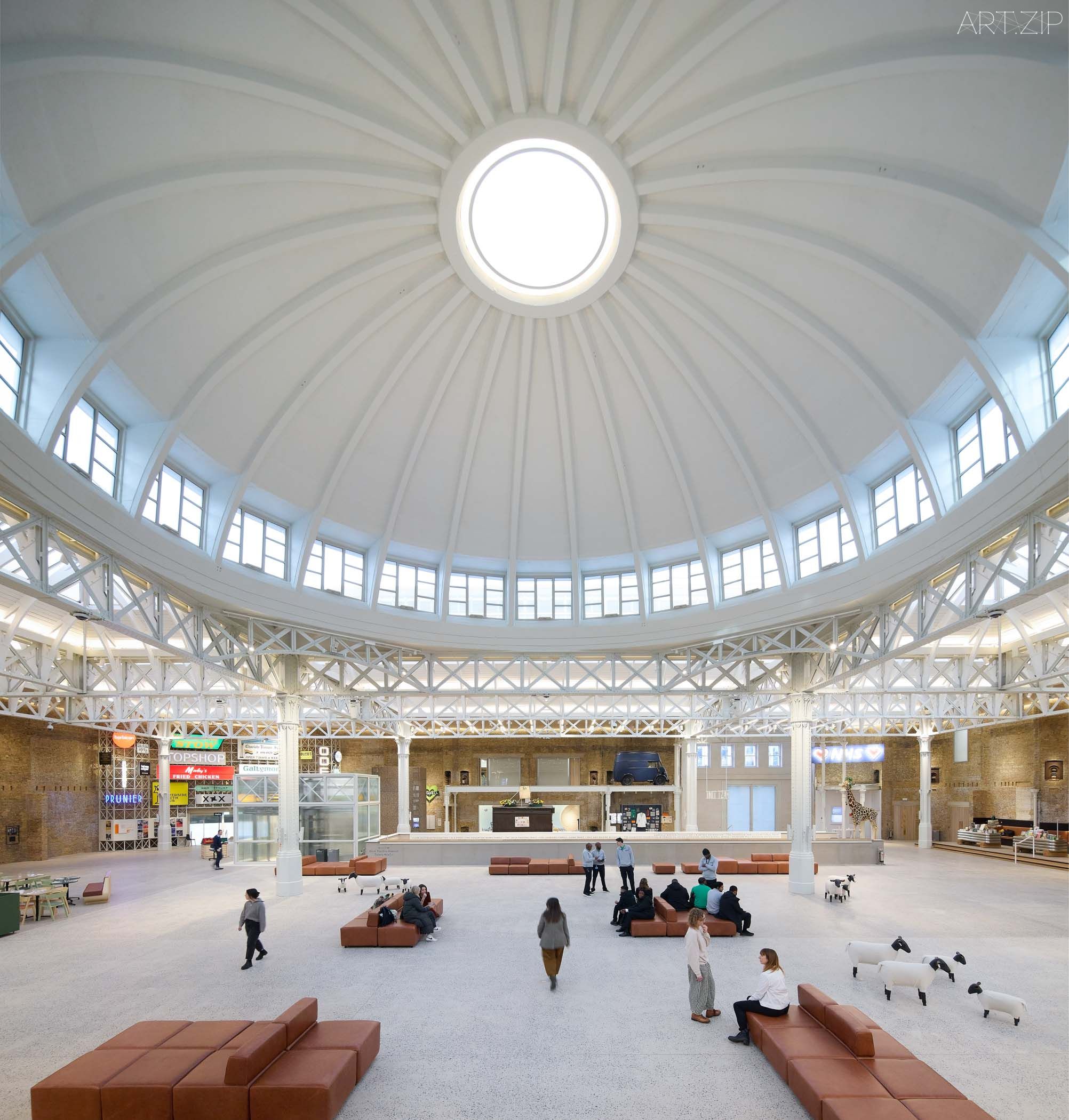
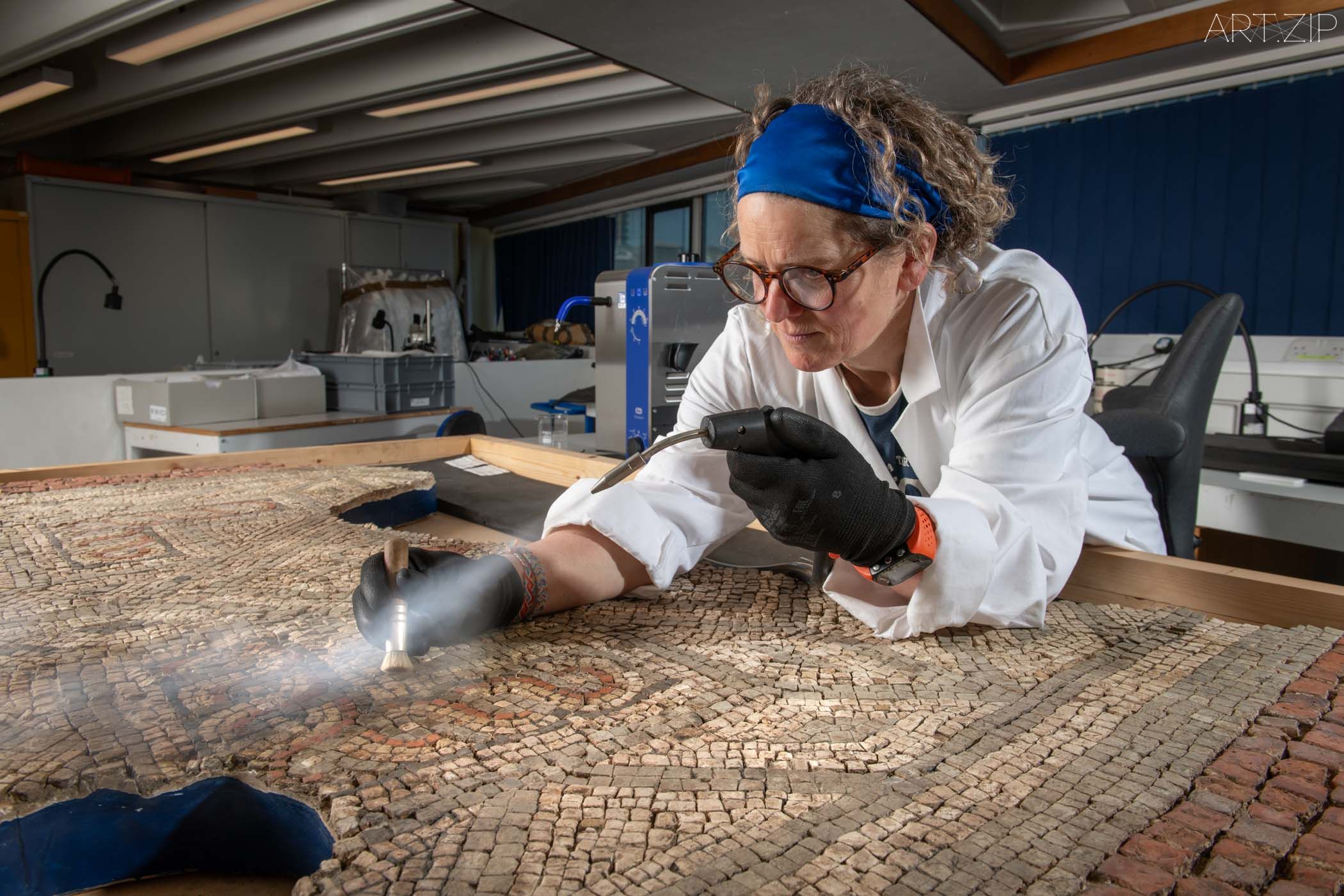
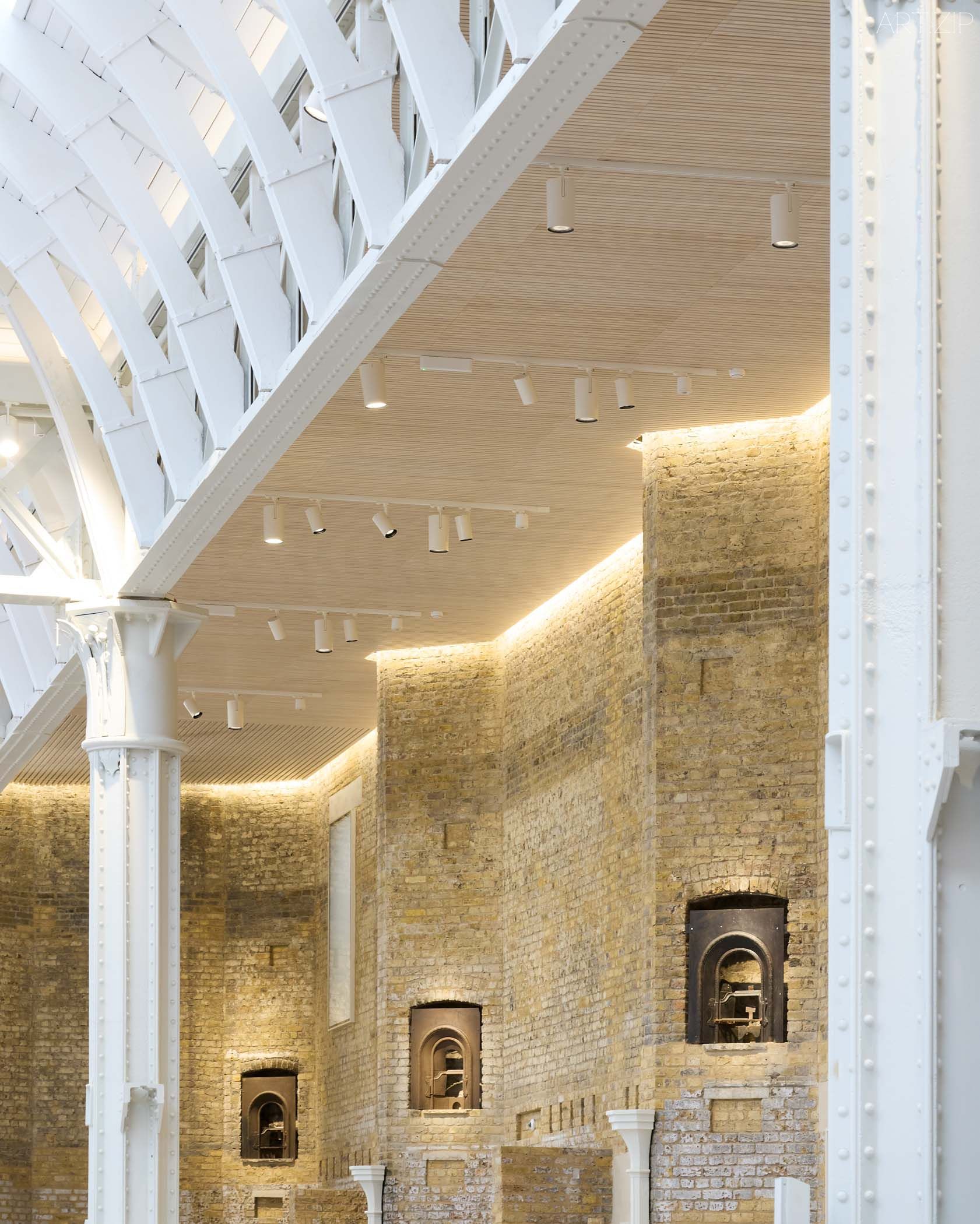
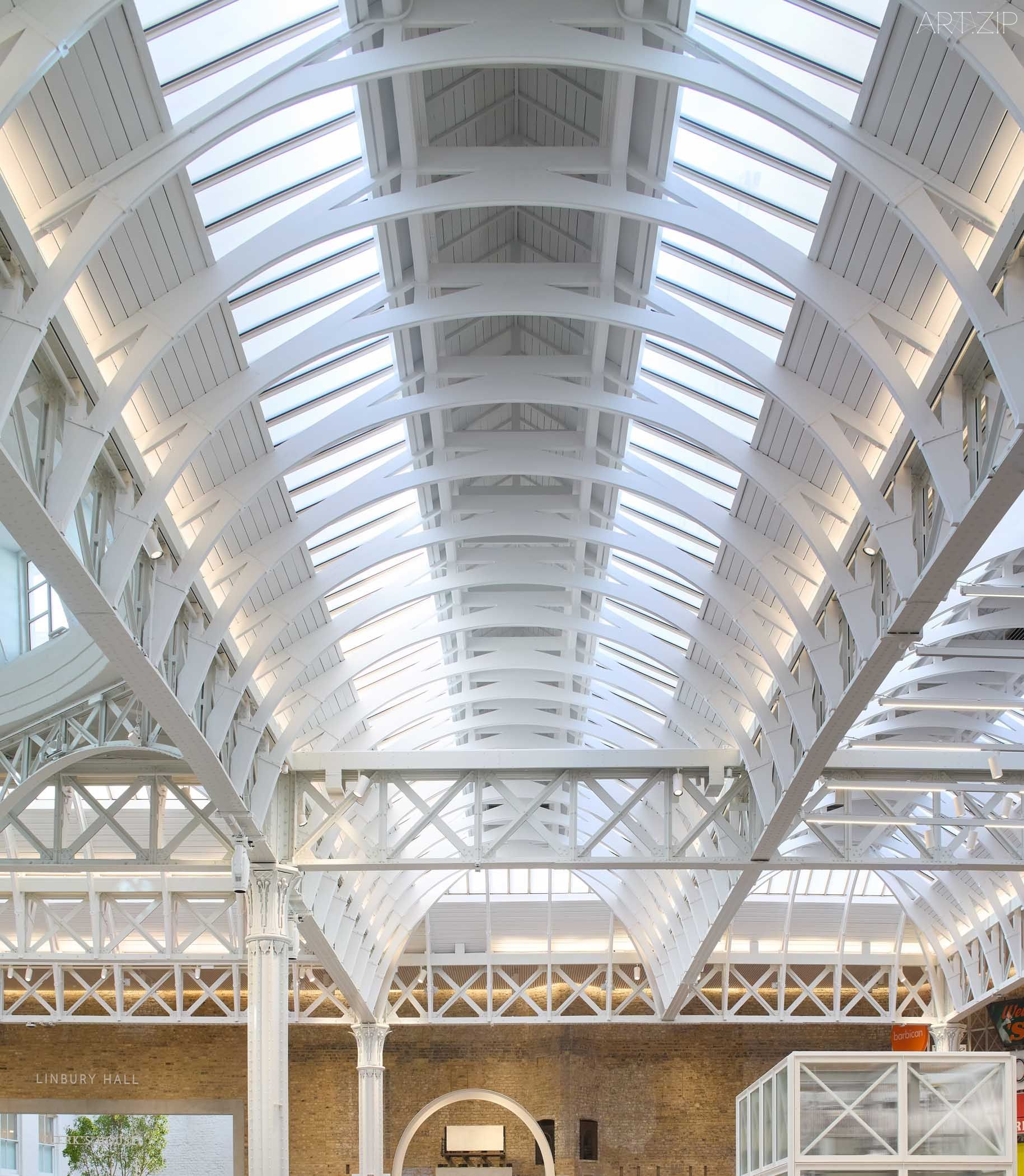
Led by Stanton Williams, in collaboration with Asif Khan Studio and conservation architects Julian Harrap Architects, the restoration has retained many of the building’s original features. Natural light pours through the lofty glazed roof onto the former trading floor, where restored iron columns, exposed brickwork and old market signs sit comfortably alongside contemporary timber exhibition structures. The project drew on the expertise of more than 70 trades, including heritage coppersmiths, master stonemasons and Welsh blacksmiths.
A small flock of black-faced sheep, doubling as seats, is scattered across the hall. In a neighbourhood once renowned for its livestock market, there is something rather amusing about taking a moment to rest on the back of a sheep.
The museum unfolds across three principal spaces: Real Time, Our Time and Past Time.
Real Time, the museum’s entrance, occupies a former covered street. Animated screens draw on changing data to offer glimpses of London as it is today, from the number of pubs and bees in the city to Londoners’ moods and recent listening habits. Embedded in the floor are fragments of pottery and discarded Victorian clay pipes. Look up and there is London in the present; look down and there are the traces of lives lived long before our own.
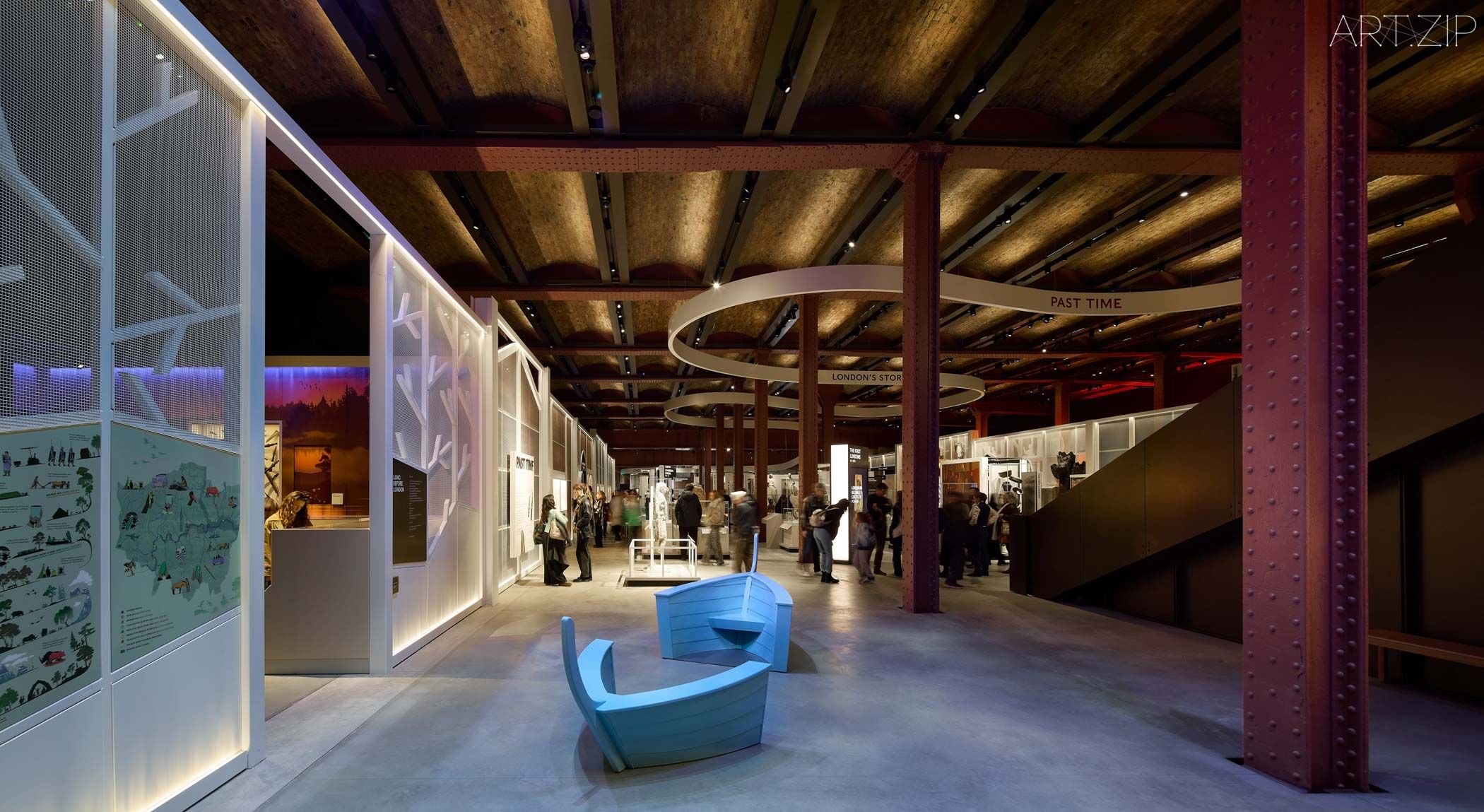
On the ground floor, Our Time continues the market’s tradition as a place where people come together, while Past Time, below ground, takes visitors deeper into the historical layers of the city. The building itself becomes part of the museum’s narrative.
Our Time in the Linbury Hall is a vibrant social hub at the heart of London Museum, set across the former trading floor of the General Market. Around its perimeter, a restaurant, shop and show space for families and schools sits alongside 13 large anchor installations exploring the ways Londoners have come together. ©Hufton+Crow
What Is Worth Collecting?
The richness of London Museum’s collection lies not simply in its size, but in the extraordinary range of human experience it encompasses.
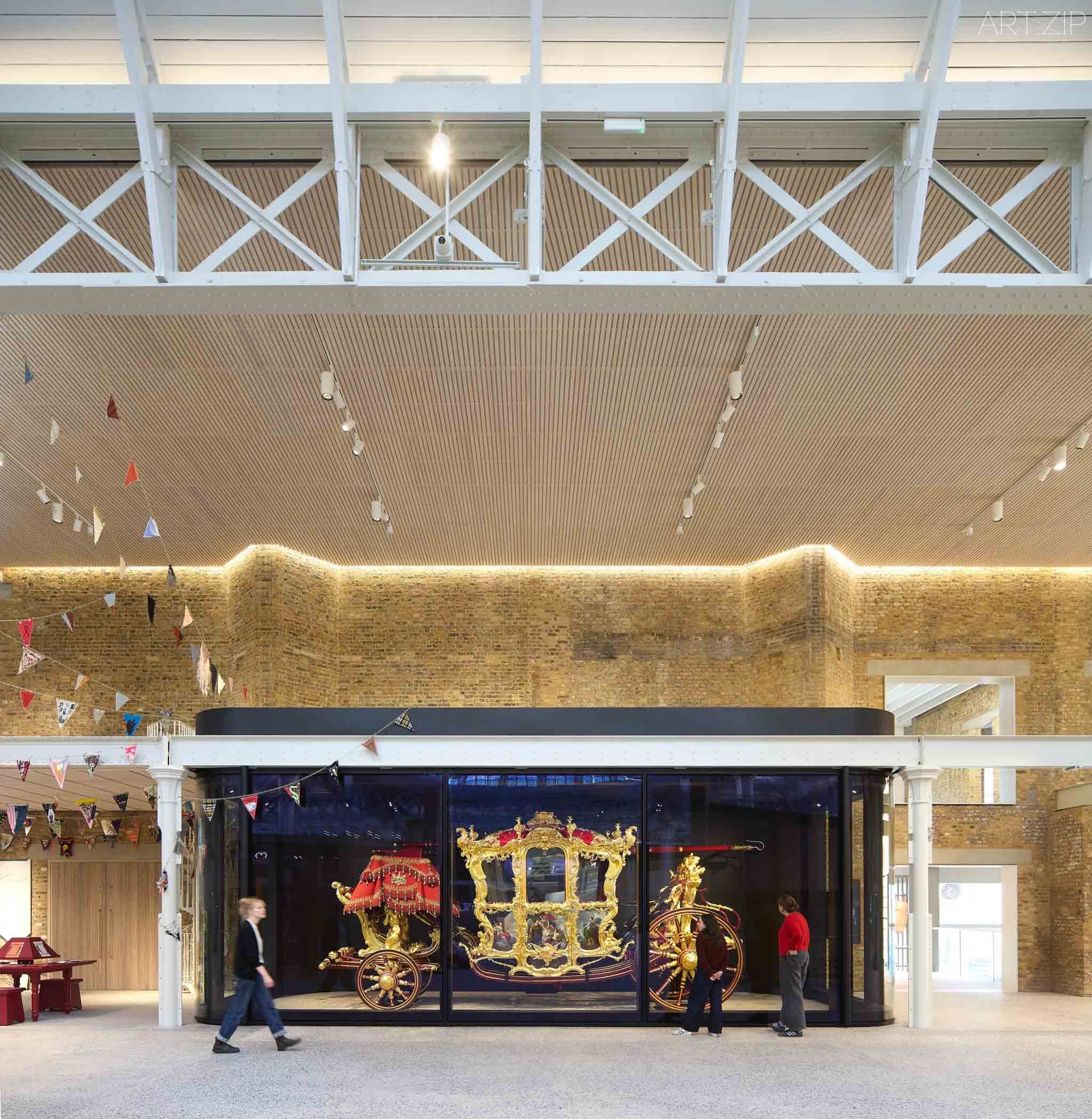
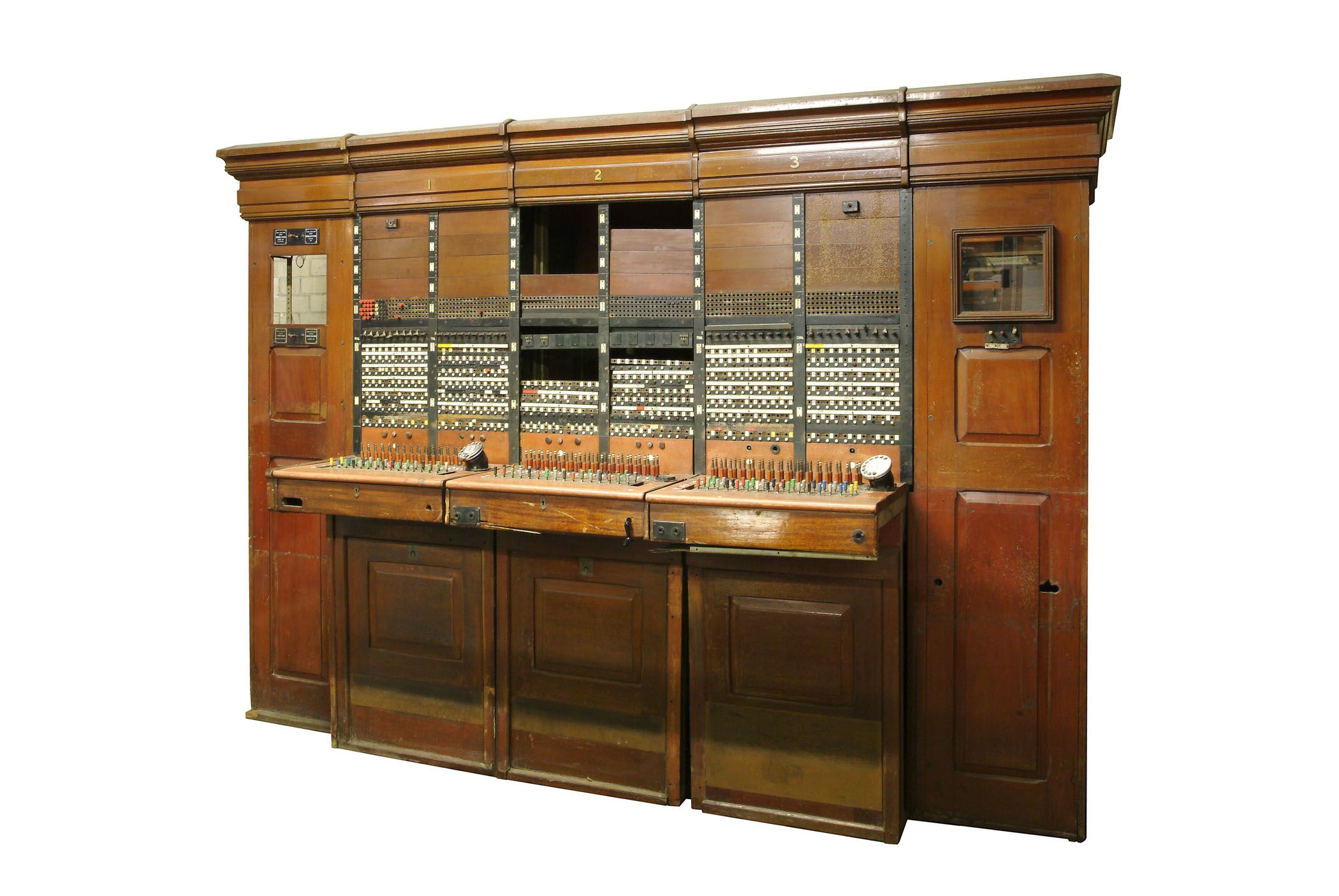
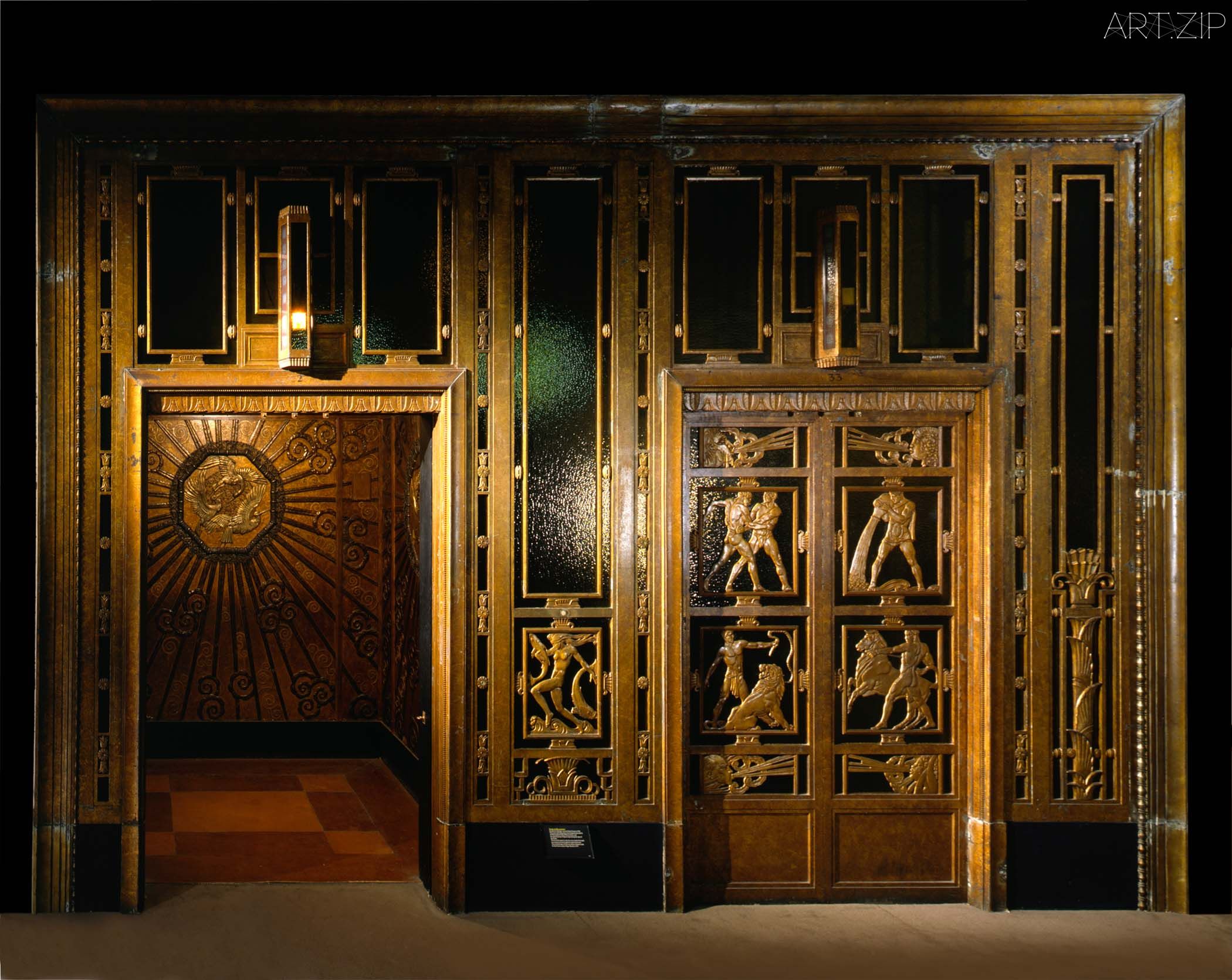
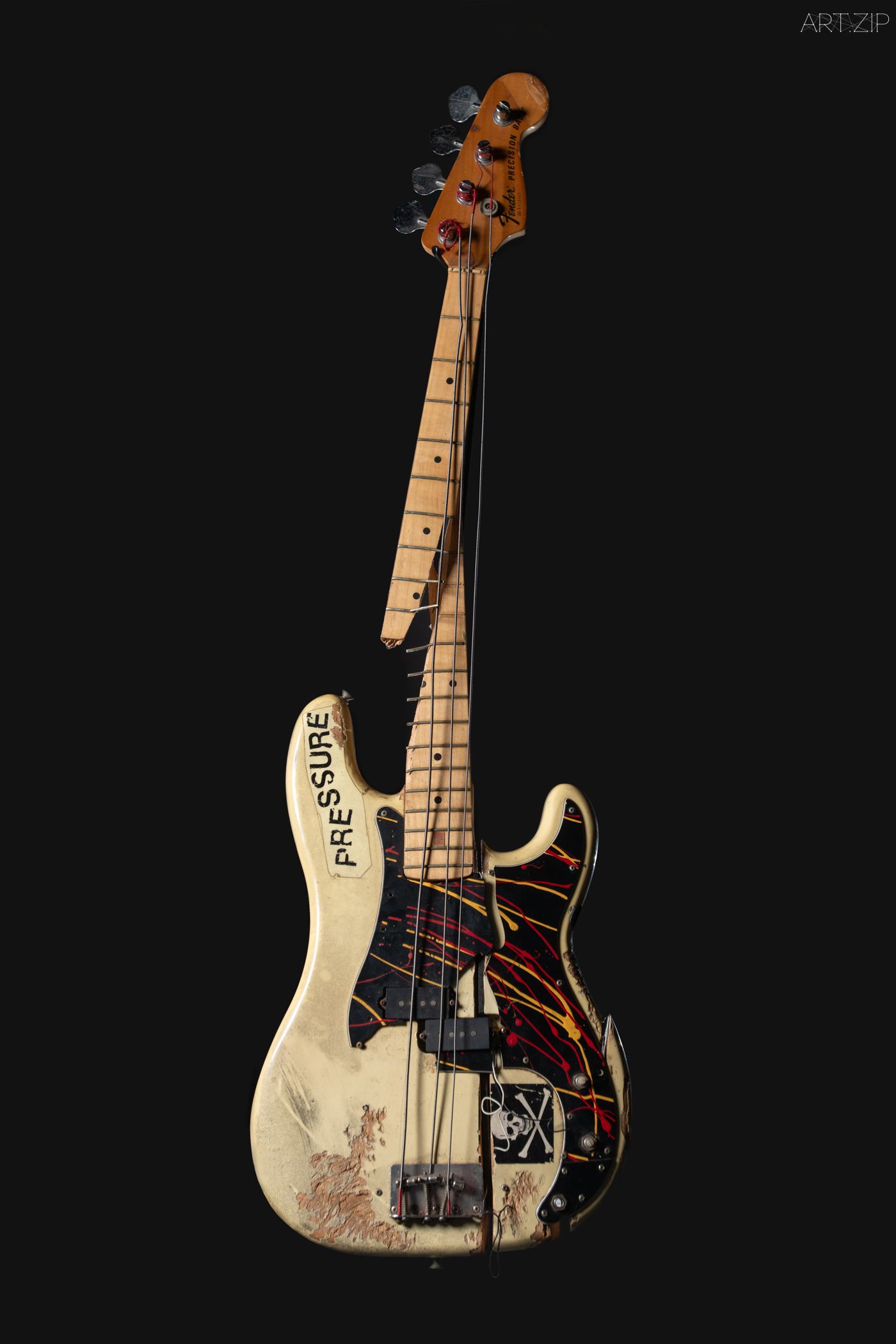
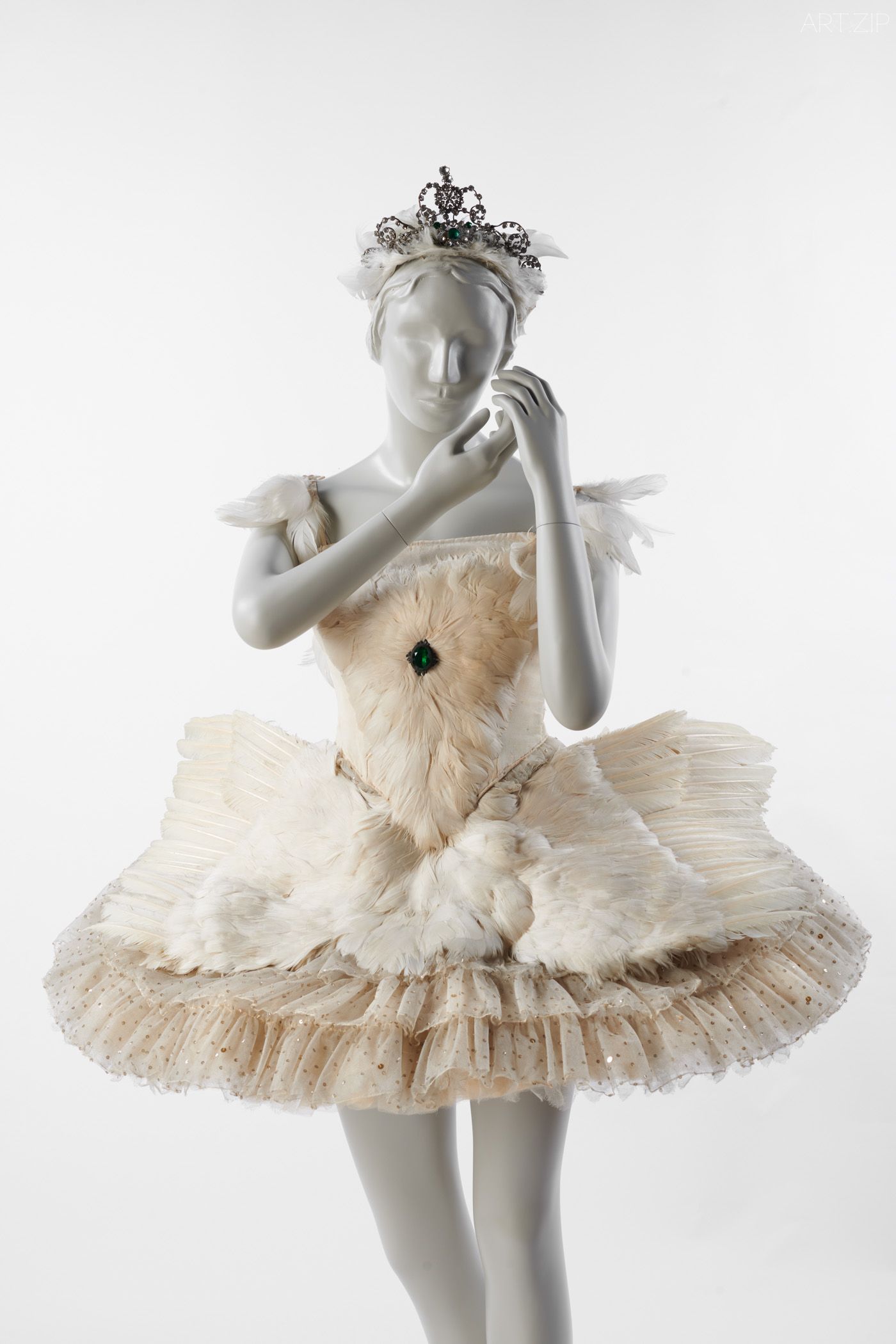
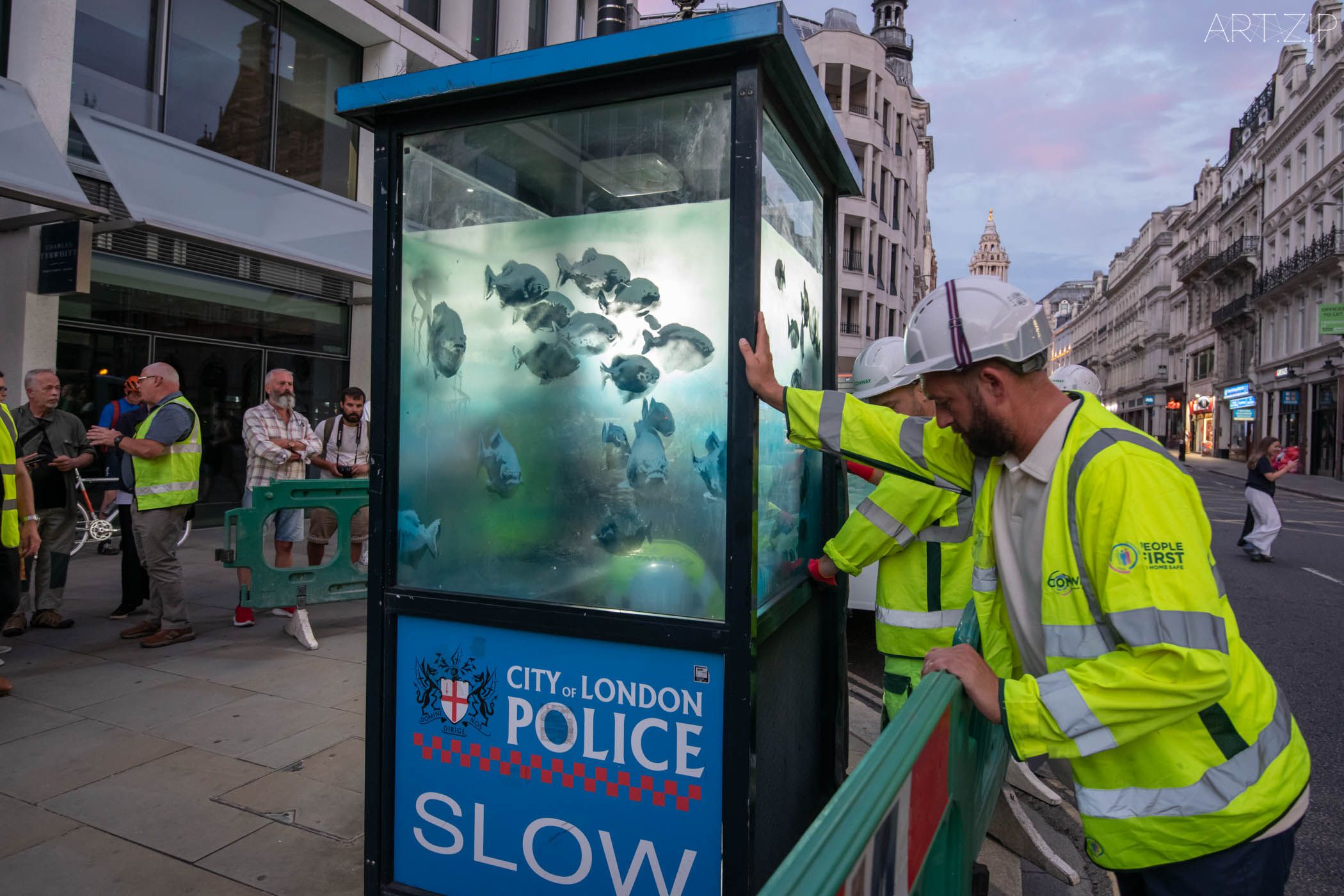
There is the magnificent Lord Mayor’s State Coach, built in 1757 and still used in the annual Lord Mayor’s Show, and the Buckingham Palace switchboard, decommissioned in 1970 and now on display for the first time. A two-thousand-year-old Roman wall painting and exquisite Elizabethan and Jacobean jewellery share the museum with an Art Deco lift from Selfridges, Anna Pavlova’s costume for The Dying Swan, the smashed bass guitar immortalised on the cover of The Clash’s London Calling, and Banksy’s Piranhas sentry box from 2024.
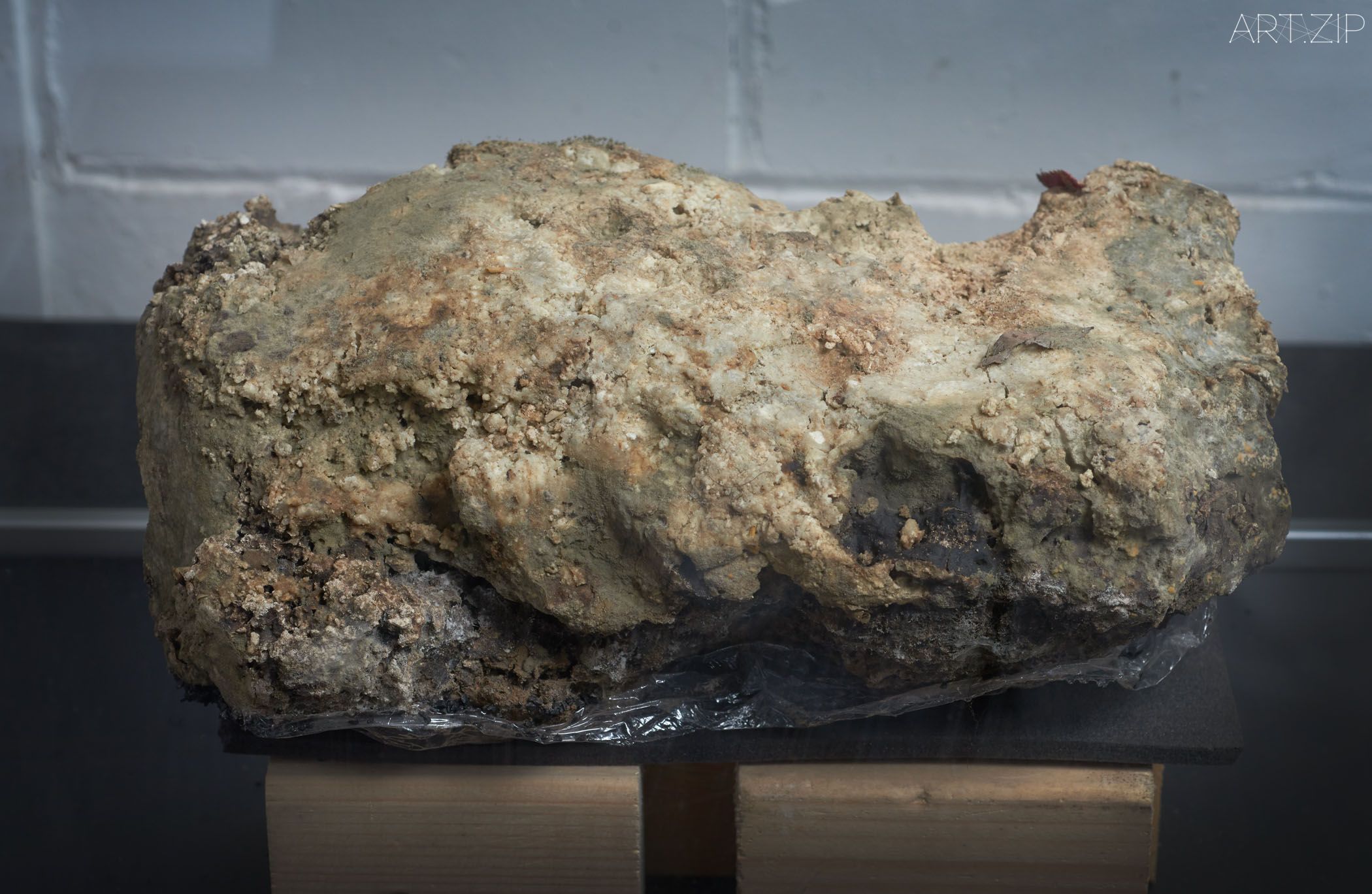
Even a fragment of the infamous Whitechapel Fatberg, the enormous mass of congealed fat and waste discovered in London’s sewers, has found its way into the collection. It may be one of the museum’s less appealing exhibits, yet it offers a remarkably tangible record of contemporary consumption, everyday habits and the environmental challenges of urban life.
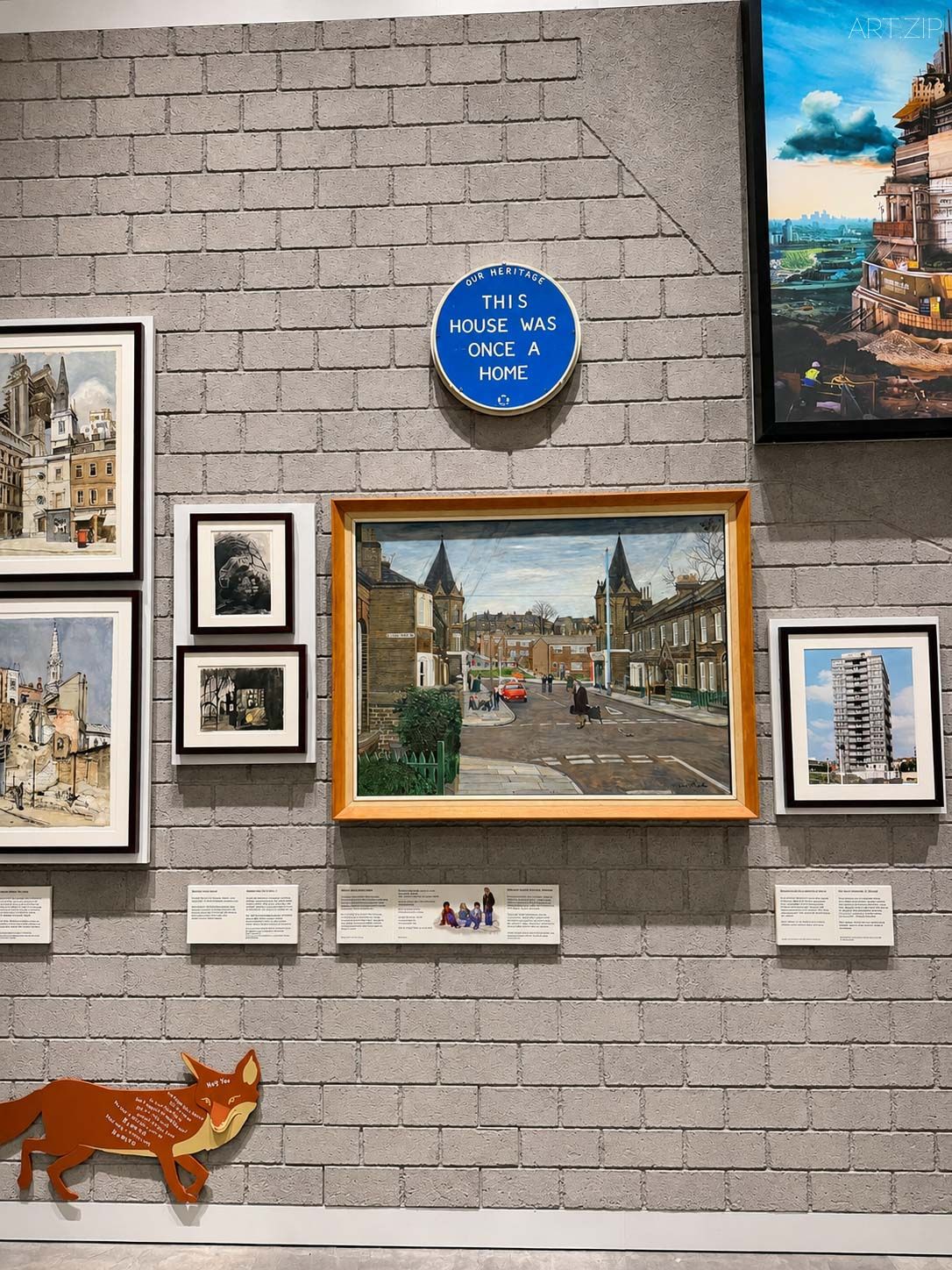
Among these eye-catching objects, an unassuming blue plaque deserves a closer look.
Since 1866, London’s blue plaque scheme has commemorated notable figures through the buildings in which they once lived or worked. Walking through the city, one frequently encounters these familiar blue circles, reminders that a writer, artist, scientist or political figure once occupied a particular address. This plaque, however, bears no celebrated name. Instead, it reads:
“This House Was Once a Home.”
Created by artist Paul Noble between 1993 and 1994, the plaque emerged from the protests against the construction of the M11 Link Road, which threatened the demolition of homes in East London. The area around Leytonstone was home to a number of artists, including Noble, Cornelia Parker and Grayson Perry. Faced with the impending loss of their neighbourhood, artists and local residents found different ways to express their opposition.
Borrowing the visual language of London’s familiar blue plaques, Noble installed a series of commemorative signs on houses facing demolition on Dyers Hall Road in Leyton. In place of ‘English Heritage’, he wrote ‘Our Heritage’.
With this small alteration, Noble raised a fundamental question about what constitutes a city’s heritage. Must a house have been occupied by someone famous to deserve commemoration? Is the fact that it was once somebody’s home not reason enough?
More than three decades later, this object, once attached to the exterior of a house awaiting demolition, has become part of London Museum’s permanent collection.
From royal coaches to ordinary homes, from exquisite jewellery to the contents of a sewer, the museum preserves not only the material history of London, but also the conflicts and controversies that have shaped it, and the things its inhabitants have fought to protect.
Reading London through Its Streets
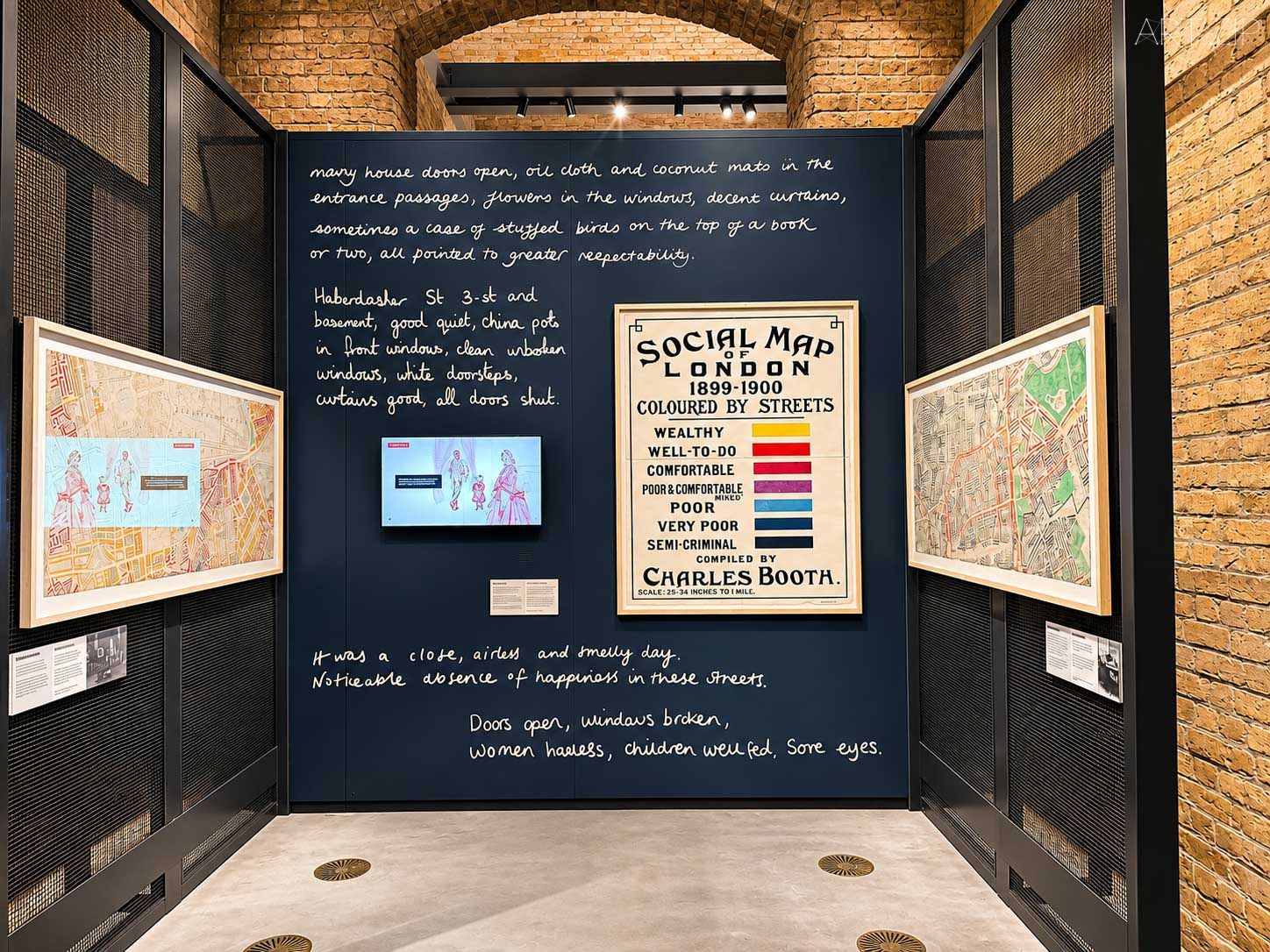
In the underground galleries, a series of maps compiled by the British social researcher Charles Booth reveals another side of London’s prosperity at the end of the nineteenth century.
Dating from 1899–1900, the maps use different colours to indicate the social and economic circumstances of residents, street by street. Their classifications range from ‘Wealthy’ and ‘Comfortable’ to ‘Very Poor’, and even include the morally charged category of ‘Semi-criminal’.
Excerpts from the survey notebooks, reproduced across the exhibition walls, record more intimate details: broken windows, clean doorsteps, the condition of curtains and the presence of flowers on windowsills. Such seemingly insignificant observations once served as indicators of a household’s circumstances. Today, they offer an insight into how poverty was understood, measured and judged in Victorian London.
Upstairs, in the exhibition London Tastes, another graphic reads the streets of London in an altogether different way.
Tracing the changing businesses of Brick Lane between 1945 and 2025, the display uses street numbers to follow the succession of shops and restaurants occupying individual premises over eight decades. Jewish butchers, beigel shops, Bangladeshi restaurants, Chinese eateries and fried chicken shops appear along its timeline. The same address might tell an entirely different story from one decade to the next.
The changing occupants of these premises chart the arrival, settlement and movement of migrant communities, alongside shifts in the city’s population and eating habits.
The exhibition extends its attention to the supermarket aisle. A microwave, a shopping basket, ready-meal packaging and archival promotional footage tell the story of entrepreneur G. K. Noon and his role in bringing Indian ready meals into British supermarkets and domestic kitchens. Sometimes the influence of migration on a city can be found on the very shelves we pass with our shopping trolleys.
Separated by more than a century, these two displays take the street as their starting point. One maps the distribution of wealth and poverty; the other traces how migration has reshaped the city through food and commerce.
A street’s history, it turns out, can be read through the ways people have lived, earned a living and eaten.
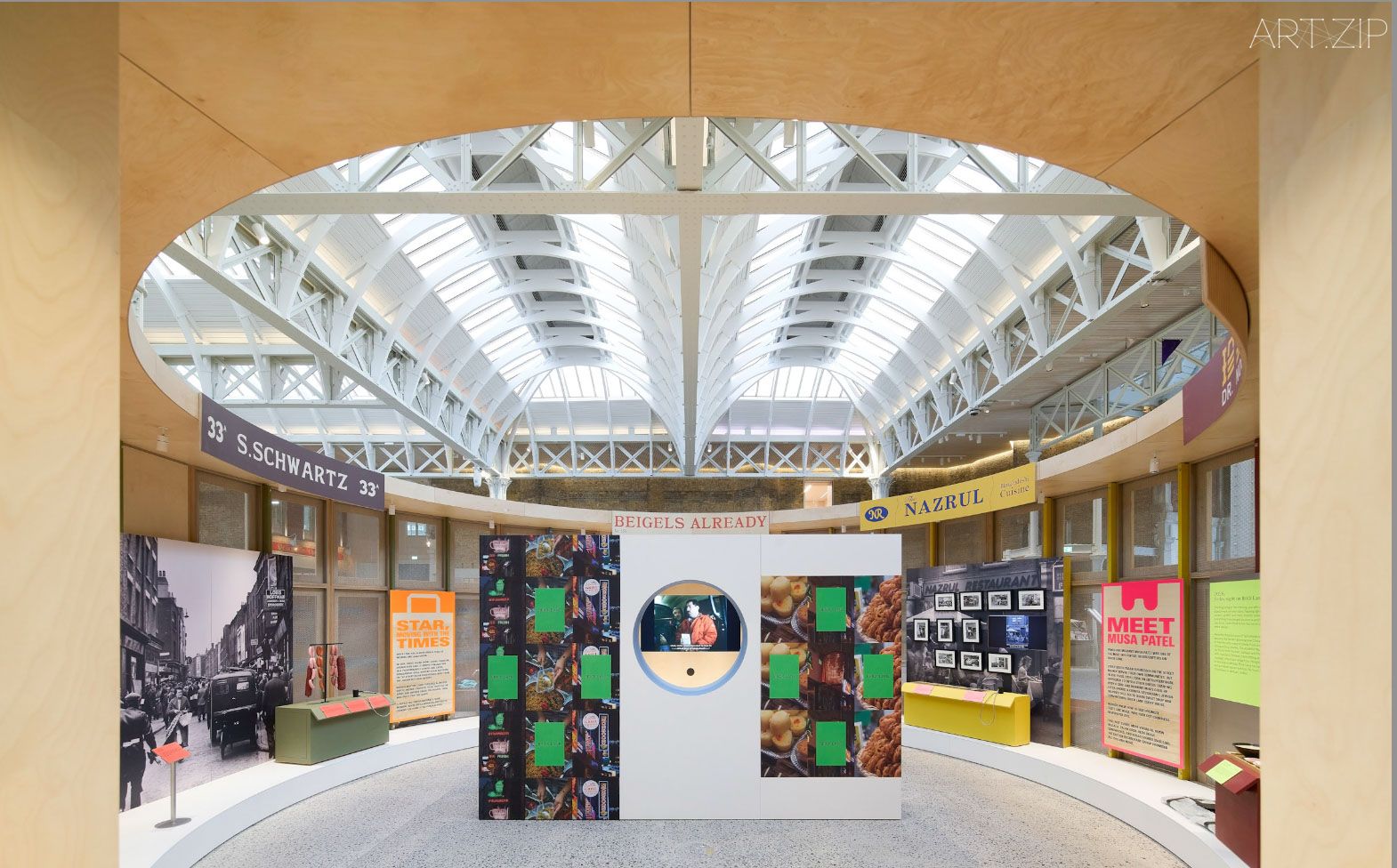
View into part of London Museum’s London Tastes display, exploring the changing appetites of a global food city, by Guest Editors Ruby Tandoh and Jonathan Nunn. ©Hufton+Crow
Familiar Names, Faces and Sounds
In Our Time, a display entitled Hanging Out brings together twenty signs from across London on an enormous wall. Topshop, ODEON, Barbican and Morley’s Fried Chicken sit alongside signs from laundrettes, hair salons, fabric nightclub, the Galtymore Dance club and a Chinese restaurant. Their varied lettering, colours and lights bring fragments of London’s streets together under one roof.
For those who live in London, part of the pleasure lies in recognising familiar names. Some of these places are still in business; others have disappeared. A particular sign might even bring back a memory of who we once were. What the museum has collected are signs, but what they evoke belongs to each of us.
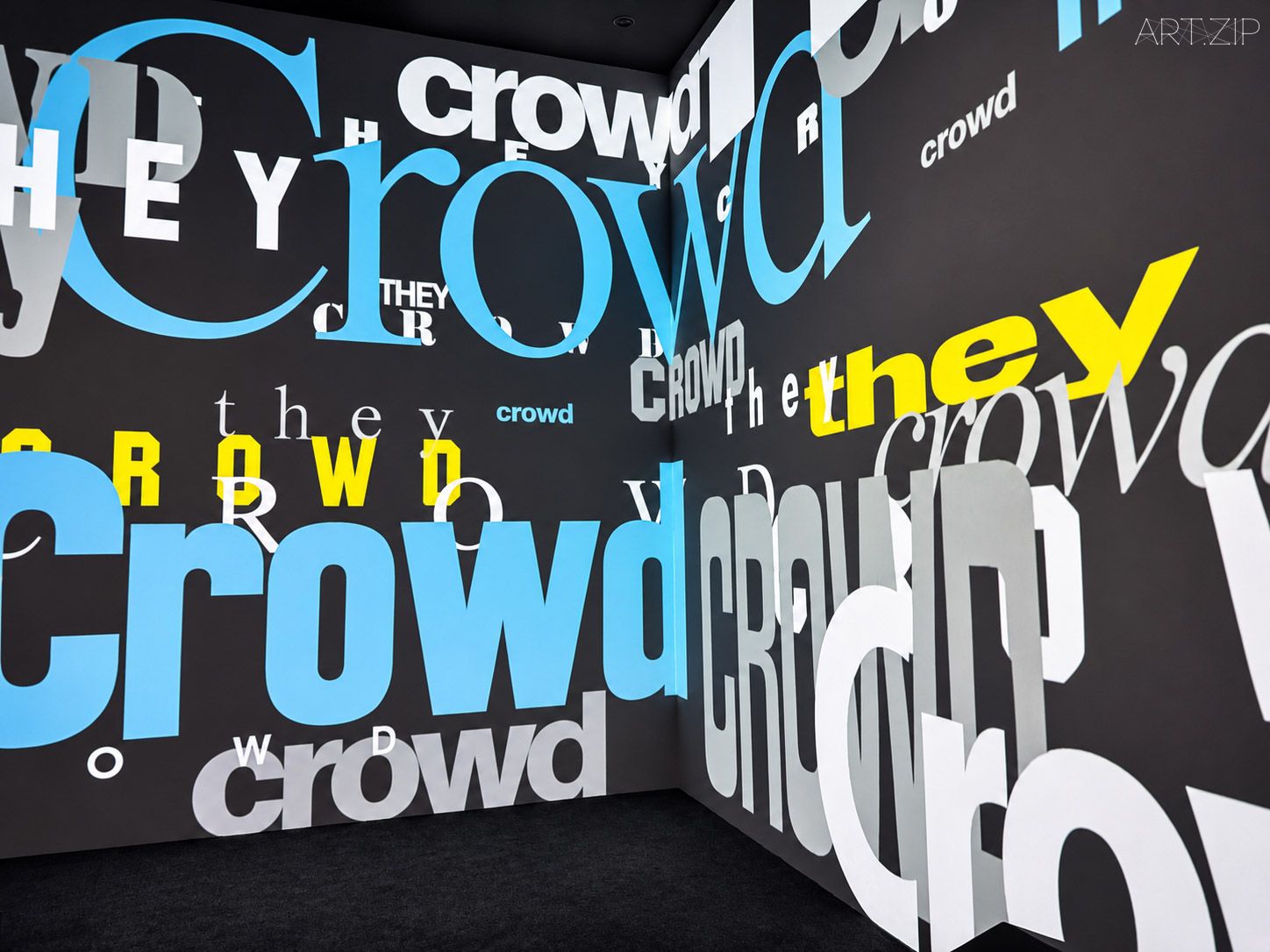
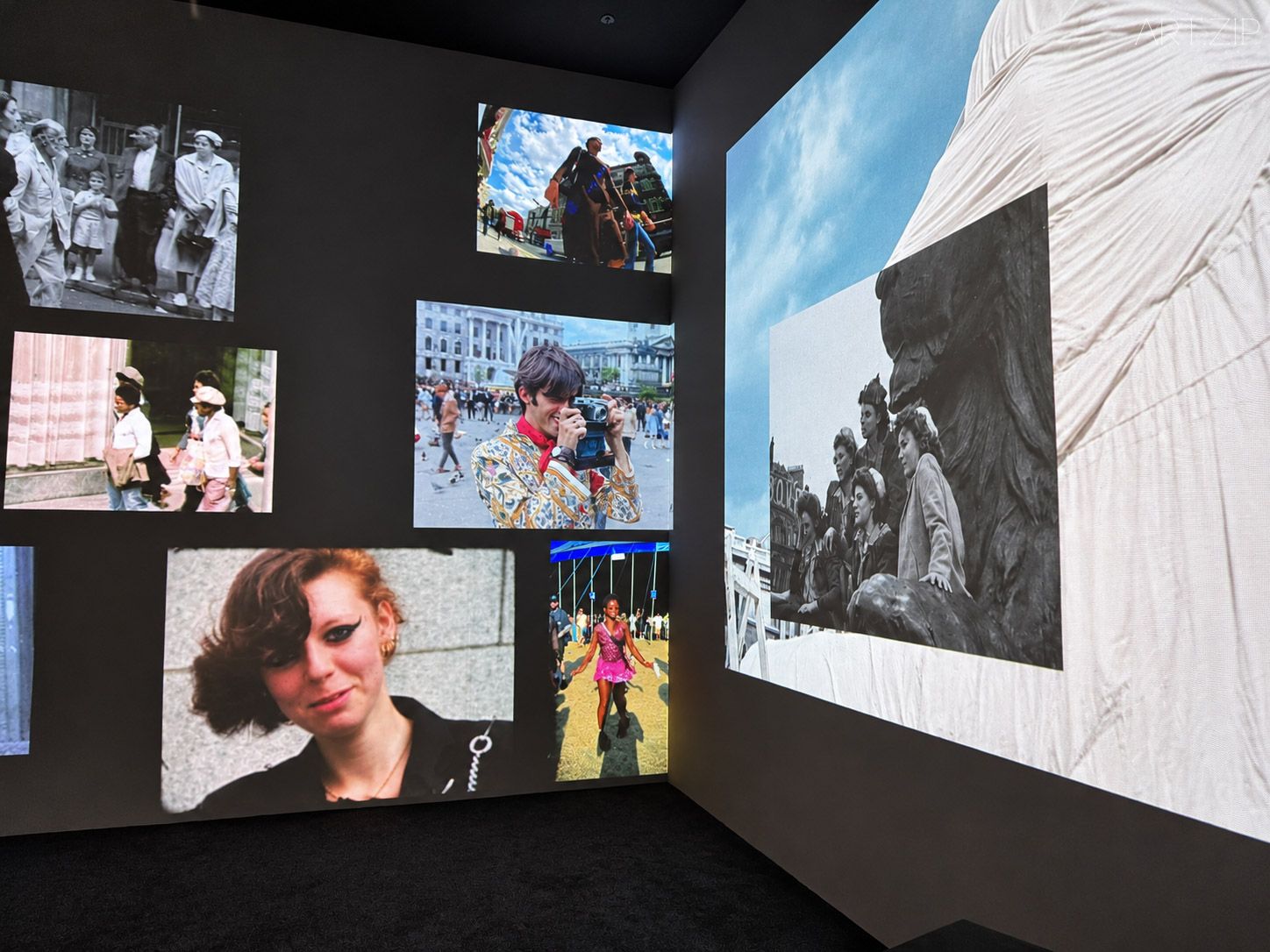
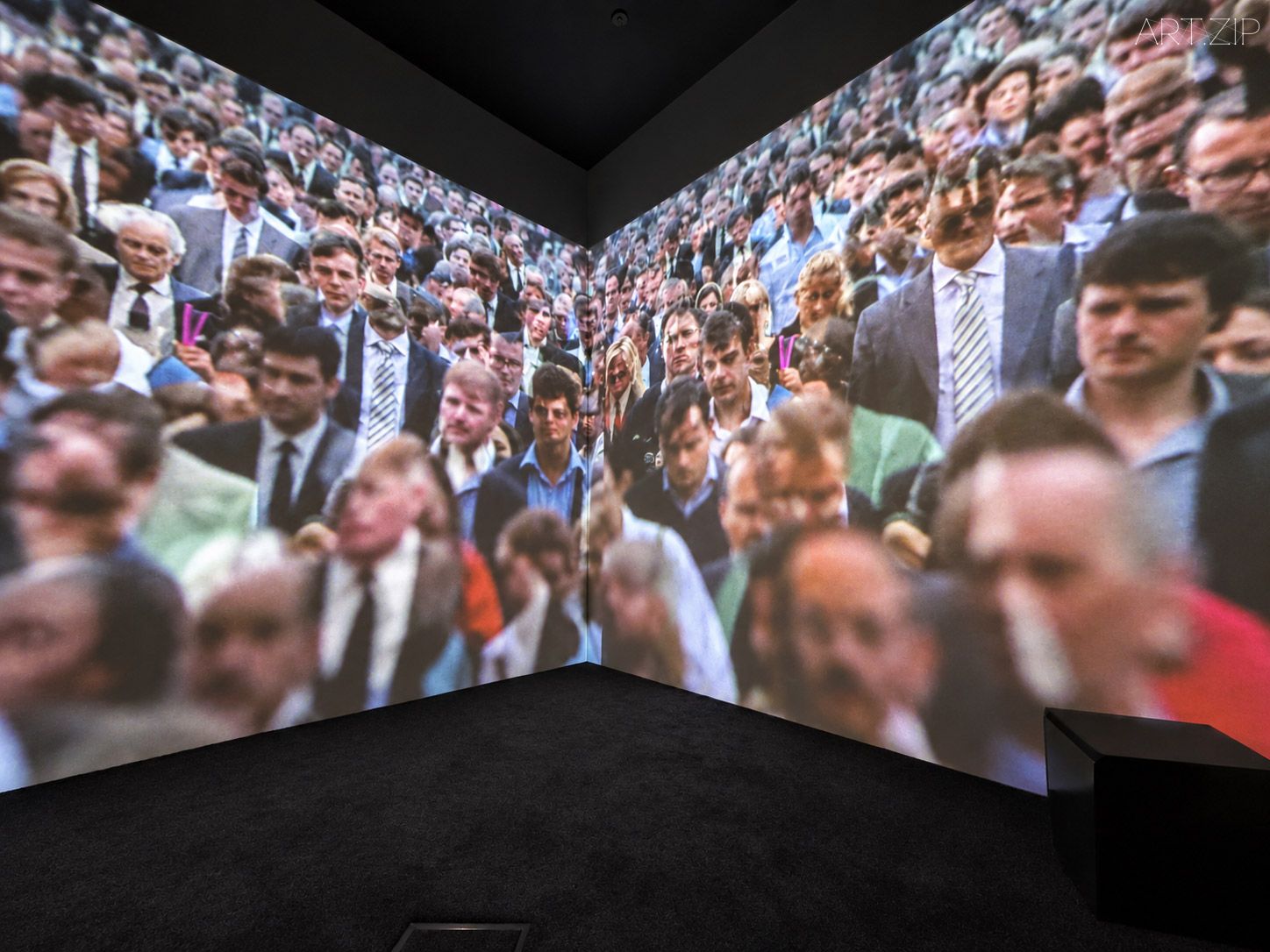
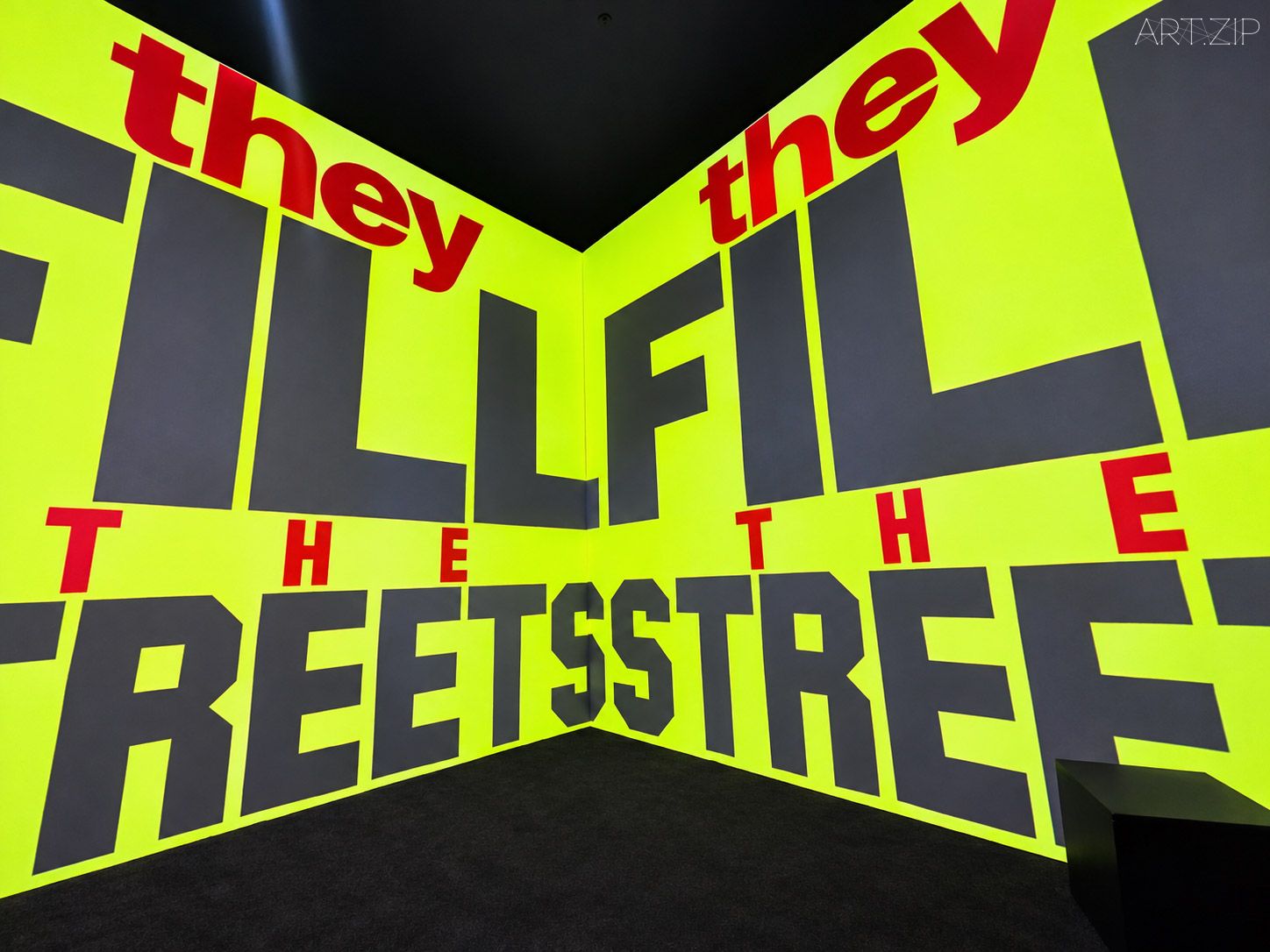
John Ogunmuyiwa’s film The London Crowd shifts attention from objects to people. Archival and contemporary footage unfolds across adjoining walls: street parties, political protests, fragments of everyday life and a succession of unfamiliar yet vivid faces. Words of varying sizes and colours periodically fill the walls, alternating with the moving images.
As ‘They’ and ‘Crowd’ repeatedly appear before us, the individuals so often grouped together under the collective term ‘the crowd’ begin to emerge.
We readily use the word ‘Londoners’ to describe the people who inhabit this city. Yet how many different lives are contained within that seemingly simple word?
London’s history has a soundtrack, too. A soundscape created by electronic musician Scanner brings the rattle of buses, the ticking of Big Ben and other familiar urban sounds into the museum. Elsewhere, an imposing sound system stands behind a display reminiscent of a record shop, inviting visitors to browse through sleeves and put on headphones to explore the city’s musical culture.
From punk to ballet, from street puppetry to club culture, London’s creativity has never been confined to its theatres, galleries and concert halls. It has flourished in neighbourhood record shops, underground clubs, community dance halls and countless other places unlikely to feature in a tourist guide.
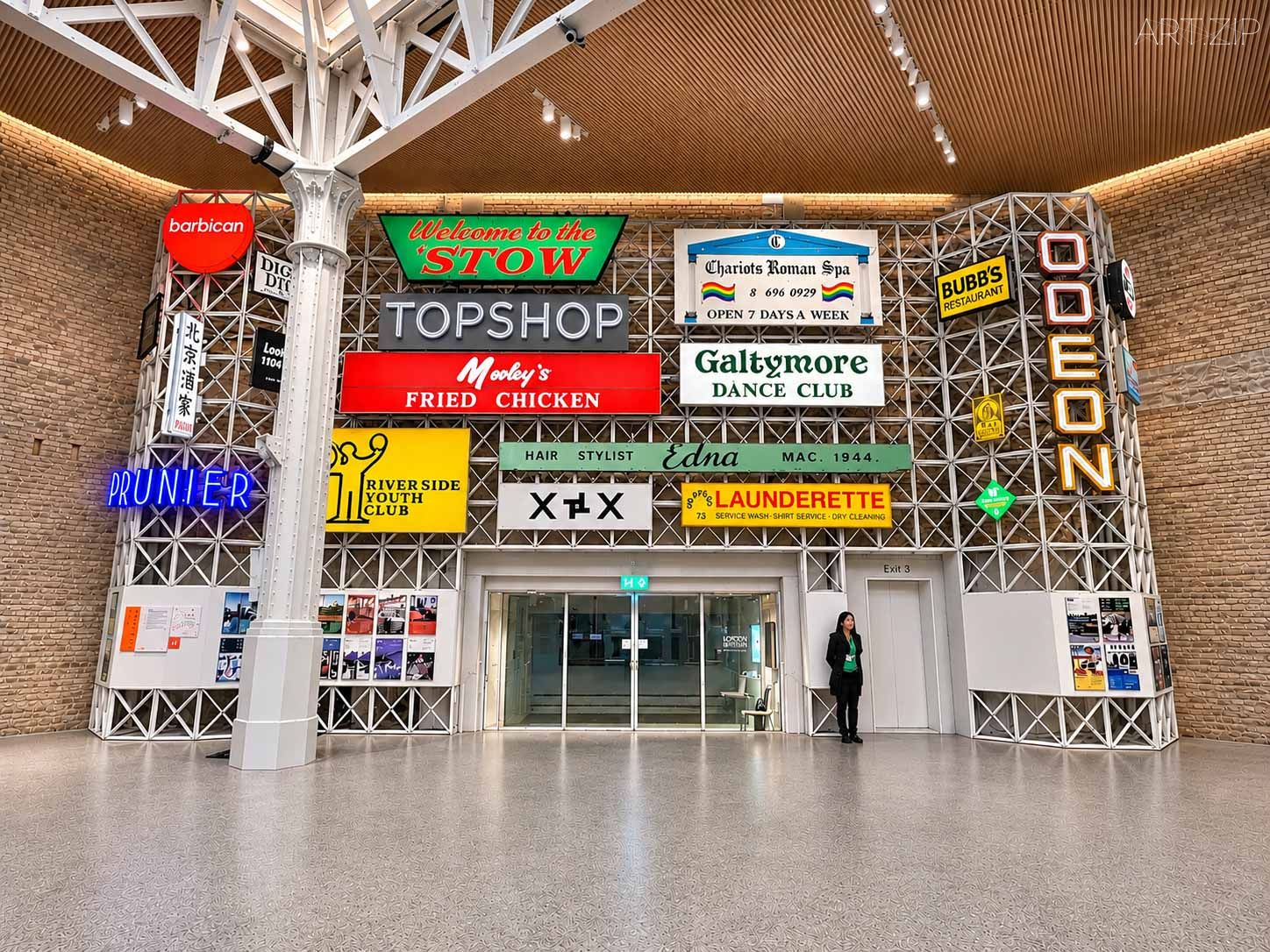
Signs at London Museum. Photo: ART.ZIP
A Museum Where Stories Are Still Being Made
One of the most promising aspects of the new London Museum is that it is not content simply to exhibit the past.
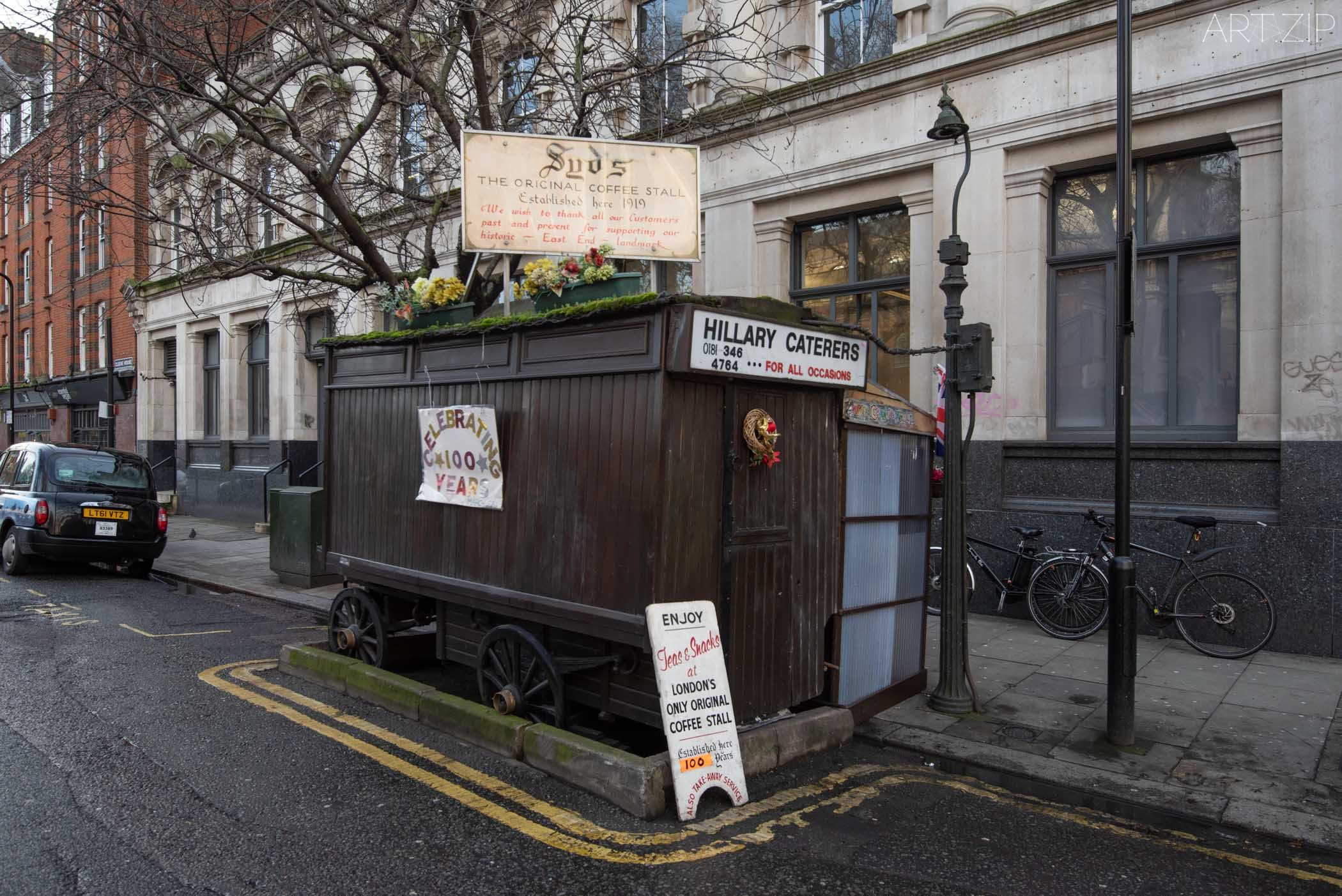
Occupying the former market’s trading floor, Our Time is also conceived as a public gathering place. Syd’s Coffee Stall, a century-old East End institution, will not merely stand as a museum exhibit but will serve free hot drinks to visitors every Tuesday. People can stop for a cup of tea and a conversation, allowing the stall to continue doing what it has always done: bringing people together.
The museum’s inaugural season, London Tastes (November 2026–August 2027), is led by guest editors Ruby Tandoh, the food writer, and Jonathan Nunn, founder of the food publication Vittles. From traditional pie and mash shops to the changing food culture of Brick Lane and London’s distinctive chicken shops, the themes explored in the exhibition will extend into the museum’s restaurant, bar and programme of food-related events.
From December 2026, the museum will stay open late on Fridays and Saturdays, with music provided by emerging DJs from across London’s boroughs. Monthly House Parties and a Dinner Club featuring some of the city’s culinary talent will follow in February 2027. The old market will once again become a place where people gather, eat, drink and talk.
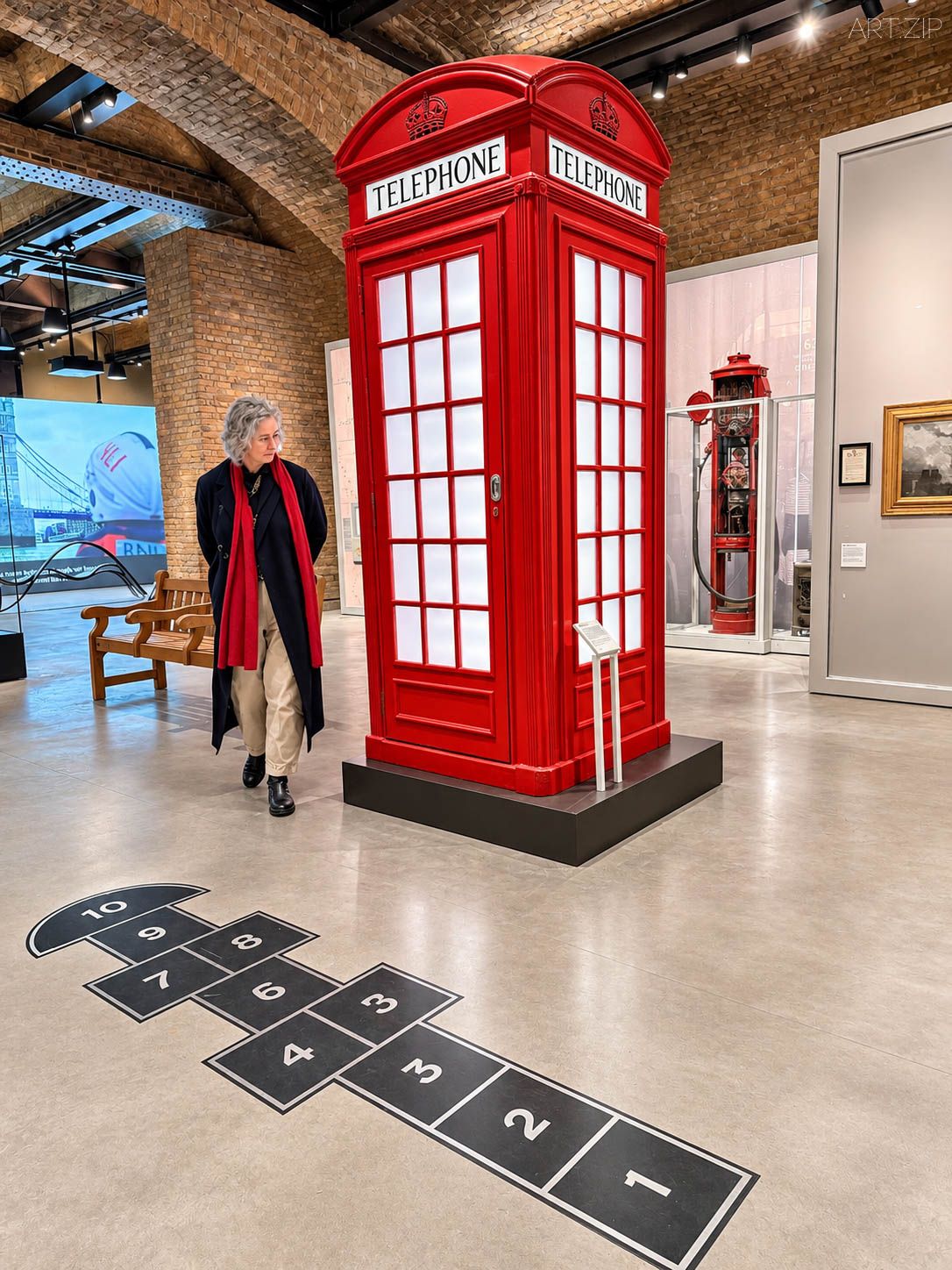
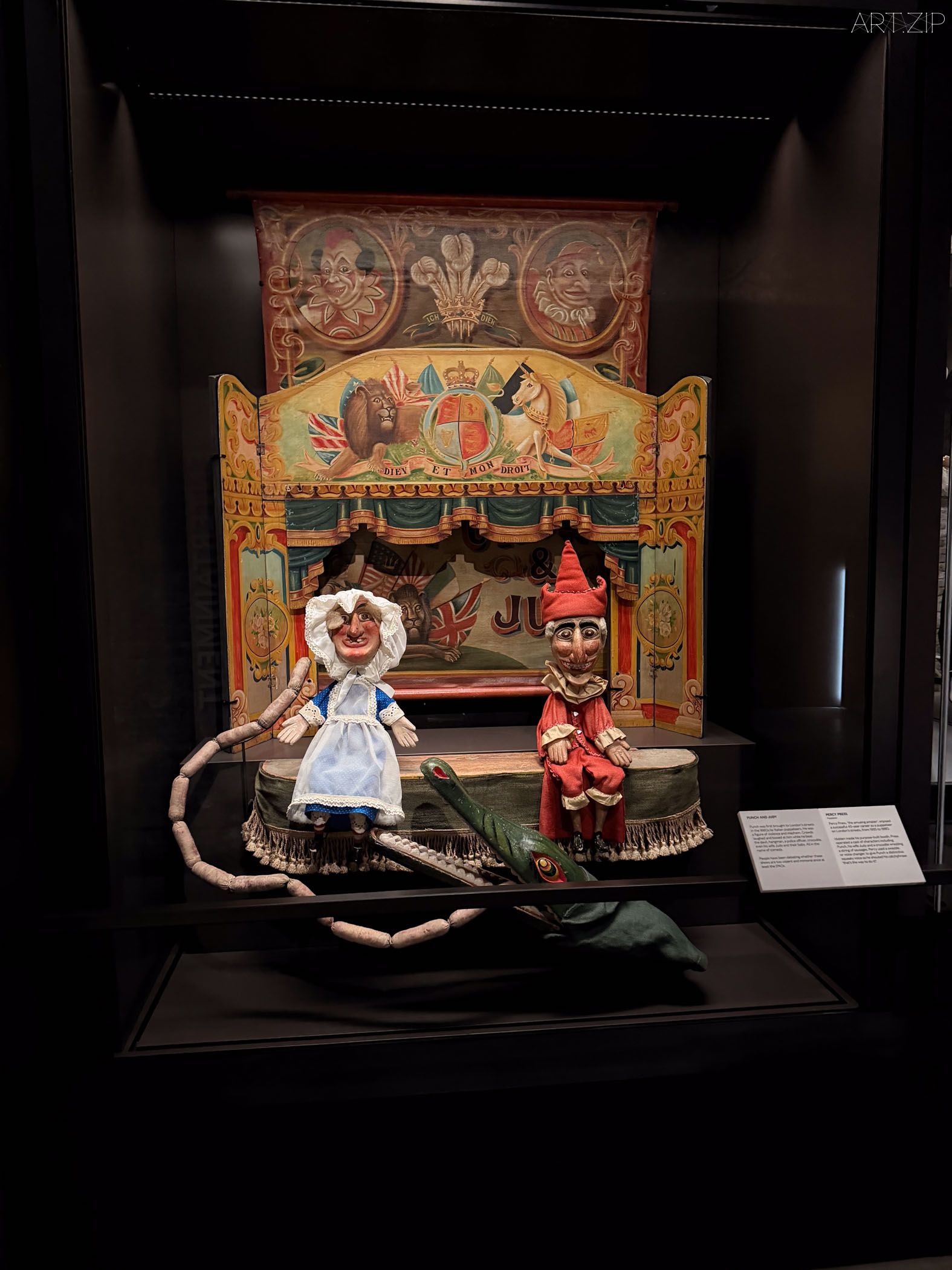
There are plenty of playful touches for younger visitors, too. Beside an iconic red telephone box, a game of hopscotch is marked out on the floor. In a nearby display, traditional Punch and Judy puppets recall an earlier form of street entertainment. Foxes appear at unexpected points around the galleries, waiting to be discovered.
Children need not grasp two thousand years of urban history to begin exploring London. A familiar game or an encounter with an animal can be a starting point. From January 2027, immersive theatre company Punchdrunk Enrichment will bring an added element of imagination to the museum’s weekly family activities, inviting young visitors on an adventure to discover one of London’s most elusive creatures.
The museum’s transformation is not yet complete. In spring 2027, a network of underground vaults rediscovered during construction will open to the public for the first time. The exhibition Londinium: the Making of a Roman City will bring to life the early years of Roman London. In 2028, the neighbouring Poultry Market will open with two temporary exhibition spaces, a dedicated learning centre and a collection store.
London beyond the Window
In the underground galleries, there is one particularly unusual ‘exhibit’.
A six-metre-wide window looks directly onto an active railway line, allowing visitors to watch Thameslink trains pass between Farringdon and City Thameslink.
On one side of the glass lies two thousand years of London’s history; on the other, trains carry today’s Londoners on their way. The passengers themselves are perhaps unaware that, for a fleeting moment, they have become part of the view from a museum.
Perhaps what makes London so captivating is its capacity to accommodate both the weight of history and the warmth of everyday life. The streets, shops, music and food we take for granted, and the ordinary days we are living through now, may yet become the London that this museum has still to collect.
And beyond the window, London’s story goes on.
Our Time in the Linbury Hall is a vibrant social hub at the heart of London Museum, set across the former trading floor of the General Market. Around its perimeter, a restaurant, shop and show space for families and schools sits alongside 13 large anchor installations exploring the ways Londoners have come together. Photo: Hufton + Crow
在倫敦博物館(London Museum)的新館裡,搭乘電梯是一件頗有趣味的事。兩個樓層按鈕旁分別寫著「Our Time」與「Past Time」——我們的時代與往昔時光。按下地下樓層的按鈕,短短幾秒鐘,便從當代倫敦降至古羅馬時期的街道高度。時間在這裡有了空間的尺度,而一部尋常的電梯,也彷彿成了穿梭於城市歷史之中的交通工具。
2026年11月28日,原名 Museum of London 的倫敦博物館將正式在 Smithfield 向公眾敞開大門。適逢博物館成立五十週年,這項歷時十年、耗資4.37億英鎊的文化工程,將一座維多利亞時期的老市場改造為全球最大的城市博物館。超過十萬人參與了新館的籌備與創作,從學童、銀匠到藝術家、作家,共同講述這座城市的故事。
一座本身就是歷史的建築
新館坐落於倫敦歷史最悠久的區域之一。Smithfield 長久以來以牲畜及肉類交易聞名,而博物館所在的 General Market 於1883年啟用,由曾參與設計倫敦塔橋及 Leadenhall Market 的建築師 Sir Horace Jones 設計。經歷逾一個世紀的商業活動後,市場於上世紀九十年代關閉,逐漸荒廢。
由 Stanton Williams 主導,聯同 Asif Khan Studio 及古蹟保育建築事務所 Julian Harrap Architects 進行的改造工程,保留了建築原有的許多特徵。自然光透過高聳的玻璃屋頂灑進昔日的交易大廳,修復後的鐵柱、裸露的磚牆、舊市場的招牌,與新加入的木質展陳結構相映成趣。這項工程亦匯集了七十多個工種的專業技藝,包括傳統銅匠、石匠及來自威爾斯的鐵匠。
大廳裡甚至散落著幾隻黑臉綿羊造型的座椅。在曾以牲畜交易聞名的 Smithfield,坐在羊背上稍作休息,倒也別有一番趣味。
博物館以三個主要空間組織其敘事:「此時此刻」(Real Time)、「我們的時代」(Our Time)及「往昔時光」(Past Time)。
入口 Real Time 原本是一條有頂蓋的街道,如今透過不斷更新的數據與影像,呈現倫敦此時此刻的面貌,從城市裡有多少間酒吧、多少蜜蜂,到倫敦人最近在聽什麼音樂、心情如何。腳下的地面則嵌入了陶器碎片與維多利亞時期被丟棄的陶製煙斗。抬頭是當下的倫敦,低頭則是過往倫敦人留下的生活痕跡。
位於地面的 Our Time 延續了市場作為人們聚集之地的功能,而地下的 Past Time 則深入城市的歷史地層。建築本身由此成為博物館敘事的一部分。
什麼值得被一座城市收藏?
倫敦博物館的藏品之豐富,不僅在於數量,也在於它們所涵蓋的生活範圍。
從1757年製造、至今仍會出現在倫敦金融城市長年度巡遊中的華麗馬車,到1970年退役、首次公開展出的白金漢宮電話總機;從兩千年前的古羅馬壁畫、伊麗莎白及詹姆士一世時期的精美珠寶,到 Selfridges 百貨公司的 Art Deco 電梯、芭蕾舞者 Anna Pavlova 的《垂死的天鵝》演出服、The Clash 樂隊那把因《London Calling》專輯封面而聞名的被砸毀的貝斯,以及 Banksy 於2024年創作的食人魚警衛亭。
甚至連 Whitechapel 下水道中由油脂與廢棄物凝結而成的巨大堵塞物(Fatberg),也有一部分被納入了博物館的收藏。這件多少令人有些嫌棄的展品,卻真實地記錄著當代都市的消費習慣、生活方式及其所面臨的環境問題。
相比這些引人注目的展品,展廳裡一塊不起眼的藍色圓牌,又藏著另一個故事。
自1866年起,倫敦便以藍牌(Blue Plaque)紀念曾在某棟建築中居住或工作的歷史人物。漫步倫敦街頭,這些藍色圓牌不時提醒我們,某位作家、藝術家、科學家或政治人物曾經在此生活。然而,眼前這塊藍牌沒有任何顯赫的名字,只寫著一句簡單的話:
「This House Was Once a Home.」(這棟房子曾經是一個家。)
這是藝術家 Paul Noble 於1993至1994年間創作的作品。當時,倫敦東部的部分住宅因 M11 公路連接線的建設而面臨拆遷。Leytonstone 一帶曾聚居著不少藝術家,包括 Noble、Cornelia Parker 及 Grayson Perry。面對即將消失的家園,藝術家與當地居民以不同方式參與抗議。
Noble 仿照傳統藍牌的設計,將一系列紀念牌安裝在 Leyton 的 Dyers Hall Road 面臨拆除的住宅上,並將「English Heritage」替換為「Our Heritage」——我們的文化遺產。
這個小小的文字改動,提出了一個關於城市遺產的問題:一棟房子是否必須因某位名人曾經居住於此,才值得被紀念?它曾經是一個普通人的家,難道不足以成為被記住的理由?
三十多年後,這塊曾經懸掛在待拆住宅外牆上的抗議標牌,已成為倫敦博物館的永久館藏。
從皇家馬車到普通人的家園,從精美的珠寶到下水道的廢棄物,倫敦博物館所收藏的,還包括這座城市曾經面對的矛盾、爭議,以及人們試圖守護的事物。
Social Map at the London Museum. Photo: ART.ZIP
從一條街道閱讀倫敦
在地下展廳,一組由英國社會調查者 Charles Booth 編製的倫敦社會地圖,呈現了十九世紀末倫敦繁榮背後的另一面。
這組1899至1900年的地圖以不同顏色標示街道居民的社會經濟狀況:從富裕、生活舒適到極度貧困,甚至使用了「Semi-criminal」(半犯罪階層)這樣帶有當時道德評判意味的分類。
展牆上重現的調查筆記,則記錄著更為細微的生活景象:窗戶是否破損、門階是否整潔、窗簾的狀況,以及窗台上是否擺放著花盆。這些尋常的生活細節,曾經是調查者判斷居民生活狀況的依據,也讓今天的觀眾得以窺見那個時代如何理解乃至評判貧困。
而在樓上的飲食文化展覽 London Tastes 中,另一張圖表則以截然不同的方式閱讀倫敦的街道。
這張記錄 Brick Lane 從1945年至2025年商業變遷的時間圖表,以街道的門牌號碼為座標,追蹤八十年間不同商戶的更替。猶太肉店、貝果店、孟加拉餐廳、華人餐館、炸雞店……同一個門牌號碼,在不同年代可能屬於截然不同的商戶。
這些店舖的更替,記錄著不同移民群體的到來、定居與流動,也反映著倫敦人口結構及飲食習慣的變化。
展覽甚至將視線延伸至超市的貨架。微波爐、購物籃、即食食品包裝與昔日的宣傳影像,共同講述企業家 G. K. Noon 如何推動印度即食料理進入英國的超市與家庭廚房。移民文化對一座城市的影響,有時就藏在我們每天推著購物車經過的貨架上。
相隔逾一個世紀的兩組圖表,同樣以街道為觀察對象。一組記錄著財富與貧困如何分布,另一組則透過飲食與商業的變遷,呈現人口流動如何重塑城市的面貌。
一條街道的歷史,原來也可以從人們如何居住、如何謀生,以及吃過什麼來閱讀。
那些曾經熟悉的名字、面孔與聲音
在 Our Time 名為 Hanging Out 的展陳中,二十個來自倫敦不同地方的招牌被集中在一面巨大的牆上。Topshop、ODEON、Barbican、Morley’s 炸雞店,與洗衣店、髮廊、舞廳、青年俱樂部及中式酒家的招牌並置。不同的字體、色彩與燈光,彷彿將散落在倫敦各處的街道片段重新拼接在一起。
對於生活在倫敦的人而言,觀看這面牆的樂趣,或許就在於辨認那些曾經熟悉的名字。有些地方仍在營業,有些已經消失,而有些招牌甚至讓人想起自己曾經的模樣。博物館收藏的是招牌,被喚起的卻是各自不同的生活記憶。
John Ogunmuyiwa 的影像作品《The London Crowd》則將視線從物件轉向人群。不同年代的檔案影像在相鄰的牆面上交錯出現,街頭派對、政治抗議、日常生活的片段,以及一張張陌生而鮮活的面孔。大小不一、色彩各異的文字不時佔據整面牆壁,與歷史及當代影像交替出現。
當「They」與「Crowd」反覆出現在眼前,那些通常被統稱為「人群」的人,也逐漸顯露出各自的面孔。
我們習慣用「倫敦人」來稱呼生活在這座城市的人,但這個看似簡單的稱謂背後,究竟包含了多少不同的人生?
倫敦的歷史也是有聲音的。電子音樂家 Scanner 為博物館創作的聲景,將巴士的聲響、大本鐘的滴答聲與城市中的各種聲音融入展覽空間。另一處展陳中,高大的音響系統與唱片式的展示設計,讓觀眾可以像在唱片店裡一樣翻閱資料、戴上耳機,探索倫敦的音樂文化。
從龐克音樂到芭蕾舞劇,從街頭木偶戲到夜店文化,倫敦的藝術與創意從來不只發生在劇院、美術館與音樂廳裡,也發生在街角的唱片店、地下夜店、社區舞廳,以及那些未必會出現在旅遊指南上的地方。
The Charterhouse Street frontage of the new London Museum, occupying the former Smithfield General Market Building in central London ©Hufton+Crow
一座仍在發生故事的博物館
新館最令人期待的地方之一,是它並不滿足於成為一個展示過往的場所。
位於昔日市場交易大廳的 Our Time,亦是一個向公眾開放的社交空間。擁有百年歷史的倫敦東區咖啡攤 Syd’s Coffee Stall,不僅作為展品出現在博物館裡,更將於每週二為訪客提供免費熱飲。人們可以在這裡喝上一杯,聊聊天,延續咖啡攤原本的社交功能。
首個公共活動主題 London Tastes(2026年11月至2027年8月)由美食作家 Ruby Tandoh 與飲食文化媒體 Vittles 創辦人 Jonathan Nunn 共同擔任客席編輯。從傳統的英式肉餡餅與薯蓉、Brick Lane 的飲食文化,到倫敦獨特的炸雞店文化,展覽的內容也將延伸至博物館的餐廳、酒吧及各種美食活動。
自2026年12月起,博物館將於週五及週六延長開放時間,由來自倫敦不同區域的新銳 DJ 帶來音樂演出。2027年2月起,還將推出每月的派對與 Dinner Club,邀請倫敦的廚師帶來不同的美食體驗。昔日市場裡人們聚集、交談的景象,將以另一種方式重現。
對於年幼的觀眾,博物館也有不少俏皮的安排。經典的紅色電話亭旁,地面上畫著跳房子的格子;展櫃裡,傳統的 Punch and Judy 木偶劇依然保留著昔日街頭娛樂的模樣;展廳低處還不時出現狐狸的身影,等待孩子們去發現。
孩子們不必完全理解兩千年的城市歷史,也可以從自己熟悉的遊戲與動物開始,認識這座城市。自2027年1月起,沉浸式劇場團隊 Punchdrunk Enrichment 亦將為每週的家庭活動帶來富有想像力的探索體驗。
博物館的改造工程尚未全部完成。2027年春季,施工期間重新發現的地下拱頂空間將首次向公眾開放,以展覽《Londinium: the making of a Roman city》重現古羅馬倫敦建城初期的歷史。至2028年,毗鄰的 Poultry Market 亦將開放,增設兩個臨時展覽空間、專門的教育中心及館藏儲存設施。
窗外的倫敦
在地下展廳,有一件頗為特別的「展品」。
一扇六米寬的玻璃窗,將博物館與仍在運行的鐵路相連。透過玻璃,觀眾可以看見往返於 Farringdon 與 City Thameslink 之間的列車從眼前駛過。
窗的這一側,是倫敦兩千年的歷史;另一側,是載著今天的倫敦人匆匆駛過的列車。或許車上的乘客並不知道,此刻的自己也成了博物館裡的一道風景。
倫敦的迷人之處,大概就在於它既容得下歷史的厚重,也容得下市井的煙火。那些我們習以為常的街道、店舖、音樂與食物,以及正在經歷的尋常日子,也許正是這座博物館尚未收藏的倫敦。
而倫敦的故事,仍在窗外繼續。
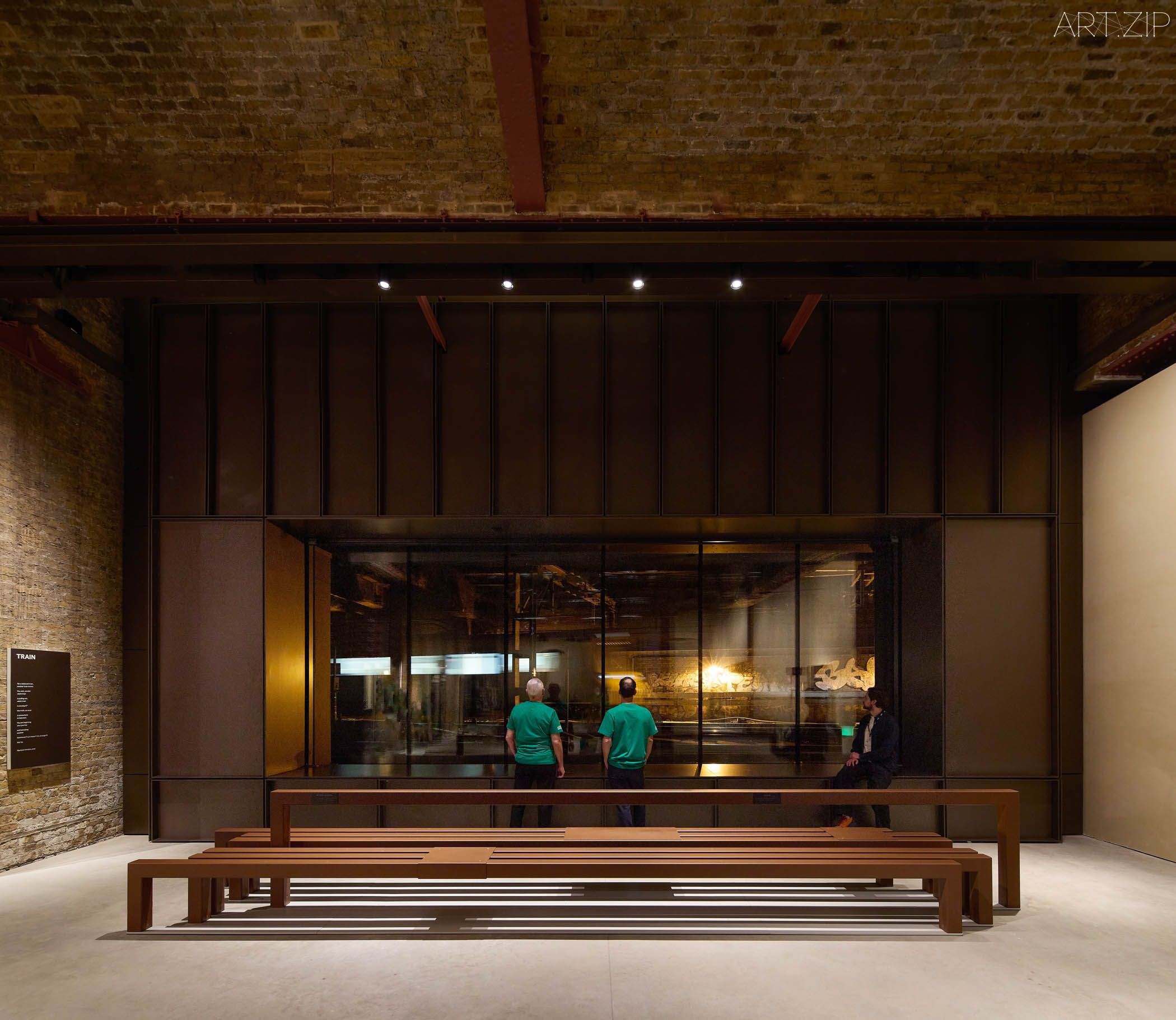
A six-metre-wide viewing window in Past Time at the London Museum offers views into some of the world’s oldest railway tunnels, which once brought produce in and out of Smithfield Market. The line is an active railway used by Thameslink trains running between Farringdon and City Thameslink in both directions. ©Hufton+Crow
Edited by Michelle Yu