


As the seasons turn and spring quietly arrives, London’s artistic season seems never to follow the passage of time. It remains perpetually in bloom, alive with new beginnings. Across the city’s galleries and exhibition halls, new branches seem to emerge each spring. Here, we step into a new chapter of London’s spring exhibitions in 2026.
季節更替,春意悄然抵達。然而屬於倫敦的藝術,從不受節氣所限——它更像一種持續發生的狀態:四季皆春,生機常在。在這座城市的畫廊與展廳之間,新的敘事不斷浮現、交錯、生長。藝術不只是被觀看的對象,更是時間與感知的流動現場。讓我們循著這些正在生成的線索,走進2026倫敦的春季藝術現場。
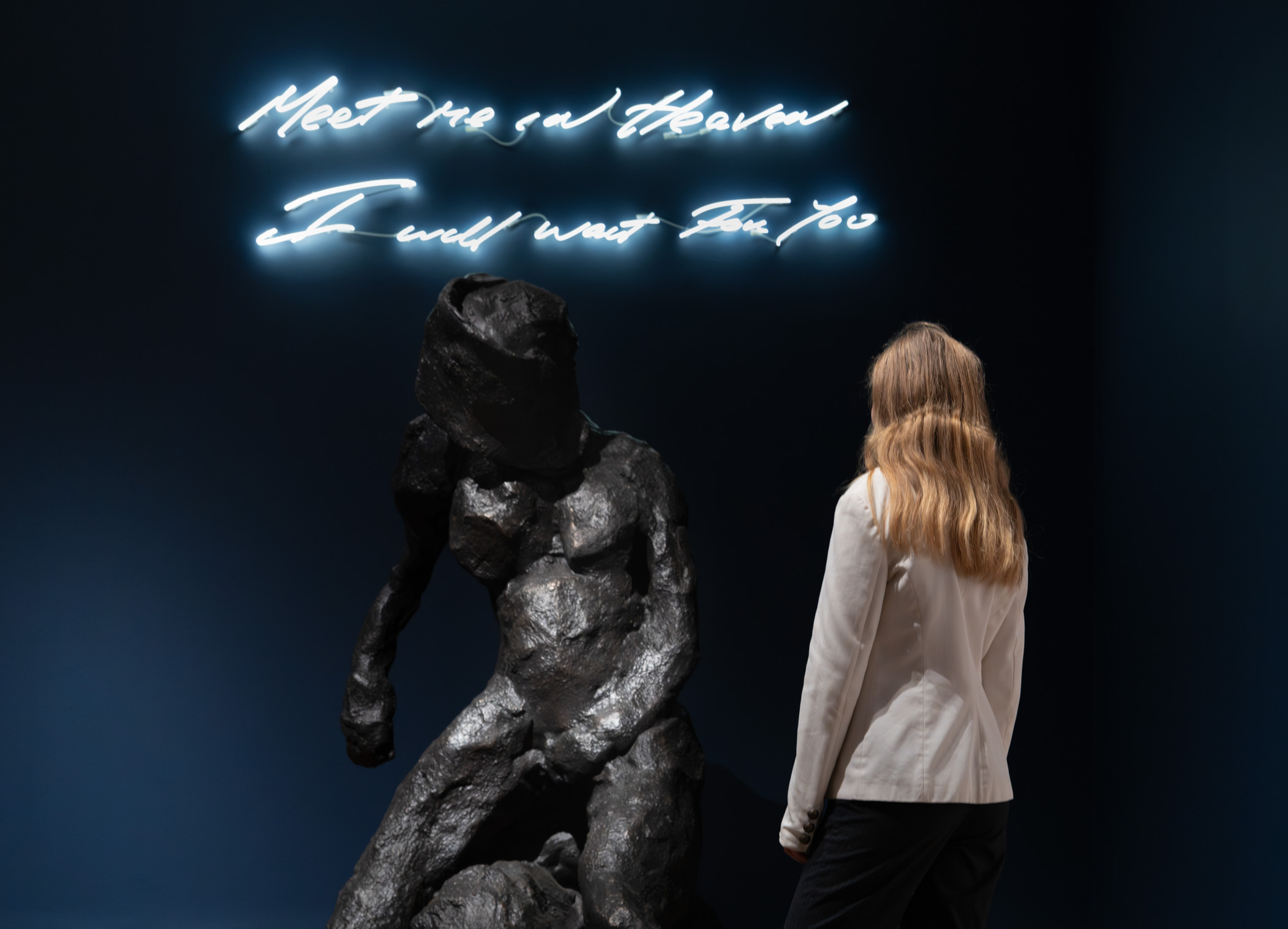
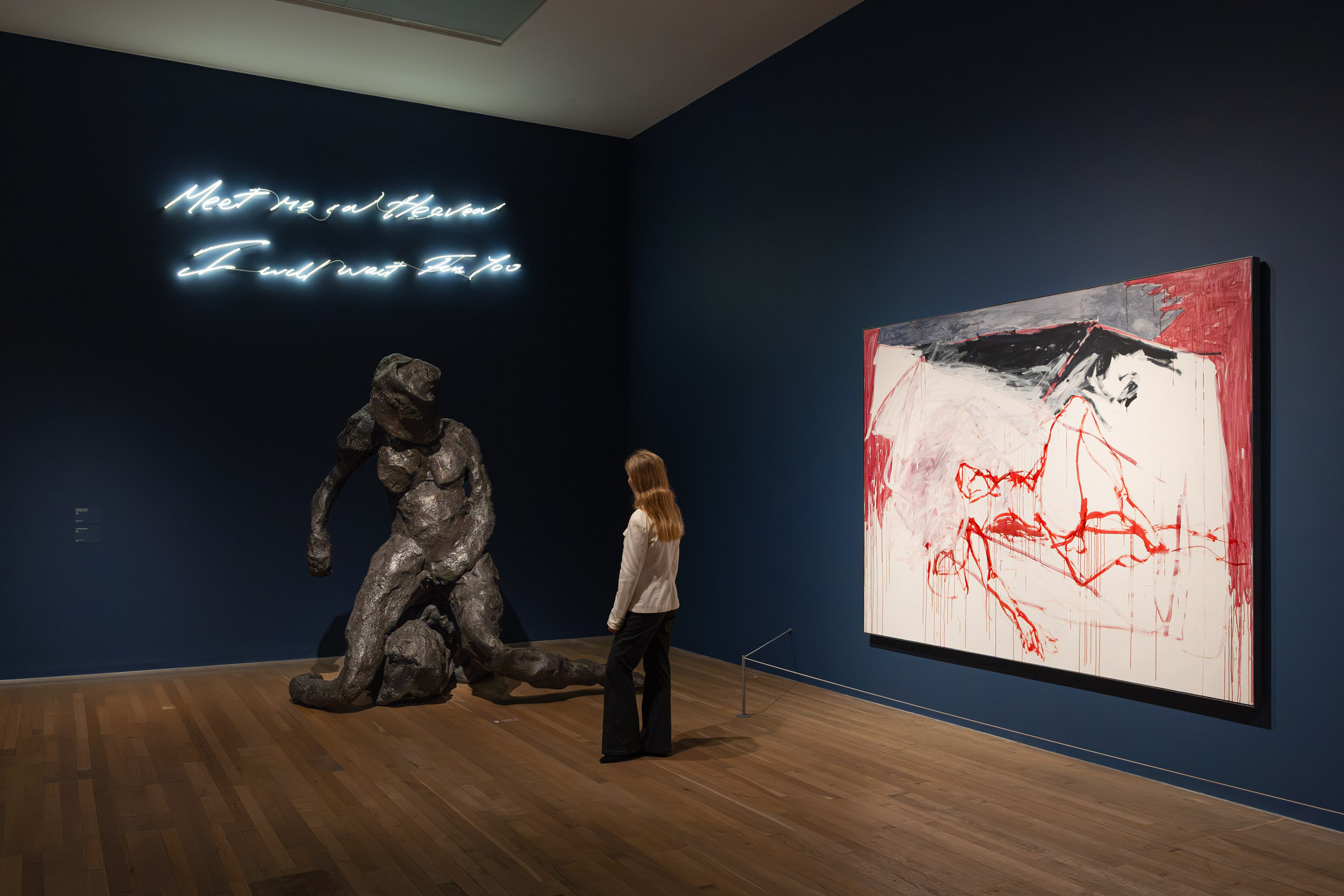
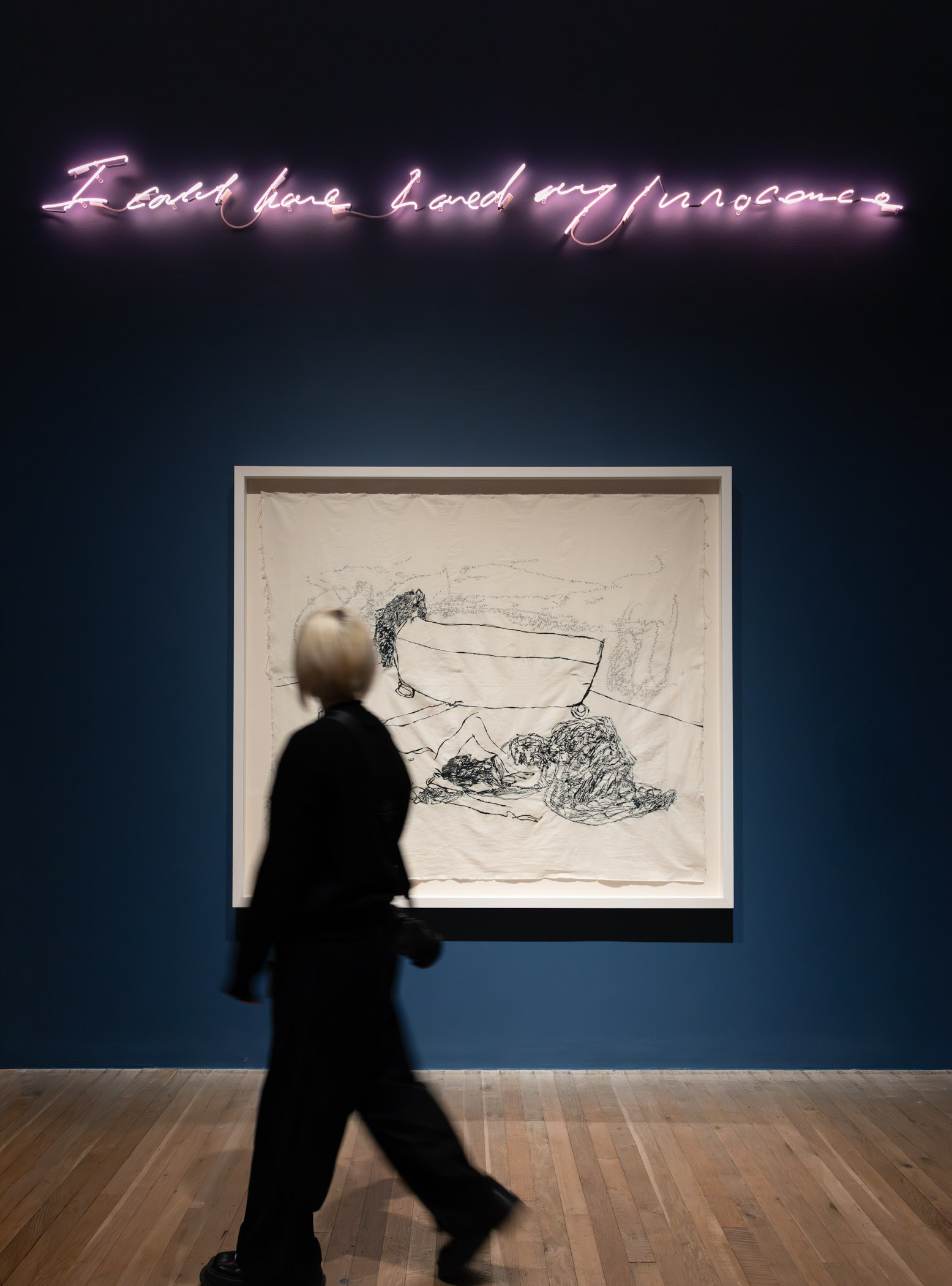
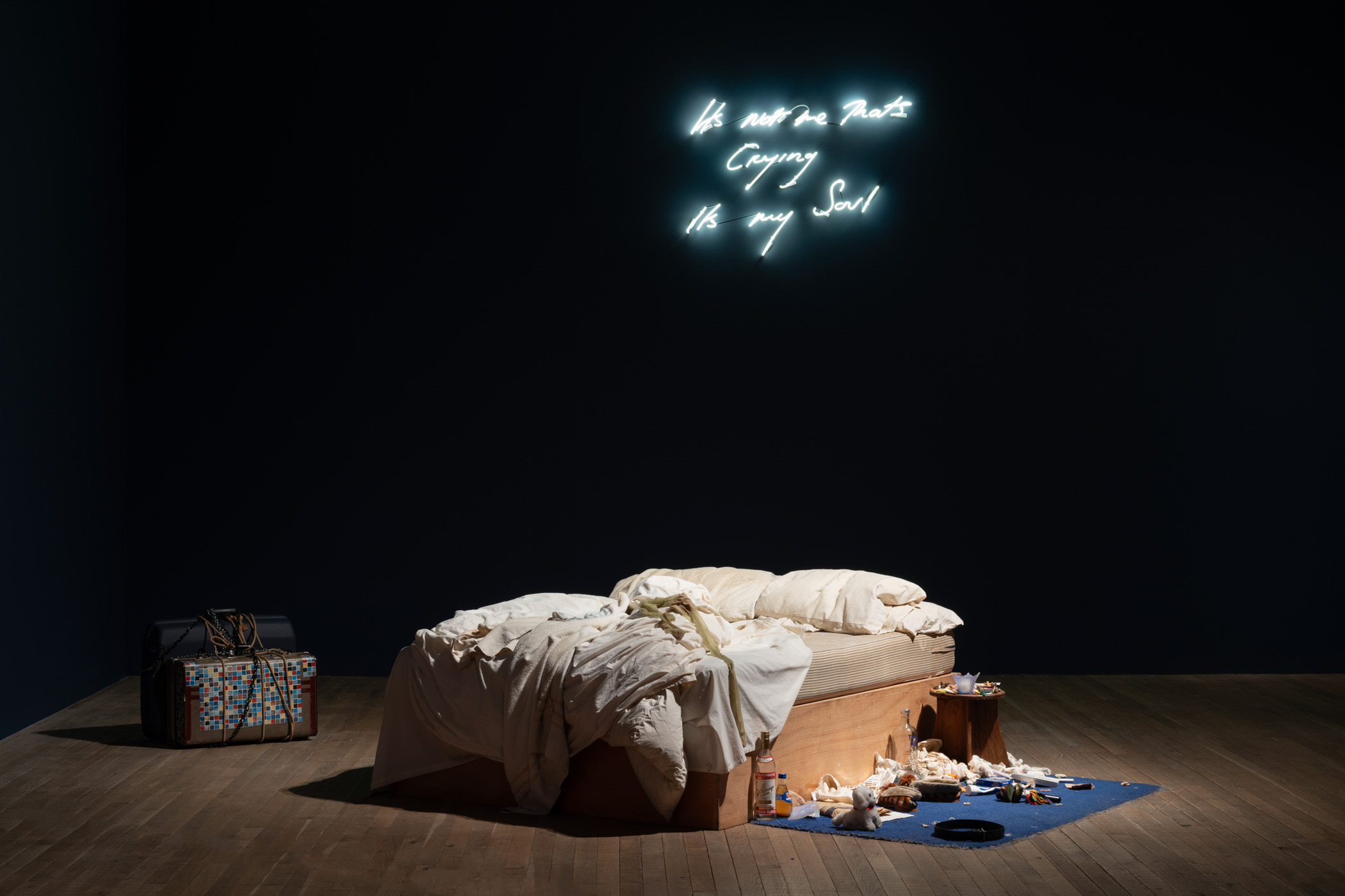
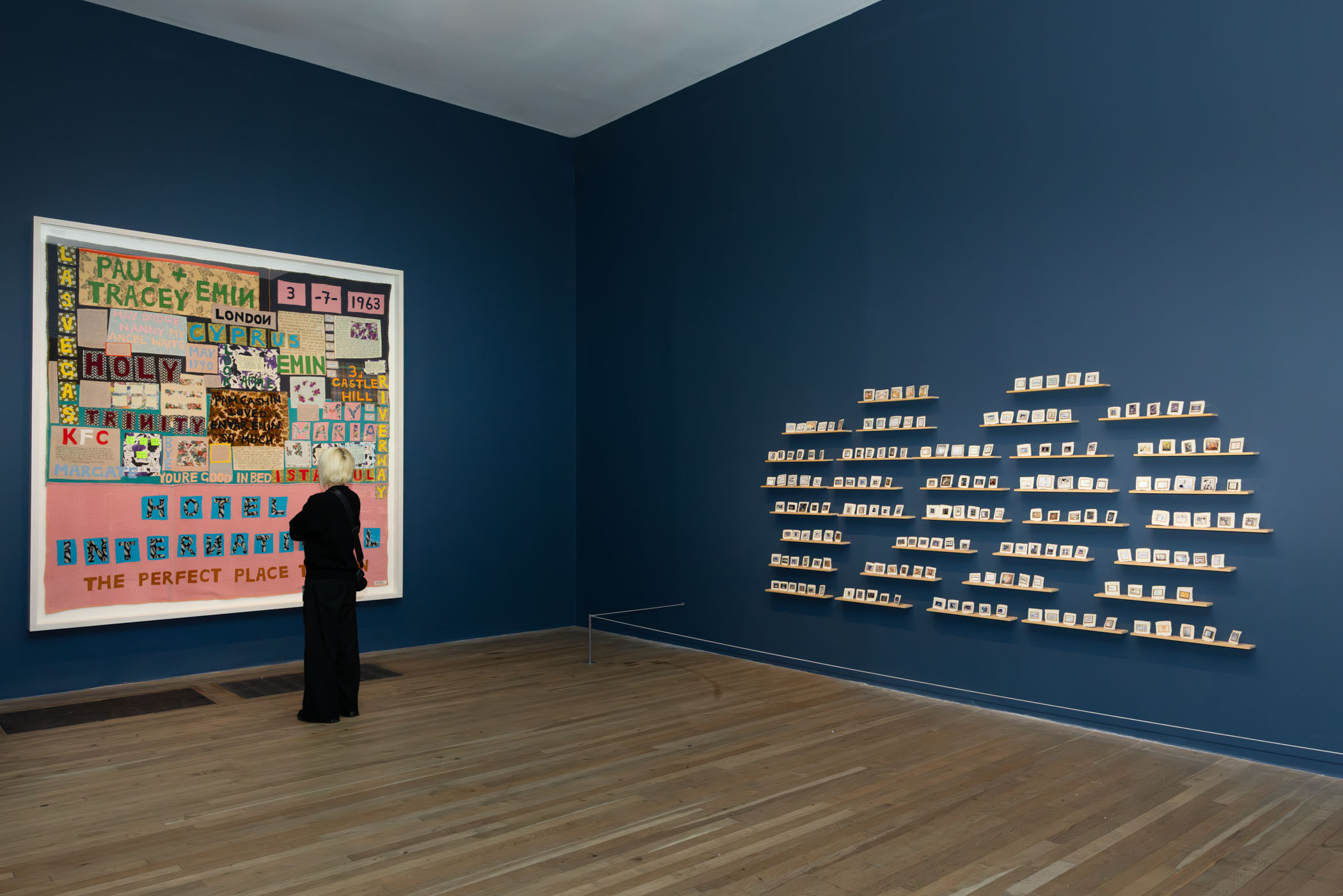
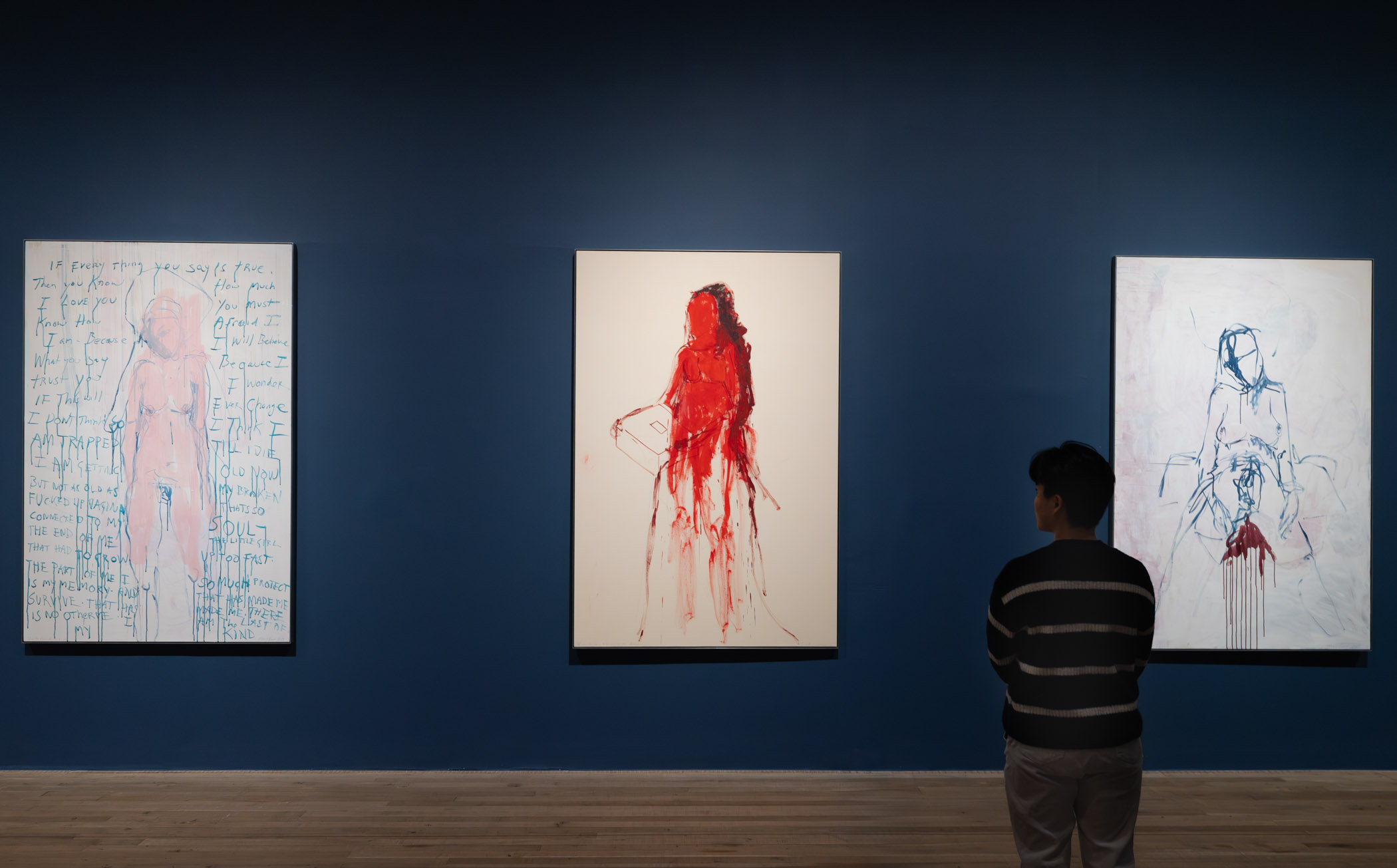
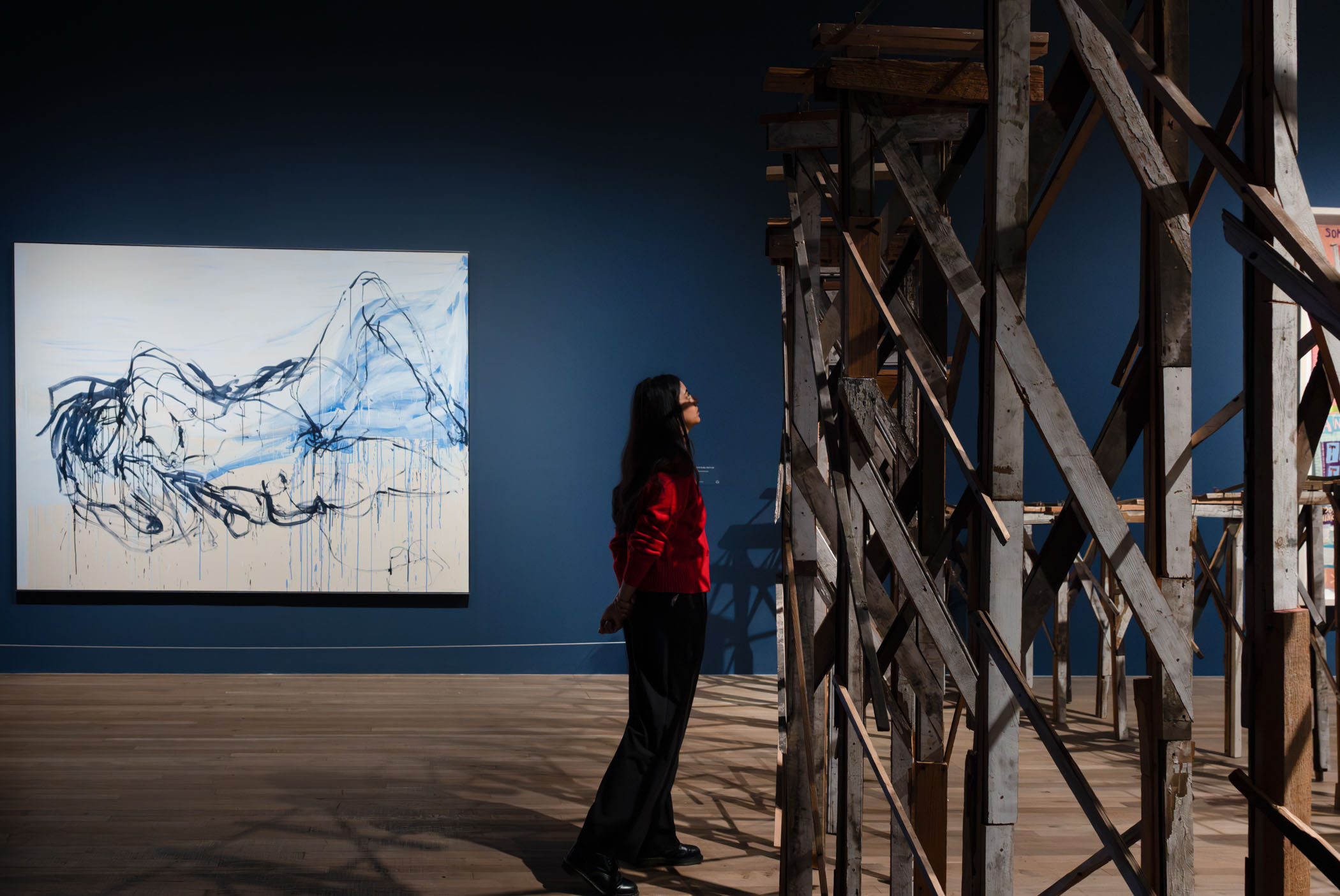
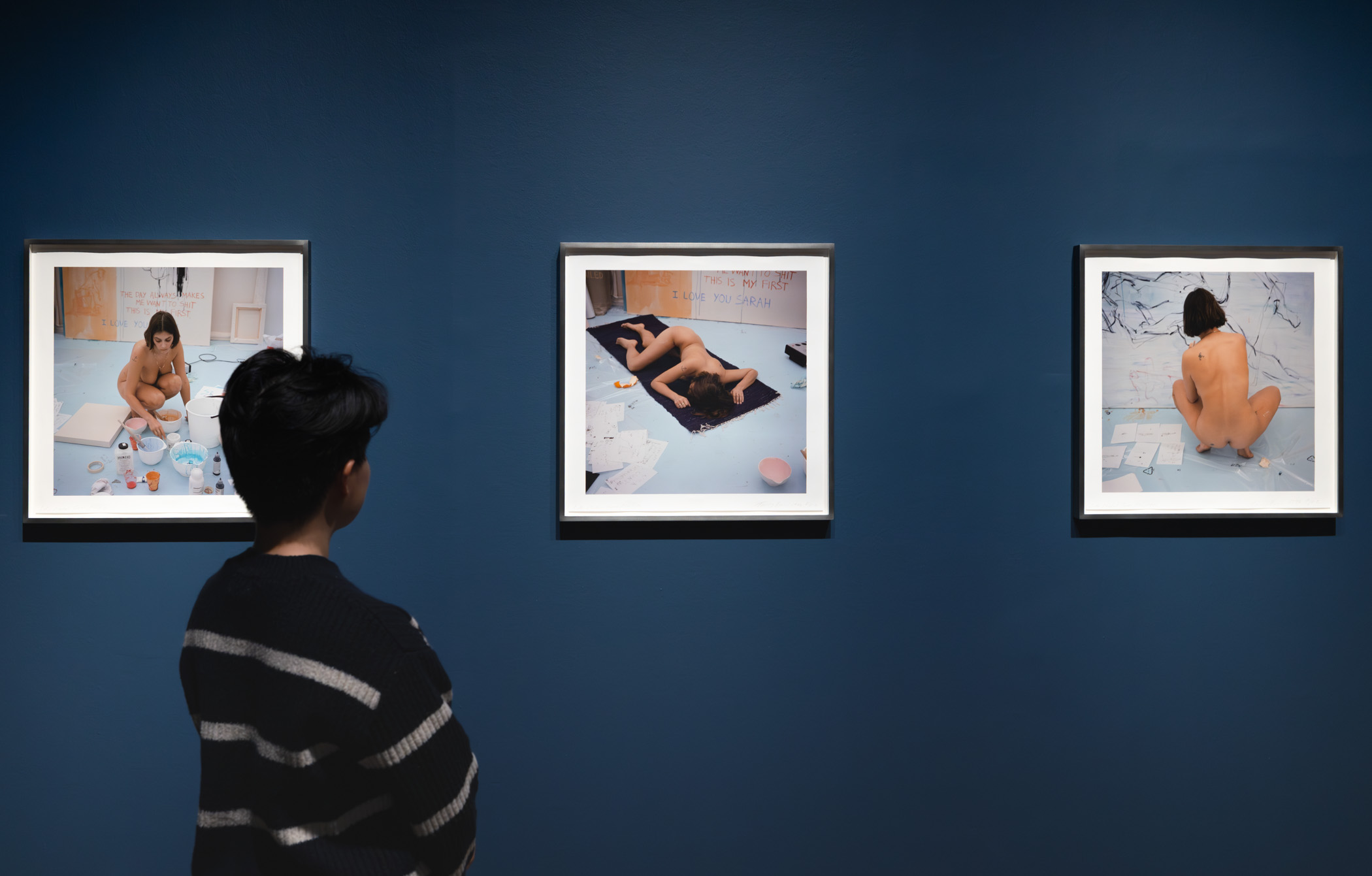
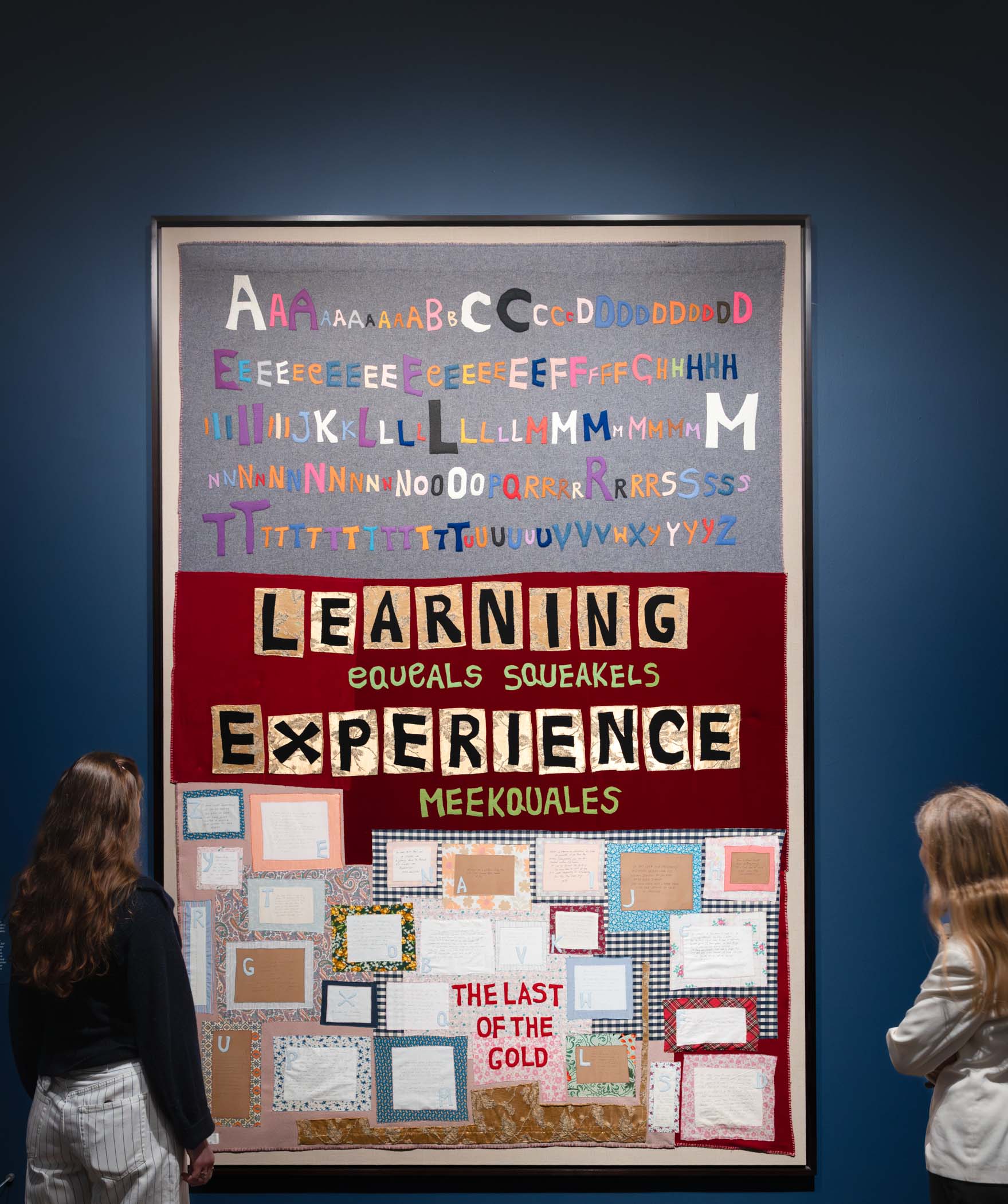
Tracey Emin: A Second Life at Tate Modern, installation view. Photo ©Tate Sonal Bakrania
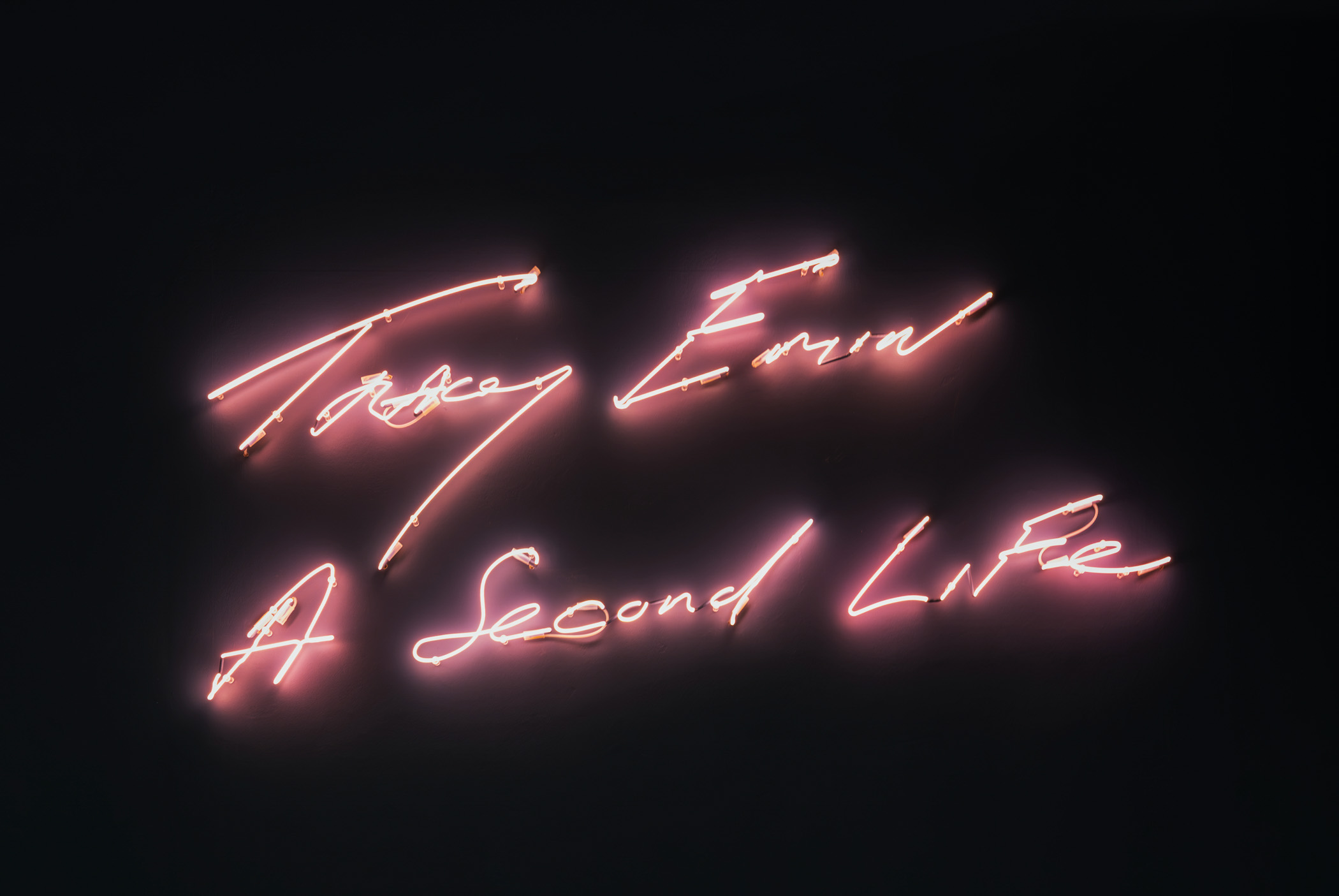
Tracy Emin:A Second Life
27 February 2026 – 31 August 2026
Tate Modern
One of Britain’s most influential contemporary artists, Tracey Emin presents a landmark retrospective at Tate Modern. A Second Life spans over four decades of artistic practice, bringing together some of her best-known works — including My Bed — alongside previously unseen film pieces. It is the most extensive presentation of her work to date.
Working across painting, video, textiles, neon works, writing, sculpture and installation, Emin continues to challenge the boundaries of artistic expression, deploying the female body as a primary expressive device through which to explore passion, pain and healing.
What makes A Second Life particularly compelling is not simply its retrospective scope, but the way Emin re-examines her body and her life in the wake of illness and ageing.
An icon of British culture and one of the country’s most recognisable artists, Emin has long operated between the deeply personal and the publicly visible. Here, however, she is encountered at her most unguarded. From emotionally charged patchworks inscribed with text to photographs reflecting her recent experience of serious illness, she lays bare her life, her emotions and her bodily trauma without reservation.
It is as though, after desire, suffering, ageing and renewal, the fragmented self is returned to the work — reassembled into a second life.
In this sense, the exhibition not only extends Emin’s artistic narrative, but also redefines the source of its force. Memory, here, no longer appears fragile or diminished, but emerges instead as a sustaining power.
作為英國最具影響力的當代藝術家之一,Tracey Emin(翠西·艾敏)於Tate Modern舉辦了其職業生涯中一場里程碑式的大型回顧展。《第二人生》橫跨近四十年的創作實踐,匯集了她最具代表性的作品——包括標誌性的《我的床》(My Bed),以及首次公開呈現的影像作品,是迄今為止規模最為完整的一次呈現。
展覽中,艾敏運用繪畫、影像、紡織、霓虹燈、文字、雕塑與裝置等多重媒介,不斷推動藝術邊界的延展。她以身體作為核心語言,將其轉化為一種直接而強烈的表達工具,在激情、痛苦與療癒之間反覆穿行。
《第二人生》的關鍵,並不僅在於對過往的回顧,而在於一種重新觀看的可能——在經歷疾病與衰老之後,艾敏如何再次面對自身的身體與生命經驗。
作為英國文化語境中的標誌性人物,她的創作始終帶有高度的自傳性與公共性之間的張力。然而,在本次展覽中,觀者所直面的,卻是她最私密且未經修飾的一面:從覆滿文字、承載情緒的拼布作品,到回應其近期重病經歷的影像,她將生活、情緒與肉身的創傷毫無保留地敞開於觀者面前。
這種近乎赤裸的呈現,使作品不再只是經驗的記錄,而更像是一種重構的過程——在慾望、病痛與衰老之後,那些破碎的片段被重新拼合,構成她所謂的「第二人生」。
在此意義上,這場展覽不僅拓展了艾敏既有的藝術敘事,也重新界定了其創作的力量來源。過往的記憶不再只是脆弱的殘影,而轉化為一種得以支撐個體繼續存在的內在強度。
Michaelina Wautier
27 March 2026 — 21 June 2026
Royal Academy of Arts
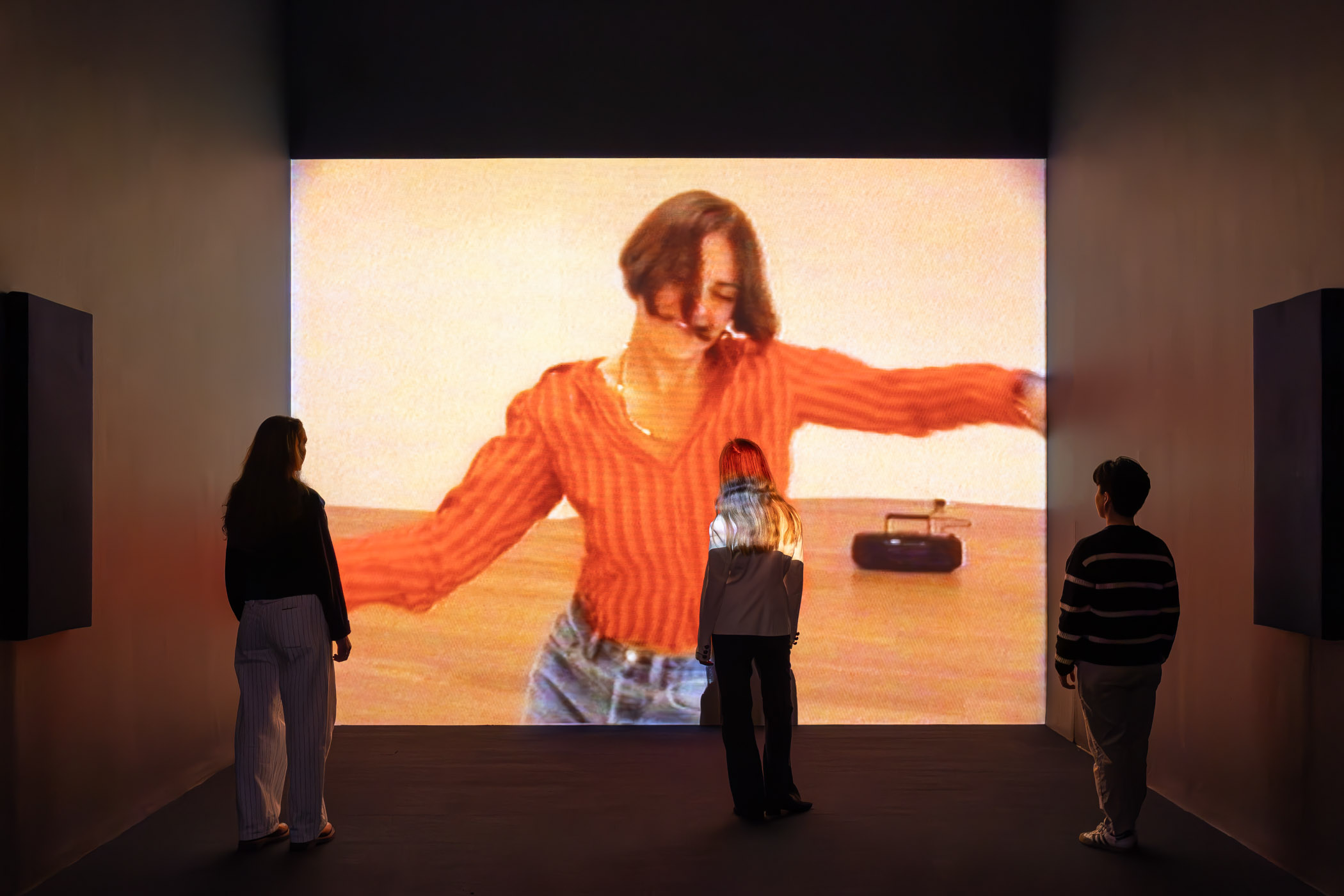
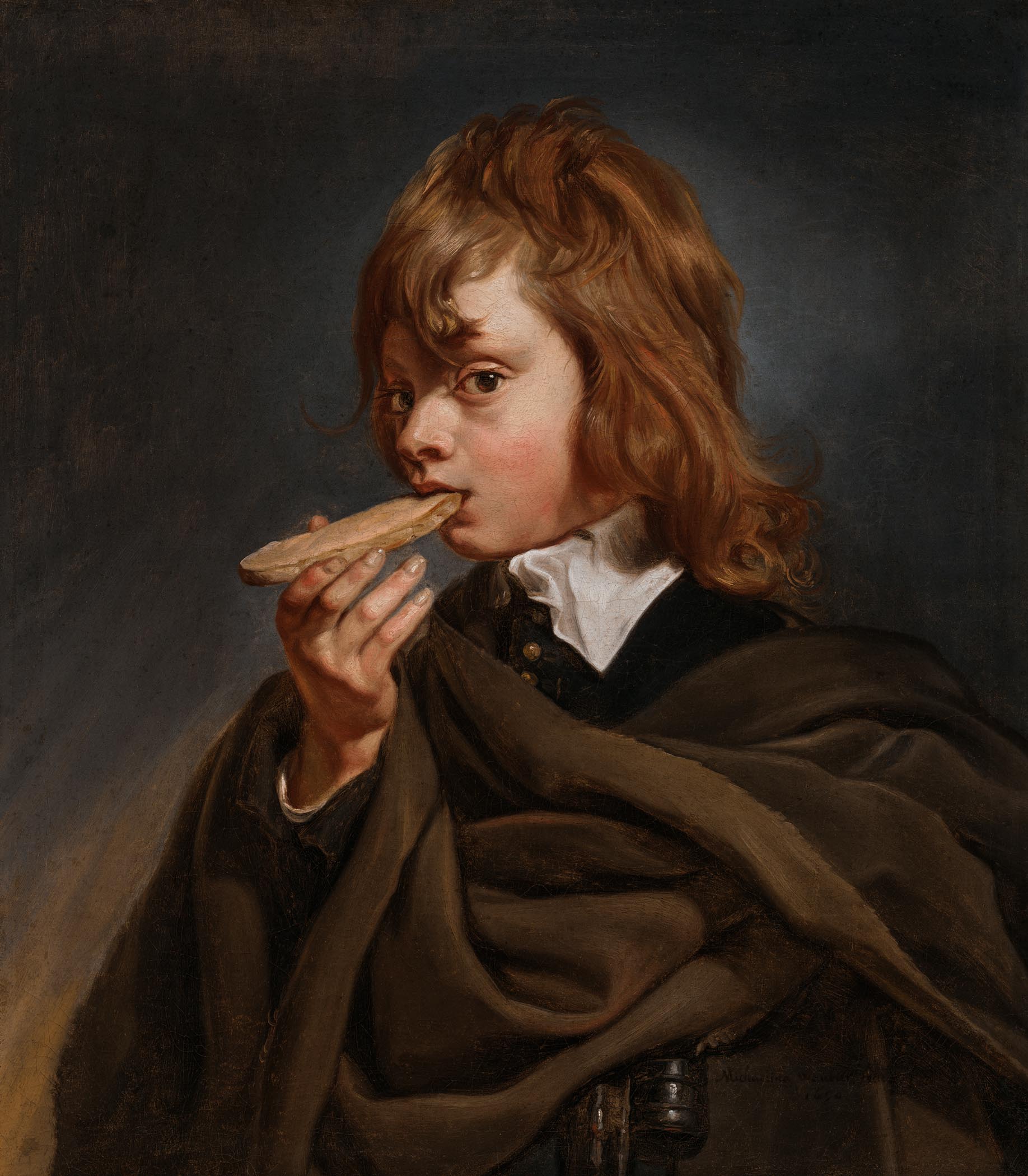
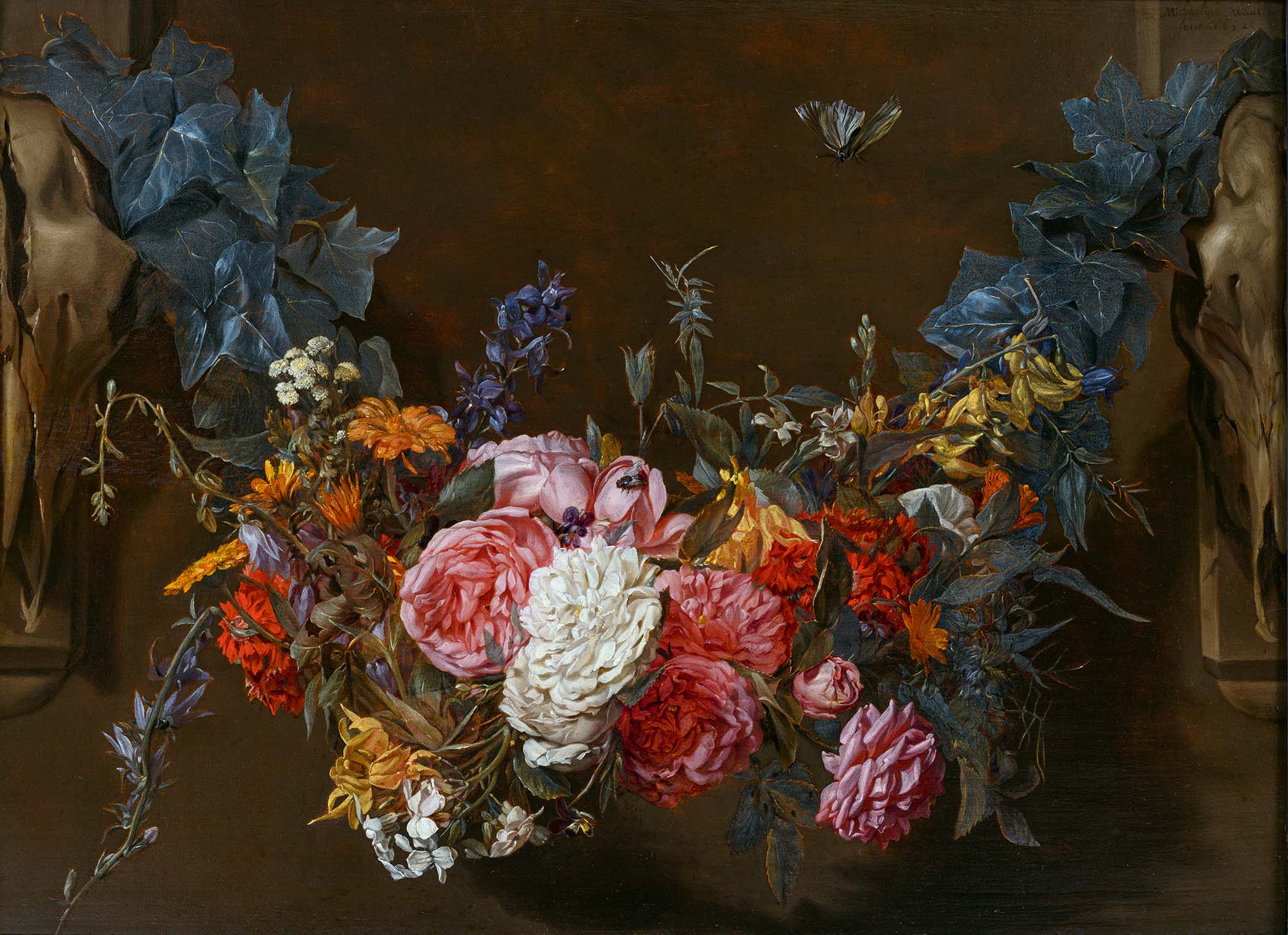
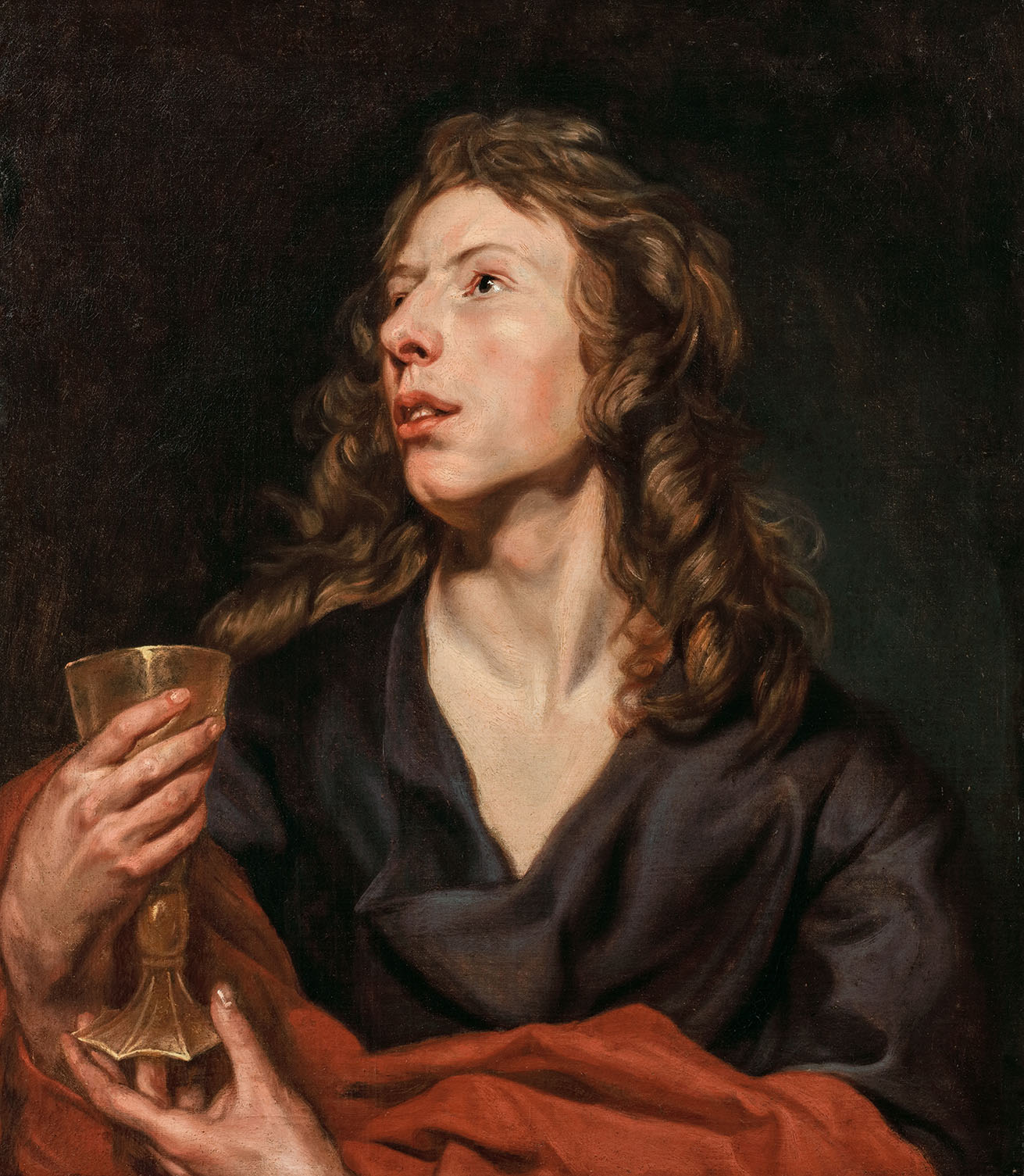
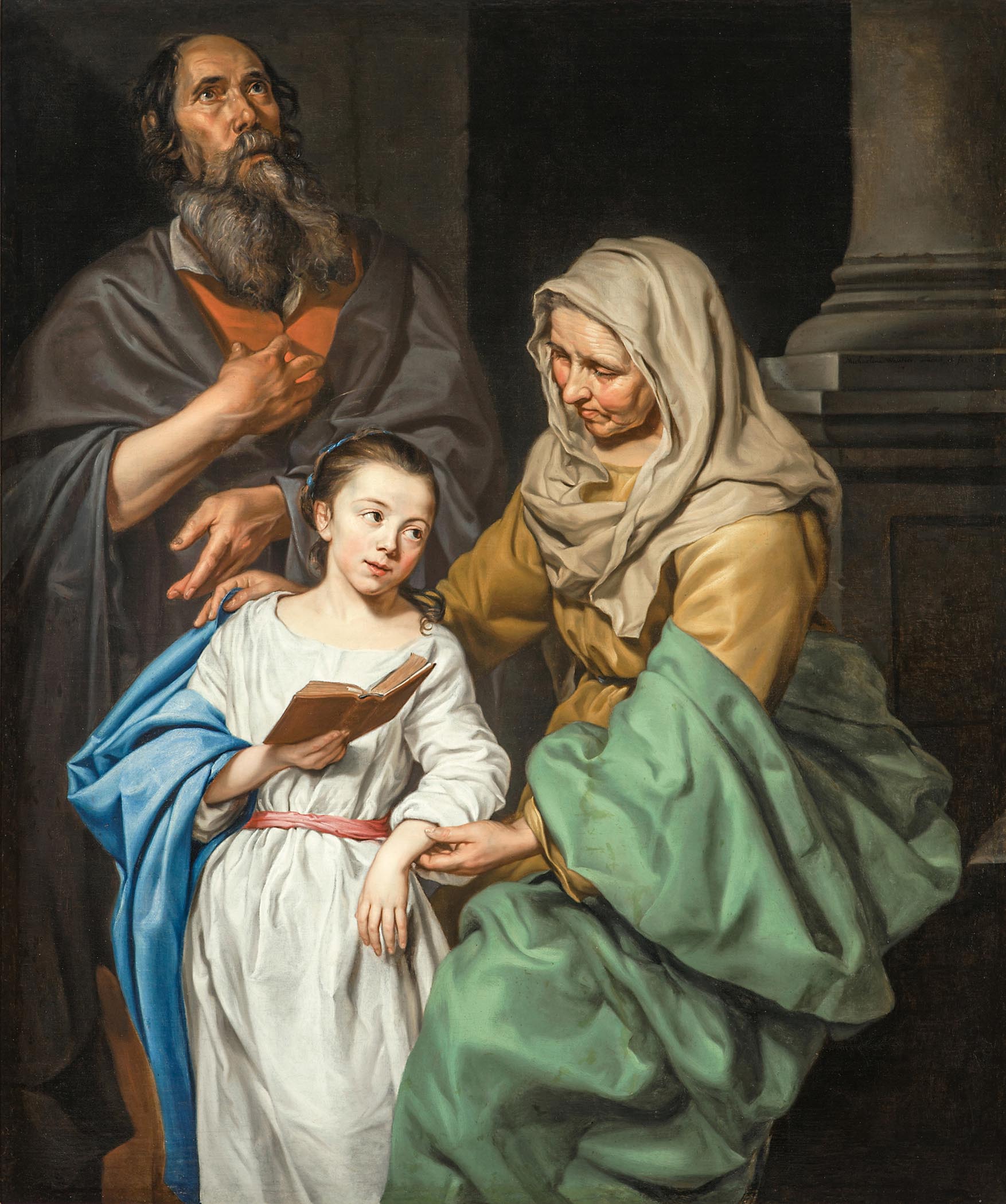
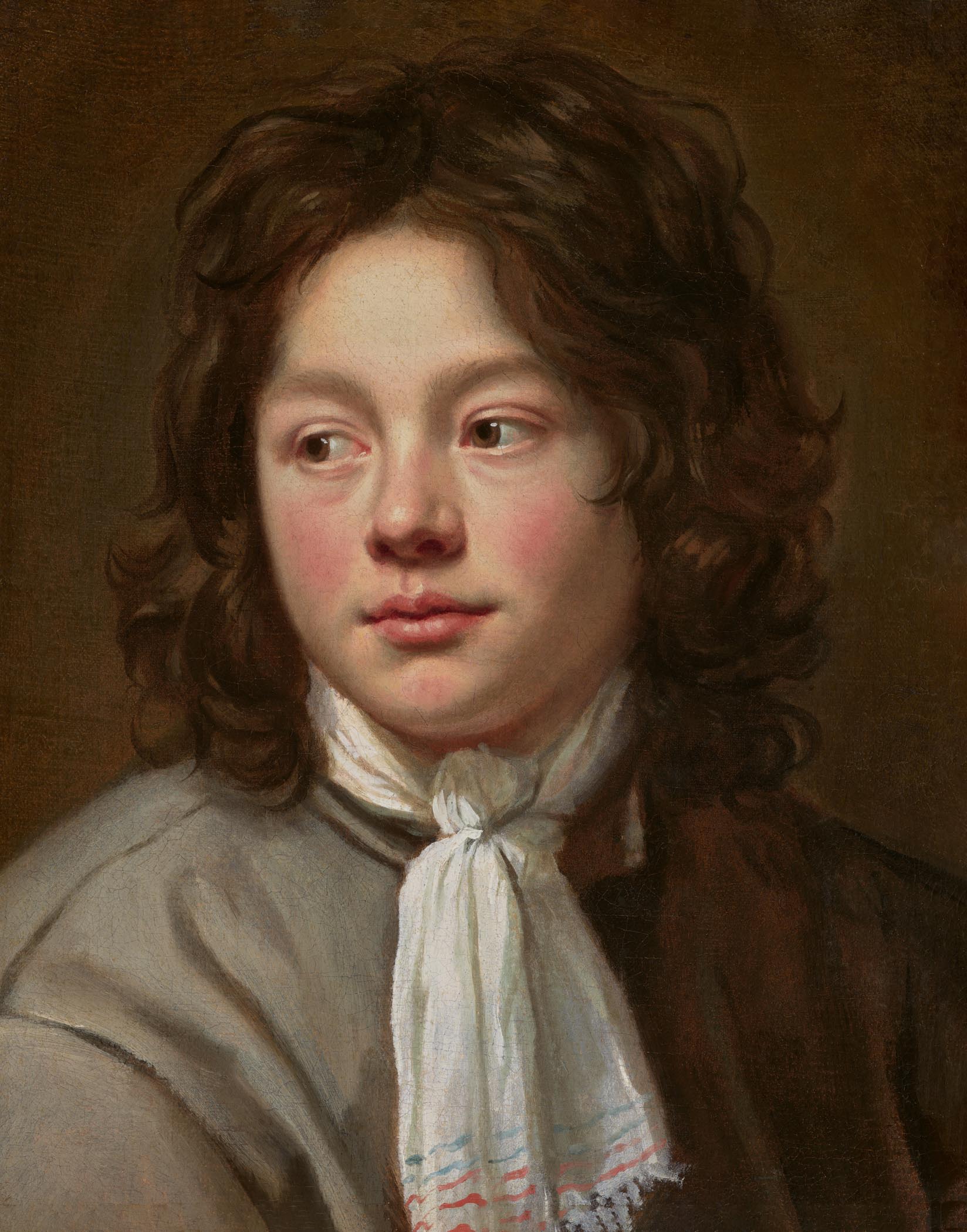
「She is an artist who was completely erased from the history books.」 Few descriptions could be more fitting for Michaelina Wautier. If the original purpose of an exhibition is to bring together an artist’s scattered works and reconnect them across time and place, allowing the full arc of a career to emerge, then Wautier is an artist who deserves, above all, to be seen again.
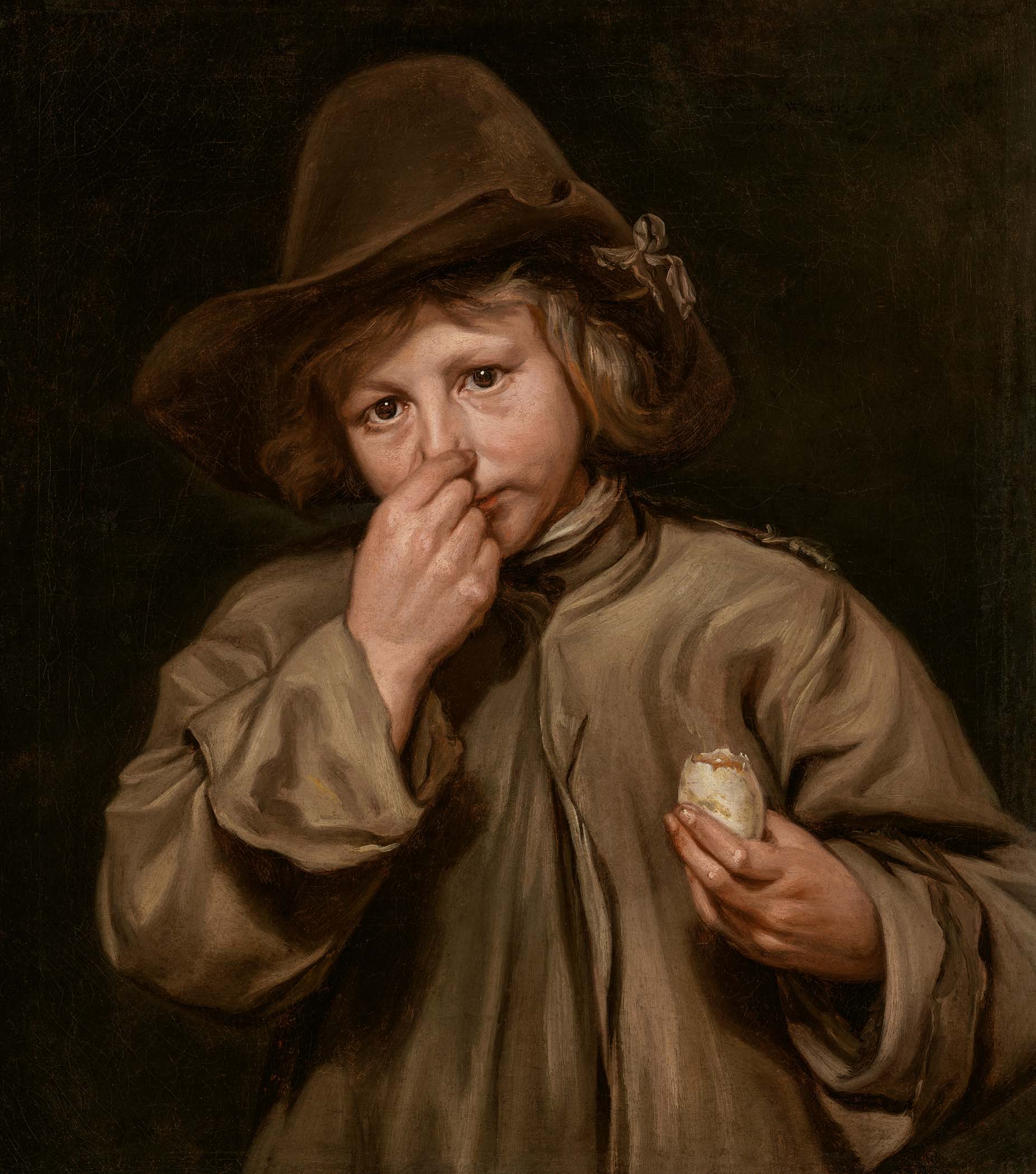
Working in Brussels in the mid-seventeenth century, Wautier lived through an era marked by political upheaval, religious conflict and war. Yet her work challenged almost every restriction placed upon women artists of her time. From flowers and portraits to everyday life scenes, and even to historical paintings, religious and mythological subjects that were almost entirely dominated by men at that time, her range of interests was extremely wide. Both the scale of her canvases and the ambition of her themes far exceeded what was expected of a woman artist.
Although Wautier was hugely successful in her time, her breathtaking paintings and her place in art history were almost lost in the 18th century. This exhibition brings together the majority of her surviving works, allowing us to reconsider her position within European art.
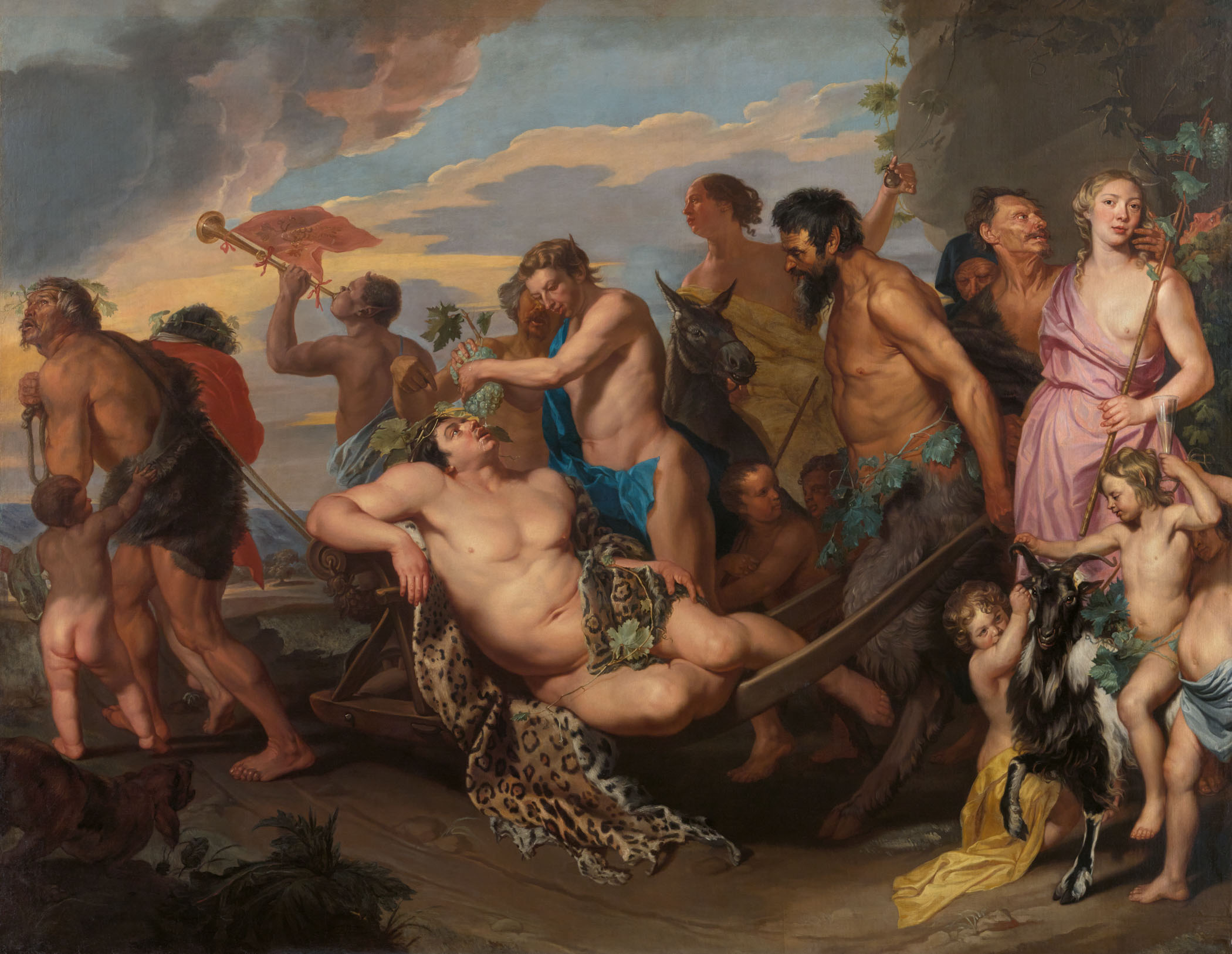
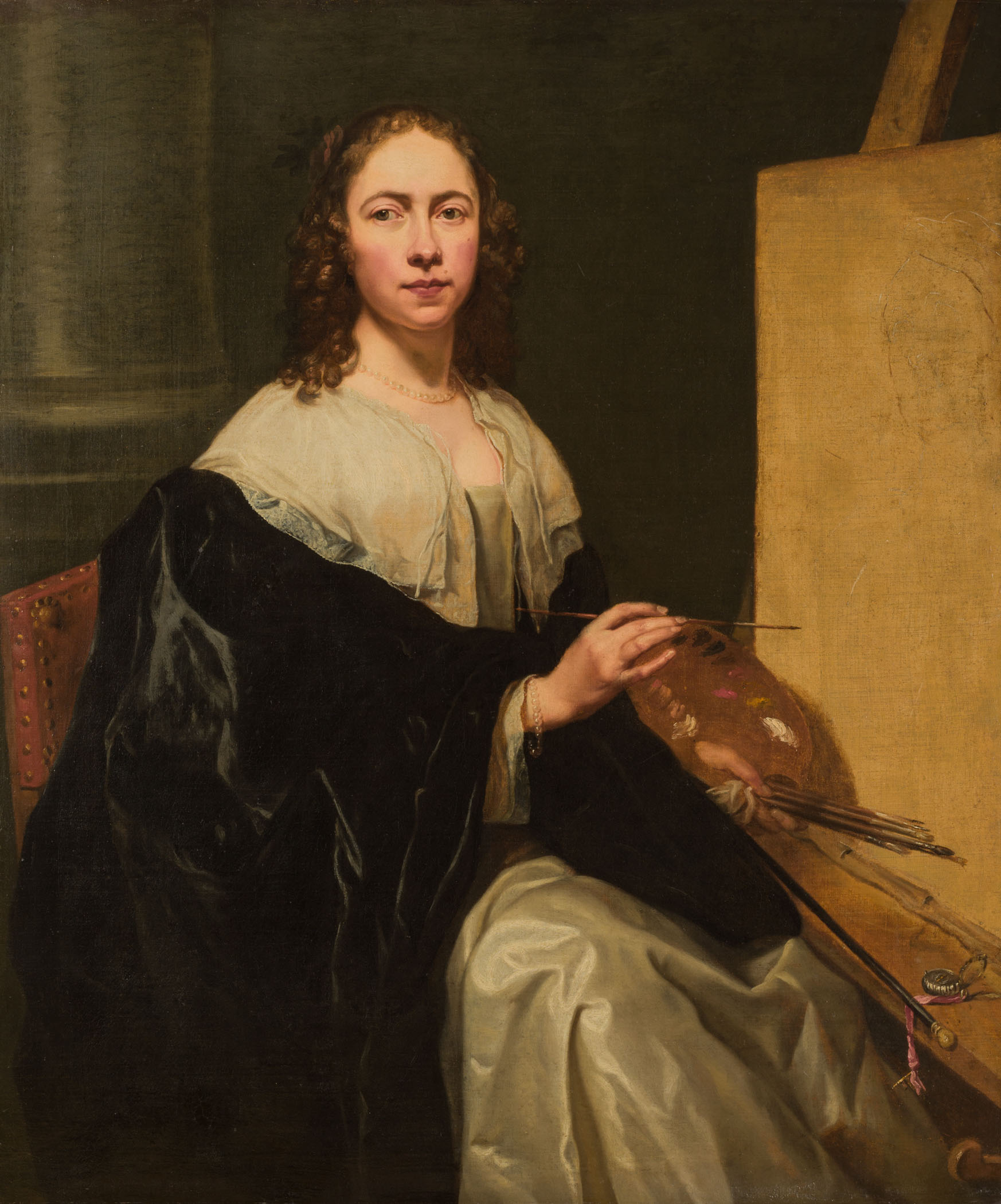
At the centre of the exhibition is The Triumph of Bacchus. She painted herself as a pagan bacchante in monumental scale, looking squarely at the viewer and confidently asserting her position as the maker. It was precisely this exhibition that brought Wautier back to her rightful place, making her one of the most important artists in Europe and also earning her the title of 「the greatest artistic rediscovery of the century」.
「她是一位被藝術史幾乎徹底抹去的藝術家。」這句話用在 Michaelina Wautier(米凱利娜·沃蒂埃)身上,並不誇張。若說展覽的基本意義,在於將一位藝術家的作品重新匯聚,使那些散落於不同時間與地點的創作得以彼此對話,從而勾勒出一條可被辨識的藝術軌跡,那麼,這場展覽正是一次對沃蒂埃的重新召回——也是一次遲來的觀看。
活躍於十七世紀中葉布魯塞爾的沃蒂埃,身處一個政治、宗教與戰爭交織的動盪時代。然而,她的創作卻持續突破當時加諸於女性藝術家的種種限制:從花卉與肖像,到日常生活場景,再到長期由男性壟斷的歷史畫、宗教與神話題材,她的實踐橫跨多個範疇。無論在畫布的尺度還是主題的野心上,都遠遠超出當時對女性藝術家的既定想像。
儘管沃蒂埃在其時代曾獲得相當程度的認可,她的名字與作品卻在十八世紀幾近從藝術史中消失。這場展覽將其大部分已知作品重新匯聚,不僅重建了一條斷裂的創作脈絡,也使她在歐洲藝術史中的位置得以被重新衡量。
展覽的核心之作《酒神巴克斯的凱旋》(The Triumph of Bacchus),進一步凸顯了她對自我與創作主體性的主張。她將自身置入畫面之中,以近乎挑釁的姿態直視觀者——既是形象的操控者,也是意義的建構者。在這一刻,「藝術家」不再只是被觀看的對象,而成為主導觀看的存在。
正是在這樣的語境之中,沃蒂埃被重新帶回藝術史的視野。這不僅是一次個體的復歸,更是一場關於觀看、權力與歷史書寫方式的修正——也難怪她被稱為「本世紀最重要的藝術發現之一」。
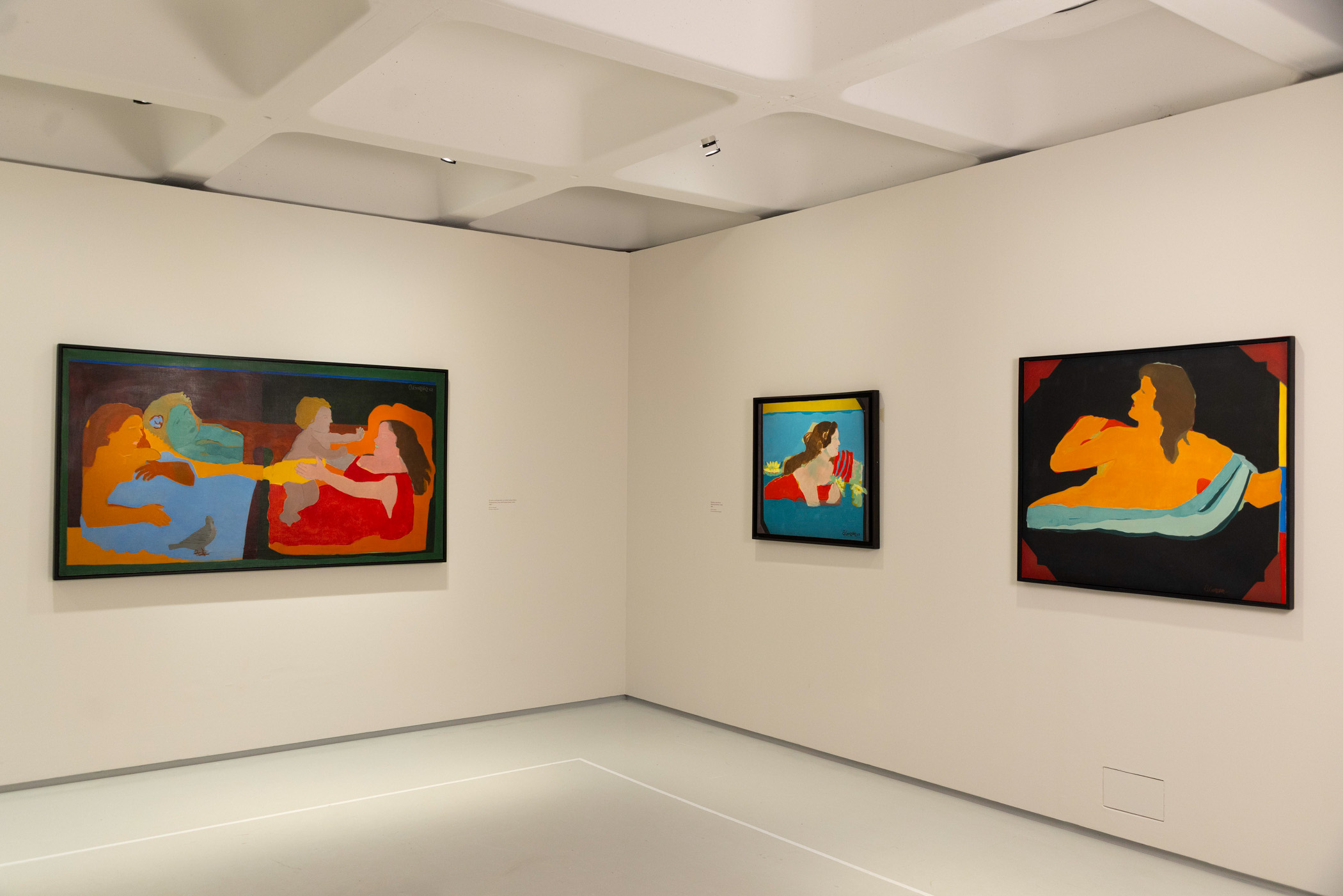
Beatriz González
25 February 2026 — 10 May 2026
Barbican Arts Centre
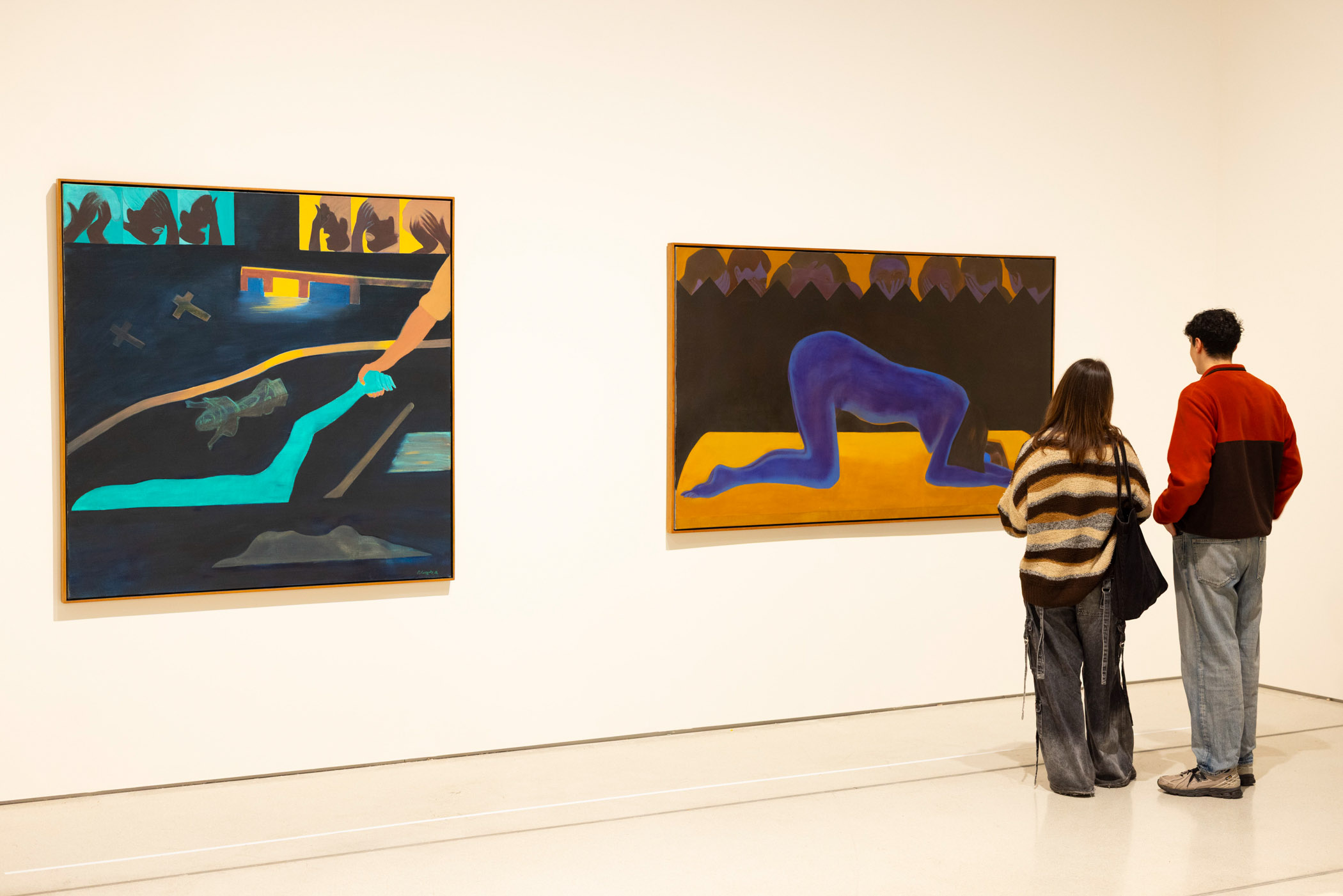
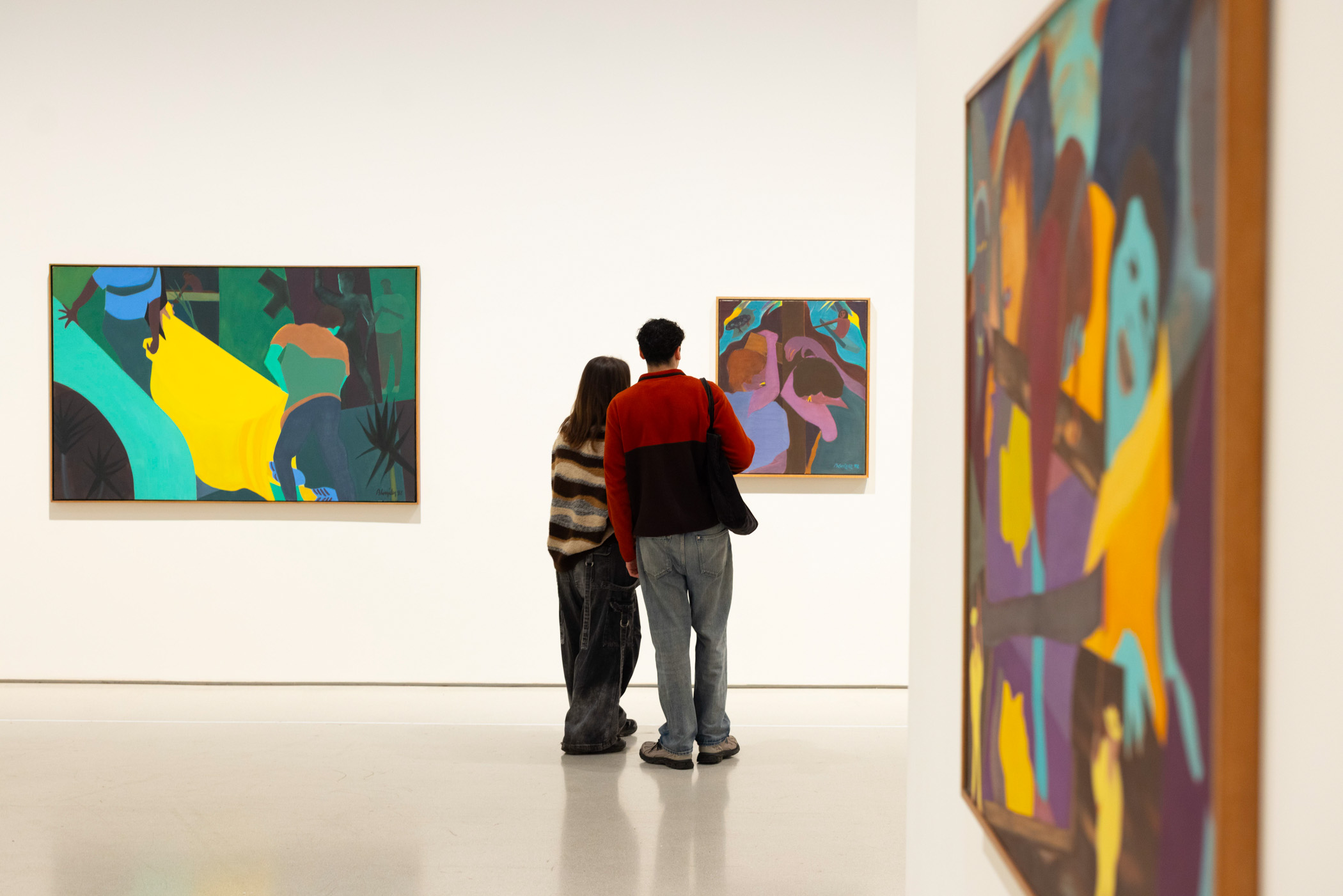
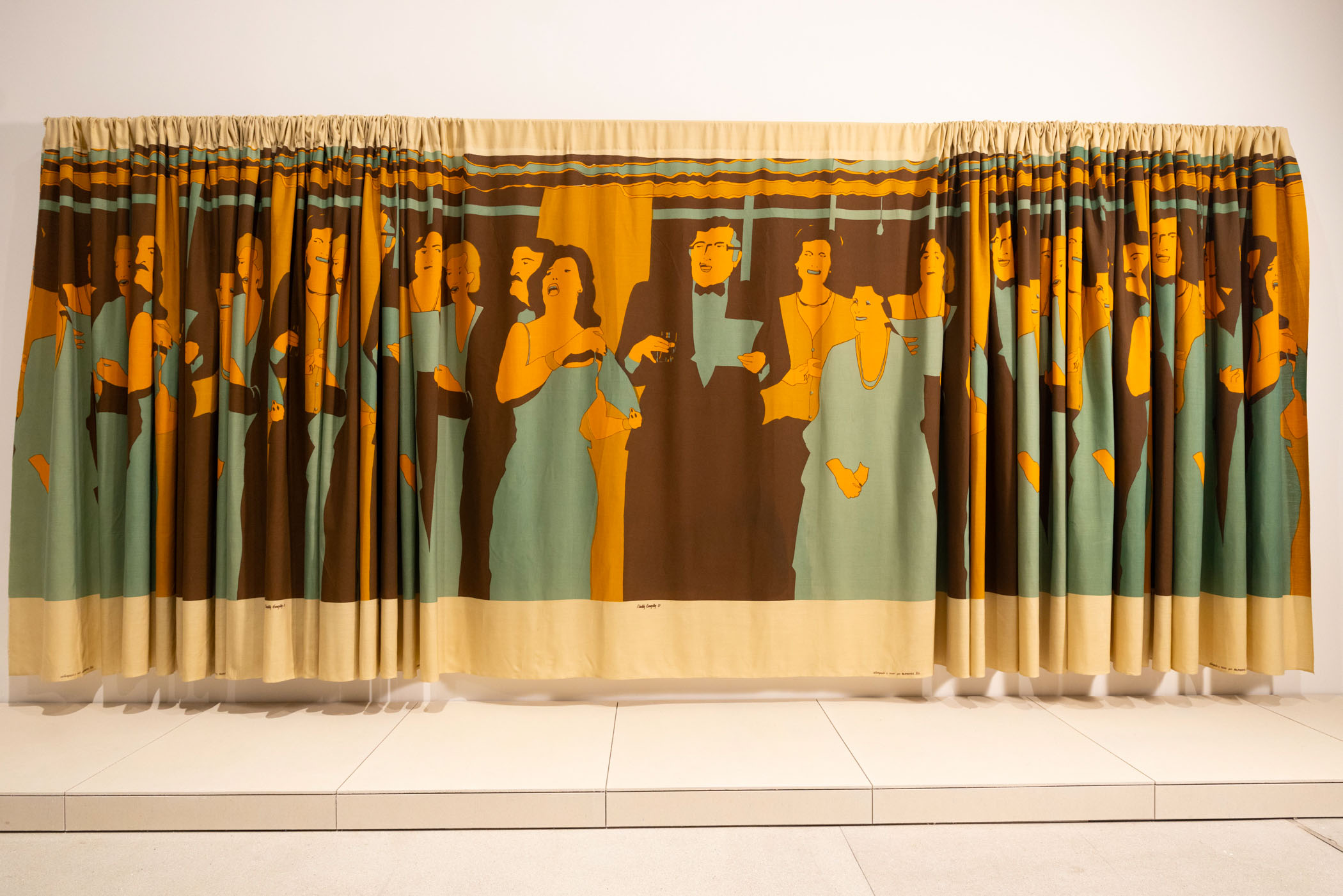
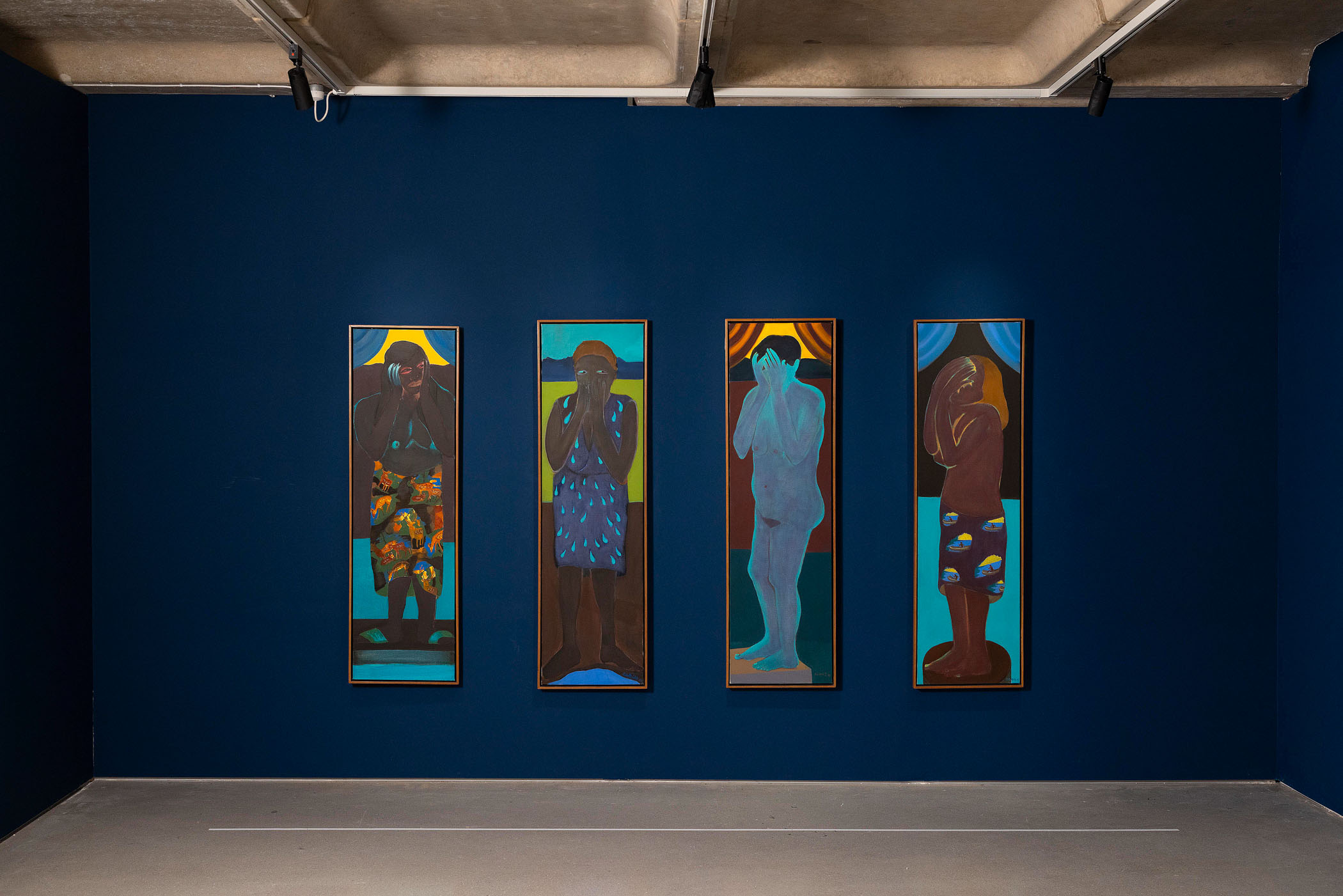
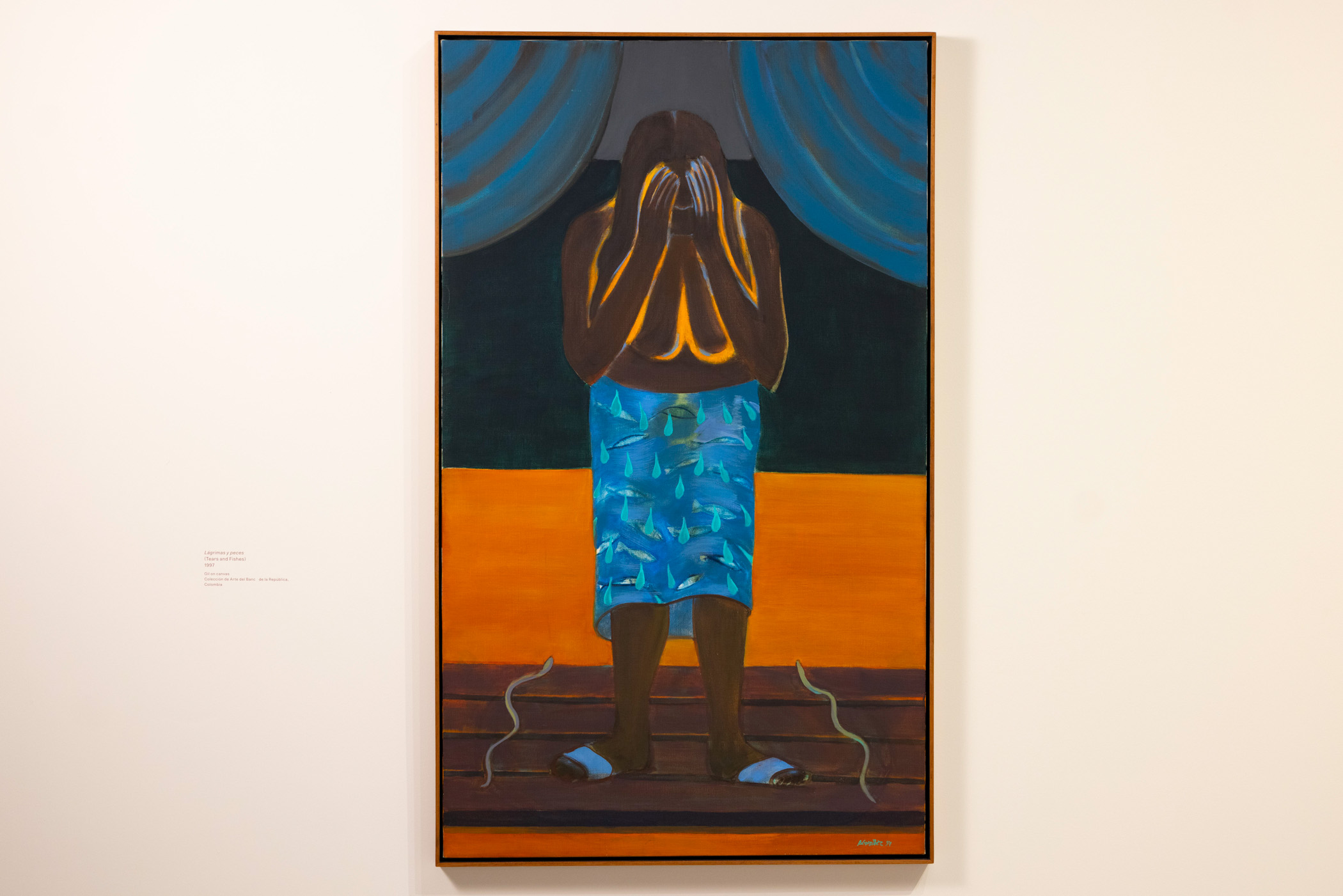
At the Barbican Centre, a major retrospective is devoted to Beatriz González, one of Colombia’s most influential and pioneering artists. González, who died in Bogotá in January this year at the age of ninety-three, is here the subject of a landmark exhibition. Bringing together more than 150 works, it marks her first solo presentation in the UK, as well as the most extensive survey of her work ever held in Europe.
González grew up in Colombia in the 1940s and 1950s, during the period of political violence known as La Violencia — an experience that would profoundly shape her practice. Known in Colombia as la maestra, her distinctive visual language has had a lasting impact on generations of artists and thinkers.
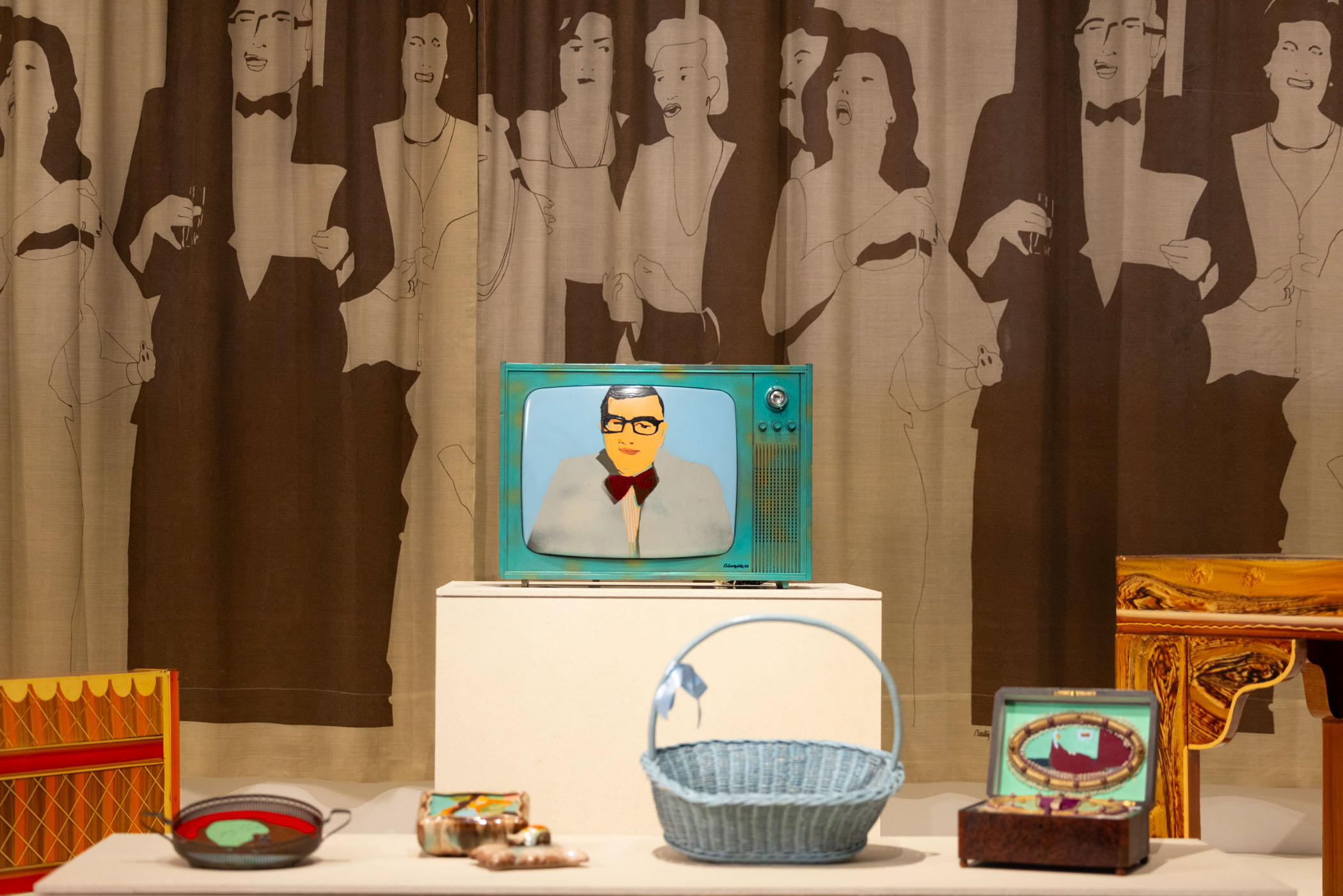
The exhibition traces her practice from the 1960s to the present, encompassing monumental paintings alongside reworked furniture, wallpaper and installation. Many of these works are shown in Britain for the first time. Drawing on vernacular and mass-media imagery, González appropriates and reconfigures visual culture through a vivid palette and highly recognisable graphic style.
In doing so, she playfully destabilises conventional notions of taste while sustaining a sharp critique of power structures. At the same time, her work bears witness to histories of violence, articulating a sustained reflection on grief, displacement and collective memory.
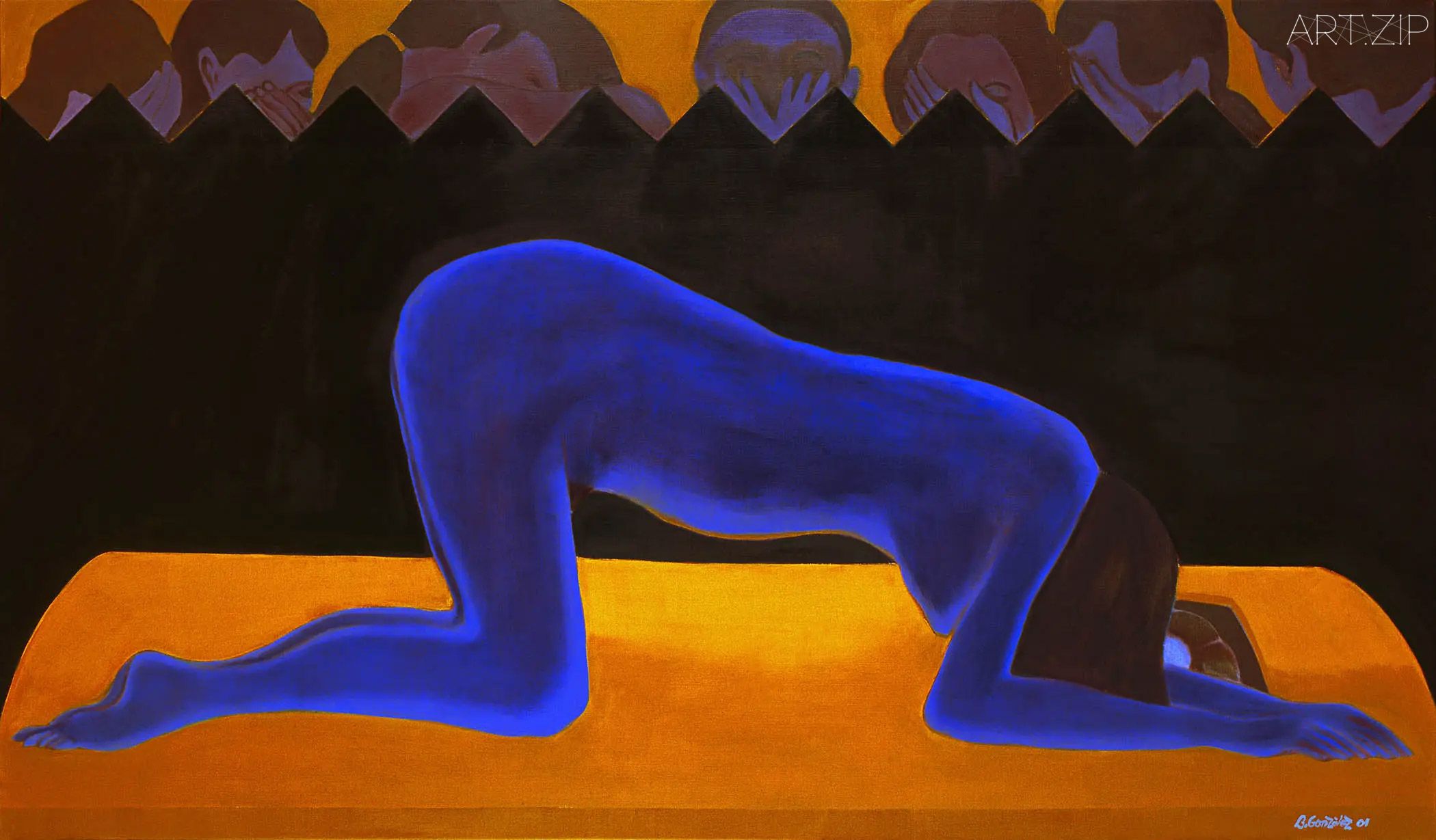
Beatriz González. Empalizada (Palisade), 2001. Collection of Andrés Matute, Ignacio Goñi, Fernando Goñi. © Beatriz González. Courtesy the artist. Photo: Juan Camilo Segura.
在Barbican Centre,Beatriz González(貝婭特麗絲·岡薩雷斯)的大型回顧展正在展出。作為哥倫比亞最具開創性的藝術家之一,她於今年一月在波哥大辭世,享年九十三歲。這場匯集逾一百五十件作品的展覽,不僅構成她在英國的首次個展,也成為其在歐洲迄今規模最大的一次呈現。
岡薩雷斯成長於20世紀40至50年代的哥倫比亞,彼時正值被稱為「La Violencia」(暴力時期)的政治動盪年代。這段歷史經驗不僅塑造了她的世界觀,也深刻滲透進其後續的藝術實踐。在哥倫比亞,她被尊稱為「大師」,其獨特的觀看方式與圖像策略,影響了一代又一代藝術家與思想者。
展覽呈現了她跨越數十年的創作脈絡:從氣勢宏大的繪畫,到經由地域文化語境轉化的傢具、壁紙與裝置作品,其中多件為首次在英國公開展出。自1960年代以來,岡薩雷斯持續以高度辨識性的色彩與繪畫語言,對既有圖像進行轉譯與重構,在幽默與荒誕之間,展開對權力結構的批判,同時見證並回應暴力的現實。
在她的作品中,悲傷、流離失所與集體記憶並未被簡化為單一敘事,而是在反覆的圖像轉換中被不斷召回與再觀看。正是在這種張力之中,岡薩雷斯的創作不僅指向歷史的創傷,也構成了一種對社群與記憶持續發問的方式。
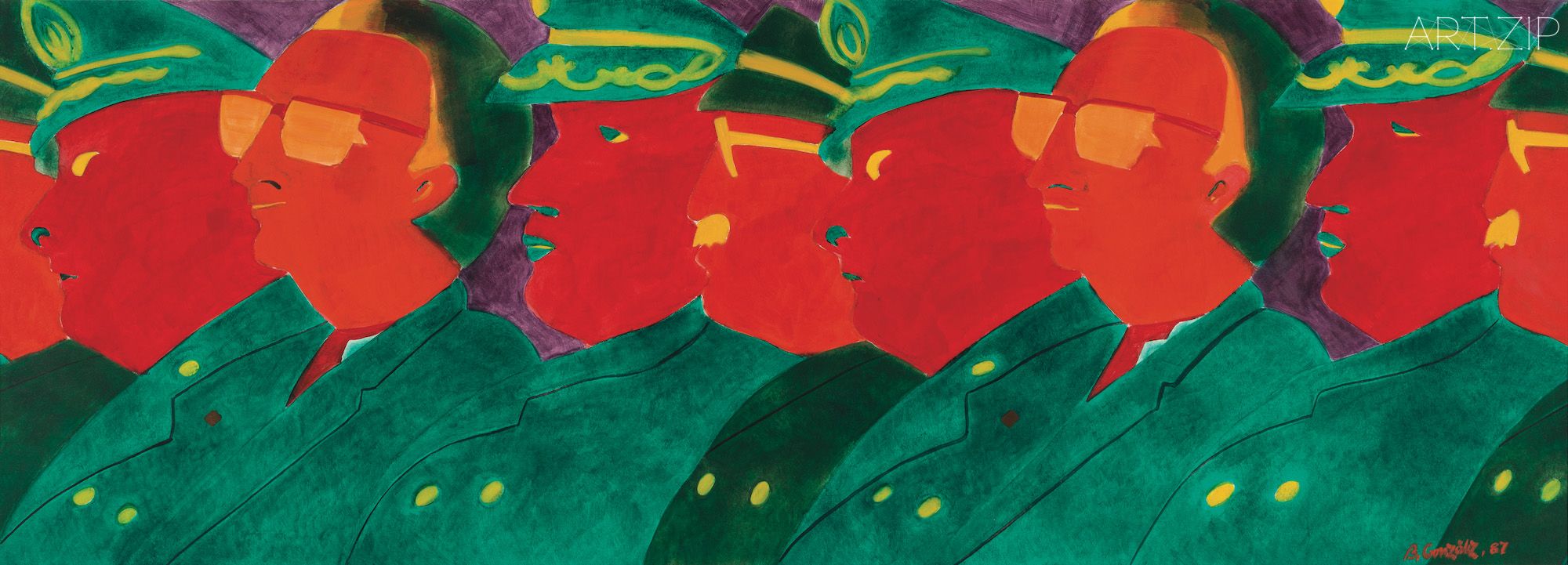
Beatriz González Los papagayos (The Parrots), 1987. Collection Pérez Art Museum Miami, gift of Jorge M. Pérez © Beatriz González. Courtesy Pérez Art Museum Miami. Photo: Oriol Tarridas
Catherine Opie:To Be Seen
5 March 2026 — 31 May 2026
National Portrait Gallery
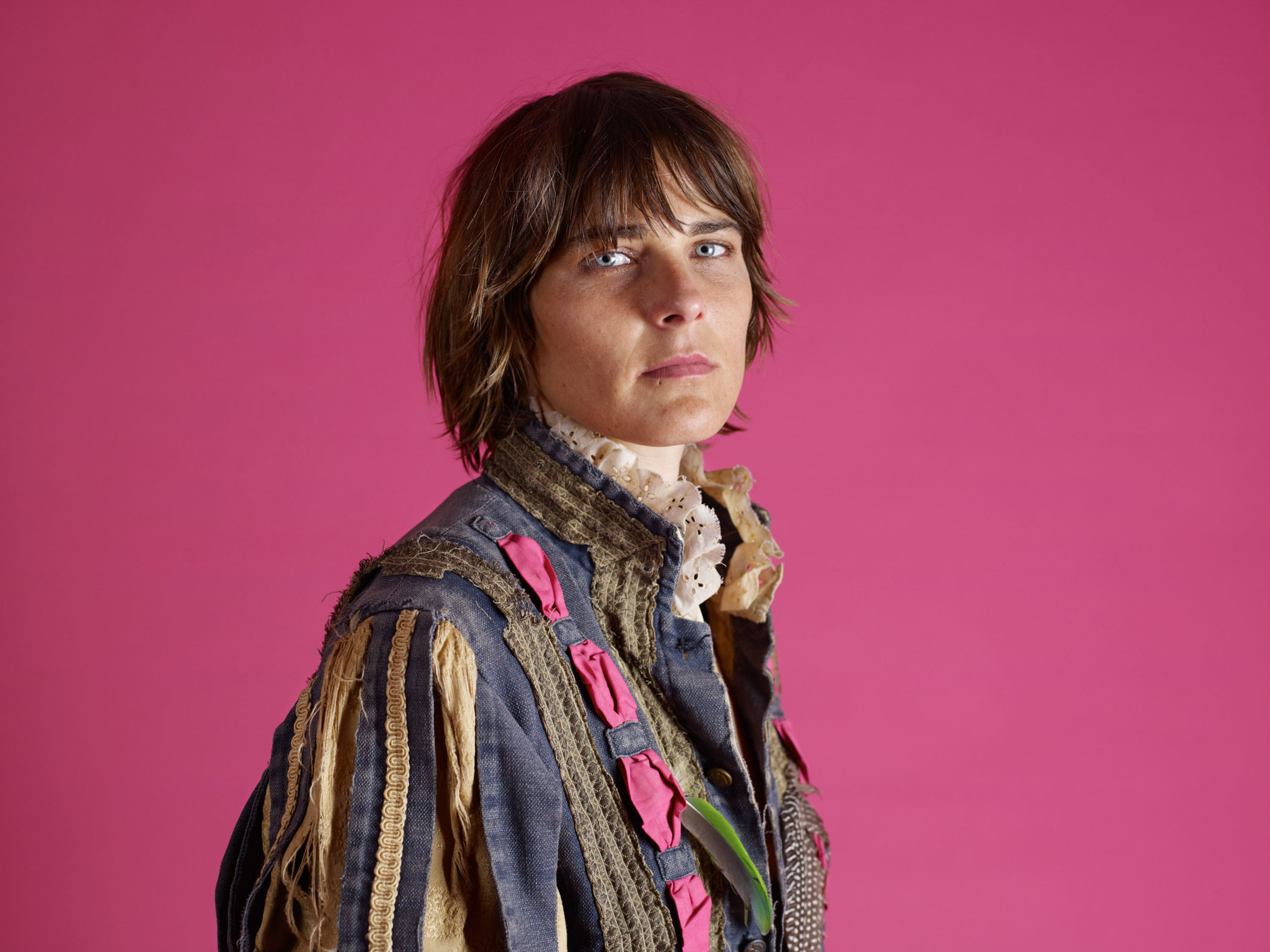
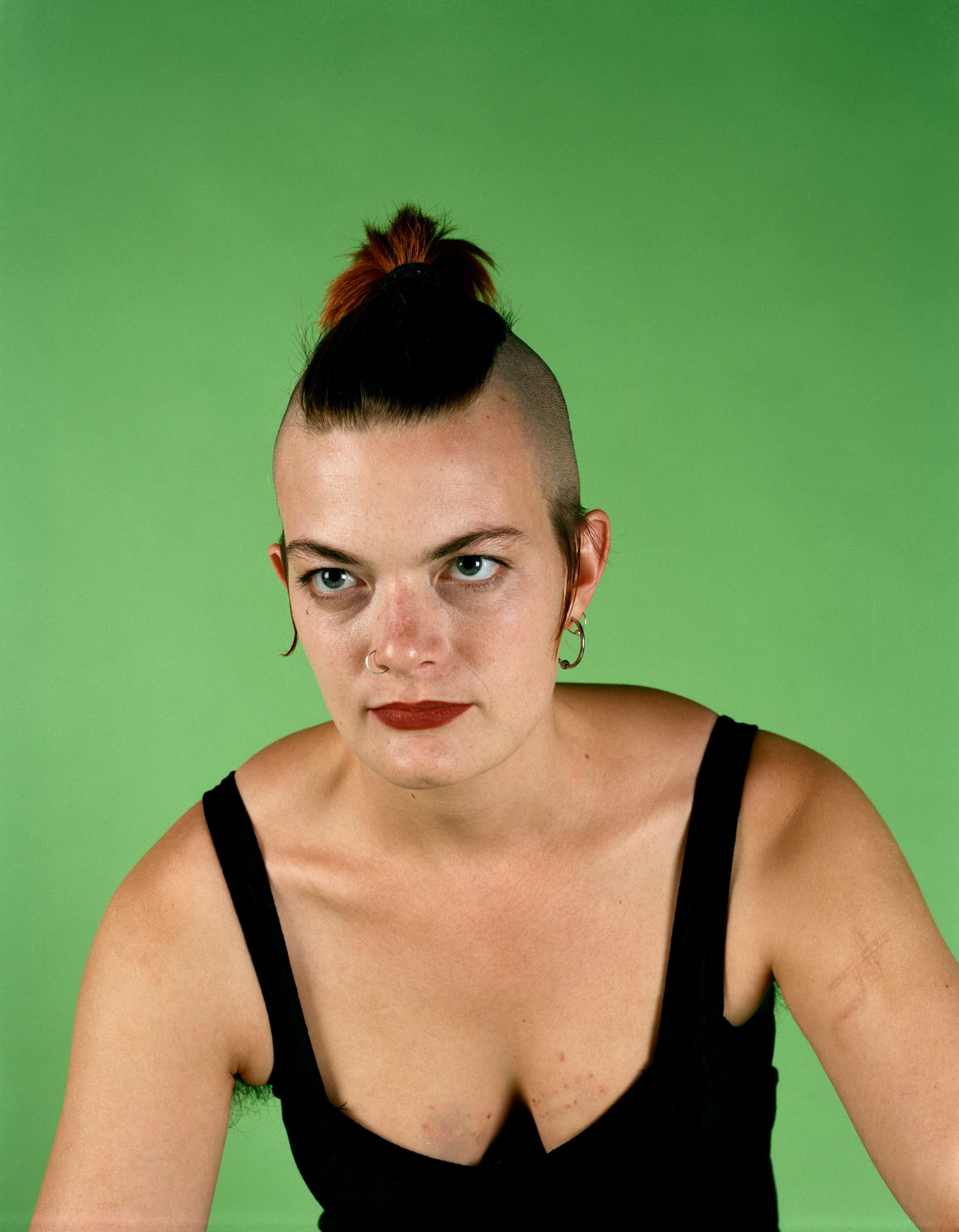
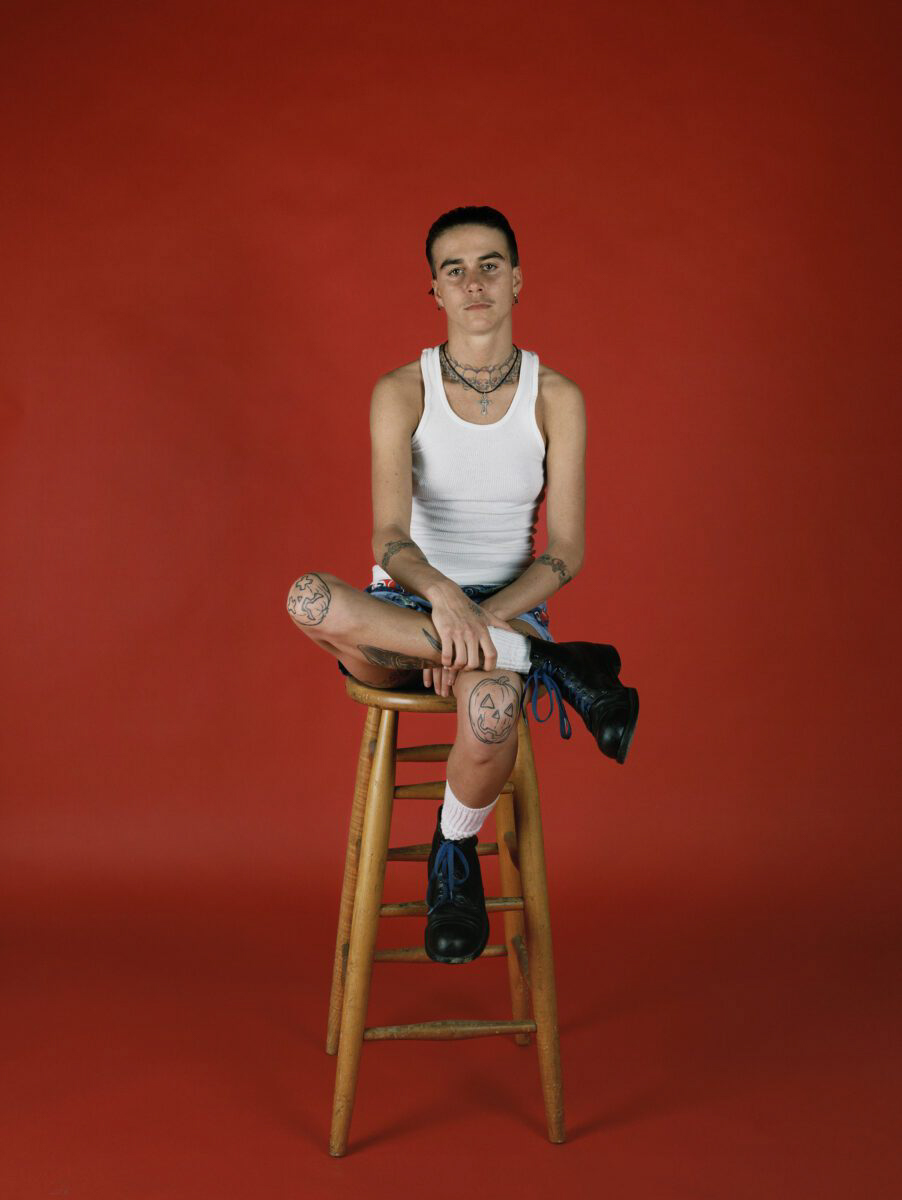
Also on view this spring is the first major UK exhibition of American artist Catherine Opie. Catherine Opie: To Be Seen, at the National Portrait Gallery, is co-curated with the artist and constitutes her first major museum exhibition in Britain.
Featuring more than eighty works, the exhibition brings together her breakthrough series Being and Having, her Baroque-inflected portraits of artists, and a series of portraits of LGBTQ+ sitters drawing on the visual language of Hans Holbein the Younger. Over the past three decades, Opie has consistently returned to portraiture, reworking it across shifting visual languages and social contexts.
Her photographs are both conceptually rigorous and formally precise. The figures who appear before her camera are remarkably varied: mentors and collaborators, members of queer communities, children, surfers, high school football players, participants in political demonstrations, and, at times, Opie herself.
Yet across these seemingly disparate subjects, Opie returns to a persistent question: who gets to be seen? Her work challenges established notions of home, intimacy and family, while interrogating broader structures of identity, power and representation. In doing so, she seeks to reclaim visibility for those long positioned at the margins.
To Be Seen is therefore not simply an exhibition about portraiture, but a reconsideration of what it means to be visible in the first place.
同樣在英國迎來首次大型呈現的,還有美國藝術家 Catherine Opie。於National Portrait Gallery舉辦的攝影展《凱瑟琳·奧皮:被看見》(Catherine Opie: To Be Seen)由藝術家本人參與策劃,構成其在英國的首個大型博物館級個展。
本次展覽匯集逾八十件作品,橫跨其三十餘年的創作實踐:從早期重要系列《存在與擁有》(Being and Having),到帶有巴洛克氣質的藝術家肖像,再到受Hans Holbein the Younger啟發而延展出的LGBTQ+社群肖像。長期以來,奧皮持續在不同的視覺語境與形式之中,反覆推進「肖像」這一命題,使其不再只是再現個體的工具,而成為一種關於身份與關係的建構方式。
她的影像以嚴謹的概念與精確的形式見長,而鏡頭前的人物則跨越多重身份:既包括她的導師與合作夥伴,也涵蓋酷兒社群成員,乃至兒童、衝浪者、高中橄欖球運動員、政治行動中的人群,甚至她自身。這些看似分散的個體,在她的鏡頭之中被置於同一視覺框架之內,形成一種關於社群與差異的並置關係。
然而,正是在這些差異之間,奧皮持續追問同一個核心問題:誰得以被看見。她的作品反覆鬆動關於「家」、親密關係與家庭、政治身份與權力結構的既有敘述,並試圖為那些長期處於邊緣的位置,重新開啟可見性的空間。
因此,《被看見》不僅是一場關於肖像的展覽,更是一種對「可見性」本身的再思考。
David Hockney:A Year in Normandie and Some Other Thoughts about Painting
12 March 2026 — 23 August 2026
Serpentine North Gallery
David Hockney has long been synonymous with British contemporary art. At the age of eighty-eight, he continues to extend his practice with remarkable energy, presenting A Year in Normandie and Some Other Thoughts about Painting at the Serpentine North Gallery.
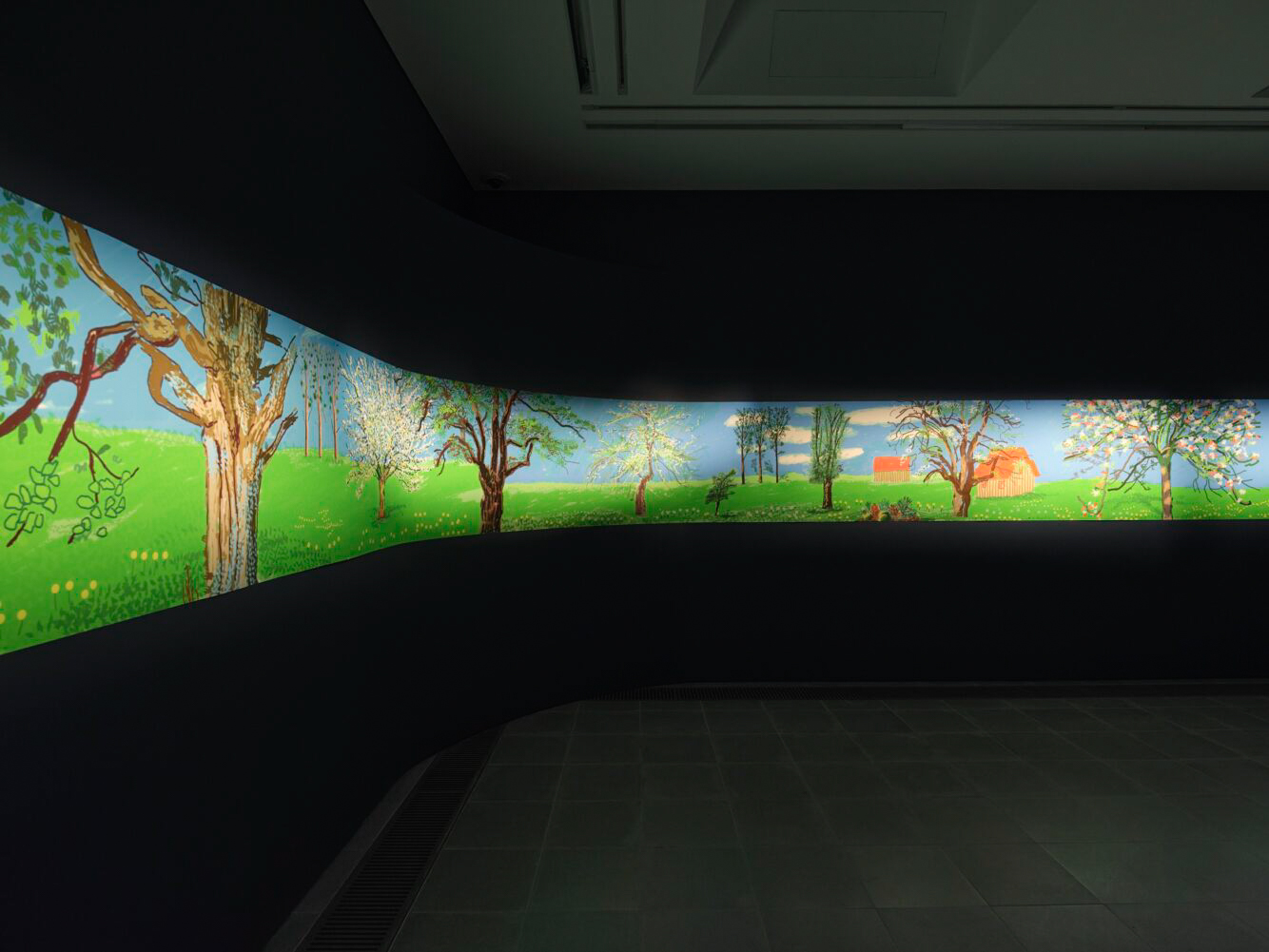
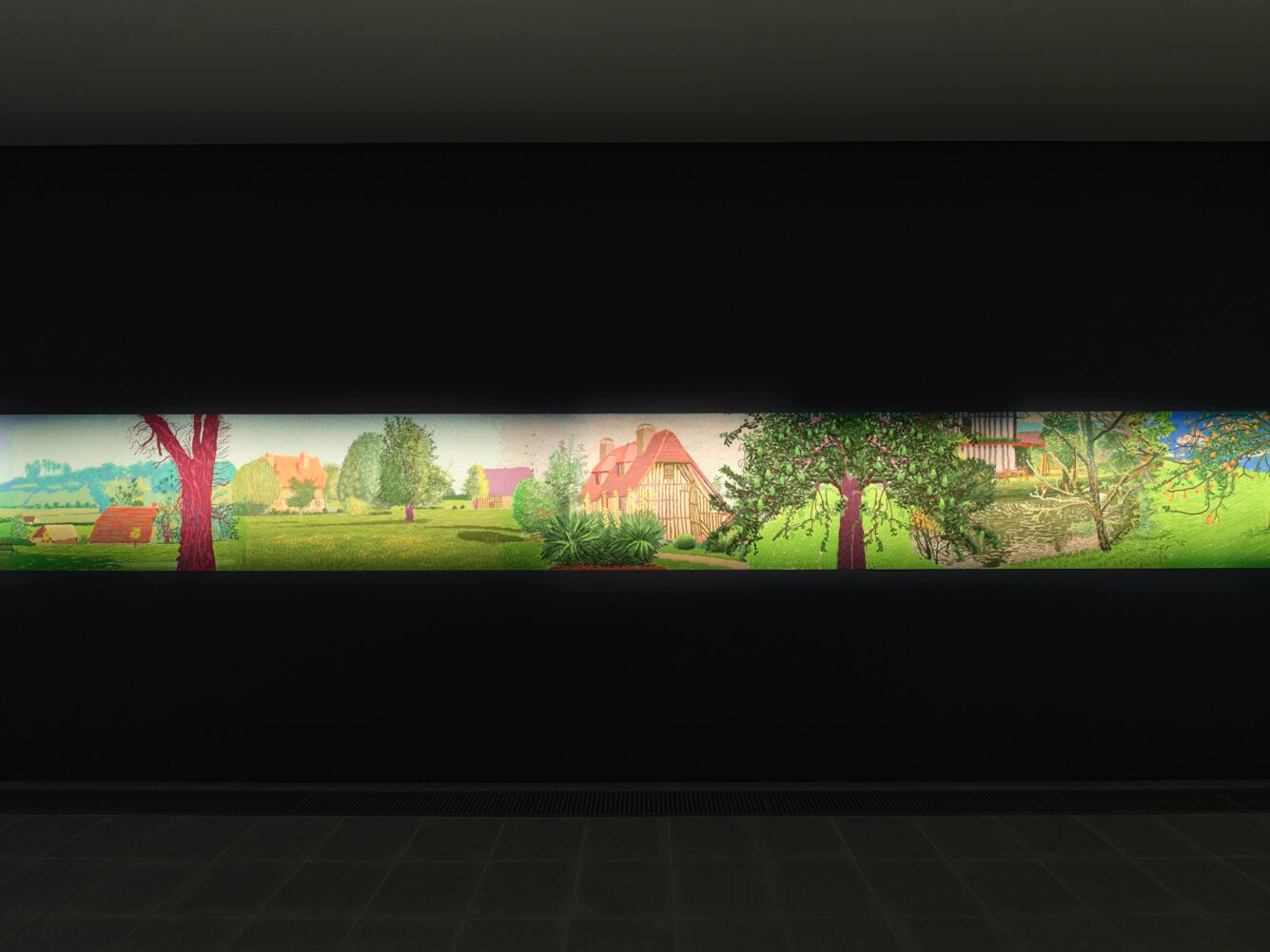
This marks Hockney’s first exhibition at the Serpentine. Alongside a new group of still lifes and portraits, the exhibition brings his landmark work A Year in Normandie to London for the first time. Measuring ninety metres in length, the work is composed of more than one hundred iPad drawings, forming a panoramic view of the garden at his home in Normandy. Here, the changing seasons unfold gradually across the surface, as spring gives way to summer, before passing into autumn and winter.
As Hans Ulrich Obrist notes, this sense of seasonal transition extends beyond the work itself to structure the exhibition as a whole. A newly installed mural in the Serpentine North garden further projects this movement from spring into summer into the surrounding landscape, creating a continuity between image and environment.
During the lockdowns of 2020, when much of the world seemed to come to a standstill, Hockney continued to observe his immediate surroundings on a daily basis, recording subtle shifts in light and atmosphere on his iPad. In a manner reminiscent of the Impressionists, he follows the changing conditions of the natural world; yet the work also draws on the temporal structure of Chinese handscroll painting and the narrative form of the Bayeux Tapestry.
“Art should be a deep pleasure,” Hockney has said. In an age marked by anxiety and uncertainty, his work resists the weight of contemporary experience by insisting on sustained attention and renewed perception. “A new way of seeing means a new way of feeling… I do believe that painting can change the world.”
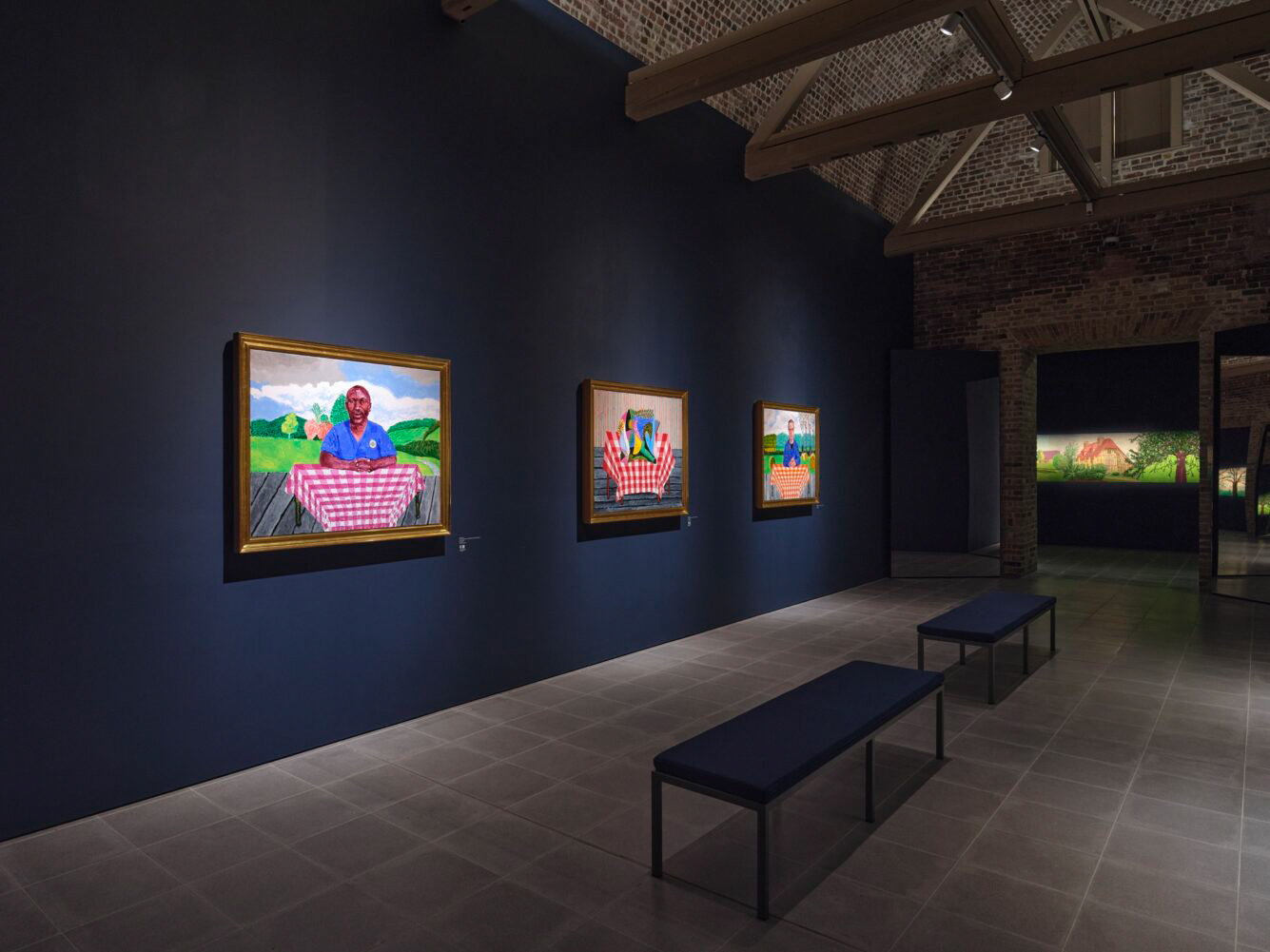
The exhibition also includes five still lifes and five portraits depicting those close to him, including family members and caregivers. Painted frontally and marked by the recurring motif of a checked tablecloth, these works establish an intimate, everyday register. Through them, Hockney encourages viewers to slow down and attend to the quiet rhythms of daily life.
As branches continue to grow beneath London’s spring sky, his paintings offer a simple but persistent proposition: that to look more slowly is also to feel more deeply.
David Hockney的名字,幾乎已成為英國當代藝術的代名詞。年屆八十八歲的他,依然以持續不斷的創造力推進其藝術實踐,並於Serpentine North Gallery呈現展覽《諾曼底的一年,以及關於繪畫的其他思考》(A Year in Normandie and Some Other Thoughts about Painting)。
這是霍克尼首次在蛇形畫廊舉辦展覽。展覽一方面呈現了他近期創作的一組靜物與肖像,另一方面,亦首次將其長達九十米的巨幅作品《諾曼底的一年》(A Year in Normandie)帶到倫敦。這件由一百餘幅iPad繪畫拼接而成的作品,以近乎壁畫般的尺度展開,描繪了他位於法國諾曼底舊居花園中一年四季的流轉:從春日的萌動,到夏日的繁盛,再進入秋冬的沉靜,時間在畫面之中被緩慢地鋪展開來。
在Hans Ulrich Obrist看來,四季的變化不僅貫穿於展廳之內,也延伸至蛇形畫廊北館的花園之中。戶外新設的壁畫,使畫面中春向夏過渡的瞬間,與現實景觀中的生長節律相互呼應,形成一種介於圖像與環境之間的連續經驗。
2020年疫情封鎖期間,當外部世界近乎停滯,霍克尼則持續觀察身邊景色的細微變化,並以iPad逐日記錄。他如同印象派畫家般,在日常之中追逐光線與天氣的流動;而在形式上,作品亦回應了中國手卷與Bayeux Tapestry所提供的時間敘事結構。
霍克尼曾言:「藝術應該是一種深刻的愉悅。」在一個充滿不確定與焦慮的時代,他的創作始終試圖抵抗現實所帶來的壓迫,並重新召回觀看的敏感性。「新的觀看方式意味著新的感受方式……我始終相信,繪畫能夠改變世界。」
除這件核心作品外,展覽亦包括多幅靜物與肖像新作,描繪其親友與日常陪伴者。這些作品多採取正面構圖,並反覆出現格子桌布的視覺元素,在穩定的結構之中建立一種親密而日常的觀看關係。透過這些看似簡單的圖像,霍克尼試圖引導觀者放慢節奏,重新留意生活中那些微小而持續的感知。
當倫敦春日的枝葉在空氣中悄然生長,霍克尼的繪畫亦在提醒我們:在快速流動的時間之外,仍然存在一種更緩慢、卻更深刻的觀看方式。
Cecily Brown: Picture Making
27 March 2026 — 6 September 2026
Serpentine South Gallery
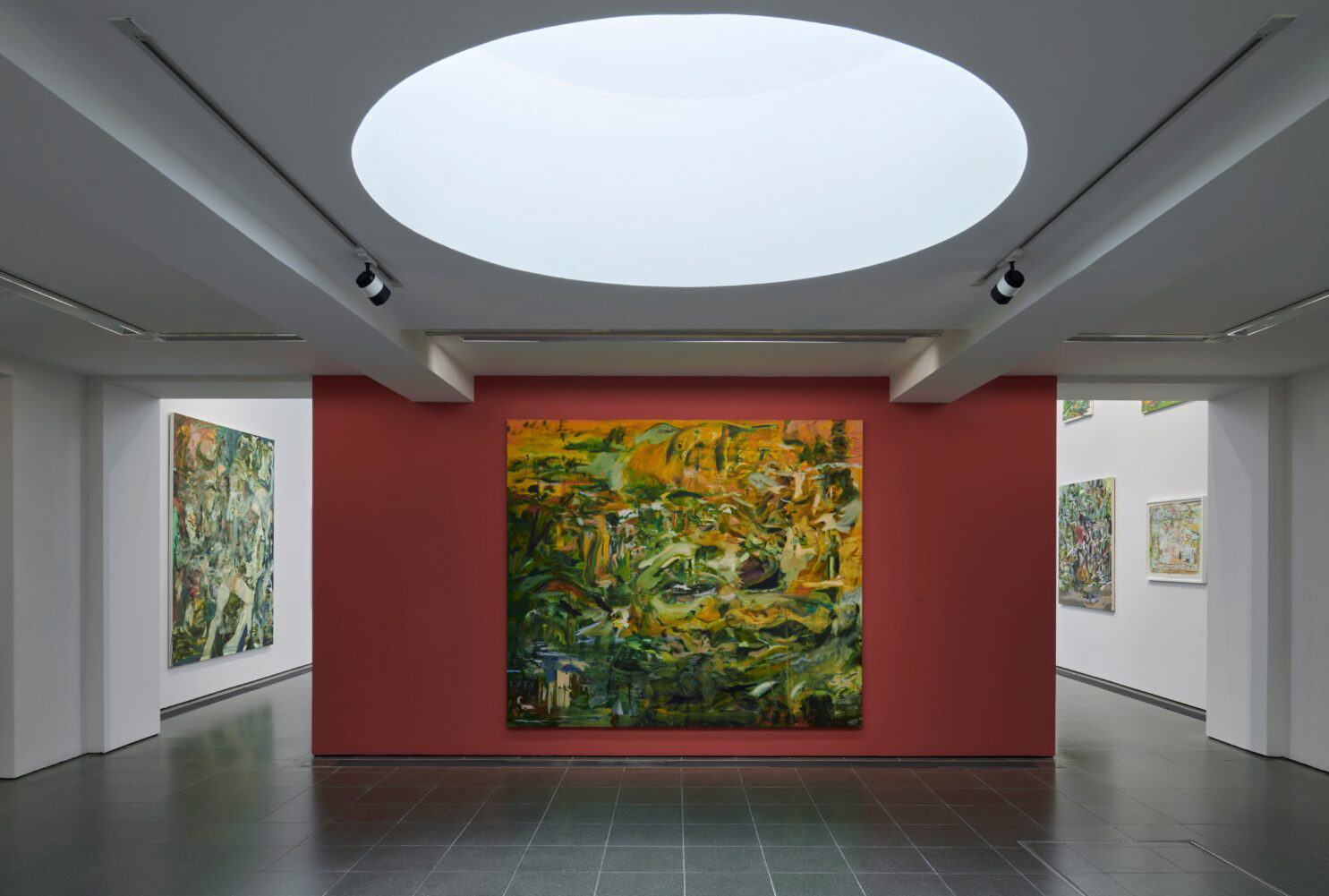
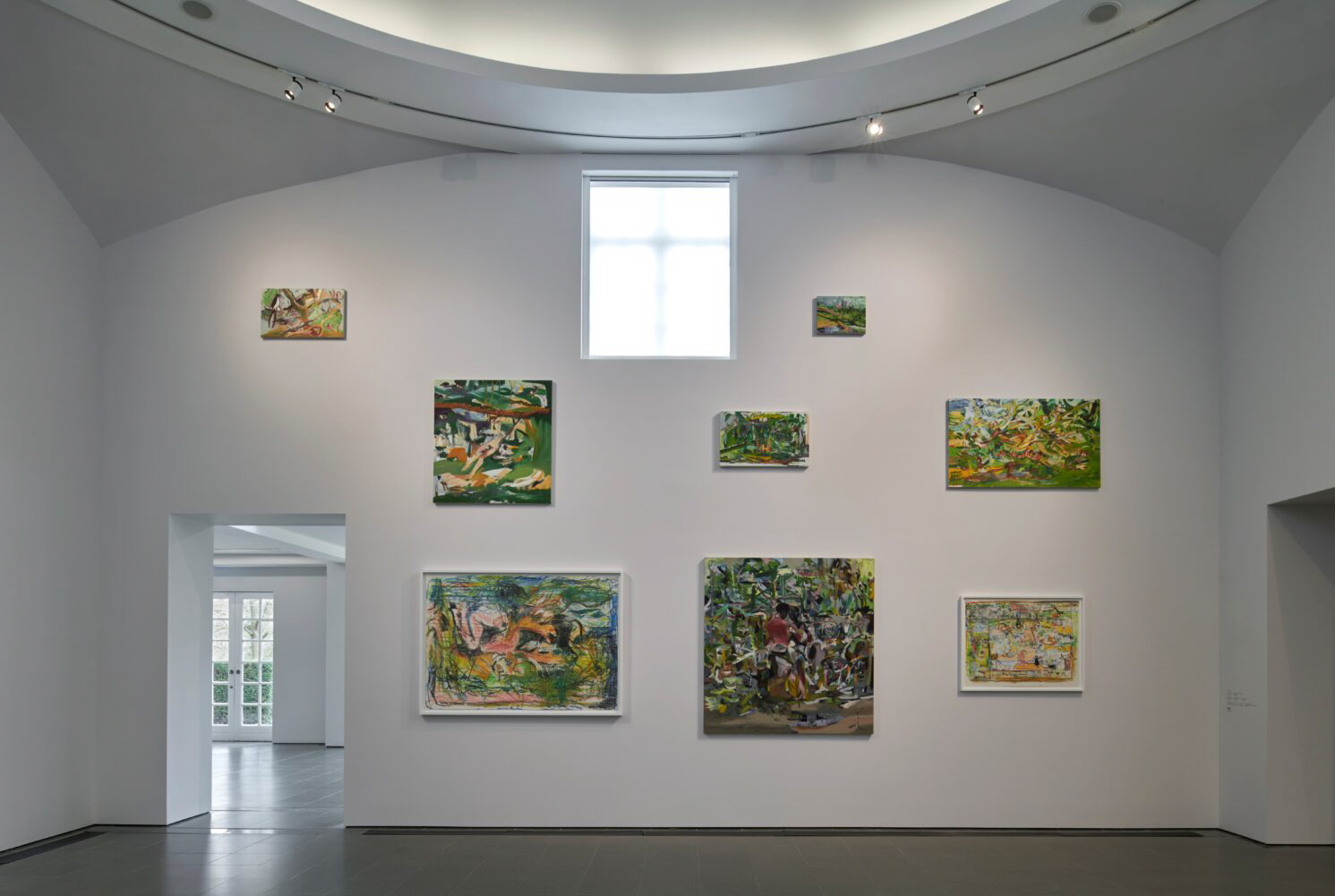
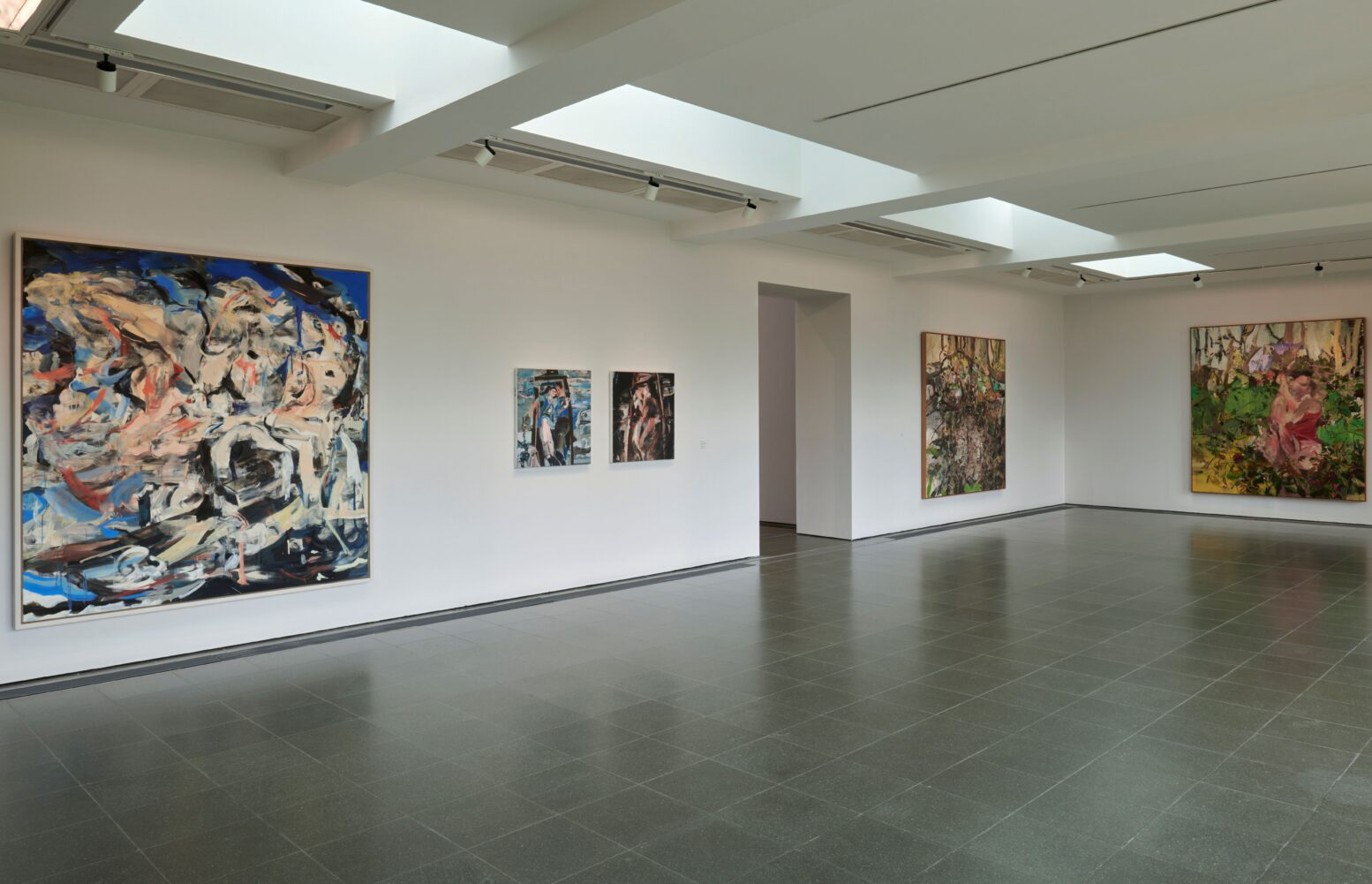
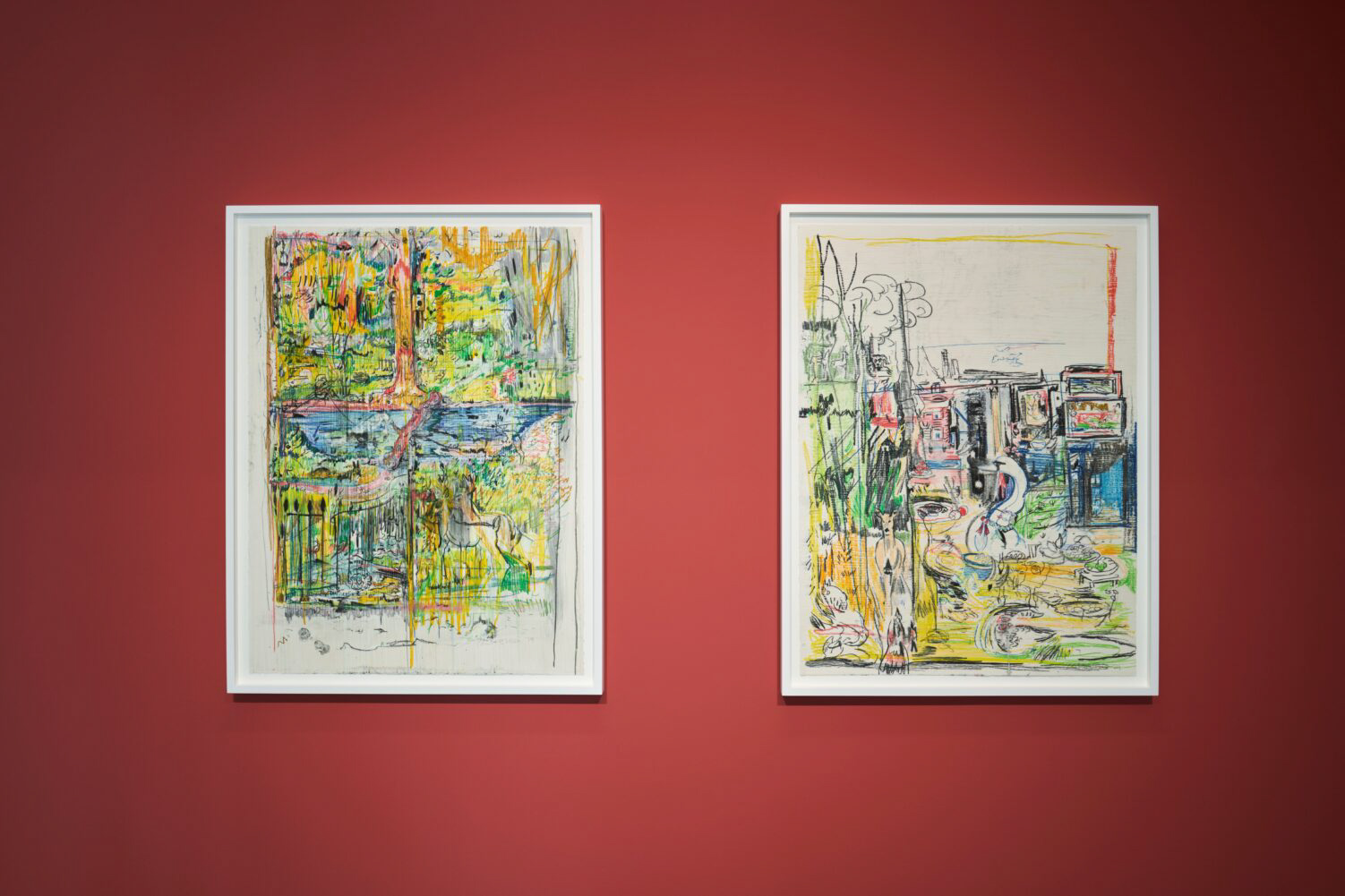
Also on view at the Serpentine South Gallery is Cecily Brown: Picture Making. Known for her forceful brushwork, vivid colour and dynamic compositions, Cecily Brown returns to a landscape long familiar to her. For an artist who has lived and worked in New York for the past three decades, this exhibition marks her first major presentation in a British institution since 2005, and signals a return of a more personal kind.
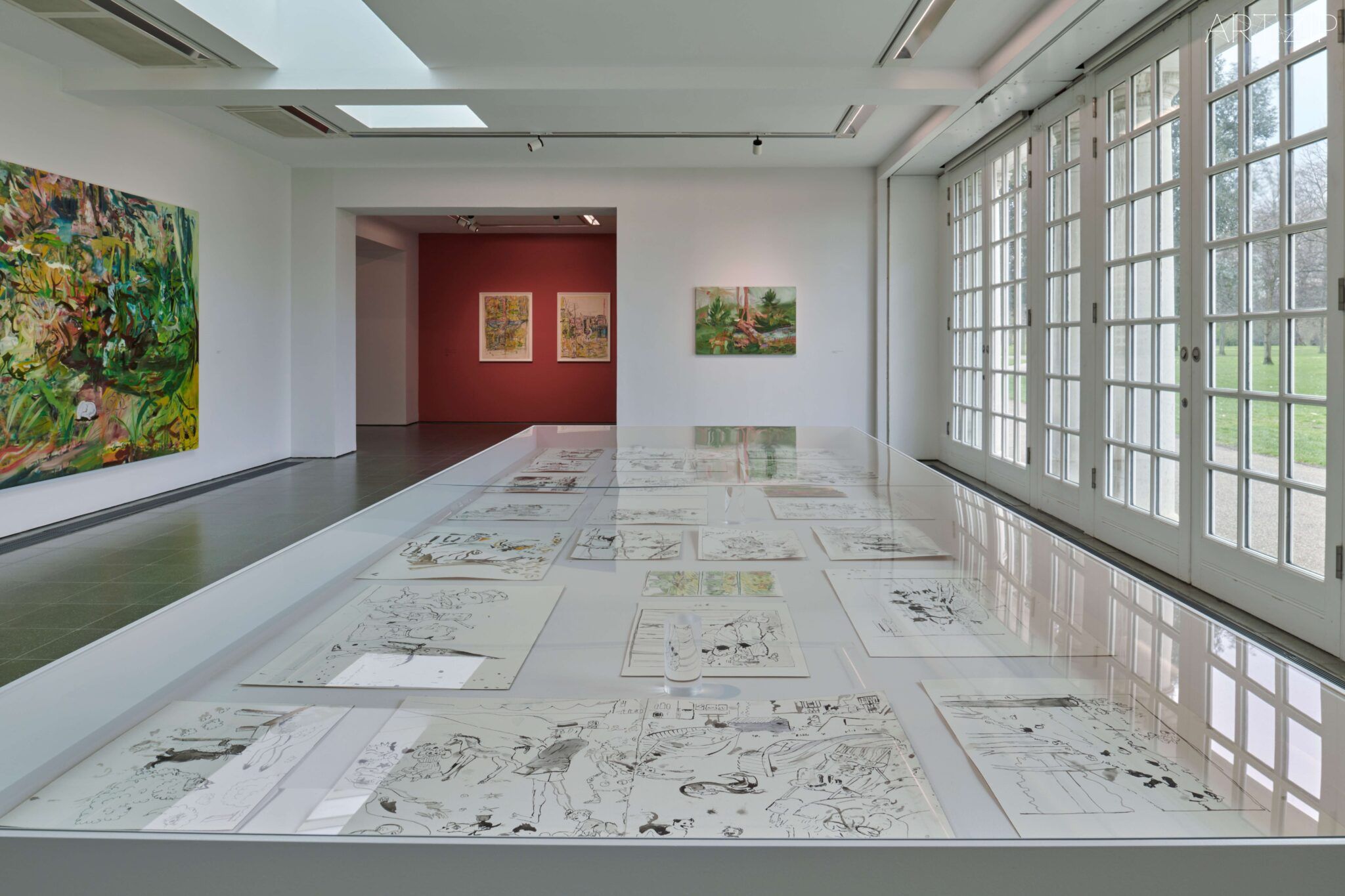
The exhibition draws directly on Kensington Gardens, where the Serpentine is situated. Trees, woodland paths, passing figures and apparently ordinary scenes of walking become recurring motifs in Brown’s recent paintings, each charged with a subtle sense of unease.
Several works from the Nature Walk series return to the same stretch of woodland, the same path, the same stream, yet each canvas shifts with changes in season, light and mood. At times, the paintings are marked by a spring-like brightness and lightness; at others, they move towards a more unsettled, shadowed register. Trees, paths and figures repeatedly emerge, only to dissolve again, placing the viewer in a constant oscillation between recognition and disorientation. The landscape, in turn, becomes less a site of depiction than one of continual reconfiguration — as if shaped as much by memory as by observation.
New works made for the exhibition are shown alongside key paintings dating back to 2001, as well as recent monotypes and drawings. Together, they trace Brown’s early encounters with the English landscape, her enduring fascination with the visual language of children’s book illustration, and the darker undercurrents embedded within cautionary tales.
同樣於蛇形畫廊展出的,還有英國畫家 Cecily Brown 的個展《繪畫》(Picture Making)。布朗以遒勁而流動的筆觸、飽和而張力十足的色彩,以及不斷生成與瓦解的動態構圖聞名。此次在Serpentine South Gallery的呈現,既是她回到英國藝術語境中的一次重要展覽——也是一種帶有個人意味的回返。對這位過去三十年主要在紐約生活與創作的藝術家而言,這是她自2005年以來首次在英國機構舉辦大型個展。
展覽的靈感直接來自蛇形畫廊所在的Kensington Gardens。公園中的樹木、林間小徑、行人與偶然相遇的場景,被轉化為一組反覆出現的圖像母題。在「自然漫步」(Nature Walk)系列中,布朗似乎始終描繪著同一片林地、同一次行走、同一條水流——然而,這些畫面在不同的季節、光線與情緒之中持續變化:時而明亮、輕盈,帶有春日的通透感;時而轉向幽暗與不安,呈現出更為晦澀的心理氛圍。
在她的畫面之中,樹木、道路與人物的輪廓不斷顯現又逐漸溶解,使觀看始終處於辨識與失焦之間。風景因此不再只是外在世界的再現,而更接近一種被記憶反覆改寫的視覺經驗——既指向現實,也同時偏離現實。
除為本次展覽創作的新作外,展覽亦納入自2001年以來的重要繪畫,以及近年的單版畫與素描。透過這些作品,展覽回溯了布朗早年對英國鄉村的感知經驗、她對兒童繪本圖像語言的長期興趣,以及那些潛藏於童話與寓言之中的陰影面向。
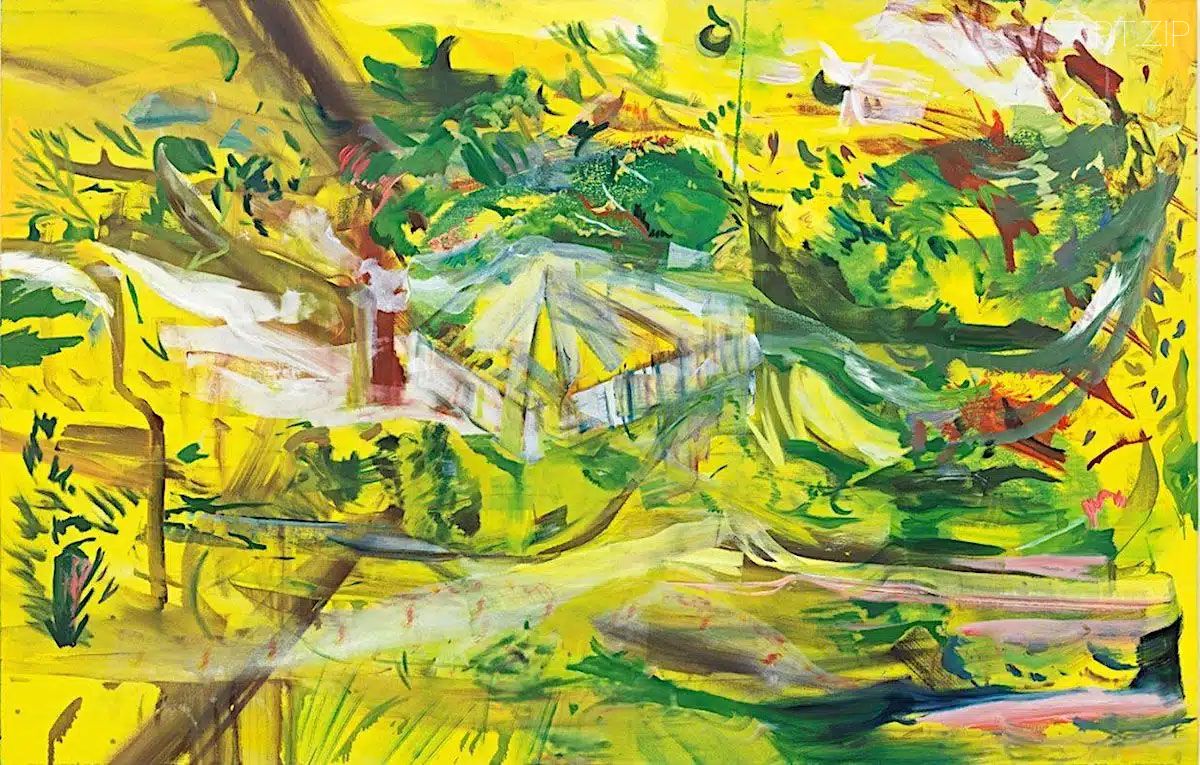
Cecily Brown, The Serpentine Picture, 2024, Oil on linen, 119.38 x 185.42 cm (47 x 73 in.) © Cecily Brown, 2026. Photo: Genevieve Hanson
Chiharu Shiota: Threads of Life
26 March 2026 — 3 May 2026
Hayward Gallery
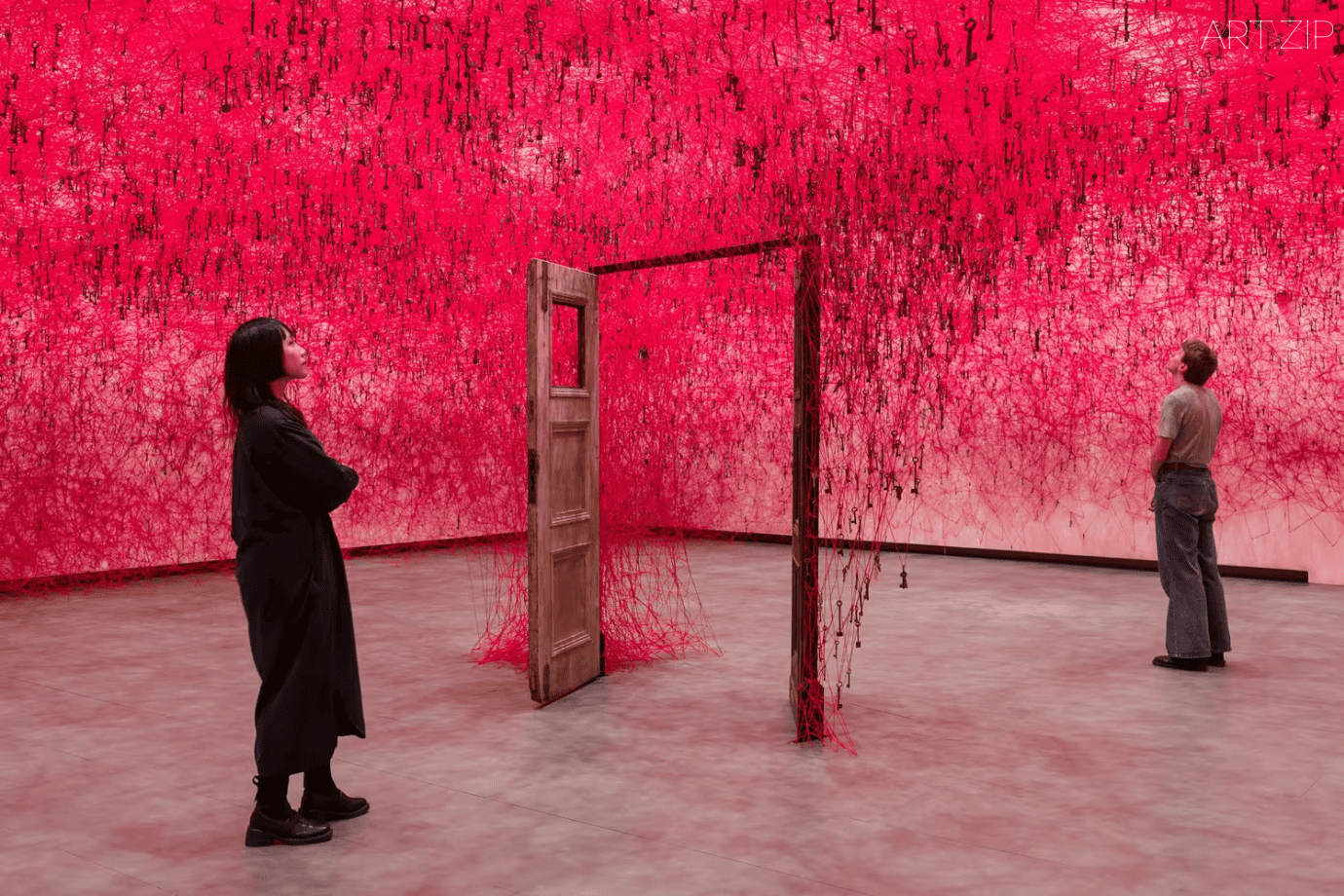
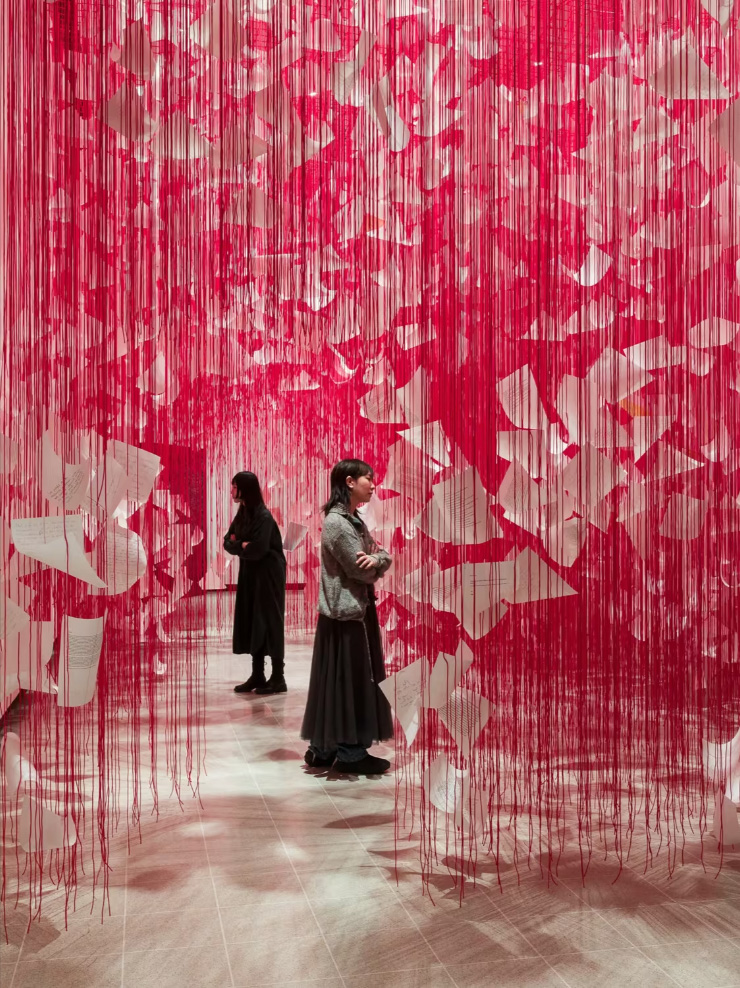
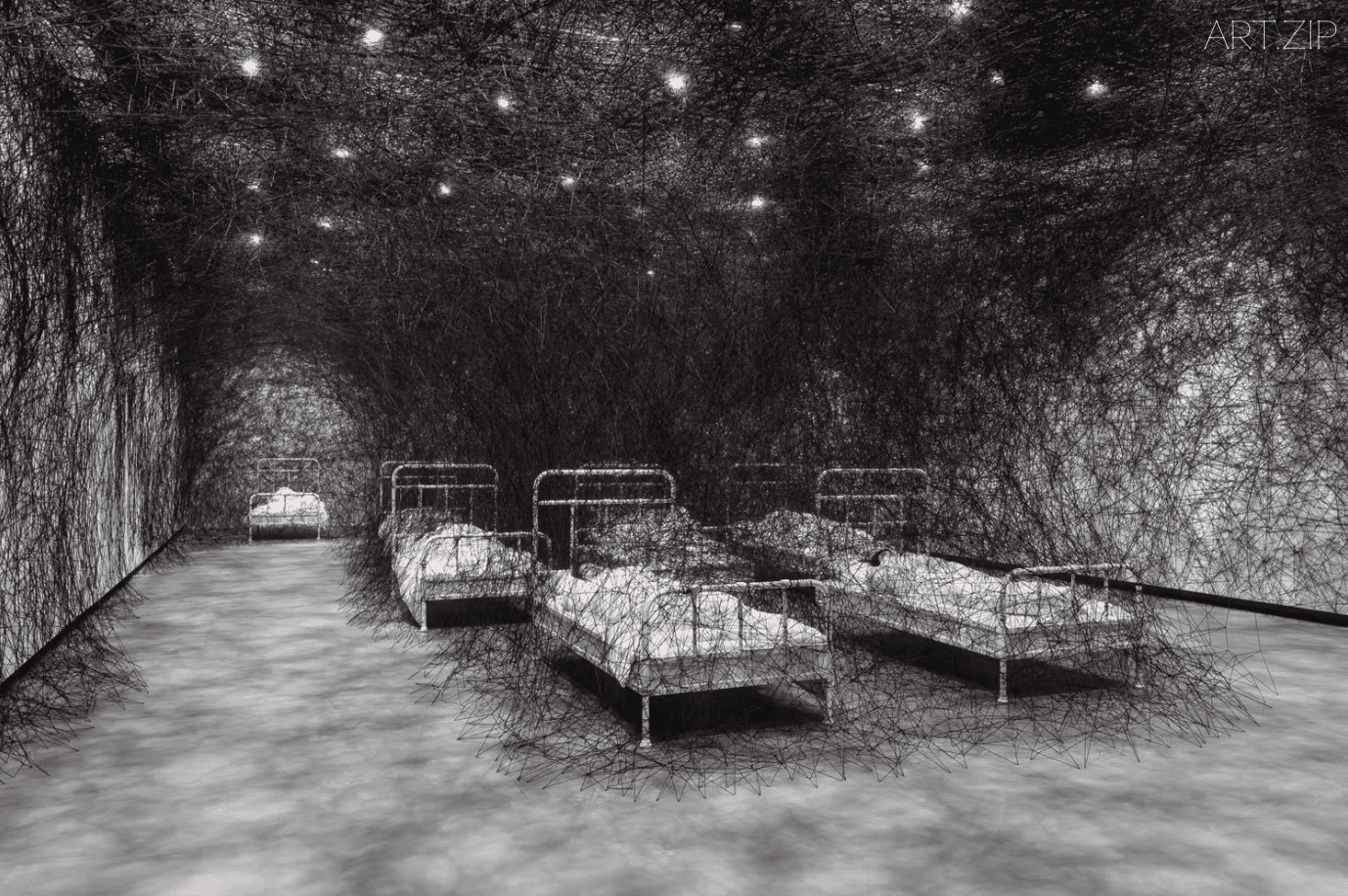
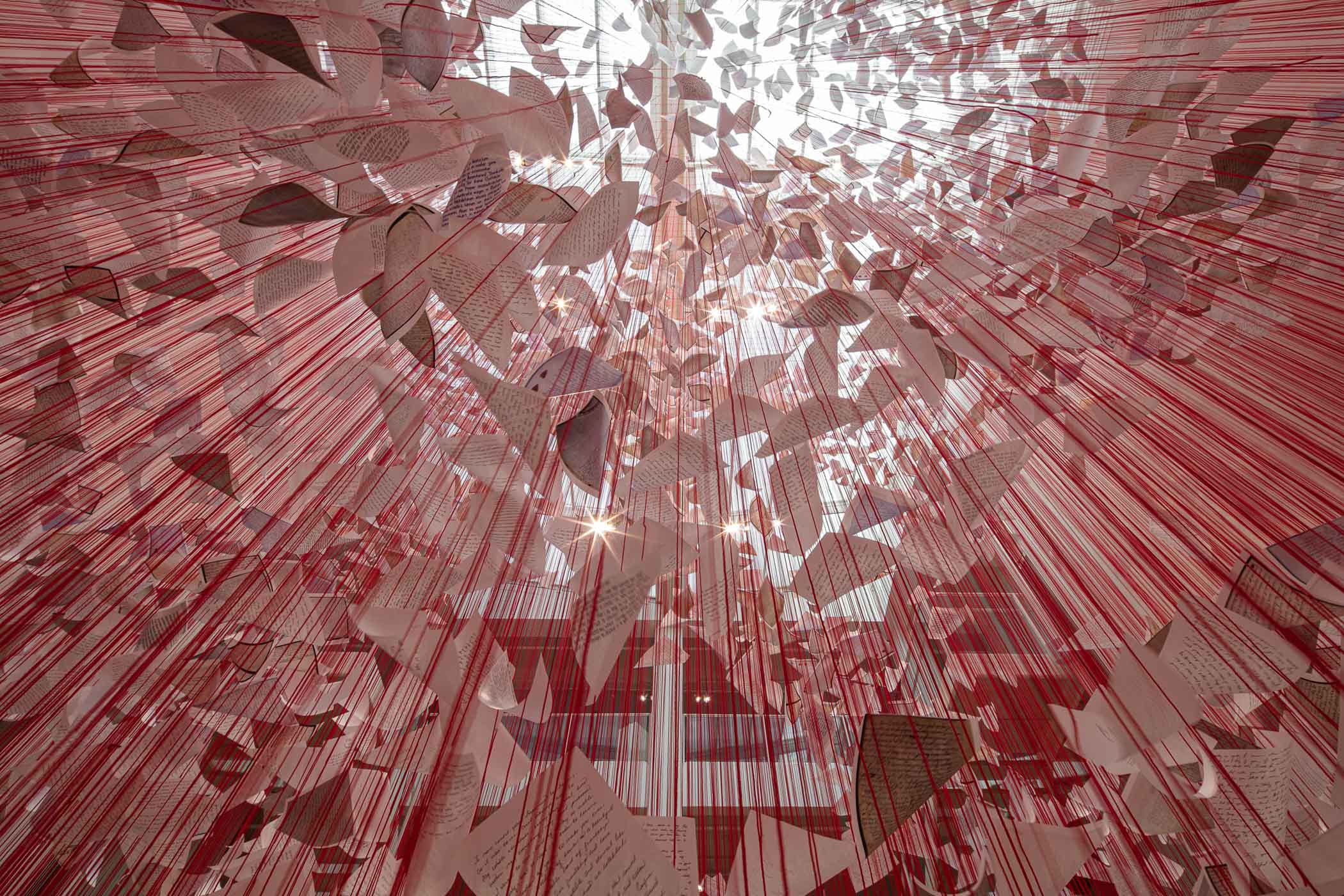
Upon entering Chiharu Shiota: Threads of Life, what first confronts the viewer is an installation that almost engulfs the entire space. Dense red threads rise from the floor to the ceiling, interlacing and entangling, while hundreds of keys hang suspended within the network. Whether it is the sheer density of the threads or the psychological intensity of the colour red itself, the space seems to breathe — heavy, yet alive.
Chiharu Shiota is widely known for her large-scale installations, in which everyday objects — shoes, keys, beds, chairs, dresses — are enveloped within vast web-like structures of thread. These works, often rooted in personal experience, expand outward into broader reflections on life, death and human relationships. The threads function like veins, or pathways of memory, spreading through space and forging connections between people and objects, and between past and present.
Alongside these installations, the exhibition presents new large-scale sculptures, drawings, as well as early performance videos and photographs. Shiota’s work enters into a dynamic dialogue with the brutalist architecture of the Hayward Gallery, creating an environment that is deeply immersive and atmospherically charged.
The exhibition also revisits key earlier works, including a new version of During Sleep (2026). Here, a bed is placed within layered strands of thread and continues to be activated through live performance throughout the duration of the exhibition, keeping the work in a state of ongoing transformation.
走進《鹽田千春:生命之線》(Threads of Life),首先迎面而來的,是一件幾乎吞沒整個展廳空間的裝置。密集交錯的紅線自地面生長,向上蔓延至天花板,在空中彼此纏繞、結網;其間垂掛著數百把鑰匙,彷彿被時間暫時懸置。也許是線的數量所形成的視覺壓迫,又或是紅色本身所帶來的情緒張力,整個空間似乎在緩慢地呼吸——既沉重,又充滿生命感。
Chiharu Shiota(鹽田千春)以其大型裝置聞名。她反覆將鞋子、鑰匙、床、椅子與衣物等日常物件,置入由線構成的網狀結構之中,使其在空間中形成一種既封閉又延展的狀態。這些作品往往源自個人的記憶與經驗,卻不斷被轉化為更普遍的情感命題——關於生命、死亡與人際關係。
在這些裝置中,線既如血管,也如記憶的路徑,在空間中持續擴散與連結:它們將人與人、人與物,以及過去與現在編織在同一個感知結構之中,使觀看不再只是視覺經驗,而轉化為一種近乎身體性的介入。
本次展覽除核心裝置外,亦呈現大型雕塑、繪畫以及早期表演的影像與文獻資料。作品與展覽空間本身的粗野主義建築語言形成對話,進一步強化了整體的沉浸式氛圍。展覽同時重訪其過往的重要創作,包括《睡眠期間》(During Sleep)的全新版本:一張床被置於層層線網之中,並在展期內透過現場表演持續被「激活」,使作品始終處於生成與轉化的過程之中。

Yin Xiuzhen: Heart to Heart
17 February 2026 — 3 May 2026
Hayward Gallery
At the Hayward Gallery, a parallel exhibition turns to material and memory, presenting the first major UK retrospective of Yin Xiuzhen. Heart to Heart brings together more than three decades of Yin’s practice, combining a number of groundbreaking works with newly commissioned pieces. Her multimedia work explores the relationship between memory, individual experience and the globalised world in which we live.
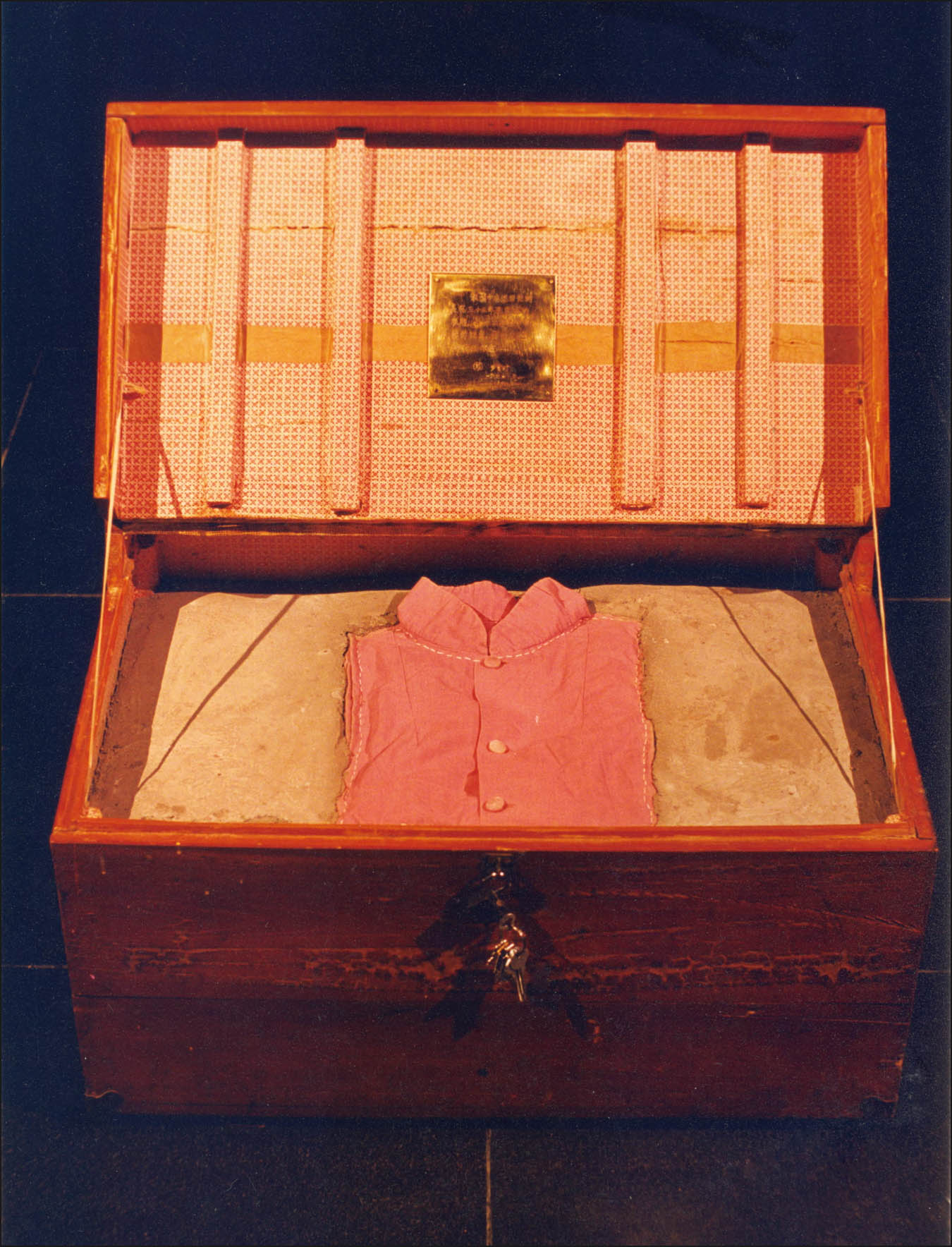
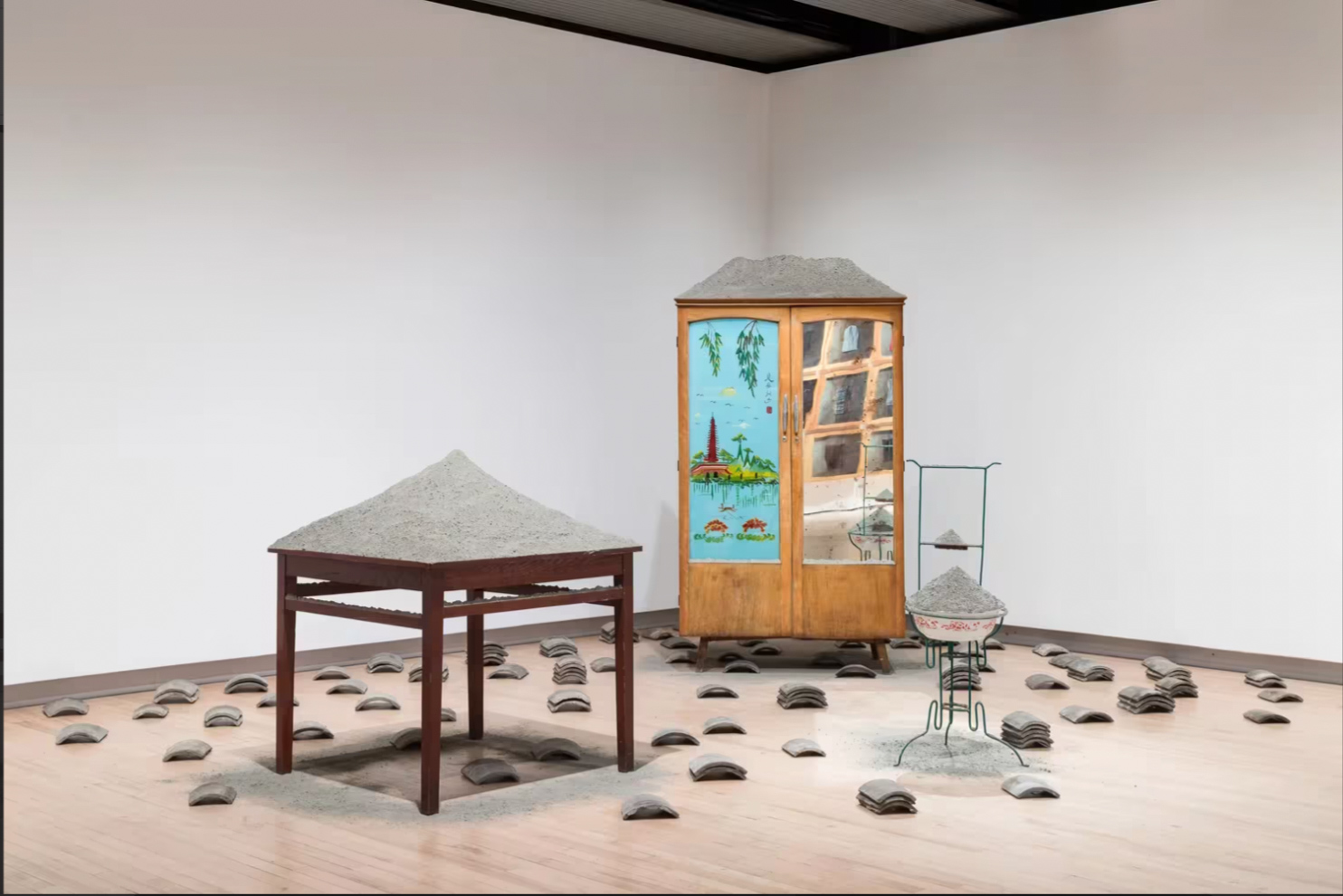
Yin is widely known for her use of second-hand clothing, concrete, food and domestic ephemera in immersive installations and sculptural forms. Since the 1990s, she has worked extensively with everyday materials — objects once embedded in daily life — which are reconfigured in her practice to form narratives of memory, urban experience and global mobility.
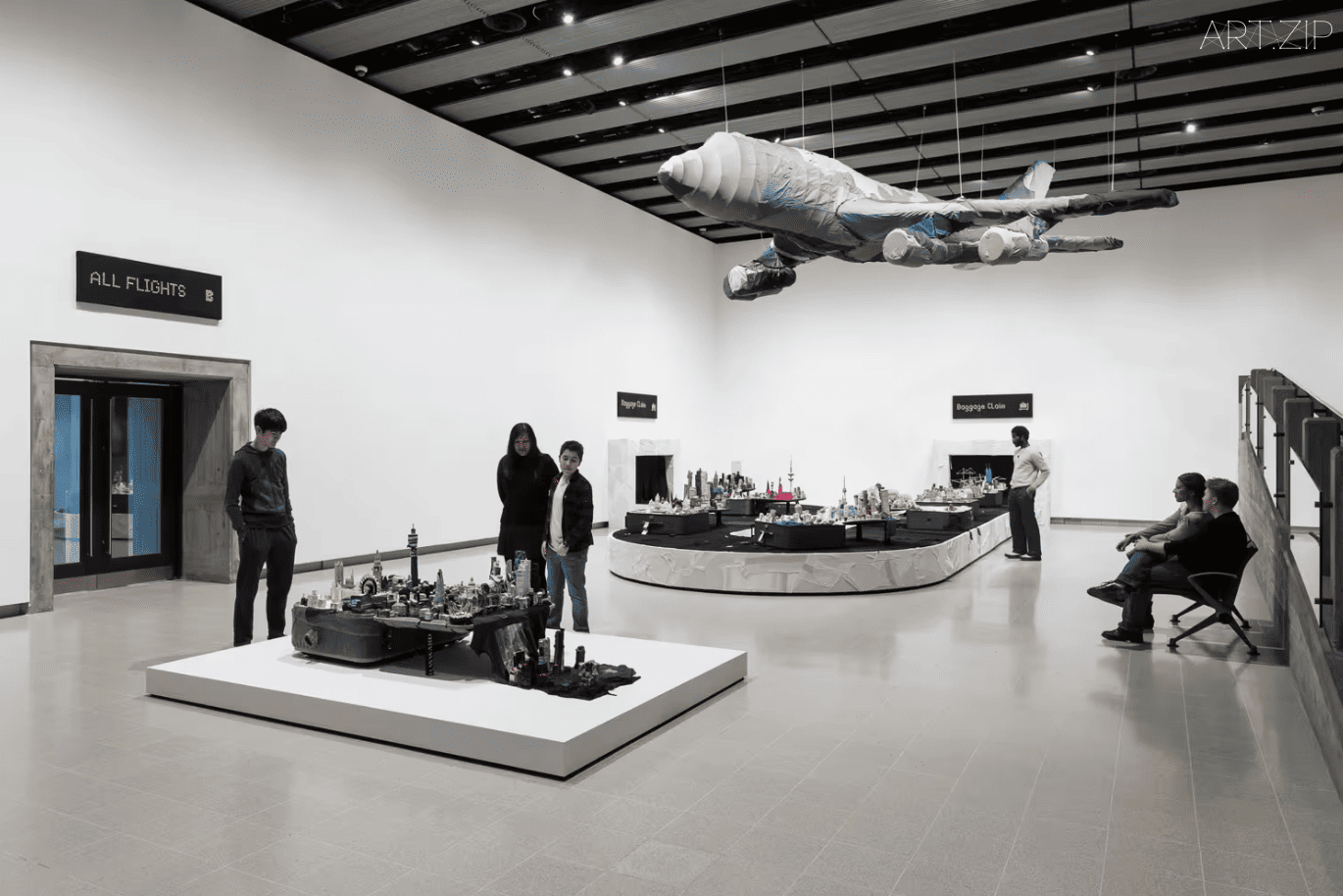
One of the central bodies of work in the exhibition is her long-running Portable Cities series. Open suitcases are arranged along an airport baggage carousel, each containing a miniature city constructed from discarded clothing. Buildings, roads and skylines are reimagined in soft fabric, then enclosed within cases that can be closed and carried at any moment. Each suitcase functions as a metaphor for identity, suggesting how memory is folded into movement, and how the experience of a city is carried across borders. The exhibition presents multiple iterations of the series, including Beijing, New York and a newly realised London.
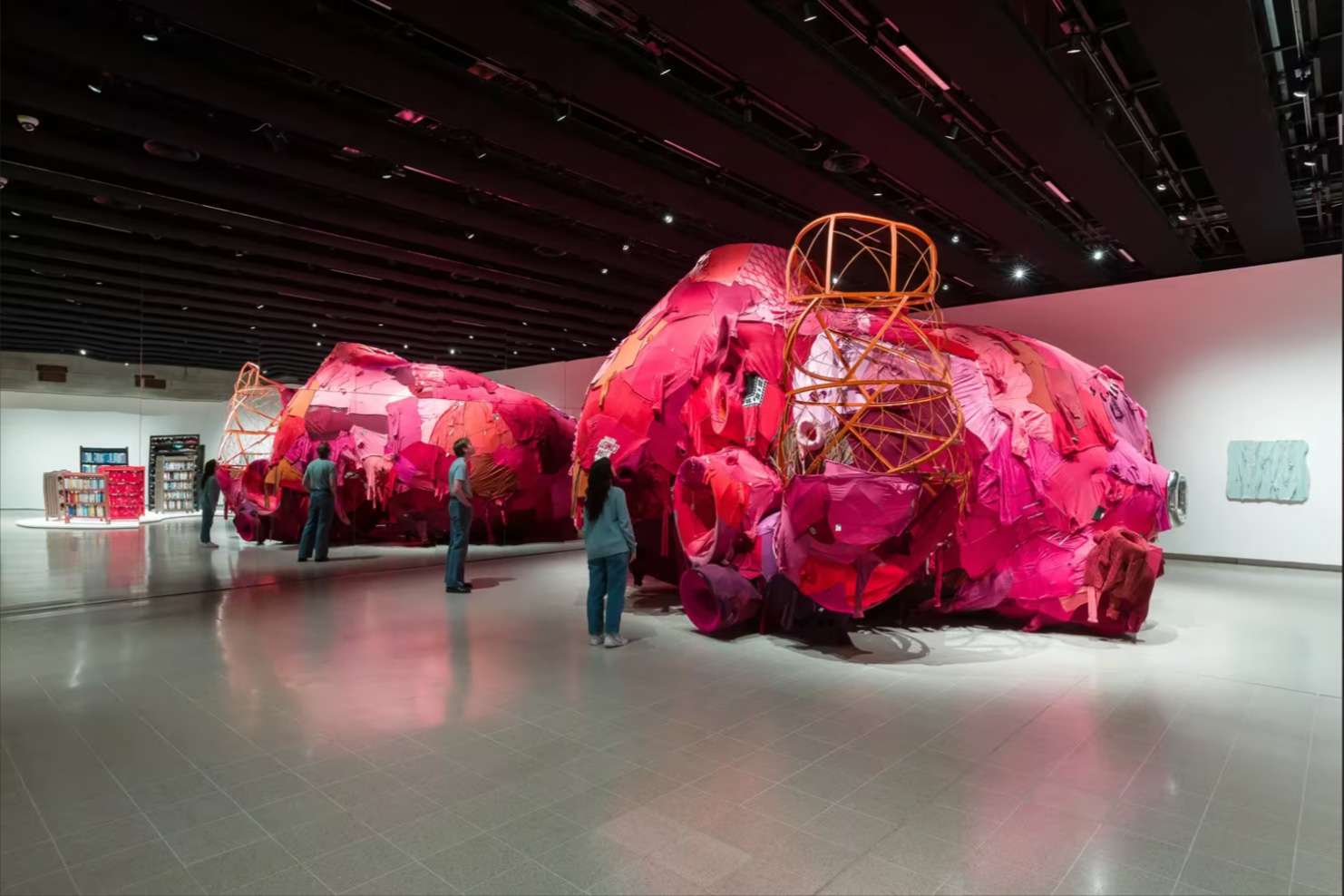
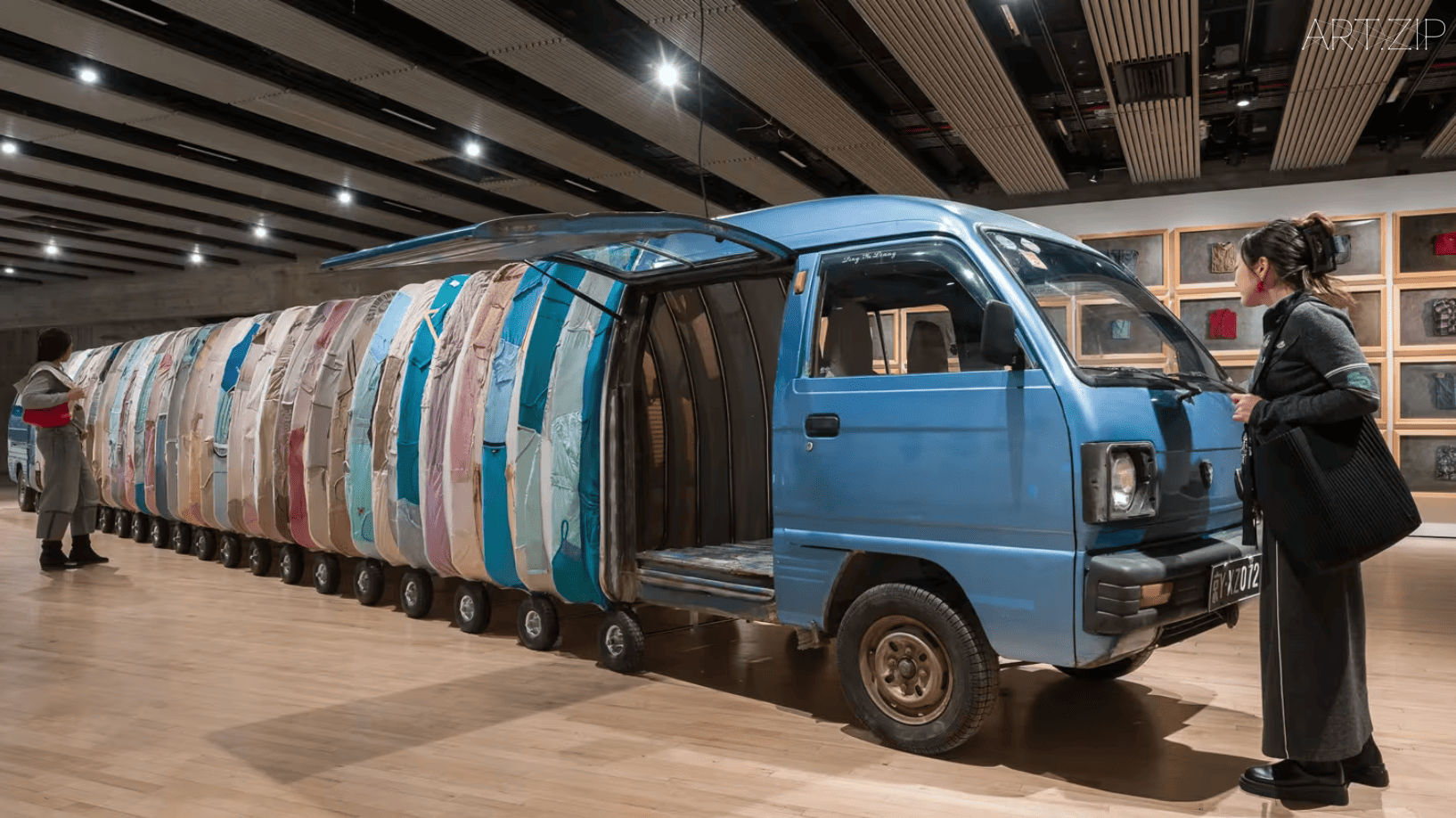
Another key work, Collective Subconscious (Blue), transforms a minibus into a form resembling an elongated, almost caterpillar-like body. Its exterior is composed of over four hundred garments stitched together and stretched across a metal frame. Inside, the song Beijing, Beijing plays on a continuous loop, evoking a shared emotional register associated with migration and displacement. Viewed through the side door, the vehicle appears empty, yet remains charged with an unseen presence — as if still inhabited by those who once wore these clothes.
In Yin’s work, memory is never abstract, but remains materially grounded — embedded in clothing, containers, furniture and the objects of everyday life. By reactivating these discarded forms, she enables them to speak again, articulating stories of migration, belonging and time.
同樣於Hayward Gallery呈現的,還有一場以織物與物質記憶為核心的展覽是中國藝術家尹秀珍在英國的首次大型回顧展《心連心》。
本次展覽橫跨藝術家三十餘年的創作實踐,匯集其具有開創性的重要作品與多件全新委託創作。透過裝置、雕塑與多媒體形式,尹秀珍持續探討記憶、個體經驗與當代全球化語境之間的複雜關係——特別是那些在流動之中生成的空間與情感。
自上世紀90年代以來,她即以日常物件作為主要媒介進行創作:二手衣物、混凝土、食物、搪瓷器皿與舊傢具等原本屬於家庭與生活的尋常之物,在她的手中被重新組合與轉化。這些物件不再只是材料,而成為承載記憶的載體,構築出關於城市、遷徙與全球化經驗的敘事結構。
展覽中最具代表性的系列之一,是她持續多年的創作《便攜式城市》(Portable Cities)。一個個打開的行李箱被安置於模擬機場傳送帶的裝置之上,每個箱內都裝著以舊衣物縫製而成的微型城市。高樓、道路與建築被柔軟的織物重新塑形,並被收納於可隨時關閉與攜帶的空間之中。行李箱因此不僅是物理容器,更成為身份與記憶的隱喻——每一次離開,一座城市亦被折疊並帶走。本次展覽呈現了該系列的多個版本,包括北京、紐約以及最新創作的倫敦。
另一件重要作品《集體潛意識(藍色)》(Collective Subconscious (Blue)),則將一輛小型巴士拉伸為近似毛毛蟲般的形態,其外部覆蓋著由四百餘件衣物縫合而成的表皮,並被緊繃於金屬結構之上。車內循環播放的歌曲《北京北京》,喚起那些在異鄉漂泊者的情感記憶。觀者透過側門向內窺視,雖見空無一人,卻彷彿仍被曾經穿過這些衣物的身體所佔據,形成一種無形而持續的存在。
在尹秀珍的作品中,記憶從來不是抽象的概念,而是始終附著於物質之上——殘留在衣物、容器與日常用品之中。透過對這些被遺棄與忽視之物的重新激活,她使其成為講述遷徙、歸屬與時間經驗的媒介。
Schiaparelli: Fashion Becomes Art
28 March 2026 — 8 November 2026
V&A Kensington
“For me, dress designing is not a profession but an art,” Elsa Schiaparelli once said. The remark serves as a succinct articulation of her practice.
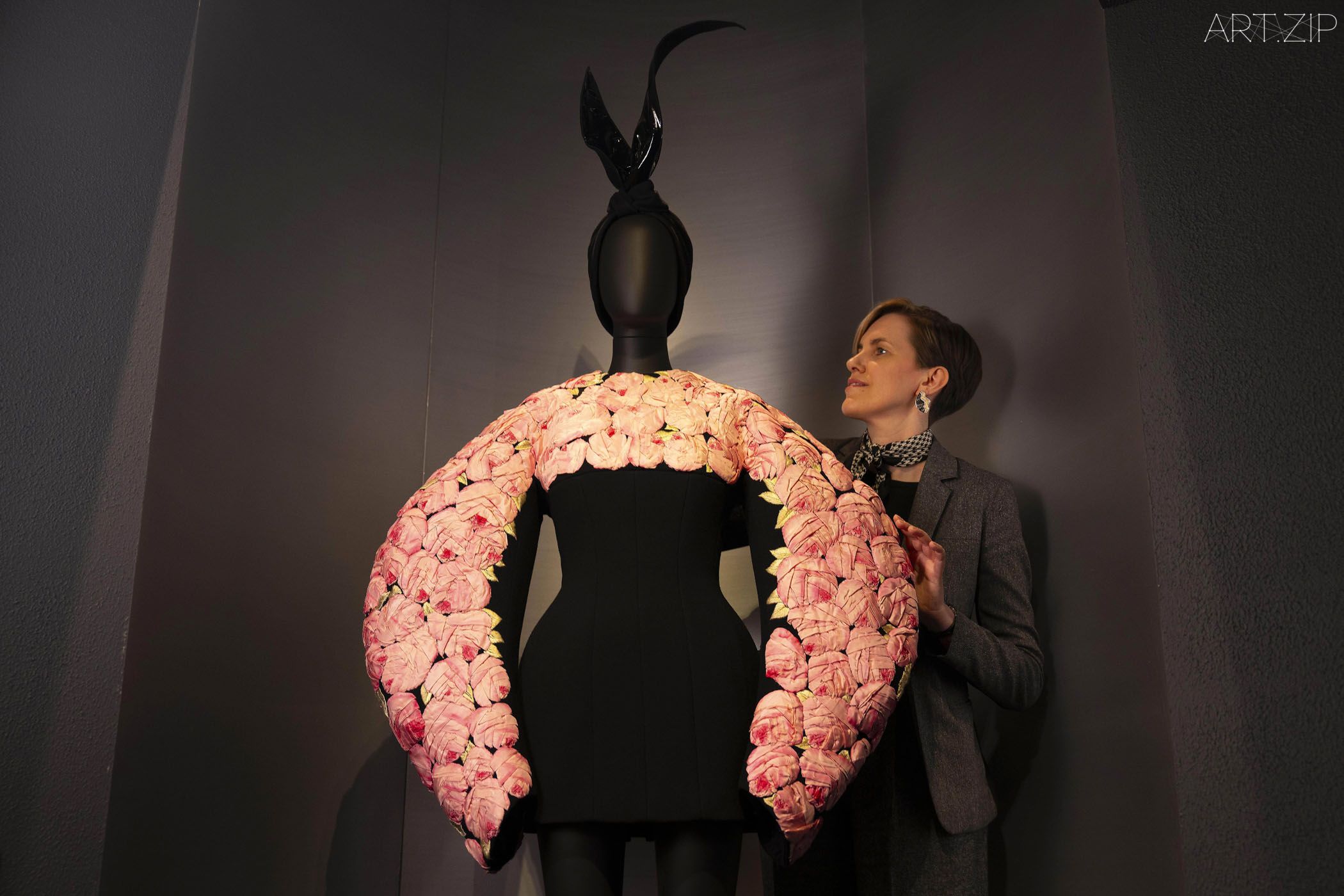
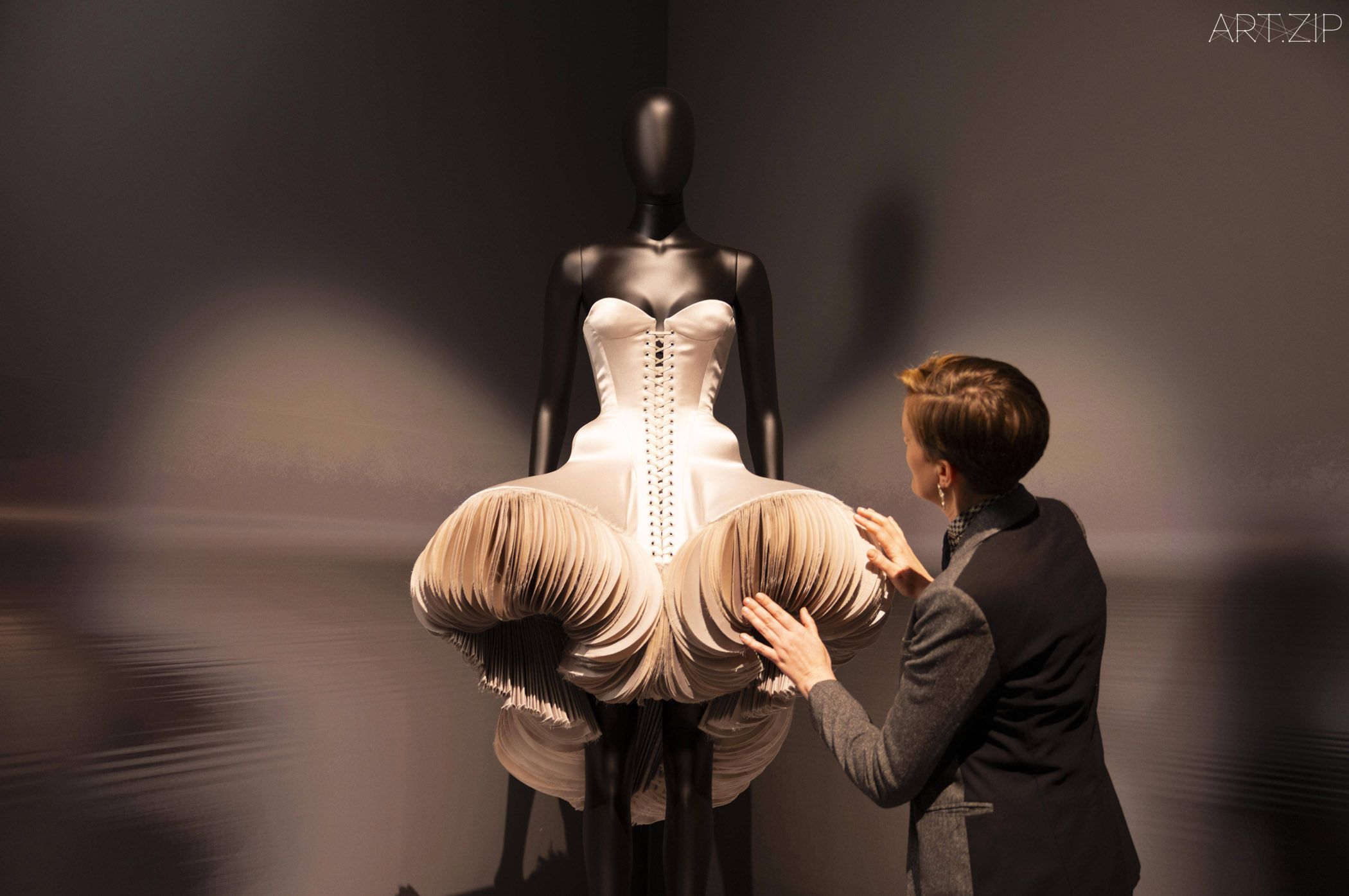
This spring, the Victoria and Albert Museum presents Schiaparelli: Fashion Becomes Art, a major exhibition dedicated to one of the twentieth century’s most innovative fashion designers.
The exhibition marks the first in Britain devoted entirely to Schiaparelli, while also offering a survey that spans nearly a century. From the experimental designs of the 1920s to the present-day direction of Daniel Roseberry, it traces how haute couture has continually negotiated the boundary between art and fashion.
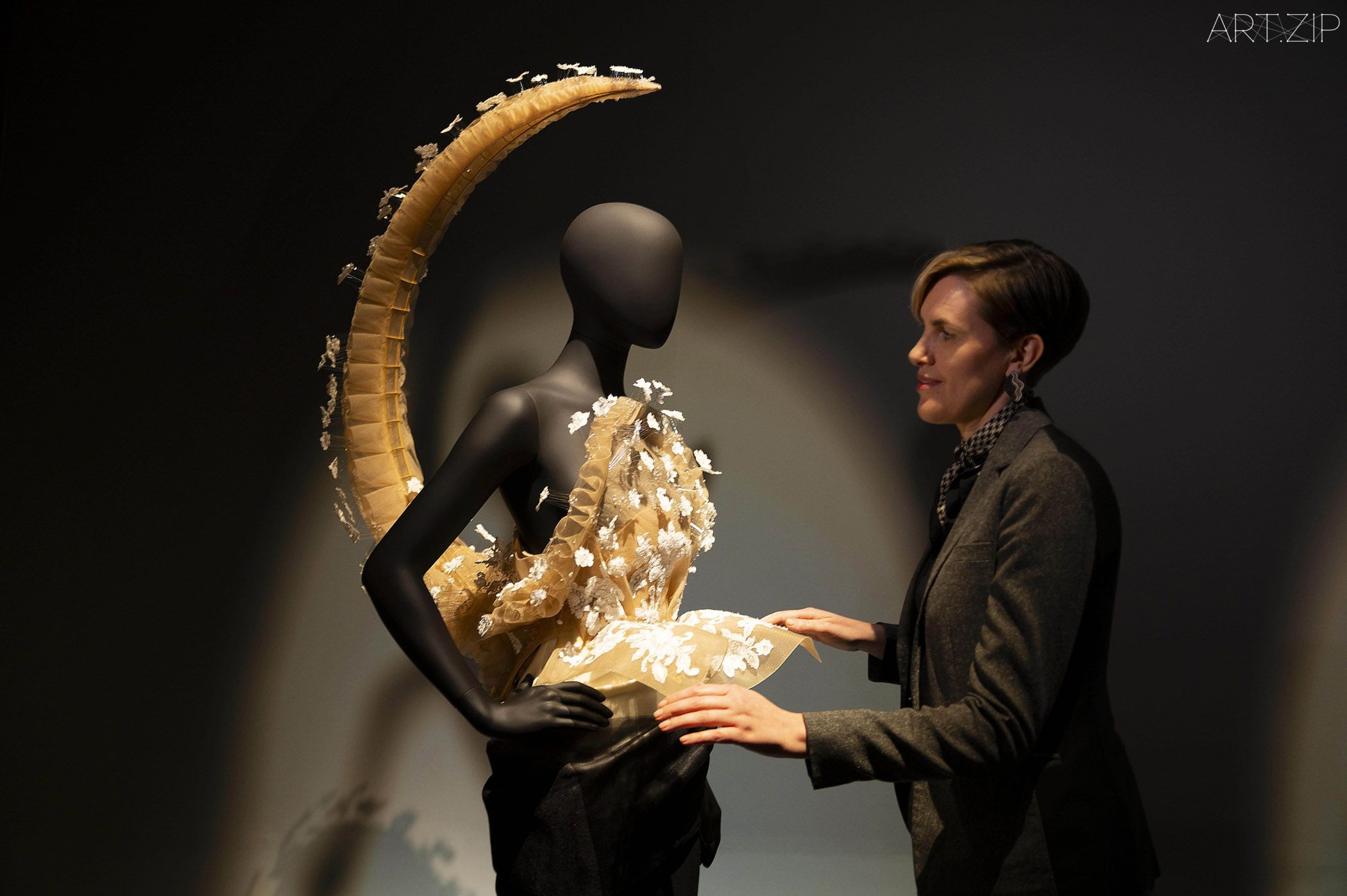
Featuring more than 400 objects — including 100 garments and 50 works of art — the exhibition brings Schiaparelli’s designs into dialogue with works by Salvador Dalí, Pablo Picasso and Man Ray. Her most iconic creations are prominently represented, from the fantastical Lobster Dress to sculptural gowns that challenged the conventions of their time, alongside contemporary designs by Roseberry.
Together with accessories, jewellery, photographs, perfumes and an intricate collection of buttons, the exhibition invites the viewer into a world where fashion and art are inseparable.
「對我而言,服裝設計並非一種職業,而是一門藝術。」Elsa Schiaparelli曾如此概括她的創作立場。這句話幾乎可以視為其整個職業生涯的宣言。
這個春季,Victoria and Albert Museum以《夏帕瑞麗:時尚化身為藝術》(Schiaparelli: Fashion Becomes Art)向這位20世紀最具顛覆性的時裝設計師致敬。作為英國首個專門呈現夏帕瑞麗的展覽,它不僅是一場回顧,更是一條橫跨近百年的創作脈絡:從1920年代的先鋒實驗,到今日在Daniel Roseberry帶領下的當代詮釋,展覽持續追問高級定制在藝術與時尚之間的流動邊界。
展覽匯集逾400件展品,包括約100套服裝、50件藝術作品,以及來自Salvador Dalí、Pablo Picasso與Man Ray等藝術家的創作。夏帕瑞麗標誌性的設計悉數呈現:從充滿超現實幽默的「龍蝦裙」,到突破時代規範的雕塑式禮服,再到當代系列中由羅斯伯里延續與轉化的語彙。
服裝之外,配飾、珠寶、攝影、香水與紐扣等細節亦構成展覽的重要層次,使觀者得以進入一個介於夢境與現實之間的視覺世界。在此,時尚不再只是穿戴之物,而成為一種與藝術持續對話的形式。

Hurvin Anderson
26 March 2026 — 23 August 2026
Tate Britain
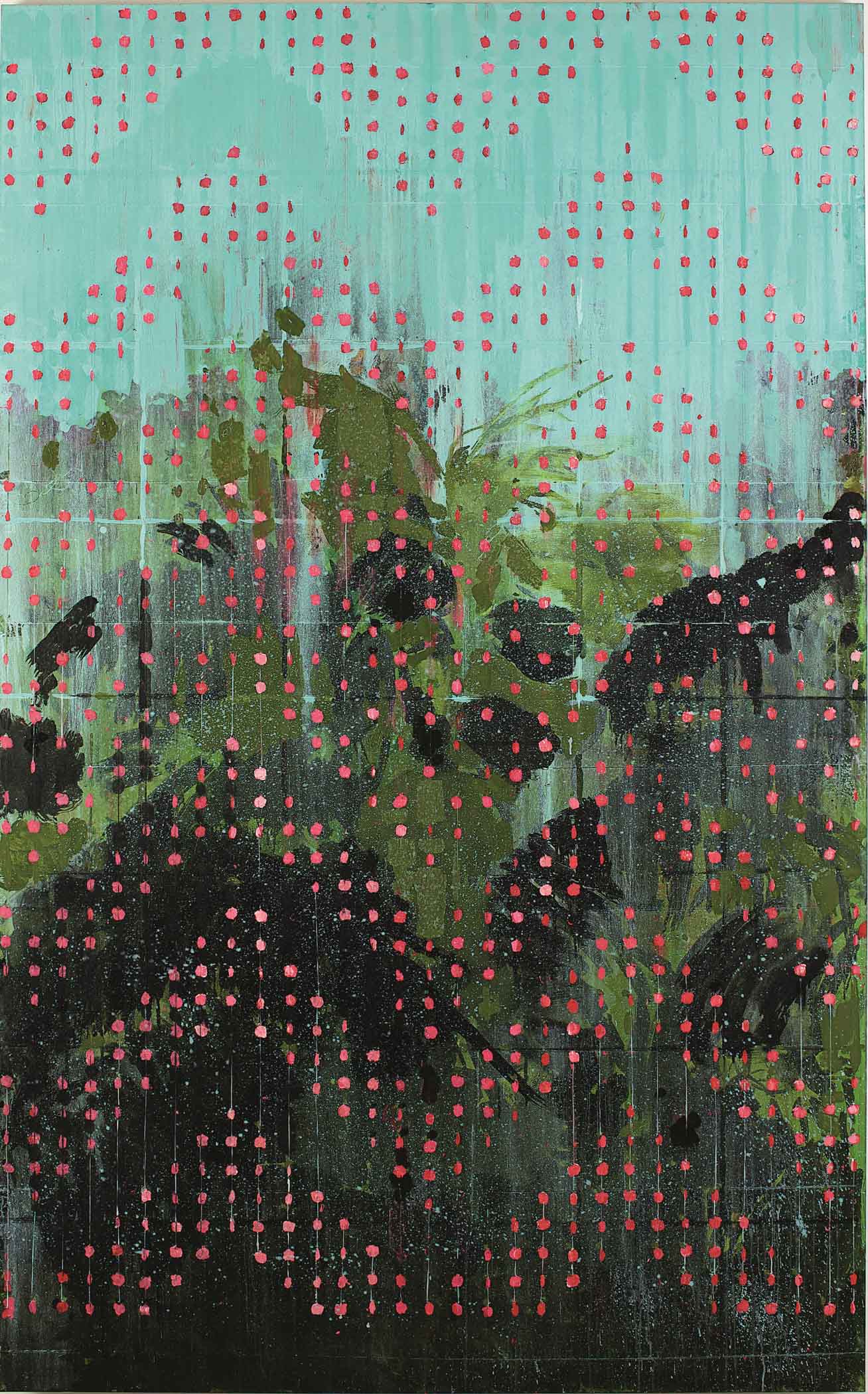
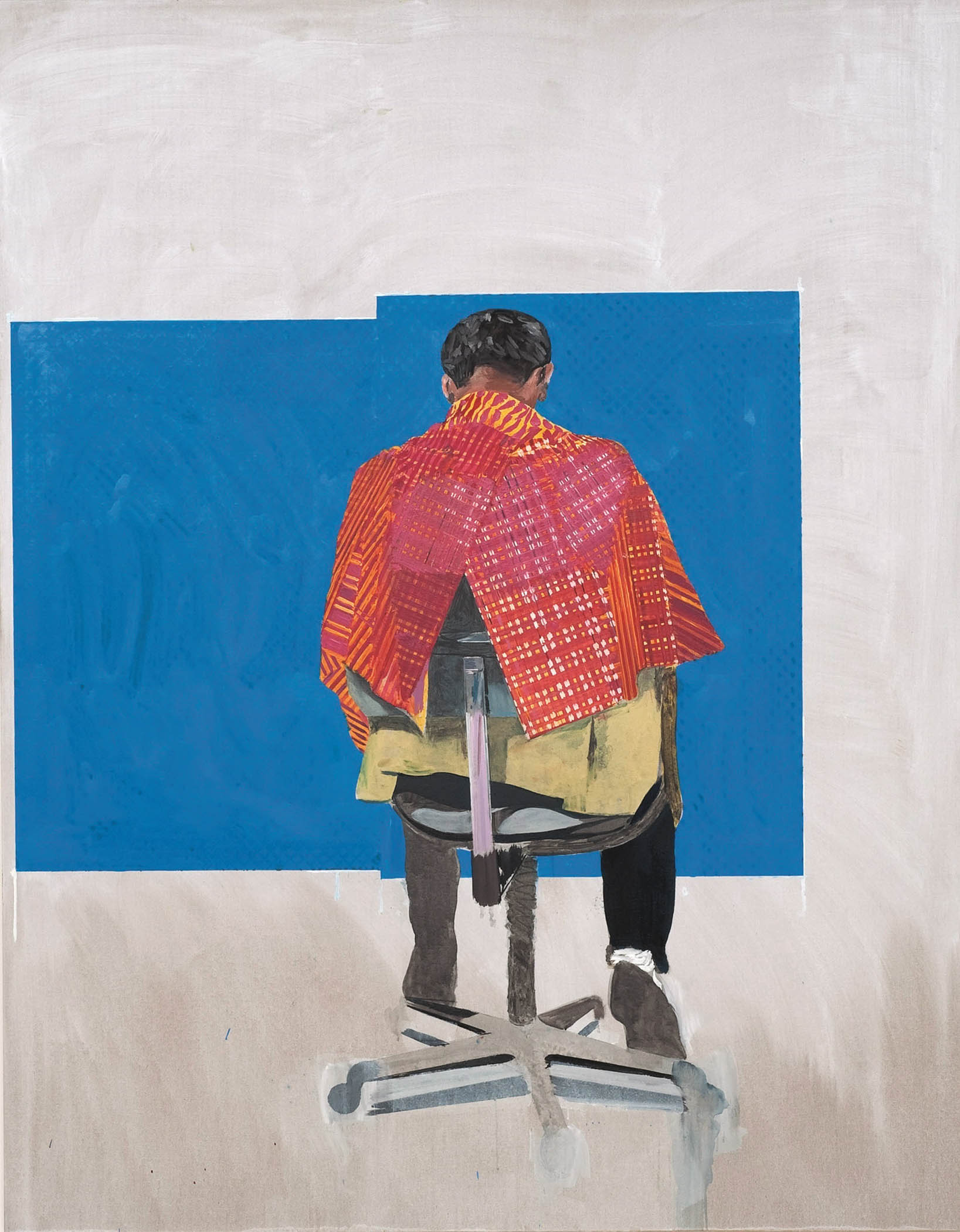
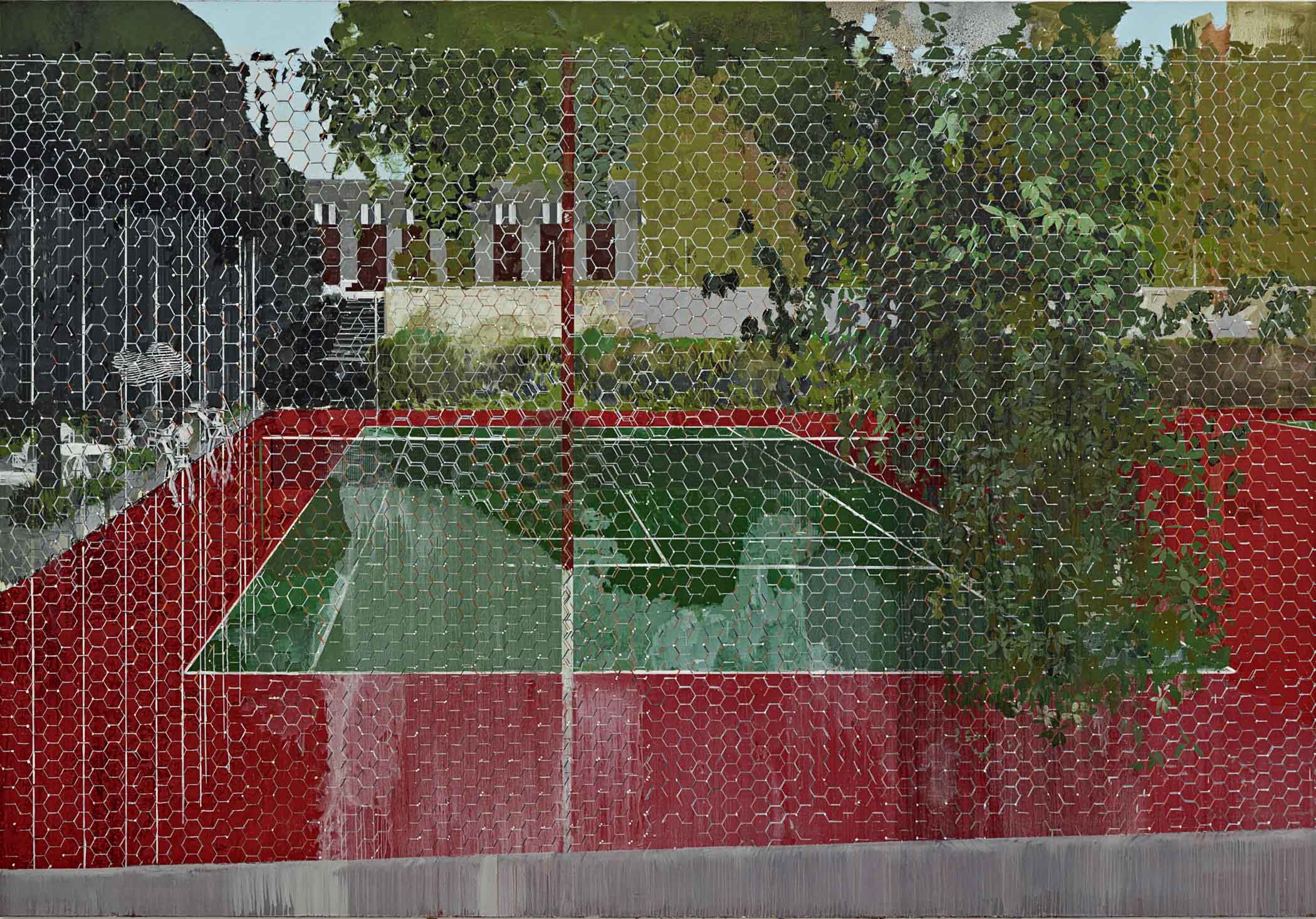
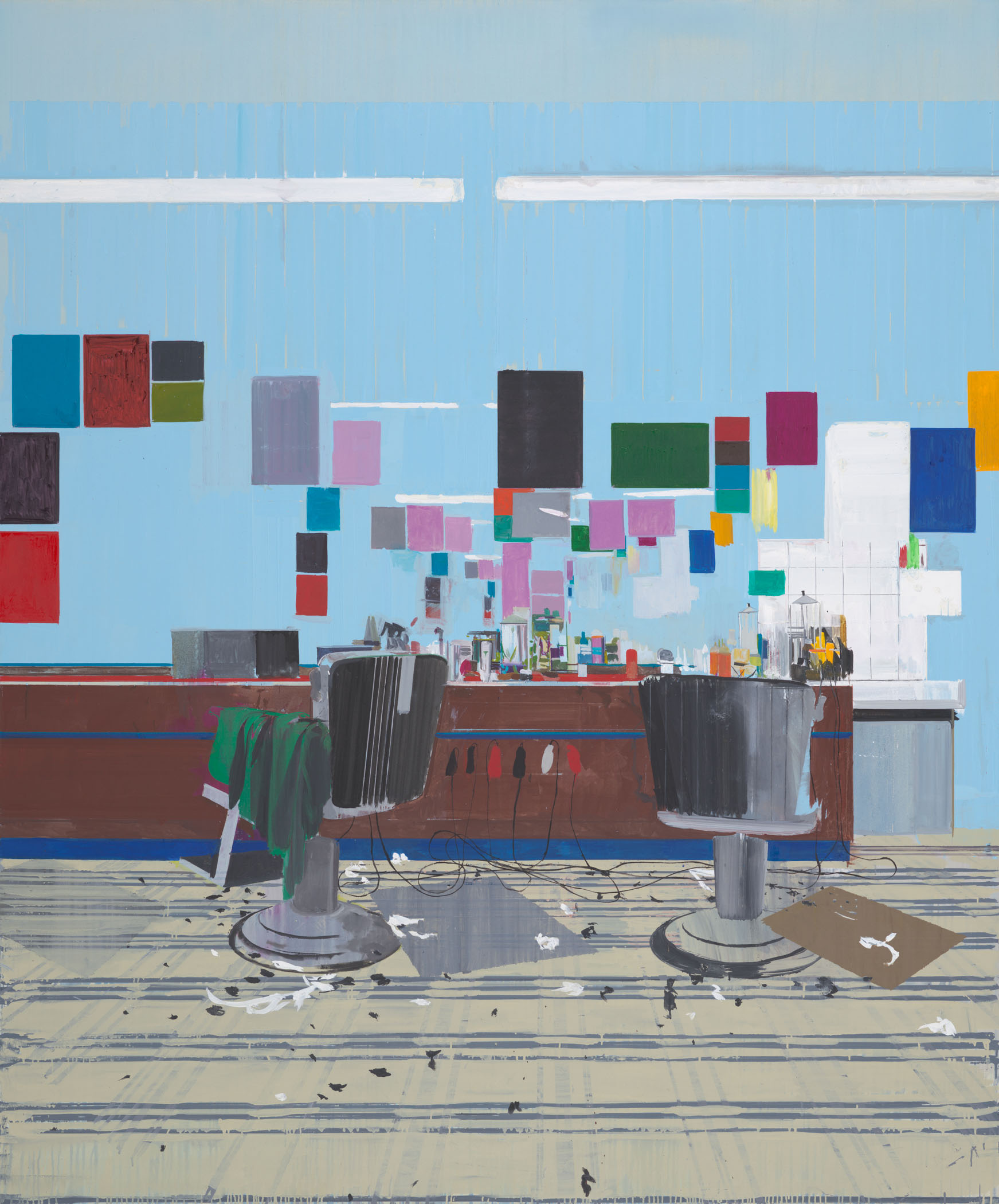
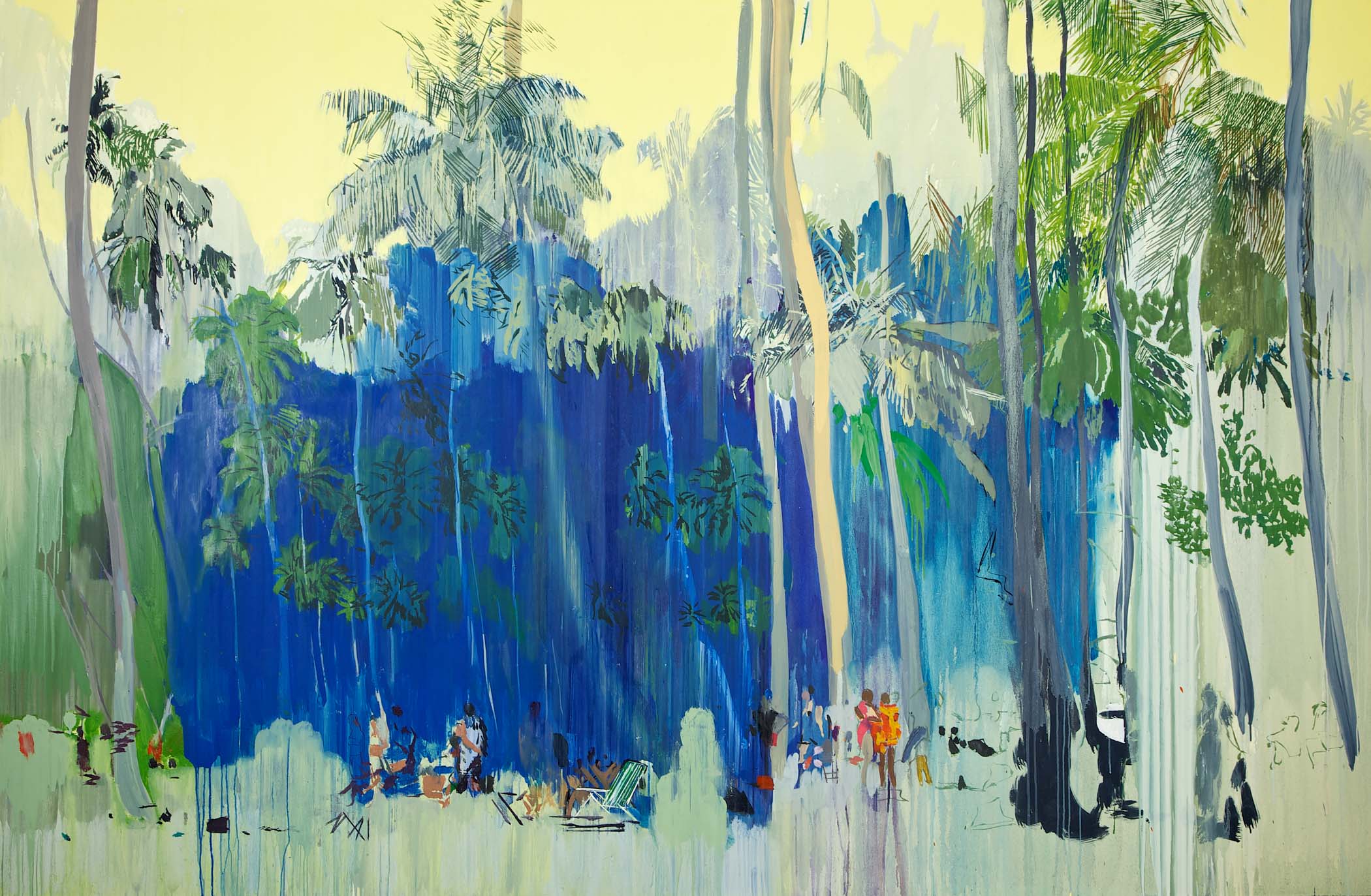
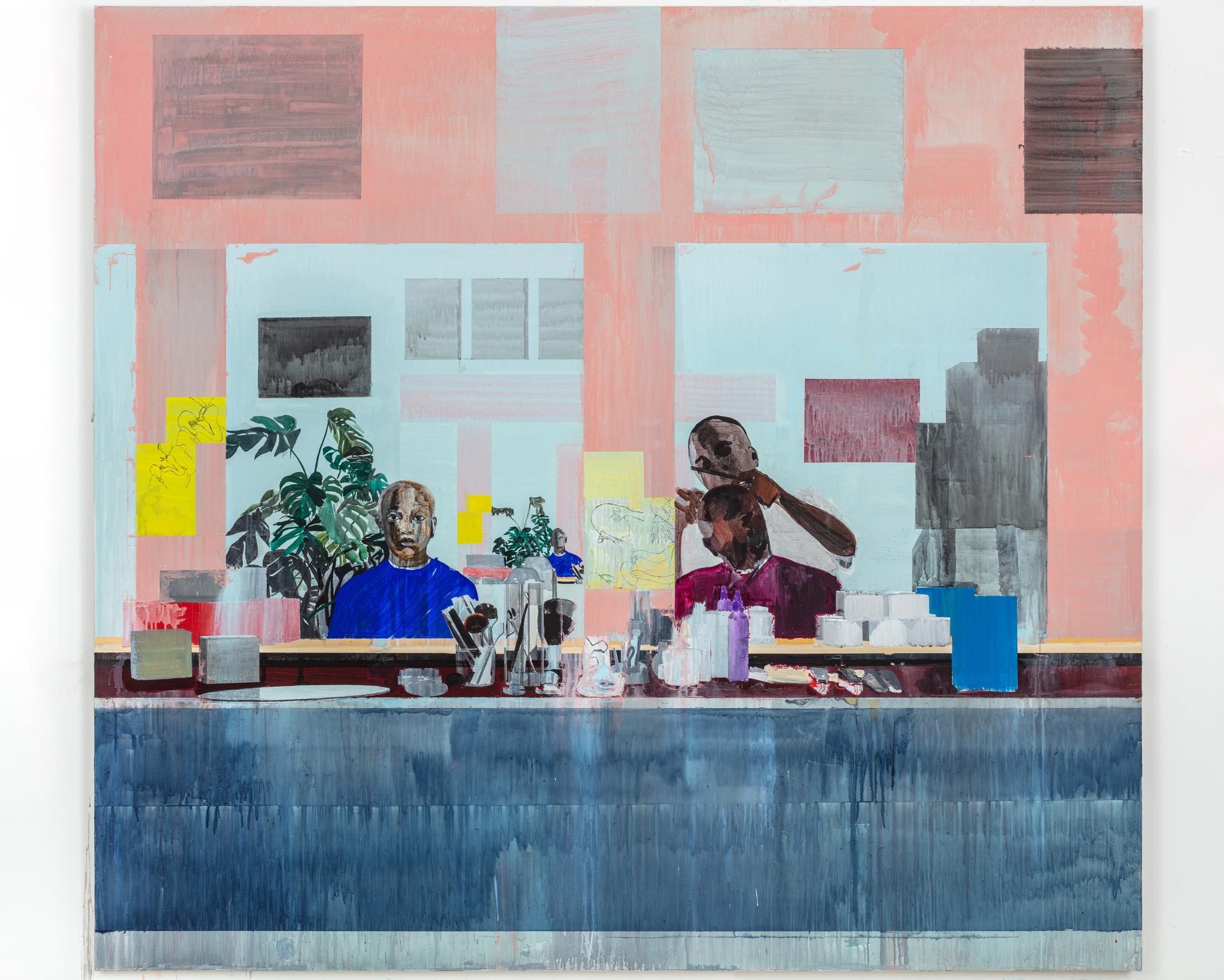
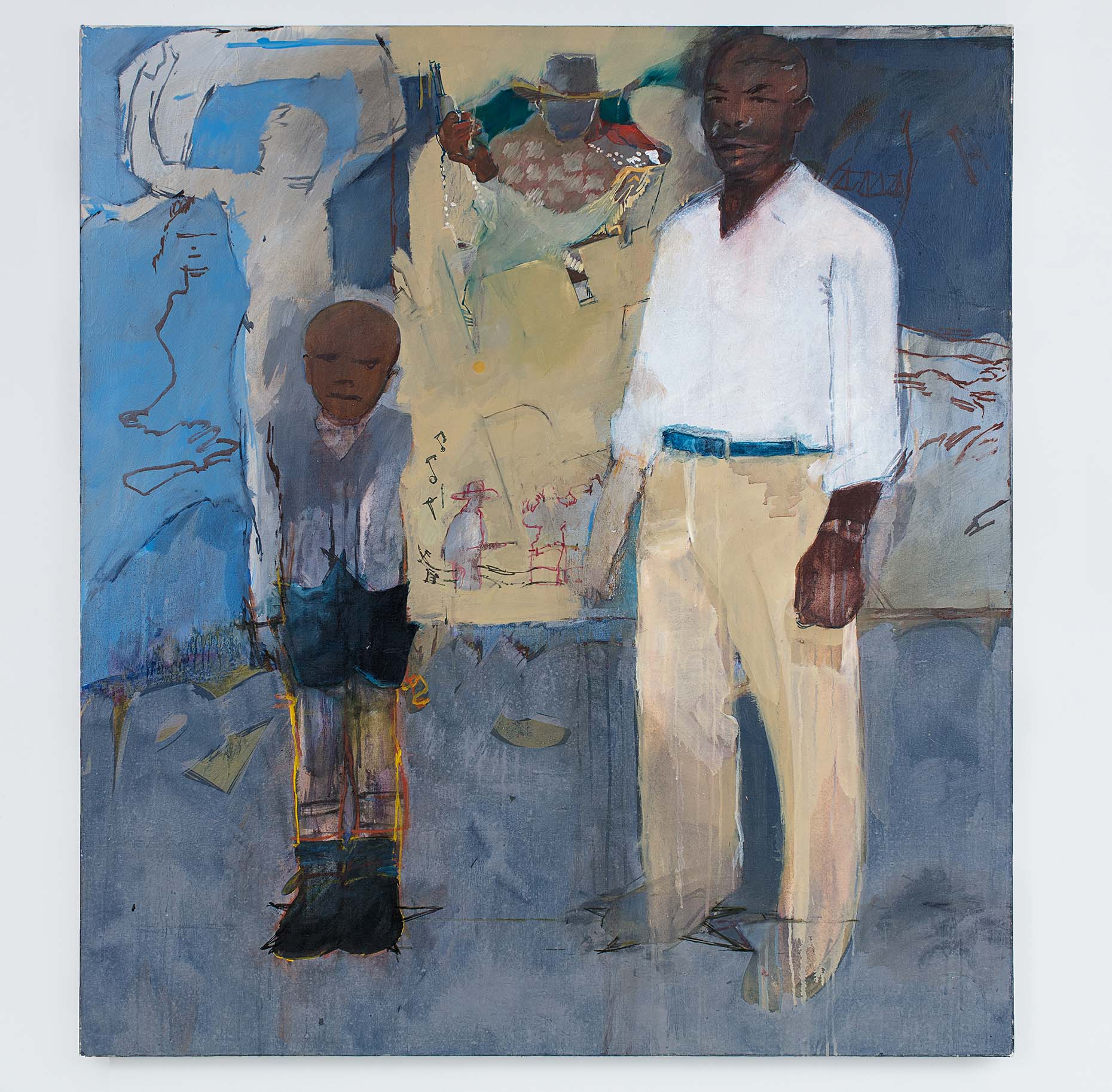
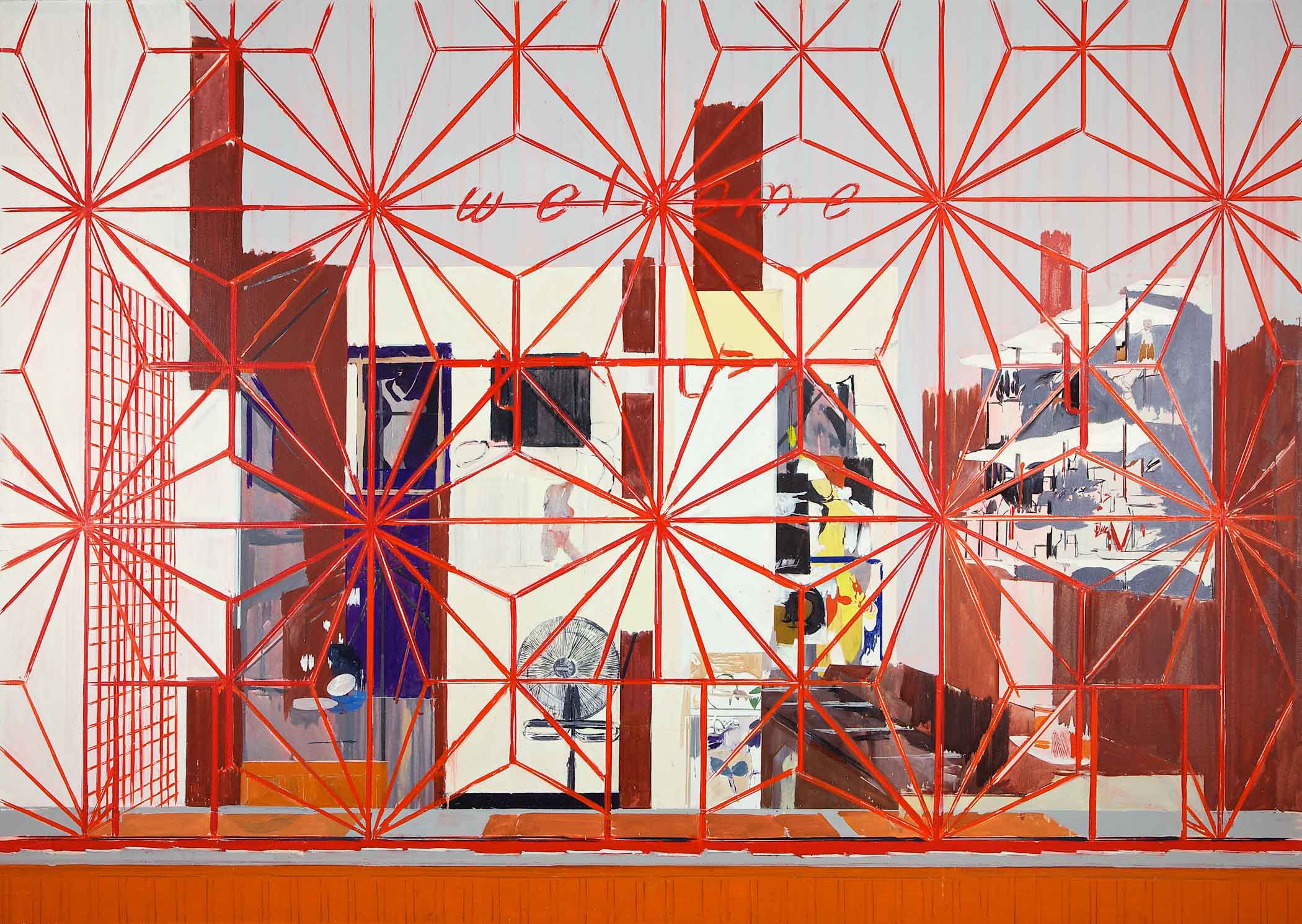
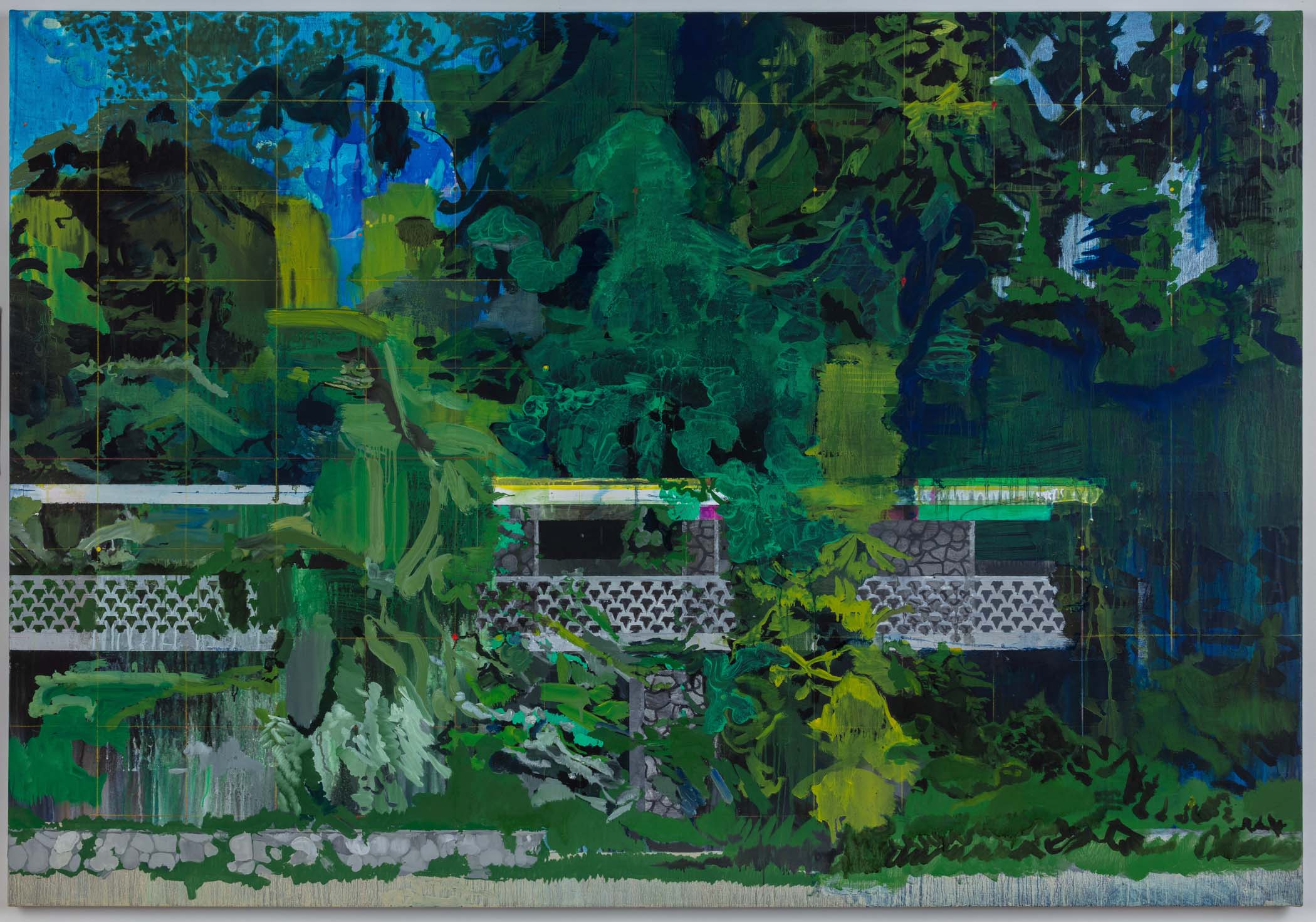
At the Tate Britain, Hurvin Anderson, one of the most significant painters working in Britain today, is the subject of his first major exhibition. Bringing together more than eighty works — from early student paintings to previously unseen recent works — the exhibition traces the arc of his artistic development.
Anderson, the youngest of eight children and the first in his family to be born in Britain, grew up in Birmingham after his parents migrated from Jamaica in the 1960s. His paintings are shaped by questions of belonging and diasporic experience, often centring on family, formative memories and sites charged with both personal and cultural meaning.
The exhibition includes his best-known barber shop paintings, the Peter’s Series. Here, everyday interiors are reconfigured as complex spatial constructions in which identity and belonging are negotiated. Mirrors, chairs, doorways and windows overlap and fragment the pictorial field; space is repeatedly divided, reflected and reassembled. Through this process of repetition and layering, Anderson constructs environments that hover between memory and lived experience.
Also on view is the recent work Passenger Opportunity (2024–25), shown in Britain for the first time. Composed of twenty-four panels, this monumental painting draws on a historical mural at Jamaica’s Norman Manley International Airport, reflecting on mid-twentieth-century migration from the Caribbean to Britain.
Anderson’s paintings operate between Britain and the Caribbean, between interior and landscape. Tropical vegetation, wooded spaces and coastlines are built up through layered, diffused brushwork. These are not straightforward depictions of place, but images shaped by distance and recollection — landscapes filtered through time, and reconstituted through memory.
在Tate Britain,Hurvin Anderson迎來了其職業生涯中的首個大型機構個展。展覽匯集逾八十件作品,從學生時期的早期創作到未曾公開的新作,構成一條相對完整的創作脈絡,勾勒出他繪畫語言的生成與演變。
安德森是家中八個孩子中最年幼的一位,也是家族中首位出生於英國的一代。其父母於20世紀60年代自牙買加移居伯明翰,這一跨越加勒比與英國之間的遷徙經驗,成為其創作的重要背景。在他的作品中,對歸屬、離散與文化身份的思考始終貫穿其中,並往往透過家庭記憶、青年時期的經歷,以及那些承載個人與集體意義的場所被具體化。
展覽中亦呈現了其最具代表性的理髮店系列(Peter’s Series)。這些看似日常的空間,在畫面中轉化為關於身份與社群的視覺結構:鏡子、椅子、門框與窗戶被反覆疊加,空間因此被切割、反射並重新組織。透過這種層疊與轉置,安德森使不同地點彼此滲透,構建出一種介於記憶與現實之間的圖像場域。
展覽同時展出了其最新作品《Passenger Opportunity》(2024–25),這件由二十四塊畫板組成的大型作品首次於英國亮相。作品以牙買加諾曼·曼利國際機場的歷史壁畫為參照,指向20世紀中葉加勒比移民前往英國的歷史經驗,將個體記憶置入更廣泛的社會與歷史敘事之中。
在形式上,安德森的繪畫以高度辨識性的色彩與筆觸展開:從室內空間到戶外景觀,畫面在英國與加勒比之間往返。熱帶植被、林地與海岸在層層疊覆的筆觸之中逐漸模糊,形成一種既熟悉又疏離的視覺經驗——彷彿記憶正在緩慢褪色。
透過對構圖與空間的細緻運用,安德森持續探討身份如何在視覺之中被建構與辨識,同時也回應並重寫英國風景畫的傳統。在此意義上,這場展覽不僅是一次回顧,更進一步鞏固了他作為當代英國繪畫中關鍵聲音的地位。
Georges Seurat:Seurat and the Sea
13 February 2026 — 17 May 2026
The Courtauld
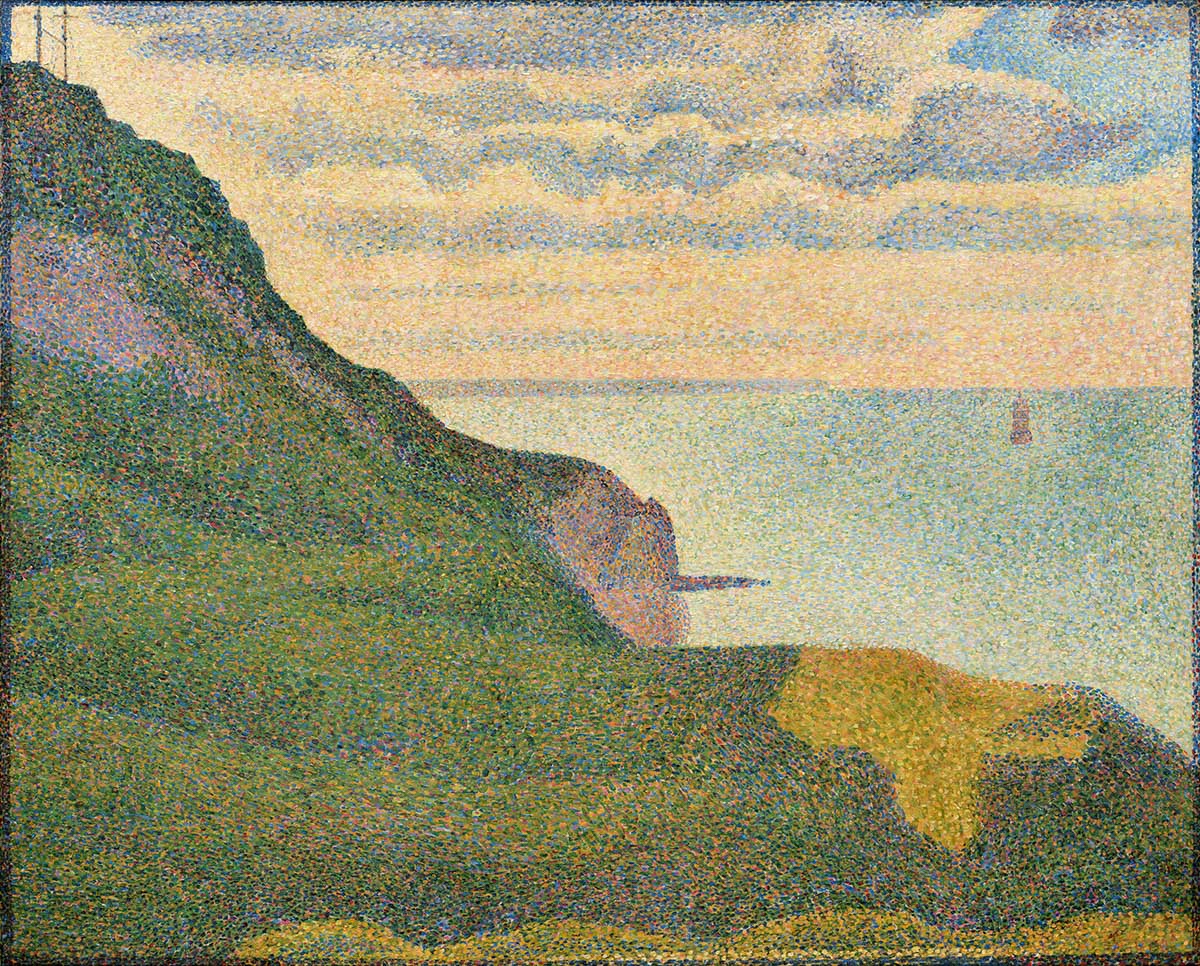
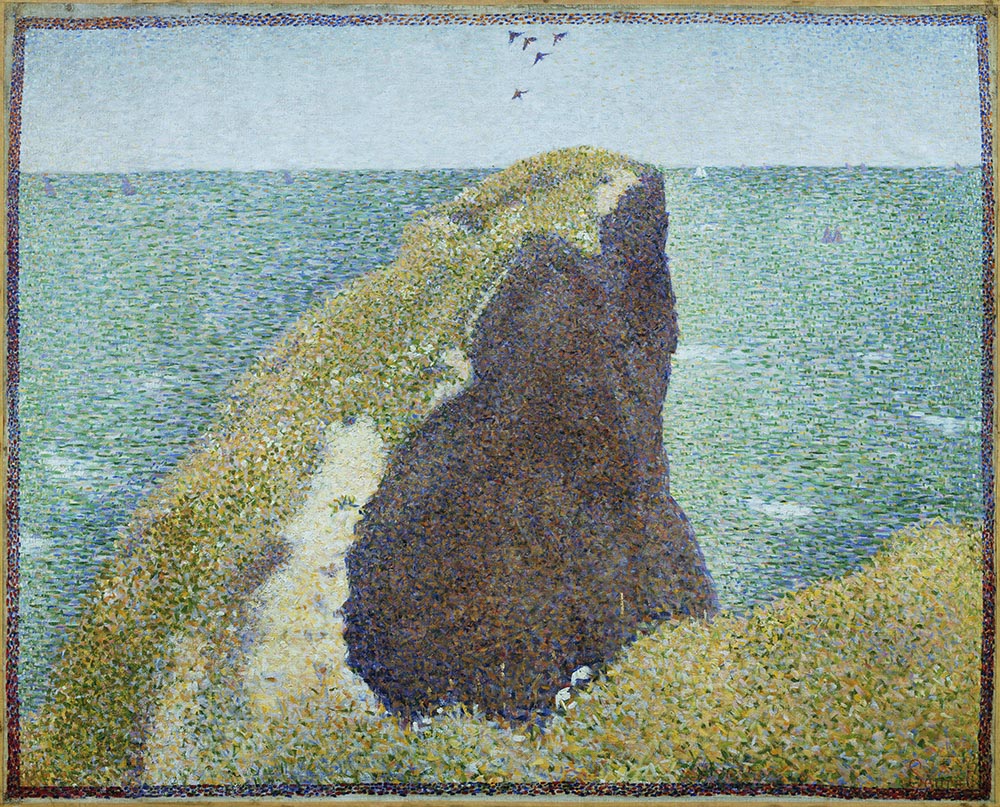
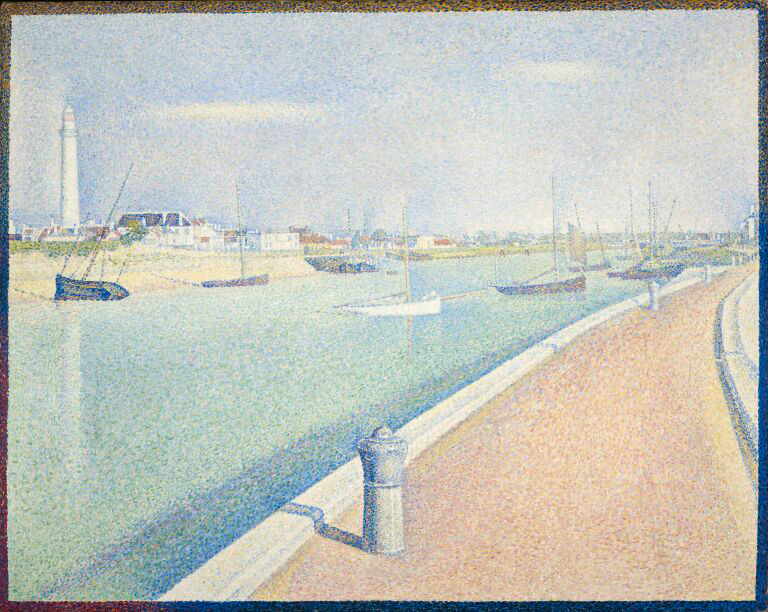
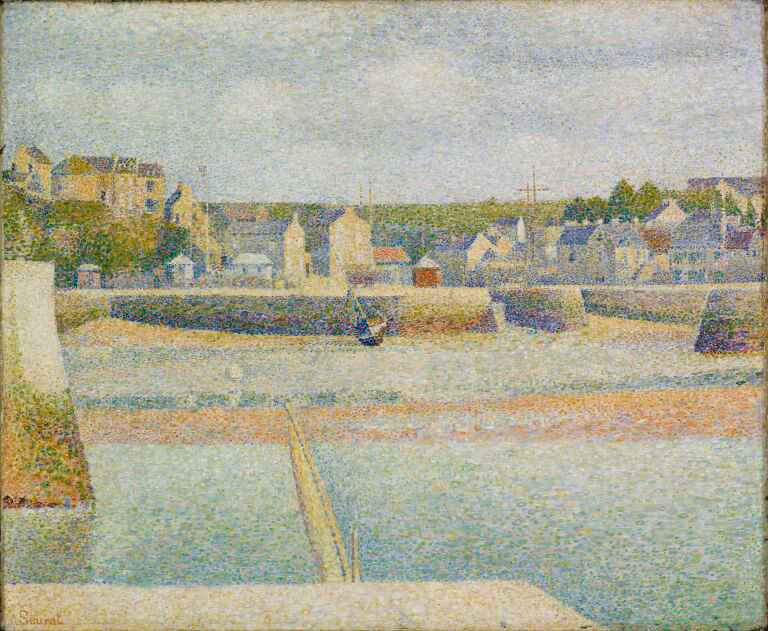
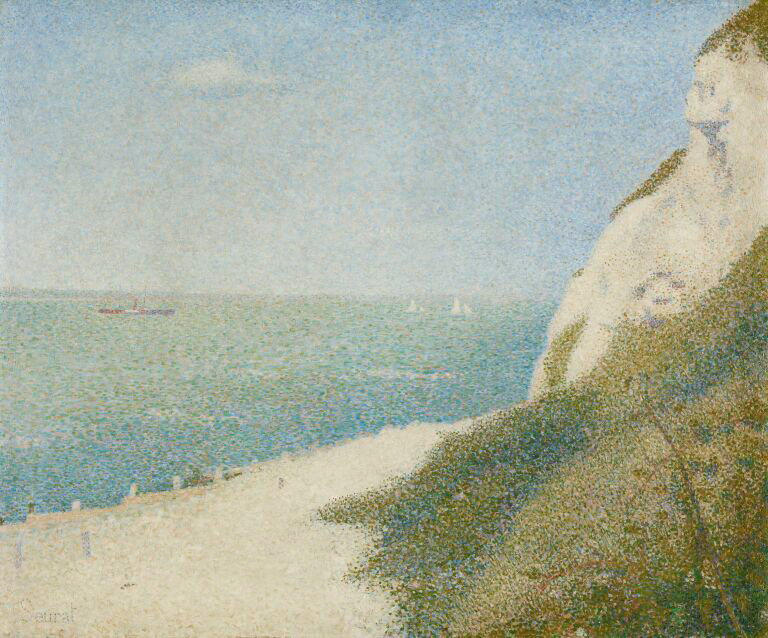
The Courtauld Gallery presents the first exhibition devoted entirely to the seascapes of Georges Seurat (1859–1891). It is the first major Seurat exhibition in Britain in almost thirty years, and traces the development of his distinctive, experimental language through the recurring motif of the sea.
Bringing together twenty-six works — paintings, oil sketches and drawings made between 1885 and 1890 — the exhibition focuses on the five summers Seurat spent on the northern coast of France. Given his early death at the age of 31, his oeuvre remains relatively small, and exhibitions dedicated to specific phases of his practice are correspondingly rare.
Seurat is best known as the originator of Neo-Impressionism, in which discrete touches of pure colour are set side by side to produce optical mixtures of form and light. While the Courtauld holds one of the most significant Seurat collections in Britain, this exhibition deliberately shifts attention away from the Parisian subjects for which he is best known — parks, cafés and boulevards — towards a less examined body of coastal works.
Between 1885 and 1890, Seurat worked in the port towns of Honfleur, Port-en-Bessin and Gravelines, where he applied his chromatic system to scenes of the English Channel: harbours, regattas, sailboats, lighthouses and distant breakwaters. In these works, the seascape becomes a site of sustained investigation into light, structure and pictorial rhythm. As Seurat wrote, he sought to “wash away the time spent in the Paris studio” and to render, as faithfully as possible, “bright and clear scenes”.
In this sense, the exhibition offers an opportunity to reassess a crucial yet often underexamined aspect of Seurat’s practice — one that reveals the intensity with which he pursued the possibilities of painting within a remarkably compressed career.
Courtauld Gallery推出了一場聚焦Georges Seurat海景創作的專題展覽。作為首個專門呈現修拉海岸題材的展覽,亦是近三十年來英國再次舉辦的重要修拉展,此次呈現以「海洋」這一反覆出現的主題為線索,梳理其繪畫語言在短暫而密集的創作生涯中的發展與轉變。
展覽匯集了修拉於1885年至1890年間五個夏季在法國北部海岸創作的二十六件作品,包括油畫、習作與素描。由於他英年早逝,年僅三十一歲,現存作品數量有限,圍繞其特定創作階段展開的展覽亦因此相對罕見。正是在這樣的條件之下,此次展覽得以將一段往往被分散觀看的創作經驗重新聚合為一條可被辨識的脈絡。
修拉以其開創性的Neo-Impressionism技法聞名——通過將純色小點並置於畫面之上,使色彩在觀者視網膜中完成混合,以此建構形體與光感。科陶德本身擁有英國最重要的修拉收藏之一,而此次展覽則刻意將視線從他更為人熟知的巴黎城市場景——公園、咖啡館與街道——轉向一組較少被深入討論的海岸風景。
在翁弗勒爾、貝桑港與格拉沃利訥等地,修拉反覆描繪英吉利海峽沿岸的景象:海面、碼頭、帆船、燈塔與遠方的堤岸。在這些作品中,風景不再只是再現自然的對象,而成為對光線、節奏與結構的持續實驗。正如修拉所言,他希望「洗去在巴黎工作室中形成的習慣」,以更直接而純粹的方式去描繪那些「明亮而清澈的景象」。
在此意義上,這場展覽不僅補充了對修拉創作的既有認識,也提供了一個重新審視其藝術方法的重要視角——一個關於如何在有限的時間之中,不斷推進繪畫語言邊界的實驗過程。
Text by x Jackie Liu
Edited by x Michelle Yu