

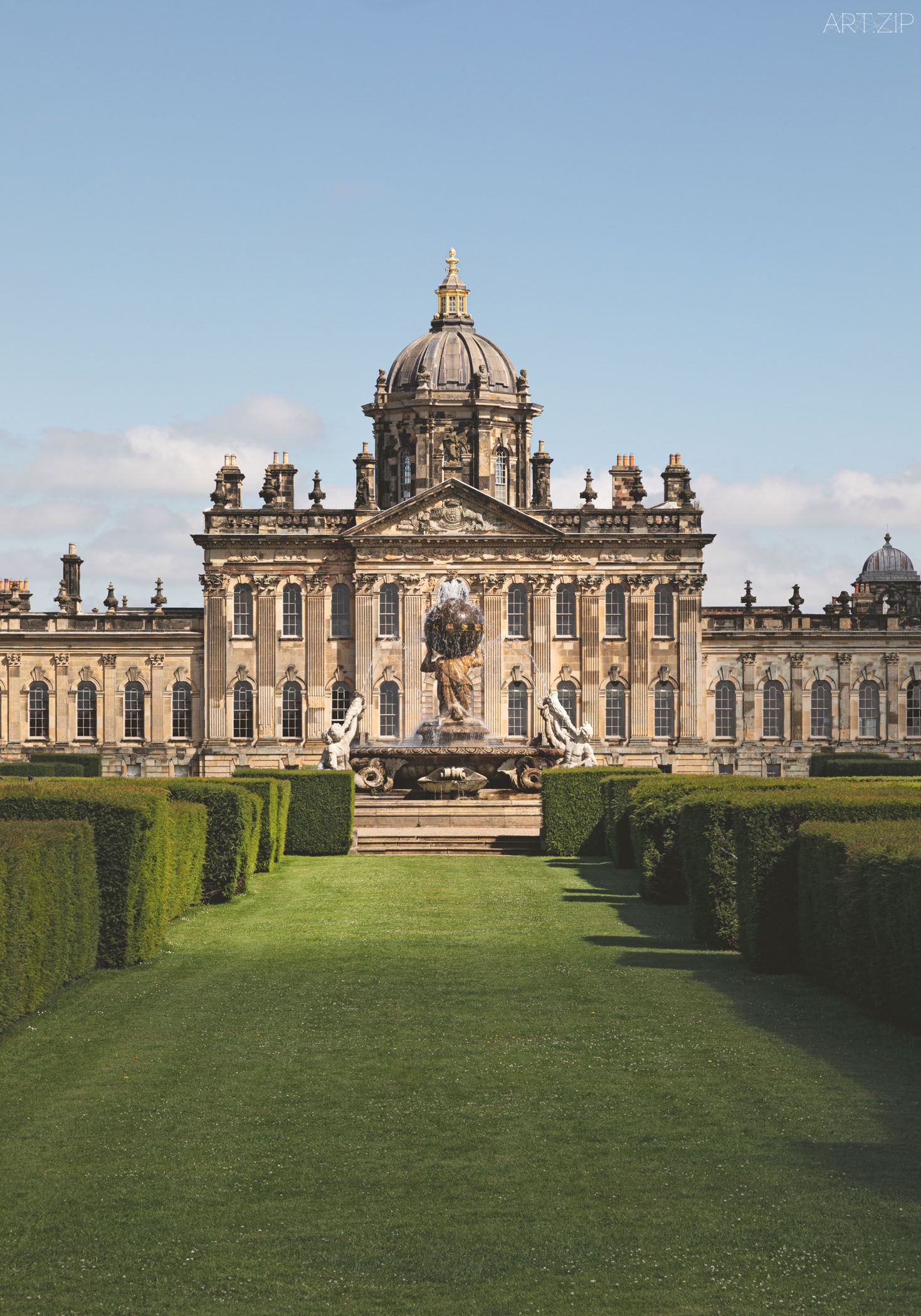
On 26 March 2026, Castle Howard marked the three-hundredth anniversary of the death of Sir John Vanbrugh with the exhibition Staging the Baroque: Vanbrugh at Castle Howard. The exhibition, designed and curated by architect Roz Barr, chronicles the story of this exciting creation and explores Sir John Vanbrugh’s visionary use of scale, shadow and light in the creation of one of Britain’s most iconic stately homes. This exhibition is not simply a retrospective of architecture or a commemoration of Vanbrugh. It feels more like a tribute delayed by three hundred years: people finally return to one of Britain’s most celebrated country houses in order to understand how it was created in the first place.
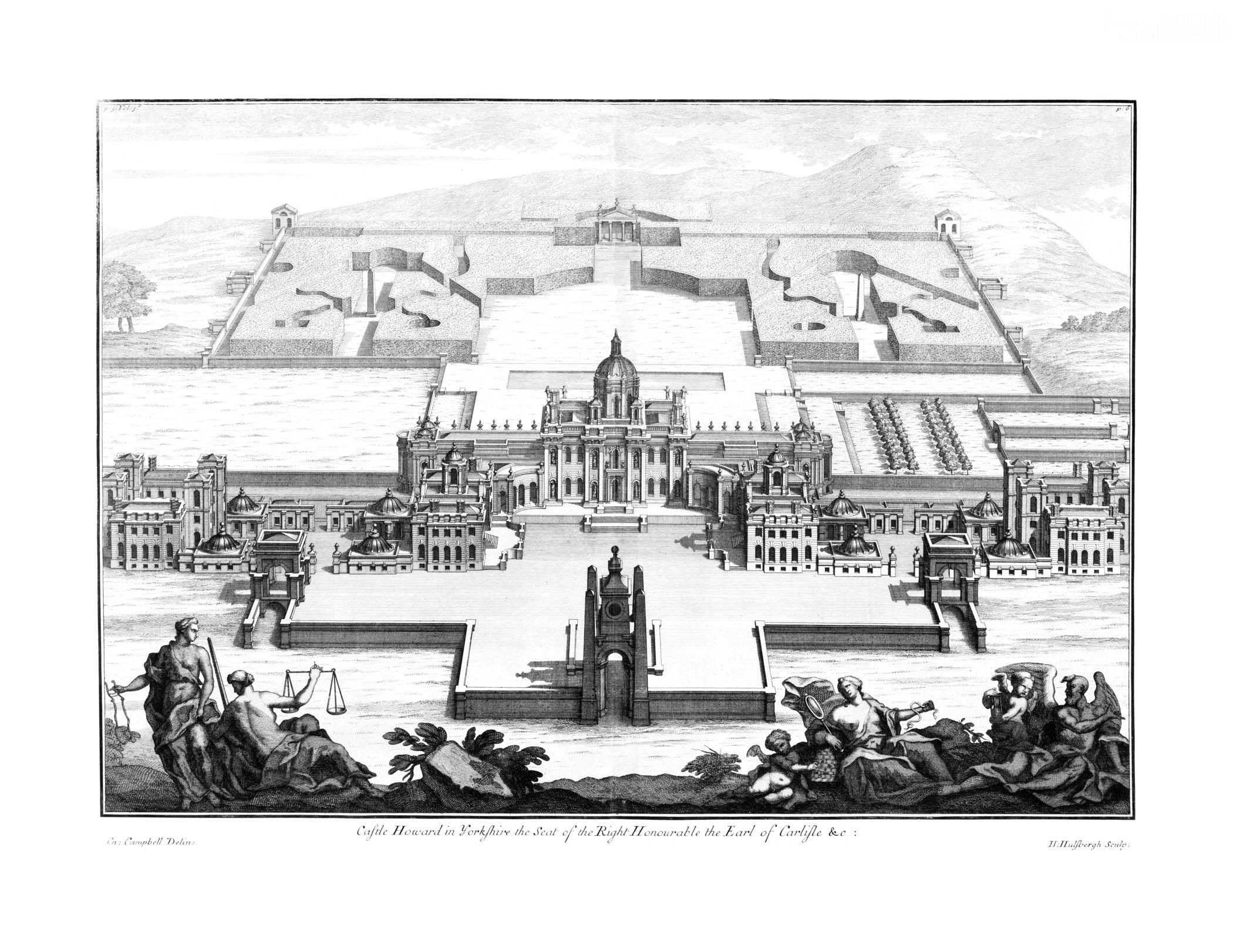
Castle Howard as depicted in Vitruvius Britannicus (The British Architect), by Colen Campbell, 1725, part of the Castle Howard collection.
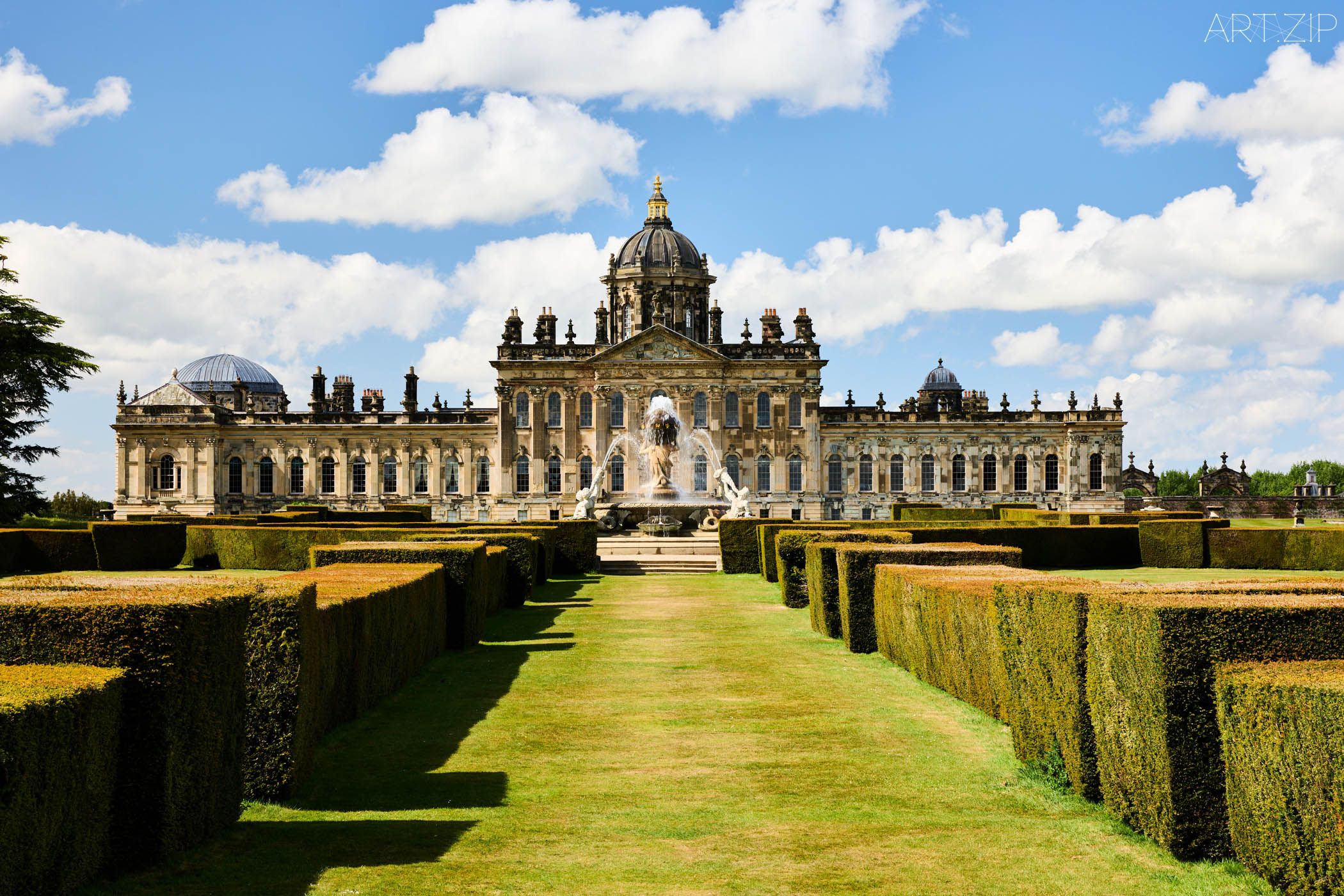
Castle Howard. Photo by David Lindsay
The beginning of the story
Today, people may know Castle Howard because of Brideshead Revisited, or perhaps more recently, because of Bridgerton. Its imposing dome, lawns stretching into the distance, lakes, sculptures and temples have made it one of the most classic images of the English country house. But in 1699, none of this yet existed.
That year, Charles Howard, the 3rd Earl of Carlisle, wanted to build a grand country house. Yet the man he eventually chose to commission was not an experienced architect, but a playwright who had never designed a building before. The story began at London’s Kit-Cat Club, where Vanbrugh met the equally ambitious Charles Howard. One hoped to build a magnificent country house; the other longed to turn his imagination of space, stagecraft and theatricality into reality.
So, between a chance meeting and an ongoing conversation, a house that would go on to reshape the English landscape slowly began to take form. Vanbrugh enlisted the help of the architect Nicholas Hawksmoor, and the collaboration gave rise to the masterpiece which is Castle Howard. In a sense, this building carries both the ambition of an aristocrat and the imagination of a playwright. It was not a house simply “built”, but something more like a drama unfolding slowly in architectural form.
Playwright or Architect
John Vanbrugh lived a life of many identities: playwright, soldier, diplomat, adventurer, spy and landscape visionary. He first found fame as a playwright with two hugely successful plays of the late seventeenth century, The Relapse (1696) and The Provoked Wife (1697), and yet, despite having no architectural experience, became one of the most important names in the history of English Baroque architecture. Although his body of architectural work was not large, he played a decisive role in establishing a theatrical English Baroque idiom for the grand country houses. Vanbrugh’s bold and daring designs extended beyond country houses to temples, belvederes, pyramids and other garden features.
He was later described as “the Rockstar of the English Baroque” and “the original starchitect”. As Nicholas and Victoria Howard have said: “It was Vanbrugh’s vision that brought Castle Howard to life, and now the House has the honour of celebrating its creator.”
The drama in progress
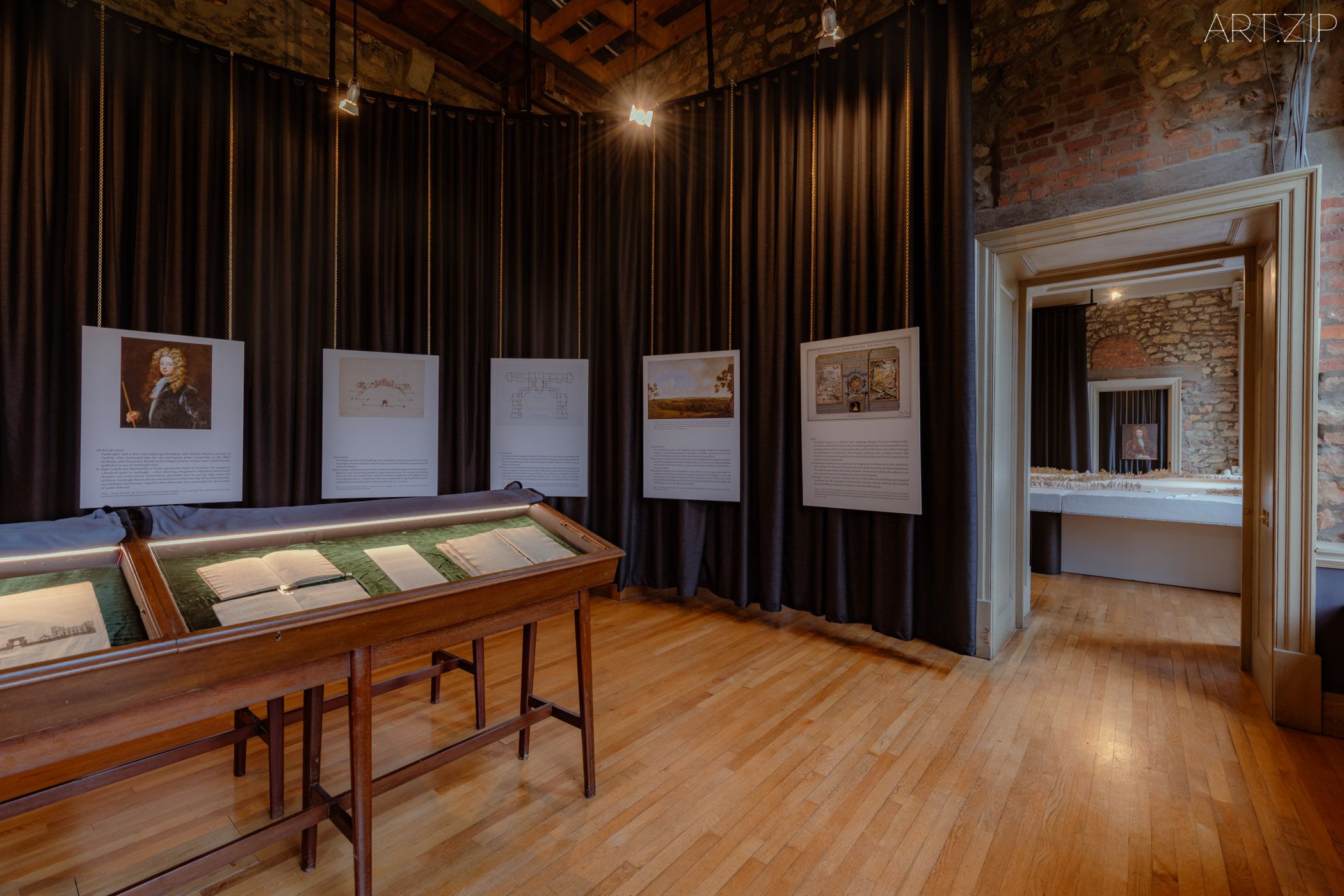
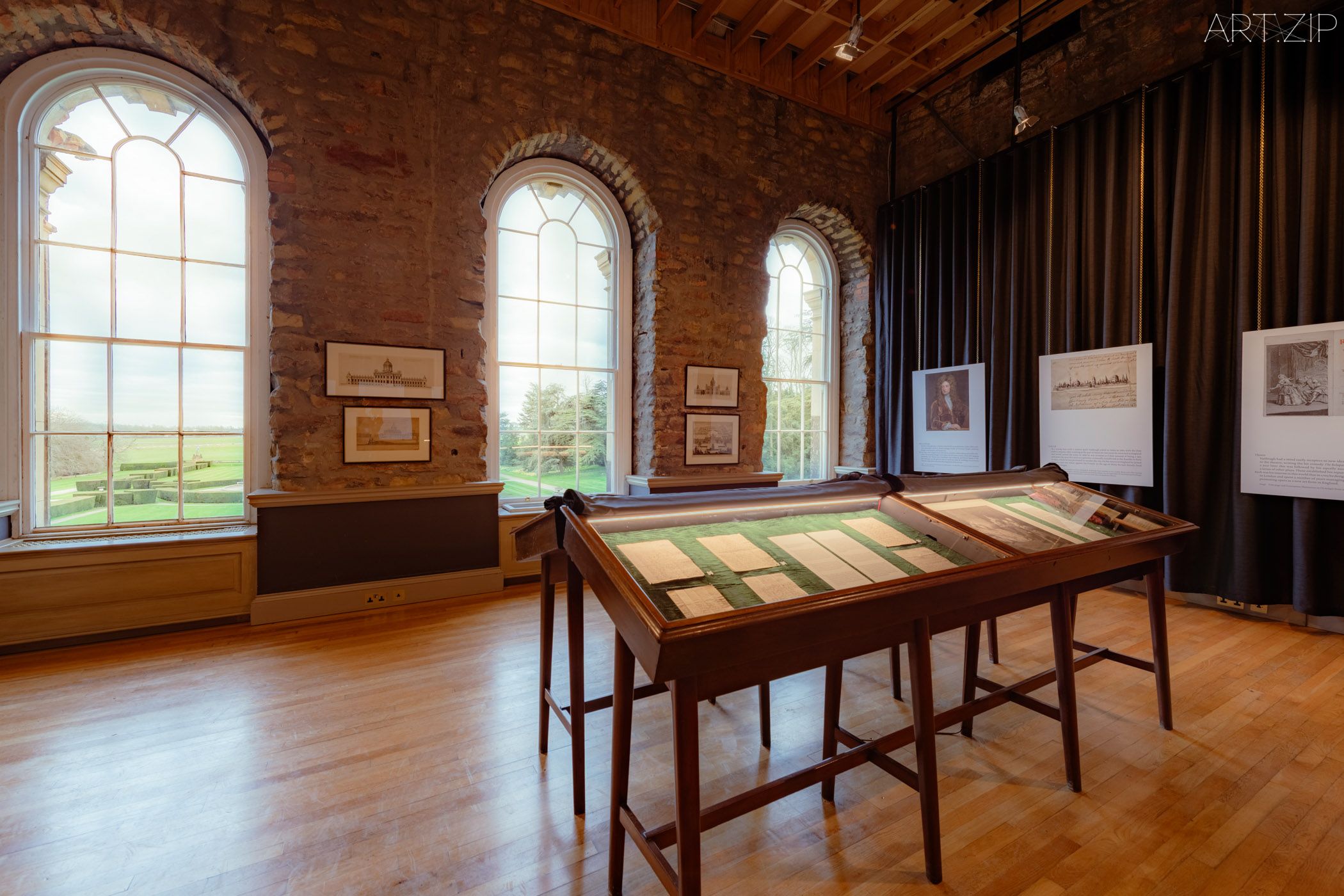
The first thing one encounters on entering the exhibition is a series of original letters shown publicly for the first time. The Earl of Carlisle’s accounts, letters written by Vanbrugh, eighteenth-century editions of his plays, and original engravings of Castle Howard from Vitruvius Britannicus are displayed within the same space. The room presents a series of objects related to the development of the house, allowing one to feel, perhaps more directly than ever before, that this castle was never merely an architectural project, but a negotiation of power, imagination and performance. Like a playwright composing a drama, Vanbrugh slowly built up the outline of Castle Howard.
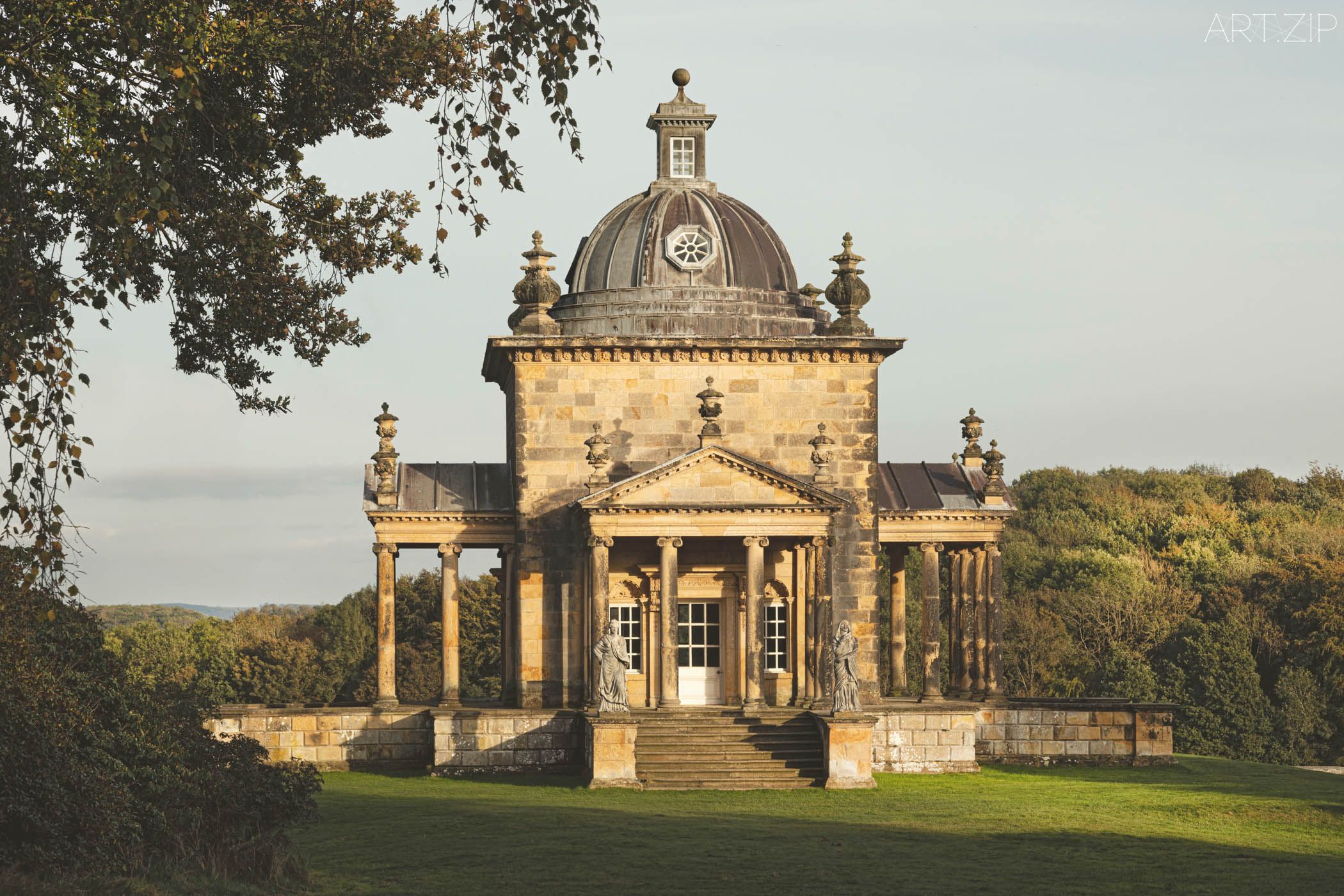
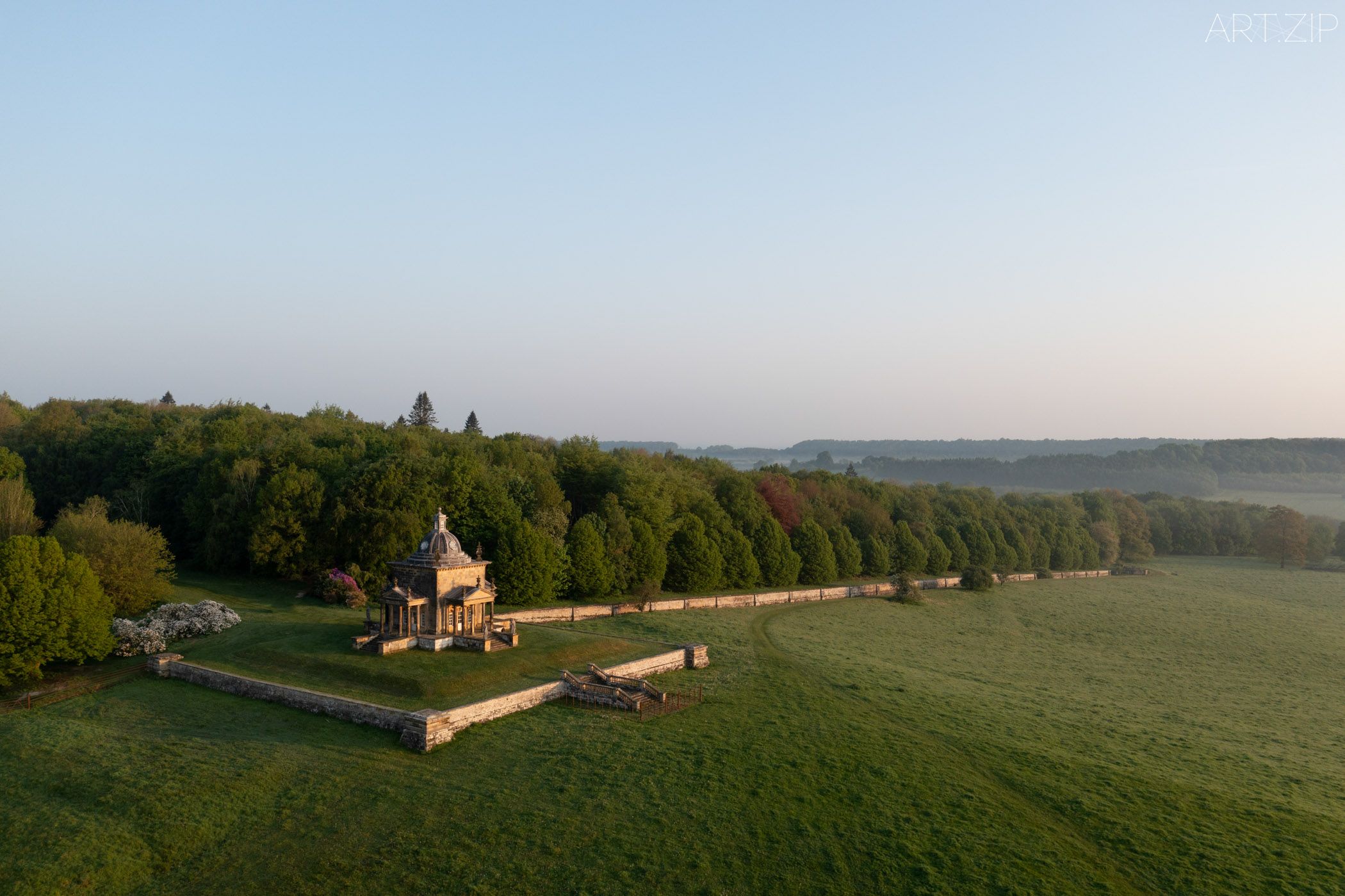
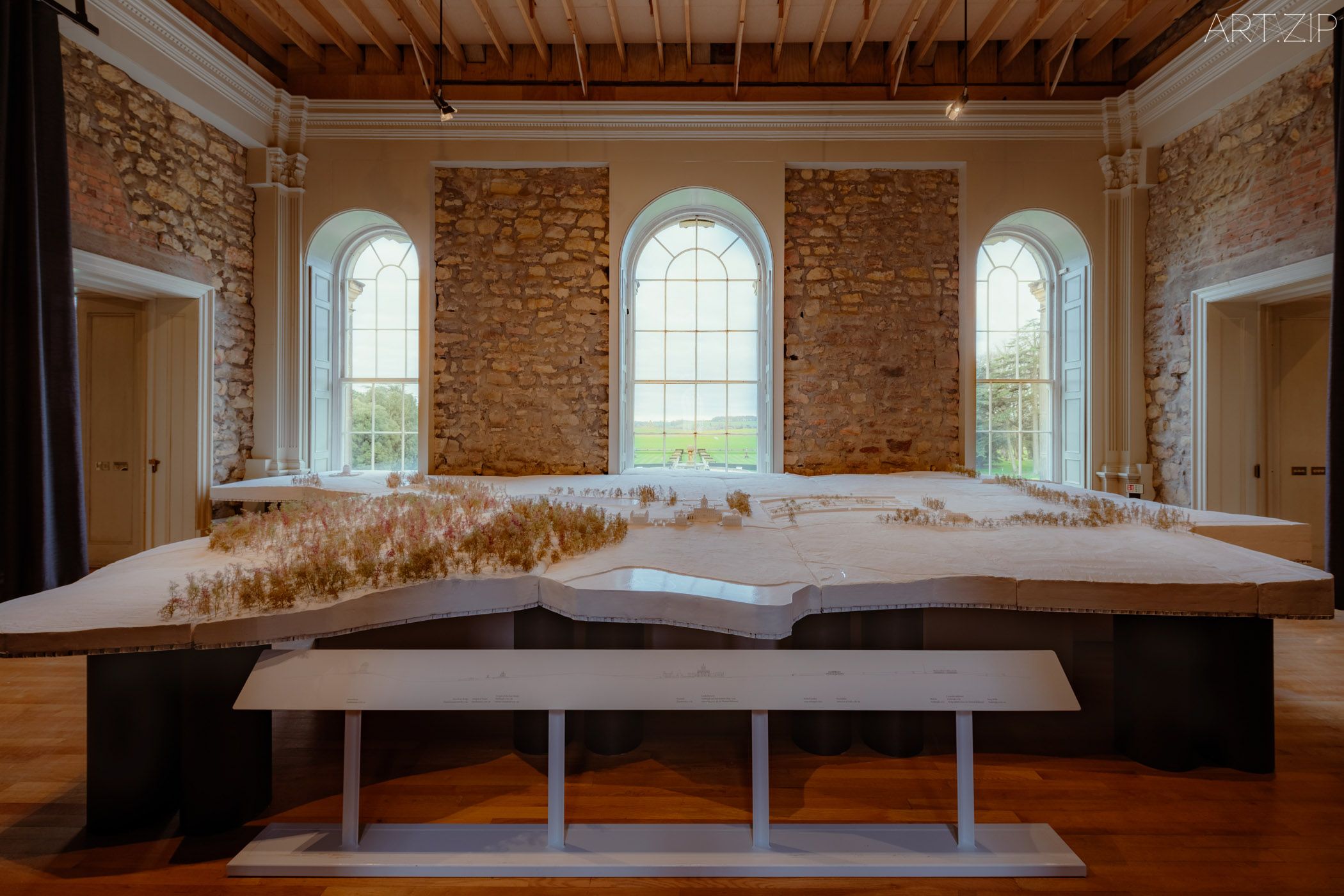
If the written records reveal the ideas that existed before the house was built, then the large landscape model at the centre of the gallery allows us, for the first time, to see how Vanbrugh understood the relationship between architecture and landscape as something deeply interwoven. For the first time, the exhibition recreates the house and gardens through a large-scale landscape model. That famous dome does not stand in isolation at the centre of the house. It is surrounded by lakes, trees, sculptures, roads and, in the distance, the Temple of the Four Winds, while the house itself shifts between sunlight and shadow. What Vanbrugh truly designed was, in fact, a complete theatrical orchestration.
In his imagination, Castle Howard was never just a house. It was like a vast stage, and everyone who entered it became a character in the drama. “This house is possibly his most poetic and enchanting creation, but the building shows not just his skills in creating a Baroque masterpiece but also the intimate relationship between his architecture and the surrounding landscape. I hope the exhibition will inspire visitors to explore the grounds and appreciate the impact of the house…” said Roz Barr.
Vanbrugh brought his experience as a playwright into architecture. He knew how to make people wait, how to surprise them, and how to create suspense in space. Vanbrugh never truly stopped being a playwright — he simply began writing in stone, landscape and light.
The final space contains a new film by Thomas Adank about the House and architectural elements across the Castle Howard Estate. The exhibition is part of a House tour which includes the recently renovated Tapestry Drawing Room and Long Gallery.
Four acts across three centuries
Over the following three hundred years, Castle Howard continually became a place where stories happened. It has gone through at least four important stages.
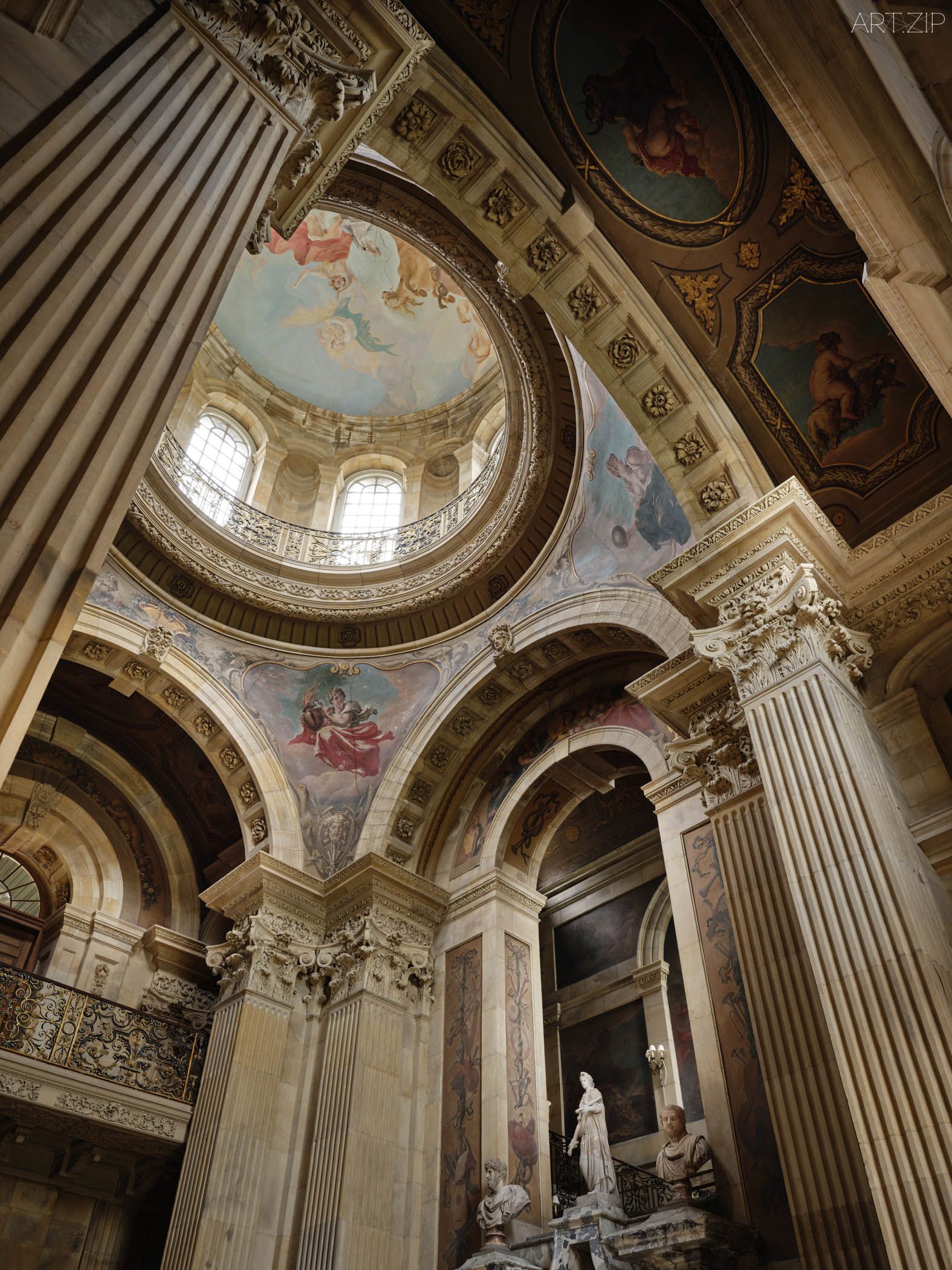
It was built in the early eighteenth century and was Vanbrugh’s first major architectural commission. Although only three-quarters of the house had been completed by the time of his death, its distinctive dome, along with the lakes, temples and monuments laid out across the estate, was already enough to define the image of English Baroque architecture.
Then, in 1940, a fire changed everything. The flames destroyed the most important central part of the house. The dome collapsed, and the interior spaces were almost completely devastated. A film shown in the exhibition allows visitors to see once again the broken walls and ruins left behind by that fire. For Castle Howard, this was not simply an act of destruction, but something more like an interruption in the middle of a play.
And yet it did not end there. In the decades that followed, the Howard family continuously restored the building. More importantly, the Castle Howard visitors see today has, in many ways, also been “rebuilt” by generations of visitors. Every ticket, every visit, every person who walks into this place becomes part of that restoration.
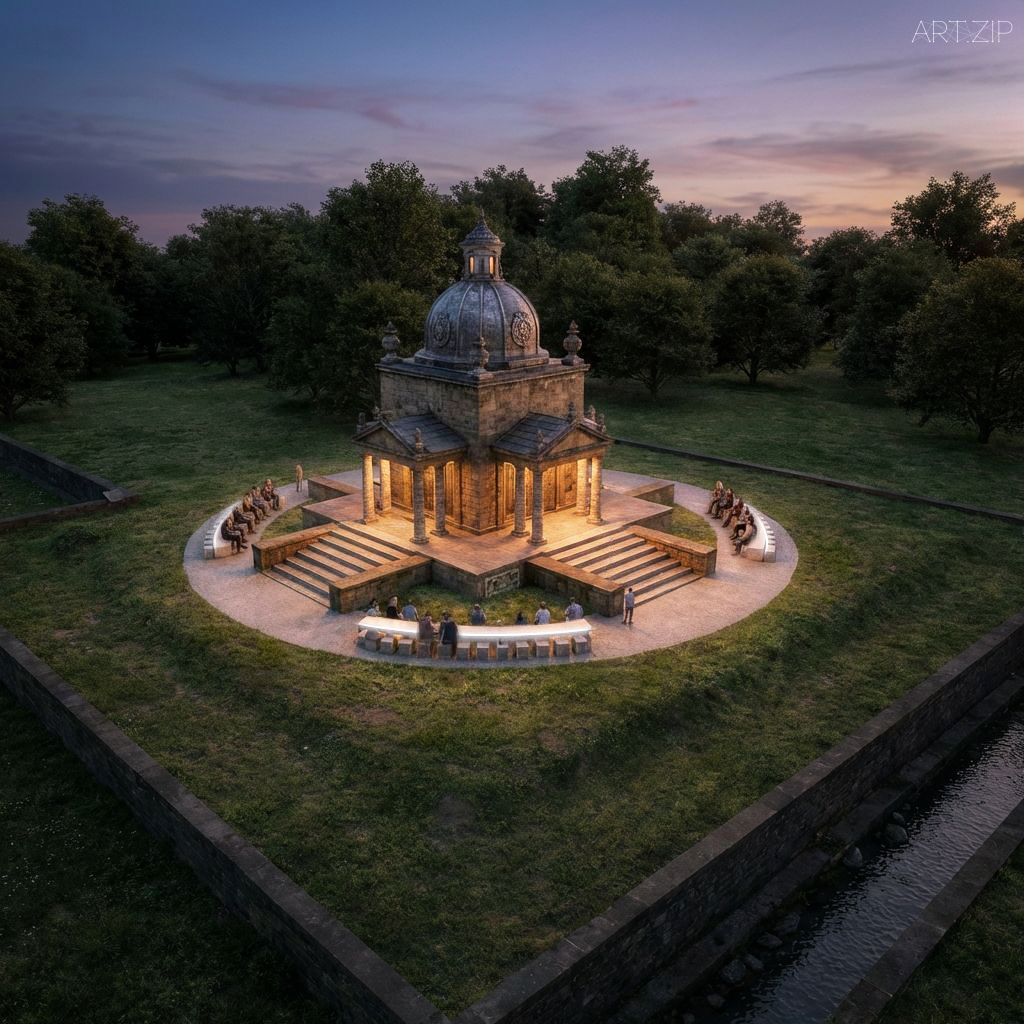
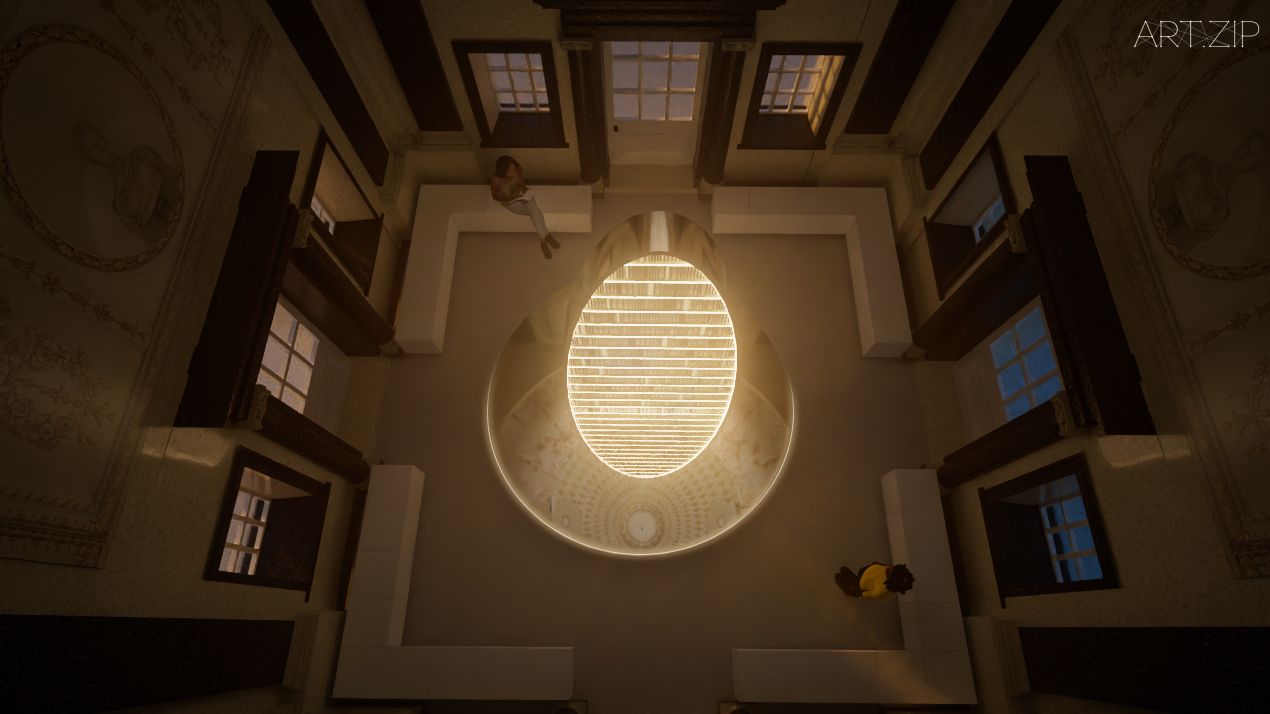
Now the house has entered a fourth stage: it is no longer simply a preserved historic monument, but a space still being continuously reinterpreted and renewed. For this reason, the Vanbrugh tercentenary programme includes not only this exhibition, but also lectures, performances and artist response projects. This June, internationally renowned artist and designer Es Devlin will unveil a new installation Library of the Four Winds in Vanbrugh’s Temple of the Four Winds. An interactive game experience, Playshapes: Castle Constructors, will open on 23 May.
Staging the Baroque makes one realise that what Vanbrugh truly left behind was not a fixed architectural style, but a belief in theatricality. Architecture should not merely be a container for life; it can also create emotion, imagination and awe for life itself.
Perhaps that is precisely why, three hundred years later, when people once again walk into Castle Howard, see the dome reappear in the light, and see the trees, lakes and temples once more unfold around the house, they still feel an almost unimaginable force.
As if that playwright had never truly left.
2026年3月26日,位於英格蘭北約克郡的霍華德城堡,以展覽《上演巴洛克:霍華德城堡的範布魯》(Staging the Baroque: Vanbrugh at Castle Howard)紀念約翰·範布魯爵士(Sir John Vanbrugh)逝世三百週年。
該展覽由建築師羅茲·巴爾(Roz Barr)設計和策展,記錄了這一激動人心的創作故事,並探索了約翰·範布勒爵士在創造英國最具代表性的莊園住宅之一時,如何富有遠見地運用尺度、陰影和光線。這場展覽並不只是一次關於建築的回顧和對範布魯的紀念,它更像是一場遲到了三百年的致敬:人們終於重新回到這座英國最著名的鄉村宅邸之中,去理解它究竟是如何被創作出來的。
故事的開始
今天,人們熟悉霍華德城堡,或許是因為《故園風雨後》(Brideshead Revisited),也可能是因為《布里奇頓》(Bridgerton)。恢弘的穹頂、延伸向遠方的草坪、湖泊、雕塑與神廟,讓它成為英國鄉村宅邸最經典的形象之一。
但在1699年,一切都還不存在。
那一年,第三代卡萊爾伯爵查爾斯·霍華德(Charles Howard)希望建造一座宏偉的鄉間別墅。而他最終選擇委託的人,卻並不是一位經驗豐富的建築師,而是一位從未設計過任何建築的劇作家。故事開始於倫敦的Kit-Cat Club,範布魯在那裡遇見了同樣雄心勃勃的查爾斯·霍華德。一位希望建造一座宏偉宅邸,一位則渴望把自己對於空間、舞台與戲劇性的想象,真正變成現實。
於是,在一場偶然的相遇與持續的對話之間,一座即將改寫英國鄉間景觀的城堡,開始緩緩成形。範布魯在建築師尼古拉斯·霍克斯莫爾(Nicholas Hawksmoor)的幫助下,共同設計出了霍華德城堡。某種意義上,這座建築既承載著貴族的野心,也承載著劇作家的幻想。它不是一座被「建造」出來的房子,而更像是一場以建築為形式緩緩展開的戲劇。
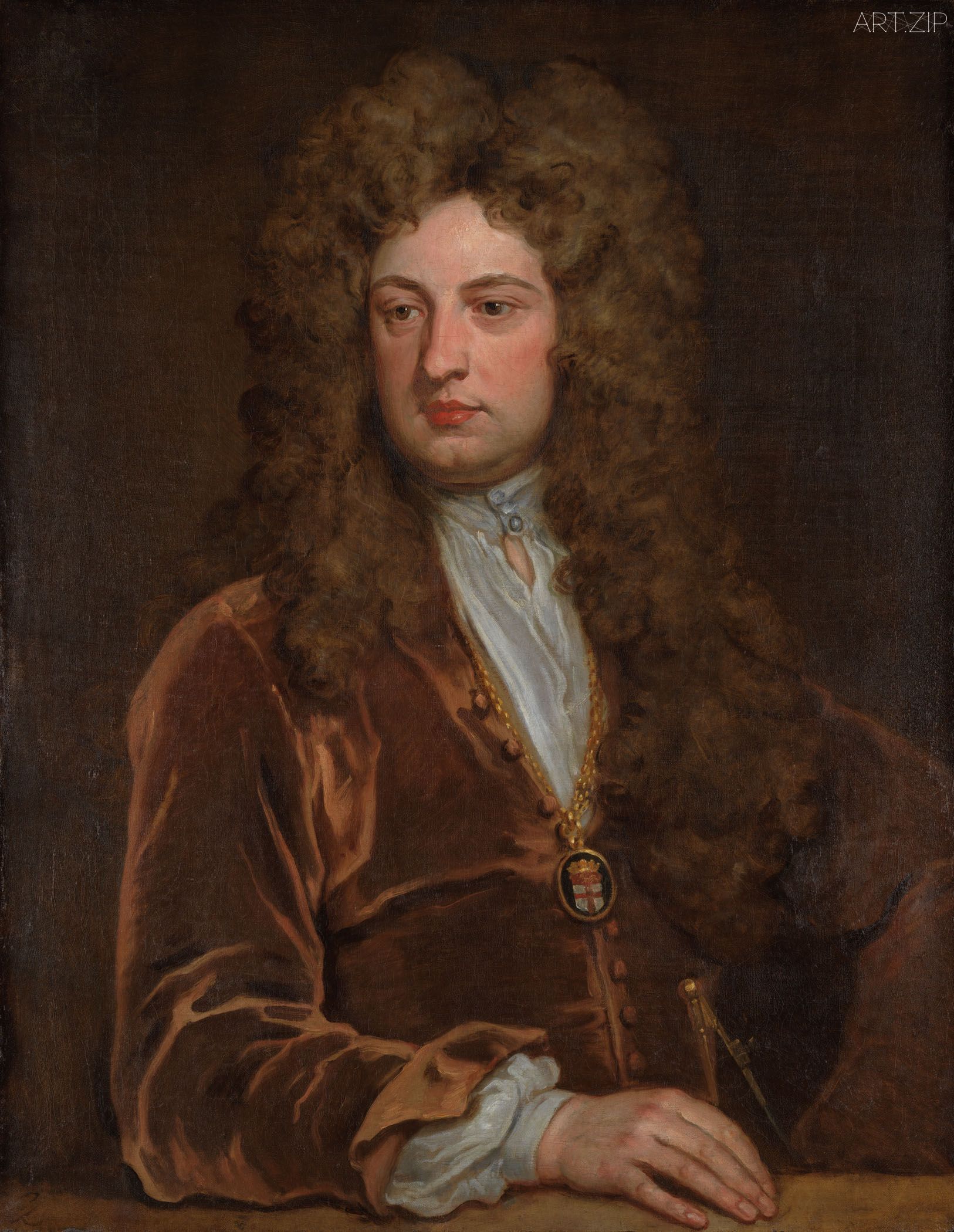
Portrait of Sir John Vanbrugh by Sir Godfrey Kneller, c. 1705, oil on canvas. Courtesy of the National Portrait Gallery.
劇作家還是建築師
約翰·範布魯的一生擁有太多身份:劇作家、士兵、外交官、冒險家、間諜、景觀設計師。他以17世紀末最成功的兩部戲劇《復活 (The Relapse)》(1696)以及《被挑釁的妻子》(1697)聲名鵲起,卻又在毫無建築經驗的情況下,成為英國巴洛克建築歷史上最重要的名字之一。雖然他的建築作品不多,但他幾乎單槍匹馬地普及了華麗、純正的巴洛克風格,這成為宏偉的鄉間別墅的裝飾。範布魯式的大膽設計從鄉村別墅延伸到寺廟、觀景台、金字塔和其他花園特徵。他後來被譽為「英國巴洛克的搖滾明星」和「最初的明星建築師」。尼古拉斯和維多利亞·霍華德說:「正是範布勒的遠見卓識使霍華德城堡得以建成,現在這座城堡榮幸地向它的創造者致敬。」
戲劇進行時
進入展廳的第一刻,是一系列第一次公開展出的原始信件。卡萊爾伯爵的賬目、範布魯寫下的信件、18世紀出版的戲劇版本,以及《不列顛維特魯威》中的霍華德城堡版畫,被陳列在同一個空間里。房間里展示了與房子發展相關的一系列有關物品,這些物品讓人第一次如此直接地感受到,這座城堡並不是只是一個建築項目,而是一場關於權力、想象與表演的協商。範布魯像寫一部戲劇一樣,慢慢搭建出霍華德城堡的輪廓。
如果說文字記錄呈現的是城堡建成之前的構想,那麼展廳中央的大型景觀模型,則第一次讓人真正看見範布魯如何理解建築與景觀彼此交織的關係。展覽第一次用霍華德城堡景觀的大型模型的方式重建房屋和園林。那座著名的穹頂,並不是孤立地立在房屋中央。它被湖泊、樹木、雕塑、道路與遠處的四風神廟所包圍,城堡在光線與陰影之間不斷變化。範布魯真正設計的,其實是一整套劇場式的空間調度。
在他的想象中,霍華德城堡從來不只是一座房子。它像一座巨大的舞台,而每一個走入其中的人,都成為戲劇中的角色。「這座房子可能是他最詩意、最迷人的創作,但這座建築不僅展示了他創造巴洛克傑作的技能,還展示了他的建築與周圍景觀之間的親密關係。我希望這次展覽能激發遊客探索這片土地,感受這座宅邸與景觀共同形成的空間力量。」羅茲·巴爾說道。
範布魯將自己作為劇作家的經驗帶進了建築之中。他知道如何讓人等待、如何讓人驚訝、如何在空間里製造懸念。範布魯從未真正停止成為一名劇作家,他只是開始以石頭、景觀與光線書寫戲劇。
最後的空間包含了托馬斯·阿達克(Thomas Adank)的一部關於霍華德城堡的房子和建築元素的新電影。這次展覽是房屋之旅的一部分,其中包括最近翻新的掛毯客廳(Tapestry Drawing Room) 和長畫廊(Long Gallery)。
跨越三百年的四幕戲劇
霍華德城堡在後來的三百年里不斷成為故事發生的地方。它經歷了至少四個重要的階段。它在18世紀初被建成,是範布魯的第一件建築作品。雖然在他去世時,整座宅邸仍只完成了四分之三,但那座獨特的穹頂,以及圍繞莊園展開的湖泊、神廟與紀念碑,已經足以定義英國巴洛克建築的模樣。
隨後,1940年的一場大火改變了一切。火焰燒毀了宅邸中央最重要的部分,穹頂坍塌,內部空間幾乎被徹底摧毀。展覽中播放的影片,也讓人重新看見那場火災之後留下的斷壁與廢墟。對於霍華德城堡而言,那不是一次單純的損毀,而像是一場戲劇中的中斷。
但它並沒有因此結束。在接下來的數十年里,霍華德家族不斷修復這座建築。更重要的是,今天人們所看到的霍華德城堡,其實也是由無數遊客共同「重建」出來的。每一張門票、每一次參觀、每一個走進這裡的人,都成為修復的一部分。
如今,這座城堡又進入了第四個階段:它不再只是一個被保存的歷史遺跡,而是一處仍然持續被重新解釋和創新的空間。因此,範布魯三百週年紀念計劃不僅包括這場展覽,也包括講座、表演以及藝術家回應項目。今年六月,國際知名藝術家埃斯·德夫林(Es Devlin)將在範布魯設計的「四風神廟(Temple of the Four Winds)」中揭幕一件新的裝置作品《Library of the Four Winds》。互動遊戲體驗《Playshapes:城堡建造者 (Playshapes: Castle Contructors)》也將會在5月23日開幕。
展覽《上演巴洛克》讓人意識到,範布魯真正留下來的,並不是某一種固定的建築風格,而是一種關於戲劇性的信念。建築不該只是容納生活的載體,它還能夠為生活製造情緒、想象與震撼。
也許正因為如此,三百年後的今天,當人們再次走進霍華德城堡,看到穹頂重新出現在光線之中,看到樹木、湖泊與神廟重新圍繞著這座宅邸展開時,依然會感到一種幾乎不可思議的力量。
彷彿那位劇作家從未真正離開。
Text by Jackie Liu
Edited by Michelle Yu